Page 1816 of 6823
1 1.814 1.815 1.816 1.817 1.818 6.823

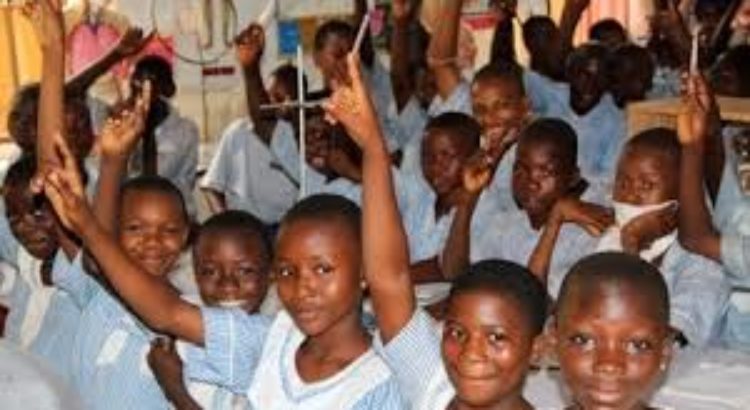
Nigeria: Atiku Seeks More Funds for Education

Africa/ Nigeria/ 02.12.2019/ Source: allafrica.com.

Former Vice President, Alhaji Atiku Abubakar who was the presidential candidate of the main opposition party, Peoples Democratic Party (PDP), in the 2019 general election, has called for more investment in education for Nigeria to lift majority of its people out of poverty. He also queried the increasing rate of borrowing by the federal government as against spending more on education.

Atiku, at the convocation ceremony of the America University of Nigeria, Yola, said Nigeria could not grow if it did not invest heavily in education.

«When philosophers say that an investment in education yields the most interest, they were stating a truism for which we see ample evidence in Nigeria,» he stated.

He also attributed insecurity in the country to poverty, adding that poverty is caused by illiteracy.

«It is a cycle that we can only break by educating our people. For the past four years, our education budgets have demonstrated the fact that developing the minds of our people has not been our priority.

«Two weeks ago, a friend of mine, Prof. Anya O. Anya, who just happens to be a former Chief Executive Officer, Nigeria Economic Summit Group (NESG), revealed that Nigeria has taken more loans in the last three years than she has taken in the 30-year period preceding 2016,» he added.

The former vice president queried the increasing rate of borrowing in Nigeria to the detriment of funding investment in education.

He said: «Now, how can we have such a monumental increase in borrowings vis-à-vis an unprecedented reduction in investments in education?»

According to him, as a businessman, the first lesson one should learn in business is that you do not take loans except it is to expand your business and there is no justification for taking out loans to pay salaries.

Atiku said Nigeria’s greatness was not tied to its elders but to its youths, who should be the focus of national investment.

He went further to give statistical relationship between education, crime and insecurity.

«Scandinavia outspends every other part of the world in investing in education, with the Nordic nation of Denmark spending an average of eight per cent of its Gross Domestic Product on education. They are followed closely by Iceland, Sweden, Norway and Finland.

«Now, is it a coincidence that in every survey of crime and insecurity released by the United Nations Office on Drug and Crime (UNODC) for 2018, these same nations and their region are listed as the safest parts of the world as well as the most crime-free states? I don’t think so. In fact, as someone who has invested heavily in education for decades, I know that this is not a coincidence,» he said.

Atiku explained that instead of doing many things and doing them poorly, the federal government and the federating units should rather focus on doing one or two things so that they can do them well.

He said: «When we get this right, we will get Nigeria right. The easiest way to make the most significant impact, in the shortest amount of time, is via education.

«As proof, I cite the fact that 2014 represented the year Nigeria invested the most in education with a N493 billion allocation (then the equivalent of $3.3 billion) to education, representing 9.94 per cent of the total budget.

«The very next year, the trio of the World Bank, the World Economic Forum, and CNN Money rated Nigeria as the third fastest-growing economy in the world. Again, I ask, was that a coincidence?

«If you think that it is, then how do you explain the fact that Nigeria slid into a recession the same year that our education budget began to drop from their pre-2015 levels? The total percentage of the budget allocated to education in 2014 was 9.94 per cent, which dropped to 6.10 per cent in 2016. It is as clear as night and day.

«What I propose is that the federal, states and local governments should consider a policy of allocating at least 10 per cent of the total budget appropriations to the education sector. If insanity is doing the same thing and expecting different results, it follows that the sane thing to do is that when you get a result that you like, you are challenged to repeat the process, and in fact, improve upon it, so that you can get the same or perhaps improved results.»

He explained that there is documentary evidence from the Human Development Index that the United Nations publishes annually that educated people are healthier.

He said: «Because they are healthier, the proportion of their income and the income of the government that is spent on treating diseases and sickness reduces, they, therefore, have more disposable income to spend, which boosts the economy. Healthier people are more productive. Because they are more productive, they are less prone to crime. The multiplier effects go on and on.

«And all tiers of government must recognise that there would be more money available to the government, via an improved economy, which means improved taxation, if they invest in education. I have been in this business since the 1980s. For every naira, you invest in educating a child, you add N5 to his life earnings. Tell me which other investment can yield that type of return on investment?»

«I have been spending some time in Germany because of the Saudi German Hospital investment I am attracting to Nigeria. One thing I found out in Germany is that private-sector corporations and manufacturers have their schools and institutes. Vocational education is so big in Germany and Japan that a lot of the German and Japanese labour force are vocationally educated by the industrial sector, rather than by the government or their parents or themselves,» he added.

Atiku said with support from the government by way of tax incentives and part-funding, Nigeria could ease its educational challenges by adopting the German Dual VET model, stating that it is a win-win for both government and the organised private sector because education will lead to an increase in highly skilled workers for the real sector, which will boost the economy and reduce unemployment.

He challenged multi-national companies and banks in Nigeria to step up their corporate social responsibilities, saying, «I want to see an MTN Academy for Telecommunications Studies, an Access Bank School of Business and Banking Studies, a Dangote Institute for Agriculture and Engineering and an Innoson School of Automotive Studies.

«Think of the impact such institutions will have. They will ease the burden on our public institutions and will enable artisans and technicians get the certification they need to transit from being low skilled workers to medium to highly skilled specialised semi-professionals.

«We are the largest black nation on earth, and it is our destiny to be a beacon of hope in Africa and to the Black Diaspora. And the only way we can fulfill our potential and live up to our boast of being the giant of Africa is by educating our people and unleashing their creative geniuses.»

Source of the notice: https://allafrica.com/stories/201912020257.html
Comparte este contenido:

Misplaced Modesty Hampers Sex Education in Japan’s Schools

Asia/ Japan/ 02.12.2019/ Source: www.nippon.com.

Sex education in Japan’s schools lags behind that in other countries on many fronts. What are the differences and why is Japan behind so much of the rest of the world? We asked Hashimoto Noriko, professor emeritus at Kagawa Nutrition University and an authority on educational sociology and gender studies, to explain.

Learn About the Body—But Keep It Clothed

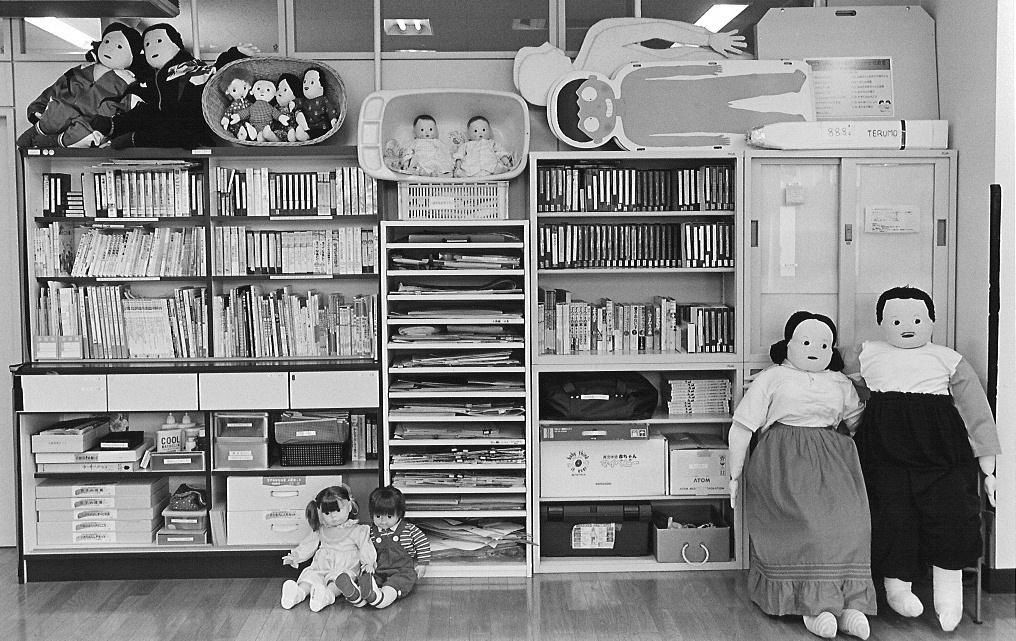
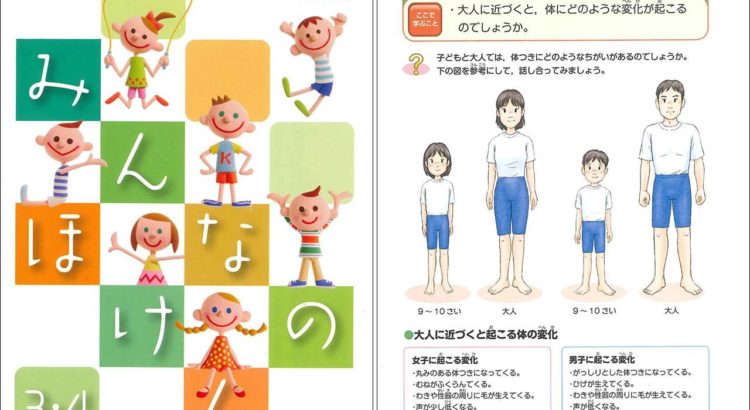
This is a page from a health and physical education textbook for third and fourth grade school students. The textbook is Minna no hoken (Health for Everyone, published in 2011 by Gakken) and the page is titled, Otona ni chikazuku karada (“As the Body Approaches Adulthood”).

Shown are a boy and girl, around age 10 and as adults. All are depicted wearing short-sleeved tops and shorts. Says Hashimoto: “How can you learn about the changes in the body by looking at an illustration of clothed figures?” In the 2005 edition of the textbook, the figures are naked, but someone decided to put clothes on them for the 2011 edition.

What are the textbooks like in other countries and how do they handle sex education? Hashimoto explains, “Many countries carry out comprehensive sex education based on UNESCO’s International Technical Guidance on Sexuality Education. Comprehensive sex education covers much more than just the subject of how the body develops. It encompasses everything from relationships and rights to sexual diversity and gender equality.”

The international differences are stark, as she explains. “In Finland and France, they teach biological facts, such as the role chromosomes play in determining the sex of a fetus; they delve into the diversity of human sexuality; and they explore the phenomena of human relationships. In China, they use explicit illustrations of the sexual organs to teach about sex, and the sex education in major Chinese cities is strongly influenced by the attitudes of Chinese citizens who have studied abroad. In Japan, however, as we can see by this textbook illustration, nothing is taught about the biological and scientific facts of human reproduction.

“In South Korean sex education textbooks, they even explain how to put on a condom. Thailand doesn’t go into that much detail, but does teach about safe sex as one way to deal with sexual urges. The correct way to put on a condom is not taught in Japan. Most sex education textbooks in Japan just do not meet international standards.”

Hashimoto Noriko believes Japan has much progress to make in the area of sex education. (Photo provided by Hashimoto)

A great part of this is due, says Hashimoto, to National Curriculum Standards that prohibit teaching about the processes of fertilization in fifth-grade science or about pregnancy in first-year junior high school health and PE classes.

Hashimoto explains how sex education in Japan got to this point.

“In the 1990s, sex education in Japan was among the most advanced in Asia, in part because of the AIDS scare. It was possible then to teach junior high school students about sexual urges and sexual behavior, sexual intercourse and birth control, and sexually transmitted diseases. The revised government education guidelines for elementary schools issued in 1992 for the first time called for health class textbooks for the fifth and sixth grades. A supplementary reader published in 1991 included a section on sexual intercourse. A textbook with similar content is being used in South Korea right now for sixth grade classes. But in Japan, this supplementary reader is out of print.”

Backlash Against Sex Education

Japan’s sex education was at the forefront in the 1990s. Why did it suddenly regress? The backward trend is related in part to a 2003 campaign to stop sex education at what is now the Nanao Special Support School, a Tokyo public institution for children with special needs. The campaign was led by some members of the Tokyo metropolitan assembly who were shocked to learn the school was teaching children with mental disabilities about sex using songs and dolls. They criticized the school for teaching “inappropriate” content that went well beyond government curriculum guidelines. The Sankei Shimbun concurred with a report critical of such “extreme” education, and the Tokyo Metropolitan Board of Education took disciplinary action against the principal and other teachers at the school. The faculty and parents fought back, however, taking the case to court with the claim that such intervention by metropolitan assembly members and the board of education was illegal. The case went all the way up to the Supreme Court, where it ended in 2013 in the defeat of the Tokyo metropolitan government and legislature.

These sex education materials in the health care office at the Nanao school were confiscated by the Tokyo Metropolitan Board of Education in 2003 in response to growing public disapproval of sex education in general.

“The court decision stated that the National Curriculum Standards could not be interpreted as word-for-word legal writ,” says Hashimoto. “In other words, the Standards are simply guidelines and a school’s decision to do something outside of the guidelines cannot be immediately judged as illegal. This case took ten years to resolve and went all the way to the Supreme Court. During this decade, sex education stagnated in Tokyo schools, where the disciplining of the Nanao teachers had a chilling effect.”

In 2004, immediately following the furor over the Nanao incident, the Tokyo Board of Education revised its handbook on sex education to emphasize that sex education must be pursued systematically and in stages appropriate to students’ physical development and in line with the National Curriculum Standards.

The Nanao defeat did not deter a Tokyo assemblyman involved in the case to once again, in 2018, decry as “inappropriate” a school’s approach to sex education. This time the criticism was aimed at a ninth-grade class on birth control and abortion in a public junior high school in Adachi, Tokyo. The National Curriculum Standards recommend that these topics be covered in senior high school, but this does not mean the junior high school acted illegally by including them in their curriculum.

“This junior high school had found in a survey that nearly half of its students thought it was OK to be sexually active once they moved on to high school. This, and the fact that the school was located in a less affluent district, led to the decision that earlier education on birth control and abortion was imperative. The school did not bring up the topics all of a sudden. The teachers began by teaching the seventh graders about relationships and the importance of equality, gradually leading up to the topics of birth control and abortion.”

Hashimoto stresses: “Children who undergo sex education learn to control their bodies. Without proper knowledge, they are left defenseless. And yet there are people who do now want to give children the knowledge they need.”

The Problem with Sex Ed in Ethics Classes

In the case of this junior high school, the Tokyo Board of Education reprimanded the school for prematurely introducing topics that did not coincide with the children’s level of development, but the Adachi Board of Education refuted this claim. Against this background, the revised Tokyo Board of Education guidelines for sex education issued this year for the first time concede that sex education going beyond the National Curriculum Standards may be implemented with the approval of the parents. Still, Hashimoto sees a problem in the numerous examples given in the guidelines of sex education being implemented within ethics classes.

“I see problems with every one of the eight publishers of government-approved junior high school ethics textbooks,” says Hashimoto. “Take for example, the ethics textbook for public junior high schools published by Nihon Kyōkasho, a textbook publisher with close ties to Nippon Kaigi, an ultranationalist group. This ethics textbook—which, by the way, Tokyo decided not to use in its schools—has a section titled ‘Life Roles,’ which tells the story of a mother on the day she is to be interviewed for a promotion at work. Both parents work in this family, and they usually have the grandmother who lives nearby take care of their youngest elementary school child during the day. On this important day, however, the grandmother falls ill and needs to be taken to the hospital. The father says he must go to work, and the elder daughter, a university student, says she has to go to school to make a presentation. The mother phones her company to cancel the promotion interview saying, ‘It appears I have another role to play.’ The family’s junior high school daughter is left to wonder what this ‘other role’ might be. The message is: Housework, childcare, and nursing care of elderly parents take precedent over a woman’s career. This is completely out of line with the concepts of gender equality and diversity in UNESCO’s International Technical Guidance on Sexuality Education.”

The Impact of the Failure to Teach About Sex

The biological, scientific facts of sex, noted earlier, and the concept of gender equality are missing in Japan’s sex education, says Hashimoto. Gender equality is a core concept in the global standard set by UNESCO’s Guidance. Japan’s failure to teach this concept is evident in a number of areas.

“Some years ago Thailand introduced a policy allowing married couples to choose to have different surnames. This is still not allowed in Japan. As with the approval of oral contraceptive pills, Japan is once again the last holdout in the United Nations to approve such policy. The virility drug Viagra was promptly approved to treat erectile dysfunction in men, but it took a long time before contraceptive pills were approved. As can be seen in the ethics textbook example cited earlier, there is a neoconservatism, which first appeared in the 1970s, that blames Japan’s economic ills on a decline in morals and advocates a return to traditional conservative values. This dovetails nicely with the neoliberal interest in the pursuit of profit.”

Hashimoto goes on: “These people want to cut back on social security. The family should be the safety net, they say, and women should sacrifice themselves for the family. But this perception of society goes completely against the Convention on the Elimination of All Forms of Discrimination Against Women which calls for the elimination of gender-based roles.”

The CEDAW was adopted by the United Nations General Assembly in 1979, took effect in 1981, and was ratified by Japan in 1985. Later, in 1999, an amendment was added that allowed for individuals to directly appeal to the UN’s Committee on the Elimination of Discrimination against Women when their rights as stipulated by this treaty were violated and they were unable to find recourse within their own country. Hashimoto notes, though: “This is an optional protocol, and Japan is the only developed country that has yet to ratify it. If Japan had ratified this protocol, it would be possible to appeal to the United Nations to make Japan give couples the option to each retain their respective surnames after marriage.”

What does this kind of delay in promoting human rights mean for Japan?

“The UNESCO Guidance asserts that sex education from early childhood through adulthood can determine a person’s happiness throughout life. The failure to provide proper sex education hinders individual development and happiness. If things continue here as they are now, Japan is going to find itself isolated within the international community.”

Source of the notice: https://www.nippon.com/en/japan-topics/c06603/misplaced-modesty-hampers-sex-education-in-japan%E2%80%99s-schools.html

Comparte este contenido:

Brasil abandona el área de educación del Mercosur en vísperas de la cumbre

América del Sur/ Brasil/ 02.12.2019/ Fuente: www.efe.com.

Brasil anunció este viernes que abandona los grupos de cooperación en educación que existen en el Mercosur, casi en vísperas de la Cumbre semestral del bloque, que se celebrará la semana próxima en la ciudad brasileña de Bento Gonçalves.

«A partir de ahora, el país deja de participar en las reuniones del bloque y pasa a tener relaciones y acuerdos bilaterales en esa área», indicó en un comunicado el Ministerio de Educación, según el cual la decisión obedece a «la falta de eficiencia y de resultados prácticos» del «Sector Educacional del Mercosur».

El comunicado aclara que todas las iniciativas en ese sector «serán mantenidas sin perjuicios a las partes» y cita entre ellas «el reconocimiento de la equivalencia de estudios en el ámbito de la educación básica», la cooperación en cursos de graduación y posgrado y el sistema de becas que funciona en el Mercosur.

Según la nota, «los demás países que hoy componen el Mercosur fueron comunicados oficialmente de la decisión» este mismo viernes por el ministro de Educación de Brasil, Abraham Weintraub, durante una reunión de autoridades del área educativa del bloque.

Agrega además que, en esa reunión, «solamente comparecieron el ministro brasileño y el de Paraguay, Eduardo Petta San Martín», en tanto que Argentina «envió un representante y Uruguay no estuvo presente».

En el comunicado, el Gobierno brasileño «resalta que no está rompiendo relaciones con los países vecinos», que «el diálogo permanece» y que «los futuros acuerdos, que traigan resultados efectivos, podrán ser firmados bilateralmente, como por ejemplo la implementación del bilinguismo (español-portugués) en las escuelas».

Según Brasil, a lo largo de los 28 años de cooperación dentro del Mercosur en el área de educación, no ha habido «resultados prácticos que impactasen positivamente en la mejoría de los índices generales de educación, aún con la inversión de recursos y la presencia política del país».

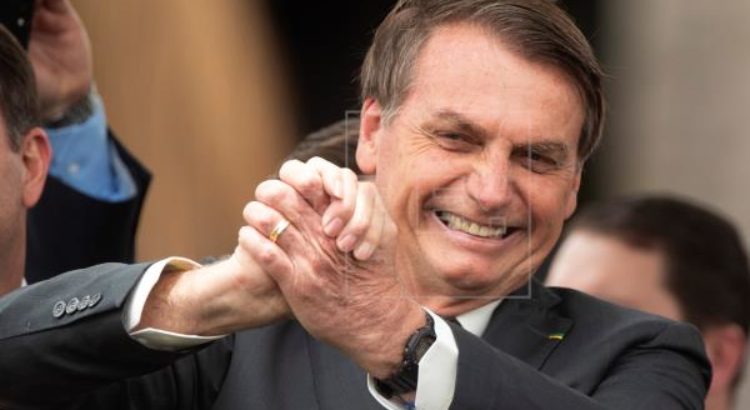
La decisión fue anunciada en momentos en que el Gobierno del ultraderechista Jair Bolsonaro se prepara para acoger la Cumbre semestral del bloque que su país integra con Argentina, Paraguay y Uruguay.

La cumbre se celebrará la semana próxima en la ciudad de Bento Gonçalves, donde este mismo viernes la cancillería confirmó que estarán presentes, junto a Bolsonaro, los presidentes de Paraguay, Mario Abdo Benítez, y Argentina, Mauricio Macri.

El mandatario argentino se despedirá en Bento Gonçalves de estas cumbres, ya que el próximo 10 de diciembre le entregará el poder al peronista Alberto Fernández, quien mantiene unas fuertes diferencias de carácter ideológico con Bolsonaro, que no le ha felicitado por su victoria en las urnas y anunció que no asistirá a su investidura.

El presidente uruguayo, Tabaré Vázquez, quien también asistiría a su última Cumbre del Mercosur, pues en marzo le traspasará el cargo al conservador Luis Lacalle Pou, no asistirá debido al cáncer que le ha sido detectado y será representado por la vicepresidenta, Lucía Topolansky, según la cancillería brasileña.

Fuente de la noticia: https://www.efe.com/efe/america/politica/brasil-abandona-el-area-de-educacion-del-mercosur-en-visperas-la-cumbre/20000035-4122460

Comparte este contenido:

Movimientos sociales en Bolivia, ¿del poder a la resistencia?

Por: Ollantay Itzamná. 

En la coyuntura boliviana actual, constatamos que el 10 de noviembre último se consumó un Golpe de Estado cívico-cristiano-militar promovido por el gobierno de los EEUU.

De lo contrario, ¿cómo se le llama a la ruptura del orden constitucional mediante la insubordinación cívico-militar que obligó al gobernante democráticamente elegido a exiliarse en México? ¿Cómo se denomina la autoproclamación inconstitucional y el ejercicio de poder de facto como Presidenta de Jeanine Añez quien jamás fue electa para dicho cargo?

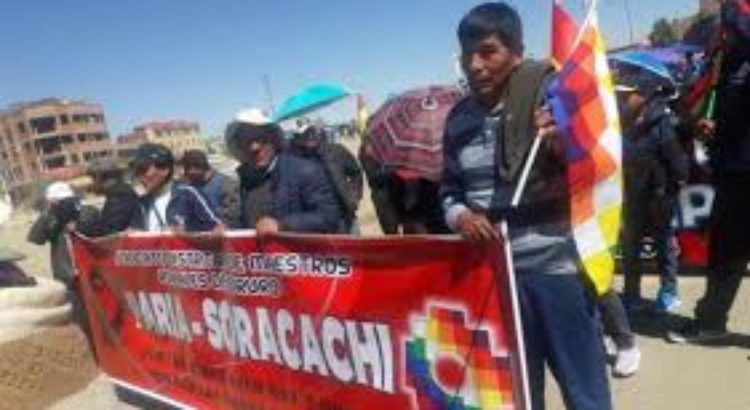
El Golpe de Estado consumado, instauró un régimen violento que en cuestión de una semana masacró más de 30 indígenas que protestaban contra el Golpe, centenares de heridos de bala, y una persecución jurídico-militar contra todo lo que respire a dirigente social. Cerró, ocupó y/o expulsó a todos los medios de comunicación que mostraban las acciones populares de resistencia al Golpe. Así, se instauró la Dictadura cívico-militar en Bolivia.

Una vez “sofocada” la resistencia popular en las calles, el gobierno de facto de Jeanine Añez obligó al Órgano Legislativo del Estado Plurinacional (con mayoría parlamentaria del MAS) a anular las recientes elecciones generales (del 20 de octubre pasado), le exigió sancionar la Ley de convocatoria a nuevas elecciones (sin Evo Morales, ni Álvaro García, como candidatos), y les mandó a agilizar la selección de nuevos vocales de los tribunales electorales para que organicen las próximas elecciones generales en Bolivia.

Simultánea a esta acción, el gobierno de facto, con el Decreto (Nº 4078) de masacre indígena en mano, sentó a la mayoría de los dirigentes de los movimientos indígenas, campesinos y obreros del país “al diálogo”, y les obligó a levantar los bloqueos de caminos. ¿Cuánto costó esta subordinación dirigencial al gobierno de facto? La historia lo dirá.

En cuestión de horas destituyó a los funcionarios públicos y administrativos principales de las empresas públicas, y colocó en dichos puestos a los familiares y amigos de los actores principales del Golpe de Estado, provenientes de las empresas privadas. Y éstos, ya comenzaron a difundir el conocido discurso neoliberal: “empresas públicas son ineficientes, están sobre endeudados, debemos privatizarlas…”.

Antes que Evo Morales aterrizase en México como exiliado político, el conocido asesor de lo que fue la Embajada de los EEUU en Bolivia ingresó al Palacio de Gobierno de Bolivia como asesor principal de la autoproclamada Añez, y ésta restauró las relaciones diplomáticas con los EEUU e Israel. ¿Dónde están los movimientos sociales que una década atrás sacaron de Bolivia a la Embajada gringa?

¿Y los potentes movimientos sociales que llevaron a Evo Morales al poder?

Por casi 14 años se sostuvo que el gobierno de Bolivia era un gobierno de los movimientos sociales. Morales, políticamente fue producto de los movimientos sociales que a su vez contaban con su propio instrumento político: MAS-IPSP.

Los movimientos indígenas y campesinos, en alianza con otros movimientos, no sólo llevaron al poder (y lo mantuvieron) al primer Presidente indígena en la América Latina criolla, sino también emprendieron las “nacionalizaciones” de los bienes naturales privatizados, impulsaron y concretaron la redacción y aprobación de la nueva Constitución Política del Estado Plurinacional.

¿Qué pasó con esa apoteósica potencia plebeya que expulsó incluso a la Embajada norteamericana y a la DEA de Bolivia? ¿Acaso sus dirigentes como Morales no eran funcionarios del Estado?

¿Acaso 14 años en el poder no les permitió recursos simbólicos y materiales (económicos) suficientes para organizar-formar-comunicar-movilizar a toda Bolivia? ¿Por qué Evo Morales y García Linera (ideólogo del proceso de cambio boliviano) tuvieron que refugiarse en la Provincia del Chapare, Cochabamba, más solitarios que hace 14 años atrás?….

A simple vista, al parecer, a los potentes movimientos sociales de Bolivia (CSUTCB, Bartolinas, CONAMAQ, CIDOB, Interculturales, COB) casi 14 años en el ejercicio del poder los desgastó como sujetos sociopolíticos.

Los cuadros dirigenciales de los movimientos sociales políticamente fueron subsumidos por el “instrumento político” MAS-IPSP. Y, éste, a su vez, se convirtió en un aparato electorero, y “bolsa de trabajo” en tiempos no electorales. El brazo político absorbió casi por completo al cuerpo social (movimientos sociales), al límite de inmovilizarlo.

¿Por qué la “soledad” de Evo Morales en el momento del Golpe de Estado?

Cuando ocurre el Golpe de Estado, ya no mandaban los movimientos sociales sobre el instrumento político. Mandaba el MAS. Y el MAS, como organización política, en el momento del Golpe, estaba casi completamente desmoralizado/desgastado por las denuncias del supuesto fraude. En muchos departamentos, las estructuras de los movimientos sociales se encontraban disgustadas con la dirigencia del MAS por las designaciones verticales de candidatos.

A esto se suma el creciente “cerco comunicacional” que padecía Evo Morales con relación a la coyuntura convulsiva/golpista del país. Sus allegados/asesores, no sólo impedían que actores de los movimientos sociales se aproximasen a Él, sino que le “dibujaban” una realidad ficticia sobre la realidad Boliviana, haciéndole creer que “Evo Morales era inamovible de la presidencia de Bolivia”.

Este fue el campo social fértil que aprovecharon los golpistas para derrotar psicológicamente al gobierno de Morales en las calles, en las entidades públicas, en la Policía Nacional, y finalmente en las Fuerzas Armadas.

Por eso, cuando Morales hace su última conferencia de prensa como Presidente, prácticamente se encontraba sólo, junto a su Vicepresidente. Únicamente acompañado por algunos actores de los movimientos sociales. Los funcionarios públicos (clase medieros) que le habían jurado lealtad ya habían desparecido antes “antes que la Biblia llegase al Palacio”.

¿Y los potentes medios estatales de comunicación y empresas públicas?

Si bien antes y durante el Golpe de Estado los golpistas, mediante las redes sociales y medios privados, instalaron en el imaginario colectivo boliviano el correlato de “Evo Morales es dictador, es el enemigo de la paz social”. Una vez ya en el poder, ocuparon los potentes medios de comunicación estatal construidos en 14 años por Morales (Canal de Tv estatal, Red de Radios Patria Nueva, periódico Cambio), y desde allí, junto a los medios corporativos privados “bien pagados con los ahorros públicos”, convencen a la audiencia boliviana que: “Morales es narcoterrorista”, “el MAS y las protestas sociales son criminales”.

De este modo, Morales no sólo dejó potentes medios de comunicación estatal para que desde allí, ahora, los golpistas hagan escarnio de Él y de los movimientos sociales, sino también dejó suficiente dinero público ahorrado para financiar dicha campaña. Además, decenas de empresas públicas económicamente solventes, creados por Morales, son repartidas como botín a los “familiares/amigos” de los principales golpistas.

De este modo, los pujantes movimientos sociales indígenas, campesinas y obreros que apenas hace una década atrás hicieron retroceder al sistema neoliberal y pusieron a uno de sus dirigentes como el primer Presidente Indígena en América Latina bajo el lema: “de la resistencia al poder”. Ahora, con la extirpación violenta que el gobierno usurpador hace de todo cuanto respire a movimiento social emancipatorio, éstos, al parecer, se retiran hacia sus territorios bajo la consigna de: “Del poder a la resistencia comunitaria. Volveremos y seremos millones”.

Fuente del artículo: https://www.rebelion.org/noticia.php?id=263030

Comparte este contenido:

República Dominicana: Derechos de la niñez movilizan la sociedad civil

Centro América/ República Dominicana/ 02.12.2o19/ Fuente: redclade.org.

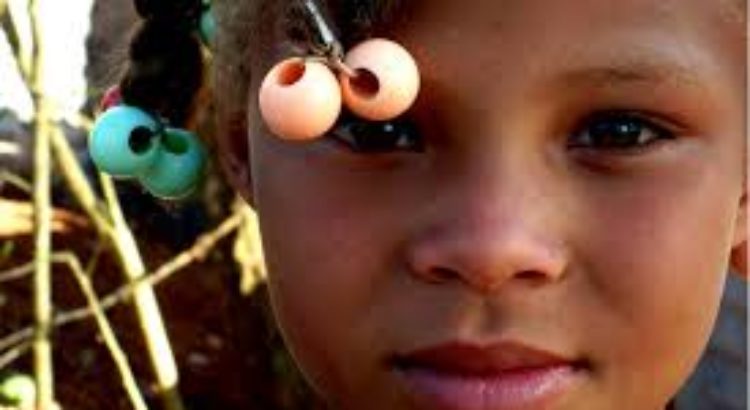
En celebración al aniversario de la Convención sobre los Derechos del Niño, organizaciones de la sociedad civil dominicana hicieron un llamado a que el Estado pague su deuda histórica con la niñez

En el marco de la celebración de los 30 años de la Convención sobre los Derechos del Niño (CDN), más de 25 organizaciones de la sociedad civil de República Dominicana, entre ellas el Foro Socioeducativo, articuladas en la Coalición ONGs por la Infancia, publicaron una nota en la que instan el gobierno del país y toda la sociedad a pagar su deuda histórica con la niñez.

De acuerdo a la Coalición, la deuda consiste en que la mortalidad infantil alcanza una tasa de 31 para cada mil personas nacidas vivas en el país; la desnutrición infantil crónica es del 7%; y casi medio millón de niños y niñas están fuera del sistema educativo, con el 13% trabajando en lugar de estar en la escuela. En relación al derecho a la participación, aún persiste la exclusión de las niñas y los niños de los espacios de toma de decisiones que les afectan.

Para pagar esta deuda con la niñez, la Coalición ONGs por la Infancia propone que se priorice la inversión en la niñez en la aprobación y ejecución del Presupuesto General del Estado. “Esto incluye una mayor asignación a aquellas instituciones con obligaciones directas de garantizar el cumplimiento de los derechos de niños, niñas y adolescentes”, afirman las organizaciones.

Las declaraciones fueron divulgadas en el marco de una conferencia de prensa, con la cual se dio apertura a los actos de celebración de los 30 años de la CDN en el país. Dentro de las actividades, se realizó un encuentro con adolescentes y un conversatorio con actores del sistema de protección a la niñez y la sociedad civil.

Las organizaciones exigen la mejora de la calidad de la educación, incluyendo el fortalecimiento de las capacidades docentes, la aplicación efectiva del currículo educativo en la tanda extendida y el incremento de la calidad de la alimentación escolar. Asimismo, instan para que se pongan en marcha políticas y acciones dirigidas al empoderamiento de los niños, niñas y adolescentes sobre sus derechos y como ejercerlos. “Al mismo tiempo, es necesario dotarles de herramientas prácticas que les permitan actuar frente a cualquier vulneración de sus derechos”, subrayan.

Hacen también un llamado a las y los precandidatas/os a la presidencia del país y a puestos electivos en los gobiernos locales, para que prioricen en sus agendas de gobierno la protección de los derechos de la niñez y la juventud, por medio de política públicas efectivas y sostenibles, que cuenten con la participación de todos los sectores políticos y sociales interesados, incluyendo las niñas y los niños.

>> Comunicado de la Coalición ONGs por la Infancia

Fuente de la noticia: https://redclade.org/noticias/cdn-republica-dominicana/

Comparte este contenido:

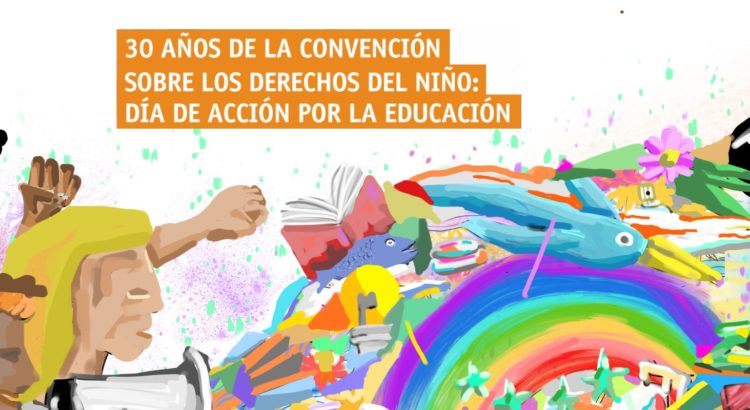
CLADE: 30 años de la convención sobre los derechos del niño

América Latina y el Caribe/ 02.12.2019/ Fuente: mailchi.mp.

En el marco del aniversario de este importante tratado, celebrado el 20 de noviembre, realizamos un Día de Acción Regional por la Educación. Ante un llamado del Comité de los Derechos del Niño de la ONU, a los Estados que firmaron la Convención, para que presentasen promesas renovadas y compromisos claros con el cumplimiento de este tratado, divulgamos mensajes a las autoridades y la ciudadanía, presionando para que se adopten medidas que aseguren los derechos de la niñez y la adolescencia.

En este mismo marco, realizamos un diálogo virtual para discutir los desafíos y propuestas para la garantía del derecho humano a la educación y al cuidado en la primera infancia en América Latina y el Caribe. Así mismo, divulgamos videos, dibujos y fotos en los que se expresan las perspectivas de adolescentes y jóvenes sobre su derecho a la educación, en el contexto de la iniciativa #LaEducaciónQueNecesitamos para el mundo que queremos.

Fuente de la noticia: https://mailchi.mp/7556b143f5da/boletn-primera-pgina-octubrenoviembre-de-2019

Comparte este contenido:

México: El Senado aprobó reformas a la Ley General de los Derechos de Niñas, Niños y Adolescentes, para prohibir los métodos de crianza de padres, abuelos o maestros a las antiguas generaciones.

América del Norte/ México/ 02.12.2019/ Fuente: www.milenio.com.

El Senado aprobó reformas a la Ley General de los Derechos de Niñas, Niños y Adolescentes, para prohibir los métodos de crianza de padres, abuelos o maestros a las antiguas generaciones, al aprobar reformas a la citada ley para prohibir el uso del castigo corporal en todos los ámbitos, como método correctivo o disciplinario. https://www.milenio.com/politica/chanclazos-pellizcos-jalones-oreja-prohibidos-senado

✅ Por unanimidad, con 114 votos a favor, se aprueba el dictamen que reforma la Ley General de los Derechos de Niñas, Niños y Adolescentes, para prohibir el castigo corporal como método correctivo o disciplinario, para niñas, niños y adolescentes.

???? https://t.co/BdgjfX0nZj pic.twitter.com/6GT811o6eU — Senado de México (@senadomexicano) November 26, 2019 https://www.milenio.com/politica/chanclazos-pellizcos-jalones-oreja-prohibidos-senado

El decreto fue enviado a Cámara de Diputados y en el dictamen se hace notar que según cifras oficiales de la UNICEF, de su informe anual 2017, 6 de cada 10 niñas, niños y adolescentes entre 1 y 14 años han experimentado algún método violento de disciplina infantil en sus hogares.

Uno de cada 15 niños y niñas ha recibido alguna forma de castigo físico severo: jalones de orejas, bofetadas, manotazos o golpes fuertes, como método de disciplina. “La escuela y la vía pública son dos entornos donde suceden 8 de cada 10 agresiones contra niñas, niños y adolescentes entre 10 y 17 años.

Mientras que el hogar es el tercer lugar en donde están expuestos a la violencia”, refiere el estudio. Se indica que las niñas y las adolescentes son las más afectadas, ya que 7 de cada 10 fueron sujetos de agresión en sus hogares. En tribuna, la panista Josefina Vázquez Mota, presidenta de la Comisión de Derechos de la Niñez y la Adolescencia, dio que con ello se evitarán castigos extremos, que en muchos casos acaban con lesiones, de moderadas a graves y hasta en la perdida de la vida.

“Según cifras del Instituto Nacional de Estadística y Geografía entre 2012 y 2017 fueron asesinados casi 2 mi 600 menores de 15 años, 42 por ciento de ellos a manos de algún familiar en sus hogares o por maltrato. El castigo corporal y otras formas humillantes son todavía usados como medios de disciplina y corrección para niñas, niños y adolescentes”.

Fuente de la noticia: https://www.milenio.com/politica/chanclazos-pellizcos-jalones-oreja-prohibidos-senado

Comparte este contenido:
Page 1816 of 6823
1 1.814 1.815 1.816 1.817 1.818 6.823