Page 259 of 773
1 257 258 259 260 261 773

Máximo órgano legislativo de China revisa informe sobre igualdad de educación

Asia/China/29 Agosto 2018/Fuente: spanish.people

Los legisladores chinos revisaron hoy martes un informe del Consejo de Estado, el gabinete del país, sobre el desarrollo coordinado de la educación obligatoria en las áreas urbanas y rurales, que concede atención particular a las regiones rurales.

Encargado por el Consejo de Estado, el ministro de Educación, Chen Baosheng, presentó el informe a los legisladores en la sesión del Comité Permanente de la Asamblea Popular Nacional, que se celebra entre el lunes y el viernes.

Al hablar de las medidas tomadas por las autoridades para acortar la diferencia entre las regiones urbanas y rurales, Chen dijo que asignaron 17.900 millones de yuanes (unos 2.630 millones de dólares) para ofrecer prestaciones de subsistencia a 16,04 millones de estudiantes de familias pobres en 2017, y añadió que las autoridades destinaron el 90 por ciento del dinero a los estudiantes de las regiones centrales y occidentales, menos desarrolladas.

Un total de 170.000 graduados universitarios serán seleccionados para trabajar en escuelas rurales de 2017 a 2018, indica el informe.

Tras reconocer que la asignación desequilibrada e inadecuada de los recursos educativos sigue siendo un problema importante, el informe llama a los gobiernos a diversos niveles a que asuman las responsabilidades debidas en la administración de la educación obligatoria y den más apoyo a las regiones afectadas por la pobreza.

La educación obligatoria incluye la escuela primaria y el primer ciclo de la secundaria en China.

Fuente: http://spanish.people.com.cn/n3/2018/0829/c31621-9495087.html

Comparte este contenido:

A New Push Is On for Afghan Schools, but the Numbers Are Grim

By Mujib Mashal and Najim Rahim

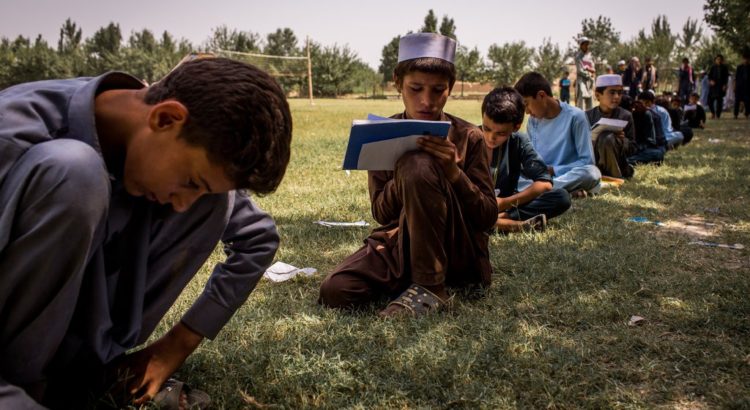
Before the start of another Afghan school year, about 200 tribal elders in the southeastern district of Laja Mangal gathered in a schoolyard for an important declaration: Any family that did not send its children to school would be fined $70, about half a civil servant’s monthly salary.

The district of about 50,000 people had built seven schools over the past 15 years, yet it had struggled to attract students from the mountainous area where the Taliban also have influence. The elders, feeling old tribal customs were holding back their children, thought the drastic measure was necessary.

“They see those people who go to school and become important people in the government and international organizations, so they have tasted the value of education,” said Khayesta Khan Ahadi, who was the headmaster of the first school built in the district.

Mr. Ahadi said local Taliban, after outreach by the tribal elders, announced their support for the decision from the loudspeakers of local mosques.

The tribal elders’ decision has gained attention across Afghanistan not just because it could help more children get an education, but also because it comes at a time when many remain deprived. Violence and corruption have overshadowed what was once a remarkable success story.

3.5 million children are unschooled.

That 3.5 million figure is according to Unicef. Seventy-five percent of them are girls.

The reasons vary. Violence remains high and widespread. There are too few female teachers, and many families will only let girls be taught by women. For many, going to school means a walk of many miles each day.

In certain parts of the country enjoying relative peace, however, female enrollment seems higher than that of boys.

In the central Bamian Province, 58 percent of the 162,000 students are female, according to Ayyub Arvin, the provincial director of education.

1,075 schools remain closed.

The country’s Education Ministry says it has 17,500 schools across the country, but 1,075 remained shut last year, largely because of raging violence. The south of the country, where violence has been relentless over the past decade, has been disproportionately affected by the school closures.

Activists say the number of closed schools is even higher. Mattiullah Wesa, who leads the organization the Pen Path, said they have counted 1,600 shuttered schools.

Of Afghanistan’s approximately 400 school districts, there are 48 districts where not a single male student has graduated from high school in the past 17 years, Mr. Wesa said. There are around 130 districts from where not a single girl has graduated from high school in the same period, he added.

Nearly half of schools lack buildings.

A survey of 32 of the country’s 34 provinces by The New York Times shows close to half the schools lack buildings. Provincial officials in these areas reported that more than 7,000 schools either teach in open air or have worked out temporary arrangements for classes in rental homes.

The provinces of Ghor and Herat in the west, Badakhshan in the northeast, and Nangarhar in the east had the highest number of schools without buildings, each with at least 400.

“Even inside the city, and the centers of the districts, we have schools that lack buildings,” said Rohullah Mohaqeq, the provincial director of education in Badakhshan.

Corruption hits every level.

Despite huge donor investment in Afghan education, corruption remains one of the major causes for its abysmal infrastructure.

The country’s education system is marred by corruption — from the smallest procedures of modifying school certificates, to the appointment of teachers and the handling of school construction contracts — a damningreport by the country’s independent corruption monitor said last year. People seeking a teaching job could pay as much as a $1,000 in bribes, nearly five months’ salary, to secure a position.

Recently, the government has tried to tackle corruption in the hiring of teachers by introducing a more rigorous process through its civil service commission. The Education Ministry is the country’s largest civil service employer.

Corruption has also been seen as a major reason for discrepancies in enrollment numbers. The country’s previous government had claimed more than 11 million children were in school, with allotted resources often going into the pockets of local and central officials. But the new government has placed that number anywhere between 6.2 million to a little over 9 million.

Pressure on Taliban works, sometimes.

Across the country, as violence has become the daily reality, elders have tried to figure out local arrangements that would reopen schools.

“The good news is that the Taliban now want schools in their area of control because of local pressure,” said Dawood Shah Safari, the head of the education department in Helmand, whereas many as 30 school buildings are used as cover by fighters on both sides. “Villagers keep coming to me with letters of approval from the Taliban, asking us to open schools.”

In northeastern Warduj district, which is largely controlled by the Taliban, officials said 16 schools that had been closed for two years were reopening this spring after talks with the group.

The 13 schools in the Nawa district of Ghazni Province have been closed since 2001, with no child able to attend, according to Mujib-ur-Rahman Ansar, the provincial director of education. But recently, local elders convinced the Taliban to allow the schools to reopen. As many as 25,000 children could attend if the Taliban allow both boys and girls, Mr. Ansar said.

“I must tell you that there isn’t any professional teacher for these students,” Mr. Ansar said. “I will hire one to two teachers, and the guy may only be able to read and write, with a ninth or 10th grade education, not much more.”

Other times, Taliban still threaten.

Last week, as schools prepared to open in the northern province of Kunduz, the official ceremony in the capital city had to be shifted because of Taliban threats.

Only a quarter of Kunduz city’s 130 schools have opened their doors to students. The rest, even those under nominal government control, are waiting for the Taliban to give the green light.

The dispute seems to be over the mechanism of paying the teachers. The Taliban say they are not opposed to education but will keep the schools shut until the government changes the method of paying teachers from bank deposits to cash.

On Saturday, hundreds of teachers marched in Kunduz city, saying they hadn’t been paid for five months.

Mawlawi Bismillah, the Taliban’s head of education for Kunduz, said the group’s position was intended to reduce the headache for teachers, who need to make long trips to the provincial capital to withdraw their money. It’s easier if the money is delivered by middlemen, he said.

Government officials say the Taliban are pushing the change because they want a cut.

“They should come and monitor the payment process,” Mr. Bismillah said. “In our areas of control, we have very active attention and monitoring.”

Source of the article: https://www.nytimes.com/2018/04/01/world/asia/afghanistan-schools-taliban.html
 

Comparte este contenido:

Transgender students in Japan break barriers to women’s colleges

By Nikkei Asian Review

Prestigious Tokyo school sets example with new admissions policy for 2020

Women’s universities across Japan are gradually opening their doors to transgender students, reversing long-held policies of accepting only female applicants.

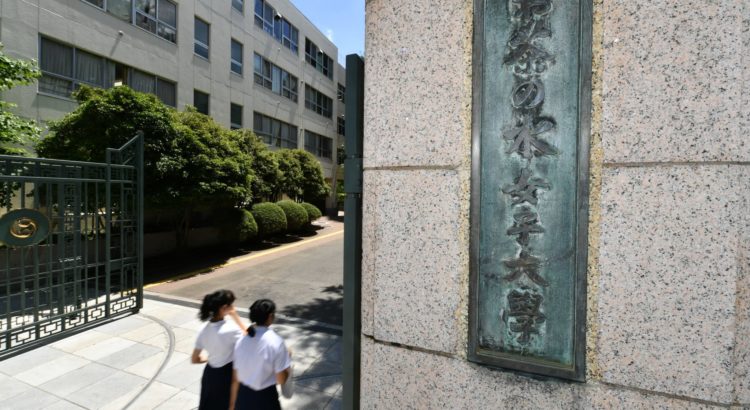
Ochanomizu University broke new ground on Tuesday, when it announced it would start enrolling transgender students in the year that begins in April 2020. Kimiko Murofushi, the university’s president, told reporters this is a «natural» decision in a diverse society.

Murofushi said the Tokyo school will revise its application qualifications to include «people who identify themselves as female,» in addition to «people who are listed as women on their family registers.» As recently as 2016 and 2017, the university had responded to inquiries about transgender admittance by saying it would accept only the latter.

Nevertheless, the school began to seriously consider changing the policy, as prestigious women’s universities in other countries have been doing so one after another. Now, Ochanomizu University’s move is expected to encourage other women’s colleges in Japan to accept students who were assigned the male gender at birth but identify as female.

Some universities are already headed in the same direction.

Ochanomizu University President Kimiko Murofushi, center, explains the decision to reporters in Tokyo on July 10. (Photo by Konosuke Urata)

In 2015, a transgender child expressed a desire to attend a junior high school affiliated with Japan Women’s University. Upon consideration, the university decided it was «too early to accept» the child. Yet, prompted by the case, the university set up a committee last year to consider admitting transgender students.

Tsuda University also set up a committee for the same purpose in 2017. Nara Women’s University is weighing the matter as well.

A panel of experts under the Science Council of Japan’s law committee pointed out last year that denying transgender students admission to girls’ schools and women’s universities constitutes «an encroachment on their rights to learn.» The panel includes representatives from women’s colleges.

Ochanomizu University said it will ask transgender students wishing to take the entrance exam to explain their identity in advance. The university will then check whether they meet the application requirements. The school plans to establish a new committee to work out the details of the system before formally changing the policy.

Itsuki Dohi, a 56-year-old transgender woman who teaches at a Kyoto Prefecture-run high school, has held meetings with transgender youths. She said Ochanomizu’s move is «significant because [transgender] students will also have their existence recognized.»

Of the students who attend the meetings, Dohi said: «I want to tell them that there will be no problem if transgender people enter universities.»

Source of the article: https://asia.nikkei.com/Life-Arts/Life/Transgender-students-in-Japan-break-barriers-to-women-s-colleges


Comparte este contenido:

China otorga 24 becas universitarias a jóvenes guatemaltecos

Centro América/Guatemala/27.08.18/Fuente: dca.gob.gt.

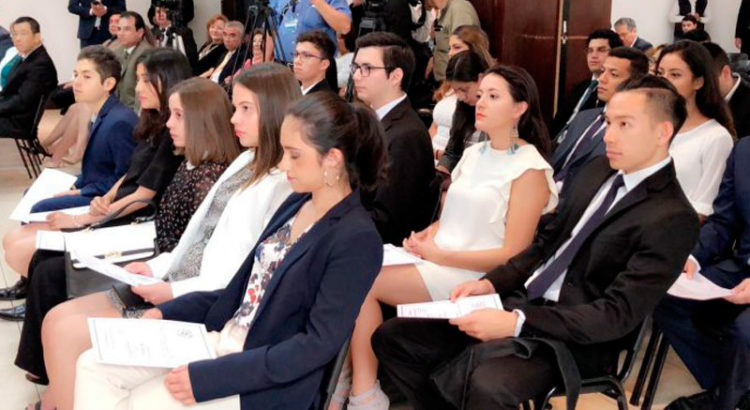
Un total de 24 becas a igual número de jóvenes guatemaltecos, para que reciban formación en universidades de prestigio, entregó hoy el gobierno de China (Taiwán), como parte de su programa educativo de apoyo a otras naciones.

Al respecto, el ministro de Educación, Óscar Hugo López, se dirigió a los beneficiados diciéndoles, “estamos totalmente convencidos que cuando ustedes regresen traerán conocimiento para realizar aportes a la sociedad guatemalteca”.

Los alumnos cursarán los grados de licenciatura, maestría y doctorado en las carreras de Administración de Empresas, Odontología, Ingeniería Mecánica e Ingeniería de la Computación, así como en Ciencia y Biotecnología.

Por su parte, el embajador del país asiático, John Lai, dijo que este intercambio educativo fomenta la amistad entre los dos países.

Fuente de la Noticia: https://dca.gob.gt/noticias-guatemala-diario-centro-america/china-taiwan-otorga-24-becas-universitarias-a-jovenes-guatemaltecos/

Comparte este contenido:

Hong Kong educators have forgotten that schooling should be fun

By Luisa Tam

I came across a very inspiring video on Facebook recently in which a teacher in a US public school was seen starting her class in the morning by exchanging elaborate handshakes with her young students, which had been personalised to each and every one of them. It wasn’t difficult to see that they were so excited to shake their teacher’s hand as they queued outside the classroom awaiting their turn.

I was totally overwhelmed and inspired by this, but sadly this is something I have rarely seen in our own education system. In Hong Kong, our educators seem to have forgotten that schools should be fun places to inspire and excite students to learn by providing a warm and hospitable environment to nurture their love for learning.

A good education should not just focus on academic attainment but also embrace genuine learning, creative teaching and encourage the overall development of the child.

This Facebook video, which has gone viral with more than 49 million views, also illustrates how important it is for teachers to build a genuine connection with students. Although the Baptist University debacle has died down for now, a short clip is a critical lens that shows what we seriously lack in Hong Kong’s education; our educators’ inability to connect, collaborate, engage with students or instil creativity in them. They are also guilty of turning schools into boring and lifeless education factories driven merely by a culture of homogeneity.

I dare say that many of our local educators still cling to the conformist concept that learning should not be fun because the process of acquiring anything worthwhile cannot and should not be fun at all, let alone enjoyable.

In Hong Kong, schools have turned into academic torture dens and signs of academic burnout are becoming increasingly common in younger primary students, which could trigger low self-efficacy and low self-esteem. I have witnessed some of these problems in the young children of some of my friends.

If you ask any child who attends a local school in Hong Kong, most of them will tell you it’s hard to differentiate between schools and prisons, as children feel trapped and unfulfilled in their classrooms, day in and day out.

Unlike Western education, local schools in Hong Kong are never meant to be fun and nor do they pretend to be. Most of our schools advocate excruciatingly long hours of homework, constant drills and rote-learning but never meaningful learning. Surviving school in Hong Kong is real hard work and local students recognise that this is what to expect throughout the course of their schooling; they have become blasé to this sad fact of life and so they choose to serve their time without complaint.

Whenever I hear the Hong Kong government churn out the buzzwords “creative economy”, I can’t help but feel that we are actually stuck in an “uncreative economy”. Moreover, if we are to build a creative economy, like what the government has been emphasising, we would need to have more creative industries. And to reach that goal, it would mean having to nurture creative young people to assure our future survival in an increasingly creative and competitive world.

But the irony is the government keeps on discouraging creativity and innovation, which turns our young people into near lifeless robots who only know how to push themselves to earn the best exam results.

The video clip of the cheerful US public school stands in stark contrast to the recent controversy at Baptist University, in which a group of students barged into a school office to push for the scrapping of the school’s apparently unreasonably difficult Mandarin assessment. It was obvious in the video that the American teacher and her students shared a mutual respect, but this was not the case with the Baptist University students, who chose to blame their educators and the establishment for their own shortcomings.

The challenge that Hong Kong’s educators face is that as the world of education has evolved to keep pace with a creative economy, they are still bogged down by the tremendous weight of the stifling rigidity of traditional education that neither meets today’s needs nor tomorrow’s challenges.

Our Hong Kong teachers might not be as agile as the American teacher in creating rhythmic or synchronised handshakes with their students, but a good first step is to treat students like individuals and recognise their differences in learning and motivation. Teachers and students need to build a positive relationship to create a learning experience that is welcoming and a setting that’s inviting. Like running a good business, there has to be trust and respect and a collaborative culture in which students can acquire a truly genuine education for tomorrow. That’s the future of learning and without this, we are doomed.

Fuente del artículo: https://www.scmp.com/comment/insight-opinion/article/2133070/hong-kong-educators-have-forgotten-schooling-should-be-fun

Comparte este contenido:

El futuro de 500.000 niños rohinyás está en peligro si no se invierte en su educación (Audio)

Bangladesh / 26 de agosto de 2018 / Autor: Redacción / Fuente: Noticias ONU

Los niños y niñas que viven en los hacinados campamentos de refugiados del distrito de Cox’s Bazar en Bagladesh afrontan un futuro sombrío, con pocas oportunidades para aprender y sin saber cuándo podrían regresar a sus hogares en Myanmar.

A más de medio millón de niños rohinyás refugiados en el sur de Bangladesh se les niega una educación adecuada. Para evitar que caigan presa de la desesperación y la frustración es necesario el compromiso activo de la comunidad internacional, según indica un nuevo informe del Fondo de la ONU para la Infancia (UNICEF) publicado este jueves.

«Si no invertimos ahora en educación, corremos el peligro de ver a una «generación perdida» de menores rohinyás, niños y niñas que carecen de las aptitudes que necesitan para hacer frente a su situación actual, y que serán incapaces de contribuir a la sociedad cuando puedan regresar a Myanmar», dijo Edouard Beigbeder, representante de UNICEF en Bangladesh.

El informe destaca el importante desafío en materia de educación que supuso para UNICEF y sus socios la repentina llegada de un gran número de menores rohinyás.

Además, subraya que, gracias a un gran esfuerzo de ayuda internacional liderado por el Gobierno de Bangladesh, se ha logrado establecer los servicios básicos para los refugiados y se han disipado los temores del contagio de enfermedades.

El temor a un futuro incierto

Según las cifras de UNICEF, en julio de 2018, estaban activos unos 1200 centros de aprendizaje y se había matriculado a casi 140.000 niños. Sin embargo, no había un plan de estudios común, las aulas a menudo estaban saturadas y carecían de agua y otros servicios básicos.

Actualmente se está elaborando un nuevo programa de aprendizaje que busca elevar su nivel de lectura, escritura, lenguaje y aritmética, así como competencias básicas para la vida cotidiana.

El asesor principal de comunicaciones de UNICEF, Simon Ingram, describió los temores de los menores.

“En este momento empiezan a mirar hacia el futuro y se preguntan: ¿Y ahora qué? Están empezando a pensar qué clase de futuro les espera y aquí es donde aparece un nuevo nivel de ansiedad y miedo”.

El estudio destaca la necesidad de que la comunidad internacional invierta para conseguir una educación de calidad para todos los menores rohinyás, especialmente las niñas y los adolescentes que corren un mayor riesgo de quedar excluidos.

También pide al Gobierno de Myanmar que proporcione acceso a la educación preescolar, primaria y secundaria de calidad y en las mismas condiciones a todos los niños en el estado de Rakhine, donde aún hay más de medio millón de rohinyás.

De los poco más de 28 millones de dólares que el Fondo de la ONU para la Infancia pidió este año para financiar la labor educativa con los refugiados rohinyás, solamente ha conseguido recaudar una cifra ligeramente superior al 50%.

Fuente de la Noticia:

https://news.un.org/es/story/2018/08/1440102

ove/mahv

Comparte este contenido:

La educación, el pasaporte hacia la dignidad de los niños y niñas refugiados de Palestina, en riesgo

Redacción:  Raquel Martí/El Diario

La educación, el pasaporte hacia la dignidad de los niños y niñas refugiados de Palestina, en riesgo

La educación para los niños y niñas refugiadas de Palestina no es sólo una forma de desarrollarse y garantizarse un futuro, es la única manera de mantener la cohesión de un pueblo en la diáspora, es la vía para transmitir la cultura palestina, una forma más de resiliencia, su única arma contra la guerra y la ocupación. Es incluso un oasis de paz en un contexto de violencia extrema.

UNRWA lleva salvaguardando la educación de los refugiados y refugiadas de Palestina desde hace 68 años. Hasta la fecha, dos millones de niños y niñas se han graduado en sus escuelas. La amenaza de quedar excluidos de la educación es el mayor daño que se le puede causar a la comunidad de refugiados más antigua del mundo.

Más allá de los hallazgos sobre la excelencia educativa de UNRWA, la educación es el motor social y cultural de la comunidad. Las escuelas de UNRWA son parte de una comunidad más amplia y una cultura de aprendizaje que apoya al niño y garantiza que la educación recibida sea de calidad. Los maestros y maestras, refugiados de Palestina, son el motor de la educación de la Agencia, pero también hay una gran implicación de toda la sociedad palestina. Junto a los maestros, las familias y la sociedad en su totalidad priorizan la educación de sus hijos e hijas por encima de todo. Esto es algo que les inculcan desde pequeños y que cala hondo en los estudiantes.

Faisal, un maestro de UNRWA de 56 años del campo de refugiados de Dera’a, en el sur de Siria, ilustra la determinación y la capacidad única de entrega delprofesorado de UNRWA. Faisal salía de su casa a las 6:30 todas las mañanas, viajaba 60 kilómetros, cruzaba dos zonas de enfrentamientos armados y cuatro puestos de control militar, para enseñar a su clase de estudiantes de tercer grado dentro del campo de Dera’a. Los tres edificios escolares de UNRWA allí fueron destruidos, pero 300 niños asistían a una escuela improvisada.  Antes de la guerra, el viaje de Faisal duraba diez minutos. En la actualidad, él y otros miembros del personal educativo de UNRWA dejan atrás a sus propios hijos cada día, arriesgando sus vidas para proporcionar a los niños y niñas refugiados de Palestina una educación de calidad.

El coraje y la determinación son sintomáticos del valor que la comunidad de refugiados de Palestina brinda a la educación, lo que a su vez explica por qué a pesar de los alarmantes niveles de inseguridad en zonas como Gaza, Siria o Cisjordania, nuestros cientos de miles de estudiantes continúan desafiando el conflicto armado y la ocupación y asistiendo a nuestras escuelas.

Hoy anunciamos que reabrimos nuestras 711 escuelas para que el más de medio millón de estudiantes que acuden a ellas puedan comenzar su curso escolar a tiempo. Pero no lo celebramos. Tan sólo tenemos fondos para pagar los salarios de los maestros durante un mes. Eso quiere decir que los 526.646 niños y niñas que en las próximas semanas regresarán con ilusión a sus clases, seguirán atemorizados por la posibilidad de tener que regresar a sus casas a finales de septiembre sí la comunidad internacional no destina los fondos necesarios para mantener el sistema educativo de UNRWA.

El empeño de algunos políticos de reducir la financiación a UNRWA pone en riesgo su derecho fundamental a la educación y el futuro de toda una generación. Algo que solamente traerá mayor inestabilidad a una región ya de por sí altamente inestable.

Fuente: https://www.eldiario.es/unrwa/educacion-pasaporte-dignidad-refugiados-Palestina_6_804279571.html

Comparte este contenido:
Page 259 of 773
1 257 258 259 260 261 773