Page 1223 of 6195
1 1.221 1.222 1.223 1.224 1.225 6.195

Venezuela: PAE Seguirá Activo en Escuelas y Liceos de Lara

PAE Seguirá Activo en Escuelas y Liceos de Lara

María B. Jordán | LA PRENSA DE LARA.- El Programa de Alimentación Escolar (PAE) seguirá activo en las escuelas y liceos a pesar que ya los estudiantes estarán vacaciones.

Tal y como estuvieron trabajando durante el tercer momento de educación a distancia, el PAE continuará atendiendo no solamente a los estudiantes de las escuelas y liceos, sino que también le darán un plato de comida a las personas más vulnerables de la comunidad.

A pesar que aún la Zona Educativa no emite información de los días y los horarios que será la entrega de la comida, confirmaron que seguirán haciendo su trabajo tal y como lo planteó el Ministro de Educación en días pasados.

Adicional a eso, durante vacaciones, los estudiantes seguirán recibiendo juegos, enseñanzas y actividades recreativas a través del plan «Cada Familia Una Escuela» para que en medio del confinamiento los muchachos se entretenga y aprendan, pero esto no influirá con notas ni puntuaciones, pues se trata de actividades para reforzar el aprendizaje.

Fuente de la Información: https://www.laprensalara.com.ve/nota/18865/2020/07/pae-seguira-activo-en-escuelas-y-liceos-de-lara

Comparte este contenido:

Argentina: El Gobierno de Santa Fe realizó un webinar sobre violencia laboral con perspectiva de género

El Gobierno de Santa Fe realizó un webinar sobre violencia laboral con perspectiva de género

Por Impulso

Con la presencia del ministro de Trabajo, Roberto Sukerman, y la secretaria de Igualdad y Género, Celia Arena, más de 300 personas siguieron de manera virtual la actividad que contó con el respaldo de la OIT.

El Ministerio de Trabajo, Empleo y Seguridad Social de Santa Fe, realizó un webinar sobre Abordaje de la Violencia Laboral con Perspectiva de Género en el que participaron más de 300 asistentes de manera virtual.  La actividad contó con la exposición de especialistas, y se dio en el marco de la media sanción del  Senado a la ratificación del convenio 190 sobre la eliminación de la violencia y el acoso en el mundo del trabajo de la OIT.

El ministro de Trabajo, Roberto Sukerman, indicó que hay un fuerte compromiso del Gobierno de Santa Fe para fortalecer las instancias de capacitación a través de la Dirección de Empleabilidad Inclusiva, mejorar el acceso al trabajo de los sectores más vulnerables e intervenir en los reclamos de violencia laboral en el ámbito privado.

Por su parte, la Directora Provincial de Promoción del Empleo Digno, Fernanda Medina, señaló que incorporar la perspectiva de género permite generar mayores niveles de equidad, y garantizar espacios laborales libres de violencias.

Entre las y los expositores se destaca la presencia de la secretaria de Estado de Género e Igualdad, Celia ArenaJavier Cicciaro, Coordinador de la Iniciativa Spotlight de la OIT; Patricia Saenz, de la Oficina de Violencia Laboral del Ministerio de Trabajo de la Nación; Mónica Macha, Diputada Nacional del Frente de Todos; Lucila de Ponti, diputada provincial del PJ; Celina Font, actriz integrante de la Comisión Directiva de SAGAI; y Sabrina Cartabia, abogada feminista.

Fuente de la Información: https://www.impulsonegocios.com/el-gobierno-de-santa-fe-realizo-un-webinar-sobre-violencia-laboral-con-perspectiva-de-genero/


Comparte este contenido:

España: La Concejalía de Mayores activa por primera vez en Ponferrada un plan de verano para la tercera edad

La Concejalía de Mayores activa por primera vez en Ponferrada un plan de verano para la tercera edad

Las actividades del programa ‘Vida activa’ están dirigidas a los usuarios de los Centros de Día de El Plantío y Flores del Sil incluirán talleres de Taichi, baile, manualidades, cestería, scrapbooking, memoria y teléfonos inteligentes

Las actividades del programa ‘Vida activa’ están dirigidas a los usuarios de los Centros de Día de El Plantío y Flores del Sil incluirán talleres de Taichi, baile, manualidades, cestería, scrapbooking, memoria y teléfonos inteligentes

La Concejalía de Mayores del Ayuntamiento de Ponferrada ha presentado esta viernes la ampliación del programa ‘Vida activa’ para abarcar por primera vez la temporada estival. «Tras el impacto de la pandemia, era ineludible adoptar medidas extraordinarias para los y las usuarias de los centros de día. La situación que han vivido ha sido especialmente dura y es fundamental recuperar cuanto antes los hábitos y los talleres que ejercitan un envejecimiento activo y saludable», explicó la concejala María Luisa Varela.

Las distintas actividades, dirigidas a los usuarios de los Centros de Día de El Plantío y Flores del Sil incluirán talleres de Taichi, baile, manualidades, cestería, scrapbooking, memoria y teléfonos inteligentes, y se llevarán a cabo entre el 20 de julio y el 18 de septiembre.

Varela defiende «el gran paso adelante que supondrá para su bienestar que las socias y los socios de los centros de día recuperen la cotidianidad, ocupando activamente su tiempo y retomando las relaciones personales para paliar los efectos del aislamiento que azotan especialmente física y psicológicamente a la tercera edad».

Tal y como apunta la Concejala de Podemos, la propuesta ha sido diseñada escrupulosamente en base a las recomendaciones sanitarias con las máximas garantías para las personas usuarias. Todos los talleres se desarrollarán en grupos reducidos y al aire libre.

Fuente de la Información: https://www.leonoticias.com/ponferrada/concejalia-mayores-activa-20200717140128-nt.html

Comparte este contenido:

Chile – Alerta Educativa: El Uso de la Radio como Experiencia de Pedagogía Popular

Chile. Alerta Educativa: El Uso de la Radio como Experiencia de Pedagogía Popular

La crisis sanitaria local producto del Covid-19 obligó a las escuelas chilenas y sus comunidades tanto a abandonar sus aulas presenciales como a implementar educación a distancia. Así, en Chile tres coma seis millones de estudiantes escolares realizan hoy clases desde sus casas.

La educación es una institución social clave del funcionamiento cotidiano en nuestra sociedad. En este contexto las instituciones, profesores, estudiantes y, en el caso de las y los más pequeños, los apoderados, intentan por estos días responder al año escolar a través de las distintas plataformas virtuales. Esto llevó a que algunos establecimientos se replantearan nuevas formas de interacción, debido también a que no todos cuentan con las condiciones técnicas o de conexión para realizar una clase virtual, o bien, debido a que internet no ofrecía buenas oportunidades para conectarse. Por esta razón han surgido experiencias de innovación pedagógica que han dado continuidad al proceso de aprendizaje, por ejemplo, por medio del medio comunicativo radial.

Es por esta razón que nos acompañan protagonistas de dos de estas experiencias que usan la radio como plataforma para educar: profesora Ximena Cani y estudiante Constanza Villanueva, ambas en representación del colegio Marcelino Champañat de La Pintana; además, en representación del Liceo Bicentenario Pablo Neruda de Arica, el profesor Carlos Casanueva y la estudiante Lilian Urzúa; y, por último, Juan Ortega, coordinador general de la radio Juan Gómez Millas. Además participaron en el programa, por medio de audios pregrabados, las educadoras Erica Cortés de Calama y Paulina Araya de Curepto.

Fuente de la Información: https://kaosenlared.net/chile-alerta-educativa-el-uso-de-la-radio-como-experiencia-de-pedagogia-popular/


Comparte este contenido:

Ghana: Summary Of Results From IFEST’s Tracking Of Reopening Of Schools: Views Of Teachers And Students

Summary Of Results From IFEST’s Tracking Of Reopening Of Schools: Views Of Teachers And Students

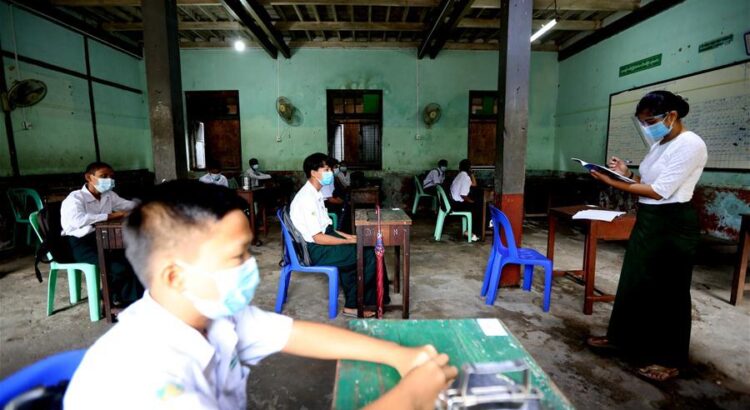
The Institute for Education Studies elected itself to assiduously track the views of relevant stakeholders on issues relating to the reopening of schools, the provisions of relevant PPEs and other related matters during this period of COVID-19.

Our first study focused on the perception of relevant stakeholders on the possibility of reopening of schools. The findings of the report were duly published on our website, media platforms, and shared extensively among the stakeholders in the education sector.

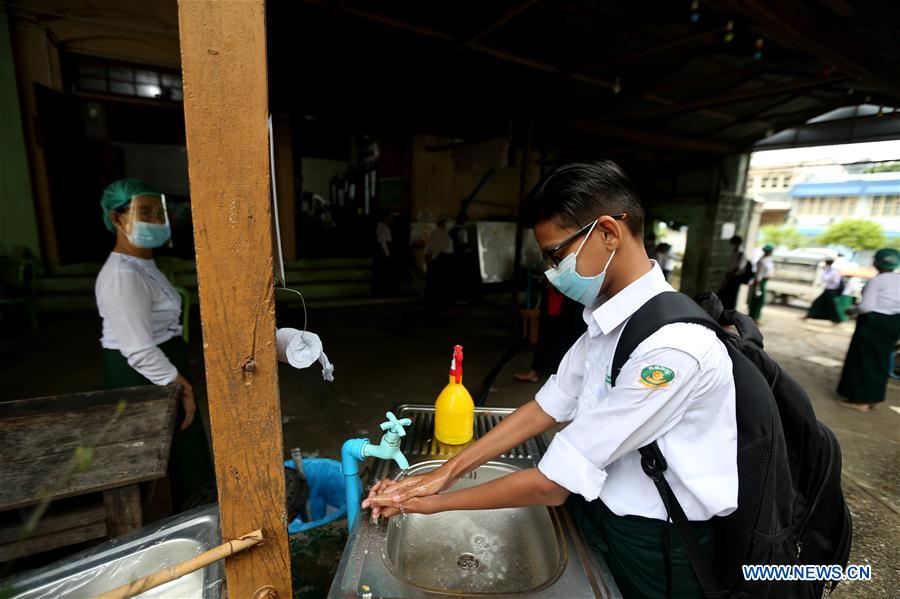
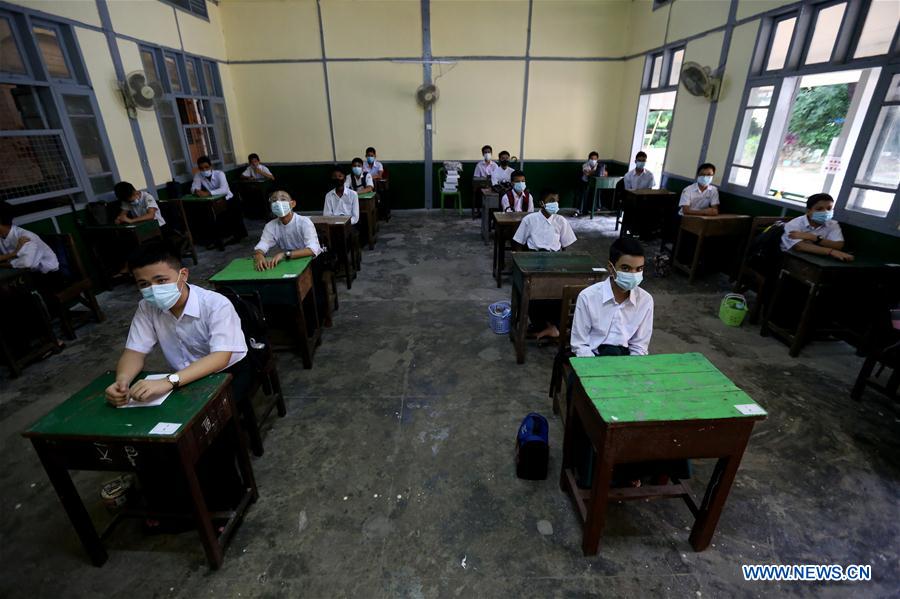
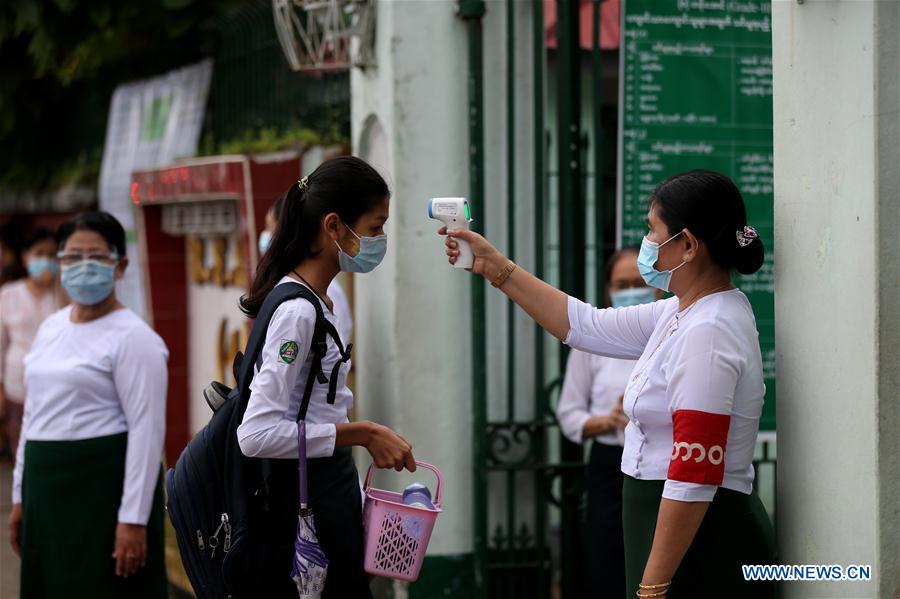
This study which is the second on our research agenda dubbed “Education in the midst of a pandemic” focused on tracking the provision of PPEs to schools, challenges being faced by students and teachers on campus in relation to implementing the relevant health protocols and to ascertain if there is a need to shut down the schools in the midst of the perceived challenges.

IFEST for the past two weeks (1st – 14th July 2020) has monitored and collected data from 1245 respondents comprising (513 teachers and 732 students from Basic and SHS levels) from 80 districts across 13 regions in the country. The selection of respondents was done accidentally.

The summary of the results is presented below.

  1. 78% of the respondents are satisfied with the provision of the relevant PPEs to the schools. These are respondents who answered YES to questions pertaining to the provision of veronica buckets, nose masks, hand sanitizers and thermometer guns.
  2. 22% indicated that they have still not received the full complement of the relevant PPEs. Respondents in districts such as Kasena Nankane, Sekyere Kumawu, Ekumfi, Talensi, Awutu Breku, Awutu Senya East, Boso indicated that they do not have the full complement of their PPEs.
  3. 67% of the respondents indicated that, they have been able to implement the 25/30 students in a class policy. However, 33% mentioned that they have not been able to do so and indicated that there seems to be congestion. Again, in relation to the practice of social distancing on campus, 51% mentioned that they have not been able to implement the social distancing protocols on campus.
  4. 42% mentioned that they were oblivious of what to do when there is a possible incidence of a case of Covid-19 on campus. Respondents from districts such as Ejisu, Juaben, Ekumfi, Bosome Freho, Talensi, Ahafo-Ano South West, Atwima Nwabiagya, Awutu-Senya East etc. indicated that they were unaware whether their schools have been linked to a health facility.
  5. Some of the challenges encountered since the reopening of schools included:
    1. Students not adhering to the health protocols during break time, in their dormitory and after closing.
    2. Lack of accommodation for day students
    3. Congestion in some dormitories as a result of the gold-track students on campus.
    4. Inadequate source of water for students’ usage on campus.
    5. Students refusing to disclose their health status to friends and teachers for the fear of being tagged as an example of a Covid-19 case.
    6. Staff room always full due to the directive by certain heads and directors of education at the district level, that each teacher in the school should be present always (this was prominent among the Basic school teachers)
    7. Continuous use of school premises by external people
    8. Insufficiency of the PPEs provided
    9. BECE candidates’ inability to fully appreciate the indoor break system.

    In relation to whether respondents STILL SUPPORT or DO NOT SUPPORT the decision to partially reopen schools, 69.3% out of the 732 students indicated that, they STILL SUPPORT the reopening of the schools despite the challenges, 26.4% mentioned that they wish the schools will be closed down while 4.3% said they were indifferent. The major reason given by the students was that, they needed to finish their education. For the WASSCE candidates, some indicated that their parents have already purchased their admission forms for entry into the university.

    For the teachers, it was a split decision since 52.1% indicated that the schools should be closed while 47.9% otherwise.

  1. 78% of the respondents are satisfied with the provision of the relevant PPEs to the schools. These are respondents who answered YES to questions pertaining to the provision of veronica buckets, nose masks, hand sanitizers and thermometer guns.
  2. 22% indicated that they have still not received the full complement of the relevant PPEs. Respondents in districts such as Kasena Nankane, Sekyere Kumawu, Ekumfi, Talensi, Awutu Breku, Awutu Senya East, Boso indicated that they do not have the full complement of their PPEs.
  3. 67% of the respondents indicated that, they have been able to implement the 25/30 students in a class policy. However, 33% mentioned that they have not been able to do so and indicated that there seems to be congestion. Again, in relation to the practice of social distancing on campus, 51% mentioned that they have not been able to implement the social distancing protocols on campus.
  4. 42% mentioned that they were oblivious of what to do when there is a possible incidence of a case of Covid-19 on campus. Respondents from districts such as Ejisu, Juaben, Ekumfi, Bosome Freho, Talensi, Ahafo-Ano South West, Atwima Nwabiagya, Awutu-Senya East etc. indicated that they were unaware whether their schools have been linked to a health facility.
  5. Some of the challenges encountered since the reopening of schools included:
    1. Students not adhering to the health protocols during break time, in their dormitory and after closing.
    2. Lack of accommodation for day students
    3. Congestion in some dormitories as a result of the gold-track students on campus.
    4. Inadequate source of water for students’ usage on campus.
    5. Students refusing to disclose their health status to friends and teachers for the fear of being tagged as an example of a Covid-19 case.
    6. Staff room always full due to the directive by certain heads and directors of education at the district level, that each teacher in the school should be present always (this was prominent among the Basic school teachers)
    7. Continuous use of school premises by external people
    8. Insufficiency of the PPEs provided
    9. BECE candidates’ inability to fully appreciate the indoor break system.

    In relation to whether respondents STILL SUPPORT or DO NOT SUPPORT the decision to partially reopen schools, 69.3% out of the 732 students indicated that, they STILL SUPPORT the reopening of the schools despite the challenges, 26.4% mentioned that they wish the schools will be closed down while 4.3% said they were indifferent. The major reason given by the students was that, they needed to finish their education. For the WASSCE candidates, some indicated that their parents have already purchased their admission forms for entry into the university.

    For the teachers, it was a split decision since 52.1% indicated that the schools should be closed while 47.9% otherwise.

    Fuente de la Información: https://www.modernghana.com/news/1017041/summary-of-results-from-ifests-tracking-of-reopen.html

Comparte este contenido:

Estados Unidos: The Baum School of Art auction goes virtual

The Baum School of Art auction goes virtual

The annual Baum School of Art auction is going virtual this year, due to the coronavirus pandemic.

Executive Director, Shannon Fugate, joined Karin and Bo virtually Saturday morning to express the differences in this year’s event and how an online platform could potentially attract more bidders.

«That’s our hope, it’s that folks that maybe wouldn’t have normally come to the event, might log on,» Fugate says. «Folks that haven’t participated in the in-person event find this — particularly with the coronavirus situation — find it more appealing to be able to just watch from their phones.»

The Baum School of Art has art pieces available from regional artists, local artists, and also faculty members.

The 35th annual art auction will take place starting Sunday, July 26 at 12:00 a.m. and run through Saturday, August 1 at 10:00 p.m.

To register and to learn how to support artists in the community, visit givergy.us.

Fuente de la Información: https://www.wfmz.com/news/area/lehighvalley/the-baum-school-of-art-auction-goes-virtual/article_74f1bc86-c8f6-11ea-8f3c-c72b95b5d411.html

Comparte este contenido:
Page 1223 of 6195
1 1.221 1.222 1.223 1.224 1.225 6.195