Author: Noticias
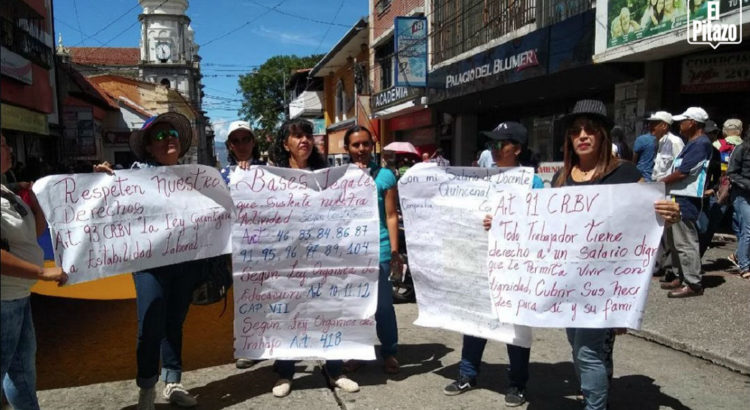
Docentes de Mérida protestaron y plantearon sus exigencias
América del Sur/ Venezuela/ 24.09.2019/ Fuente: elpitazo.net.
Miembros de la coalición del Sindicato Unitario del Magisterio de Mérida protestaron y entregaron un documento con sus exigencias a las autoridades de la Zona Educativa, la Gobernación y el Consejo Legislativo estadal
Docentes del estado Mérida se sumaron este lunes 23 de septiembre a la convocatoria nacional de protesta hecha por el Sindicato Unitario del Magisterio (Suma). Los maestros también hicieron entrega de un documento con sus exigencias a las autoridades de la Zona Educativa, la Gobernación y el Consejo Legislativo del Estado Mérida (Clebm).
Carlos Gómez, secretario general de Suma Mérida, precisó que las exigencias de los maestros se resumen en el respeto hacia la carrera docente por parte del Gobierno nacional. “Hemos visto cómo el Estado ha incumplido con las convenciones colectivas, fracturando la carrera docente. Nosotros hemos exigido el ingreso de docentes por concurso y eso no se ha respetado, así como tampoco las reivindicaciones salariales“, explicó.
El vocero de la coalición que agrupa los sindicatos del Colegio de Profesores, Colegio de Licenciados en Educación y Sitraenseñanza, indicó que los derechos de los hijos de los docentes también deben ser respetados. “Si los demás niños tienen derecho a la educación, nuestros hijos también tienen derecho a la educación, a vestirse, a tener alimentación adecuada, a tener recreación y eso, con los salarios actuales de los docentes, es imposible de cumplir“, expresó Gómez.

Rechazo a los docentes exprés
Aunque los sindicatos de maestros del estado Mérida no han registrado el ingreso de docentes exprés o “maestros insurgentes” que está formando el Gobierno nacional como solución al déficit de maestros en el país, Gómez expresó su rechazo hacia estos cargos. “Es otro irrespeto hacia la carrera docente que contribuye a deteriorar la calidad de la educación en el país. Venezuela tenía una de las mejores educaciones de toda América y por culpa de este gobierno ahora estamos entre las peores“, indicó.
El próximo 25 de septiembre los representantes de Suma de todos los estados del país se reunirán por zonas para unificar sus exigencias y llevarlas al Ministerio de Educación en Caracas. De no obtener respuesta y atención a las mismas, los docentes irían a un paro nacional.
Fuente de la noticia: https://elpitazo.net/los-andes/docentes-de-merida-protestaron-y-plantearon-sus-exigencias/
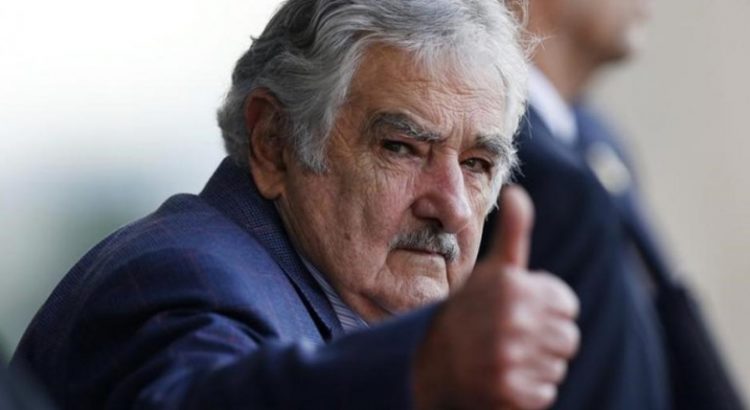
Pepe Mujica y el futuro de la educación en Uruguay: «No queremos ser como Chile»
América del Sur/ Uruguay/ 24.09.2019/ Fuente: www.elmostrador.cl.
El exmandatario uruguayo José «Pepe» Mujica participó en un acto público realizado este sábado en Montevideo, desde esa tribuna, el líder del Movimiento de Participación Popular (MPP) criticó el modelo educacional de nuestro país y apuntó a que «no queremos que Uruguay sea como Chile».
«Ojalá que ese país pueda resolver un día la deuda que tiene con los mapuche, con los estudiantes que deben hipotecar la vida para estudiar y repartir como lo hace Uruguay», cuestionó Mujica según consigna La Tercera.
Mujica señaló lo anterior en alusión al candidato presidencial del Partido Colorado (PC), Ernesto Talvi, quien ha mencionado muchas veces tanto a Chile como a Nueva Zelanda como modelos a seguir en distintos aspectos.
«Nuestra lucha es por mitigar esas enormes desigualdades, porque la vida es hermosa en sociedad y los seres humanos dependemos los unos de los otros. Peleamos por una sociedad más justa, mucho más igualitaria y que dé oportunidad a todos», insistió el octogenario expresidente.
Fuente de la noticia: https://www.elmostrador.cl/dia/2019/09/22/pepe-mujica-y-el-futuro-de-la-educacion-en-uruguay-no-queremos-ser-como-chile/
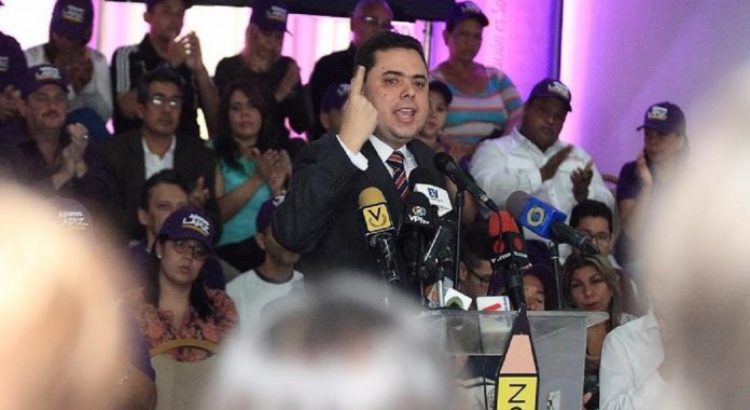
Ecarri: La educación venezolana se redujo a unos pocos que pagan en dólares
¡Escuela pública cerrada! Más de 85% de la población venezolana hoy se le niega educación de calidad producto de la terrible crisis que vive el país y que ha devorado al sistema de educación público oficial
El presidente nacional de la Alianza del Lápiz, Antonio Ecarri, denunció este domingo que a más de 85% de la población venezolana hoy se le niega educación de calidad producto de la terrible crisis que vive el país y que ha devorado al sistema de educación público oficial.
“La educación se convirtió en un privilegio para muy pocos, Enviar a un niño a la escuela cuesta cerca de 300. dólares (…) Es la destrucción de la educación por parte del socialismo, por eso reiteramos que esto no se trata solo de un mal gobierno, es un modelo político que acabó con nuestro sistema educativo”, enfatizó el máximo portavoz del partido de la educación en entrevista con Idania Chirinos, para el programa “En La Tarde” de NTN 24.
Antonio Ecarrio subrayó que el sistema educativo entró en una etapa de ruina total producto de las políticas erradas del socialismo del siglo XXI, tras mencionar que no hay infraestructura, los alumnos no tienen que comer, ni pueden acceder a libros, así como los maestros son los peores pagados del continente percibiendo solo $2 al mes.
Al ahondar en la dramática situación que padecen los educadores criollos, el dirigente del Lápiz detalló que, según estudios de la Fundación Arturo Uslar Pietri, “al menos 60% de los profesores han abandonados las aulas de clase”.
“Durante los años de la democracia el maestro venezolano eran los profesionales más estables, hoy no tienen ni como vestirse”, lamentó.
Al ser consultado sobre la incorporación de egresado del plan Chamba Juvenil preparados como “docentes express”, el opositor reiteró su rechazo categórico; y atribuyó esta medida a que los docentes siempre han sido un obstáculos para un gobierno que pretende acabar con la libertad.
Ecarri expuso que el drama social que viven todos los venezolanos agobia especialmente a niños que, entre muchos otros obstáculos, deben sortear la falta de transporte para llegar a la escuela. Un ejemplo de ello lo vivieron tres alumnos de la Escuela Andrés Bello, en Valle de La Pascua, que murieron al caer de unidades transporte improvisados.
“No tienen que comer, no tienen como vestirse, no tienen cómo llegar y para completar, no tienen maestros. El socialismo le cerró las puertas a la escuela venezolana“, refutó Antonio Ecarri.
Fuente de la noticia: https://www.el-carabobeno.com/ecarri-la-educacion-venezolana-se-redujo-a-unos-pocos-que-pagan-en-dolares/

Half a million school children and workers turn out in mass calls for climate action
Oceania/ Autralia/ 24.09.2019/ Source: www.9news.com.au.


First transgender library opens in India
Asia/ India/ 24.09.2019/ Source: www.hindustantimes.com.
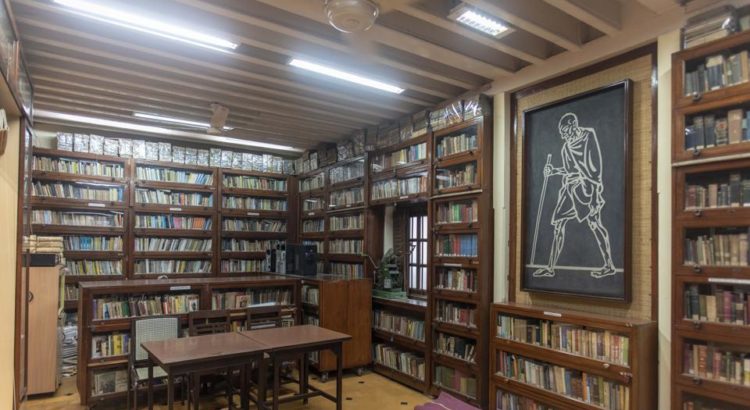
For the first time in India, a transgender library has been opened as part of the transgender resource centre in Viswanathapuram, Madurai to increase awareness about the ambisexual people in the country.
“Programs for alternate-sex children should be announced in the National Children’s Policy and transgender subjects should be included in the school education system,” said Priya Babu, director of the transgender resource centre in Madurai.
Launched in 2016, the centre focuses on the promotion of transgender people and making people aware of the no-binary gender.
As per the 2011 census, there are 4 lakh 90 thousand transgender people in India and about 21 thousand are in Tamil Nadu.
Source of the notice: https://www.hindustantimes.com/education/first-transgender-library-opens-in-india/story-Rl283ayc3cJxvWMNku6kNO.html
Children in crisis want education more than money, food or water
Africa/ 24.09.2019/ Source: www.savethechildren.net.
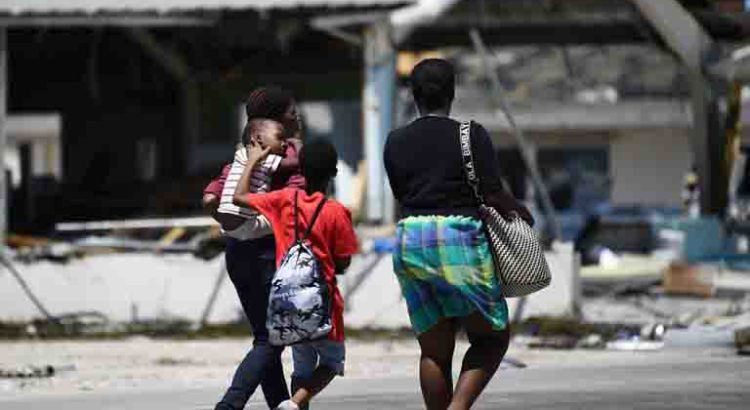
- Surveys from toughest places on earth reveal top priorities for children in crisis
- School ranks far higher than immediate needs like food, water and shelter
- But education allocated just 2% of funding in humanitarian emergencies
- 262 million children – one in five globally – denied an education
- Children struggling to survive in the aftermath of Typhoon Haiyan in the Philippines;
- Child refugees from Syria and Afghanistan;
- Children living in conflict zones in the Democratic Republic of Congo;
- Rohingya children in refugee camps in Bangladesh;
- Children displaced by fighting in Ethiopia and South Sudan.
One child fighting against the odds to get an education is 10-year-old Ali from Idlib, Syria. He and his family fled their village to escape fighting. When they returned home, Ali’s school was in ruins after being hit by an airstrike. Nearly half of the schools in north west Syria are currently out of action. [3] Ali said:
«I saw my school was destroyed and broken down and it made me so sad. My friends and I, we will go back and study in it. I love my school – my wish is that it does not get bombed and destroyed again. We will rebuild it and make it better than before. I love to study. I want to become a doctor to treat people who are in need and serve my country.»
Save the Children’s analysis of UN data shows that – far from recognising children’s priorities at times of crisis – humanitarian aid for education trails far behind other sectors.
Just two per cent of funding for countries grappling with emergencies was allocated to education last year. That represents half the levels earmarked for medical care, and one tenth of the support dedicated to providing supplies of food. [4]
262 million children, one in five globally, are out of school, many of them due to sudden or protracted crises like wars, outbreaks of disease or natural disasters.
But, at current rates, the United Nations estimates 225 million children will still be out of school in 2030 due to stagnating levels of education aid globally. [5]
This week Save the Children is calling for world leaders to dramatically boost the funding available for education in emergencies through Education Cannot Wait (ECW), the first and only global fund dedicated to providing education in countries affected by crisis. [6]
In August the UK committed £90 million to the fund, and called for other wealthy governments to follow suit by dedicating more of their aid budgets to global education.
Other commitments of funding for the ECW are expected to be announced at a meeting at the UN General Assembly on Wednesday (September 25).
Save the Children’s Head of Education Policy, Joseph Nhan-O’Reilly, said:
“What children have been telling us is clear and unambiguous. Even when food is scarce, water dirty and medical care almost non-existent, children still want to go to school.
“They know an education will give them the skills they need to escape a crisis. They know it protects them from child marriage, exploitation and abuse. They understand it helps them recover from trauma.
“Children want more than to simply survive. Education gives them the power to build a better future.”
NOTES TO EDITORS:
[1] A vital part of Save the Children’s work is to ask children what they need. This helps to inform our own priorities and influence the priorities of others. We reviewed data from rapid field surveys by aid workers stretching back more than a decade, encompassing the hopes and fears of more than 8,000 children in the toughest places on earth. While most surveys we analysed were records of small group discussions, quantitative data was available from six countries between 2013 and 2018, from a combined total of 1,215 children aged 5-18. A simple average was calculated across the studies.
[2] All other priorities children identified were: clothing (3%), sport and leisure activities (3%), safety (2%), family (1%), insecurity (1%), phones (1%), transportation (1%), collecting firewood (1%), and unspecified concerns (4%).
[3] Out of the 1,193 schools in north west Syria, 635 continue to be operational, 353 have been abandoned or damaged, and 205 are being used as collective shelters, according to analysis by Save the Children partner Hurras Network in August 2019.
[4] International donors provided a total of more than $25 billion in humanitarian aid in 2018, according to the UN’s Financial Tracking Service (FTS). $606 million (2.41%) was allocated to education, $1.5 billion (5.98%) to health and $6 billion (23.85%) to food security,
[5] UIS data for the school year ending 2017, the latest available, shows 262 million children were out of school, or 18% globally. Estimates from UNESCO suggest 225 million children will still be out of school by 2030 without urgent action, missing a global commitment to get every child into education by that date.
[6] Since its establishment in 2017, the little-known Education Cannot Wait (ECW) fund has reached nearly 1.5 million children and young people – half of them girls – in 31 crisis-affected countries. Over the next four years, ECW needs to raise $1.9 billion to ensure 8.9 million children caught up in humanitarian emergencies get to go to school.
[7] Save the Children exists to help every child reach their full potential. In the UK and around the world, we make sure children stay safe, healthy and keep learning, so they can become who they want to be.
Source of the notice: https://www.savethechildren.net/news/children-crisis-want-education-more-money-food-or-water


 Users Today : 41
 Total Users : 35514226
 Views Today : 45
 Total views : 3686973