Page 2548 of 6145
1 2.546 2.547 2.548 2.549 2.550 6.145

México: Seguridad, economía y educación, retos de próximo gobierno

América del Norte/ México/ 14.05.2018/ Fuente: www.jornada.com.mx.

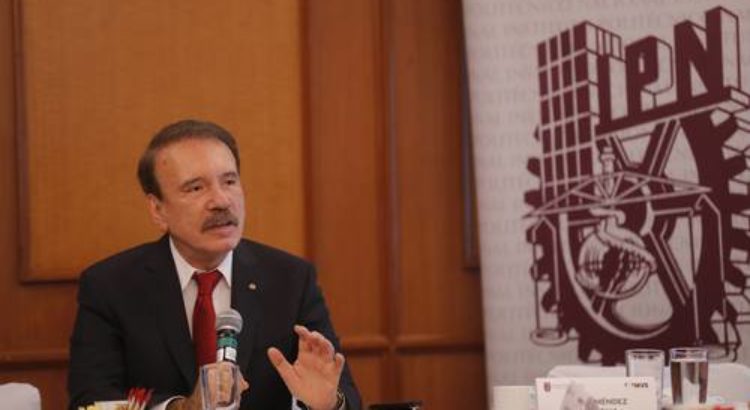
La seguridad, la economía y la educación son los principales temas que deberá atender el próximo Presidente de México, aseguró el director general del Instituto Politécnico Nacional (IPN), Mario Alberto Rodríguez Casas.

Dijo que esa casa de estudios “no tiene capacidad” para aumentar su matrícula en educación superior, debido en gran parte a la insuficiencia de los recursos económicos. Y es que de las cien mil solicitudes de ingreso que recibió el IPN para el siguiente ciclo escolar, solo 22 mil de ellos serán aceptados.

“Si en este momento nosotros quisiéramos aceptar a los cien mil jóvenes que nos demandan un espacio, sencillamente no tenemos capacidad física. Sin duda, habrá que trabajar en eso, sería necesario contar con un proyecto a mediano plazo en lo que se pueden dar las condiciones de infraestructura para poder hacerlo”, dijo el director Rodríguez Casas, entrevistado en el marco del quinto foro regional “México 2018: los desafíos de la nación. Las plataformas electorales discutidas por universitarios”.

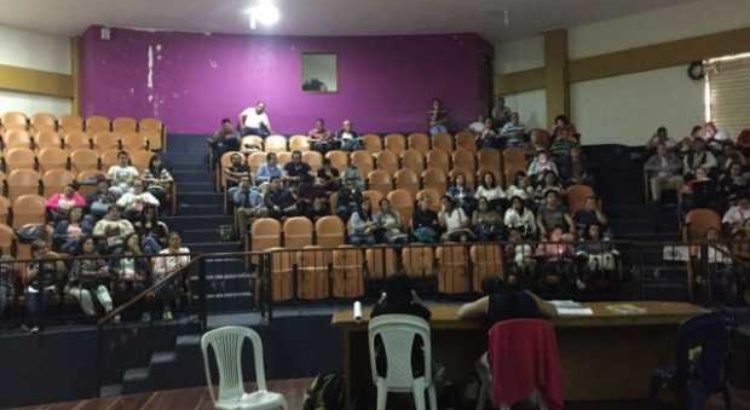
Convocado por la Asociación Nacional de Universidades e Instituciones de Educación Superior (Anuies) y el Instituto Nacional Electoral (INE), el foro, realizado en la Unidad Profesional Interdisciplinaria de Ingeniería (UPIIG) Campus Guanajuato, del IPN, analizó las propuestas electorales de las diferentes coaliciones partidistas y candidatos presidenciales –incluido los independientes-, en materia de innovación tecnológica y vinculación del conocimiento con el desarrollo nacional.

El objetivo del encuentro fue realizar un intercambio de ideas, conceptos y visiones institucionales sobre los planteamientos y diagnósticos que las coaliciones partidistas y los candidatos independientes han establecido en sus plataformas políticas, rumbo a las elecciones del próximo 1 de julio.

El análisis representaciones políticas, impulsar nuevas formas de trabajo entre las Universidades y los tomadores de decisiones a partir de políticas públicas.

Los análisis y diagnóstico en las plataformas tienen un sustento empíricio. Tamaño de la brecha que debemos y tenemos que cerrar.

Fuente: http://www.jornada.com.mx/ultimas/2018/04/27/seguridad-economia-y-educacion-retos-de-proximo-gobierno-ipn-4438.htm

Comparte este contenido:

Paros de maestros, aquí y allá (Audio)

Colombia / 13 de mayo de 2018 / Autor: LaPatriaRadio / Fuente: La Patria

Un recorrido por países muestra lo constante que son las protestas de profesores. Hoy se completa el de 48 horas en Colombia, que incluye a Caldas. General.


En Perú el año pasado un cese de maestros duró dos meses. En México la agremiación es tan organizada que tiene partido político: la Nueva Alianza. En Camerún exigen que los docentes tengan reconocimiento como profesores de educación física. Los paros de los maestros son comunes en el mundo.

En Colombia comenzó ayer y termina hoy el segundo del año. El sindicato exige, luego de lo pactado en junio del 2017 tras un cese de 26 días hábiles, mejores condiciones en salario, salud, bienestar de estudiantes en Jornada Única, mayor presupuesto para el sector, entre otros.

Javier Bermúdez Aponte es profesor de la Universidad de La Sabana de Bogotá, donde también es el director de la maestría en Dirección y gestión de las instituciones educativas. Explica las razones por las cuales en los países son tan constantes las protestas de docentes.

Indica que las causas están ilustradas en literatura y consignadas en investigaciones. Se trata de dos factores. «Lo primero es que la docencia, dar clases, es una de las profesiones que más genera sensación de desgaste por el tipo de trabajo que realizan. Y lo segundo es que no es remunerada, en la mayoría de países, como debe ser».


Salarios

Una mirada a las protestas de los educadores indica que la mayoría lo hacen para exigir aumentos salariales. En todos los casos los estudiantes y por consiguiente los padres resultan afectados, pues paran las clases.

Para Bermúdez Aponte eso está claro, pero también el hecho de que los maestros tienen legítima defensa de sus derechos.

El profesor de La Sabana dice que son muy pocos los países donde no hay protestas y pone como ejemplo a Finlandia, modelo mundial de enseñanza.

El diario La Nación de Argentina fue a ese país europeo a comprobar sus fortalezas. En un párrafo de una crónica resalta: «Los maestros dan clase 25 horas por semana. La última huelga fue en 1983 y, por ley, si se logra el convenio salarial, las huelgas están prohibidas».

Por puntos

Al volver al caso nacional, el decano de la Facultad de Ciencias Sociales del Politécnico Grancolombiano, Carlos Augusto García, expresa que la educación es prioridad en los discursos y no en la ejecución.

Yaneth Giha, ministra de Educación, comenta que el cese es injustificado porque, entre otras cosas, se ha reunido con el sindicato Fecode para analizar los 24 puntos convenidos. «Nueve ya están cumplidos, otros nueve están casi listos y seis son los que requieren más trabajo para implementar».

El decano en el Politécnico propone: «Se debe trabajar más en la concertación con la gente que sabe a nivel local y regional, no quiere decir que la parte técnica del Ministerio no sepa. Sin embargo, llevar soluciones sin inversión adecuada seguirá siendo un diálogo de sordos».

En Inglaterra*

El 15 de febrero del 2016, por ejemplo, las escuelas de este país y de Gales cerraron ante el paro de maestros que exigían mejorar sus condiciones salariales, laborales y de sus planes de pensiones. Lo convocó el sindicato nacional de profesores (NUT), que agremia a 326.930 docentes. El Departamento de educación del Ejecutivo británico consideró que la acción provoca «alteraciones» en la vida de los padres y en la educación de los hijos.

*

La Información, 15 de febrero del 2016

–——————————


En Uruguay

Este año hubo un paro de 24 horas en los liceos públicos de Montevideo. El presidente, Tabaré Vázquez, anunció que la educación será la primera prioridad a la hora de definir el destino de los recursos previstos en la Rendición de Cuentas, seguida de la seguridad. Los docentes dicen que las protestas se originan, ya que el Poder Ejecutivo no ha abierto con el gremio una negociación respecto al tema presupuestal.

–———————————

En Eslovenia

Medios locales e internacionales dieron cuenta en febrero pasado de un cese de maestros, durante un día. 38 mil docentes exigían mejoras en su salario.

–————————–

En Camerún*

Los sindicatos de docentes convocaron en diciembre del 2016 a un paro para exigir puntos como reconocimiento de la educación física y los profesores de educación física como condición de docente. Además, nueva programación de los índices salariales para que se extiendan a lo largo de más años, hasta que se acerquen a los índices salariales de los profesores de enseñanza superior.

* Inter Press Service

–————————————-

Estados Unidos

«Miles de maestros están en huelga; exigen aumento salarial». Así titularon varios portales el 28 de febrero pasado ante la situación en Virginia Occidental. El reporte correspondió a las exigencias de subir sueldos, más fondos para el plan de salud de los empleados públicos. Además, por la escasez de docentes, por lo cual jóvenes deciden irse a otros territorios.

–—————————————

Australia

En enero pasado docentes australianos se manifestaron por lo que consideran

deterioro de las condiciones de trabajo en el sector de la educación técnica y superior en el estado de Victoria. Incluyó vallas publicitarias y anuncios en los periódicos.

Fuente de la Noticia:

http://www.lapatria.com/educacion/paros-de-maestros-aqui-y-alla-415864

Comparte este contenido:

Cuba exige el nivel B1 de Inglés a sus estudiantes universitarios

Cuba / 13 de mayo de 2018 / Autor: Redacción / CiberCuba

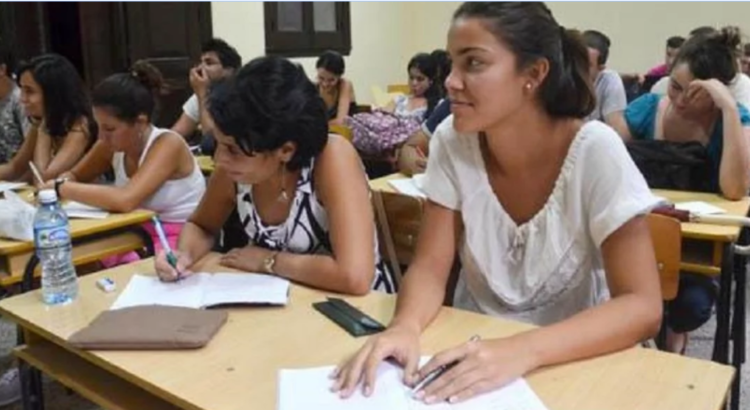
A partir del cuarto año de la carrera, los estudiantes de universidades cubanas deberán tener un nivel B1 de inglés, de acuerdo con el Marco Común Europeo de Referencia para las Lenguas.

Desde el curso 2016-2017 comenzó a aplicarse en toda la Isla la nueva disposición en los programas de estudio de las universidades, con la introducción del plan de estudios E.

Según informó el medio local Escambray, este idioma se imparte mediante cursos en los centros de idiomas de las universidades. Los estudiantes escogen los cursos, en dependencia de las habilidades que posean.

Hace dos años, la Universidad de Sancti Spíritus José Martí Pérez prepara a jóvenes para que luego impartan clases en el nivel de Educación Superior en esta modalidad.

Según Norelys Espinosa Martínez, coordinadora del colectivo de carrera en la Facultad de Ciencias Pedagógicas, «los estudiantes reciben durante los dos primeros años una preparación intensiva como si estuvieran en la modalidad del Curso Regular Diurno —de lunes a viernes— y en los posteriores años, con la ayuda de un tutor son asesores técnicos de la docencia y reciben los contenidos los sábados, como ocurre en el Curso por Encuentros».

“Aspiramos de acuerdo con el modelo del profesional que alcancen el nivel B2, con una eficiencia lingüística, con adecuada articulación”, agregó Martínez.

El entrevistado Lázaro Besada Díaz, quien cursa el primer año de la licenciatura en Educación en la especialidad de Lenguas Extranjeras EDUSUP, opina que “hay que reconocer que el idioma universal es el inglés, y es muy importante porque libros, programas, películas, muchas veces son en inglés, es una experiencia bonita poder comunicarte con otra persona que no hable tu idioma”.

Ante la demanda tecnológica que es hoy un hecho en todo el mundouna de las principales fuentes de información para muchísimos estudiantes, Norelys dice que que han hecho un levantamiento de la cantidad de dispositivos que existen entre los estudiantes.

«Los profesores ya tienen planificadas sus clases de manera digital porque es una exigencia para su uso en las aulas virtuales de la universidad. Hacemos uso de la tecnología en función de la clase, lo que sí no se permite es estar distraídos con los teléfonos. Con las redes wifi ellos también se conectan y buscan información en Internet. Se dispone de laboratorios de Informática a donde también pueden acudir. Cada año tiene una carpeta donde existe la bibliografía básica y la complementaria», expresó.

Es un hecho que el idioma inglés es más que todo una necesidad. En cualquier parte del mundo, incluso en países de habla hispana, manejar ese idioma es requisito indispensable.

En Cuba, con los nuevos contextos que se avecinan, con la avalancha del turismo, no dominarlo se convierte en un handicap.

Hace un mes, el actual presidente de Cuba, Miguel Díaz-Canel, habló sobre la necesidad de prestar atención a la enseñanza del idioma inglés en la Isla, durante la reunión de Balance de los objetivos del año 2017 del Ministerio de Educación Superior (MES).

«El dominio de una lengua, además de la nativa, es hoy requisito en el mundo moderno, y Cuba no puede quedar atrás”, expresó.

Fuente de la Noticia:

https://www.cibercuba.com/noticias/2018-05-10-u1-e186450-s27061-cuba-exige-nivel-b1-ingles-sus-estudiantes-universitarios

Comparte este contenido:

La ‘Marea Verde’ volvió a manifestarse contra los recortes educativos del gobierno de Rajoy (Audio)

España / 13 de mayo de 2018  / Autor: Redacción / Fuente: Más Voces

Sindicatos de enseñanza realizaron el martes manifestaciones en todo el Estado español para protestar contra los recortes educativos del Gobierno de Mariano Rajoy. La Marea Verde que aglutina a profesores, padres y alumnos volvió a las calles para reclamar sus derechos. Los portavoces sindicales han reclamado al Gobierno del Partido Popular la reversión de unos recortes en Educación que cifran en 9000 millones de euros.

Las manifestaciones han servido también para exigir al Gobierno la derogación de la Ley Orgánica de Mejora de la Calidad Educativa (LOMCE), entre otras medidas.

Además, los manifestantes han denunciado que la inversión en educación no recupera los niveles anteriores a la crisis económica.

Bajo el lema ‘Ya no hay excusas. Ahora Educación Pública’, se llevaron a cabo casi una treintena de manifestaciones y concentraciones por todo el Estado español. La ‘marea verde’ vuelve ante la pasividad del gobierno del Partido Popular y a la espera de que la clase política se ponga manos a la obra para un pacto por la Educación en la que también participe la comunidad educativa.


Fuente de la Noticia:

http://masvoces.org/La-Marea-Verde-volvio-a-manifestarse-contra-los-recortes-educativos-del

Comparte este contenido:

Meet the 2018 Teacher of the Year Honored by Trump the White House Doesn’t Want You to Hear (Audio)

USA / May 13, 2018 / Democracy Now

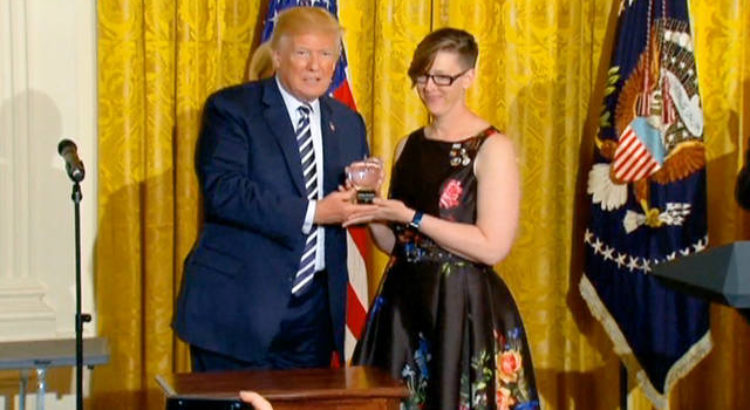
When Mandy Manning received her 2018 Teacher of the Year award at the White House Wednesday, the press was barred from her speech, and President Trump did not mention who she teaches: immigrant and refugee children. While she was at the White House, Manning handed President Donald Trump a stack of letters from her refugee and immigrant students, while billionaire Education Secretary Betsy DeVos looked on. She also wore six politically themed buttons as she accepted her award from Trump, featuring artwork from the 2017 Women’s March, a rainbow flag and the slogan “Trans Equality Now!” Mandy Manning joins us from Spokane, Washington, where she is an English and math teacher at the Joel E. Ferris High School. She was named 2018 National Teacher of the Year by the Council of Chief School State Officers.


Transcript
This is a rush transcript. Copy may not be in its final form.

AMY GOODMAN: This is Democracy Now!, democracynow.org, The War and Peace Report, as we turn now to the 2018 Teacher of the Year. When Mandy Manning received her award at the White House on Wednesday, the press was barred from her speech, and President Trump did not mention who she teaches: immigrant and refugee children.

MANDY MANNING: Over the next year, I want students to know I am here for refugee and immigrant students, for the kids in the Gay Straight Alliance and for all the girls I’ve coached over the years, to send them the message that they are wanted, they are loved, they are enough, and they matter.

AMY GOODMAN: That’s 2018 Teacher of the Year Mandy Manning. While she was at the White House, Manning handed President Donald Trump a stack of letters from her refugee and immigrant students. Manning also wore six politically themed buttons as she accepted her award from President Trump, while billionaire Education Secretary Betsy DeVos looked on. Manning’s buttons featured artwork from the 2017 Women’s March, a rainbow flag and the slogan “Trans Equality Now!” This is President Trump presenting her her award.

PRESIDENT DONALD TRUMP: To Mandy and all of the amazing educators here today, your tireless dedication doesn’t just inspire your students, it inspires all of us. And I can tell you, it very much inspires me. We honor you and every citizen called to the noble vocation of teaching. Now it is my privilege to present Mandy with the National Teacher of the Year award.

AMY GOODMAN: For more, we’re joined by Mandy Manning, who has returned from Washington, D.C., to Washington state, to her home in Spokane. There, she teaches English and math to refugee and immigrant students at the Joel E. Ferris High School. She was named 2018 National Teacher of the Year by the Council of Chief School State Officers.

Welcome to Democracy Now!, Mandy, and congratulations.

MANDY MANNING: Thank you. Thanks very much.

AMY GOODMAN: So, can you talk about your message at the White House, what took place on Monday? You were with the secretary of labor, the secretary of education. You were with the president of the United States.

MANDY MANNING: Mm-hmm. So, it actually was on Wednesday afternoon. And the White House really did a good job of honoring us. We had a reception, and we had an opportunity to be on a panel with Secretary DeVos and Secretary of Labor Acosta. The four finalists sat there, and we got to speak about some very, very important issues facing education, like school safety and the opioid crisis. And, of course, I spoke about my students, my immigrant and refugee students at the Newcomer Center here. We had a reception, and then the presentation of the award was next. And I spoke to the audience and gave my remarks, and then we had a short intermission, which is where I had my opportunity to hand the letters to the president from my students. And I also asked him if he would be willing to come to Spokane and meet my students, my immigrant and refugee students, to see how amazing, dedicated, focused and what productive members of our community they are as future citizens of our United States.

AMY GOODMAN: The press was barred from recording your speech?

MANDY MANNING: I didn’t know that until after, after the ceremony, when I spoke with a reporter afterwards. That’s when I found out that my remarks were not witnessed by the press.

AMY GOODMAN: That they were prevented from being in the room. Well, I didn’t think it would be particularly subversive to play a clip of your speech at the White House, but apparently it is, so we’re going to play it from a recording made by a friend of yours on their cellphone. This is a clip.

MANDY MANNING: I am honored and humbled to be the vehicle through which my students may tell their stories. I am here for David, a future IT specialist who hopes to one day be able to attend university. I am here for Tamara, who is currently studying pre-med at Eastern Washington University. I am here for Safa and Tara, both future elementary school teachers. I am here for Safa—I mean, for Solomon and Gafishi, who believe that the United States is the place where they have found the center of their lives, where they can have dreams and hopes to be someone. You see, my students are immigrants and refugees brand new to our nation. I teach in the Newcomer Center at Ferris High School in Spokane, Washington. And all of the students who come through my classroom have three things in common: They are just learning English. They have escaped trauma to find new lives in our nation, and they are focused and determined to be productive citizens of our United States. And most importantly, they succeed.

AMY GOODMAN: The speech no one saw but those in the room, like, oh, the education secretary, DeVos, the labor secretary, Acosta. President Trump, I don’t believe was there at that point. But again, the press barred from being in the room and recording that speech. Mandy Manning, you were talking there about your students. Talk about the countries they come from, as you teach at the—what’s known as the Newcomer Center. President Trump did not mention, in his awarding you the Teacher of the Year award, that you teach refugee and immigrant students.

MANDY MANNING: Yes. So, I teach in the Newcomer Center, which is a specialized English-language development program for brand-new immigrant and refugee students. So these are the students who just came to the country, like one to three months prior to starting school here in the United States. And they also know very little English. So, my students come from all over the world. They come from Iraq, Afghanistan, several countries in Africa, such as Uganda, Sudan, Eritrea, Rwanda, Tanzania—all over. I have Syrian students. I also have current students from Burma-Myanmar. I’ve had students from Micronesia, Malaysia, Chuuk island in Micronesia, the Marshall Islands, students from El Salvador—all over.

AMY GOODMAN: And, Mandy, can you talk about the pins you wore as President Trump recognized you as the Teacher of the Year?

MANDY MANNING: Sure. So, I teach—I not only teach immigrant and refugee students, but I also have worked closely with the Gay Straight Alliance. I was a co-adviser before becoming the Washington state Teacher of the Year. And I also coach girls’ basketball. And on my girls’ basketball team, I have had a trans boy, who had to, you know, be on the girls’ basketball team. But these pins represent my students. And I wanted them to know 100 percent that as I stood there in this White House, that I am there for them. I am there to be the vehicle through which they can tell their stories, and I want to represent them. And so, that’s what my pins represented. And the one from the Women’s March is the one that represents the DREAMers and the DACA immigrants.

AMY GOODMAN: And you were also speaking—this past Wednesday is in the midst of the teacher walkouts and strikes around the country. Can you comment on these?

MANDY MANNING: Well, at the heart of every teacher is their students. And in many states and in many areas, we are underserving many of our students. And sometimes it takes that collective voice, where teachers come together, to ensure that they have the supplies that they need and the equipment and also the compensation to be the very best that they can be for their students. And so, sometimes we don’t have a choice. When we want what’s best for our students, we have to come together with that collective voice, because that’s when we can make change.

AMY GOODMAN: Do you endorse these strikes and walkouts, oh, from West Virginia to Oklahoma to Arizona?

MANDY MANNING: I believe that, yes, anything that we can do to ensure that our students have what they need, because that’s—you know, that’s what teachers want. We want what’s best for the students.

AMY GOODMAN: And, you know, the last time we saw a televised event that involved teachers and students at the White House was after the Valentine’s Day massacre in Parkland, the Marjory Stoneman Douglas High School, February 14th, where both students and staff, teachers, were gunned down. There, they told President Trump directly—some of them said—one, the husband of a teacher, said, “No, we don’t want teachers to be armed.” President Trump and Vice President Pence went to the NRA convention on Friday, right after giving you that award on Wednesday. There, people were not allowed to bring in guns to the NRA meeting, the National Rifle Association meeting. Your thoughts on guns in the schools?

MANDY MANNING: Well, of course, I can only speak for myself, but I will never and do not ever want to carry a gun in the classroom. The most important thing in my classroom is the relationships that I build. And I strongly feel that if we had guns in our schools, and particularly if I carried a gun, it would dramatically impact the feeling in my classroom and my ability to connect with my students. And I just—I think that it’s an idea that is a temporary Band-Aid to make people feel like that might be—make us feel more safe. But in reality, if we bring more guns into the school, I personally would feel less safe. Plus, you know, the relationships that we build and the connections in the community would be so deeply impacted. So, I would never, ever carry a gun in my classroom.

AMY GOODMAN: Did you get a chance to discuss this with Secretary of Education DeVos or Secretary of Labor Acosta—guns in the schools, the strikes, the walkouts?

MANDY MANNING: We did have an opportunity to speak about guns and school safety. But we really focused on the fact that in order to have safe schools, we need to have connected schools, which means students need to feel connected to their peers, they need to feel connected to their teachers, and they need to feel like their school represents them and is a safe place for them. And so that was the focus of our discussion, that the key to school safety is ensuring that teachers can do the things that they need, and have the latitude in their classrooms to meet the needs of the students within their individual classrooms—

AMY GOODMAN: Mandy—

MANDY MANNING: —and that schools need to be places—go ahead.

AMY GOODMAN: Go ahead. “And schools need to be places…”

MANDY MANNING: That meet the needs of the community within which they reside.

AMY GOODMAN: Could you end by sharing a letter from one of your students? You asked them to write letters to President Trump?

MANDY MANNING: Yes. And they wrote just beautiful letters. So I did—I chose one from a student, and I will leave his name off, but from a student from Iraq. So, he says, “Dear President Trump.” Oh, he put his name in here, so I’ll say it. “Dear President Trump, My name is Yusif, and I am from Iraq. In January 2017, you won the presidency. I should have arrived in the U.S.A.; however, because you signed the immigration ban, I had to wait until March. My mother was already here in Spokane, Washington, and I had not seen her in four years. When I graduate from college, I will be a DJ. And if you want to learn more about me and my mom’s story, you can watch our video on YouTube. Search ‘Maha Al’Majidi’ and click on the video called ‘Iraqi refugee reunites with her son.’ Sincerely, Yusif.”

So, the letters are just beautiful. And some are very supportive of the president. Most of them say “thank you” and how much they appreciate being here the United States. And, of course, some—I was just listening to the show, your show, a little bit earlier, and some do speak about his language about people from Africa and how that hurts, and it encourages other people to use that same kind of language. And it does not make for positive connections within our community. So, the students were great. They had great insights into our nation. And they were very respectful and kind.

AMY GOODMAN: Mandy Manning, when President Trump called country—called Africa, which he called a country, Africa, Haiti, other countries “s—hole countries”—I mean, you’re an English teacher. You teach refugees and immigrants. What did you tell your students that day?

MANDY MANNING: I told them that we love them, that we know their value and that we can see that this is a place for them to come to have hope and dreams and be someone, and that we want them here and that they are lovely, beautiful human beings who make the United States a richer, more beautiful country.

AMY GOODMAN: Mandy Manning, we want to thank you for being with us, English and math teacher who teaches refugee and immigrant students from everywhere, from Iraq to Syria to Burma, at the Joel E. Ferris High School in Spokane, Washington. She was just named the 2018 National Teacher of the Year by the Council of Chief School State Officers. Last Wednesday, President Trump presented her with the award during a ceremony at the White House. This is Democracy Now!Stay with us.

Source:

https://www.democracynow.org/2018/5/7/meet_the_teacher_who_staged_a
Comparte este contenido:

Banco Mundial: En el futuro, las niñas podrían tener más educación que los niños

Banco Mundial / 13 de mayo de 2018 / Autor: Leticia Hernández / Fuente: El Financiero

La proporción de mujeres que tiene más educación que sus padres ha ido creciendo, aunque las economías en desarrollo aún deben invertir una cantidad considerable en los menores.

En el futuro, tu hija podría tener más educación que tú, ya que, de acuerdo con un estudio del Banco Mundial, la proporción de mujeres que tienen más educación que sus padres está aumentando respecto a la de los hombres en algunos países.

Según el documento ‘¿Progreso equitativo? Movilidad económica entre generaciones en todo el mundo’ publicado este miércoles por el Banco Mundial, en un futuro no muy lejano, la proporción de mujeres con más educación que sus padres será mayor que la de los hombres en su misma situación a nivel mundial.

“Las mujeres en las economías de altos ingresos ahora exhiben tasas más altas de educación terciaria (superior) que los hombres. La reversión de la brecha de género inició desde 1960 y la ventaja de las mujeres ha crecido en las economías de altos ingresos”, señaló el Banco Mundial en los resultados del estudio.

La educación es el principal activo para el progreso del individuo, es la herramienta para superarse y acceder a mejores ingresos y condiciones de vida y ahí justo está el problema en las economías en desarrollo, como México, que tienen sistemas educativos deficientes y de baja matrícula en niveles de escolaridad medio y superior.

«Debemos invertir en los niños desde una edad muy temprana para que estén bien alimentados y reciban una buena educación y es necesario lograr que las comunidades sean un lugar seguro en el que los niños puedan crecer, aprender y prosperar, así como generar condiciones económicas equitativas mediante la creación de empleos y el mejoramiento del acceso a financiamiento”, señaló Kristalina Georgieva, directora ejecutiva del Banco Mundial en la presentación del reporte en Washington.

Por lo que mejorar el acceso a la escolaridad secundaria es una prioridad en muchas de las economías en desarrollo una vez que han alcanzado la matrícula del 100 por ciento en el nivel primaria; de igual forma deben mejorar la calidad del aprendizaje y reducir las amplias desigualdades en aprendizaje, lo que requiere políticas para alinear a todos los participantes y hacer que el sistema educativo completo funcione para el aprendizaje.

El organismo analizó a las personas nacidas entre 1940 y 1980, y encontró también que en movilidad económica, que se refiere a cuando los hijos superan la situación económica de sus padres, las niñas tienen mayores índices de movilidad.

“Desde 1960, las niñas también tienen mayores índices de movilidad que los niños. En el mundo en desarrollo, la tendencia está en la misma dirección. La brecha de género está estrechándose rápidamente en la movilidad absoluta. Estas tendencias sugieren un futuro no muy lejano cuando la movilidad ascendente en relación con los padres será mayor entre las niñas que entre los niños en el mundo en desarrollo.

La movilidad se ha estancado durante los últimos 30 años, de acuerdo con el estudio que analiza la movilidad económica entre padres e hijos a través del prisma de la educación, un activo crucial que influye en los ingresos personales a lo largo de toda la vida.

Al analizar en detalle seis grandes países en desarrollo —Brasil, China, Egipto, India, Indonesia y Nigeria—, se observa que la movilidad económica aumentó en todos ellos desde la década de 1940 hasta la década de 1980, sin bien en diversos grados. No obstante, a partir de la década de 1960 el progreso ha sido más lento en cuatro de estos países y se ha estancado por completo en China y Nigeria. Se observan tendencias mundiales hacia la convergencia de género en Brasil, China, Egipto e Indonesia, donde las brechas en la movilidad entre niñas y niños son casi inexistentes. Tal convergencia no ha ocurrido en India o Nigeria, donde las disparidades de género son casi tan grandes hoy como lo eran hace medio siglo.

La posibilidad de ascender en la escala económica, independientemente de la situación socioeconómica de los padres, contribuye a reducir la pobreza y la desigualdad y puede contribuir a impulsar el crecimiento económico al brindar a todos los habitantes la oportunidad de usar sus talentos.

Las personas que viven en sociedades con un mayor grado de movilidad son más optimistas respecto del futuro de sus hijos, y este optimismo puede dar lugar a sociedades con más aspiraciones y cohesión.

“Todos los padres desean que sus hijos tengan una vida mejor que la de ellos; sin embargo, las aspiraciones de muchísimas personas -especialmente las personas pobres- se ven frustradas debido a la desigualdad de oportunidades”, afirmó Kristalina Georgieva, directora ejecutiva del Banco Mundial.

El análisis se centra en las personas nacidas entre 1940 y 1980 y establece que 46 de los 50 países con las tasas más bajas de movilidad ascendente desde la base hasta la parte alta de la escala se encuentran en el mundo en desarrollo.

El informe se utiliza la nueva Base de Datos Mundial sobre Movilidad Intergeneracional que tiene una cobertura sin precedentes pues abarca 148 países donde vive el 96 por ciento de la población mundial.

Fuente de la Noticia:

http://www.elfinanciero.com.mx/economia/en-el-futuro-las-ninas-podrian-tener-mas-educacion-que-los-ninos

Comparte este contenido:

¿Quién es la maestra premiada como docente del año que la Casa Blanca no quiere que conozcamos?

Estados Unidos / 13 de mayo de 2018 / Autor: Redacción / Fuente: Democracy Now

Mandy Manning recibió en Estados Unidos el premio 2018 a la Maestra del Año en un evento en la Casa Blanca, pero la prensa no pudo acceder a su discurso y el presidente Trump no mencionó con qué población trabaja como docente: niños y niñas inmigrantes y refugiados. Manning aprovechó su presencia en la Casa Blanca para entregar al presidente Donald Trump pilas de cartas de sus estudiantes refugiados e inmigrantes, ante la mirada atenta de la multimillonaria secretaria de Educación Betsy DeVos. Además, al acercarse a recibir el premio, lucía seis prendedores con consignas políticas que mostraban, por ejemplo, arte de la Marcha de Mujeres 2017, la bandera de la diversidad y la frase “¡Igualdad Trans Ya!”.

Para ampliar esta información, vea (en inglés) nuestra conversación con Mandy Manning que se comunica con nosotros desde Spokane, Washington, donde trabaja como docente de inglés y matemática en la secundaria Joel E. Ferris. Fue nombrada Maestra del Año 2018 a nivel nacional por el Consejo de Directivos de Escuelas Estatales (CCSSO por su sigla en inglés).

Fuente de la Noticia:

https://www.democracynow.org/es/2018/5/7/meet_the_teacher_who_staged_a
Comparte este contenido:
Page 2548 of 6145
1 2.546 2.547 2.548 2.549 2.550 6.145