Page 4405 of 6757
1 4.403 4.404 4.405 4.406 4.407 6.757

Venezuela: Estudiantes se comprometen a defender la calidad educativa en la Constituyente

Venezuela/09 de mayo 2017/Fuente: http://www.elmundo.com.ve

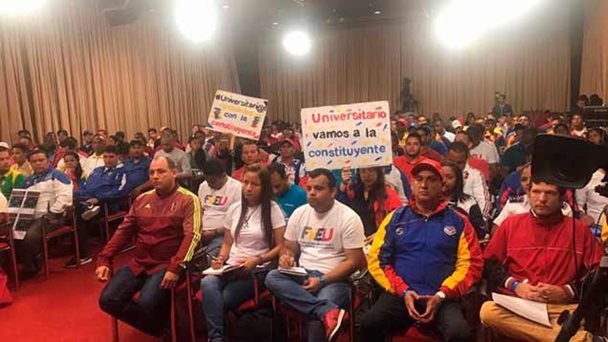
A la reunión con la Comisión Presidencial asisten 15 federaciones y 28 centros de estudiantes.

El movimiento estudiantil se comprometió a defender la paz y la Constitución en la Asamblea Nacional Constituyente (ANC) que convocó el presidente de la República, Nicolás Maduro.

En la reunión que se realiza este domingo en el Palacio Blanco, en Caracas, entre la Comisión Presidencial por la ANC con estudiantes universitarios y de la educación media, el joven Jesús Rodríguez, vocero de la Universidad Territorial Kléber Ramírez, calificó de histórico el llamado del mandatario nacional.

«Esta será una Constituyente de paz, que va a ir a las catacumbas del pueblo. Los estudiantes vamos a defender la Constitución, y la propuesta del movimiento estudiantil será la defensa de la gratuidad y la calidad en la educación«, manifestó en una transmisión de VTV.

Ramírez subrayó que los estudiantes universitarios se proponen fortalecer las universidades y los programas nacionales de formación «para que respondan a la realidad de nuestro país».

Al respecto, Earle Herrera, integrante de la Comisión, recordó que para la instalación de la ANC están convocado todos los sectores sociales del país, como el estudiantil, que elegirá de manera directa a sus voceros constituyentistas, quienes tendrán la tarea, agregó, de elevar los planteamientos del pueblo.

«Aquí todos los sectores van a tener su participación» y «nadie va a elegir por ustedes. El voto es directo», dijo, al tiempo que reiteró que se trata fundamentalmente de un diálogo nacional.

A la reunión con la Comisión Presidencial asisten 15 federaciones y 28 centros de estudiantes.

La Comisión Presidencial por la ANC ha sostenido toda esta semana reuniones con distintos sectores del país para explicar los alcances del proceso constituyente. Han participado en estos encuentros: rectores de universidades públicas y privadas, indígenas, adultos mayores, cuerpo diplomático, trabajadores, comunas, etc. Los encuentros son liderados por Elías Jaua, quien es jefe de la Comisión.

De acuerdo con la AVN, la Constituyente tendrá nueve líneas programáticas: la paz nacional, el perfeccionamiento del sistema económico, constitucionalizar las misiones sociales, el fortalecimiento del sistema de justicia, la lucha contra el terrorismo y el narcotráfico; las nuevas formas de la democracia participativa y protagónica; la defensa de la soberanía, la integridad de la nación y el rechazo al intervencionismo; el carácter pluricultural del país; la garantía de futuro y la preservación de la vida en el planeta.

La ANC será electa por el pueblo a través del voto universal, directo y secreto en el ámbito territorial y sectorial.

Fuente de la Noticia:
Leer más en: http://www.elmundo.com.ve/noticias/actualidad/educacion/estudiantes-se-comprometen-a-defender-la-calidad-e.aspx#ixzz4gYAErP7O

Comparte este contenido:

México: Maestros destacados, acosados por Sección 22 y desprotegidos por IEEPO

México/09 de mayo 2017/Autora: Yuri Sosa/Fuente: http://www.nvinoticias.com

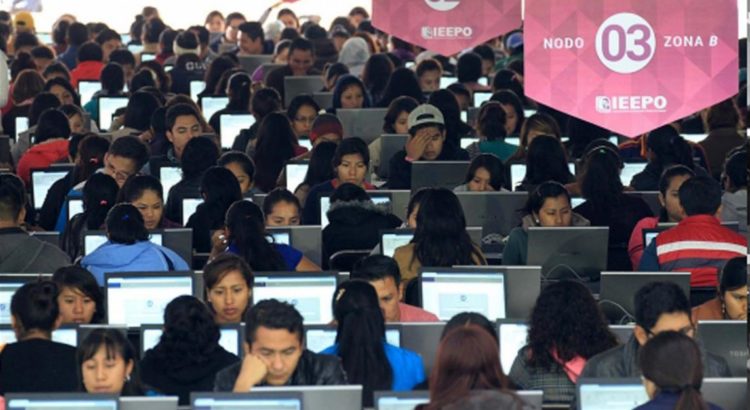
A más de un año de presentar la evaluación de desempeño docente, la maestra Soledad Bautista Martínez fue expulsada de su centro de trabajo por la presión de la Sección 22 del Sindicato Nacional de Trabajadores de la Educación (SNTE), mientras que el Instituto Estatal de Educación Pública de Oaxaca (IEEPO), sólo fungió como observador de los hechos.

La docente Soledad Bautista es la única del nivel de telesecundaria que resultó con la puntuación de “destacada” en el examen que se implementó en Oaxaca partir de la reforma educativa. Resultado del que NOTICIAS cuenta con una copia.

Pese a que el IEEPO prometió garantías a los evaluados, la Sección 22 del SNTE se impuso y expulsó a esta profesora con más de 20 años de experiencia docente.

Desde el pasado 3 de abril, la profesora dejó de formar parte de la plantilla docente de la telesecundaria del municipio de Trinidad de Zaachila, de la región de Valles Centrales.

IEEPO al margen

“Si no quiere tener problemas, hay disponibilidad en otros centros”, fue la respuesta de las autoridades educativas del IEEPO, indicó la maestra en entrevista, quien detalló que los centros referidos por la institución son los más alejados de las zonas urbanas.

Bautista Martínez aseveró que el acoso laboral comenzó a partir que aplicó la evaluación en diciembre de 2015. Desde entonces se ha dirigido al IEEPO para comunicarle los hechos, sin tener respuestas a su favor.

Ante la presión del magisterio para expulsarla de su escuela, personal del Jurídico del IEEPO acudió para resolver que su caso pasaría a la unidad de atención de secundarias, en la que el 3 de abril le notificaron que ya no podía regresar a su centro laboral.

La afectada aseguró que al menos otros 25 profesores de su mismo nivel educativo están en ese condición laboral por presentar la evaluación de ordenó la Secretaría de Educación Pública o por incluir a sus escuelas en los programas federales para mejorara los servicios e infraestructura educativa.

Oídos sordos

Frente a la presión de la Sección 22 del SNTE, Soledad Bautista se presentó ante el gobernador Alejandro Murat, durante su primera audiencia pública en el mes de marzo.

La afectada señaló que el mandatario estatal ordenó atender el tema al director general del IEEPO, Germán Cervantes.

“Lo que veo es que desde arriba se da una orden y conforme baja a los niveles, la orden se pierde”, expresó la maestra, quien también denunció acoso sexual de parte de los integrantes de la zona 03, a la que pertenece la escuela en la que laboró.

La maestra ha recibido mensajes en los que se acusa de “espuria, traidora”, además que existe la orden de “duro contra ella”.

“No les interesa la gente preparada”

Soledad Bautista agregó que desde hace tres años busca ante el IEEPO una beca para realizar un doctorado; la respuestas son negativas.

Ella cuenta con la especialidad en Educación Secundaria y cursa un doctorado en Estudios Críticos del Lenguaje en la Universidad Autónoma Benito Juárez de Oaxaca (UABJO).

“No les interesa la gente preparada”, enfatizó la docente, quien espera que las autoridades no permitan más casos de este tipo en la entidad.

 Fuente de la Noticia:
http://www.nvinoticias.com/nota/58502/maestros-destacados-acosados-por-seccion-22-y-desprotegidos-por-ieepo
Comparte este contenido:

EEUU: Indiana Girls and Boys Club gives boost to STEM education

EEUU/09 May 2017/By Rebecca R. Bibbs/Source: http://www.dailyindependent.com

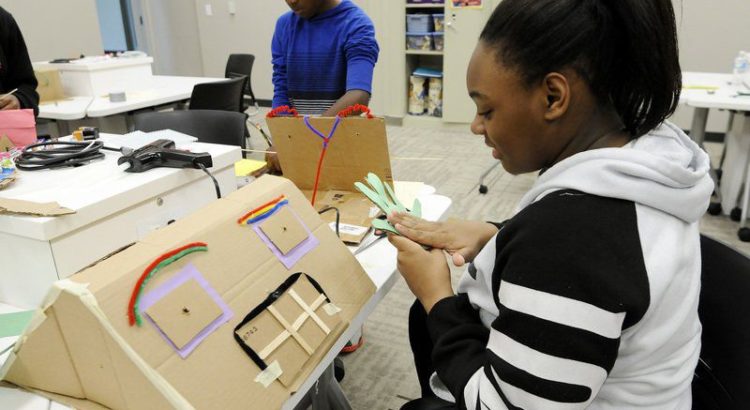
As she links electrical wires to plastic disks and cubes, 13-year-old Alaisha Arthur doesn’t seem to mind that her school day is extended while she participates in the Boys and Girls Club of Indiana’s new STEM program.

The eighth-grader is one of about 20 students in Grades 6 through 12 participating in the monthlong science, technology, engineering and math program, «Boiler Bang!»

“I kind of like it because it’s kind of like school but it’s not really,” Arthur said. “I like to build stuff, and I wanted to do stuff with math.”

The Anderson Township Trustee’s Girls and Boys Club opened in September, and joined forces with Purdue Polytechnic University at Anderson to start the county’s first free recreational STEM program.

As schools are pushed to focus measurable academic results through standardized tests, programs like music, arts and technology are often reduced or cut. After school programs like Boiler Bang! provide supplementary classes that students may otherwise not have access to.

According to a study done by Charles Stewart Mott Foundation and STEM Next, more than 70 percent of students who participated in after school STEM programs showed positive gains in all related subjects and careers, as well as in their knowledge and technologic skills.

Arthur, who is considering a career as a doctor or lawyer, said the after-school program is right up her alley because math is her favorite subject.

“I like everything where you have to have one answer, not multiple answers,” she said.

The program, which takes place on the Purdue Polytechnic campus from 4:30 to 7 p.m., includes a wood shop class on Mondays and a robotics class on Wednesdays.

Boiler Bang
Dontez Rimpson arranges a pair of LEDs that will be the eyes for his Robot Friend.

Don Knight | The Herald Bulletin

Larry McClendon, the Girls and Boys Club after-school program director, said it’s important for young people to continue learning even after the school day ends.

“We want to have more than recreation with the kids,” he said. “When you think of a STEM program, it covers it all for the kids and gets them college prepared.”

Many of the students who attend the after-school program might not have exposure to college preparation programs through their schools, McClendon said. Boiler Bang! closes that gap.

“That’s the importance of quality after-school programs. They enhance what happens in school,” he said.

Spending time on a college campus also normalizes the experience for the students, allowing them to feel as if they belong there, McClendon said.

Boiler Bang! also is good for those preparing for a trade rather than college, McClendon said.

“I think we can excite them in a way the teachers can’t excite them,” he said.

 Lorri Barnett, business leadership, industrial tech and supply chain lecturer at Purdue Polytechnic, leads the Boiler Bang! classes.

“For me, personally, it’s about engaging the community and what we have to offer here,” she said. “Partnering with the Girls and Boys Club allows us to show what we have here and to give back to the community in a small way.”

Boiler Bang
Fay Dansby instructs Promise McClendon on building his Robot Friend during the Boiler Bang! program for children from the Girls and Boys Club of Anderson, Indiana.

Don Knight | The Herald Bulletin

Though STEM education is a primary goal of the Boiler Bang! program, students also receive valuable education about the ongoing attendance and performance standards that remain crucial as they continue their educations and enter the workforce.

For example, program guidelines encourage attendance by not permitting students to attend Boiler Bang! on days when they are absent from school and the students must maintain a grade point average of at least a 2.5.

Barnett said if she was able to reach one child and introduce her to things many take for granted, it was worth the experience.

“It’s about little insights where we see their face light up,” she said. “Maybe we open their eyes to the endless possibilities about who they might be when they grow up.”

Source:

http://www.dailyindependent.com/cnhi_network/indiana-girls-and-boys-club-gives-boost-to-stem-education/article_cc41b628-90c6-5d01-8988-acaf9b31964a.html

Comparte este contenido:

Sex Education in Croatia. The war between the Church and government

Croatian/09 May 2017/Source: https://www.balcanicaucaso.org

It is open clash between the Croatian Catholic Church and the center-left government. The disputed issue is sex education in schools, recently introduced in the broader context of civic education and health.

The three hours of class throughout the year when students, within the general framework of health education, will learn the basics about sexuality, gender equality, and proper behavior in this regard have raised an unprecedented war between the Catholic Church and the Croatian government. The word «war» is no overstatement: Valentin Pozaić, Zagreb’s deputy bishop, urged against the introduction of sex education in schools and for a new «Oluja» (Storm), alluding to the armed action conducted by Croatia in the region of Knin in August 1995.

The deputy bishop calls for a new «Oluja»

Not to leave any doubt about the target of the «Storm», Pozaić said: «The Nazis came to power through democratic elections, then abused the legitimacy of their mandate and imposed a dictatorship, and you know how it ended. Do we still need to warn about the similarity with today’s Communists in Croatia?»

In appeals from the altars as well as public statements, the Church has fought hard the introduction of sex education in schools, allegedly a mere excuse hiding other intentions such as «indoctrination of children with the ideology of homosexuality and eroticism». Of course, what troubles the Church most is that children, in those three hours of health education, would receive knowledge that is contrary to its own teaching – that masturbation is not a sin, homosexuality is not a disease or a perversion, and contraception is the best way to avoid an unwanted pregnancy.

The Archbishop of Zagreb, Cardinal Josip Bozanić, said that the suggested model for health education is dangerous «because some parts of it destroy man». Bozanić did not explain what are the dangerous parts of sex education and how they destroy man, but reiterated that the government did not respect the democratic process and the right of parents to decide whether and how their children will study sex education in school.

The Ministry of Education resists

It was not long before the Church invited parents to boycott sex education classes. Education Minister Željko Jovanović, whose department is responsible for the introduction of sex education in schools, said students who do not attend those classes will be considered absent without leave.

The answer came quickly. «Jovanović, in the name of God, leave our children alone!» screams a little boy, complete with red and white checkered shirt, from a giant billboard on the streets of Croatia, reading «Forget health education» and a quote from the Croatian Constitution on how parents «have the right and freedom to decide on the education of children». The idea came from the “Christian, patriotic” magazine Nacija, known for publishing articles that warn about the dangers of yoga, support the excommunication of women who have had abortions, and offers its readers the confessions of people healed from homosexuality.

New areas of conflict

While the war on health education has not subsided at all, a new debate rages among the Croatian public. A harmless theater poster for the play «Fine mrtve djevojke» (Fine dead girls), staged at the Gavella theater in Zagreb, was withdrawn at the request of the Catholic association «vigilant».

The poster showed two statues of the Virgin Mary embracing, alluding to the lesbian theme of the play – an image that seemingly greatly annoyed the faithful. The mayor of Zagreb, Milan Bandić, ordered the withdrawal of posters and said that anyone who had «put themselves in the shoes of the faithful» would have done the same.

Croatia had looked down on the strong reactions in the Islamic world following the publication of caricatures of the Prophet Mohammed in some Western countries, branding them as an expression of blind religious fanaticism. Yet, now something similar has happened in the center of Zagreb.

The warning from the Minister of Culture

Artists and intellectuals of the Croatian capital wonder if the witch hunts of the Church will now find new targets, e.g. with public burnings of books deemed unsuitable for the faithful.

Minister of Culture Andrea Zlatar Violić announced that in Croatia there is an «incomprehension of those who are different from the majority, be it for religious reasons, gender, or any other form of marginalization». Violić considers Croatia a «society with strong rigidity, which tends to push to the margins those who are different». That is why – said the Minister – posters like the one that was banned by mayor Bandić under pressure from religious groups «are very necessary to teach us to respect those who, from the point of view of the majority, are different».

Source:

https://www.balcanicaucaso.org/eng/Areas/Croatia/Sex-Education-in-Croatia.-The-war-between-the-Church-and-government-129226


Comparte este contenido:

Oman Education Council seminar discusses future trends

Oman/09 May 2017/By ONA/Source: http://timesofoman.com

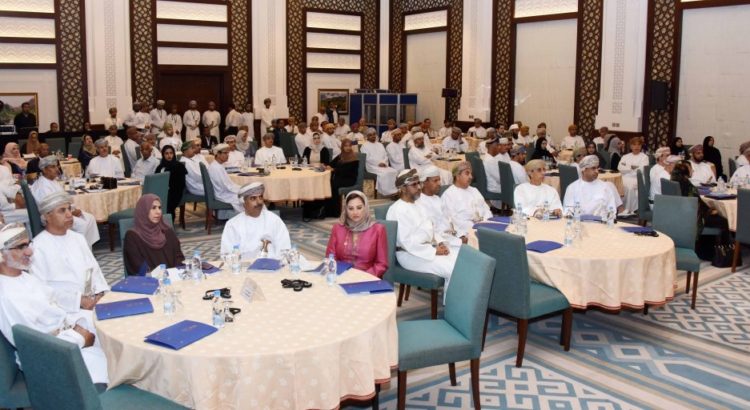
To help prepare a plan for education in accordance with the future trends identified in the 9th and 10th national development plans, a seminar was organised on Monday by the Education Council.

The seminar was organised at Al Wahat Club in Muscat today a seminar on “Education, Development Trends, and Current and Future Employment Opportunities in the Labour Market” under the patronage of Dr. Rawya bint Saud al-Busaidiyah, Minister of Higher Education, Chairperson of the Education Council.

The seminar aimed at preparing a procedural plan on the actions required by the variety of bodies responsible for education and employment in accordance with the future trends of the economic sectors identified in the 9th and 10th national development plans.

The seminar also aimed at identifying the global trends related to the 4th Industrial Revolution and the implications on education and the labour market, identifying the current economic situation in the Sultanate and its future trends, as well as the implications on education and employment. It also aimed at identifying the outcomes of the national project on the alignment of higher education outcomes with needs of the labour market and arriving at clear insights into the aspects and quality of the programs and disciplines required for the labour market, as well as the mechanisms to monitor future needs in jobs and professions in various sectors.

After opening the seminar, the Minister of Higher Education said that the seminar aimed at exploring the appropriate mechanisms through which needs of various development sectors in the Sultanate can be closely viewed to identify disciplines and skills that can be offered in the future as academic programs at government and private higher education institutions.

She stressed the importance of conducting revision by those concerned with education and employment, planning and supervision of economic activities in various sectors in the Sultanate.

The seminar touched on three key themes namely the 4th Industrial Revolution and its implications on education and the labour market, the current economic situation in the Sultanate and its future trends, as well as the implications on education and employment and the national project on the alignment of higher education outcomes with the needs of the labour market.

Dr. Said bin Hamad al-Ruba’iee, Secretary General of the Education Council gave a presentation reviewing an overview on basic topics of the seminar, stages of its preparations, its objectives and statistics about higher education Outputs expected in the five-year plan.

He also touched on the 4th Industrial Revolution and its implications on education and employment. Dr. al-Ruba’iee also reviewed the discussion workshops, which were held in September 2016 and February 2017.

The seminar included three discussion workshops. The session was moderated by Eng. Mohammed bin Salim al-Busaidi, Member at Majlis A’Shura. The session included the first working paper on the National Project on the Alignment of Higher Education Outcomes with the Needs of the Labour Market. The paper was co-presented by Dr. Salim bin Zuwaid al-Hashmi, Chairman of the Project’s Administrative and Financial Committee as Representative of the Sultan Qaboos University (SQU) and Sheikha bint Mohammed al-Mukhainiyah, Member of the Project’s Executive Committee.

Professor Costas Chryssou, Deputy Vice Chancellor of Muscat University for Enterprise and Engagement presented the second working paper on the Global Trends related to the Fourth Industrial Revolution, and the Implications on Education and the Labour Market.

The third working paper themed the Current Economic Situation in Oman and its Future Trends, and the Implications on Education and Employment, was presented by Sayyid Dr. Adham bin Turki al-Said, Assistant Professor at the SQU College of Commerce and Political Sciences.

Various government and private institutions representing sectors of education, business and planning in the Sultanate, as well as health, tourism, agriculture, fisheries, mining, logistics, transport and communications sectors took part in the seminar.

The seminar’s opening ceremony was attended by ministers, honourable members at the State Council, undersecretaries and members at Majlis A’Shura.

Source:

http://timesofoman.com/article/108588/Oman/Education/Oman-Education-Council-seminar-discusses-future-trends

Comparte este contenido:

Argentina: Murió el exministro de Educación Juan Carlos Tedesco

Argentina/09 de mayo de 2017/Fuente: http://www.ambito.com

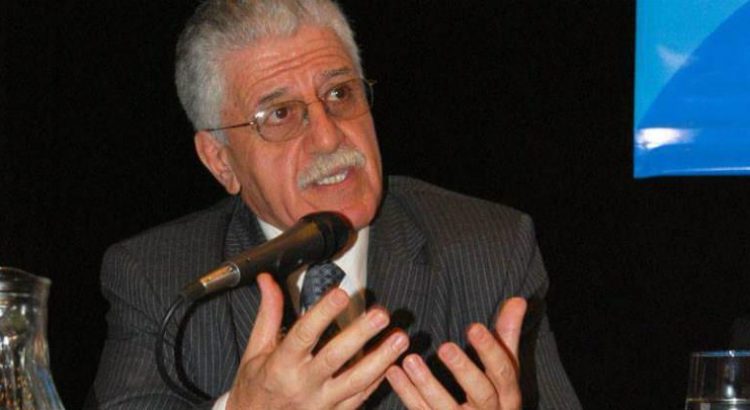
Argentina perdió al pedagogo y ex ministro de Educación de la Nación Juan Carlos Tedesco, referente y hombre de consulta permanente en materia educativa, quien falleció a los 73 años en Buenos Aires tras una larga enfermedad.

Licenciado en Ciencias de la Educación por la Universidad de Buenos Aires (UBA), Tedesco fue profesor universitario y funcionario de la UNESCO, donde dirigió la Oficina Regional de Educación para América Latina y el Caribe (OREALC), en Santiago de Chile; la Oficina Internacional de Educación en Ginebra, Suiza; y la sede regional del Instituto Internacional de Planificación de la Educación en Buenos Aires.

Fue ministro de Educación de la nación entre 2007 y 2009 y fue hasta su fallecimiento profesor-investigador de la Universidad Nacional de San Martín.

«Lamento profundamente la muerte de Juan Carlos Tedesco, un hombre de bien, un hombre de la educación. Acompaño a sus familiares y amigos», escribió en su cuenta de Twitter el ministro de Educación de la Nación, Esteban Bullrich.

Durante la gestión de Tedesco al frente de la cartera educativa se creó el Instituto Nacional de Formación Docente y se diseñó un plan para elevar a cuatro años la formación de los maestros.

«Murió uno de los mejores educadores que tuvo América Latina. Ejemplo y maestro de más de una generación», dijo a Télam conmocionado por el deceso el ex Representante de la Unesco en Brasil Jorge Werthein, un doctor en Educación por la Universidad de Standford que llegó a Buenos Aires para despedir a Tedesco, con quien compartió 30 años de amistad y trabajo.

Tedesco, también, dictó cursos de posgrado en universidades de varios países de América Latina y publicó numerosos artículos y libros sobre las relaciones entre educación y sociedad. Entre ellos se destacaron «Educación y sociedad en Argentina: 1800-1945 (Buenos Aires, 1972); El Proyecto Educativo Autoritario: Argentina 1976-82 (Buenos Aires, 1983); El Nuevo Pacto Educativo (Madrid, 1995); Educar en la sociedad del conocimiento (Buenos Aires, 2000); Educación y Justicia Social en América Latina (Buenos Aires, 2012): Pedagogía y Democratización de la Universidad (Buenos Aires, 2014).

Tedesco representó una de las voces de mayor prestigio en la Argentina y a nivel mundial a la hora de pensar en el diseño de políticas educativas. Investigador y humanista, ingresó a la Unesco en 1976 como especialista en política educativa.

Miembro de número de la Academia Nacional de Educación, Tedesco era también un especialista en historia de la educación.

Sus restos serán velados a partir de las 21 en O’Higgins 2842. Mañana será enterrado a las 10.30 en el cementerio de Chacarita.

Fuente de la Noticia:

http://www.ambito.com/882070-murio-el-exministro-de-educacion-juan-carlos-tedesco

Comparte este contenido:

EEUU: A comprehensive look at charters and what they mean for Philadelphia’s Education

EEUU/ 09 may 2017/by Diamond Jones/Source: http://thenotebook.org

It is 4:20 p.m. and the security line at the school district’s Education Center was beginning to grumble with agitation. A mother clutched a poster-board using it as a fan as she stood in line in the heavy humid air. The small crowd took steps forward almost in unison, rushing to the auditorium hoping to get one of the limited seats.

As the group entered, the tension in the room could immediately be felt, sticking to everyone like that heavy humid air outside. The School Reform Commission budget meeting started and the agitation only grew.

Students, teachers, education advocates and community members filled the seats of the auditorium while the presiding board ushered through the meeting’s presentations. The room would erupt in cheers one second, then a wave of groans and sighs would roll through the back of the hall.

Filling up four rows of chairs were members from Memphis Street Academy, a charter school recommended for closure by the School District board. They wore bright orange shirts holding up signs saying “Save Our School” when speakers of their group were up at the podium.

Memphis Street Academy is one of two charter schools at risk of closing its doors due to a non-renewal contract recommendation.

“The community and our scholars will face a great loss if Memphis were to close,” Tracey McKnight, a Memphis parent, urged while speaking at the meeting.

For many years charter schools have been popping up throughout the city of Philadelphia. While the number of schools grow, the misunderstanding and lack of information on what exactly a charter school is, also rises.

A school, in general, is supposed to serve as a place of learning and as a pillar in communities for families. So then, what are charter schools and why have they sprouted up in almost every neighborhood of Philadelphia?

“A charter school is basically a contract,» Julian Vasquez Heilig, a professor of educational leadership and policy studies at California State University, Sacramento said. «It’s a contract involving education, the government and a private organization.”

According to the U.S. Department of Education, a charter school by definition is a publicly funded school typically governed by a group under a legislative contract with the state or respective jurisdiction. The independently operated public schools originated in the early 1990s in Minnesota. Since then, they have spread across the nation with 176 schools developing in Pennsylvania.

The Pennsylvania Charter School Law was enacted in 1997 allowed local boards of education to launch new schools that can operate freely from many local and state requirements that apply to traditional public schools. Of those 176 state schools, 86 are located in the city of Brotherly Love. According to the School District of Philadelphia, the schools were established to provide students with more educational alternatives.

Source:

http://thenotebook.org/articles/2017/05/08/a-comprehensive-look-at-charters-and-what-they-mean-for-philadelphia-s-education


Comparte este contenido:
Page 4405 of 6757
1 4.403 4.404 4.405 4.406 4.407 6.757