Saltar al contenido principal
Page 1598 of 6145
1 1.596 1.597 1.598 1.599 1.600 6.145

México: SEP propone Estrategia para fortalecer escuelas normales; Ejecutivo asigna menos a formación docente

SEP propone Estrategia para fortalecer escuelas normales; Ejecutivo asigna menos a formación docente

El documento enviado por la SEP al Congreso explica la ruta a seguir para el mejoramiento de las escuelas normales, que según su diagnóstico fueron a la baja en el último sexenio.

La nueva Reforma Educativa estableció la obligación de dar una plaza docente a los egresados de las escuelas normales y ahora se confirma como uno de los compromisos establecidos en la Estrategia Nacional de Mejora de las Escuelas Normales, realizada por la Secretaría de Educación Pública (SEP) y que se aplicará este sexenio.

“Se deberá garantizar la admisión al servicio docente de los alumnos egresados de las Escuelas Normales e incrementar los salarios y prestaciones del personal administrativo y de apoyo”, dice el documento.

La dependencia también plantea que las escuelas normales tengan “autonomía de gestión curricular y pedagógica, administrativa y financiera”, toda vez que actualmente dependen completamente de la SEP.

El documento enviado al Congreso por la dependencia que dirige Esteban Moctezuma explica la ruta a seguir para el mejoramiento de las escuelas normales, que según su diagnóstico tuvieron un decrecimiento en presupuesto y en matrícula en el último sexenio.

Mientras que el número de alumnos en las escuelas normales permanecía entre 133 mil y 130 mil entre 2008 y 2012, bajó a 127 mil en 2013, pero a partir de 2014 ha ido en decremento hasta llegar a 90 mil estudiantes en el ciclo escolar de 2018.

Esto, dice el documento, fue porque “se estigmatizó al normalismo por parte de algunos gobiernos”, se abandonó la infraestructura y “se soslayó la formación docente, lo que derivó en una injusta asignación de culpabilidad al magisterio como responsable del declive de la educación básica”.

Sin embargo, de acuerdo con el Proyecto de Presupuesto de Egresos para 2020, el Ejecutivo Federal plantea recortes para el próximo año a tres programas de “formación inicial docente”.

El programa de fortalecimiento a la excelencia educativa tuvo 341 millones de pesos en 2019, pero el Ejecutivo propone 250 millones para 2020. Las Becas Elisa Acuña para profesionales de la educación tuvieron 85 millones de pesos el año pasado, pero ahora no se le asignaría ni un peso. Mientras que el programa para normar servicios educativos pasaría de 4 millones a 3 millones de pesos para el próximo año.

La autonomía

La Estrategia dice que las normales deberán crear la ruta hacia lograr la autonomía durante este sexenio, con un modelo que atienda las necesidades a nivel local, regional y nacional.

Para ello la SEP propone generar un diagnóstico que exponga las características de las Escuelas Normales de cada entidad y constituir un Órgano Colegiado Consultivo Nacional de las Escuelas Normales para el diseño de políticas, lineamientos y programas específicos que permitan evaluar y dar seguimiento al proceso.

La autonomía de gestión curricular y pedagógica, administrativa y financiera significaría el fortalecimiento de las escuelas normales, advierte la SEP. Por ello, “es necesaria la autogestión para su vida académica, con posibilidad de participar en el nombramiento de su cuerpo directivo, funciones sustantivas, administración de recursos, empleo de ingresos propios, donaciones, contraloría social, rendición de cuentas y el establecimiento de acuerdos y convenios con otras instituciones”.

Mientras que la autonomía financiera les permitirá disponer de recursos económicos federales, estatales y autogenerados, aunque eso no supliría la obligación que tiene el Estado de garantizar la suficiencia presupuestaria con transparencia y rendición de cuentas.

Por ello, el Congreso Federal deberá aprobar, en cada ejercicio fiscal, un presupuesto anual directo a las EN tomando en cuenta las necesidades de cada una de ellas, con la finalidad de garantizar la docencia, la extensión educativa, los servicios asistenciales, el fortalecimiento de la infraestructura y la investigación.

La autonomía pedagógica y curricular asegura la libertad académica de las Escuelas Normales como instituciones de nivel superior, priorizando las necesidades y problemas de su contexto de tal manera que se atienda la realidad social, pluricultural y plurilingüística.

El docente del sexenio

Esta Estrategia de fortalecimiento a las normales tiene como objetivo formar a los maestros del Modelo Educativo de la Nueva Escuela Mexicana, promovido por la actual administración.

Por ello se plantea un perfil de egreso de las normales que contemple cinco “dimensiones”. La primera es la dimensión política, en la que “el docente debe tener por centro la reflexión sobre el papel que desempeña como sujeto histórico y político capaz de integrar y desarrollar, con una visión democrática, justa y participativa, acciones proactivas basadas en las políticas educativas del país, con el compromiso de trabajar en comunidad para su transformación”.

En la dimensión personal, se propone un docente que asuma su identidad como un profesional e intelectual de la pedagogía que aprende permanentemente, de manera autodeterminada desde un enfoque socioeducativo para fortalecer su desarrollo personal y su práctica profesional.

Sobre la dimensión pedagógica y psicológica, se necesita un docente cuya visión didáctica emane de un diseño curricular que responda a las demandas particulares del contexto, y “que sea capaz de intervenir sociopedagógicamente en el proceso de aprendizaje según el desarrollo cognitivo, psíquico, físico, emocional, conductual, social y cultural de sus alumnos como un hecho reflexivo, participativo y problematizador”.

Para la dimensión filosófica y social se prevé que tenga la capacidad para generar nuevos escenarios que promuevan el respeto por todas las formas de vida y recuperen tanto la cosmovisión originaria como los saberes comunitarios para comprender la relación hombre-naturaleza.

También que “viva y fomente los valores humanos y las virtudes cívicas (libertad, equidad e inclusión, cultura de paz, respeto, tolerancia, cooperación, solidaridad, responsabilidad, honradez, autonomía, legalidad y honestidad) por encima del manejo meramente instrumental y funcional del conocimiento”.

Lo que hacemos en Animal Político requiere de periodistas profesionales, trabajo en equipo, mantener diálogo con los lectores y algo muy importante: independencia. Tú puedes ayudarnos a seguir. Sé parte del equipo. Suscríbete a Animal Político, recibe beneficios y apoya el periodismo libre.
Fuente de la Información: https://www.animalpolitico.com/2019/11/escuelas-normales-estrategia-sep-presupuesto/
Comparte este contenido:

Qatar acoge cumbre internacional de educación

Qatar acoge cumbre internacional de educación
Doha, 19 nov (Prensa Latina) El Centro Nacional de Convenciones de Qatar abrió sus puertas hoy a la Cumbre Mundial de Innovación para la Educación (WISE), que cuenta con unos dos mil participantes de 150 países.
Educadores, tomadores de decisiones y autoridades de los sectores público y privado se dan cita en Doha hasta el jueves próximo para explorar propuestas innovadoras y tomar medidas que tributen a una mejor educación.
Bajo el tema Desaprender, reaprender lo que significa ser humano, el programa de la cita incluye más de 150 sesiones diseñadas para propiciar el diálogo, crear redes de colaboración, compartir prácticas efectivas y descubrir nuevas ideas.

En este escenario estarán presentes los programas más importantes de Wise, entre ellos la red de líderes ágiles de innovación en el aprendizaje.

Esta iniciativa reúne a los responsables políticos, académicos y expertos en educación a fin de compartir enfoques innovadores y contribuir al diseño de nuevos modelos para una enseñanza de alta calidad.

También un proyecto encaminado a empoderar y capacitar a líderes emergentes, que en esta edición incluye a discípulos de 11 países.

La cumbre trae, además, las voces de estudiantes entre 16 y 21 años, quienes participan en debates a la par que se preparan en sus respectivas áreas para asumir un rol protagónico en el desarrollo educativo en sus comunidades.

Más de 180 jóvenes de unos 60 países forman parte de esta sesión.

En tanto, el programa Acelerador WISE, diseñado para apoyar proyectos innovadores con alto potencial de escalabilidad e impacto positivo, pone a disposición de los participantes diferentes talleres donde los seleccionados exponen su trabajo.

La iniciativa sirve, asimismo, como intermediario para conectar tales proyectos con una red internacional que crea oportunidades de compartir conocimientos y encontrar apoyo entre posibles socios, donantes e inversores.

WISE fue establecida en 2009 por la Fundación de Qatar para la Educación, la Ciencia y el Desarrollo Comunitario como un escenario enfocado a transformar la enseñanza a través de la innovación.

Fuente de la Información: https://www.prensa-latina.cu/index.php?o=rn&id=322099&SEO=qatar-acoge-cumbre-internacional-de-educacion
Comparte este contenido:

Expanding education: From Africa to Cambridge and back again.

Expanding education: From Africa to Cambridge and back again

Mgcini «Keith» Phuthi ’19, a native Zimbabwean, uses his experiences at MIT to develop improvements in education policy in Sierra Leone through MISTI-Africa.

Laura Carter | School of Science
November 18, 2019

For Mgcini «Keith» Phuthi ’19, spending a summer in Africa was more than a trip back to his home continent after graduation. It was an opportunity to directly impact national policy regarding education in the country of Sierra Leone.

Originally from Zimbabwe, Phuthi, who majored in physics and minored in mechanical engineering, was looking for a particular combination of purposes in his third experience with the MIT International Science and Technology Initiatives (MISTI): a return to Africa and a chance to explore his passion for education. “I initially thought I would have to choose one or the other, but when I talked to the [MISTI-Africa] program manager about what I could do in Africa, he mentioned the Sierra Leone opportunity.”

Around the world and back again

Ari Jacobovits, the managing director of the MISTI-Africa program, was equally thrilled to match up a student with his ideal project. “What I try to do with every interested student is sit down with them, see what interests them, and build from there. When I met Keith, he obviously had a lot of experience in Africa, being from Zimbabwe, but he also had a particular passion for education,” says Jacobovits. “It’s exciting to facilitate interactions such as Keith’s between the southern region and the western region, thousands of miles apart.”

This was an ideal chance to get hands-on for Phuthi, who often asks himself how to drive higher qualities into educational systems, particularly in regions where science interest and exposure is low. “I felt they could serve as a model for other countries,” he says of Sierra Leone, “and I wanted to be a part of that.”

The mission of the MIT-Africa initiative, an Institute-wide effort, the principles of which help guide MISTI-Africa, is to seek mutually beneficial research, education, and innovation, contributing to economic and intellectual trajectories of African countries, while advancing MIT scholarship and research. “We are always looking to build engagement and collaboration with leading partners and institutions around questions of global import because the solutions to many of the world’s most pressing challenges are found, and will continue to be found, in Africa,” Jacobovits says.

Homeward bound

After a visit to MIT by a delegation from Sierra Leone this past March, Phuthi was excited. “A big draw was the incredible ambition and enthusiasm the delegation had,” he says. The delegation included President Julius Maada Bio and an MIT Media Lab alumnus, David Moinina Sengeh SM ’12, PhD ’16, who grew up in Sierra Leone and is now the chief innovation officer for the newly created Directorate of Science, Technology and Innovation (DSTI), uniquely located within the Office of the President in Sierra Leone.

Recently, Sierra Leone’s government has directed significant attention and funding toward science, technology, and innovation. This includes 21 percent of the country’s budget, invested in improving education and lowering the country’s high illiteracy rate — at present, 60 percent of adults in Sierra Leone are unable to read or write. DSTI and the University of Sierra Leone’s Institute of Public Administration and Management  went so far as to sign a five-year memorandum of understanding to support this goal. Educational systems are always evolving to better fit the information being taught, but they also need to accommodate the needs of the society they serve. Before any amelioration efforts can be made, the government needs to have a firm understanding of the present, including cataloging education levels, identifying the areas that need attention, and determining the best methods for addressing issues observed.

Education built on education

One project Phuthi helped develop was the national education dashboard for K-12 schooling, one of the first of its kind, he says. The dashboard required cataloging information about the status of education across Sierra Leone. The task called on his experience with data processing and validation pipelines during his physics research in the Laboratory for Nuclear Science under Department of Physics Professor Joseph Formaggio. “This drew a lot on my scientific background in developing metrics, quantifying uncertainties, and building models.”

“But having accurate data wasn’t enough,” Phuthi says. “We needed to use data science and data visualization to develop narratives and models that answer the questions decision-makers might have.” These included complex logistical details such as the route a new government-purchased school bus should take and the optimal locations for the government to build new schools.

To answer these questions, Phuthi also considered other experiences he gained at MIT, such as teaching assistantships and courses in the Education Studies Program, and even conversations he’s had with people from all over the world, including students. It has become a huge benefit to have stepped outside his fields of science and engineering and attend School of Humanities, Arts, and Social Sciences classes in the Teaching Systems Lab. “My hope was to draw on these experiences to help design solutions to improving education in sub-Saharan Africa, and I think I managed to do so,” Phuthi reflects. The progress of DSTI’s current projects can be seen as bar graphs on their website, depicting most as over half complete. The Education Data Hub, the focus of Phuthi’s work, is far enough along to deploy an interactive website for testing.

At the end of the summer, he joined Michel Reda, an electrical engineering and computer science major in her third year, and Hazel Sive, biology professor faculty director of the MIT-Africa program, for a three-day short course. There, he, Reda, and Sive spoke to faculty at Sierra Leone’s Njala University about the best practices for higher education. “It felt like we really got people thinking in the room,” Phuthi says about the forum that generated a report for future policy changes regarding higher education.

Fuente de la Información: http://news.mit.edu/2019/expanding-education-africa-cambridge-and-back-again-1118

Comparte este contenido:

Australia: SA school closures: The full list from the Department of Education on catastrophic fire danger day

SA school closures: The full list from the Department of Education on catastrophic fire danger day

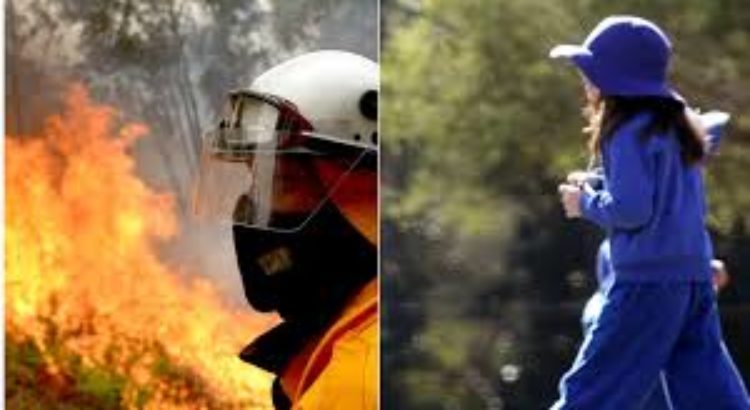
The Department of Education has announced 111 schools, pre-schools and kindergartens across the state will be closed on Wednesday due to catastrophic fire danger conditions.

The following schools will temporarily cease operations on Wednesday 20 November due to increased fire risk in the area:

Eastern Eyre

  • Cleve Area School
  • Cleve District Children’s Centre

Kangaroo Island

  • Kangaroo Island
  • Kangaroo Island Community Education*
  • Kangaroo Island CS Kingscote*
  • Parndana Campus
  • Penneshaw Kindergarten*

Lower Eyre

  • Bishop Kindergarten*
  • Kirton Point Children’s Centre*
  • Kirton Point Primary School*
  • Lake Wangary School
  • Lincoln Gardens Primary School
  • Poonindie Community Learning Centre
  • Poonindie Early Childhood Centre
  • Port Lincoln Children’s Centre
  • Port Lincoln Special School
  • Ungarra Primary School

Mid North

  • Blyth Primary School*
  • Booborowie Primary School
  • Brinkworth Primary School
  • Burra Community School
  • Burra Early Learning Centre
  • Clare High School
  • Clare Primary School
  • Clare Valley Children’s Centre
  • Eudunda Community Preschool
  • Gladstone Primary School
  • Koolunga Primary School
  • Manoora Primary School
  • Napperby Primary School
  • Saddleworth Early Learning Centre
  • Saddleworth Primary School
  • Snowtown Primary School
  • Spalding Primary School
  • Tarlee Primary School

Mount Lofty Ranges

  • Aldgate Kindergarten Inc
  • Aldgate Primary School
  • Arbury Park Outdoor School
  • Basket Range Primary School
  • Belair Jean Bonython Kindergarten
  • Belair Primary School
  • Birdwood High School
  • Birdwood Primary School
  • Blackwood Kindergarten
  • Blackwood Primary School
  • Bridgewater Kindergarten Inc
  • Bridgewater Primary School
  • Clarendon Kindergarten
  • Clarendon Primary School
  • Coromandel Valley Kindergarten
  • Coromandel Valley Primary School
  • Crafers Primary School
  • Craigburn Primary School
  • Echunga Primary School
  • Eden Hills Kindergarten
  • Eden Hills Primary School
  • Evanston Gardens Primary School
  • Flagstaff Hill Kindergarten
  • Flagstaff Hill R-7 School
  • Flagstaff Oval Kindergarten
  • Gumeracha Primary School
  • Hahndorf Primary School
  • Hawthorndene Kindergarten
  • Hawthorndene Primary School
  • Heathfield High School
  • Heathfield Primary School
  • Kangarilla Primary School
  • Kathleen Mellor Preschool Kgtn
  • Kersbrook Primary School
  • Lenswood Primary School
  • Lobethal Community Kindergarten
  • Lobethal Primary School
  • Macclesfield Primary School
  • Mount Barker Kindergarten Inc
  • Mount Barker Primary School
  • Mount Compass Area School
  • Mount Compass Preschool Centre
  • Mount Pleasant & District Kgtn*
  • Mount Pleasant Primary School
  • Mylor Primary School
  • Nairne Primary School
  • Norton Summit Primary School
  • Oakbank Area School + OSHC*
  • One Tree Hill Primary School
  • Paracombe Primary School
  • Rapid Bay Primary School
  • Sandy Creek Primary School
  • Scott Creek Primary School
  • Springton Primary School*
  • Stirling District Kindergarten
  • Stirling East Kindergarten
  • Stirling East Primary School
  • Tea Tree Gully Primary School
  • Torrens Valley Children’s Centre*
  • Upper Sturt Primary School
  • Williamstown Primary School
  • Woodside Preschool Playcentre*
  • Woodside Primary School*
  • Yankalilla Area School
  • Yankalilla Community Children’s Ctr

West Coast

  • Elliston Area School
  • Karcultaby Area School
  • Koonibba Aboriginal School and CPC*
  • Lock Area School
  • Miltaburra Area School

Yorke Peninsula

  • Bute Primary School
  • Moonta Area School
  • Moonta Kindergarten
  • Port Broughton Area School
  • Port Broughton Kindergarten
  • Wallaroo Mines Primary School
  • Yorketown Area School

Authorities are warning South Australians to brace for what could be the state’s hottest November day on record.

Temperatures of 42°C are forecast for the CBD on Wednesday, edging close to Adelaide’s record temperature of 42.7°C in 1962.

The mercury is expected to tip 45°C at Ceduna, 44°C at Murray Bridge, Whyalla and Port Lincoln, and 43°C at Port Pirie.

More on 7NEWS.com.au

The Bureau of Meteorology says Wednesday’s potentially record-breaking maximum temperatures, strong and gusty winds and very dry conditions make it a dangerous fire weather day.

The CFS has declared total fire bans across all regions in South Australia for Wednesday as firefighters prepare for ‘catastrophic’ conditions.

Fuente de la Información: https://7news.com.au/news/education/sa-school-closures-the-full-list-from-department-of-education-on-catastrophic-fire-danger-day-c-562551

Comparte este contenido:

6 Reasons Why Higher Education Needs to Be Disrupted

6 Reasons Why Higher Education Needs to Be Disrupted

On the surface, universities are a nice idea. You go in, pick a subject you like, learn from the experts, and leave being job- and future-ready. This is why so many people (around 40% in rich countries) decide to go to college, even if it means making big financial and personal sacrifices. Yet just because so many people are doing it doesn’t mean it’s necessarily a good thing to do. In fact, while there is generally a cost – in terms of employment prospect – of not having a college degree, there are not always clear competitive advantages in having one, particularly if almost half of the population has one. The reality in today’s digital-first world is that we need to teach every generation how to learn, unlearn, and relearn — quickly — so they can transform the future of work, rather than be transformed by it.

If you’re reading this, our guess is that you are more likely to have a university degree than not, and we are sure you have very fond memories of your years in college. We also suspect that you have first-hand experience of some of the challenges graduates face when they enter the labor market, and the frustrations employers express when dealing with them (e.g., finding the right people, managing them and their expectations, and developing their skills). For example, many of our ManpowerGroup clients lament the time and money that they must invest in upskilling and reskilling graduates so they can “actually learn skills required to be successful at work versus the skills that made them successful in a classroom.” And most of the students one of us has taught at Columbia and University College London spent a great deal of time trying to find an appealing job despite graduating from top programs, and they always end up having to compromise with their choices.

No clear alternative to universities has yet emerged, and while there’s no clear path to disrupting higher education, there are pain points which those of us in the education field and beyond could be confronting. At some point a viable alternative will likely emerge and we see six reasons that make the case for demanding something different:

Employers need skills, not just knowledge or titles: The industrialized world is experiencing an unprecedented job boom. There has never been a better time in history to find work — this should no doubt be cause for celebration. However, there is still a significant mismatch between the jobs people want and those that are actually available. For example, the current U.S. unemployment rate is just 3.6%, yet there are 7.4 million job openings. Why? First, some of those jobs are unappealing to “overqualified” graduates, which is why Walmart is offering up to $108K to truck drivers, and still has vacancies. Second, some jobs require a different skillset than what job seekers offer, which is why 60% of organizations can’t find qualified cybersecurity analysts, for example. Third, while the number of college graduates keeps rising, there is a general questioning of how university qualifications translate to work, with a growing number of employers expressing reservations about graduates’ job-readiness and potential to add immediate value to the workplace. For example, employers often complain that even when graduates come with stellar academic credentials they will probably not have learned what they need to learn to be able to do their job.

It is also clear that a large number of people often end up in careers that are not even aligned with their education, with a recent report by Burning Glass suggesting that 20% of graduates are still not working in a degree-demanding job even 10 years post-graduation. Things get even more complicated when we take into consideration the fact that a substantial proportion of future jobs will be hard to predict, except for the fact that they will require a very different range of skills than that displayed by most graduates. That’s why the future potential of the workforce will depend on its ability to cultivate learnability, rather than displaying lots of college credentials.

Students want jobs, not knowledge or titles: The number one reason students have for investing so much time and money into a college education is to get a good job, with two thirds of them seeing “financial stability” as the primary goal. And yet, despite record low unemployment, under-employment is extremely common, with as many as 40% of college graduates working in jobs that don’t actually require their qualifications. It is also unlikely that students value the actual process of learning — or absorbing knowledge — as much as the actual diploma they receive at the end. For example, would most people rather have an Ivy League education without the diploma, or an Ivy League diploma without the Ivy League education?

Students are paying more and more to get less and less: Other than healthcare, nothing has risen as much as the cost of higher education, which in the U.S. has increased some 200% in the past 20 years (145% above the inflation rate). Actually, there is one thing that has risen far more: student debt, increased 600%, reaching an all-time-high of $1.4 trillion in America (higher than credit card debt and higher than car financing debt). Believe it or not, some people have managed to accumulate $1 million in student debt. To be sure, there’s still an ROI to most college degrees, and you are generally better off having one than not having one. However, for every Ivy League degree that generates around 12% in annual ROI, there are many less prestigious colleges and careers where the balance is negative. It is also true that the more graduates a nation produces, the less value-add there is in being a graduate, which partly explains the forecast that college enrollment should plateau in the next two or three years.

Students have unrealistic expectations (understandably) about college: Irrespective of their global ranking, all universities market themselves as an engine of growth, employability, and success, and a college education is still a promise to upgrade someone’s talent. Understandably, this produces high expectations, but it is just not feasible to fulfill  them at scale. Not everyone can be a leader, a CEO, a manager, or a highly sought-after knowledge worker. By any objective measure, we’ve come a long way in the past 100 years, transitioning from monotonous assembly lines and routine jobs to flexible and meaningful careers and “the start-up of you.” But let’s not forget that it is just not possible to give everyone their dream job. If our career aspirations surpass the available opportunities, and our self-perceived talents exceed our actual talents, we are surely destined to be miserable at work, and perhaps this explains the prevalence of low employee engagement ratings despite more and more money being devoted to giving employees a consumer-like experience. The equivalent in the world of love would be if everyone aspired to date movie stars like Brad Pitt or Angelina Jolie: the result would be an epidemic of single people.

Many elite universities prioritize research, often at the expense of teaching: Anyone who spends time in academia will know that the quality of universities, at least as judged by research excellence tables, is predominantly based on research rather than teaching. In many top institutions, teaching can be seen as a distraction from publishing and getting research grants. Top faculty are attracted not just with higher salaries, but also with more freedom and a lower teaching load. In return, they will publish research prolifically and bring in grant income while leveraging graduate students to do their teaching instead. And the journals in which they publish that research rely on a questionable business model – they are owned by profitable publishing empires which rake in billions in revenue.

In our view, until the entire higher educational system prioritizes the classroom over the research lab, it will be a challenge for this dynamic to change. The vetting process used by mainstream academic journals – blind review process by independent experts – is an effective way to advancing science, but in an age of distributed knowledge and open-source information, there is a clear benefit to democratizing science-based insights to those who actually fund it. And while research is the engine of growth and innovation, which explains the strong emphasis top academic universities place on it, it should not be an excuse to neglect the actual education offered to students, including the critical issue of preparing them for the real world. In the meantime, it will be up to individual departments in universities to strike the right balance between their emphasis on and incentives for teaching and research.

Instead of boosting meritocracy, universities reinforce inequality: The value-add of a university degree is inversely related to a student’s socio-economic status, as most top college graduates would have enjoyed high levels of career success anyway because of their initial wealth, privilege, and contacts. This is what makes the recent college admissions scandal in the U.S. so ironic: the people who could afford to pay such high bribes were the ones who needed to do this the least – their wealth, privilege, and contacts virtually guaranteed that they would land in a good place in life regardless of whether or where they attended college.

At the same time, universities tend to increase rather than decrease inequality. As research reports have noted, rich people are not just more likely to buy a more expensive education, but also to marry equally rich and educated people, which in turn will produce more affluent and privileged offspring. And as Anthony Jack noted in a recent book, even when elite universities focus on enrolling minorities, they tend to prioritize what he calls the “privileged poor,” such as Black or Hispanic people from higher socio-economic status. The fundamental question we see is this: If a university claims to be a top educational institution, shouldn’t it admit the people with the lowest test scores, and turn them into the leader of tomorrow (as opposed to admitting the people with the highest income and test scores, who would probably rule the world tomorrow regardless of those three or four years in college)?

In short, there is much that we need to rethink about the current model of higher education. Tomorrow belongs to the companies and individuals who are approaching education in parallel with work, with continuous loops of learning. Success in the future won’t be defined by a degree, but by potential and the ability to learn, apply, and adapt.

Fuente de la Información: https://hbr.org/2019/11/6-reasons-why-higher-education-needs-to-be-disrupted

Comparte este contenido:

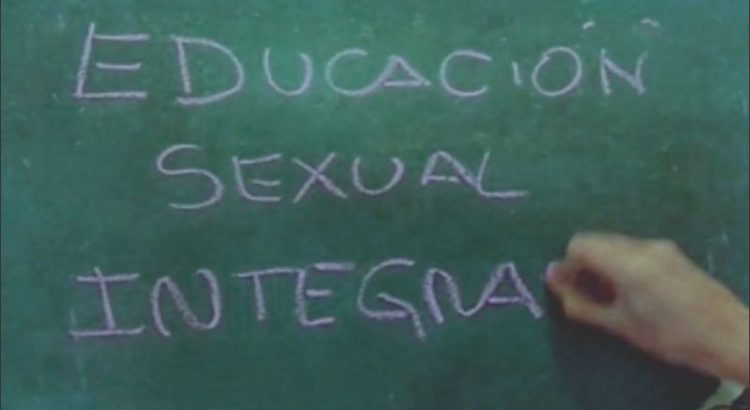
Jornada abierta sobre Educación Sexual Integral

América del Sur/ Argentina/ 19.11.2019/ Fuente: www.rosario3.com.

Organizada por la Cátedra de Terapia Ocupacional en Disfunciones del Desarrollo de la Universidad del Gran Rosario, la actividad es este martes a las 14, en Corrientes 1254

Este martes se desarrollará una jornada abierta para socializar experiencias y fundamentos de la Ley de Educación Sexual Integral (ESI)  Organizada por la Cátedra de Terapia Ocupacional en Disfunciones del Desarrollo de la Universidad del Gran Rosario, la actividad comenzará a las 14, en la sede de Corrientes 1254.

La jornada se desarrollará a partir de las experiencias de estudiantes, graduadas y docentes de la Licenciatura en Terapia Ocupacional en espacios de formación y de prácticas pre-profesionales.

Disertarán María Laura Armoa, licenciada en TO y Sexóloga Educativa, y Morena García, activista por los derechos de las personas travestis/trans e integrante de la Comunidad Trans.

Para más datos, García fue recientemente designada como miembro del Área de Internacionalización de Derechos Humanos en la UNR.

Sobre la jornada

María Carranza y Jeremías Santoro se graduaron en Terapia Ocupacional y, junto a las estudiantes Ana Laura Ramos, Celina Carbone, Lucía Lombardo y Julia Pelanda y la docente MaríaLaura Armoa acercarán en el marco de los festejos por los 60 años de la Terapia Ocupacional en la Argentina, conceptos fundamentales de esta Ley que ya lleva más de 10 años de reglamentación.

“La Asociación Americana de Terapia Ocupacional, mediante el marco de Trabajo de la Terapia Ocupacional (2008) categoriza la participación en actividades sexualmente placenteras dentro de las Actividades Básicas de la Vida Diaria”, reconoce Armoa en declaraciones que reproduce la información de prensa.

Y continuó: “Siendo dichas actividades parte de las incumbencias profesionales de las y los Terapistas Ocupacionales, creemos pertinente que en la Universidad se difundan los principales artículos que esta ley comprende y que se propicie el respeto de todas las diversidades para que las personas que requieran de nuestros servicios reciban una atención ética libre de prejuicios”

Fuente de la noticia: https://www.rosario3.com/informaciongeneral/Jornada-abierta-sobre-Educacion-Sexual-Integral-20191118-0026.html

Comparte este contenido:

Unos 400.000 niños se encuentran sin educación en Colombia, Brasil y Ecuador

América del Sur/ Colombia/ 19.11.2019/ Fuente: www.colombia.com.

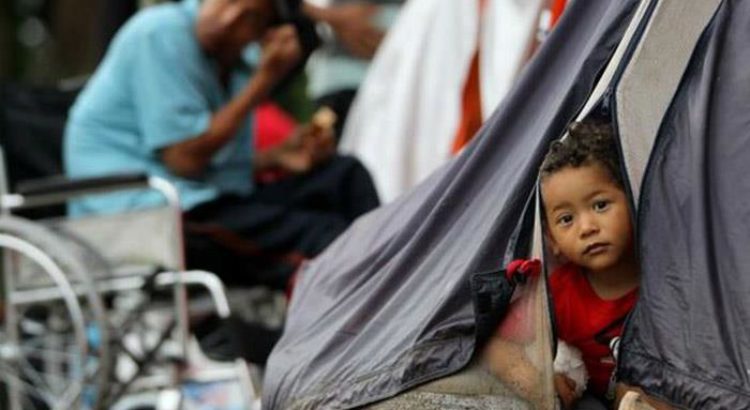
Unos 400.000 niños venezolanos no van a la escuela en Brasil, Colombia y Ecuador y el 48 % no lo hace porque las aulas de las poblaciones de acogida están superpobladas, informó este viernes el Consejo Noruego para Refugiados (NRC, por sus siglas en inglés).

Según una encuesta que el NRC llevó a cabo en 2018 en zonas fronterizas de los tres países y su experiencia en el terreno, en Colombia por ejemplo, el 58 % de los niños venezolanos en edad escolar no asistían a la escuela ni estaban inscritos.

Problema multicausal

El director del NRC, Christian Visnes, explicó en declaraciones a Efe que algunas de las principales barreras para la escolarización de los menores es que muchas de sus familias llegan «en una situación de extrema pobreza, sin información y en zonas del país donde ya hay un problema de cobertura escolar».

Visnes también observó que el porcentaje de niños sin escolarizar es mayor en Colombia, sobre todo porque es el país que recibe a más migrantes venezolanos, y en cambio, en Ecuador el tipo de migración es diferente, porque las familias venezolanas allí «están de paso» y por eso no les «urge tanto escolarizar a sus pequeños».

Un total de 4,6 millones de venezolanos, de los cuales un 25 % son niños, han salido de su país por la crisis y de ellos más de 1,4 millones se han establecido en Colombia.

Factor de riesgo

Visnes advirtió que Colombia tiene un «factor de riesgo adicional», que es la existencia «del conflicto armado», y por eso en algunas zonas fronterizas con Venezuela, como el Catatumbo, en el departamento de Norte de Santander (noreste), «los niños venezolanos sin escolarizar se exponen al reclutamiento de menores de los actores armados y de grupos criminales».

«En estas zonas la necesidad de que el Estado colombiano proteja a los niños es mayor, y una de las formas más efectivas es a través del sistema educativo y de la escolarización, para que no sean víctimas de la trata o del crimen organizado», reiteró el director del NRC.

La encuesta del NRC también señaló que el 35 % de las familias venezolanas no podían pagar los costos asociados con la educación, mientras que un 8 % de los niños dijo que pasaba su tiempo trabajando para ayudar a mantener a sus familias.

En este sentido, Visnes aseveró que hay familias que no pueden permitirse «ni comprar el uniforme obligatorio de la escuela», y agregó que la escolarización «puede ser el primer paso para que las familias empiecen a establecerse y a encontrar un sustento».

Niños que migran solos

El directo del NRC apuntó a la vulnerabilidad de los niños que migran solos, porque «aunque no podemos saber cuántos son, nos preocupa encontrarnos con adolescentes de 14 y 15 años en esta situación, edades en las que es frecuente el reclutamiento de grupos armados y de crimen organizado».

Por eso, el director de la organización humanitaria pidió soluciones integrales e instó a los Gobiernos a proporcionar espacios escolares para todos los niños venezolanos «que están en peligro de quedarse atrás y vulnerables a situaciones de explotación».

La Organización Internacional para las Migraciones (OIM) y la Agencia de la ONU para los Refugiados (ACNUR) informaron ayer en la presentación en Bogotá del Plan Regional de Respuesta para Refugiados y Migrantes 2020 que son necesarios 1.350 millones de dólares para atender las necesidades humanitarias de los refugiados y migrantes venezolanos que han huido de la crisis de su país.

Según el NRC, a finales del 2020 el número de venezolanos desplazados en la región aumentará a 5,5 millones y se calcula que en promedio cada día salen unas 4.000 personas de Venezuela.

Fuente de la noticia: https://www.colombia.com/actualidad/internacionales/ninos-de-venezuela-escolarizacion-247638

Comparte este contenido:
Page 1598 of 6145
1 1.596 1.597 1.598 1.599 1.600 6.145
OtrasVocesenEducacion.org