Page 1829 of 6145
1 1.827 1.828 1.829 1.830 1.831 6.145

Egypt shifts education focus to improving quality

Africa/ Egypt/ 24.07.2019/ Source: www.al-monitor.com.


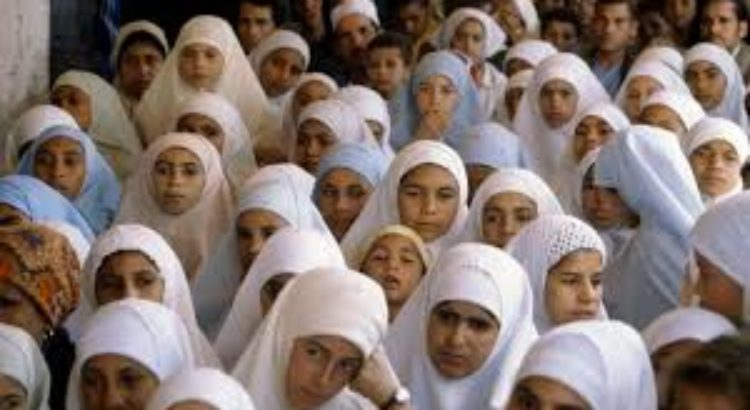
Malak Abdel Hakim, 15, was doing well at school before her parents forced her to drop out several months ago. The family lives in Mallawi, a city in the southern Egyptian governorate of Minya. Her father works in the Greater Cairo area as a doorman at a residential building in the Giza neighborhood of Mohandessin and barely earns enough money to support his family of nine. He turned a deaf ear to pleas from Malak’s teachers to let her finish her education, and decided it was time for her to stay home and help her mother with chores. Her older sisters had all dropped out of school at even younger ages to get married, and Malak, too, would have to «conform to social norms,» he insisted.

While the legal minimum age to get married is 18 in Egypt, child marriages are not uncommon in the poor marginalized southern communities, where girls are often married at early ages to alleviate their families’ financial burdens. Some families circumvent the law by postponing the registration of the marriages until the girls turn 18. A 2017 census by CAPMAS, Egypt’s national statistics agency, showed that 15% of Egyptian girls are married before they turn 16. But child marriage has been on the decline in recent years, largely due to awareness campaigns about the health implications of early marriage, including pregnancy and childbirth complications and higher risks of domestic violence.

Girls who marry early are also more likely to drop out of school. Yet in Egypt’s rural south, many girls drop out of school to earn daily wages for their families, many times working in agriculture, or staying home to look after siblings. Poor families often choose to invest in their sons’ educations with the hope they will grow up to become breadwinners.

Girls are also deprived of education due to gender-based violence. Parents worry their teenage daughters will be subjected to sexual harassment on their way to or from school, and some girls choose to drop out after experiencing abuse at the hands of their teachers.

An education program launched by CARE, an international humanitarian organization that has worked in Egypt since 1957, aims to change this grim picture and ensure safe education for all children, particularly girls.

«Thanks to a strong political will and donors’ contributions, there has been tremendous progress in recent years in closing the gender gap in education,» Hazem Fahmy, CARE’s country director, told Al-Monitor

In 2012, more than 95% of Egyptian children aged between 6 and 18 were enrolled in school, according to UNICEF. The quality of education, however, remained «a major challenge.» Last year, Egypt ranked 129th globally in terms of quality of education, according to the Spectator Index. Five years earlier, a report by the US Agency for International Development found that one in five third-graders in Egypt could not read a single word and 50% of students with five years of schooling were functionally illiterate.

Due to such statistics, the Egyptian government faces pressure to reform the education system. Overcrowding, poor teaching skills and violence in schools are among the problems the government is addressing as part of its plan to overhaul the system.

«The focus has now shifted from numbers to quality education,» Fahmy said. «We want to ensure that all students are benefiting from attending school and to prepare them for jobs and career opportunities.»

CARE has adopted a multifaceted approach to improve the learning environment and promote behavioral change in the Upper Egyptian governorates of Bani Sweif, Minya and Assiut. The program, launched in 2016, seeks to develop the infrastructure of schools, build the capacity of teachers and advance literacy in 32 targeted elementary schools. Engaging the local community in education is also part of the ambitious initiative.

Al Zeitoun Primary School in Bani Sweif, 145 kilometers (90 miles) south of Cairo, is one of 10 schools in the governorate that have undergone renovation financed by the Dubai-based philanthropic organization Dubai Cares, which works to improve children’s access to quality primary education in developing countries. The renovation has included upgrading the school’s electrical system, replacing windows and light fixtures, repairing water pipes and painting the walls and ceilings in bright colors. A fence has also been built around the school to curb truancy and protect students from trespassers.

«Something as basic as having bathroom doors fitted can make a huge difference, rendering the school student-friendly and a safe learning environment for the children, especially girls,» said Fahmy.

«We have also built small kitchens in some of the schools to ensure that the students get healthy meals,» he added.

Of the 1,100 students (half of them girls) at Al Zeitoun, 109 have been identified by teachers as having learning difficulties. They are attending an afterschool class to improve their reading and writing skills. The headquarters of the Community Development Association, a local nongovernmental organization, was chosen by the parents as the preferred venue to host the class due to its central location and proximity to the homes of many of the students. The class is part of a 36-session course that uses engaging reading material and fun activities to build the reading abilities of the students who are third- and fourth-graders. Each class is devoted to learning a single letter of the alphabet and to spelling words that begin or end with that letter.

Eleven-year-old Ne’ma Ali Omar shouts out the Arabic letter «Jeem» as she dribbles a basketball with one hand, getting ready to throw it into the hoop. When she misses, 10-year-old Rahma Farrag steps in and starts bouncing the ball while shouting out words that begin with the letter. She succeeds in throwing the ball through the hoop, much to the delight of the other children who cheer and clap.

«Activities of this kind help boost the children’s self-confidence and teach them team spirit while improving their reading skills. Some of the children were awfully shy and could hardly read or spell any words before attending these readability sessions. Now they come to the school library looking for new books to read,» Mohamed Abul Fadl, an Arabic-language teacher at the school, told Al-Monitor.

«Besides acquainting the teachers with the various methods and tools to improve children’s reading skills, we also gave them tips on how to develop their teaching skills,» Mona Kotb, field supervisor at CARE’s Education Program in Bani Sweif, told Al-Monitor.

«We advise them against using violence of any form to punish the students,» she said.

In remote southern communities where poverty is rampant, some teachers have been known to use violence and other excessive disciplinary measures, including beating children with canes, as a means of punishment. In one case, a teacher in Luxor cut the hair of two 12-year-old schoolgirls to punish them for not wearing a veil to school.

«The creation of school-based child protection committees has gone a long way in curbing bullying and other forms of violence in the targeted schools,» said Ali Khalaf, general manager of the Nasser Education Directorate in Bani Sweif. The directorate, a local branch of the Ministry of Education, has been partnering with CARE to implement the program.

The activation of student unions in some of the targeted schools is also helping change behavior by boosting students’ self-esteem.

«We have witnessed firsthand the impact the student unions have had on some of the students, giving them a voice and allowing them to communicate their needs to teachers and headmasters while helping develop their leadership skills,» said Khalaf.

Michelle Nunn, the president and CEO of CARE, is confident that Egypt’s education reforms will have far-reaching effects on the entire society.

«Girls’ education is part of the empowerment of women,» she told Al-Monitor after a recent inspection tour of some of CARE’s projects in Cairo, Minya and Assiut. «By accessing education, girls can potentially increase their family’s earnings by up to 20% annually. When women access education, they achieve greater productivity and well-being from a health perspective.»

«I hope that girls and women can realize their full potential and have the capacity to feel their own power in education, health and economic opportunities. There is so much potential still; if realized, it can be transformational for the entire society.»

Source of the notice: https://www.al-monitor.com/pulse/originals/2019/07/care-tackles-girls-education-in-egypt.html


Comparte este contenido:

Comenzó hoy la 71° Asamblea Mundial y Conferencia Internacional de la Organización Mundial para la Educación Preescolar

América del Sur/ Brasil/ 23.07.2019/ Fuente: redclade.org.

Como parte de las actividades de hoy, se presentó el estudio “El Derecho a la Educación y al Cuidado en la Primera Infancia: Perspectivas desde América Latina y el Caribe”

Con el tema “Identidades y Culturas en la Educación de la Primera Infancia”, se realiza del 22 al 26 de julio, en Panamá, la 71° Asamblea Mundial y Conferencia Internacional de la Organización Mundial para la Educación Preescolar (OMEP).  

El evento reúne a maestros y maestras, equipos directivos de escuelas, educadoras y educadores populares, graduados y graduadas en Educación Infantil, Primaria y Especial, Artes, Psicología, Pedagogía y Medicina, así como otros profesionales que actúan en la atención y educación en la primera infancia.

El objetivo del encuentro es reflexionar sobre la diversidad de identidades y culturas presentes en la atención y educación en la primera infancia, y cómo garantizar el derecho a la educación y al cuidado con calidad, en estos contextos.

La Campaña Latinoamericana por el Derecho a la Educación (CLADE) participará en los diálogos y reflexiones de la Conferencia Internacional de la OMEP, que será pública y tendrá lugar del 24 al 26 de julio.

Asamblea Mundial

Previamente a la Conferencia Internacional, los días 22 y 23, los miembros de la OMEP se reunirán en la Asamblea Mundial de la Organización.

Hoy (22 de julio), por ocasión del primer día de la Asamblea, Mercedes Mayol Lassalle, Vicepresidenta Regional para América Latina de la OMEP, presentó la publicación “El Derecho a la Educación y al Cuidado en la Primera Infancia: Perspectivas desde América Latina y el Caribe”, una iniciativa de OMEP, CLADE y EDUCO. Lanzado en octubre de 2018, el estudio analiza las leyes y políticas sobre educación en la primera infancia en América Latina y el Caribe, así como su financiamiento y procesos de justiciabilidad, identificando avances y desafíos para la realización del derecho humano a la educación de las niñas y niñas pequeñas/os.

Algunos de los hallazgos de la investigación

El estudio revela que, pese a que las Leyes Generales de Educación en la región reconocen la educación en la primera infancia como un derecho humano, persiste una fragmentación y dispersión de las políticas y prácticas para esta etapa educativa, así como la ausencia de un financiamiento adecuado.

Se señala la necesidad de profundizar en la relevancia y prioridad de la Atención y Educación en la Primera Infancia (AEPI, concebida para niñas/os de 0 a 8 años de edad) en los marcos jurídicos, políticos, presupuestarios e institucionales, de manera que los mismos tengan un mayor arraigo en el interés superior del niño y otorguen una mayor protección a sus derechos.

Dicho estudio verifica, por ejemplo, la desatención en las políticas estatales para la etapa que va de 0 a 3 años de vida – lo que resulta en que para muchas familias y niños/a la educación y cuidado en la primera infancia es todavía, en la práctica, un privilegio y no un derecho.

Se identifica y denuncia la cobertura insuficiente en la AEPI, especialmente junto a sectores sociales económicamente más rezagados, así como una infraestructura inadecuada para esta etapa educativa en términos de seguridad y accesibilidad para todas las personas. También se señala que la gratuidad de la AEPI todavía no se garantiza para todas y todos en la región, y que falta avanzar en la formación y valorización de docentes de esta etapa educativa.

Fuente de la noticia: https://redclade.org/noticias/comienza-hoy-la-71-asamblea-mundial-y-conferencia-internacional-de-la-organizacion-mundial-para-la-educacion-preescolar/


Comparte este contenido:

Docentes de colegios públicos ponen fin a huelga de casi dos meses en Chile

América del Sur/ Chile/ 23.07.2019/ Fuente: www.panorama.com.ve.

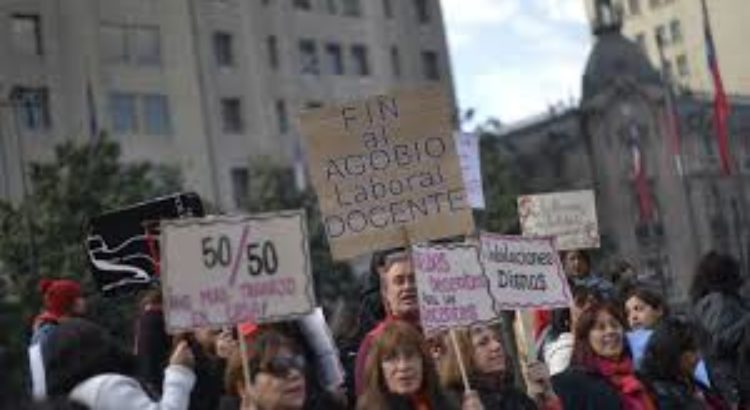
Los profesores de colegios públicos de Chile finalizaron este martes un paro que se extendió por ocho semanas, en reclamo por mejoras laborales y del sistema educativo, pero advirtieron que seguirán movilizados.

Después de casi dos meses de movilización, los docentes votaron a favor de levantar la movilización que, en su momento de máximo apogeo, dejó sin clases a cerca de un millón de estudiantes.

Darío Vásquez, secretario general del gremio de maestros, dijo que el 67,37% de los maestros que participaron en una votación en la víspera pidió terminar el paro, mientras el 32,63% optó por seguir el movimiento.

«Este es solo un repliegue táctico (…) vamos a seguir movilizados», indicó en rueda de prensa este martes el presidente del Colegio de Profesores, Mario Aguilar, al anunciar el fin de la extensa huelga.

El paro finaliza pese a que «no estamos satisfechos con la respuesta que nos dio el Gobierno», agregó el docente, acusando además a las autoridades por lo extenso del paro que finaliza en medio de las vacaciones de invierno (austral).

Petitorio

Los maestros plantearon un petitorio que incluía mejoras en la infraestructura, el fin de la llamada «doble evaluación» que reciben los docentes sobre su desempeño, la revisión de un proyecto para cambiar el currículum educativo y el pago de una mención especial de especialización a las profesoras de educación diferencial (para alumnos con problemas de aprendizaje).

La educación pública chilena es objeto desde hace más de una década de masivas protestas, que estallaron en 2006 con la llamada «Revolución de los pingüinos», por el atuendo de chaqueta azul y camisa blanca de los escolares que pedían el fin de una ley que traspasó la administración de los colegios a los municipios, dictada en las postrimerías de la dictadura de Augusto Pinochet (1973-1990).

Para sus detractores, esa normativa es el origen del paulatino deterioro de la educación pública chilena, en beneficio de la educación privada o la concertada (que recibe aportes del Estado pero se administra de forma independiente), donde estudian la mayoría de los alumnos del país.

Los profesores anunciaron que seguirán planteando sus reformas en una mesa de diálogo instaurada con el gobierno.

Fuente de la noticia: https://www.panorama.com.ve/mundo/Docentes-de-colegios-publicosponen-fin-a-huelga-de-casi-dos-meses-en-Chile-20190723-0048.html

Comparte este contenido:

Japan: Explore more efforts to stop school bullying

Asia/ Japan/ 23.07.2019/ Source: www.japantimes.co.jp.

Six years after a law on measures to stop bullying in schools was introduced, school officials and boards of education continue to come under criticism for inappropriate responses to bullying cases that have prompted the victims to take their own lives. We still see cases in which the lessons from the 2011 suicide of a junior high school boy in Otsu, Shiga Prefecture, as a result of bullying by his classmates — which led to enactment of the legislation — do not appear to have been learned. Attempts by lawmakers to give more teeth to the efforts to stop bullying have stalled. It’s time to review if the anti-bullying measures under the law are serving their intended purpose.

In early June, a 14-year-old student at a junior high school in the city of Gifu fell to his death from a condominium after leaving a note hinting that he had been bullied by others at school. About a month earlier, a classmate handed a memo to their teacher charging that the victim was being bullied by other students. The teacher cautioned the students identified as bullies, but he did not share the information with senior officials at the school.

Concluding that the problem was resolved, the teacher then “lost” the memo — it was likely shredded. After the boy’s death, the school’s principal said the tragedy could have been prevented if the information about his bullying had been shared so the school could take organized action, and accused the teacher of not properly addressing the accusation made by the classmate.

The mother of a 13-year-old girl at a city-run junior high school in Amagasaki, Hyogo Prefecture, who committed suicide in December 2017 filed a damages suit against the municipal government last month, charging that the school neglected to take adequate steps against bullying of her daughter by fellow students. A third-party probe launched by the city’s board of education concluded in March that bullying by her classmates led to the girl’s suicide — and that a teacher in charge of her class had failed to take action when she complained of the bullying in a school survey.

On the other hand, many families of bullying victims who killed themselves are left dissatisfied with such probes by boards of education and file for re-investigation of their cases. In some of the cases, the conclusion of the initial investigation that there was no causal link between bullying and the victim’s suicide has been overturned, with school officials accused of covering up evidence of bullying.

The 2013 law to promote measures against bullying was enacted based on lessons from the 2011 suicide of the Otsu schoolboy, in which his school came under fire for not intervening to stop the boy’s torment even though its officials were aware of the problem, and for refusing to accept that the bullying cornered the victim into taking his own life.

The law requires teachers and officials to detect and stop bullying in its early stages. When bullying has resulted in “grave situations” in which the victim has suffered severe physical or psychological damage and has been forced into an extended absence from school, the school and local board of education are mandated to launch an independent probe and report relevant facts to the victims and their family.

As the education ministry urged schools nationwide to take steps against even minor cases of bullying, to prevent them from developing into serious situations, the number of bullying cases reported by schools has significantly increased. However, there remains a large number of cases in which the system to combat bullying under the law does not appear to be functioning as intended — as illustrated by the criticism often hurled against schools and boards of education by victims’ families.

To beef up the effectiveness of the anti-bullying measures, a group of lawmakers across party lines last year drafted an amendment to the 2013 law with an added provision that teachers and officials who learn of bullying at their schools but fail to take action would be subject to disciplinary punishment. In another draft released in April, however, that provision had been dropped out of concern that such requirements would place too heavy a burden on teachers and officials. When that angered families of bullying victims who had committed suicide, discussions on possible revisions to the law ground to a halt.

Whether or not the disciplinary measures are appropriate, it seems clear that serious cases of bullying continue to plague our schools, leading many victims into taking their own lives, despite the legislation that sought to prevent tragedies like the Otsu case. All parties involved need to think about what is lacking in the current efforts to stop bullying and help the victims, and explore what more can be done.

Source of the notice: https://www.japantimes.co.jp/opinion/2019/07/19/editorials/explore-efforts-stop-school-bullying/#.XTdugOgzbIU

Comparte este contenido:

Nativos de Brasil crean protocolo de consulta sobre la Amazonia

América del Sur/ Brasil/ 23.07.2019/ Fuente: www.telesurtv.net.

«El Estado tiene el deber de consultar a los pueblos indígenas antes de que entre en sus territorios», indicó el vicepresidente de la Asociación Hutukara Yanomami, Dário Yanomami.

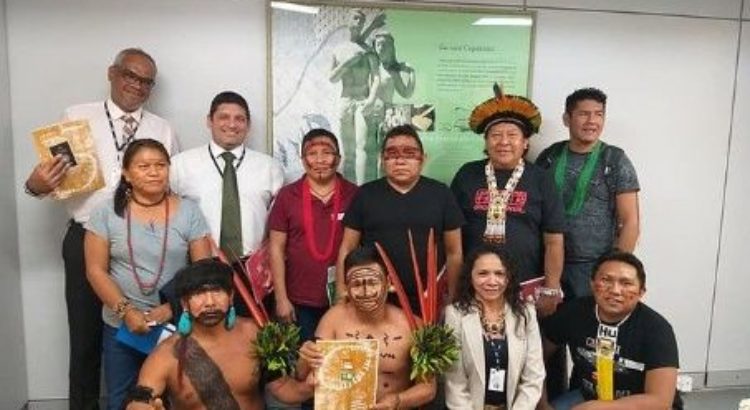
Comunidades indígenas de los estados de Roraima y Amazonas (Brasil) elaboraron un documento que establece cómo desean ser consultados sobre los proyectos en la Amazonia.

El vicepresidente de la Asociación Hutukara Yanomami, Dário Yanomami, indicó que elprotocolo es una forma de recordar a la sociedad no solo la necesidad de consultar a los pueblos, sino también los procedimientos a seguir en cada situación.

“Esto significa que el Gobierno brasileño debe reconocer el protocolo de consulta, (entender) lo que piensan los yanomami y cómo funcionan. Si algún proyecto quiere explotar en nuestro territorio, por ejemplo, el protocolo se asemeja al derecho de consulta», dijo.

«El Estado tiene el deber de consultar a los pueblos indígenas antes de que (nadie) entre en sus territorios», agregó Yanomami.

La deforestación en el Amazonia brasileño ha aumentado durante el Gobierno de Bolsonaro. | Foto: TRT

La elaboración de este documento tiene en cuenta el avance de grupos económicos en tierras  indígenas, como empresas minera, madereras y de agronegocios por lo que la comunidad nativa insta con este texto a respetar sus decisiones y pensamientos a través de este protocolo.

El documento llamado protocolo de consulta fue elaborado durante cuatro años entre agencias públicas y se archivó en instituciones como la Fiscalía Federal, la Secretaría Especial de Salud Indígena y los ministerios de Medio Ambiente y de Educación, la Fundación Nacional del Indio y en la presidencia de la República.

Desde que llegó Jair Bolsonaro, el pasado 1 de enero de 2019, a la Presidencia los yanomami así como otros grupos étnicos, temen el riesgo de las normas de protección para los pueblos tradicionales.

En el mes de marzo, el Gobierno de Bolsonaro manifestó la posibilidad que Brasilse retire del acuerdo de la Organización Internacional del Trabajo (OIT), lo que pondría a las comunidades en un área más insegura con respecto a la garantía de los derechos de los indígenas.

Fuente de la noticia: https://www.telesurtv.net/news/brasil-indigenas-protocolo-consulta-amazonia-20190723-0010.html

Comparte este contenido:

Australia: Print Email Facebook Twitter More ANALYSIS The reason NSW has more selective schools than other states combined

Oceania/ Australia/ 23.07.2019/By: Craig Campbell/ Source: www.abc.net.au.

New South Wales Premier Gladys Berejiklian made a «captain’s call» in recent months that raised the ire of many parents, teachers and education groups. She announced NSW would build a 49th selective school. It will be the first new fully selective school in the state in 25 years.

Selective schools are public schools that take high-achieving students. They are meant to offer opportunities for any higher achiever, regardless of social class, but research has consistently shown a high proportion of students in selective schools are from more advantaged households.

Despite this, NSW has 48 fully or partially selective schools, which is more than all other states combined. Victoria, for instance, has only four. This is because, over the past 150 years, NSW has responded to the demand for public secondary schooling differently from the rest of Australia.

A history of Australia’s public schools

Australian states have distinct histories when it comes to public secondary education. NSW began such schooling in the 1880s and Victoria not until just before World War I. Queensland also held back founding public high schools, due to the earlier foundation of state grammar schools.

In Victoria there was some successful early opposition to government secondary schooling. The private, then church, colleges were the only available schools for most of the wealthy and professional middle class. Victoria developed a pattern of non-government school loyalty.

By contrast, the middle class in NSW used public secondary education from the late 19th century. Schools such as Fort Street (1849), Sydney Girls and Sydney Boys High School (1883), North Sydney Girls (1914) and North Sydney Boys High School (1915), and later Hurlstone Agricultural and James Ruse Agricultural School (1959), were academically selective from the beginning. They were meritocratic and hardly accessible to everyone.PHOTO: Schools like Sydney Girls High School, established in 1883, were selective from the beginning. (NSW State Archives)

In the 1890s, state Labor parties campaigned for greater educational opportunity for working-class youth and higher, and technical education for youth generally. As demand rose for universal secondary schooling, a parallel system was established from the 1920s for the «less clever» and the «less likely to succeed» with academic subjects.

So central, home-science and junior technical schools were established. These attempted to meet the assumed vocational aspirations of working-class youth (home-making and domestic service for girls, of course). This was the beginning of the great age of vocational guidance, usually based on intelligence tests.

Schools were differentiated, based on high or low IQs. This system gained criticism in the late 20th century for trapping children in educational streams that determined narrow futures. With the economy expanding after World War II, pressure built for more schools and secondary schooling that opened, rather than closed, opportunities.

This led to the introduction of comprehensive secondary schools. These would take in all young people from a defined geographical area (usually zoned) regardless of students’ prior accomplishments at primary school.

In NSW, the director of education, Harold Wyndham, released a 1957 report that recommended comprehensive secondary schools replace the previous differentiated system. All high schools were to be turned into comprehensives.

Through the Wyndham Scheme in the early 1960s, NSW was an early adopter of the comprehensive ideal. The technical schools were subsequently closed. There was also the possibility NSW would no longer have any selective high schools (public) at all, unlike Victoria with its continuing dual system of academically oriented high schools, and technical schools.

But the Wyndham Plan didn’t suit everyone. Old scholar and parent communities associated with the inner-city selective high schools, such as Fort Street, fought hard against their schools turning into comprehensives. Such schools had educated a large proportion of the professional middle class— proportionately more than similar schools in Victoria.

As the Wyndham Plan was progressively implemented in the 1960s, many of the high schools that had selective entrance, including Newcastle High for example, were converted into comprehensive schools. But not all. A rump of selectives survived, usually close to inner Sydney.

Fort Street High, the four single-sex Sydney and North Sydney high schools and the agricultural high schools, James Ruse and Hurlstone, formed an institutional base from which new selective establishments could be justified in the 1990s.

Why the small group of selective schools survived

In the 1970s and 1980s, two arguments shored up the acceptability of the surviving selectives. First, there were too few selective schools to affect the effectiveness of the comprehensive schools. The latter could attract, keep and promote opportunity for the academically able.

Second, the examination results of the selective schools brought distinction to the public education system. It was in the interest of public education that the «best» schools in NSW were public.

In 1988 the NSW Greiner Liberal-National government’s education minister, Terry Metherell, saw an injustice. Why should the mainly middle-class and professional families of the gentrifying inner city and suburbs have access to selective high schools that others in the outer suburbs did not?

He decided that NSW needed more selective schools, at least across the outer suburbs of Sydney and in Newcastle and Wollongong. So, the Wyndham comprehensive project came to a halt. New selective schools were founded, usually through converting former comprehensive schools.

When the Carr Labor government came to power in 1995, it was too late for the democratic vision of the comprehensive high school. The Carr government’s contribution to selection in public education was to stream several comprehensive high schools as partially selective.

Not only would there be selective schools, but separated, selective streams would be created in new dual-purpose schools. For example, Newtown Performing Arts High School had a selective entrance stream, but also enrolled local students in its comprehensive stream.

Historically, the professional and aspiring middle classes have been the most successful in managing their children in ways that ensured their access to and success in academically selective schools.

With the rise in youth unemployment since the late 1970s, the anxieties associated with finding a school that may advantage a child have heightened, initially for the middle classes but increasingly for all.

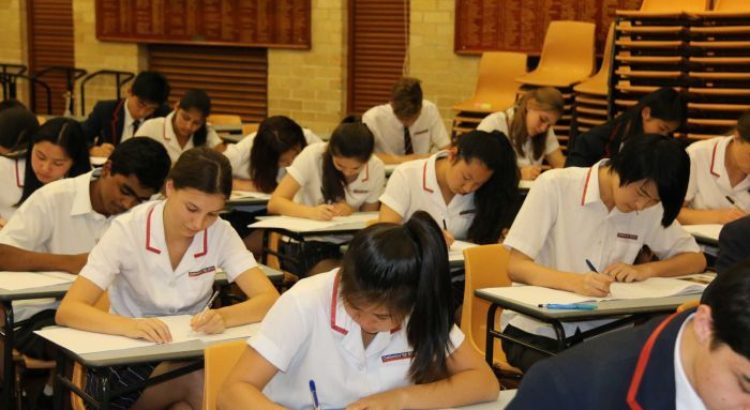
More recently, traditional Anglo-Australian users of NSW selective schools have been losing the competition to migrant families, many of these from south and east Asia, who have been even more determined for their children to gain selective places.

Whether the young people come from migrant families or other groups, the students in such schools and streams usually come to expect they will enter the more prestigious universities.

A market of schools has been fostered since the 1980s, as federal governments have deliberately increased the number of non-government schools and made access financially easier for parents. State governments have re-introduced differentiation in the public school sector (sports, language, performing arts and visual arts high schools, for instance.)

The ideal of the comprehensive school — a common school with a common curriculum for all youth in a community — has not been sustained. Many so-called comprehensive public high schools in high-unemployment areas have neither sustained enrolments nor a broad or comprehensive curriculum.

The survival of a small group of selective schools in NSW, with strategic and loyal support from left and right in politics and society, enabled the selective system’s rapid expansion from the 1980s, especially as public policy responded to new enthusiasm for markets — not only in schools.

Source of the notice: https://www.abc.net.au/news/2019-07-22/why-nsw-has-the-most-selective-schools/11330424

Comparte este contenido:

Maestros chilenos en consulta nacional sobre continuación de huelga

América del Sur/ Chile/ 22.07.2019/ Fuente: www.prensa-latina.cu.


El Colegio de Profesores de Chile realizará hoy una consulta con sus más de 50 mil afiliados para decidir si continúan un paro nacional que este lunes cumple 49 días.
Esta votación fue el principal acuerdo de una asamblea realizada el miércoles último con más de 200 delegados de todo el país, la cual fue convocada para definir nuevas estrategias para mantener la huelga iniciada el 3 de junio.

Los participantes deberán votar por una de dos opciones: deponer el paro y delegar en la directiva del gremio la continuidad de las conversaciones con el Ministerio de Educación para conseguir una solución positiva a todas sus demandas, o continuar la paralización de actividades.

Analistas han especulado sobre la existencia de contradicciones y pugnas al interior de la directiva del gremio, lo que ha sido desmentido por sus máximos dirigentes y por los propios educadores, que en conjunto se plegaron a la decisión de la mayoría y continuaron la huelga.

Sin embargo, la situación se hace difícil porque la paralización de las clases en el país por las vacaciones de invierno invisibiliza la huelga y reduce la presión que esta puede ejercer sobre el gobierno, que parece apostar al desgaste lógico de tantos días de movilizaciones.

Con respecto a la votación de hoy, Mario Aguilar, presidente del Colegio de Profesores, explicó que los colegas podrán expresar su opinión respecto a deponer el paro indefinido y mandatar al directorio a elaborar un nuevo plan de acción para seguir luchando por los temas que no están resueltos.

Advirtió que pudieran llevarse a cabo distintos tipos de acciones judiciales, administrativas y legislativas para obtener respuestas a sus demandas.

‘Si la mayoría decidiera que siga el paro, eso significa hacer todas las acciones para que esto se reimpulse y superar el agotamiento que es normal en siete semanas’, puntualizó en declaraciones a Radio Cooperativa.

Uno de los puntos más importantes que aun no tiene respuesta es el pago por su preparación profesional a las educadoras de la enseñanza especial y de párvulos, lo cual es considerado como una discriminación porque al resto de los docentes sí se les reconoce.

Tampoco las autoridades educacionales han transigido en el reclamo de los maestros para que no se excluya del currículo obligatorio del nivel medio las asignaturas de Historia, Educación Física y Artes, medida muy criticada por pedagogos, intelectuales, políticos de oposición, padres y alumnos.

Fuente de la noticia: https://www.prensa-latina.cu/index.php?o=rn&id=292433&SEO=maestros-chilenos-en-consulta-nacional-sobre-continuacion-de-huelga
Comparte este contenido:
Page 1829 of 6145
1 1.827 1.828 1.829 1.830 1.831 6.145