Page 2000 of 6145
1 1.998 1.999 2.000 2.001 2.002 6.145

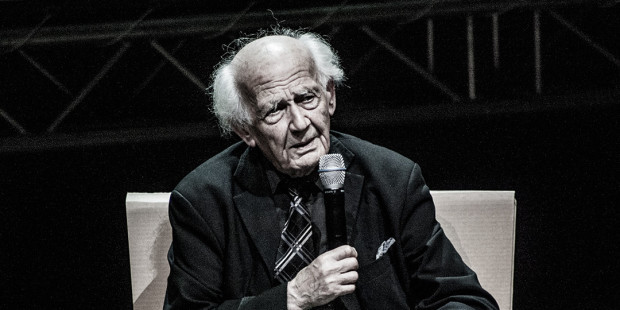
Zygmunt Bauman: “El diálogo real no es hablar con gente que piensa lo mismo que tú”

Por: Daniel R. Esparza. 

El sociólogo y filósofo polaco denuncia que las redes sociales no son una comunidad sino apenas un sustituto

Bauman, nacido en Poznam en 1925, tuvo que emigrar con su familia a la entonces Unión Soviética cuando apenas era un niño, huyendo de la persecución nazi. Nuevamente, en 1968, tuvo que huir del que entonces era su país, escapando de la purga antisemita que siguió al conflicto árabe-israelí. Se radicó temporalmente en Tel Aviv, para luego terminar en Inglaterra, donde hizo carrera en la Universidad de Leeds. En una entrevista relativamente reciente (de enero de este año) con Ricardo De Querol para Babelia, en El País, explica cómo las redes sociales, si bien han cambiado en buena medida la manera las formas tradicionales del activismo social, no son sino un sustituto de la formación de auténticas comunidades.

Ricardo De Querol inicia su pregunta a propósito de las redes sociales citando al propio Bauman, quien señala que el activismo online es “activismo de sofá”, y que la Internet las más de las veces sólo nos “adormece con entretenimiento barato”.  De Querol pregunta, así, si las redes sociales no son, parafraseando a Marx, el nuevo “opio del pueblo”. Bauman no duda en responder que la identidad, como las comunidades, no son algo que se deba crear, sino algo que “se tiene o no se tiene”.

“Lo que las redes sociales pueden crear” –señala el sociólogo- “es un sustituto. La diferencia entre la comunidad y la red es que tú perteneces a la comunidad pero la red te pertenece a ti. Puedes añadir amigos y puedes borrarlos, controlas a la gente con la que te relacionas. La gente se siente un poco mejor porque la soledad es la gran amenaza en estos tiempos de individualización. Pero en las redes es tan fácil añadir amigos o borrarlos que no necesitas habilidades sociales”.

Estas habilidades, señala Bauman en su entrevista con De Querol, se desarrollan en el contacto cotidiano humano directo, en espacios compartidos, sean públicos o privados: en la calle, en los espacios de trabajo, en los que es necesaria una interacción “razonable” con la gente; esto es, en interacciones que exigen de diálogo, negociación y de apertura.

A propósito de ello, Bauman no duda en evocar el hecho de que el Papa Francisco concedió su primera entrevista después de haber sido electo como Sumo Pontífice a un periodista abierta y militantemente ateo, Eugenio Scalfari. “Fue una señal”, señala Bauman: “el diálogo real no es hablar con gente que piensa lo mismo que tú”.

Fuente de la reseña: https://es.aleteia.org/2016/09/07/zygmunt-bauman-el-dialogo-real-no-es-hablar-con-gente-que-piensa-lo-mismo-que-tu/
Comparte este contenido:

School Climate Strikes: Tens of Thousands of Children Skip Class in Third National Action

Europa/ Reino Unido/ 17.04.2019/ Source: rightsinfo.org.

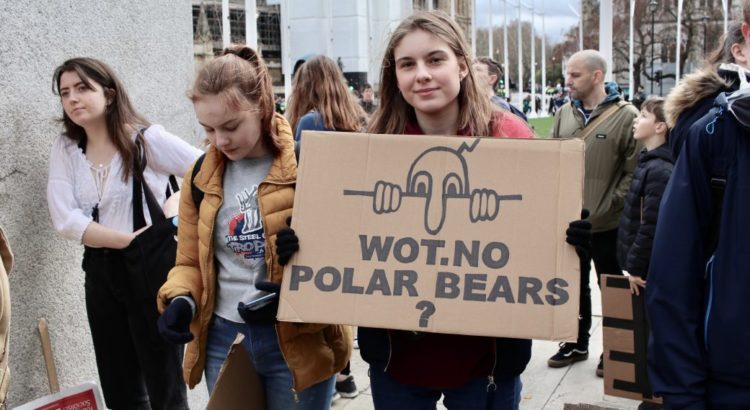
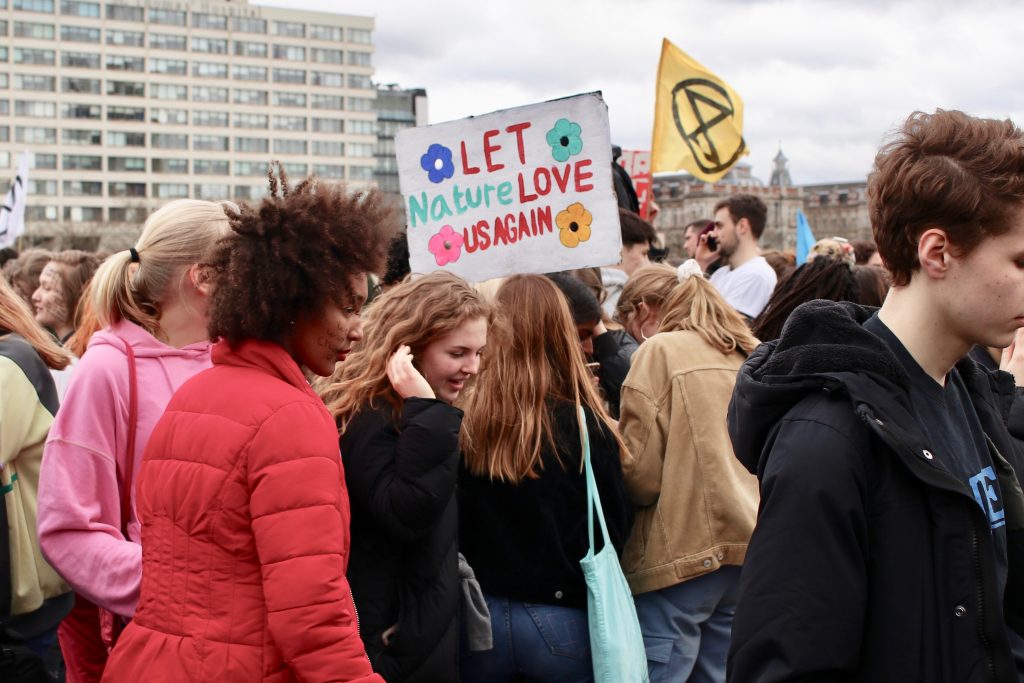
Schoolchildren are on strike for the third time today, with tens of thousands of young people expected to skip class and join one of more than 70 protests happening up and down the country – but campaigners and parents are concerned that some teenagers have been issued with harsh punishments for walking out.

Charities and parents report some local education authorities levying fines on the parents of children who participated in the first and second strikes, while some schools have put protesters in detention. Worryingly, it seems that children at state comprehensives are being penalised disproportionately, while private school pupils are often allowed to strike.

An estimated 50,000 school children took part in strikes in March in more than 150 towns and cities, building on a 15,000 turnout in February. Around the world, more than one million young people took part in a coordinated international action on the same day.

Teenage organisers say today’s #YouthStrike4Climate demonstrations will be bigger and bolder than previous strikes, with more children taking part than ever before and sizeable events planned in most major towns and cities including London, Sheffield, Leeds, Manchester and Brighton.

Image credit: Charlotte England

The group has also officially come out in support of a Green New Deal for the UK – an idea recently popularised in the United States by the Sunrise Movement and outspoken supporter Alexandria Ocasio-Cortez.

Anna Taylor, co-founder of the UK Student Climate Network (UKSCN) said strikers were sending a clear message to politicians that urgent action must be taken on climate change.

“Our futures, the health of our environment and the lives of those around the world already suffering the devastation of the climate crisis are not up for debate,” she said. “We need you to act to protect people and planet, at the same time as creating a better world for everyone. That’s why we’re calling for a Green New Deal in the UK to do just that. We want good and well paid green jobs, a healthy planet and a future to look forward to!”

Young people are also demanding the government declares a state of climate emergency and communicates the severity of the ecological crisis to the general public. Additionally, campaigners want the education system reformed to address climate change as a priority, alongside including youth voices in policy-making and lowering the voting age to 16.

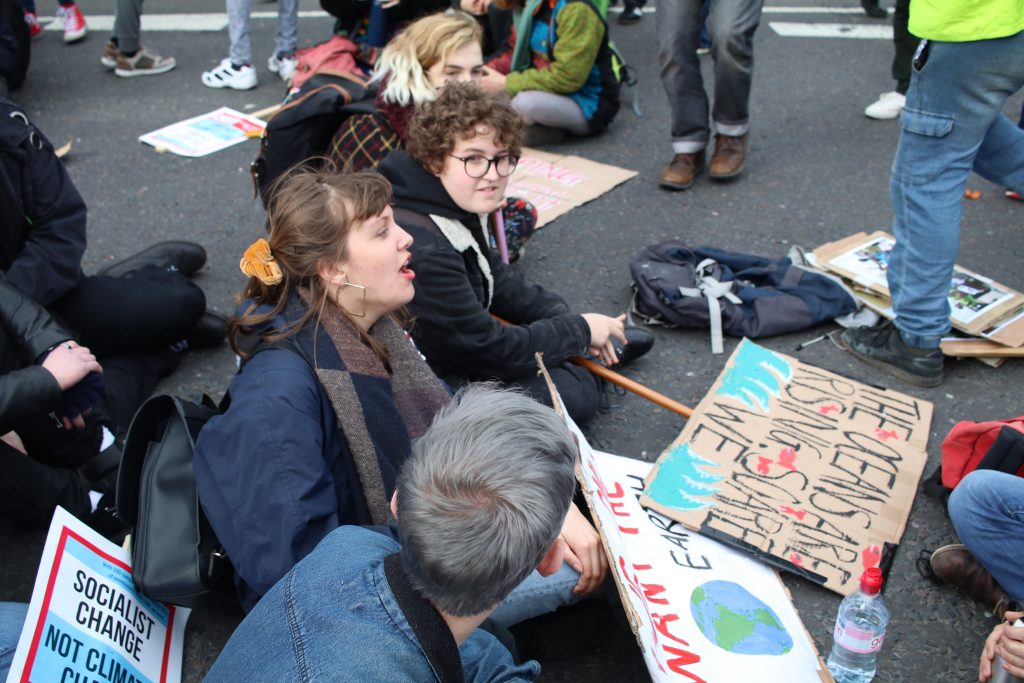
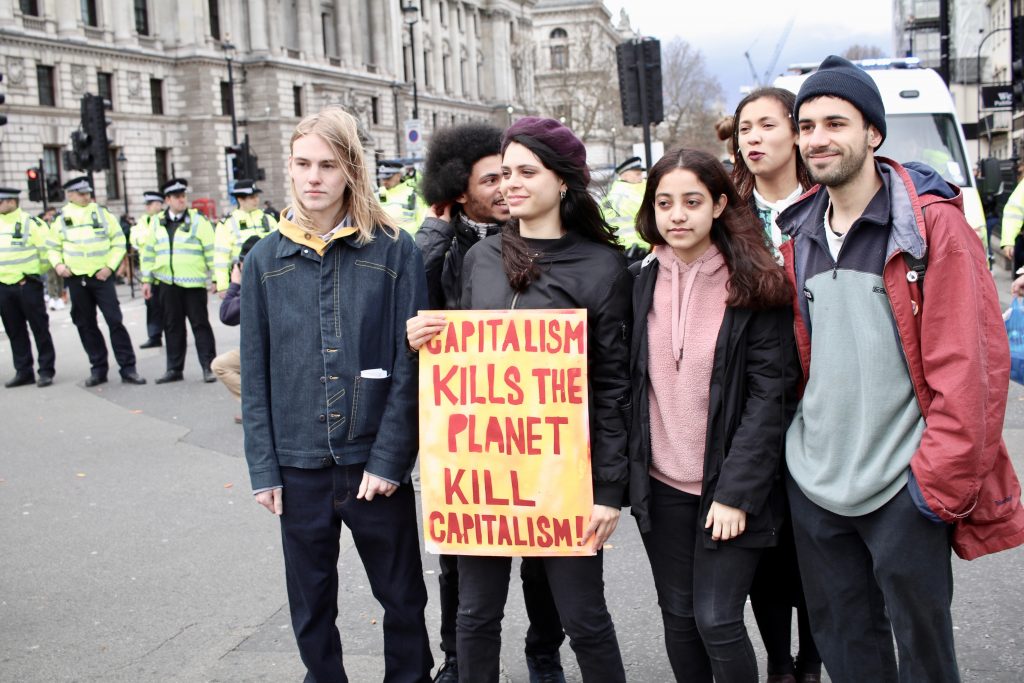
Protests so far have been chaotic and sweary, with children taking aim at Theresa May and the Tories. Last month a handful of students were arrested for blockading Westminster Bridge using similar tactics to direct action group Extinction Rebellion. In general, however, the protests have remained peaceful and been tolerated by the police who often appear reluctant to take action against under 18s. The biggest opposition, it seems, is coming from schools and local education authorities.

Image credit: Charlotte England

The Right To Protest

Campaigners say reports that some parents have been fined for allowing their children to skip school could amount to a breach of their human rights. According to human rights think tank Child Rights International Network (CRIN), some students have been threatened with or given after-school detention for taking part in local strikes, while others have been marked as truant or even suspended.  “These restrictions and penalties are not only unwise,” the group said, “they also interfere with the rights guaranteed to everyone under the age of 18 under the UN Convention on the Rights of the Child (CRC).”

The group continued:

“Under-18s have the same right to free expression as anybody else, a right to seek, receive and impart information and ideas of all kinds. They also have the right to freedom of association and to freedom of peaceful assembly. These rights unquestionably include the right of young students to speak out and protest about climate change, the burden of which will fall most heavily on those who are the youngest among us today.”

The CRC also states that the education of children should include helping them to develop a respect for human rights and fundamental freedoms, in order to prepare them to live responsible lives in a free society. CRIN point out that a school that respects this would support the strikers, arguing “it is a short-sighted school that excludes these lessons from its curriculum by punishing students who engage with their society and its government.”

Image credit: Charlotte England

The CRC has itself applauded students for taking part in the protests, with a UN committee describing the strikes as “desperately needed in today’s political climate of lassitude and decision paralysis”.

Another concerning issue with the punishments levied on some protesters is that parents, teachers and activists are reporting that students at state comprehensives seem to be facing harsher sanctions than students at private schools, who are generally allowed to strike if they have high enough attendance and good grades. This exacerbates a notable problem with children from upper-middle-class backgrounds finding it easier to engage with the strikes.

Jake Woodier, of the UK Youth Climate Coalition (UKYCC), a group of 18-29-year-olds that has been supporting the strikes from the onset, agreed that “kids who come from better off backgrounds or go to more prestigious schools probably do find it easier to engage”. He said that although he believes organisers are working to address this, schools are making it harder for them to do so.

Woodier said he’s heard a couple of reports of state school kids in London being given, or at least threatened with, serious punishments for striking. A teacher at a secondary school, who did not want to be identified, confirmed that this was the case in the London comprehensive school where he worked.

Woodier cited fines, which better off parents are more able to afford even if they are applied to everyone equally, as a particular problem. It’s essential, Woodier said, for the movement is to be representative and harsh sanctions are damaging efforts to include everyone. “If this movement is to be successful it can’t just fall into the trap of age-old environmentalism,” he said, “where it’s primarily been the domain of fairly wealthy middle-class white people”.

According to a report in online magazine the Ecologist last month, some parents have already sought legal advice regarding the fines, with a human rights barrister agreeing the right to protest must not be restricted to those who can afford it.

Woodier echoed this. “Children have the right to go and protest and it shouldn’t just be available to those that can afford to pay,“ he said.

Comparte este contenido:

‘Education and action needed to combat Islamophobia’

Asia/ Turquia/ 17.04.2019/ Source: www.aa.com.tr.

Describing Islamophobia a “very very dangerous threat” not only to Muslims but to all of humanity, a group of scholars on Sunday insisted that Muslims need to educate themselves to fight this growing problem.

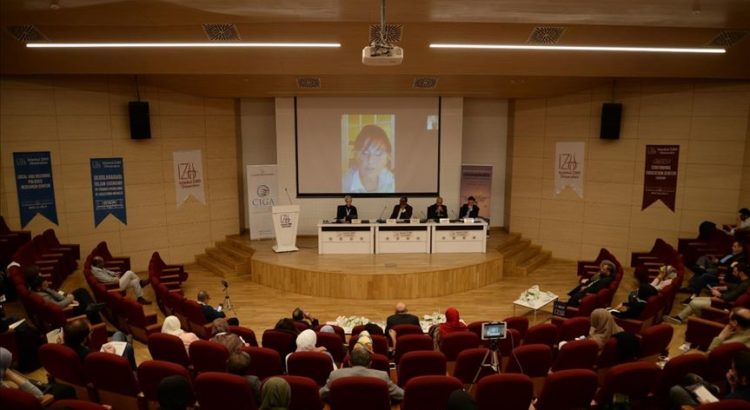
At the end of the third day of the Islamophobia international conference hosted by the Centre for Islam and Global Affairs (CIGA) at Istanbul Sabahattin Zaim University, the scholars said that the Muslim community also needs to look within and rectify mistakes.

Elsadig Elsheikh from the University of California said: “There is a need for intervention at multiple levels, including society, education, public policy, and how we tell our story.”

“We need to decolonize ourselves, and there is a need for a lot of work within ourselves and our societies,” he said.

The scholars said that Muslims need to engage with the systems «but with open eyes.”

«We need to display a robust Muslim identity,» said James Carr of the University of Limerick, Ireland.

Luwei Rose Luqui from Hong Kong University said that Muslims in China need to communicate and tell their stories with others in the country.

They should “not just complain and victimize but talk and communicate with people who are not familiar with your situation,” Luqui said about Muslims in China.

Correcting injustice

Khadijah Elshayyal, a researcher working among Muslims in Britain, said that the community needs to rectify mistakes among themselves.

“We have to support and amplify each other’s voices, however, there are injustices and racism [in Muslim community] and that needs to be corrected,” she asserted.

Moreover, she added, Muslims need to extend solidarity with others as well.

Asking scholars to translate their words into action, Shireen Rasheed from the U.S.’ Long Island University said Muslims must also build coalition with other communities.

Varsha Basheer from India said the Muslim community requires structural changes from within.

“Muslims need political power to dismantle the structures of inequality,” Basheer said, referring to India.

“We need power other than the intellect,” she added.

Talip Kucukcan from Istanbul’s Marmara University said a legal framework against Islamophobia is needed. “Otherwise whatever work we do, it will melt down,” he said.

Kucukcan, a former parliamentarian, added: “Politicians need to be involved in raising the issue of Islamophobia.”

The Organization of Islamic Cooperation (OIC) has 57 members, he said, and “this issue need to be raised and nation-states need to be engaged.”

Governments using Islamophobia

Anne Norton from the University of Pennsylvania said people need to protected from “the power of the state,” explaining: “People need to be saved from torture, hunger, separation from their families, and deprivation.”

Sami A. Al-Arian, the Centre for Islam and Global Affairs’s director, said the importance of the conference goes beyond academic interest.

“This conference tried to analyze all different aspects of Islamophobia, specifically the geopolitics and epistemological roots of Islamophobia that are affecting not only the Muslim world at large but Muslim minorities in the U.S., Europe, India and China,” he said.

He added: “We have some governments in the region, in the Muslim world, who are helping Islamophobes and empowering practitioners of Islamophobia in order to fight their own citizens and movements because they are trying to keep their privileges and autocratic regimes.”

He said: “Understanding Islamophobia at every level is important and needs to be confronted at all levels.”

“It is a very very dangerous threat just not to Muslims only but to all of humanity, and we need to educate and then act to confront Islamophobia,” he stressed.

Source of the notice: https://www.aa.com.tr/en/education/education-and-action-needed-to-combat-islamophobia-/1452159

Comparte este contenido:

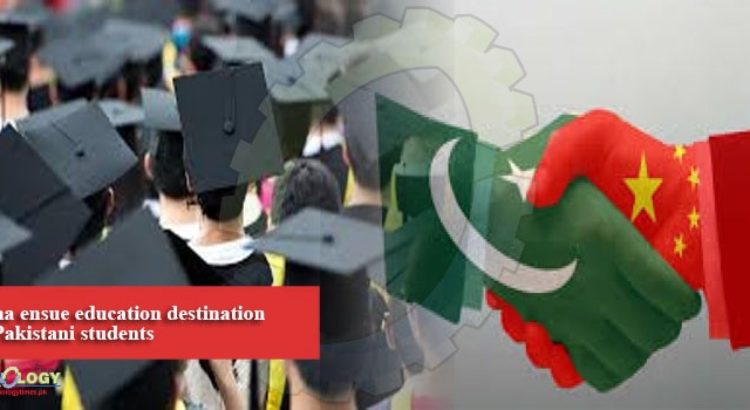
China ensue education destination for Pakistani students

Asia/ China/ 20.04.2019/ Source: www.technologytimes.pk.


China’s Ministry of Education released the proclamation that China has become the top education destination for international students. A total of 492,185 international students from 196 countries and regions studied in China.

According to a report, South Korea ranked first with 50,600 students and Pakistan ranked third with 28,023 students, followed by Thailand with 28,608 and the United States with 20,996 students.

The number of Pakistani students has risen in China mainly because of a chain of privileged policies offered by the Chinese government after the launch of China Pakistan Economic Corridor (CPEC), a channel project of Belt and Road Initiative.

Pakistani budding aspirants are studying Chinese language, engineering, medical, computer science and various other fields in china. Currently, 6,156 Pakistani students are studying in Ph.D., 3,600 in Masters, 11,100 in Bachelors and 3,000 in Short Term Exchange Programs across China.

Pakistani students take part in cultural activities organized by different universities across China. Pakistani students represent the country by setting up booths with traditional Pakistani stuff that depicting different social and cultural activities and historical places in Pakistan.

Source of the notice: https://www.technologytimes.pk/china-education-destination-pakistani/

Comparte este contenido:

Special-needs children lose out on £1.2bn of support, says union

Europa/ United Kindow/ 16.04.2019/ Source: www.theguardian.com.


Children in England with special educational needs and disabilities (Send) have lost out on £1.2bn worth of services because government funding has failed to keep pace with soaring demand for additional support over the past four years, according to an analysis.

The number of children and young people with an education, health and care plan, a legal document detailing a child’s entitlement to support for special needs, has risen from 240,000 to 320,000 since 2015 – an increase of 33% – according to research by the National Education Union (NEU).

Yet central government funding paid into the “high-needs block” of councils’ education budgets to cover Send provision has only increased by 7% over the same period, from £5.6bn to £6bn in today’s prices, the NEU says, resulting in “massive” funding shortfalls in nine out of 10 local authorities.

As a result, families have endured increasing waiting times for Send assessments and cuts to specialist provision and support staff. In response, families have turned to tribunals to fight councils for their children’s rights to additional provision and are winning in the vast majority of cases.

A number of parents have also taken local authorities to the high court over Send funding decisions, and in June the government will find itself in court when its Send funding policy will be examined in a landmark judicial review.

The crisis in Send provision will be discussed during the NEU’s annual conference, which opens in Liverpool on Monday. Kevin Courtney, the union’s joint general secretary, said: “The funding shortfall for Send provision comes against the backdrop of the swingeing cuts to local authority budgets imposed by the Westminster government over the last nine years, which have left many councils on the brink.”

Courtney said that between 2010 and 2020, councils will have lost almost 60p out of every £1 the government once provided for Send services. “This is an appalling way to be addressing the education of some of our most vulnerable children and young people and is causing untold misery and worry for thousands of families.”

One of the key reasons for increased demand, and cost, is the extension of education, health and care plan provision to include young people with additional needs aged 19-25. Campaigners also highlight the drift of Send pupils away from mainstream schools to more expensive special school settings, accusing some of failing to be inclusive, either because of funding or accountability pressures.

Angela Rayner, the shadow education secretary, said: “Education is a right, not a privilege, and these cuts mean that in one of the richest countries in the world children with special educational needs are not receiving the support they need.”

Nadhim Zahawi, the minister for children and families, said it was wrong to imply that funding had been cut and that the government had increased spending on high needs from £5bn in 2013 to £6.3bn this year.

“We recognise the challenges facing local authorities and in December provided an extra £250m up to 2020 to help them manage high-needs cost pressures. We have also provided councils with an extra £100m funding to create more Send places in mainstream schools, colleges and special schools.”

Source of the notice: https://www.theguardian.com/education/2019/apr/15/special-needs-children-lose-out-on-12bn-of-support-says-union
Comparte este contenido:

Paraguay: Unicef apoya “decidida política de primera infancia” que impulsa el Gobierno

América del Sur/ Paraguay/ 16,04.2019/ Fuente: www.ip.gov.py.


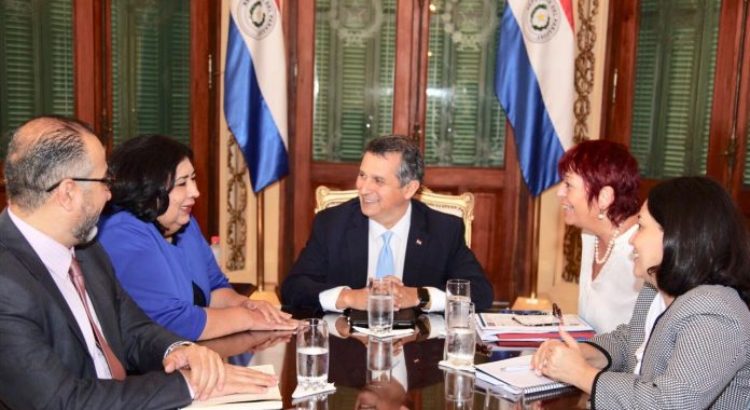
La directora regional para América Latina y el Caribe del Fondo de las Naciones Unidas para la Infancia (Unicef), María Cristina Perceva, manifestó hoy el apoyo del organismo hacia “la decidida política de primera infancia” que impulsa el actual Gobierno Nacional y expresó la voluntad de cooperar en este desafío con el Paraguay.

Como parte de las actividades en su visita al país,  Perceval se reunió esta mañana con el ministro de la Unidad de Gestión de la Presidencia, Hugo Cáceres, y la ministra de la Niñez y la Adolescencia, Teresa Martínez, en Palacio de Gobierno.

Tras la reunión, la directora regional informó que uno los temas prioritarios con el Paraguay es el apoyo a las decididas políticas de la primera infancia, para que se invierta más en la niñez, así como a las políticas sobre educación, en cuyo ámbito existe una preocupación por los adolescentes que están fuera del sistema.

Igualmente expresó las felicitaciones al Paraguay por la erradicación de la pobreza infantil y por contar con un Ministerio de la Niñez y la Adolescencia, que lo hace pionero en la región. Señaló que este ministerio deberá ir ganando solidez institucional y tener suficiente presupuesto para desarrollar políticas públicas articuladas que promuevan y garanticen los derechos de los niños, niñas y adolescentes”.

Respecto a la situación de Paraguay dentro de la región, la directora afirmó que el país no está ajeno a las caraterísticas de Latinoamérica, que es “la que más desiguala a los niños y niñas, y donde ser una niña indígena rural significa que tendrá menos oportunidades de educación, y trabajo precario informal”. “Esto también ocurre en Paraguay”, dijo.

Otra de esas características de Latinoamérica es que es la región que mas violenta del mundo hacia los niños y niñas y que Paraguay también presenta “indices preocupantes”. “Se está trabajando pero hay que hacer más y tienen no solamente la responsabilidad las políticas públicas sino también todo el conjunto social; uno de cada dos niños es víctima de violencia en su hogar”, indicó.

“No venimos con el dedo a decir ustedes tienen que hacer esto sino que, con las manos abiertas, preguntar cómo podemos ayudar, cooperar y trabajar juntos”, expresó finalmente Perceva.

A su turno, la ministra Martínez destacó que la cooperación de la Unicef es fundamental para el Paraguay, atendiendo a que es un agente técnico y articulador con todos los demás actores del país para la promoción y defensa de los derechos de los niños, niñas y adolescentes.

“Estuvimos hablando en líneas generales de las acciones que son importantes para el Gobierno, de las políticas de Unicef también y que, por supuesto, para el Ministerio es de vital importancia la articulación que podamos tener con ellos”, expresó finalmente la secretaria de Estado.

Fuente de la noticia: https://www.ip.gov.py/ip/unicef-celebra-erradicacion-de-pobreza-infantil-en-paraguay-y-recomienda-fortalecer-acciones-para-luchar-contra-la-violencia/
Comparte este contenido:

Haití: Reagrupación Educación para Todas y Todos incide por la creación de un Grupo Local de Educación

Centro América/ Haití/ 16.04.2019/ Fuente: redclade.org.


El grupo, que iniciará sus trabajos este semestre, tiene el objetivo de fomentar un diálogo inclusivo y transparente sobre las políticas educativas en el país

En Haití, tras años de lucha junto al Ministerio de Educación y de la Formación Profesional (MENFP), la Reagrupación Educación para Todas y Todos (REPT) logró la creación de una Comisión Ministerial para el proceso de instalación y puesta en marcha del  Grupo Local de Educación (LEG, por su acrónimo en inglés). El LEG es un mecanismo de la Alianza Mundial por la Educación (GPE, por su acrónimo en inglés) que se propone reunir a actores del campo educativo en países en desarrollo para apoyar los esfuerzos de sus gobiernos por la garantía del derecho a la educación. La GPE, a su vez, es un partenariado y fondo multilateral que se dedica a apoyar el fortalecimiento de sistemas educativos en más de 65 países del mundo, incluso Nicaragua, Honduras y Haití en América Latina y el Caribe.

¿Qué es el LEG?

La mayoría de los países en desarrollo cuenta con grupos que reúnen a distintos actores y sectores de la sociedad para coordinar la ayuda humanitaria al desarrollo. El grupo que coordina la ayuda a la educación y el diálogo sobre las políticas educativas en estos países es llamado Grupo Local de Educación (LEG).

El LEG se propone entonces impulsar las etapas de planificación de la educación, desde el análisis sectorial hasta la evaluación. Estos grupos son liderados por gobiernos nacionales y apoyados por aliadas y aliados del campo educativo, como agencias bilaterales, organizaciones multilaterales, de docentes y de la sociedad civil, sector privado y fundaciones.

Pretenden fomentar un diálogo inclusivo y transparente sobre las políticas educativas de los países, apoyando los gobiernos en el desarrollo, implementación, monitoreo y evaluación de los planes nacionales del sector educativo.

Incidencia de la REPT

Con miras a garantizar la implantación del LEG en Haití, la REPT impulsó un plan de incidencia para promoverlo en los espacios de ONGs y asociaciones de educación. Además, se reunió con ministros y la Oficina Nacional de Contrapartes en la Educación (ONAPE, por su acrónimo en francés), y realizó encuentros con representes de la UNESCO para ofrecer su colaboración a la difusión de la idea.

A su vez, en el contexto de la Semana de Acción Mundial por la Educación (SAME) 2018, la REPT se articuló con un conjunto de organizaciones de la sociedad civil y ONGs para promover un taller en el cual participaron representantes de UNESCO, UNICEF y Banco Interamericano de Desarrollo, así como miembros de sindicatos docentes, sector privado, donantes y fundaciones, entre otros. El taller tuvo el objetivo de presentar la GPE, discutir el rol del LEG para auxiliar el gobierno haitiano a cumplir el Objetivo de Desarrollo Sostenible 4 (ODS 4), referido a la educación, y planear los próximos pasos para su creación.

En seguida, la REPT presentó una primera propuesta de Términos de Referencia para el funcionamiento del mecanismo. Paralelamente, se acercó a la representación de la GPE en Haití con miras a intercambiar saberes sobre el LEG y planes para avanzar en su implementación.

“La creación de la Comisión Ministerial es un paso importante para la creación y el funcionamiento del Grupo Local de Educación. A través de ella, la REPT pudo participar de manera directa de la elaboración de los Términos de Referencia del LEG, incidiendo por la incorporación de la educación como un derecho humano, la necesidad de aumentar el financiamiento educativo y la oferta pública de la educación, así como por la consideración de jóvenes, habitantes de áreas rurales y mujeres como miembros del Grupo”, afirma William Thelusmond, coordinador general de la REPT.

Las versiones finales de los términos de referencia, elaboradas por la Comisión en principio de enero, incluyen las sugerencias de la Reagrupación.

Adelante, la Comisión tiene como retos la formación de los sectores que formarán parte en el LEG, la validación final y la designación (elección y selección) de las y los representantes de los distintos sectores en el LEG. Se espera que el Grupo se instale y empiece a actuar en este semestre.

Fuente de la noticia: https://redclade.org/noticias/haiti-grupo-local-educacion/

Comparte este contenido:
Page 2000 of 6145
1 1.998 1.999 2.000 2.001 2.002 6.145