Page 2781 of 6193
1 2.779 2.780 2.781 2.782 2.783 6.193

Estados Unidos: Answer Sheet Analysis How mass school shootings affect the education of students who survive

Por: washingtonpost.com/21-02-2108

A Washington Post analysis found that more than 150,000 students attending at least 170 primary or secondary schools in the United States have experienced a shooting on campus since the 1999 Columbine High School massacre, which is sometimes cited as the first in a string of modern mass school shootings.

What happens to these survivors a year, or two, or three later? Is their schooling affected? How have they developed emotionally?

As this Daily Beast piece notes, there is far less research on the psychology of the survivors of mass school shootings than there is on the motivations of the shooters “though the rate and increasing population of subjects means that it is a burgeoning field.”

Below is a post about one research effort to look at the educational experience of survivors, which found that enrollment fell and standardized test scores dropped, too.

This was written by Daniel Willingham, a well-regarded psychology professor at the University of Virginia who focuses his research on the application of cognitive psychology to K-12 schools and higher education. He was appointed by President Barack Obama to the National Board for Education Sciences, the independent and nonpartisan arm of the U.S. Education Department, which provides statistics, research and evaluation on education topics.

He is the author of  several books, including “Why Don’t Students Like School?” and “When Can You Trust the Experts?” He also blogs here, and his posts have appeared frequently over the years on The Answer Sheet.  He can be reached at willingham@virginia.edu, and you can follow him on Twitter @DTWillingham. This appeared on his Science & Education blog, and he gave me permission to republish it.

By Dan Willingham

Not long ago, a friend told me he was going across country to visit his friend who had lost his wife six months previously. He mentioned he had not gone to the funeral. “I don’t get that much time off so I can only go once. Everyone’s at the funeral. Somebody needs to be there six months later.”

It is important to keep this perspective in mind as we continue to process the horrific school shooting in Parkland, Fla. Just as my friend knew losing your spouse is not resolved in six months, we might guess that the trauma associated with attending a high school where murder took place would have long-term consequences.

In fact, Louis-Philippe Beland and Dongwoo Kim have examined the educational consequences for survivors. Using the Report on School Associated Violent Deaths from the National School Safety Center, they identified 104 shootings categorized as homicidal and 53 as suicidal. (Shootings took place on the property of a public or private U.S. school, or while a person was attending or on their way to or from a school-sponsored event.)

School performance data were obtained from each state’s Department of Education website. The researchers used other schools in the same district for comparisons, on the reasoning they would be roughly matched for demographics. (I wonder about the soundness of this assumption.) The researchers examined three main outcomes.

​First, they examined whether enrollment in a school would go down after a shooting. (Note: all of the effects described apply to homicidal shootings. There were no effects of suicidal shootings on any of the outcomes.) They found it did decrease, presumably as parents who could selected other schools. This effect was only observed in 9th-grade enrollments, however. Perhaps families with children already attending a school felt more committed to that school.


Second, they tested whether deadly shootings lowered test scores in later years. They found they did.

Based on the first result, it could be that lower scores are a consequence of the opt-out; maybe it is the most capable 9th-grade students who choose not to attend the school where the shooting took place. So to test the possibility, researchers examined a subset of the data from California schools, where they could access student-level data. The effect replicated. In other words, it is not due to changes in the population. When researchers examine test scores of individual students year to year, those scores dropped after the shooting.

Third, the researchers examined behavioral outcomes including graduation rates, attendances and suspensions. They observed no effects.

​The needs of the students who remain at Marjory Stoneman Douglas High School may be deemed less urgent than those of the immediate families of the slain. That is a fair assessment.

But the needs of the survivors are real, and we must ask how we can address them. And we must not forget the students who attend these schools where murder took place within the last three years:

  • Marshall County High School
  • Aztec High School
  • Rancho Tehama Elementary School
  • Freeman High School
  • North Park Elementary School
  • Townville Elementary School
  • Alpine High School
  • Jeremiah Burke High School
  • Antigo High School
  • Independence High School
  • Mojave High School

*Fuente: https://www.washingtonpost.com/news/answer-sheet/wp/2018/02/20/how-mass-school-shootings-affect-the-education-of-students-who-survive/?utm_term=.e343fe5b4cbb
Comparte este contenido:

EEUU: How higher education sets Virginia apart

EEUU/February 20, 2018/By John McLaughlin and Keith Frederick/Source: https://www.washingtonpost.com

John McLaughlin is chief executive and partner of McLaughlin and Associates. Keith Frederick is the owner of FrederickPolls.

As Virginia’s new Democratic governor and Republican-majority legislature consider the state’s budget priorities, a bipartisan group known as the Virginia Business Higher Education Council has a suggestion.

Citing Virginia’s need to grow and diversify its economy, the council has mounted a grass-roots campaign called Growth4VA to make the case for increased state investments in colleges. They want to use that investment to leverage innovative business-higher education partnerships ranging from research and business start-ups to internships, work-study opportunities for students and strategic workforce development.

The council engaged us last year to investigate what Virginians really think about higher education and its economic impact. Because we ordinarily do our survey work on different sides of the political aisle, they asked us to team up and take the temperature of the state’s taxpayers and tuition-payers on this timely topic.

Source:

https://www.washingtonpost.com/opinions/how-higher-education-sets-virginia-apart/2018/02/16/66c32ce4-102a-11e8-9570-29c9830535e5_story.html?utm_term=.e68954d9b09f

Comparte este contenido:

Cómo y cuándo ponerle límites a la relación de tus hijos con la tecnología.

Por: The New York Times. 21/02/2018

A estas alturas todos los padres saben que, de alguna manera, la tecnología pone en riesgo a los niños. Tan solo el mes pasado, la Academia Estadounidense de Pediatría publicó un estudio que señala que aunque los medios digitales y las redes sociales pueden motivar el aprendizaje temprano, también conllevan un montón de riesgos como, por ejemplo, efectos negativos en el sueño, la atención y el aprendizaje, además de una mayor incidencia de obesidad y depresión. El grupo recomienda que los padres desarrollen un Plan Familiar de Uso de Medios.

La propuesta suena bien, pero ¿qué debe contener un plan así? Como padre de adolescentes, requiero más que palabrería. Quiero saber qué están haciendo otros padres.

Durante las últimas seis semanas, he circulado (¡mediante las redes sociales!) veinte preguntas sobre temas como tareas, contraseñas, hora de dormir y castigos. He recibido sugerencias de más de sesenta familias y aunque la encuesta no fue científica, sus respuestas ya han modificado cómo se administra la tecnología en mi casa.

El primer teléfono

La mayoría de los padres que respondieron les dieron a sus hijos de entre 11 o 13 años sus primeros teléfonos; solo algunos esperaron hasta el bachillerato. Sin embargo, esos aparatos no son siempre de última generación. Los padres les dieron “teléfonos tontos” (sin capacidad de instalar aplicaciones o de acceso a internet como los teléfonos inteligentes), teléfonos simples o teléfonos de segunda mano que heredaban de hermanos u otros adultos. También apagaron funcionalidades como wifi, Siri, e incluso el acceso a internet.

Otras restricciones comunes incluían: “Un contrato escrito del comportamiento esperado”. “Prohibido usar el internet durante los días escolares (excepto si se trataba de tarea)”. “Tiempo de pantalla limitado de 30 a 60 minutos al día durante la semana, sin límite durante los sábados por la mañana”.

Otra es una prohibición parcial de mensajes en grupo. “Pude hacer sentir mejor a mi hijo por no tener esta funcionalidad al dejarlo ver los mensajes de grupo en el iPad de la familia”, dijo un padre. “Le ayudó a darse cuenta del poco valor que tienen las conversaciones en grupo”.

Los teléfonos durante las visitas de amigos son otro tema: “No hay nada más decepcionante que ver a los amigos de mis hijos traer sus aparatos a mi casa y tenerlos concentrados en sus teléfonos o tabletas en lugar de pasar el rato con mis hijos”.

Mi método favorito para restringir el uso de la tecnología: “No hay recepción; los teléfonos no siempre funcionan”.

Cuando les pedí consejo a otros padres sobre en qué momento hay que darles teléfonos a los niños, la respuesta generalizada fue: espera lo más que puedas. Una vez que se los das, es muy difícil quitárselos.

Tarea

¿Debemos permitir que los niños se comuniquen con amigos mientras están haciendo la tarea? Dos tercios de los padres dijeron que sí; un tercio dijo que no.

Algunos de los comentarios aprobatorios decían: “Solamente en áreas comunes de la casa” o “Solo con la puerta abierta (para que podamos supervisarlos)”. Otro agregó: “Depende de si están trabajando juntos en un proyecto, lo cual puede ser difícil de hacer cumplir”.

Los que están en desacuerdo dijeron que la tarea se hace individualmente; si el chico necesita ayuda, necesita buscar a uno de sus padres o los padres deben contactar al maestro.

El uso más amplio de computadoras para la tarea también ocasionó reacciones diversas. Algunos padres son bastante estrictos y limitan toda la tecnología: “Solo se utiliza la computadora para revisar ortografía o para usar Google Docs”. “Solamente sitios relacionados con temas de tarea y nada de redes sociales”. “Solo están permitidos ciertos sitios educativos. Wikipedia no se recomienda para nada. Creo firmemente que deben consultar libros reales para investigar en lugar de guglear todo”.

Otros son más relajados: “Debes dejarlos usar las herramientas que necesitarán en su vida. De otro modo, démosles carbón y un pedazo de pizarra, como Lincoln”.

Hora de dormir

Investigadores del King’s College de Londres han descubierto “una relación fuerte y constante” entre el uso de aparatos electrónicos durante la hora de dormir y tener un sueño insuficiente o sufrir de una mayor somnolencia durante el día. Los padres ya entendieron el mensaje.

Una mayoría aplastante prohíbe los teléfonos en las habitaciones durante la hora de dormir. “La tecnología también tiene que irse a dormir; en nuestra casa sucede 30 minutos antes de que se apaguen las luces”. “No se usa tecnología una hora antes de acostarse”. “A las 21:00 me trae el teléfono abajo, donde se quedará hasta las 7:00”.

Redes sociales

Muchos padres restringen a los usuarios primerizos a una sola plataforma digital. “Solo Snapchat; no Instagram, Twitter, Facebook”. “Solo Instagram y lo reviso ocasionalmente”. “Una plataforma a la vez”.

Sin importar el sitio, la mayoría de los padres insisten en tener las contraseñas y los nombres de usuario. “Mis reglas, hasta que cumplió 18 años, eran que yo debía tener todas las contraseñas de todas sus cuentas. De vez en cuando hacía inspecciones sorpresa”. “Tengo TODOS los nombres de inicio y las contraseñas, y si cambian, mi hija tiene que actualizar mi lista. Si trato de entrar y no puedo, le quito el teléfono hasta que yo decida devolvérselo”.

¿Es verdad que los padres realmente monitorean las actividades en línea de sus hijos? Algunos sí. “Leo sus mensajes frecuentemente”. “Somos ‘amigos’ o nos seguimos en redes sociales, así que puedo ver todas sus publicaciones”. “Le he pedido leer los mensajes si mi hija esconde el aparato cuando entro a su habitación”. “Hago auditorías al azar. Hemos tenido pláticas sobre ciudadanía digital y mensajes positivos”.

Sin embargo, otros padres prefieren darles libertad. “Cuando comienzan a mandarse mensajes, leo algunos al azar y pregunto sobre lo que leo: ‘Veo que tu amigo y tú están hablando sobre los Jets’ o ‘Veo que tú y tu amigo están hablando sobre otro chico de su clase’. De esa manera, saben que puedo leer cualquier mensaje en cualquier momento, aunque en realidad no lo hago”. “Casi todos son muy aburridos”.

Castigos

¿Qué pasa si el niño infringe una regla familiar? ¿Es posible separar a un nativo digital de un aparato electrónico por un periodo largo? Observen, escépticos: muchos padres opinan que sí.

“Sí, cuando era más chico”. “Sí, y mi hija responde bien”. “¡¡SÍ!! ¡Es la motivación más grande!”. “Sí. Lamentos y rechinidos de dientes, y después encuentran otra cosa que hacer”. “Lo he hecho. Se enoja mucho al principio pero finalmente se calma. La primavera pasada establecí una limpieza digital de tres semanas. Estuvo enojado los primeros tres días pero después todo se volvió más tranquilo”.

Otra forma común de obligar a los niños a cumplir con las normas es hacerlos pagar por el sobreuso. “Pagamos la cuota normal pero hacemos que ella pague el sobreuso”. “También le quitamos los datos”. “Ahora trabaja como niñera para algunos amigos de la familia para ganar más dinero; debe aprender a manejar su dinero”.

Tiempo familiar

Quizá la mayor queja en contra de la tecnología es que roba el tiempo de familia. Así que ¿cuáles métodos han usado los padres para recuperar ese tiempo?

En primer lugar, la hora de la cena está libre de tecnología. “No hay aparatos electrónicos durante las comidas”. “No hay teléfonos sobre la mesa y eso no solo sucede en nuestra casa. En casa de mi madre y de nuestros hermanos, los sobrinos y sobrinas tienen la misma regla. Nadie se queja, simplemente lo ejecutan”. “No hay aparatos durante las comidas. No hay audífonos cuando viajan en el auto”.

En segundo lugar, consideren alternativas positivas. “Hacer cosas donde los teléfonos estorben. Jugar algo rápido, caminatas, ir a conciertos o presentaciones”. “Vemos películas juntos, hacemos fogatas en el patio o nadamos cuando el clima es cálido y hacemos una noche de juegos, en la que solo se permiten juegos de mesa. Solían quejarse pero ya tienen sus favoritos y ahora esperan con ansias el momento de jugarlos”.

“Hagan algo constructivo juntos. Asegúrense de que todos (incluso mamá y papá) se ensucien las manos. Muchas veces cocinamos juntos y preparamos los peores platillos del mundo, pero está bien, porque los hicimos juntos”.

Finalmente, cuando todo falla, muchos se apoyan en los viejos trucos parentales: amenazas, sobornos y humillación pública.

Amenazas: “Les grito de la nada: ‘¡Deja ese teléfono!’. Limita su uso por los siguientes cinco minutos”.

Sobornos: “Salida nocturna de papá o mamá e hijo. Los padres se alternan para llevar a un niño de paseo; la cuarta semana les toca salir a los padres juntos”.

Humillación pública: “Si confisco un aparato durante el tiempo familiar, abrimos los mensajes y mi esposo y yo los leemos con tono dramático”.

Fuente: https://www.nytimes.com/es/2017/11/09/como-y-cuando-ponerle-limites-a-la-relacion-de-tus-hijos-con-la-tecnologia/

Fotografía: Wesley Bedrosian

Comparte este contenido:

Reino Unido: May admits education is failing children but offers no extra cash

Por: theguardian.co/21-02-2018

Theresa May has admitted that the education system is failing to serve the “needs of every child” but immediately faced criticism as it emerged that plans to overhaul post-18 funding would be unlikely to result in more money from the Treasury.

Critics highlighted the government’s terms of reference for the review, which will be led by the former City financier Philip Augur and could result in lower fees for some courses and the return of maintenance grants.

It said the study would not be able to make recommendations linked to taxation and “must be consistent with the government’s fiscal policies to reduce the deficit and have debt falling as a percentage of GDP”

The shadow education secretary, Angela Rayner, said the wording suggested that students, colleges and universities would end up footing the bill.

“Funding for further education has been slashed and cuts in higher education have seen UK universities fall down global league tables, yet buried in the small print of the terms of reference it is made clear there will be no new money to support any recommendations, leaving it down to already cash-strapped colleges and universities to cover any extra costs,” she said.

The NUS president, Shakira Martin, said she was glad to hear the prime minister accept that the “current system is not fit for purpose” but added that she wanted ministers to commit to investing in the skills of the future.

“The prime minister is choosing to move the deckchairs around a ship she already acknowledges is sinking,” she said.

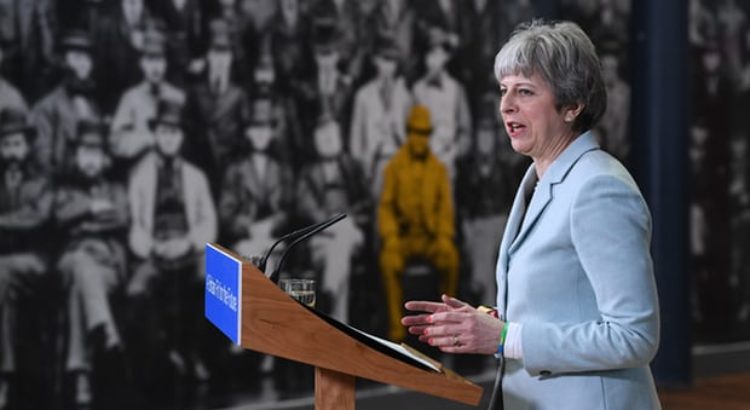
May used a speech at Derby college to launch the review. She insisted that tackling the divide between academic and technical education had been a driving force since she entered parliament in 1997, raising the issue with her maiden speech.

She criticised the fact that almost a quarter of students at Britain’s “research-intensive universities” come from the 7% of the population who attend private schools.

“And the professions which draw their recruits primarily from these institutions remain unrepresentative of the country as a whole, skewed in favour of a particular social class,” she said, arguing that the odds were stacked against a working-class boy from Derby who wanted to become a lawyer.

But May also said a privately educated middle-class girl who wanted to become a software developer by going straight into the industry faced the expectation of taking A-levels and entering a Russell Group university.

“Most politicians, most journalists, most political commentators took the academic route themselves, and will expect their children to do the same.”

She said poorer students were “bearing the highest levels of debt” in the current system, which she said was not good enough.

“We must have an education system at all levels which serves the needs of every child. And if we consider the experience which many young people have of our system as it is, it is clear that we do not have such a system today,” she said.

But she also insisted that the cost of universities must be shared between graduates and the taxpayer, claiming that Labour’s policy to scrap fees would mean tax rises for the majority who did not go to university. It would also mean universities would be competing with hospitals and schools for funding, and would entail reintroducing a cap on student numbers, she claimed.

Bill Rammell, the vice-chancellor of the University of Bedfordshire and a former higher education minister when variable fees were introduced in 2005, argued that raising fees to £9,000 and beyond went “too far in shifting the balance of responsibility for funding higher education between the state and the individual”.

He said the review was welcome but that it must ensure that universities will be compensated for any reduction in fee income. “Otherwise it will result in widespread job losses and a reduction in standards as universities scramble to balance their already stretched finances.”

The review could result in universities having to charge less for some courses based on their costs and potential graduate earnings, with hints that institutions could be expected to take a lower amount for humanities and social science courses.

However, the former education secretary Justine Greening warned that this could hit social mobility as higher fees could put poorer students off more lucrative courses.

May also spoke out against the number of university vice-chancellors who take part in the decision-making process on their own salaries, amid widespread concern about excessive pay levels.

The prime minister was asked about the issue after figures revealed that 95% of university leaders were either members of their remuneration committee or entitled to attend meetings.

The information, obtained under freedom of information laws by the University and College Union, showed just seven of 158 institutions surveyed said their vice-chancellors were in effect barred from attending.

Asked if she feared that this was fuelling soaring pay levels, May said: “One of the points I would make – that I know the universities minister, Sam Gyimah, also made – is we should be concerned when we see vice-chancellors sitting on remuneration committees which determine their pay.”

The comments came after universities were told they would have to justify any decisions to pay vice-chancellors more than 8.5 times the average salary.

Since you’re here …

… we have a small favour to ask. More people are reading the Guardian than ever but advertising revenues across the media are falling fast. And unlike many news organisations, we haven’t put up a paywall – we want to keep our journalism as open as we can. So you can see why we need to ask for your help. The Guardian’s independent, investigative journalism takes a lot of time, money and hard work to produce. But we do it because we believe our perspective matters – because it might well be your perspective, too.

I appreciate there not being a paywall: it is more democratic for the media to be available for all and not a commodity to be purchased by a few. I’m happy to make a contribution so others with less means still have access to information.

Fuente: https://www.theguardian.com/education/2018/feb/19/may-speaks-out-about-vice-chancellors-setting-their-own-pay

Comparte este contenido:

Rural community session held to discuss education concerns in Nova Scotia

Por: globalnews.ca/21-02-2018

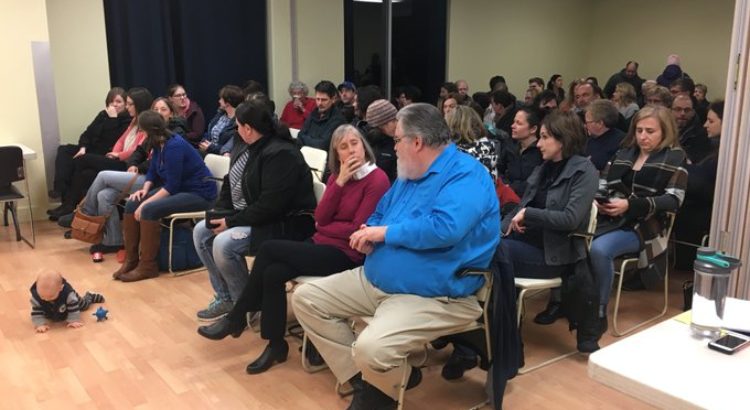
A packed house filled a rural Nova Scotia community centre as many parents came out to hear why teachers are concerned over the future of education in the province.

“Transformation takes a lot of thoughtful collaboration and we’re not seeing that at the moment and that’s what needs to happen if we have any hope of this being successful,” Cynthia Bruce said, a mother of children who have gone through the provincial public school system.

Last fall, the province hired Dr. Avis Glaze, an “international recognized expert” to review the public school system in Nova Scotia for the first time in more than 20 years.

The Glaze report made 22 recommendations, including moving principals and vice-principals out of the Nova Scotia Teachers Union and into a new professional association.

The report recommended the establishment of an education ombudsperson to investigate and resolve concerns or complaints in the education system.

Glaze also called for a provincial college of educators to license, govern, discipline and regulate the teaching profession.

The province plans to implement all of the recommendations and that’s where concern from the Nova Scotia Teachers Union has come into play.

Grant Frost has over two decades of teaching experience and is also the president of the Halifax County local.

“I think that I’d be very happy with a pause button right now, so that everyone can catch their breath. Let’s put a pause on the Glaze report, let’s not rush this. If you rush this through, we’re going to leave kids behind and I think that’s a very real concern,” Frost said.

He says he’s not against making changes to the education system but feels the province is rushing the process. Frost hopes the move to ask NSTU members for a strike mandate demonstrates the need to slow down.

“Really, what I think we’re trying to accomplish here is to have an opportunity to sit down with this government and all the stakeholders, to try to figure out exactly what some of our concerns are and have a legitimate conversation around them.”

*Fuente: https://globalnews.ca/news/4034770/education-concerns-nova-scotia/

Comparte este contenido:

Estados Unidos: Sobrevivientes del tiroteo escolar en Parkland demandan acciones para el control de armas de fuego

Mientras continúan los funerales de las 17 personas asesinadas el miércoles pasado en la escuela secundaria Marjory Stoneman Douglas, en el condado de Broward, Florida, los sobrevivientes del tiroteo escolar organizaron un movimiento sin precedentes, dirigido por jóvenes, para exigir el control de las armas de fuego. El viernes, estudiantes de la secundaria South Broward, en Florida, hicieron huelga para protestar por la masacre perpetrada por un exestudiante blanco de 19 años de edad llamado Nikolas Cruz, que tenía antecedentes de comportamiento violento y abusivo contra las mujeres.

El viernes, el FBI admitió que no había investigado a Cruz, incluso después de que alguien cercano a él llamara a la agencia en enero para advertirles “sobre la propiedad de armas de Cruz, su deseo de matar gente, su comportamiento errático y las inquietantes publicaciones que hacía en las redes sociales, así como la posibilidad de que realizara un tiroteo en la escuela”. En una manifestación que tuvo lugar el sábado pasado, los sobrevivientes del tiroteo escolar exigieron que los políticos dejaran de aceptar dinero de la Asociación Nacional del Rifle (NRA, por su sigla en inglés). Según informes, Nikolas Cruz se entrenó en un club de tiro juvenil financiado por la Asociación Nacional del Rifle. Estas son palabras de Emma González, estudiante del último año de la secundaria Marjory Stoneman Douglas, emitidas en la manifestación del sábado.

Emma González expresó: “Si el presidente quiere venir a decirme en persona que fue una tragedia terrible, que nunca debería haber sucedido, al mismo tiempo que nos sigue diciendo que no se hará nada al respecto, con gusto le voy a preguntar cuánto dinero recibió de la Asociación Nacional del Rifle. No importa, porque ya sé la respuesta: 30 millones de dólares. Y dividido entre las víctimas por armas de fuego que hubo en Estados Unidos en solo un mes y medio, en lo que va de 2018, son unos 5.800 dólares. ¿Eso es lo que valen estas personas para usted, Trump? A todos los políticos que reciben donaciones de la Asociación Nacional del Rifle: ¡debería darles vergüenza!”.

*Fuente: https://www.democracynow.org/es/2018/2/19/titulares/after_parkland_students_launch_historic_youth_led_movement_to_end_mass_shootings

Comparte este contenido:

België: School in Blankenberge pakt onderwijs helemaal anders aan

België / 25 februari 2018 / Auteur: Karel Cambien / Bron: Madeinwest-vlaanderen

Er zijn in Vlaanderen al heel wat scholen die het anders doen: vakoverschrijdende lessen, teamteaching, modulaire leerruimtes, coachend begeleiden. De Sint-Jozef Sint-Pieter School in Blankenberge is één van die handvol scholen. Tijdens het EduNext Leerfestival dat deze week (21 februari) plaats vindt in in Brussel, vertellen en tonen directeurs, leraren en leerlingen van achttien innovatieve onderwijspraktijken waarom, hoe en wat ze anders doen. Een en ander kan op termijn ook het bedrijfsleven beïnvloeden.   

Al voor de zesde keer organiseert de vzw EduNext het Leerfestival, waar in een festivalsetting met denk- en doepodia enkele honderden leraren, directeuren, studenten en mensen uit het bedrijfsleven worden geïnspireerd met innovatieve praktijkvoorbeelden uit het Vlaamse en Nederlandse onderwijs. Doel is de festivalgangers te motiveren en stimuleren om ook onderwijsvernieuwing van binnenuit te realiseren. “Dat is veel makkelijker als je een voorbeeld kunt zien”, meent Dirk De Boe, auteur en bezieler van ‘EduNext, transformeer je school van binnenuit’ . “Wij zijn ervan overtuigd dat als je het met je eigen ogen ziet, je dan een klik maakt. En als een school beslist het anders te gaan doen, dan kunnen ze dat ook. Er is voldoende ruimte binnen de leerplannen om onderwijs anders te organiseren en te geven via werk-, leer- en evaluatievormen, kortom, om anders om te gaan met leerlingen en studenten.”

Begin van een onderwijsrevolutie

De Nederlandse professor transitiekunde Jan Rotmans, keynotespreker op het festival, is het daar hartstochtelijk mee eens: “We staan aan het begin van een onderwijsrevolutie”, zegt Rotmans. “Je voelt de weerstand, en veel leraren zitten er helemaal niet op te wachten. Dat begrijp ik, omdat ze al vijftig jaar top-down onderwijsvernieuwing over zich heen hebben gekregen. Ik pleit daarom voor een onderwijs van onderop. Laat elke school dat zelf uitzoeken en bepalen. Ga dat niet collectief opleggen van bovenaf. Dat hebben we decennia gedaan en dat werkt niet. Het geeft alleen maar meer werkdruk, meer stress, meer bureaucratie. Geef elke school de ruimte en de vrijheid om dat zelf uit te vinden.”

De initiatiefnemers hebben het over ‘de school van de toekomst’. De andere aanpak kan op termijn ook impact hebben op het bedrijfsleven, waarbij medewerkers veel autonomer, zeg maar meer intrapreneur gericht, functioneren.

Bron van het nieuws:

http://www.madeinwest-vlaanderen.be/nieuws/school-in-blankenberge-pakt-onderwijs-helemaal-anders-aan/

Comparte este contenido:
Page 2781 of 6193
1 2.779 2.780 2.781 2.782 2.783 6.193