Page 3121 of 6195
1 3.119 3.120 3.121 3.122 3.123 6.195

Estados Unidos: NC superintendent slams ‘disturbing’ spending at state education agency

Carolina del Norte / 08 de noviembre de 2017 / Por: Kelly Hinchcliffe / Fuente: http://www.wral.com/

State Superintendent Mark Johnson listened last week as State Board of Education members bemoaned the millions of dollars in recent budget cuts to the North Carolina Department of Public Instruction. The cuts have harmed staff and students, one board member explained, and he urged Johnson to join them in reaching out to state lawmakers to say «enough is enough.»

But Johnson declined. Instead, he said in his 11 months as superintendent he has found excessive spending at the state education agency and said he hopes an upcoming $1 million audit he has commissioned will root out any other potential waste at the agency.

«In my time as state superintendent, I have found a lot of things that I’ve found disturbing about this department,» Johnson said. «I will not go into the long list of them, but one little item that I can point out is our SurveyMonkey accounts.»

Johnson explained that the agency uses the online tool to send out surveys to principals, teachers and others to get feedback on important topics. Instead of the agency sharing one account, Johnson said he discovered it was paying for nine accounts. SurveyMonkey plans cost anywhere from $0 for a basic account to nearly $1,200 a year for a premier plan. DPI’s accounts varied in level.

«The really great professional staff (at DPI) pointed that out to me, and that’s something we’re taking care of,» Johnson said.

The communications department’s account alone was $800 to $900 a year, according to newly hired communications director Drew Elliot. He said the agency has stopped anyone from renewing an annually billed account and has begun consolidating them. In addition to the nine SurveyMonkey accounts, the North Carolina Virtual Public School has its own contract with Qualtrics for surveys, Elliot said.

WRAL News asked the superintendent to provide other examples of spending that he has found disturbing since he took office in January. Lindsey Wakely, the superintendent’s senior policy advisor and chief legal counsel, said they did not have a pre-existing document tracking or detailing any examples, but she agreed to put together a list.

«Below are some examples of DPI’s past spending practices and costs, while facing budget cuts, that the Superintendent and his staff have identified and are seeking to address moving forward,» Wakely wrote.

In addition to the nine SurveyMonkey accounts, the superintendent’s office identified the following items:

  • Extensive conference-related costs, such as:
    • Paying excess rates for conference speakers
    • Large sums for meals and room rentals
    • $25,000 to sponsor World View Symposium held by UNC
  • $2,500 to sponsor one episode of a single-market television program.
  • Overhead charges paid to hire personnel through intergovernmental contracts rather than directly hiring personnel, which would cost DPI less.
  • Reversion of over $15 million in Excellent Public Schools Act funds that could have been used to support early childhood literacy.

In an emailed statement, Johnson said «the General Assembly is frustrated with inefficiencies at DPI under the State Board’s leadership, and I understand that. To avoid future cuts, we must work on building trust that we are spending our available dollars wisely – keeping our educators and students as the top priority.»

The board and other education leaders «must be held accountable for the taxpayer dollars entrusted to them,» he wrote. Johnson said the agency did not give educators access to almost $8 million in funds provided in fiscal years 2015 and 2016 for early childhood literacy efforts.

«That’s a total of over $15 million that went unused to support the education of our youngest students,» Johnson wrote. «When I was made aware that the same thing was about to happen earlier this year, I worked with the General Assembly to salvage $5 million to procure digital devices for literacy support under NC Read to Achieve. Moving forward, I am working with DPI literacy and early learning staff to ensure that funding provided by the General Assembly for Read to Achieve is fully utilized to support the critical goal of our children becoming lifelong readers.»

In an interview with WRAL News after last week’s meeting, State Board of Education Chairman Bill Cobey praised the superintendent’s efforts to find wasteful spending at the agency.

«Well, I’m glad to hear that,» Cobey said, adding that he was not aware of what other waste the superintendent had found.

After WRAL News provided Cobey with the superintendent’s list of spending issues, the chairman emailed a statement, saying he «applaud(s) the efficient use of appropriated funds and the elimination of any wasteful spending.»

«As the administrative head of DPI, it is important that the Superintendent and his staff continuously focus on the best utilization of all appropriated funds for the benefit of the public school children of NC,» Cobey wrote.

Lawmakers cut the education agency’s operating funds by 6.2 percent – $3.2 million – this year and 13.9 percent – $7.3 million – next year. State board members have urged the superintendent to speak out against the cuts in recent months, but he has repeatedly refused, saying he prefers to talk with lawmakers privately and does not think it’s productive «to try to negotiate through the media.»

Last month, state board member Greg Alcorn asked the superintendent to address «the elephant in the room» – the budget cuts – during his monthly superintendent’s message so the board could have clarity about where he stands. He declined, saying he wants his monthly report to focus on good things happening in schools.

Last week, state board member Eric Davis tried a different approach and told the superintendent of a recent conversation he had with an unnamed education leader in the General Assembly.

«I brought up these cuts and said, ‘Is there anything we can do to avoid this?’ And this education leader said if the state board and the state superintendent came together to the General Assembly and said, ‘Enough is enough. We can’t serve our students and absorb another cut,’ that would have great weight in the General Assembly,» Davis said. «So I would suggest we take this education leader up on his advice.»

«I would love to talk to that education leader as well,» Johnson responded. «There are many, many different education leaders in the General Assembly that have vastly different opinions. I know that because I’ve been working very closely with all of them. And so, yes, that is a conversation we can have. I’d like to talk to who you talked to.»

Davis tried again.

«Sure. I think this particular advice was keen on that we are together in that request, that we are unified in advocating for the department, that the department can’t absorb any more cuts. It’s important for us to publicly say that,» Davis said.

«I look forward to discussing that with the education leader you discussed it with,» Johnson responded.

«So are we in agreement on avoiding future cuts?» Davis asked.

The superintendent stared straight ahead, not acknowledging Davis’ question, as others in the room laughed nervously at the awkward silence.

A few minutes later, Davis circled back to the discussion, this time urging all of his colleagues to work together to fight budget cuts.

«Before we can confront what we need to do in terms of equity for our students, we have to know who we have on the team that can deliver whatever our message is. We’ll never make progress on equity with a constantly diminishing staff worried about their own jobs, unable to deliver the kinds of (services) needed,» he said. «I hope my colleagues will join me in saying enough is enough, we cannot absorb any more cuts.»

Johnson quickly responded, telling Davis and the rest of the board about the «disturbing» spending he had discovered at the agency and said he will be relying on the upcoming $1 million outside audit to find any other potential waste.

«The operational audit might say no more cuts. It might say here are places where we can be more efficient and drive the work better and combine departments and be better, and that might also mean no cuts,» Johnson said. «But I am very much looking forward to the operational review and having that information to guide these conversations and to tell us what is working and what is not.»

Johnson said he hopes the audit will be ready in April. In the meantime, board member Becky Taylor said she wants everyone to be on the same page.

«I think the audit’s going to be great, because it’s going to provide efficiencies, which all agencies need,» she said. «But I think we need to send the message that we are unified in supporting our DPI staff in delivering the services they need to deliver and really stop the bleeding.»

Fuente noticia: http://www.wral.com/nc-superintendent-slams-disturbing-spending-at-state-education-agency/17089497/


Comparte este contenido:

Kenia: Inside Kenya’s most guarded KCPE exam

Kenia / 08 de noviembre de 2017 / Por: OUMA WANZALA / Fuente: http://www.nation.co.ke/

A high-level meeting on the eve of last week’s Standard Eight examinations was behind the smooth delivery of the tests in election hotspots in parts of the country, the Sunday Nation has established.

Education Cabinet Secretary Fred Matiang’i convened a meeting of top security and education chiefs last Monday to work out strategies to ensure the examinations were not disrupted.

The meeting followed growing fears that – given the violent scenes witnessed in Kibera, Kawangware, Mathare and parts of Nyanza – the examination administration would be disrupted.

TEAMS

At the meeting chaired by Dr Matiang’i, officials formed community examination committees to inspire proper involvement and ownership of the exercise.

At least 25 people, representing community stakeholders in each of the communities, were appointed to be members to the examination teams.

The committees’ tasks included throwing a ring around the schools to ensure all examination materials reached schools.

Groups represented at the committees included; chiefs and their assistants, village elders, parents and opinion leaders within the communities.

For the three days the examination was held, the groups conducted civic education and peace building around the examination centres, a move largely believed to have softened the areas, many of which had heightened tensions as a result of elections.

Kibera had experienced disturbances that led to destruction of a school over the fresh presidential election which was held on October 26. It was a similar case in Mathare where tension was high.

VIOLENCE

In Kawangware, the violence caused the death of six people after rival groups allied to Jubilee and Nasa clashed and the hostility was evident when, on Monday afternoon during rehearsals at Gatina Primary School, Dr Matiang’i’s convoy was attacked by rowdy youths.

The rowdy youths also held hostage several education officials and journalists who were later rescued by the police.

A total of 1,003,556 candidates sat the examination in 28,566 centres.

They started with English Language and Composition on the first day, Science, Kiswahili Lugha and Kiswahili Insha on the second day and concluded with Social Studies and CRE on Thursday.

At the national level, President Uhuru Kenyatta mobilised his entire Cabinet to spread out to various parts of the country to join the relevant ministries to administer the examinations.

President Kenyatta, who had promised that his government would spend a few days to focus on the national examinations, made a surprise visit to Westlands Primary School to personally monitor the opening of the examination papers.

RESUME DUTY

On their part, Cabinet Secretaries Dr Matiang’i (Education), Mr Willy Bett (Agriculture), Mr Charles Keter (Energy), Ms Phylis Kandie (Labour), Ms Sicily Kariuki (Public Service), Dr Cleopa Maillu (Health), Mr Dan Kazungu (Mining) and Mr Joe Mucheru (ICT) were all dispatched to various counties to monitor the exercise.

At the Ministry of Education, Dr Matiang’i advised all his top and middle-level officers who were on leave to resume duty to help in the monitoring.

The ministry has formed a multi-sectoral examination monitoring group comprising officials from the Kenya National Examinations Council (Knec), Teachers Service Commission, Kenya Institute of Special Education and Kenya Institute of Curriculum Development among others who are deployed throughout the country during the examinations process.

The team is headed by Knec chairman George Magoha, who is also in charge of releasing official communication to the public.

All the top bosses, including TSC chief executive Nancy Macharia, KICD director Julius Jwan and Knec’s Mercy Karogo moved to various counties for the exercise.

All of the officials provided feedback on the examinations from time to time.
MONITORING

Some of the activities of the examination monitoring teams would be reported directly to a command and control centre at the Knec offices from where necessary action would be taken.

Such monitoring was the reason an attempted case of impersonation in Baringo County was immediately detected and action taken.

“We are happy that the suspect was arrested immediately,” Prof Magoha said in response to the attempted impersonation case. He said: “It is proof that our systems are working very well to detect any anomalies.”

There were also cases of examinations starting late in Tana River, Wajir and Mandera due to heavy rains and, where necessary, the examination materials were airlifted.

Prof Magoha maintained that the KCPE and the Kenya Certificate of Secondary Education examinations, to start tomorrow, will be credible and no paper would be leaked.

SYSTEMS

He said all the multi-sectoral agencies had helped to step up the systems of monitoring the examinations.

“It is clear, from the way we have planned this year, that we have benefited more from the fact that the Education and Interior dockets were under one command, making it easier to co-ordinate,” Prof Magoha said.

At least four high-level meetings were held between education and security agencies ahead of the exams, the first ever to be held in an atmosphere of political tension caused by a disputed presidential election.

Dr Matiang’i said the KCSE examinations that will start countrywide tomorrow will be administered with the same zeal.

“We are determined to execute the exam processes with great precision with a focus to deliver credible results,” he said.

Fuente noticia: http://www.nation.co.ke/news/Kenya-most-guarded-KCSE-exam/1056-4173624-q1obnnz/index.html

Comparte este contenido:

Puerto Rico: Abren centros de educación temprana

Puerto Rico / 08 de noviembre de 2017 / Fuente: http://www.periodicolaperla.com

Cada centro Head Start & Early Head Start y Child Care tiene horarios ajustados para colaborar con las necesidades de las familias en este periodo de recuperación

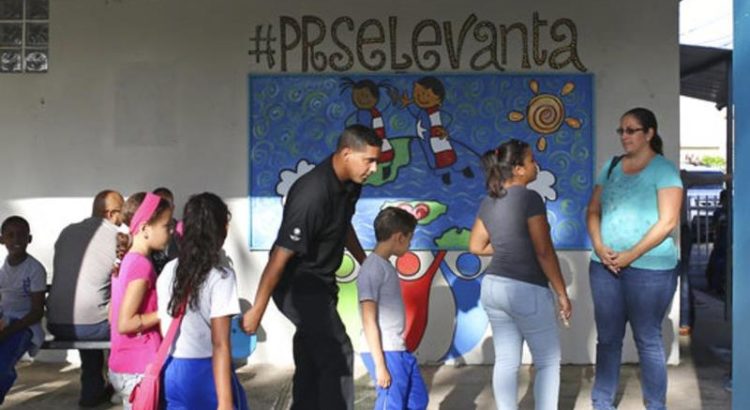
La Secretaria de la Familia, Glorimar Andújar Matos, informó que 91 centros que atienden menores en los centros Head Start (HS) & Early Head Start (EHS), así como 78 Proveedores de Servicios del Programa para el Cuidado y Desarrollo del Niño (Child Care), recibirán a todo niño de la comunidad dentro de las edades de 0 a 5 años, de éstos haber perdido su centro de cuido o sus padres hayan perdido su hogar.

Ante la realidad que viven nuestras familias luego del paso del Huracán María, se hizo una petición al gobierno federal para obtener una dispensa que permita que menores fuera del programa de Head StartEarly Head Start y Child Care puedan recibir servicios en los centros. Tenemos que ser sensibles ante los enormes retos que enfrentan las familias en estos momentos. La solidaridad debe ser la norma,” explicó la Secretaria.

Los programas de Head Start & Early Head Start y Child Care son administrados por la Administración de Cuidado y Desarrollo de la Niñez (ACUDEN) del Departamento de la Familia. Esta tiene a su cargo 184 centros Head Start y 48 ambientes Early Head Start en ocho municipios. Estos son Aguadilla, San Sebastián, Sabana Grande, Peñuelas, Fajardo, Vega Baja y Yabucoa. Así mismo delega fondos a 78 centros de cuido del Programa Child Care a nivel de toda la isla incluyendo Vieques y Culebra.

La administradora de ACUDEN, la Dra. Nayda Negrón informó que “de los 184 centros de Head Start & Early Head Start que administramos, 91 están ofreciendo servicios al igual que 51 de los 78 del Programa Child Care en un periodo de 4 horas diarias por la limitación de energía. Sin embargo, todos los centros que ofrecen servicios tienen agua potable disponible,” aseguró la funcionaria.

Aí mismo, la administradora explicó que los centros abiertos cumplen con la regulaciones de seguridad, iluminación y buena ventilación requeridas. Además, se está trabajando un currículo alterno que atiende la parte socioemocional de los niños y niñas que asistan, “ aseguró la doctora Negrón.

Por su parte, la Secretaria Andújar informó que “el beneficio permanecerá activo hasta el mes de diciembre. De ser necesario se solicitará una extesión de la dispensa. Nuestro norte es asegurar el bienestar de todo menor que tenga necesidad de servicios y seguiremos brindando apoyo a los menores en todo centro disponible para ello, así lo ha solicitado el Gobernador de Puerto Rico, Ricardo Rosselló para quien la salud y seguridad de los niños ha sido una prioridad en esta emergencia,” aseguró.

Fuente noticia: http://www.periodicolaperla.com/abren-centros-de-educacion-temprana/

Comparte este contenido:

México: Estamos en la educación masiva, pero aún no en la universal: Malo Álvarez

México / 08 de noviembre de 2017 / Por: Nora Rachel RAMÍREZ / Fuente: https://www.elsoldetlaxcala.com.mx

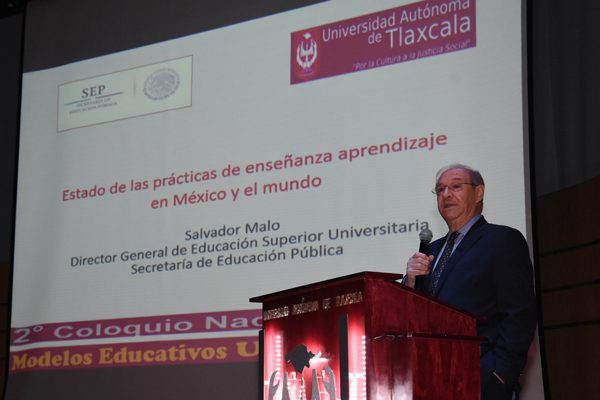
A México la masificación como la universalización llegaron casi medio siglo más tarde que en el resto del mundo, afirma el subsecretario de Educación Superior de la SEP

En la segunda mitad del siglo XX empieza lo que se llamó la masificación de las universidades, éstas atendían a más del 15 % de los jóvenes en edad de estudiar, y es hasta el último cuarto de siglo pasado cuando comienza lo que se conoce como universalización de la educación superior, significa que entran más del 50 % de los jóvenes a estas instituciones, reseñó Salvador Alejandro Malo Álvarez, subsecretario de Educación Superior de la Secretaría de Educación Pública (SEP).

Como parte de la conferencia “El estado de las prácticas de enseñanza-aprendizaje en México”, que dictó en el 2do. Coloquio Nacional sobre Modelos Educativos Universitarios, destacó que el país tiene el 35 o 38 % de estudiantes del grupo de edad que entran a las universidades, por lo que “estamos en la educación masiva, pero aún no en la educación universal”.

Expresó que la razón de esta situación es que a México y al resto de América Latina tanto la masificación como la universalización llegaron casi medio siglo más tarde que en el resto del mundo.

“En el caso particular de México dense cuenta que no podemos tener muchos más estudiantes en la educación superior, cuando la educación secundaria se volvió obligatoria apenas en 1993, y la media superior hasta el 2012; es claro que no podemos tener muchos más estudiantes universitarios porque de alguna manera el número de jóvenes que salen de las secundarias, sobre todo de la preparatoria, sigue siendo relativamente pequeño, con lo que se da en otros países”.

El doctor en Física por el Colegio Imperial de Londres explicó que se tienen que cambiar los modelos universitarios, “porque ahora la educación superior es para muchos o para todos, ya no es para una elite (como la que existía a principios del siglo XIX) y, sin embargo, seguimos utilizando los métodos educativos que se usaban para educar a unas pequeñas porciones de la población”.

Ratificó que la matrícula de educación superior en la República mexicana ha cambiado de ser de 50 mil personas, aproximadamente, en 1960, a ser en la actualidad casi cuatro millones, “se ha multiplicado 90 veces en ese periodo, efectivamente ahora la educación superior es para todos”.

Dijo que todo el mundo está yendo a la educación superior, y eso los hace entrar en una situación novedosa a nivel internacional, puesto que “ahora en el mundo tenemos más personas preparadas que nunca, son 270 millones de personas con educación profesional, y viene otro tanto estudiando en las universidades”.

Expresó que para afrontar este tipo de retos es preciso tener más personas preparadas y tener más tecnología, “en suma, el mundo va a tener cada vez más datos, más información, más conocimientos y energía, y eso es lo que va a ayudar, o está ayudando, a que tengamos más gente preparada que pueda aprovechar y usar todos esos datos”.

Señaló que existen factores que están incidiendo en la educación general y particular, por ejemplo, “la dinámica del conocimiento en cualquier área y disciplina es veloz; se están creando conocimientos dentro y fuera de las universidades, la cantidad de éstos hace que ya no podamos tener carreras para la vida”.

Agregó que los estudiantes que cursan una carrera en estos tiempos no podrán pensar que una vez que tengan su título universitario ya no va a estudiar, “ninguna persona va a poder dejar de estudiar si quiere mantenerse al día con lo que está pasando”.

La conferencia del subsecretario giró en torno a qué está sucediendo con las enseñanzas y los aprendizajes no solo en México, sino a nivel mundial; comparó tendencias y analizó hacia dónde se encamina el Modelo Humanista Integrador basado en Competencias (MHIC) de la Universidad Autónoma de Tlaxcala, sede del evento.

Aclaró que cada uno de los individuos aprende de manera diferente y, por lo tanto, enseñar a todos por igual, o esperar a que todos aprendan de la misma manera, es falso, “no podemos superar eso, no todos aprendemos y ni enseñamos por igual”.

Pidió a los docentes que los alumnos aprendan de manera diferencial, y que los profesores puedan por lo tanto preparar sus enseñanzas para que cada uno de los alumnos vaya a distinto paso, según sus propias habilidades y capacidades.

Fuente noticia: https://www.elsoldetlaxcala.com.mx/local/751455-estamos-en-la-educacion-masiva-pero-aun-no-en-la-universal-malo-alvarez

Comparte este contenido:

La educación emocional puede ayudar a prevenir el bullying.

Así lo aseguró Begoña Ibarrola, especialista española en neuroeducación.

Europa/España/08.11.2017/Autor y Fuente: http://www.lanacion.com.ar

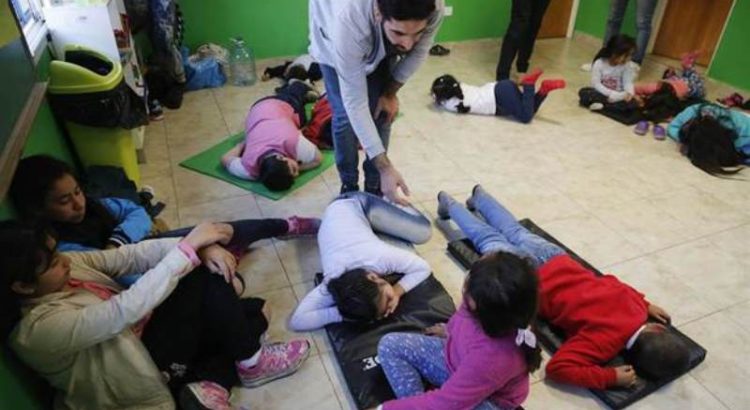
Incluir los sentimientos de los chicos en el aula, enseñarles a identificarlos y expresarlos son las bases de la educación emocional , una forma de enseñanza que creció en los último 25 años y que, gracias a los avances en la neurociencia, en la última década tomó más fuerza en todo el mundo.

Sobre la importancia de esta nueva forma de abordar la enseñanza y el aprendizaje, la especialista dijo que es necesaria también la educación de los docentes en temas emocionales. «Si conocemos el cerebro y las emociones podemos diseñar mejor las estrategias de aprendizaje y manejarnos mejor como personas ya que podremos identificar y controlar las emociones», señaló la especialista, y agregó: «Conocer cómo se desarrollan las emociones en el cerebro ayuda a entender mejor el proceso de aprendizaje en los alumnos. Que tienen menos problemas de conducta y son más felices».

Prevenir el bullying

Sobre la importancia de esta nueva forma de abordar la enseñanza y el aprendizaje, la especialista dijo que es necesaria también la educación de los docentes en temas emocionales
Sobre la importancia de esta nueva forma de abordar la enseñanza y el aprendizaje, la especialista dijo que es necesaria también la educación de los docentes en temas emocionales. Foto: Archivo

«El bullying se da en binomio. Se necesita un acosador y un acosado. Entonces, si se refuerza el autoestima y la asertividad, se evita que alguien se pueda sentir acosado, manipulado o maltratado por alguien. Además, si se refuerzan las competencias emocionales de una persona y se siente feliz, no necesita acosar ni hacer daño a nadie», graficó la española y concluyó: «Entonces, el acosador también se beneficia de la educación emocional. También se trabaja para evitar que haya personas que se sientan acosadas a través de mejorar su resiliencia y autoestima».

Educar en emociones desde la panza

«Como sentimos emociones antes de nacer, la primera lección sería para la madre que está gestando un bebé. Ella es responsable de las emociones que tiene el bebé y se debería comunicar a través de la voz y el canto mientras está en el útero porque eso refuerza el vínculo entre los dos», dijo la psicóloga, al ser consultada sobre desde qué edad se puede utilizar estas técnicas.

«Una vez que nace, empieza otro periodo de la educación emocional. El bebé debe sentir la empatía del adulto ante sus emociones que interprete lo que le está pasando y de soluciones a lo que le ocurre. La educación más formal, con docentes, empezaría recién a los 3 años», añadió.

«En la sociedad hay determinadas competencias emocionales que no se valoran, pero luego se exigen en las empresas. También hay una esquizofrenia social porque le estamos diciendo al chico que se autocontrole, pero todo el tiempo en la tv los adultos dan muestras de descontrol permanente y que son muy valorados», dijo la profesional.

En ese sentido, explicó: «Los niños buscan vivir experiencias emocionantes. A veces les basta poco para crear un clima de emociones en el cual desarrollar su actividad lúdica. Por ejemplo, correr detrás de una pelota, jugar a las escondidas o infinidad de juegos y actividades que implican movimiento. Sin embargo, pocos viven el aprendizaje académico como una experiencia emocionante. Por eso, uno de los grandes retos de la educación consiste en implicar emocionalmente al alumnado en el proceso de aprendizaje».

Ibarrola también dio una serie de consejos para comenzar con la educación emocional desde el hogar:

«Los padres deben desarrollar empatía con sus hijos. Incluso antes de que empiezan a hablar tienen que entender lo que sienten sus hijos. Deben ser una especie de espejo donde se reflejen los sentimientos del bebé que todavía no puede hablar», sería el primer paso y «una vez que empieza a hablar le podemos enseñar a describir con palabras sus sentimientos. Así como se amplía el vocabulario, ampliar su vocabulario emocional. Que diga cómo se siente»

«Desde los 3 años se los puede ayudar a controlar su conducta. Desde que hay control de esfínteres ya se puede controlar las emociones. No reprimirlas, sino canalizarlas adecuadamente», dijo Ibarrola y marcó: «Ahí los padres son modelos».

«También hay que enseñarles a desarrollar su autoestima para que no haya una dependencia emocional».

Fuente: http://www.lanacion.com.ar/2080169-la-educacion-emocional-puede-ayudar-a-prevenir-el-bullying

Imagen: http://bucket1.glanacion.com/anexos/fotos/63/educacion-2565663w620.jpg

Comparte este contenido:

La educación de nuestros niños en Puerto Rico sigue bajo ataque.

“Es hora de abrir nuestras escuelas en Puerto Rico y continuar con el tesón inquebrantable para luchar por una educación pública accesible y alta de calidad”.

Centroamérica/Puerto Rico/08.11.2017/Autor y Fuente:http://www.univision.com/

En semanas recientes hemos observado con total perplejidad cómo la administración colonial de turno continúa demostrando su continua lealtad a los intereses económicos que hoy buscan privatizar a Puerto Rico. Como si no fuera suficiente la vergüenza que deberían haber sentido por la escandalosa contratación por 300 millones de dólares de la compañía Whitefish, cuya nómina consistía de solo dos empleados, ahora esta administración intenta seguir hacia delante con su ruta ya trazada de cerrar más escuelas públicas. Ya todos hemos visto el cierre sistemático de más de 180 escuelas públicas por toda la isla como preámbulo a lo que he denominado como el golpe final a la educación en Puerto Rico.

Solo el Partido Independentista Puertorriqueño ha demostrado un compromiso genuino por la educación pública de Puerto Rico. Bajo el régimen colonial americano en la isla, la educación jamás fue, ni es prioridad para los principales partidos coloniales de la isla, entiéndase el Partido Nuevo Progresista y el Partido Popular Democrático. Esta cruda realidad no debe sorprendernos ya que la estructura colonial impuesta por los Estados Unidos en Puerto Rico siempre consistió en coartarles el acceso total a la educación a nuestros niños en Puerto Rico. De esta manera, el régimen colonial aseguraba la manipulación de las masas en Puerto Rico para perpetuar la colonia mediante el uso de un vehículo letal conocida como la ignorancia. A través de la historia, hemos aprendido como la educación siempre ha sido la amenaza más grande para individuos o entidades opresoras.

El teórico y filósofo educativo norteamericano Noam Chomsky ha escrito varios estudios cognitivos fascinantes sobre las 10 estrategias primordiales para la manipulación efectiva de las masas por parte de los gobiernos. Según Chomsky, una de esas estrategias es mantener al público en la ignorancia total para así perpetuar el control de las clases elites, y en el caso de Puerto Rico, las clases elites que se nutren del sistema colonial.

Los puertorriqueños jamás hemos sido, no somos y jamás seremos una “clase inferior” a otra clase, por más que nos los hayan dicho los que hoy tienen poder absoluto sobre nuestra patria. Es hora de abrir nuestras escuelas en Puerto Rico y continuar con el tesón inquebrantable para luchar por una educación pública accesible y alta de calidad para nuestras futuras generaciones como la base y fundación de un nuevo Puerto Rico.

Un nuevo Puerto Rico libre y soberano con un modelo educativo excepcional a nivel mundial ya se ve sobre el horizonte… ¡Caminemos juntos hacia allá!

Fuente: http://www.univision.com/noticias/opinion/la-educacion-de-nuestros-ninos-en-puerto-rico-sigue-bajo-ataque

Imagen: https://cdn1.uvnimg.com/dims4/default/ea11749/2147483647/thumbnail/1240×698/quality/75/?url=https%3A%2F%2Fcdn4.uvnimg.com%2Fd4%2Fb1%2Fb2e2e042409b819c012ea87a0c4c%2Fpuerto-rico-maria-education-rnieves-univisionnet-2.jpg

Comparte este contenido:

Laredo, España: Padres de alumnos recibirán formación para mejorar la calidad educativa

Europa/España/Laredo /EFE-

Padres de alumnos de Laredo asistirán durante el curso escolar a charlas y talleres formativos denominados «Educando en familia», con el objetivo de mejorar la calidad educativa y de convivencia en el ámbito de las familias.

Se trata de una iniciativa puesta en marcha por el Ayuntamiento de Laredo y las Ampas del municipio donde se analizarán temas como el uso responsable de las redes sociales, la alimentación saludable, la prevención de adicciones, las normas, límites y castigos, las conductas de riesgo, el acoso escolar y ciberacoso, la seguridad o privacidad en el uso de los teléfonos móviles.

El concejal de Educación, Jesús San Emeterio (PSOE), ha señalado hoy en un comunicado de prensa que la idea es mostrar a las familias «herramientas» que permitan afrontar con «valentía» los nuevos retos que deben encarar en un mundo «tan complejo como es el actual».

Para ello, se trabajará desde «una perspectiva optimista y motivadora» para las familias, «fomentando la búsqueda de respuestas y soluciones, y buscando herramientas que les ayuden a llevar a cabo su importante labor como padres y madres», añade el concejal.

El proyecto «Educando en familia» es gratuito, de libre asistencia y se pondrá en marcha con una primera actividad el próximo día 22 de noviembre, a las 18.00 horas, en la Casa de Cultura Doctor Velasco de Laredo.

Posteriormente y hasta la finalización del curso escolar, cada mes tendrá lugar un acto, que abordará alguno de los temas indicados.

Fuente: http://www.eldiariomontanes.es/agencias/cantabria/201711/06/padres-alumnos-recibiran-formacion-1079584.html

Comparte este contenido:
Page 3121 of 6195
1 3.119 3.120 3.121 3.122 3.123 6.195