Page 4446 of 6131
1 4.444 4.445 4.446 4.447 4.448 6.131

Sudáfrica: SA’s tertiary education system needs overhaul: matrics

Sudáfrica/Enero de 2017/Fuente: IOL

RESUMEN: Con la atención del país enfocada en la accesibilidad de la educación terciaria en los últimos meses, en medio de protestas generalizadas en las que participaron miles de jóvenes sudafricanos exigiendo educación universitaria gratuita, la Agencia Africana de Noticias (ANA) buscó reunir las perspectivas de los futuros estudiantes universitarios. Lo que han recibido hasta ahora los ha preparado para su próximo capítulo en la vida. Los reporteros de ANA hablaron a la clase Matric de 2016 mientras se preparaban para escribir sus exámenes finales en Ciudad del Cabo y áreas circundantes acerca de sus pensamientos sobre el sistema educativo de Sudáfrica, cómo se puede mejorar y si los ha preparado para la universidad.

With the country’s attention focused on the accessibility of tertiary education in recent months amidst widespread protests involving thousands of South African youth demanding free university education, the African News Agency (ANA) aimed to gather the perspectives of the country’s future university students on how the education they have received thus far has prepared them for their next chapter in life.

ANA reporters spoke to the 2016 Matric class as they prepared to write their final exams in Cape Town and surrounding areas about their thoughts on South Africa’s education system, how it can be improved, and whether it has prepared them for varsity.

Many pupils praised their schools for equipping them with the skills necessary to pursue further studies. The majority, however, expressed concern at the subpar nature of the education system in the country, in particular noting the lack of infrastructure and resources allocated to schools in poorer regions, putting those pupils at a significant disadvantage.

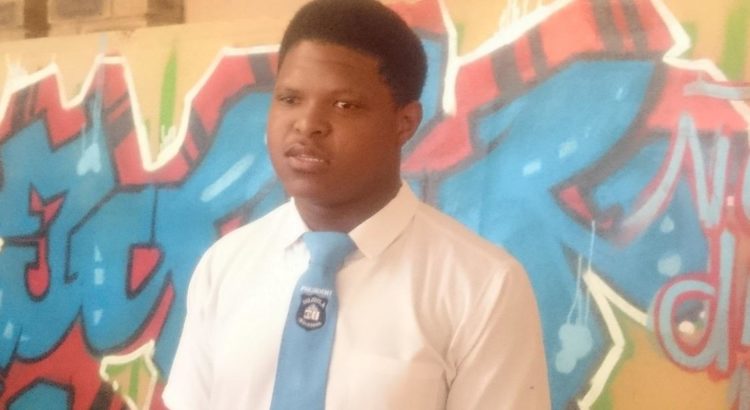
«In the poorer schools there is a lack of resources. If the government could produce more resources I think that would be much better,» said Nkosibonile Mahlangobeze, Head Boy of Isilimela High School in Langa. Mahlangobeze aspires to study Political Science and lead a career in politics.

Pupils who were able to afford higher quality private school or better of public school education also highlighted the inequality between schools in affluent regions and those that are disadvantaged.

«I think [that] the private schools and the schools we can afford to go to are much better in terms of the standard [of education] than the rest of South Africa currently receives,» said Alexandra Wittenberg-Scott, a pupil at Rustenburg High School for Girls in Cape Town’s leafy Southern Suburbs.

Wittenberg-Scott, who wants to study law, said: «But I know that a lot of South Africa doesn’t have the same benefits that we have.»

Yanga Gangasi, who attends Oscar Mpetha High School in Nyanga, said that education was very poor in his township and pupils were not safe at school. Gangasi, who also aims to study law, suggested that the government should provide more infrastructure, including computer and science labs to improve the quality of education in townships.

«The good side to this education is we are able to speak English, and we are able to solve some problems. But the bad side is we don’t have enough quality equipment to improve,» Chuma Poswa, also a pupil at Oscar Mpetha who wants to be a mechanical engineer, added.

Many students critiqued the lack of funding and neglect from the Department of Education, but expressed praise for their teachers.

«From the type of school [I come from] we are [not that] fortunate, but we are fortunate enough to have teachers who make use of what they have,» said Chulumanco Mawonga, a pupil at Portlands High in Mitchells Plain. When asked whether the education system had prepared her for varsity, she added: «I wouldn’t say it’s the Department of Education that has done that, but our teachers have made sure that we are on par with the things that we need to know.»

Mawonga, who wants to study law, psychology, or teaching, suggested that more frequent visits from the Department of Education would augment their ability to improve the quality of education that pupils received.

Matrics’ concerns extended beyond the lack of funding to schools, focusing also on the quality and method of teaching.

Le marco Jones, who also attends Portlands High, suggested that the current method relied mostly on pupils’ capacity to memorise the material they were taught. «It’s basically memory. If you have a good memory, you pass.»

Jones, who aspires to pursue future studies in film production and media studies, suggested that matriculants were «generally ill prepared» for the job market. High schools should be «more career oriented», he added.

Tamzyn Payne, a pupil at South Peninsula High School, who wants to study forensics, suggested that South African high schools prepared their students well for university in South Africa, but fell short of the standards of overseas institutions.

Similarly, Lusindiso Njodo, a pupil at Sebelius High School in Retreat, who aims to study either safety and security or film and media, remarked that the South African education system was «five years behind» the rest of the world.

At a time when government funding to the country’s tertiary education system is under public scrutiny, the unequal quality of schools observed by these matriculants indicate that investment in the country’s secondary education institutions, too, is deserving of attention.

Asked how she felt about the education system, Payne said: «They didn’t dream it. They didn’t make it as good as it could have been. And because of that it’s just carrying on without purpose.»

Fuente: http://www.iol.co.za/news/matric-results/sas-tertiary-education-system-needs-overhaul-matrics-7317720

Comparte este contenido:

Panamá: Estadísticas alteran la educación

Panamá/Enero de 2017/Autora: Yessika Valdés/Fuente:Panamá América

La falta de estadísticas oportunas del sector pública ha quedado en evidencia, luego de las diferencias en educación sobre la cantidad de estudiantes reprobados el año pasado.

La ministra Marcela Paredes aseguró que la cifra de 48 mil reprobados son del primer trimestre de 2016.

«Los resultados oficiales se publican en marzo siguiente a cada año lectivo, y es por esto por lo que queremos implementar un sistema de información de estadísticas actualizado y no interpretar la información», expresó.

El secretario general de la Asociación de Profesores, Diógenes Sánchez, dijo que el sistema educativo está en crisis y, aunque sean estadísticas del primer trimestre, son preocupantes, por lo que debe ser analizado.

En cuanto al sistema, el dirigente señaló que es para salir del paso, ya que no es la primera vez que la regente de la educación habla de la creación de un sistema de estadística dentro del Meduca para cuantificar todos los elementos y saber cuántos estudiantes han reprobado o desertado.

Fuente: http://www.panamaamerica.com.pa/nacion/estadisticas-alteran-la-educacion-1055178


Comparte este contenido:

Pakistan, France to strengthen cultural, sports, educational ties

Francia/Enero de 2017/Fuente: The Nation

RESUMEN: El Embajador de Pakistán en Francia, Moin ul Haque, hablando con el alcalde de París 8, Jeanne d ‘Hauteserre dijo que los contactos entre la gente mejorarán a medida que Pakistán y Francia trabajen para fortalecer su cooperación en el área de cultura, deportes y educación. Moin ul Haque enfatizó que podría lograrse un mayor entendimiento y respeto mutuo a través de contactos crecientes entre académicos, artistas, investigadores e intercambio de estudiantes y grupos culturales. El embajador también informó al alcalde de varios eventos que han sido planeados por la Embajada para introducir el rico patrimonio social, cultural, histórico y arqueológico de Pakistán para el pueblo francés.

Ambassador of Pakistan to France Moin ul Haque talking to Mayor of Paris 8, Jeanne d’ Hauteserre on Tuesday said that people to people contacts will improve as Pakistan and France work for strengthening their cooperation in the area of culture, sports and education.

Moin ul Haque emphasised that greater understanding and respect for each other could be achieved through increased contacts between scholars, artists, researchers and exchange of students and cultural troupes.

The ambassador further apprised the mayor of various events which have been planned by the Embassy to introduce Pakistan’s rich social, cultural, historical and archaeological heritage to the French people.

Conveying Christmas and New Year greetings to the mayor and people of France on behalf of the people of Pakistan, the ambassador expressed the hope that year 2017 would witness an intensification of relations between Pakistan and France.

While acknowledging the importance of people to people contacts, the mayor of Paris-8 extended her full cooperation to the Embassy of Pakistan in its effort to introduce Pakistan’s social and cultural heritage to the people of France.

The district of Paris-8 is the main business hub in the heart of Paris. The major touristic attractions such as Champs-Elysees, the Arc of Triomphe, the Place of the Concorde, Elysee Palace and as well as Embassy of Pakistan are located in Paris-8.

Fuente: http://nation.com.pk/national/03-Jan-2017/pakistan-france-to-strengthen-cultural-sports-educational-ties

Comparte este contenido:

Canadá: Teachers struggling after surge of refugees, U of W education expert says

Canadá/Enero de 2017/Fuente: CBC News

RESUMEN: Para los maestros de todo Canadá, el año pasado trajo nuevos retos a medida que miles de niños refugiados entraron al aula. Según Jan Stewart, profesor de la Facultad de Educación de la Universidad de Winnipeg, más de 20.000 de los refugiados sirios que se han establecido en Canadá tienen menos de 18 años y los juicios para maestros van desde barreras del lenguaje hasta trauma. Stewart, que escribió el libro Apoyando a los Niños Refugiados: Estrategias para Educadores, se ha embarcado en un nuevo estudio para conocer las necesidades especiales de salud mental de los estudiantes refugiados y cómo las escuelas pueden apoyar mejor a sus estudiantes. «El tema del trauma en el pasado de los estudiantes … si fue en Siria o también en Líbano, estamos viendo que el tipo de trauma lleva al lugar de asentamiento donde están tratando de lidiar con algunas de esas cuestiones», dijo Stewart dijo.

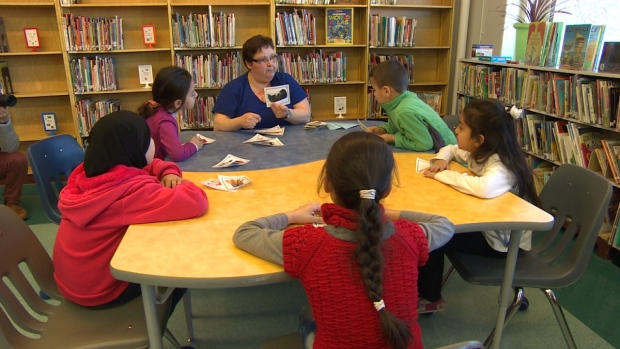
For teachers across Canada, the past year brought new challenges as thousands of refugee children entered the classroom.

More than 20,000 of the Syrian refugees who have settled in Canada are under the age of 18, and the trials for teachers range from language barriers to trauma, according to Jan Stewart, a professor in the faculty of education at the University of Winnipeg.

Stewart, who wrote the book Supporting Refugee Children: Strategies for Educators, has embarked on a new study to get a handle on what special mental health needs the refugee students have, and how schools can best support their students.

«The issue of trauma in the students’ past … whether it was in Syria or also in Lebanon, we’re seeing that the trauma kind of carries to the settlement place where they’re trying to deal with some of those issues,» Stewart said.

«And really, we’re struggling in classrooms to [find out] how best we can support these students and how can we provide teachers the background information they need.»

Students who have experienced trauma may not want to talk about what they’ve been through, and Stewart said mental health issues can carry a stigma.

«They just really want to be courageous and strong and they are saying, ‘There’s nothing wrong with me and I’m fine. This has just happened in the past,'» Stewart said.

At the same time, she said the students will matter-of-factly bring up stories about their communities and homes being bombed.

«Now we’re just starting to — in this particular group, now that the trust has been developed — get a better understanding of just how it has affected many of the students.»

Stewart said her meta-analysis of studies shows about 30 per cent of refugees are suffering from symptoms of post-traumatic stress disorder.

‘We want to learn English quickly’

Another issue that has emerged is classrooms where there are a number of refugee students all speaking the same language, she said. Many of the students are focused on learning language quickly, and pick it up faster when they are surrounded by English speakers.

«Some of the students are saying they’re going to quit school and move to another school because there are less Arabic speaking students. And that’s actually consistent from three of the sites that we’ve talked to students from,» Stewart said.

«It’s quite an interesting idea because you think that would be much more difficult for students to be immersed completely, but they are basically saying to us, ‘No, we want to do this. We want to learn English quickly.'»

She said students from the University of Winnipeg are working on a new program to help refugees with their English language skills.

Students ‘age out’

A lot of the students have also spent the last few years making money for their families rather than sitting in classrooms. They are already facing a drastic change once they arrive in Canada and now have to face an education gap, Stewart said.

«For many of these kids, they’re going to age out of our system, which means they’re going to be 21 and not permitted to be in school or high school anymore,» she said.

While many may continue on to an adult education program, Stewart said the more ideal approach would be to remove age caps in schools, which vary province to province.

«I think if there’s one thing we can do [it’s to] release the age cap. At least let the students stay in school and finish the high school requirements so that they can actually have a hope of moving to perhaps post-secondary education, or further training or even to a job,» she said.

Although there are hurdles to jump, Stewart said she is optimistic teachers are finding creative ways of addressing them.

«It’s something that we need to now be understanding a little bit better,» she said.

«So that’s part of my learning this past year, is to try to get as much information from experts around the world to try to say, ‘Okay, this is what we need to do to support students.'»

Fuente: http://www.cbc.ca/news/canada/manitoba/teachers-challenges-refugees-1.3910348


Comparte este contenido:

Colombia: Pobreza y embarazo, las causas de la deserción escolar de las mujeres

Colombia/Enero de 2017/Fuente: El Tiempo

La última Encuesta Nacional de Demografía y Salud (Ends), que se publica cada cinco años, presentó cifras sobre la situación de la educación en Colombia con un especial énfasis en la educación sexual y las diferencias entre géneros.

Según el informe, la educación juega un papel crucial como determinante de los comportamientos reproductivos y como el principal vehículo para que las personas y sus hogares puedan superar los círculos de pobreza y exclusión.

Para esta encuesta se entrevistaron 38.718 mujeres en edad reproductiva, de 13 a 49 años, y 35.783 hombres de 13 a 59 años de edad. Según el documento, el 40,5 por ciento de ellas no está asistiendo a un establecimiento educativo. Un porcentaje aun mayor al de los hombres que es del 40,4. Esto significa que por cada tres mujeres en edad escolar que asisten, hay dos que no lo hacen.

El impacto que tiene esta cifra en la salud de las familias y especialmente de los hijos es alto. La encuesta lo demuestra en cifras como la mortalidad infantil y de la niñez que están relacionadas con el nivel de educación de la madre.

En 65 casos de mortalidad en la niñez –número de niños menores de 5 años que mueren en un año por cada 1.000 niños en esas edades– las madres no presentan ningún nivel educativo; y en 51 casos de mortalidad infantil (menores de un año de edad), igual.

A medida que la madre tiene mayor nivel educativo, la tasa de mortalidad disminuye. En 24 casos de mil de mortalidad en la niñez, y 19 en mortalidad infantil, la madre tenía nivel de educación primaria. En 17 casos de mortalidad en la niñez y 15 en infantil, la madre tenía secundaria; y en 13, y 11 en la infantil, tenía educación superior. (Además: Los avances sociales de Colombia en los últimos cinco años)

De igual forma, el informe evidencia que cuanto menor nivel de educación, mayor es el número de hijos. Las mujeres sin educación tienen en promedio 3,9 hijos, aquellas que tienen primaria, 3 hijos; secundaria, 2,1; y superior, 1,6. Esto coincide también con aquellas mujeres de 15 a 19 años que son madres o están embarazadas.

Las que tienen solo primaria, el 36,4 por ciento, ya son madres, y el 5,4 están embarazas en el momento de la escuela. Aquellas que tienen secundaria, el 13,8 por ciento son madres, y el 3,9 están embarazadas. Mientras que el porcentaje es mucho menor en las profesionales, el 5,5 por ciento son madres, y el 2,6 están embarazadas.

Según explica el documento, el alfabetismo es una condición educativa básica sin la cual las personas están sometidas a limitaciones para desempeñar tareas, incluyendo su propio cuidado, la nutrición de los hijos y el saneamiento de sus hogares.

Según la encuesta, el analfabetismo de las mujeres del área rural es de 6,2 por ciento contra 0,9 por ciento del área urbana.

El 82,7 por ciento de las colombianas ha alcanzado un nivel educativo de secundaria o superior y por tanto saben leer y escribir. Otro 15,2 por ciento no ha alcanzado ese nivel, pero saben leer y escribir, y solo el 2 % no sabe leer ni escribir.

El informe también asegura que la repitencia de grados escolares se opone al logro y a la progresión educativa, estimula el abandono y afecta la eficiencia y la calidad educativa.

El porcentaje de repitentes en el primer grado de primaria es el más alto (10,2 por ciento en promedio nacional) pero tiende a bajar en los grados posteriores hasta ubicarse en un 3,1 por ciento en grado quinto. Aumenta nuevamente y se mantiene elevado (por encima del 8 por ciento) en los tres primeros años de la secundaria y tiende a bajar hasta ubicarse en 4,6 por ciento en el grado 11 de secundaria.

La repitencia de los hombres es sistemáticamente mayor que la de las mujeres en primaria como en secundaria.

Fuente: http://www.eltiempo.com/estilo-de-vida/educacion/razones-de-la-desercion-esc0lar-en-colombia/16784843

Comparte este contenido:

México: Proponen endurecer sanciones a agresores de DDHH

México/Enero de 2017/Autora: Yasmary Troconis/Fuente: Segundo Enfoque.com

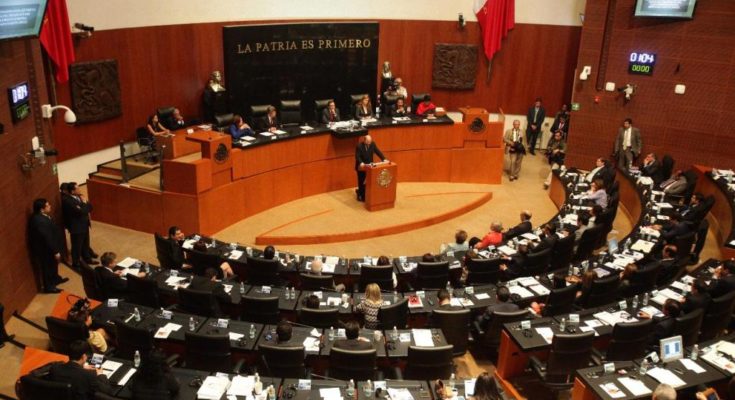
La senadora Marcela Guerra planteó aumentar hasta en un tercio la pena, cuando se cometa un delito en contra algún periodista o defensor de los derechos humanos.

Ante los múltiples riesgos que enfrentan  los defensores de derechos humanos, la senadora propuso endurecer las sanciones a quienes atenten contra los luchadores y promotores de las garantías fundamentales en el país, debido a que según cifras de la Comisión Nacional de Derechos Humanos (CNDH), en la última década, 29 defensores han sido asesinados y 13 son mujeres.

De esta manera, la legisladora planteó aumentar hasta en un tercio la pena, cuando se cometa un delito doloso en contra de algún periodista, persona o instalación con la intención de afectar, limitar o menoscabar el derecho a la información o las libertades de expresión o de imprenta, así como obstaculizar la labor de una persona defensora de los derechos humanos.

Según esta iniciativa,  la CNDH ha documentado que estos activistas son objeto de amenazas de muerte, desaparición forzada y hasta robo de equipo de cómputo. Algunas de las entidades que han tenido una mayor incidencia han sido Oaxaca, Guerrero, Chihuahua, Coahuila, Baja California, Chiapas, Ciudad de México y Puebla, señaló la legisladora por Nuevo León.

Asimismo, se ha informado que la propia Comisión Interamericana de Derechos Humanos (CIDH) ha constatado graves situaciones que amenazan sus garantías, ya que son víctimas de desapariciones y ataques contra la vida e integridad personal, tanto de agentes estatales como no estatales, prácticas de hostigamiento y amenazas, vigilancia e intervención de comunicaciones.

Dentro de la exposición de motivos de su iniciativa de reforma al artículo 51 del Código Penal Federal, la legisladora refiere también que la Red Nacional de Organismos Civiles de Derechos Humanos registró 104 casos de agresión a personas y organizaciones defensoras del tema, en las que se denunciaron un total de 409 agresiones y 27 asesinatos.

En ese sentido, se espera que la Cámara de Senadores tome en cuenta los planteamientos y de esta forma se puedan resguardar aún más los derechos fundamentales de las personas que cada día realizan un trabajo en pro de los derechos humanos.

Fuente: http://segundoenfoque.com/proponen-endurecer-sanciones-a-agresores-de-ddhh-20-309705/

Comparte este contenido:

Encuentran irregularidades en inspecciones ambientales en China afectada por esmog

China/Enero de 2017/Fuente: CCTV.com

Se encontró que varias empresas cometieron irregularidades que dañaron los esfuerzos de la protección medioambiental del país, ha destacado el Ministerio de Protección Ambiental.

Las irregularidades, incluyendo la reanudación no autorizada de la producción a pesar de la prohibición del gobierno y el incumplimiento de las medidas de reducción de emisiones, fueron descubiertas por diez equipos de inspección recientemente enviados a las regiones locales por el ministerio.

Los equipos de inspección pidieron a los gobiernos locales y a las compañías pertinentes que investiguen y rectifiquen la situación lo antes posible.

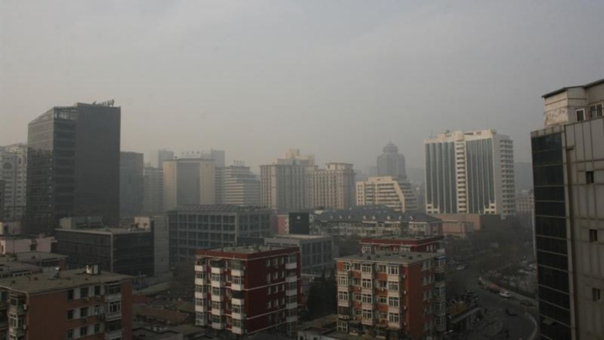
Las autoridades ambientales de Beijing indicaron hoy lunes que la ciudad mantendrá una alerta naranja por la grave contaminación del aire tres días más, ya que el esmog pesado continuará.

La alerta, originalmente efectiva de viernes a domingo, no se levantará hasta la medianoche del miércoles, según el Departamento Municipal de Protección Ambiental de Beijing.

Un total de 25 ciudades en China emitieron el domingo alertas rojas por esmog.

La calidad del aire en Beijing es mejor el lunes que el domingo debido a un débil aire frío, pero volverá a niveles de contaminación medios o pesados el martes y el miércoles, indicó el departamento.

Según un plan de emergencia, se prohíbe la circulación de vehículos pesados de gasolina y camiones cargados con basura de construcción. Se requiere que varias empresas manufactureras reduzcan la producción.

China aplica un sistema de alerta para el tiempo adverso de cuatro niveles codificados en cuatro colores, siendo el rojo el más grave, seguido por el naranja, amarillo y azul.

Fuente: http://espanol.cctv.com/2017/01/03/ARTI5QjiFwur9YYrUZboozIL170103.shtml

Comparte este contenido:
Page 4446 of 6131
1 4.444 4.445 4.446 4.447 4.448 6.131