Page 4662 of 6129
1 4.660 4.661 4.662 4.663 4.664 6.129

Rusia: Los BRICS ponen en marcha programa de intercambio universitario

Europa/Rusia/Noviembre de 2016/Autora: Elena Proshina/Fuente: Russia Beyond The Headlines

La red de universidades de los BRICS se basa en proyectos similares ya existentes, como son los proyectos de cooperación de las universidades de la CEI y de la Organización de Cooperación de Shanghái (OCS). El elemento principal de estas redes consiste en la movilidad académica, es decir, que los estudiantes de un país tienen la posibilidad de estudiar en otro.

Los primeros programas entre los BRICS comenzarán en 2017. Los estudiantes que pertenezcan a dicha red podrán realizar sus estudios no solo en la universidad de su país donde se hayan matriculado, sino en otra extranjera con la que se tenga un convenio. En caso de terminar los estudios de manera satisfactoria, obtendrán dos títulos.

“Esta red de cooperación cuenta con programas de maestrías y estudios de posgrado, proyectos conjuntos e investigaciones científicas. Básicamente, los BRICS van a lanzar un programa propio, y los cinco países miembro de la asociación (Rusia, Brasil, India, China y Sudáfrica) crearán un espacio educativo enorme”, explica la vicerrectora de movilidad académica internacional de la Univerdidad Rusa de la Amistad de los Pueblos, Larisa Efremova.

“Cada uno de los países propone sus programas más solicitados, aunque ya se han acordado las áreas de formación: recursos hídricos, recursos de uso eficiente de la energía, y formación de especialistas en el área de economía y de las tecnologías de la información”, apunta la académica.

La red de universidades de los BRICS formará a especialistas para la economía nacional de los países que participan en el proyecto. “Por ejemplo, Sudáfrica sigue bien de cerca la situación sobre las cuestiones de formación de especialistas en las áreas que considera pertinentes, y la Universidad Rusa de la Amistad de los Pueblos, por su parte, se ha convertido en prioritaria en la preparación de especialistas en el ámbito de la medicina, agronomía y veterinaria”, concreta Larisa Efremova.

Ya se han escogido las universidades principales de la red de universidades de los BRICS, ascendiendo a un total de unos cincuenta centros educativos de educación superior. Por la parte rusa se incluyen más de diez universidades, entre las cuales se encuentran la Universidad Rusa de la Amistad de los Pueblos, la Universidad Estatal de Moscú Lomonósov, la Escuela Superior de Economía, la Universidad Estatal de San Petersburgo, la Universidad Federal Sur de los Urales, la Universidad Politécnica de Tomsk, etc.

Todas estas cuestiones se plantearon durante  la conferencia internacional “BRICS: Cooperación para el desarrollo. Red de universidades y mercado de trabajo internacional”, celebrada en la Universidad Rusa de la Amistad de los Pueblos. Tuvo lugar a finales de octubre, participaron unas 150 personas de más de 20 países de todo el mundo y representantes de los Ministerios Nacionales de Educación de los BRICS, la CEI, la OCS, embajadas y órganos gubernamentales, además de empleadores interesados en la formación de especialistas y su futura inserción laboral.

Fuente: https://es.rbth.com/cultura/educacion/2016/11/08/los-brics-ponen-en-marcha-programa-de-intercambio-universitario_645879

Comparte este contenido:

Honduras: Estudiantes de la UNAH salen de nuevo a protestar

Centroamérica/Honduras/Noviembre de 2016/Fuente: La Tribuna

Por segundo día consecutivo, un grupo de estudiantes de la Universidad Nacional Autónoma de Honduras (UNAH), realiza una protesta frente a ese centro educativo.

Las acción, según los alumnos, es contra de la decisión del Presidente Juan Orlando Hernández, de aceptar una precandidatura presidencial.

El mandatario el pasado miércoles aceptó la propuesta de ser el candidato de los movimientos internos del Partido Nacional “Juntos por más Cambios” y “Unidos por la nueva Honduras”.

Luego de expresar su decisión, los universitarios se tomaron el bulevar Suyapa, donde quemaron llantas para impedir el paso vehicular e incluso protagonizaron actos vandálicos al quebrar los vidrios de varios negocios aledaños a la máxima casa de estudios.

Este jueves los universitarios volvieron a la carga y se tomaron de nueva cuenta ese bulevar, donde colocaron obstáculos y quemaron llantas.

Durante la protesta, varios medios de comunicación llegaron a cubrir la noticia y algunos revoltosos que se juntaron a los manifestantes agredieron a un periodista del canal  HCH.

Luego de golpear al comunicador los supuestos estudiantes quebraron un aparato de transmisión valorado en 40 mil dólares y una cámara cuyo precio anda alrededor de los siete mil dólares.

Ante esa situación, las autoridades de la Policía Nacional llegaron a la zona para evitar que generen más disturbios y daños a la propiedad privada.

Fuente: http://www.latribuna.hn/2016/11/10/estudiantes-la-unah-salen-nuevo-protestar/

Comparte este contenido:

Paraguay: Lucran con la discapacidad

América del Sur/Paraguay/Noviembre de 2016/Autor: Juan Carlos Lezcano F./Fuente: ABC Color

A pesar de recibir millones del Estado para becas a niños con discapacidad de escasos recursos, una organización les cobraba mensualmente a sus padres. Aparecen documentos con firmas que serían falsificadas en las justificaciones.

Es un golpe demasiado fuerte para nosotros”, dice el hombre. Durante toda la conversación había conseguido mantener la entereza, a pesar del enojo que cargaba encima como consecuencia de la situación y tratando de mostrar la figura de ser el duro del grupo. Sin embargo, en la despedida, ya cuando contaba que no estaba dispuesto a permitir que utilizaran a su hijo para malversar dinero público, la emoción lo terminó embargando.

Apenas sostuvo quieta la mano y comenzó a sollozar, abrazando a quienes estaban a su alrededor. Este hombre, cuyo nombre permanece en reserva ante el temor de posibles represalias contra él, su familia y sobre todo su hijo, es uno de los padres que detectaron la comisión de supuestas irregularidades por parte de una fundación dedicada al cuidado de niños con discapacidad.

Entre enero de 2015 y agosto de este año, el Centro de Desarrollo Integral para Niños y Adolescentes con Necesidades Educativas Especiales (Cedinane) recibió del Estado paraguayo G. 750 millones (G. 450 millones en todo 2015 y G. 300 en lo que va de este año) en concepto de subsidio para apoyo al trabajo que realizan, de acuerdo a documentos a los que tuvo acceso ABC Color y que constan ante la Contraloría General de la República (CGR) y el Ministerio de Hacienda.

De cara a la elaboración del Presupuesto General de la República para el año 2017, Cedinane solicitó al Parlamento que los G. 450 millones anuales que recibe por parte del Estado pasen a ser más de G. 1.700 millones el año que viene.

De acuerdo a documentos presentados por Cedinane ante el Poder Legislativo, esta es una “asociación sin fines de lucro que se dedica a la atención de personas con autismo y sicosis”. Al frente de la institución se encuentra Viviana Sánchez Bobadilla y como directora de la escuela de la fundación está la colombiana Adriana Bueno de Montoya.

Para justificar el pedido de ampliación de fondos que recibirá por parte del Estado en 2017, la fundación presentó un proyecto en el que detalla una serie de actividades que realizó y que planea establecer el año que viene.

Es aquí donde empiezan los problemas.

Becados que no son tan becados

De acuerdo a los documentos presentados por Cedinane, la asociación otorgó becas totales y parciales a 100 niños de escasos recursos que acuden diariamente a la misma para recibir tratamientos y formación. Para justificar esto, presentaron una lista de los beneficiarios y los servicios que reciben.

Sin embargo, grande fue la sorpresa de los padres de algunos de los chicos que aparecen como supuestamente becados pero que en realidad deben pagar todos los meses las cuotas de la institución.

Solo para poder inscribirse, los padres deben pagar una matrícula de G. 850.000. En caso de que los niños permanezcan medio día en la institución, la cuota mensual es de G. 650.000; en caso de ser día completo, la suma asciende a G. 850.000. A ello se le suma además G. 550.000 que se debe abonar para pagar a las maestras sombra, profesionales que deben brindar atención personalizada a los niños, a la par que los profesores del cursos. Y también deben abonar G. 100.000 por el transporte escolar.

En resumidas cuentas, los padres deben abonar mensualmente entre G. 1.200.000 y G. 1.500.000. Muchos de ellos son personas de escasos recursos que apenan puede conseguir el dinero, dinero que ya no deberían abonar, según las rendiciones presentadas por el Cedinane ante el Ministerio de Hacienda.

Como si esto fuera poco, en la lista de beneficiarios no son pocos aquellos que en los papeles supuestamente reciben tratamientos que de en realidad nunca recibieron. Es el caso de las terapias ocupacionales o capacitaciones para los padres, que en todo el año participaron apenas de un taller, de acuerdo a versiones a las que tuvimos acceso.

Según los documentos, la institución utiliza el dinero público hasta para el pago de las cuotas de la compra del local en el que funciona actualmente. Aun así, en reiteradas ocasiones, desde la fundación les dijeron a los padres que apenas si podían cumplir con el pago de este compromiso con el dinero que reciben.

En el local, que no cuenta siquiera con patio, más de 100 niños deben convivir diariamente, sin poder siquiera contar con un espacio de esparcimiento para los ratos libres. Hasta remeras que debían haber sido adquiridas con el dinero público fueron pagadas por los padres para el uniforme de sus hijos. De hecho, a principio de cada año, son los propios padres los que deben comprar papel higiénico para proveer a los baños de la institución, baños que se encuentran en situación deplorable.

Por otra parte, la organización no solo recibe dinero público sino también donaciones privadas como de juegos de azar o programas de padrinazgo a los cuales se tuvieron que acoger varios niños que, de hecho, ya estaban becados, por lo menos en papeles.

Los padres deben hasta pagar el aguinaldo de las maestras sombras.

Pasantes, no profesionales

Varias de las personas que deben asistir a los niños no cuentan siquiera con títulos universitarios, sino que son pasantes de alguna universidad en la que representantes de Cedinane se desempeñan como docentes.

Firmas no coinciden

Además de la lista de beneficiarios, el Cedinane incluye en sus reportes bimestrales ante el Ministerio de Hacienda fichas de los 100 beneficiarios de las becas que llevan la firmas de los padres de los mismos. Sin embargo, en varios de estos documentos a simple vista se puede notar que las firmas que aparecen en los documentos que son presentados ante la cartera de Estado no coinciden con las firmas de los documentos de identidad de los mismos.

Por otra parte, varios de los niños que aparecen en la lista de beneficiarios en realidad ni siquiera asistirían más a la institución, pero aun así la institución continúa recibiendo dinero estatal para otorgarles becas. Varias madres afirmaron que representantes de la institución les dijeron en más de una ocasión en persona y a través de mensajes que, en caso de no contar con el dinero necesario para pagar las cuotas, debían simplemente acudir a las instituciones públicas o a donde pudieran abonar lo que se les pedía.

Los padres que recibían esta respuesta ante los pedidos de financiamiento de las deudas acumuladas eran varios de los que figuraban como beneficiarios de las becas que supuestamente otorgaba el Cedinane.

Ausencia del Estado

Además de las irregularidades que se estarían cometiendo desde Cedinane, a la luz sale nuevamente la total ausencia del Estado a la proveer a un sector desprotegido de la sociedad, como los niños con discapacidad, estructuras necesarias dentro de las instituciones públicas.

Si bien se encuentra ya en vigencia la Ley 5.136, de educación inclusiva, pocas han sido las instituciones educativas públicas que se han adecuado para proveer las condiciones mínimas a los niños con autismo; tampoco existen programas de becas o subsidios para los mismos. Más grave aún es que fundaciones como Cedinane, que reciben dinero estatal para tratar de paliar esa ausencia, no destine completamente a los niños los millones que recibe.

Intentamos conocer la versión de los representantes de Cedinane; sin embargo, sus teléfonos celulares daban apagados u ocupados.

Fuente: http://www.abc.com.py/especiales/fin-de-semana/lucran-con-discapacidad-1536409.html

Comparte este contenido:

Etiopía: 11ª reunión del Comité Intergubernamental para la Salvaguardia del Patrimonio Cultural Inmaterial

Africa/Etiopía/Noviembre de 2016/Fuente: UNESCO

11ª reunión del Comité Intergubernamental para la Salvaguardia del Patrimonio Cultural Inmaterial

Cuándo, hora local:  Lunes, 28 noviembre 2016 – 10:00amViernes, 2 diciembre 2016 – 6:00pm
Dónde:  Etiopía, Addis Ababa
Tipo de evento:  Categoría 2 – Reunión Intergubernamental
Contacto:  e.constantinou@unesco.org

Formado por 24 países y elegidos por la Asamble General de Estados Partes de la Convención de 2003 para la Salvaguardia del Patrimonio Cultural Inmaterial, el Comité Intergubernamental se reúne una vez al año.

Durante esta reunión, presidida por Yonas Desta Tsegaye (Etiopía), el Comité examinará los informes periódicos de los Estados Partes sobre la implementación de la Convención y respecto al actual estado de los elementos inscritos en la Lista Representativa del Patrimonio Cultural Inmaterial de la Humanidad. También se estudiarán las inscripciones en la Lista del Patrimonio Cultural Inmaterial que requiere medidas urgentes de salvaguardia, en la Lista Representativa del Patrimonio Cultural Inmaterial de la Humanidad y se otorgará asistencia financiera del Fondo del Patrimonio Cultural Inmaterial.

Tema/s:
Proteger el patrimonio y fomentar la creatividad
Patrimonio Cultural Inmaterial
Patrimonio en peligro
Diversidad de las expresiones culturales
Fuente: http://es.unesco.org/events/11a-reunion-del-comite-intergubernamental-salvaguardia-del-patrimonio-cultural-inmaterial
Comparte este contenido:

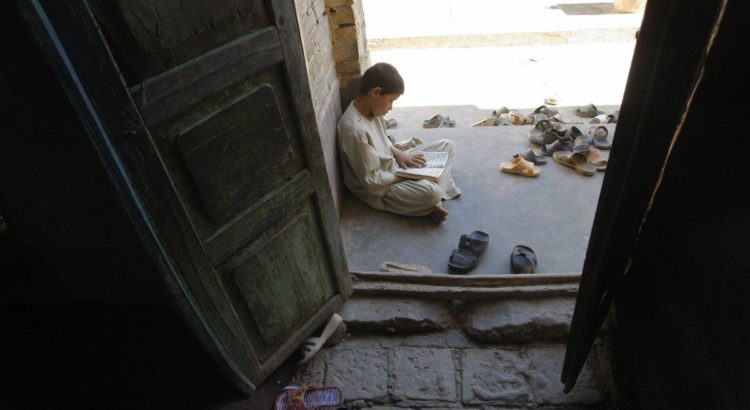
Estados Unidos: U.S. spends millions on poorly attended, structurally unsound schools in Afghanistan

América del Norte/Estados Unidos/Noviembre de 2016/Fuente: Daily News

RESUMEN: Numerosas escuelas financiadas por Estados Unidos en Afganistán son poco atendidas y estructuralmente inadecuadas, y algunas carecen de las necesidades básicas como agua limpia y electricidad, según un informe de control. El informe, escrito por John Sopko, Inspector General Especial para la Reconstrucción de Afganistán, aborda las observaciones de 25 escuelas de la provincia de Herat. Las escuelas fueron construidas o rehabilitadas usando los fondos de los contribuyentes de la Agencia de los Estados Unidos para el Desarrollo Internacional. Hasta septiembre, los Estados Unidos han desembolsado $ 868 millones para programas de educación en Afganistán.

Numerous U.S.-funded schools in Afghanistan are poorly attended and structurally unsound, and some lack basic necessities such as clean water and electricity, according to a watchdog report.

The report, written by John Sopko, Special Inspector General for Afghanistan Reconstruction, addresses observations from 25 schools in the province of Herat.

The schools were either built or rehabilitated using taxpayers’ funds from the U.S. Agency for International Development.

Through September, the United States has disbursed $868 million for education programs in Afghanistan

The schools are operated by the Ministry of Higher Education.

Investigators at schools in Herat — Afghanistan’s third-largest city — found absenteeism for students and teachers. While officials reported an average enrollment of 2,639 students at each of the schools in the Herat province, only 561 students on average were found at each school, or 23 percent of the reported numbers, according to the report.

Many of the inspected schools, which are operated by the Ministry of Higher Education, lacked basic necessities such as clean water and electricity, while others had structural deficiencies that interrupted the process of education, Sopko wrote.

Missing or broken doors and windows were also common.

USAID, in a written response to NBC News, claimed  the site visits weren’t enough to substantiate the claims from the SIGAR report.

Sopko fears corruption and security issues could undermine the positive impacts the United States has had in Afghanistan, especially as the Taliban regains influence in the country.

«We could lose it all and all the investment for the last 15 years if we don’t get it right as we go forward,» Sopko told NBC News.

Fuente: http://www.nydailynews.com/news/world/spends-millions-attended-unsound-schools-afghanistan-article-1.2867861

Comparte este contenido:

El Salvador: Los estudiantes que controlan una casa con una laptop

Centroamérica/El Salvador/Autora: Susana Peñate/Fuente: La Prensa Gráfica

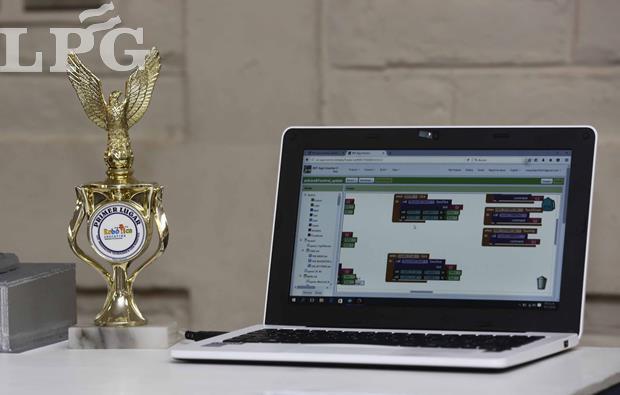
Lo que inició como un experimento con conexiones eléctricas con focos led, que al principio se quemaron, seis meses después se convirtió en un proyecto de innovación que le permitió a estudiantes del Instituto Nacional Simón Bolívar no solo obtener un reconocimiento en el campamento de Robótica de este año, sino también descubrir sus vocaciones técnicas y el deseo de convertirse en profesionales en ingeniería eléctrica, arquitectura y programación de sistemas. Durante seis meses estudiantes de Segundo Año de Bachillerato en Sistemas Eléctricos, del municipio de Santo Tomás, trabajaron en el proyecto “Domo TIC House”, que consiste en una casa automatizada que puede ser controlada a través de dispositivos móviles o tableta con un programa que ellos configuraron, para lo que utilizaron conocimientos adquiridos en bachillerato e incorporando nuevos.

“Nosotros podemos resaltar que todos los circuitos que se le hicieron fueron creados por nosotros. No fuimos ni descargamos ningún tipo de archivo, ya que nosotros trabajamos con lo que son los arduinos. Esta es una placa programable, con la que se pueden hacer códigos y manejar lo que sea”, dijo Dagoberto García, de 18 años, quien está interesado en continuar sus estudios en circuitos industriales.

Agregó que utilizaron otros dispositivos llamados relevadores para establecer el voltaje necesario para soportar las luces led y los motores para abrir y cerrar el portón de la casa, el elevador y el encendido del sistema de ventilación. Todo controlado por medio de una aplicación.

“La parte que más me costó fue hacer la aplicación, porque era una experiencia nueva para mí, nunca había hecho algo así. Era un reto. Buscando en YouTube encontré ejemplos para poderme guiar y encontrar la aplicación para la casa”, dijo Salomón Portillo, de 18 años, quien descubrió que su vocación está en el desarrollo de software.

Para los estudiantes, el “Domo TIC House” es un proyecto integral, ya que aplican no solo los conocimientos de electricidad, sino también de matemáticas para las medidas de la casa, la cual fue hecha con madera.

“Primero empezamos con la arquitectura, armando todo. Primero lo habíamos puesto que se destapara, ahí comenzamos a ponerle los alambres, focos, sensores, todo lo eléctrico”, dijo Daniel Clará. De hecho, este joven confirmó que la arquitectura es la rama que desea estudiar.

Otros componentes del proyecto es que todo se enlaza con Bluetooth hacia una tableta o teléfono inteligente, se conectó con energía renovable, es decir, con una celda solar y lleva un componente de inclusión, ya que el elevador se agregó pensando en la accesibilidad para personas con discapacidad.

Todos estos componentes contribuyeron a que obtuvieran el primer lugar en la categoría de Innovación Pedagógica en Robótica Educativa en el campamento de Robótica organizado por el Viceministerio de Ciencia y Tecnología el pasado mes de septiembre, donde compitieron con otras instituciones con más trayectoria.

“Fue puntaje limpio de 100 %. Los jueces no tuvieron ni tan siquiera intención de decir “les voy a poner un nueve o 90 puntos, se fueron a la nota perfecta”, dijo Mario Antonio Fermán, coordinador del aula informática del instituto. Asegura que esto les motiva a prepararse mejor y seguir apostándole a proyectos innovadores. Otro aspecto es que en la forma que está diseñada la casa automatizada se puede trasladar a escala real, recalculando los voltios necesarios. “Prácticamente, el sistema es súper transferible a una realidad, vendible, eso es lo más importante. Porque ese es el objetivo”, dijo Joel Sandoval, director del instituto.

Fuente: http://www.laprensagrafica.com/2016/11/10/los-estudiantes-que-controlan-una-casa-con-una-laptop


Comparte este contenido:

Sudáfrica: Basic Education Rejects Allegations Relating to Needu

África/Sudáfrica/Noviembre de 2016/Fuente: All Africa

RESUMEN: El Departamento de Educación Básica rechaza alegatos ridículos de la Alianza Democrática relacionados con NEEDU.El Ministro de Educación Básica de la Alianza Democrática (DA), Sr. Gavin Davis, ha formulado las absurdas e infundadas afirmaciones de que la Ministra de Educación Básica, la Sra. Angie Motshekga, está intentando influir de manera inapropiada en la labor de la Unidad de Evaluación y Desarrollo de la Educación Nacional NEEDU) y restringir su independencia. Las acusaciones provienen de un correo electrónico interno filtrado por el CEO interino del NEEDU, el Dr. Sibusiso Sithole al equipo de NEEDU. El correo electrónico fue visto en completo aislamiento de todos los demás acontecimientos que habían tenido lugar en el proceso de NEEDU la realización de su negocio. El Director Ejecutivo de NEEDU, personalmente abordó las preocupaciones planteadas y aclaró las opiniones mal informadas que el Sr. Davies llegó a saltar a conclusiones sobre un tema que él sabe muy poco sobre.

Department of Basic Education rejects ridiculous Democratic Alliance allegations relating to NEEDU

The Democratic Alliance (DA) shadow minister of Basic Education, Mr. Gavin Davis, has made the absurd and unfounded claims that the Minister of Basic Education, Mrs. Angie Motshekga is attempting to inappropriately influence the work of National Education Evaluation and Development Unit (NEEDU) and curtail its independence.

The allegations stem from a leaked internal email by the Acting CEO of the NEEDU, Dr Sibusiso Sithole to the NEEDU team.

The email was viewed in complete isolation from all other developments that had taken place in the process of NEEDU conducting its business.

The NEEDU CEO, personally addressed the concerns raised and clarified the ill-informed opinions that Mr. Davies arrived at by jumping to conclusions on a topic he clearly knows very little about.

The Business Case and Business Plan for the Establishment of the Office of Standards and Compliance for Basic Education (OSCBE), is one of the NEEDU founding documents, which was developed in consultation with and guidance from the Department of Public Service and Administration (DPSA) and the National Treasury. This document provides as follows:

«The unit [NEEDU] will be required to report annually to the Minister of Basic Education.»

Similarly, in section 5 (3) the NEEDU Bill, provides that «The NEEDU is accountable to the Minister for the performance of its functions in terms of this Bill.»

In line with these provisions, on 11 July 2016, the NEEDU met with the Minister. The purpose of this meeting was two-fold. First, to brief the Minister about the work of the Unit in the first five-year cycle of systemic evaluations (2012-2016), and, second, to present the plan for the Unit in the second five-year cycle (2017-2021).

«Following our briefing, the Minister asked the NEEDU to conduct deeper investigations on the areas that continue to cause concern in the system. This is what I called ‘the Minister’s directive’ in my communication to the NEEDU team. The Minister’s request or ‘directive,’ (the term that I used in my correspondence), is in line with section 6 (1) (h) in the NEEDU Bill and section 7(1) in the Regulations for the Establishment of the OSCBE, another NEEDU founding document. These clauses provide that ‘the functions of the NEEDU are to undertake any task consistent with this Bill at the request of the Minister,'» explains NEEDU CEO, Dr Sibusiso Sithole.

The NEEDU CEO admitted that as a team they have erred in judgment on several occasions over the past five years to the extent that they had to apologise to the Minister. «In my communication to the NEEDU team, when I was talking about the Minister having raised concerns about how ‘certain issues were handled in the past,’ I was referring to these errors in judgment, which are best known to the NEEDU team and the Ministry,» said Sithole.

He explained that when the Minister talked about the NEEDU being «the research/information hub of the department,» in his email, she was not talking about the NEEDU being part of the Department. She was in fact challenging NEEDU that, in conducting its own research, it must not be oblivious of research findings from the academia and the Department’s social partners. Engaging with research findings from these sources, and advising the Department about the implications of these findings on the work of the Department is part of NEEDU work as envisaged in The Business Case and Business Plan for the Establishment of the OSCBE. The following clause is quoted from this founding document to illustrate the point:

«The advisory reports of the unit [the NEEDU] will be uncompromisingly evidence-based, drawing only on the best available empirical data for its public declarations on the state of schools in South Africa.»

In line with the provisions of sections 6(1) (f) and 7(1) (a) in the NEEDU Bill and the Regulations for the Establishment of the OSCBE, respectively, in its national reports, NEEDU «makes proposals [to the education system] for remedying shortcomings in educational practice and eliminating barriers to quality education.»

In the NEEDU briefing to the Ministry, it indicated that over the past five years NEEDU had observed that some areas continued to cause concern in the system. They provided a list of these areas, and advised the Minister that they needed further in-depth investigation. From this list, NEEDU proposed that the Department should suggest which areas NEEDU could prioritise given that, due to financial constraints, NEEDU could not investigate all areas. «I was referring to these areas in my communique with the NEEDU team when I was talking about having ‘received a response to our submission from senior management about what they think we must prioritise in our work,'» said Sithole.

Having completed the first five-year evaluation cycle in July 2016, NEEDU needed to brief the Minister about its plan for the second five-year cycle (2017-2021). This is line with The Business Case and Business Plan for the Establishment of the OSCBE, which reads:

«Two factors must be present in the structure of OSCBE: independence from the DBE and the requirements to report to the Minister of Basic Education on the activities and outcomes of its work. These two factors are not in contention with each other, as the need for independence is related more to location, internal processes and a perceived separateness from the DBE whereas the need to report to the Minister is quite clear in terms of hierarchical accountability.»

Anticipating that, due to the Minister’s busy schedule, the meeting to brief her about the plan for the second five-year cycle would not take place as planned, the NEEDU had tentatively planned to do follow-up visits in schools that were evaluated in 2013 to establish how they were implementing NEEDU recommendations. «After briefing the Minister as NEEDU we felt it best to proceed with the commencement of the second five-year cycle plan. The reference to ‘suspending all school and district visits in mid-September to start planning for new work’ in my communication to the NEEDU team was about commencing with the second five-year cycle plan,» said Sithole.

The «close» relationship that the Minister was talking about is envisaged in all NEEDU founding documents. For example, The Business Case and Business Plan for the Establishment of the OSCBE, provides as follow:

«While OSCBE may have its own Advisory Council in terms of governance, it must be clearly established at the outset that the ultimate responsibility for ensuring that the unit achieves its objectives is with the Minister of Basic Education. It is essential that the Advisory Council and the CEO ensure that this relationship is nurtured.»

«Establishing OSCBE as a public entity outside government would not be ideal, since the kind of governing board required by a public entity outside of government will inhibit the direct relationship between the Head [of NEEDU], the NEEDU and the Minister required for the optimal functioning of OSCBE.»

Pursuant to the working relationship between the NEEDU and the Ministry of Basic Education envisaged in the NEEDU founding documents (quoted above), the Ministry cogently encouraged a relationship that would see the Department integrating the NEEDU findings and proposals in its work and using these findings to inform its planning. This is exactly the reason why NEEDU was established.

The Planning and Delivery Oversight Unit (PDOU), a branch within the Department of Basic Education, is tasked with the responsibility of monitoring and identifying gaps regarding how the system is working towards school improvement. To keep the NEEDU at «arms-length» from the Department, as envisaged in the NEEDU founding documents, it was prudent that one entry point through which NEEDU would engage with the Department should be identified. The PDOU was identified as that entry point. Thus, the two units (the NEEDU and the PDOU in the Department) would work collaboratively with NEEDU proposing approaches and strategies necessary for systemic change and PDOU, working with and through the provinces, addressing NEEDU findings. This is to ensure that NEEDU recommendations lead to notable impact in the system.

«It was never the Minister’s intention that NEEDU will be absorbed by the PDOU. It is for this reason that in my communique with NEEDU officials I said «NEEDU will work with [not under] the PDOU,» clarified Sithole.

The assertion by Mr. Davies that the Minister of Basic Education shelved the NEEDU Bill gazetted on 23 December 2011 in a bid to curb the independence of NEEDU is equally absurd.

Firstly the Minister did not shelve the NEEDU Bill. In 2012 the NEEDU Bill was gazetted for public comment. Comments from the public were received and changes were incorporated in the final draft.

In 2013, subsequent consultations with the National Treasury and the DPSA revealed that the then Minister of Public Service and Administration was of the view that institutions like NEEDU be established, not as statutory bodies, but as independent government components, under the generic title of Office of Standards and Compliance. It is within this understanding that the DPSA advised the NEEDU to abandon the Bill route in favour of establishing NEEDU as a «government component» called OSCBE.

The NEEDU Bill was then packaged into «Regulations for the establishment of OSCBE» verbatim, without any changes. In other words, the Regulations for the establishment of OSCBE are not different from the provisions of the final draft of the NEEDU Bill. In fact, the Regulations are nothing but euphemism for the already gazetted NEEDU Bill.

Following the decision by the DPSA to pursue a new legal pathway, plans are currently in progress to set NEEDU up as a government component, known as the Office of Standards and Compliance for Basic Education (OSCBE). The Minister would consult with the CEM on the Regulations, formulated in discussion with DPSA, DBE legal advisors and the State Law Advisor. Second, OSCBE would then be established by means of promulgation of the Regulations.

The Minister has in no way delayed the NEEDU report, delays in the report has absolutely nothing to do with her.

The 2014 NEEDU draft report was submitted to the Department of Basic Education for comments in December 2015. In terms of the NEEDU protocol, each site visited (including schools, districts, provinces and the national office) is given four to six weeks to comment on the NEEDU draft report before it is finalised. This practice, which was followed before the 2012 and 2013 NEEDU Reports were finalised, was also followed with regard to the 2014 Report.

NEEDU received inputs from the Department in February 2016. After considering these inputs carefully, there was a need for further analysis of data to provide evidence on the claims and conclusions that the report was making and to collect additional data to close the gaps that were identified in the report.

There are two main factors that caused the delay in the finalisation of the 2014 report according to NEEDU. First, owing to limited funds, further analysis of data had to be done in-house by two NEEDU staff members. While NEEDU has 25 professional staff members, 23 are field-workers (and are based in the provinces), and only two (at head office) are responsible for preparing the national reports, including the analysis of data and the collation of provincial reports into a national report. Secondly, the collection of additional data took longer than anticipated because the NEEDU team had to split into two groups. In the first semester of 2016, NEEDU had already planned to evaluate the quality of curriculum delivery in special schools. One team was therefore responsible for collecting data in special schools while another team was collecting additional data required to finalise the 2014 report. Data collection was completed in July 2016.

Informed by further analysis of data and additional data that was collected, the 2014 draft report is at the final stages of amendment and will be re-submitted to the Department by 30 November 2016 for final input. Thereafter, it will be submitted to the Minister for her consideration.

The Minister has never attempted to «capture» NEEDU, she sees NEEDU as an important and valuable entity whose research must be used by the Department to inform interventions in order to remedy any negative findings uncovered by the research conducted by the unit.

The following facts about the Minister’s commitment to an independent NEEDU speak for themselves:

In the initial stages when the Bill route was followed, the Minister approved the draft Bill. She then presented it at CEM and it was approved.

Following the decision by the DPSA to pursue a new legal pathway to establish NEEDU as an independent government components, and not as statutory body, the Minister:

In April 2014, wrote to the Ministers of Public Service and Administration and Finance requesting their written consent on the corporate form and funding requirements of the proposed government component so that OSCBE could be legally established in keeping with the requirements of the Public Service Act, 1994 (Proclamation No. 103 of 1994 as amended by Act 20 of 2007).

In April 2014, also approved that the relevant Government Notice containing Regulations for the establishment, governance and functions of the OSCBE be published once consent has been obtained from the Ministers of Finance and the Public Service and Administration.

Ministers Sisulu and Gordhan had not responded to the Minister’s request by the time they were deployed to other portfolios after the 2014 General Elections. With the change of political leadership in the Departments of Public Service and Administration and Finance, in July 2014, the Minister again wrote to the new Ministers of Public Service and Administration and Finance, requesting their support in the establishment of an independent NEEDU.

Following the Minister’s correspondence with the Ministers of Finance and the Public Service and Administration, in 2015, the Minister approved the Regulations for the establishment of OSCBE after they these Regulations were endorsed by the Chief State Law Advisor.

Since its inception in 2011 to date, the NEEDU has enjoyed full and unwavering support from the Ministry. Over the years, the Minister has given the NEEDU the space and leeway to do its work without any interference.

The Minister is currently considering the most suitable candidates to lead NEEDU as a permanent CEO and will appoint the best candidate in due course.

NEEDU continues to have an important role and function to facilitate school improvement through systemic evaluation. NEEDU would do this through the establishment of a countrywide credible, sustainable and holistic performance review system which focuses systemically on the state of teaching and learning in classrooms, and on the monitoring, administration and support functions at school, provincial and national levels.

Fuente: http://allafrica.com/stories/201611101047.html

Comparte este contenido:
Page 4662 of 6129
1 4.660 4.661 4.662 4.663 4.664 6.129