Page 5892 of 6178
1 5.890 5.891 5.892 5.893 5.894 6.178

The Paris Agreement Will Not Be Enough to Save the Planet

América del Norte/EEUU/Abril 2016/Autor: Leonardo DiCaprio/ Fuente: EcoWatch

Thank you, Mr. Secretary General, for the honor to address this body once more. And thanks to the distinguished climate leaders assembled here today who are ready to take action.

President Abraham Lincoln was also thinking of bold action 150 years ago when he said:

“The dogmas of the quiet past are inadequate to the stormy present. As our case is new so we must think anew and act anew. We must disenthrall ourselves and then we shall save our country.”
He was speaking before the U.S. Congress to confront the defining issue of his time—slavery.

Everyone knew it had to end but no one had the political will to stop it. Remarkably, his words ring as true today when applied to the defining crisis of our time— climate change.

As a UN Messenger of Peace, I have been traveling all over the world for the last two years documenting how this crisis is changing the natural balance of our planet. I have seen cities like Beijing choked by industrial pollution. Ancient Boreal forests in Canada that have been clear cut and rainforests in Indonesia that have been incinerated. In India I met farmers whose crops have literally been washed away by historic flooding. In America I have witnessed unprecedented droughts in California and sea level rise flooding the streets of Miami. In Greenland and in the Arctic I was astonished to see that ancient glaciers are rapidly disappearing well ahead of scientific predictions. All that I have seen and learned on this journey has terrified me.

There is no doubt in the world’s scientific community that this a direct result of human activity and that the effects of climate change will become astronomically worse in the future.

I do not need to throw statistics at you. You know them better than I do, and more importantly, you know what will happen if this scourge is left unchecked. You know that climate change is happening faster than even the most pessimistic of scientists warned us decades ago. It has become a runaway freight train bringing with it an impending disaster for all living things.

Now think about the shame that each of us will carry when our children and grandchildren look back and realize that we had the means of stopping this devastation, but simply lacked the political will to do so.

Yes, we have achieved the Paris agreement. More countries have come together to sign this agreement today than for any other cause in the history of humankind—and that is a reason for hope—but unfortunately the evidence shows us that it will not be enough.

Our planet cannot be saved unless we leave fossil fuels in the ground where they belong. An upheaval and massive change is required, now. One that leads to a new collective consciousness. A new collective evolution of the human race, inspired and enabled by a sense of urgency from all of you.

We all know that reversing the course of climate change will not be easy, but the tools are in our hands—if we apply them before it is too late.

Renewable energy, clean fuels and putting a price on carbon pollution are beginning to turn the tide. This transition is not only the right thing for our world, but it also makes clear economic sense, and is possible within our lifetime.

But it is now upon you to do what great leaders have always done: to lead, inspire and empower as President Lincoln did in his time.

We can congratulate each other today, but it will mean nothing if you return to your countries and fail to push beyond the promises of this historic agreement. Now is the time for bold unprecedented action.

My friends, look at the delegates around you. It is time to ask each other—which side of history will you be on?

As a citizen of our planet who has witnessed so much on this journey I thank you for all you have done to lay the foundation of a solution to this crisis, but after 21 years of debates and conferences it is time to declare no more talk. No more excuses. No more 10-year studies. No more allowing the fossil fuel companies to manipulate and dictate the science and policies that effect our future. This is the only body that can do what is needed. You, sitting in this very hall.

The world is now watching. You will either be lauded by future generations, or vilified by them.

Lincoln’s words still resonate to all of us here today:

“We will be remembered in spite of ourselves. The fiery trial through which we pass will light us down, in honor or dishonor, to the last generation… We shall nobly save, or meanly lose, the last best hope of Earth.”
That is our charge now—you are the last best hope of Earth. We ask you to protect it. Or we—and all living things we cherish—are history.

Thank you.

Leonardo DiCaprio’s address to the United Nations at the Paris climate agreement signing ceremony in New York City on April 22.

Fuente de la noticia: http://readersupportednews.org/opinion2/277-75/36462-leonardo-dicaprio-paris-agreement-will-not-be-enough-to-save-the-planet

Fuente de la imagen: http://readersupportednews.org/images/stories/article_imgs20/020755-leo-042216.jpg

Comparte este contenido:

Europa: Educación deja abierta la puerta a que se publiquen «rankings» de colegios

Méndez de Vigo promete que no habrá clasificaciones pero la LOMCE las permite y su normativa no blinda evitarlas. Castilla y León, también del PP, sí lo explicita por escrito

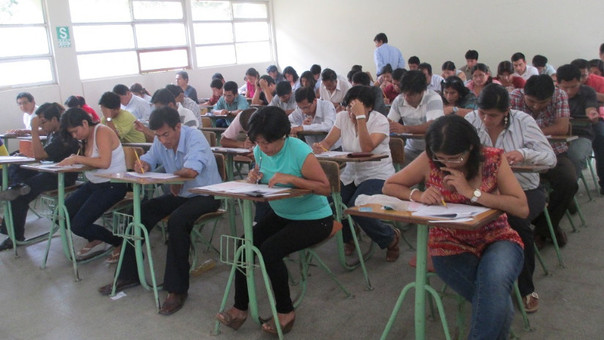
Falta menos de un mes para que los alumnos de 6º de Primaria (11 y 12 años) se enfrenten a un examen externo que hasta ahora no hacían: la evaluación de final de etapa incluida en la Ley Orgánica para la mejora de la Calidad Educativa (LOMCE). Esta prueba, que ha provocado un profundo desencuentroentre el ministerio y algunas comunidades que amenazan con no ponerla en marcha, es polémica principalmente por un aspecto: la posibilidad de que se establezcan rankings de colegios con los resultados de los estudiantes.

El ministro de Educación en funciones, Íñigo Méndez de Vigo, ha declarado públicamente en Televisión Española y en laCadena Ser que se compromete a evitar las clasificaciones y «a que no se hagan públicos los resultados de las evaluaciones, si ése es el problema». Pero lo cierto es que no hay sustento legal tras sus declaraciones.

SIETE COMUNIDADES RECHAZAN HACER LA PRUEBA

La reunión técnica que celebró este miércoles el Ministerio de Educación para aclarar, entre otros puntos, aspectos de la prueba de sexto y de otros apartados de la LOMCE debió ser una de las más solitarias de la historia. Los representantes de 11 comunidades faltaron a la cita. De todas ellas, hay siete que a día de hoy rechazan hacer la evaluación externa prevista en el mes de mayo. Son Cantabria, Extremadura, Castilla La Mancha, Canarias, Cataluña, País Vasco y Navarra. Juntas suman 158.842 alumnos, más de un tercio de los 460.025 estudiantes convocados para el examen. Cataluña o Navarra dicen que harán una prueba propia. País Vasco señala que aprobó los currículos en enero y no ha tenido tiempo de elaborarla. Cantabria hará un examen muestral, no censal como obliga la ley. Andalucía, la que tiene más alumnos, no está en este grupo. Su consejera de Educación, Adelaida de la Calle, ha declarado que le encantaría saltarse la prueba pero que «la insumisión no va con Andalucía». Extremadura la ha frenado “de momento” a la espera de que el ministerio convoque una conferencia sectorial, la reunión a la que acuden los representantes políticos. El ministerio señala que la convocará “en los próximos días”.

La LOMCE eliminó una referencia contra los rankings de la ley anterior, la Ley Orgánica de Educación que elaboró el PSOE. El artículo 144.3 de la LOE recogía sobre las evaluaciones externas. “En ningún caso, los resultados de estas evaluaciones podrán ser utilizados para el establecimiento de clasificaciones en los centros”. Esa referencia ya no existe.

Educación tampoco ha hecho una manifestación explícita para Ceuta y Melilla, los dos únicos territorios que dependen directamente del ministerio para las pruebas. En la orden que les ha enviado a ambas ciudades autónomas en la que regula la realización de esa evaluación (a la que ha tenido acceso este periódico y que aún es un borrador pendiente de su publicación en el Boletín Oficial del Estado) no figura ninguna referencia expresa a este particular. Un portavoz del ministerio señala que la orden solo regula cómo debe aplicarse esa orden.

Sin embargo, sí existe ese enunciado explícito, por ejemplo, en una de las comunidades autónomas que gobierna el PP y que celebrará esta prueba en mayo. La orden que ha enviado Castilla y León a sus centros para la organización del examen, señala: “Los resultados de las evaluaciones individualizadas no serán objeto de publicidad a los efectos de establecer una clasificación de centros”.

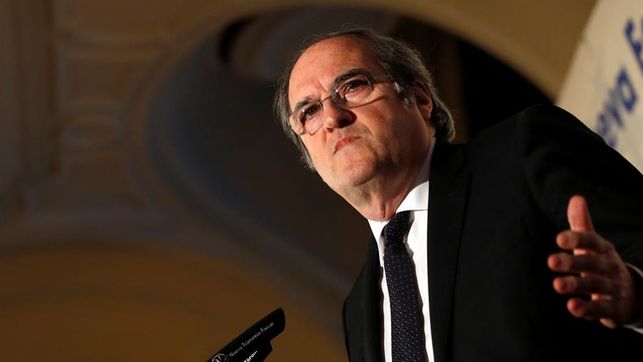
El consejero de Castilla y León, Fernando Rey, también ha hecho declaraciones públicas contra las clasificaciones. “No haremos ránkings de colegios porque ese no es el objetivo. Lo principal es conocer en qué debemos mejorar”, señaló el pasado 22 de marzo en su parlamento regional. Una portavoz de su departamento señala que incluyen ese aviso en su normativa para dejarlo claro a la comunidad educativa y fijar el compromiso con los centros y públicamente.

«Las palabras duran lo que dura un ministro»

El portavoz del ministerio señala además que el ministro se ha comprometido públicamente a que no se hagan ránkings y que no tiene por qué ir regulado en la orden que han enviado a Ceuta y Melilla. “Las palabras de un ministro duran lo que dura ese ministro”, considera Carlos Utrera, representante de la federación de inspectores de educación ADIDE. “Lo que aparece en una orden es de obligado cumplimiento, es lo que da el principio de seguridad jurídica”, añade el inspector, que señala que tener una normativa clara “es lo que permitiría acudir a los tribunales en caso de que se incumpla”.

El antecesor de Méndez de Vigo, José Ignacio Wert, fue quien propuso ya antes de la aprobación de la LOMCE que se hicieran públicos los resultados de los colegios en las pruebas finales de evaluación para que las familias pudieran consultarlos.

La propuesta de Wert fue rechazada por las comunidades gobernadas por el PSOE, las mismas que ahora reprueban el examen de 6º de Primaria y que, tras las elecciones regionales de 2015, son mayoría. Tres de las ocho comunidades gobernadas por los socialistas -Cantabria, Extremadura y Castilla la Mancha- han señalado que no harán el examen. Este miércoles han plantado al ministerio en una reunión técnica para preparar esas pruebas. También han dicho que no realizarán la prueba Canarias, Cataluña, País Vasco y Navarra. El ministro Méndez de Vigo les ha recordado que tienen que hacerla porque “está en la ley”. La misma ley que no incluye que esas pruebas no acaben como una clasificación de centros.

Fuente: http://politica.elpais.com/politica/2016/04/21/actualidad/1461257484_837229.html

Comparte este contenido:

España: Este es el trabajo de una educadora menstrual

Diana Pinzón enseña a adolescentes «el poder de la consciencia corporal»

GLORIA RODRÍGUEZ-PINA/ 

Diana Pinzón (37 años) se dedica a enseñar a adolescentes y mujeres adultas a tener «conciencia menstrual», para que «la biología deje de ser un conflicto y el cuerpo un campo de batalla». Les ayuda, dice, a entender que tienen «una biología que afecta a sus emociones» y que funcionan de manera cíclica. Pero antes de nada esta educadora menstrual les invita a mirarse la vagina en un espejo (en casa).

De haberse aprobado la moción de la CUP de Manresa para formar a las y los adolescentes sobre la regla, habría sido ella la encargada de dar las charlas sobre copas mentruales, esponjas marinas y compresas de tela a las chicas de 2º y 4º de la ESO de esa localidad barcelonesa. Finalmente, aunque este fue uno de los temas más comentados en redes durante el miércoles, el Ayuntamiento aprobó el jueves una enmienda del equipo de Gobierno que encarga la gestión de la formación al servicio de Atención a la Salud Sexual y Reproductiva (ASSIR) de la Generalitat.

La primera lección que suele dar a las adolescentes en los talleres que imparte, después de preguntarles si han visto sus órganos genitales, es que «ser mujer es una opción y ser transexual no es una enfermedad de la sociedad actual». Lo siguiente, como cuenta a Verne por teléfono, «para que entiendan y no juzguen», es que «si decides ser mujer, puedes ser la mujer que quieras: no estás obligada a llevar falda, a ser femenina y te pueden gustar otras mujeres». Y les transmite que «cuando decides que eres mujer, decides amar y cuidar ese cuerpo». A partir de ahí, hablan de la biología y de cómo se manifiesta el ciclo menstrual.

«Somos cíclicas y el sistema nos obliga a ser lineales», dice Pinzón, que anima a reprogramar reuniones, organizar planes acordes al momento del ciclo menstrual en que se encuentre la mujer y reconocer que no existe el mundo feliz de los anuncios de compresas. A las niñas les explica que en la fase ovulatoria las mujeres están más lúcidas, mientras «en la premenstrual estamos a otra cosa», y lo aborda con ejemplos: «El día que pensaste que tu mejor amiga te miró mal, ¿era verdad o estabas más susceptible?»

La niña que tenía miedo a desangrarse sin compresa

Las adolescentes tienen muchas preguntas y a veces encuentran muy pocas respuestas en casa o en clase. A esta educadora menstrual le han llegado a preguntar que cuántos orificios tienen las mujeres. Que de qué color es el sangrado, si duele y cuánto sale. Y la clásica de si se pueden quedar embarazas mientras tienen la regla (la respuesta, para despistados, es ).

Una chica quiso saber si podría llegar a desangrarse si no tenía compresa. Otras creen que es malo estar de mal humor cuando se tiene el síndrome premenstrual y ella les explica que no, que hay que escuchar al cuerpo. También ha dado con «niñas muy potentes», como una que le dijo que con su primera regla iba a pintar un cuadro.

Los adolescentes saben aún menos y hacen bromas de mal gusto sus compañeras, del tipo «oye, que se te ha caído el tampón». A un taller que hizo en un instituto de Manresa se apuntaron tres chicos pero al final no fue ninguno «porque había un taller de lucha libre». «Son los hijos a los que nunca nadie les enseñó nada», dice Pinzón. Ahora son sus compañeras «empoderadas» las que les explican que el tampón no se cae, «que la regla no es cochina», y que son mujeres y les gusta su menstruación. Son las mismas chicas que escribieron a su profesor de educación física para pedirle  hacer actividades alternativas relacionadas con el deporte los días que tienen el periodo.

Cómo no sufrir con la regla

Además de dar talleres (también entre madres e hijas o solo para adultas), tiene una consulta en la casa de partos Migjorn donde atiende los viernes a mujeres que llegan muchas veces «desesperadas de dolor porque el ibuprofeno ya no funciona». Pinzón sostiene que es posible no sufrir con la regla. «Cuando sabes que te va a doler -hay que tener un calendario y saber en qué momento del ciclo estamos- puedes tomarte un paracetamol y empezar a bajar el ritmo de actividad». Darse un baño, dedicarse un tiempo para cuidarse, hacer ejercicios con los músculos vaginales. «La contracción será igual, pero te dolerá menos», asegura.

Pinzón, madre de dos hijos, es licenciada en Humanidades y máster en Estudios de Género. Se ha formado durante cuatro años sobre ginecología «natural y respetuosa», salud sexual y reproductiva y terapia Gestalt. También ha trabajado con otras pedagogas menstruales y doulas como la británica Sophie Style y la estadounidense DeAnna L’am. «No hace falta ser médico para conocer tu cuerpo; aplico mi formación histórica», defiende.

En su web Pinzón habla de rituales como «la tienda roja» -encuentros de mujeres que se reúnen en torno a la menstruación para compartir conocimientos, leer, darse masajes- o la sanación y la bendición del útero, pero asegura rechazar el «misticismo» o del «sectarismo». No vive de este trabajo, y a pesar del debate y las críticas que generó la propuesta de la CUP, piensa continuar con ello: «Si estamos ayudando a la salud de la mujer, aunque no nos hagan caso, vamos a seguir haciéndolo».

Fuente de la noticia: http://verne.elpais.com/verne/2016/04/21/articulo/1461254244_144837.html

Fuente de la Imagen: http://ep01.epimg.net/verne/imagenes/2016/04/21/articulo/1461254244_144837_1461264663_noticia_normal.jpg

Comparte este contenido:

We can replicate Shakespeare’s educational utopia

Oceanía/Australia/Abril 2016/Autor: PETER HOLBROOK/ Fuente: theaustralian.com.au

Resumen: Tal vez la mayor suerte de Shakespeare fue haber nacido en un mundo que, al menos para la élite social, profundamente valora la educación y las artes del lenguaje. La alfabetización en general mejoró enormemente durante el siglo 16 y la alfabetización avanzada prosperó en las escuelas secundarias y universidades. Todo ello cuando pensamos en la muerte de Shakespeare hace 400 años ya que en el año 1616 se puso fin a la obra de su vida.

«Thou met’st with things dying,
I with things newborn»

So says a character in Shakespeare’s The Winter’s Tale. A similar awareness of the way endings also can be beginnings is borne in upon us when we think about Shakespeare’s death 400 years ago tomorrow. The year 1616 brought an end to his life’s work.

But it was also the beginning of Shakespeare’s extraordinary influence on readers, writers, thinkers, performers, and artists of all kinds ever since.

As 19th-century American philosopher Ralph Waldo Emerson said, Shakespeare “wrote the text of modern life”. It is hard to imagine our world without him.

Nevertheless, Shakespeare might not have survived — and the world would be have been less interesting, varied and living as a result. Plague struck Stratford-upon-Avon a few months after his birth, which is believed to be around April 23, 1564. (Fortuitously for those enthused by commemoration, April 23 is also the day he died.) The pestilence knocked off about a seventh of the town’s population. Shakespeare dodged that bullet (or arrow, the usual Elizabethan metaphor for plague), and actors, directors, composers of operas and lovers of poetry can be thankful he did.

In another sense, Shakespeare would not have existed for us if his devoted colleagues, actors John Heminge and Henry Condell, had not preserved 18 of his plays, hitherto unprinted, in the so-called First Folio of 1623, the first collected edition of Shakespeare’s drama published by printer William Jaggard and his son Isaac. (Folio was a printer’s term for a large-sized book — a copy of this cultural treasure is held in the Mitchell Library in Sydney.)

Heminge and Condell are not widely known, but without their labours we would not possess masterpieces such as Antony and Cleopatra, As You Like It, Julius Caesar, Macbeth and The Tempest.

Even imaginative geniuses such as Shakespeare depend on many contingent, rather humdrum, factors if they are to flourish. Things could have been different. If all Shakespeare’s plays had somehow perished, as many old books did, it would be as if he never lived.

But Shakespeare was lucky. His friends recognised his genius, and saw to it that the 18 unprinted plays were gathered up and handed down to us. The plague didn’t get him, and the syphilis that he very plausibly suffered from (as sonnets 153 and 154 strongly suggest) didn’t hold back his creative powers either.

Indeed, perhaps his experience of venereal disease fired his imagination: plays such as Hamlet, Measure for Measure and Timon of Athens are obsessively preoccupied with corruption, disease and morbidity.

And he was extraordinarily fortunate to be born into an already vibrant theatrical culture: purpose-built theatres opened their doors in London from 1576. (City authorities detested theatres as sources of disorder; they gladly would have closed them down if Queen Elizabeth and King James had permitted it.)

Perhaps Shakespeare’s greatest luck was to be born into a world that, at least for the social elite, profoundly valued education and the arts of language. Literacy in general improved tremendously during the 16th century and advanced literacy thrived in the grammar schools and universities. Without the vigorous educational culture Shakespeare was exposed to in his local grammar school, he would never have become Shakespeare — “For a good poet’s made, as well as born”, as Ben Jonson, Shakespeare’s friend and literary rival, knew.

Stratford’s Grammar School (almost certainly Shakespeare’s school, and still educating young people today), was an excellent one, with well-trained university graduates teaching there.

Shakespeare’s main teacher was probably a man called Thomas Jenkins. He was an Oxford MA and had been a fellow of St John’s, Oxford. The school’s curriculum would have been demanding: intensive, rigorous study of Latin grammar and classic Roman ­authors, Virgil, Cicero, Ovid among them.

Students would translate Latin authors into English, and, some time later, back into Latin. They were expected to develop good English style as well as sound Latinity. Classic and modern authors were studied as models of expression. Learning poetry (and prose — the English Bible) by heart was standard practice. So was acting in plays, always an excellent way to commit good writing to memory. There was much emphasis on reading good-quality poetry and prose out loud, and on participating in debates.

If we thank Heminge and Condell for saving about half of Shakespeare’s work from oblivion, we also should thank the school system of Tudor England that en­abled Shakespeare to develop his peculiar and unruly gift for language and thought. Teachers such as Jenkins and his colleagues deserve their plaudits, too.

Perhaps there is a lesson for us in all this. Advanced literacy does not just happen. It requires wise nurturing by well-run institutions. If we want a sophisticated literary culture — or even just citizens, people capable of fully and meaningfully participating in political deliberation — we need to value our schools and universities, and to ensure that they are operating at the highest standard.

One of the most exciting aspects of my professional life as an academic has been running numerous workshops aimed at bringing together high school teachers with some of the best scholars of the humanities.

Experience running these workshops tells me that schoolteachers want to be able to stay in touch with the latest and deepest scholarship in literature, history, art history, drama and the like. Teachers want, and rightly expect, expert training in the disciplines they profess.

But if such expert training of teachers is to take place, we had better ensure that our university faculties of humanities and social and natural sciences are well-stocked with high-quality academics. There is no other route to a first-class education system.

And if we want young people able to use language with precision, grace, and clarity we must ensure they are effectively and creatively taught those writers pre-eminent in eloquence and imaginative and intellectual power — of whom Shakespeare (and happy birthday to him) is one.

Fuente de la noticia: http://www.theaustralian.com.au/opinion/we-can-replicate-shakespeares-educational-utopia/news-story/484c00573b3e3c6a04b2ab60eadd6172

Fuente de la imagen: http://cdn.newsapi.com.au/image/v1/c06f14132c190210cf22ba0a51a028f9?width=650

Comparte este contenido:

Malawi: Govt Summons Teachers Union of Malawi for Crisis Meeting

Resumen: El Ministerio de Educación ha convocado al Sindicato de Maestros de Malawi (TUM) para una reunión después de la  amenaza de una huelga nacional en mayo, como forma de forzar acuerdo con el gobierno sobre los reclamos pendientes,

Ministry of Education officials have summoned Teachers Union of Malawi (TUM) for a crisis meeting following a threat for a nationwide strike in May as way of forcing government deal with outstanding grievances.

Ministry of Education spokesperson Manfred Ndovie said the government want to resolve the grievances, 24 in number amicably without TUM withdrawing labour of its teachers.

«We will meet TUM soon. We were supposed to meet them sometime back but we indeed failed to turn up, not because out of disrespect but because we needed to thoroughly consult on some of the issues, as you might be aware that there is an issue of K160 million arrears, we needed to consult treasury on the issue,» he said.

TUM president Chauluka Muwake said it was a joke for the government to tell those who successfully passed interviews and were promoted to Grade K or PT3 that they would get to their new position after someone on the same grade dies so the government would just make a replacement.

Most teachers in Lilongwe confirmed this an interview and Nyasa Times has copies of one of the teachers who successfully passed the interviews and the government wrote her a promotion letter only to hold the promotion later until someone dies so that she could be replaced.

Muwake also said most secondary school teachers were not paid in March and the government has not yet paid them until now.

TUM also accuses the government of threatening to withdraw promotions of some primary school teachers who were promoted on understanding that they would take up rural school positions.

«The ministry says it wants to withdraw the promotions because they had not gone to the schools where they were posted yet the government has not given them transport. Let the government provide transport,» he said.

He also claimed some secondary school teachers have not yet received leave grants for the last school calendar.

Fuente de la noticia:  Malawi: Govt Summons Teachers Union of Malawi for Crisis Meeting

Fuente de la imagen: http://www.operationworld.org/files/ow/maps/lgmap/mala-MMAP-md.png

Comparte este contenido:

Bolivia: Ministro de Economía afirma que el país crecerá un 5%, pese a difícil coyuntura mundial

NODAL/22 de abril de 2016

A pesar de la caída de los precios de las materias primas, Bolivia mantiene hoy su previsión de crecimiento del cinco por ciento del Producto Interno Bruto (PIB) para este año, gracias a la inversión pública.

En una conferencia de prensa en la ONU, donde se encuentra de visita, el presidente Evo Morales destacó que el alza del PIB será posible por la gran cantidad de proyectos en infraestructuras, sobre todo en carreteras, aeropuertos, industrias y otras obras.

Morales recordó que la situación del país cambió desde que su Gobierno decidió nacionalizar los hidrocarburos y recuperar las empresas públicas.

Antes la poca plata que se recaudaba se exportaba, ahora se queda con el pueblo, dijo.

La recuperación de los recursos permitió redistribuir las riquezas a los sectores más vulnerables mediante bonos y transferencias a las administraciones departamentales y municipales.

Ello trajo como consecuencia la reducción de la pobreza extrema de 38 por ciento al 18 por ciento, un indicador que el Estado Plurinacional prevé bajar a cero en 2025.

Bolivia pasó de uno de los países más atrasados del continente a uno de los de mayor crecimiento anual del Producto Interno Bruto, con un promedio de cinco por ciento en la última década.

Esa situación se mantiene y va a seguir, declaró recientemente el ministro de Economía, Luis Alberto Arce, en respuesta a una previsión del Fondo Monetario Internacional de sólo 3,8 por ciento.

De acuerdo con Arce, el país tomó las medidas oportunas y cuenta con un modelo económico sólido que está dando resultados en materia del alza del PIB, reducción de la pobreza y mayor igualdad social a través de la redistribución del ingreso.

Tanto el presidente, como el ministro de Economía, coinciden en la incidencia de la baja del precio del petróleo y de los recursos naturales, sin embargo, argumentan que la situación será sorteada por la estabilidad económica y el incremento de las inversiones.

El plan de desarrollo hasta 2020 prevé una inversión de más de 48 mil millones de dólares en infraestructura, producción y generación de empleo.

El mandatario afirmó que Bolivia seguirá siendo un modelo en incremento del PIB, con justicia social, redistribución de las riquezas y la ampliación del aparato productivo.

Fuente: http://www.nodal.am/2016/04/bolivia-ministro-de-economia-afirma-que-el-pais-crecera-un-5-pese-a-dificil-coyuntura-mundial/

Comparte este contenido:

Namibia: Unesco Reviews Vocational and Technical Training Education

Namibia/abril de 2016/All Africa

Resumen: El Ministerio de Educación Superior, Capacitación e Innovación acoge la primera misión exploratoria de las Naciones Unidas para la Educación, la Ciencia y (UNESCO) de la Organización de la Cultura de Namibia, que comenzó el 18 de abril y finalizará el 28. La misión tiene como objetivo evaluar las actuaciones prácticas y las cuestiones de educación, formación e innovación instituciones superiores tales como Tecnología Ciencia Técnica y formación profesional (FTP) y educación Superior y e Innovación (CTI) Sistemas de Namibia.

The Ministry of Higher Education, Training and Innovation is hosting the first United Nations Educational, Scientific and Cultural Organisation’s (UNESCO) scoping mission to Namibia, which started on 18 April and will end on 28. The mission aims at evaluating the practical performances and issues of higher education, training and innovation institutions such Technical and Vocational Training (TVET) and Higher Education and Science Technology and Innovation (STI) Systems in Namibia.

The UNESCO scoping mission to Namibia is an initiative of the Ministry which, together with UNESCO, strongly supports the review of Technical and Vocational Education and Training (TVET), Higher Education and Science, Technology and Innovation System in Namibia. During the mission, UNESCO technical experts and a complementary team from Namibia, will hold discussions with the relevant government Ministries, institutions and stakeholders. The aim of the mission is to assist the newly established Ministry in defining policies and programmes related to the three pillars of the Ministry (Higher education, Training and Innovation) by assessing the current status of TVET, higher education and innovation in Namibia, identify strategic priorities and proposing alternative interventions responding to those priorities. Furthermore, it aims to consider the contribution of Technical and Vocational Training, higher education and innovation to overall development goals such as poverty eradication as highlighted in the Harambee Prosperity Plan.

Speaking at the press conference held this week the Minister of Higher Education, Training and Innovation, Hon. Dr Itah Kandjii-Murangi said, «At the onset, the Ministry aims to take stock to establish – what do we have, where is it, does it yield intend results, how do we improve having efficiency and effectiveness in mind? Thus, the assessment of the situation by the UNESCO and ILO (International Labour Organisation) is paramount». The minister explained that UNESCO’s mandate also covers aspects of natural sciences including science, technology and innovation policies as well as sectoral programmatic areas such as ICT, climate change and many others. «As the technical agency of the UN, the organisation prides itself with excellent technical capacity argumented by appropriate exposure and experience,» said the minister.

Meanwhile, UNESCO’s Director General Dr Irina Bokova alongside a team of 8 international experts have drafted a proposal for the review of Technical and Vocational Education and Training. The end of the review will yield a diagnosis of the current strengths and weaknesses of Namibia system. Dr Itah Kandjii-Murangi in her closing remarks noted that the findings of the assessments will be validated by all stakeholders and the recommendations will be benchmarked with international best policies, before being adopted for implementations.

Fuente de la noticia:  Namibia: Unesco Reviews Vocational and Technical Training Education

Fuente de la imagen: https://economist.com.na/wp-content/uploads/2016/04/UNESCO-scoping-mission.jpg

Comparte este contenido:
Page 5892 of 6178
1 5.890 5.891 5.892 5.893 5.894 6.178