Por: Philippe Alcoy
Entrevista con Stephen Campbell, experto en la clase obrera de Myanmar, que nos habla de los procesos de organización y lucha de los trabajadores de ese país antes del golpe de Estado, y de su papel en la resistencia.
En los últimos días hemos reflejado en la Red Internacional La Izquierda Diario el importante movimiento de resistencia al golpe de Estado en Myanmar, en el que la clase obrera está desempeñando un papel destacado. Para saber más sobre el desarrollo tan particular de este «nuevo proletariado», sus luchas y experiencias, y también sus condiciones de vida, preguntamos a Stephen Campbell, profesor adjunto de la Universidad Tecnológica de Nanyang, en Singapur. Durante los últimos diez años, Campbell ha llevado a cabo una investigación etnográfica sobre las condiciones de trabajo y las luchas por el empleo de los trabajadores inmigrantes en Tailandia y Myanmar, y más recientemente, ha investigado las condiciones de trabajo y las luchas de los trabajadores de una zona industrial en las afueras de Yangon, la antigua capital de Myanmar. También es autor de Border Capitalism, Disrupted: Precarity and Struggle in a Southeast Asian Industrial Zone (2018).
Révolution Permanente (RP): En los últimos días hemos visto imágenes de numerosas columnas de trabajadores en las calles desafiando el golpe militar. Podría considerarse una «sorpresa», pero en los últimos años la clase obrera de Myanmar ha llevado a cabo varias huelgas y luchas por sus derechos, contra el acoso patronal, por los salarios. ¿Qué puede decirnos de este proceso de huelgas y luchas obreras?
Stephen Campbell (SC): En realidad, las trabajadoras de Myanmar, especialmente las de las fábricas de confección textiles, que son en su mayoría mujeres jóvenes de entre 20 y 30 años, se han estado organizando continuamente durante la última década, e incluso antes. Esta dedicada labor de organización ha dado lugar a una sólida red entre los trabajadores industriales de las distintas zonas industriales de Yangon.
Aunque ha habido ciertos momentos destacados de oleadas de huelgas en la última década, las huelgas de fábrica en las zonas industriales de los alrededores de Yangon han sido acontecimientos recurrentes. Sin embargo, no todas las huelgas son cubiertas por los medios de comunicación. De hecho, debido a la frecuencia con que los empleadores de las fábricas violan la legislación laboral y pagan por debajo del salario mínimo, en muchos casos las huelgas han sido necesarias para que los trabajadores conquisten el mínimo legal en salarios y condiciones de trabajo. Por ello, muchos trabajadores han adquirido una gran experiencia en la organización de centros de trabajo y en las huelgas. Y a partir de estas luchas, se han vuelto bastante militantes y muy capaces de emprender acciones colectivas.
Como estas zonas industriales están en los alrededores de Yangon, es relativamente fácil para estos trabajadores llegar al centro de la ciudad. Desde el golpe de Estado, los trabajadores de las fábricas de ropa han dejado claro en sus cánticos de protesta y en las entrevistas que esperan que el gobierno militar restrinja sus derechos legales y limite el espacio para la organización de los trabajadores. Si eso ocurriera, tendría un impacto perjudicial en sus ya precarios medios de vida. Por otra parte, la participación colectiva de los trabajadores en las protestas antigolpistas y en la campaña de desobediencia civil está muy basada en sus preocupaciones materiales inmediatas. Así que, por esta razón, y dado lo organizados que ya estaban estos trabajadores, no creo que sea una sorpresa que hayan asumido un papel tan destacado en las protestas antigolpistas y en la campaña de desobediencia civil.
RP: ¿Por qué crees que la clase obrera está al frente de la lucha contra el golpe?
SC: Como ya mencioné, muchos trabajadores de las zonas industriales de los alrededores de Yangon ya estaban muy organizados, pero también se encontraban en una situación muy precaria. Las condiciones han empeorado aún más desde el comienzo de la pandemia de Covid-19, durante la cual los empresarios la utilizaron como pretexto para despedir a los trabajadores sindicalizados, y la policía se ha puesto del lado de los empresarios para disolver las huelgas y detener a los organizadores de los trabajadores. Y con el golpe de estado, los trabajadores han reconocido claramente que el gobierno militar implicará una contracción del espacio para la organización, lo que dará a los empresarios aún más poder para bajar los salarios y violar las leyes laborales.
Uno de los organizadores de trabajadores más destacados en las protestas antigolpistas, Moe Sandar Myint, declaró recientemente en una entrevista: «Los trabajadores están preparados para esta lucha. Sabemos que la situación sólo se deteriorará bajo la dictadura militar, así que lucharemos como uno solo, unidos, hasta el final». Así que, para muchos trabajadores, esta lucha no es simplemente sobre Aung San Suu Kyi y la Liga Nacional para la Democracia (LND) Es una lucha basada en sus preocupaciones materiales inmediatas y, en muchos sentidos, apunta más allá del simple regreso de la LND al gobierno, ya que la situación de los trabajadores bajo la LND era también muy precaria y muy restrictiva.
RP: Myanmar es uno de los países de más rápido crecimiento de la región. Muchas empresas multinacionales invirtieron en el país. ¿Cuáles fueron las consecuencias de estas transformaciones económicas en la estructura social de Myanmar? ¿Cómo surgió esta «nueva» clase trabajadora? ¿Y cuáles son las condiciones de vida y de trabajo de la clase obrera en Myanmar?
SC: Antes de 2011, muchas marcas de ropa occidentales no estaban dispuestas a abastecerse en Myanmar debido al estigma asociado a las prácticas laborales tan poco liberales del régimen militar. Sin embargo, tras las elecciones de 2010 y el cambio a un gobierno casi civil a principios de 2011, la narrativa dominante ha sido que el país está experimentando una «transición» a la democracia liberal. Y con la introducción de nuevas leyes laborales en 2011 y 2012, las marcas de ropa occidentales dejaron de estar estigmatizadas por abastecerse en Myanmar. Además, Myanmar tiene uno de los salarios más bajas de Asia.
Al mismo tiempo, bajo la llamada transición política y bajo los años precedentes de gobierno militar, un gran número de habitantes de las zonas rurales han sido expulsados de las mismas. Esto se ha debido al aumento del endeudamiento y a la pérdida de tierras agrícolas, que en muchos casos fueron simplemente tomadas por oficiales militares o sus compinches comerciales. Y en 2008, hubo un gran ciclón en el delta.
Todo ello provocó una gran migración de residentes rurales a las zonas industriales de los alrededores de Yangon. Como la especulación inmobiliaria y la migración urbana a gran escala elevaron el coste de la vivienda, muchos de estos nuevos residentes urbanos se trasladaron a asentamientos ilegales informales. En la actualidad, hay cientos de miles de personas que viven en estos asentamientos en las afueras de Yangon. En algunos casos, los antiguos habitantes de las zonas rurales emigraron a Tailandia o a otros países de la región en busca de empleo.
Mientras esto ocurría, sobre todo en la última década, las agencias de desarrollo extranjeras y los consultores de Myanmar dijeron que esta migración interna es lo mejor que puede ocurrir porque el empleo asalariado urbano es ostensiblemente más «productivo» que los medios de vida agrícolas. Sin embargo, el efecto fue una creciente población migrante que se encuentra en una situación muy precaria y sin una red de seguridad social efectiva. Muchas fábricas, especialmente las que producen para el mercado nacional, no pagan ni siquiera el salario mínimo. E incluso las fábricas de ropa que producen para la exportación suelen infringir las leyes de protección laboral.
RP: La industria de la confección es uno de los sectores económicos más importantes para las exportaciones de Myanmar. Se han producido muchas luchas en la industria de la confección, donde el 90% de los trabajadores son mujeres. ¿Cuál es el papel de las mujeres en la huelga y la organización de la clase obrera en el país?
SC: Las fábricas de confección, textiles, calzado y accesorios que producen para la exportación, situadas en las distintas zonas industriales de los alrededores de Yangon, empleaban a cerca de un millón de personas (al menos antes del inicio de la pandemia de Covid-19) y restringen la contratación casi exclusivamente a mujeres jóvenes, entre los 18 y los 25 años aproximadamente. Incluso las mujeres de 25 años pueden tener dificultades para conseguir empleo en estas fábricas. Una de las consecuencias de esto es que estas mujeres suelen ser la única persona de su hogar con un empleo asalariado relativamente estable. Así, sus familias suelen depender, al menos en parte, del salario de estas mujeres.
En Myanmar y en otros países con grandes sectores de la confección se suele decir que estas fábricas prefieren contratar a mujeres jóvenes porque se considera que son menos propensas a organizarse, a hacer huelga o a causar problemas al empleador. Sin embargo, es evidente que no es así. De hecho, como muchas de estas mujeres jóvenes mantienen a sus familias, tienen una motivación añadida para organizarse colectivamente y obtener salarios más altos. En estas condiciones, ha habido muchas mujeres impresionantes que han desarrollado sus habilidades organizativas, su liderazgo y su confianza a través de la participación directa en la organización del lugar de trabajo.
RP: Durante mucho tiempo bajo el régimen militar la organización legal de los trabajadores era imposible. Pero desde 2011 los trabajadores aprovecharon la oportunidad de la apertura del régimen para crear nuevos sindicatos, confederaciones, etc. Y a veces, las huelgas y reivindicaciones de los trabajadores son muy «radicales». Por ejemplo, durante la pandemia del Civid-19 y la crisis económica, lucharon para preservar los puestos de trabajo, para proteger a los representantes sindicales que fueron despedidos y se negaron a aceptar las indemnizaciones por despido. ¿Cómo se explica esta conciencia? ¿Hay corrientes políticas o ideológicas, movimientos políticos históricos que influyen en el movimiento obrero actual? En caso afirmativo, ¿cuáles?
Aunque no era legalmente posible que los trabajadores establecieran sindicatos bajo el régimen militar, había muchos casos de organización informal de trabajadores, al menos eso es lo que me han dicho los trabajadores más antiguos que estaban empleados antes de 2010. En 2011 y 2012, el nuevo gobierno casi civil introdujo nuevas leyes laborales que permitieron a los trabajadores formar sindicatos legales y negociar colectivamente. Sin embargo, desde entonces, la mayoría de los centros de trabajo han seguido infringiendo diversas leyes y a menudo han pagado a los trabajadores por debajo del salario mínimo legal. Al mismo tiempo, muchos trabajadores han considerado que los funcionarios de relaciones laborales del gobierno son parciales con respecto a los empleadores o directamente corruptos. Y la policía se ha puesto a menudo del lado de los empresarios para disolver las huelgas y detener a los líderes de las mismas.
En consecuencia, muchos trabajadores han visto claramente que no pueden depender de la legislación laboral existente ni de las instituciones gubernamentales para resolver sus problemas inmediatos de subsistencia. Por eso, cuando los organizadores de un centro de trabajo empiezan a dirigirse a sus compañeros, muchos se han mostrado deseosos de participar en la acción colectiva.
Al mismo tiempo, también existe una rica tradición de oposición en Myanmar. Incluso antes de la vuelta al régimen casi civil en 2011, muchos trabajadores llevaban a cabo luchas colectivas informales en su lugar de trabajo. También es relevante señalar que Myanmar tiene una rica tradición de izquierda. Aunque el Partido Comunista de Birmania se derrumbó de hecho hace más de tres décadas (al mismo tiempo que calló el llamado periodo socialista), muchos activistas laborales están bien versados en el pensamiento de izquierdas y en la historia izquierdista del país. Y algunos estudiantes radicales más jóvenes se han acercado en la última década a los trabajadores de las fábricas, y han apoyado bibliotecas para los trabajadores con literatura de izquierda, o han creado revistas para los trabajadores de las fábricas con temas de izquierda.
Así pues, las corrientes explícitamente izquierdistas están presentes entre los trabajadores de las fábricas. Sin embargo, para la mayoría de los trabajadores su política «radical» -como su voluntad militante de hacer huelga o de enfrentarse a la policía- ha surgido de sus propias luchas durante la última década.
RP: Parece que la patronal, el Estado, los gobiernos (ayudados por organizaciones internacionales como la OIT) intentan imponer leyes que limiten las huelgas y los conflictos duros, pero también utilizan la represión policial y judicial contra los trabajadores en huelga. ¿Qué puede decirnos sobre las respuestas del Estado y la patronal al activismo obrero?
SC: Bueno, he dicho que incluso bajo el régimen militar, antes de la introducción de las nuevas leyes laborales en 2011 y 2012, había habido organización en el lugar de trabajo y huelgas de los trabajadores. Luego, con el cambio a un gobierno casi civil tras las elecciones de 2010. La OIT ayudó al nuevo gobierno a redactar estas nuevas leyes laborales. En aquel momento, un asesor de la OIT explicó que las nuevas leyes pretendían «evitar las huelgas» canalizando las quejas de los trabajadores hacia mecanismos institucionales. Sin embargo, como muchos trabajadores descubrieron, los nuevos mecanismos solían estar sesgados a favor de los empresarios, o los funcionarios eran simplemente corruptos.
Por ello, muchos trabajadores han optado por la huelga en lugar de presentar denuncias sobre violaciones de la legislación laboral ante los mediadores del gobierno, o antes de hacerlo. Y como la policía también suele ponerse del lado de la patronal, los trabajadores que han ido a la huelga se han enfrentado a la detención y a la violencia policial. Y esta era la situación bajo el gobierno «liberal» de la LND. Así que, con el golpe militar, muchos trabajadores han expresado su preocupación por que el espacio para organizarse se reduzca aún más.
RP: Por ahora, parece que los trabajadores están luchando contra el golpe y Suu Kiy parece ser muy popular entre el pueblo de Myanmar. Pero bajo los gobiernos de la LND la explotación y la represión contra la clase obrera fueron muy duras. Desde el punto de vista de la clase obrera, parece que el proyecto «liberal democrático» no es realmente una alternativa que pueda mejorar las condiciones de vida y de trabajo de los trabajadores, ni garantizarles los derechos políticos, nacionales (minorías étnicas), económicos y sindicales. Esto significa que los trabajadores deben ir más allá de los objetivos políticos de Suu Kiy y su partido. ¿Qué puede decir sobre la independencia política de clase de los trabajadores de Myanmar en este momento de lucha contra el golpe militar?
SC: Sí, por un lado, durante la última década bajo el gobierno casi civil, ha habido relativamente más espacio para que los trabajadores se organicen. Han podido formar sindicatos legales y muchas huelgas han tenido éxito. Al mismo tiempo, como he mencionado, los trabajadores siguieron encontrando barreras incluso para cobrar el salario mínimo y mejorar sus condiciones de trabajo. Ahora, como podemos ver en las protestas, las imágenes de Aung San Suu Kyi y los llamamientos a su liberación han sido muy destacados. Sin embargo, la gente ha expresado más ampliamente su rechazo al gobierno militar. Y muchos manifestantes reclaman la abolición de la Constitución de 2008, redactada por los militares, que consagra el papel de éstos en el gobierno, así como un acuerdo democrático verdaderamente federal, lo que contribuiría en cierta medida a resolver las históricas demandas de las minorías étnicas contra la dominación del gobierno central.
Así que, en cierto modo, la escala y el impulso de las protestas y de la campaña de desobediencia civil, que es básicamente una huelga general, ha abierto el espacio para pensar en objetivos políticos de mayor alcance. Y en la medida en que este movimiento tenga éxito, gran parte del mérito corresponde a los trabajadores que estuvieron en primera línea al inicio de las protestas poco después del golpe. Y pase lo que pase a partir de ahora, estos trabajadores han demostrado que son una fuerza política importante en sí mismos y no un simple banco de votos para la LND.
RP: ¿Cree que la situación en Myanmar puede influir en el movimiento obrero de los demás países de la región del sudeste asiático?
La campaña de desobediencia civil en Myanmar ya ha motivado un resurgimiento del movimiento de protesta pro-democracia en la vecina Tailandia. Y a Myanmar se le ha pedido que se una a la Milk Tea Alliance, que es una coalición informal en línea de activistas prodemocráticos de Hong Kong, Taiwán, Tailandia y Myanmar. Por supuesto,quienes participan en estos movimientos suelen ser trabajadores de una u otra forma. Pero no tengo claro si las acciones de los trabajadores de Myanmar motivarán a la gente de otros países de la región a expresar una política explícitamente obrera o a adoptar la huelga general como táctica de lucha hacia un acuerdo político democrático a favor de los trabajadores.
Fuente: http://www.laizquierdadiario.com/Los-trabajadores-han-comprendido-que-el-golpe-de-Estado-en-Myanmar-dara-aun-mas-poder-a-la-patronal

:quality(70)//cloudfront-us-east-1.images.arcpublishing.com/semana/DVGJTWIHOFC23NCNJU3BURSH44.jpg)
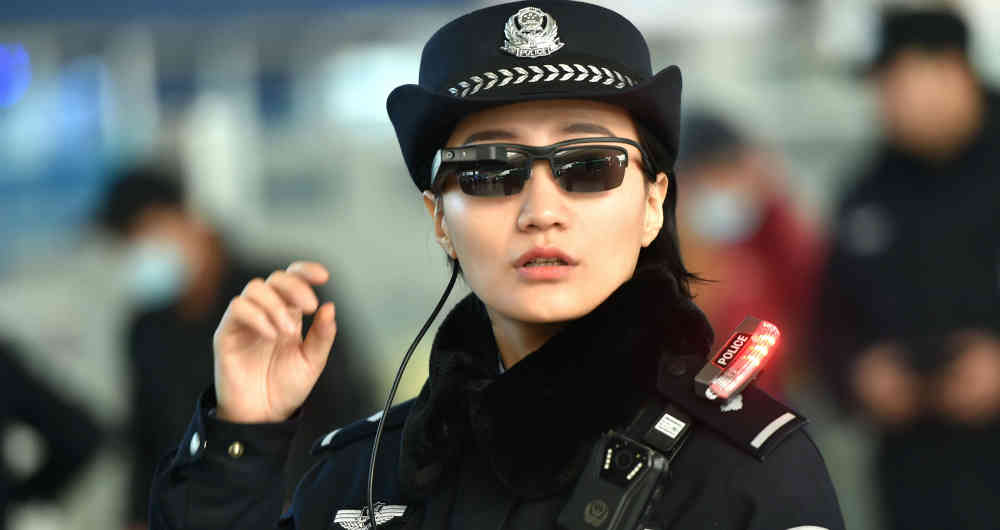 Uno de los primeros países en utilizar esta novedosa tecnología fue China, que la han usado a modo de salvaguarda de la seguridad en las calles, allí existen más de 300 millones de cámaras de seguridad, motivo que les permite reconocer en pocos segundos a una persona entre la multitud. – Foto: AFP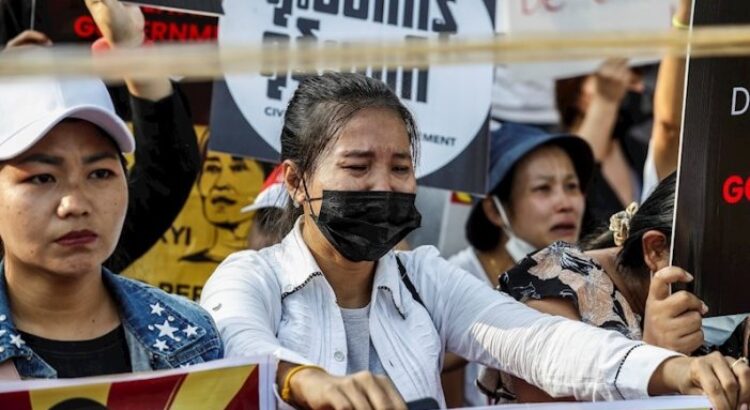



 Users Today : 162
 Total Users : 35507322
 Views Today : 209
 Total views : 3634398