Page 315 of 621
1 313 314 315 316 317 621

Parlamento sudafricano elimina el apartheid o segregación racial

Por: Telesur

Las leyes segregacionistas aprobaban la discriminación salarial por color de piel y prohibían la convivencia de blancos y afrodescendientes en lugares públicos.
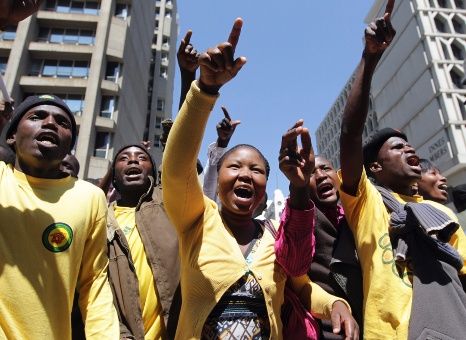
Un 17 de junio pero de 1991 el apartheid o sistema de segregación racial en Sudáfrica y Namibia llegó a su fin luego de que las cámaras blanca, mestiza e india del Parlamento sudafricano suprimieran el sistema con una mínima oposición de 38 legisladores de extrema derecha.

El sistema legal sobre el que descansaba el apartheid (separación) fue desmantelado poco a poco entre el 1990 y 1991, las leyes que habían dispuesto la discriminación hacia la población afrodescendiente desde 1948 fueron derogandose paulatinamente.

El sistema separatista prohibía que millones de negros sudafricanos pudieran integrarse a la economía nacional más que como mano de obra barata, esto privó a las empresas sudafricanas de un gran mercado interno potencial.

Fuente: Archivo

Incluso la expansión de la industria se veía frenada por la escasez de trabajadores calificados, en tanto el acceso a la educación especializada sólo era permitida a los sudafricanos blancos.

Frederik de Klerk (1936) asumió la presidencia del país en 1989, comprendió rápidamente las presiones de instancias internacionales como la Organización de las Naciones Unidas (ONU) que pedían poner fin al apartheid e inició entonces negociaciones con políticos blancos para poner fin a este sistema, trabajó primero para suprimir la legislación racista que había estado en vigor durante los último 40 años.

De Klerk contribuyo con el activista y líder sudafricano Nelson Mandela (1918-2013), para eliminar las leyes discriminatorias y levantar la prohibición contra los partidos políticos de oposición de mayoría afrodescendiente como el African National Congress (Congreso Nacional Africano), declarado ilegal 30 años antes.

Mandela fundó en 1944 la Liga de la Juventud del Congreso Nacional Africano (ANC), el principal partido opositor de Sudáfrica.

Desde principios de los años 50 la Liga de la Juventud llevó a cabo diversos actos de desobediencia civil contra las leyes segregacionistas que prohibían, entre otras cosas,las bodas mixtas, el voto a los afrodescendientes, la convivencia de ambas razas en las mismas playas o aceras y aprobaban la discriminación salarial contra los afrodescencientes.

Fuente: http://www.telesurtv.net/news/Parlamento-sudafricano-elimina-el-apartheid-o-segregacion-racial-20170615-0071.html

Comparte este contenido:

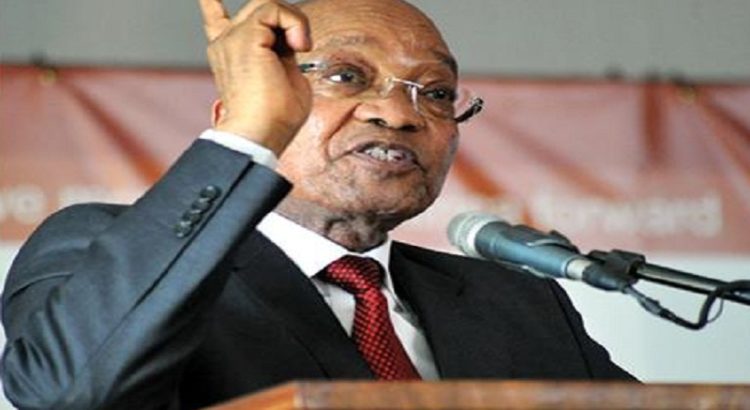
South Africa: President Zuma Tells Young People – Education Is Your Future

South Africa/19 de junio de 2017/Allafrica

Resumen: Los jóvenes de Sudáfrica que se reunieron este viernes en la provincia del Noroeste para las celebraciones del mes de la juventud de este año y  han apoyado la convocatoria del presidente Jacob Zuma para situar a la educación en la vanguardia de sus vidas.

South Africa’s youth who gathered in the North West province for this year’s Youth Month celebrations on Friday have supported the call by President Jacob Zuma to place education at the forefront of their lives.

«No matter your age, colour or your background, education is a tool that we can use to empower ourselves. Education is for us all,» youngster Shaun Rakate said.

Rakate’s comments came after President Zuma’s call for the youth to use education to advance their lives.

«Education is the key to a brighter future. Our message to the youth [is that they must] study, read and be knowledgeable,» the President told those attending the main Youth Day commemoration in Tshing Extension 2 in Ventersdorp, North West.

President Zuma said government wants to see young people being able to go to universities and colleges.

«Education is the most powerful weapon towards economic freedom,» he said adding that through the Education Infrastructure Grant and the Accelerated Schools Infrastructure Delivery Initiative, more schools have been built around the country. To date, government has allocated R12 billion to improve school infrastructure needs.

South Africa on Friday marked 41 years since the June 16, 1976 Soweto student uprisings that saw students march against the Bantu education system.

Paying tribute to those who fought for South Africa’s political freedom under the apartheid regime, President Zuma noted that the youth of today is fighting a different struggle. They are fighting to be freed from poverty, inequality and unemployment.

The President said a democratic South Africa calls upon young people to work with government to ensure that the youth have access to decent houses, roads, electricity and recreation facilities among others.

Rakate called on the youth to study so that they can reach their goals of a better life for themselves as well as the communities from which they come from.

This was emphasised by President Zuma, who told a packed white marquee that government is appreciative of improvements in the country’s matric pass rates annually.

In addition, government is also introducing the incremental use of African languages in schools on a compulsory basis.

«Beyond matric, government wants our youth to access higher education regardless of the economic status of their families,» said the President.

Since its inception, the National Student Financial Aid Scheme (NSFAS) has disbursed over R72 billion in loans and bursaries to students from poor households while over 2 million students are currently receiving NSFAS funding.

 Youth unemployment

Meanwhile, President Zuma said South Africa’s National Development Plan (NDP) outlines the vision of a growing economy that must create jobs for all.

 He said a growing economy is the most potent solution against youth unemployment. This as Statistics South Africa (Stats SA) data showed that South Africa’s unemployment rate has increased to 27.7% in the first quarter of 2017.

National Youth Development Agency (NYDA) board chair Sifiso Mtsweni said youth unemployment is unacceptable.

«The time has come that companies and government reflect 40% of youth in their operations,» said Mtsweni.

The President acknowledged that the South African economy is growing sluggishly in addition to sovereign rating downgrades.

To mitigate the challenges, he said, government will meet with business before the end of June. The meeting would be about how to ignite confidence in the economy.

However, government has made progress towards empowering the youth.

Since the launch of the Expanded Public Works Programme (EPWP) Phase 3 in April 2014, over 1.2 million work opportunities have been taken up by the youth out of the total 2.6 million work opportunities created by the programme.

In the current financial year, the EPWP aims to create more than 700 000 work opportunities for the youth through the four sectors of infrastructure, social sector, non-state as well as environmental and cultural sectors.

As part of efforts to create work opportunities for the youth, the Department of Communications will train over 2000 youth to help install set top boxes to enable digital migration.

In addition, through the Department of Human Settlements, over 500 host employers in the real estate sector will absorb over 8000 unemployed youth and graduates.

In addition other government departments such as the Department of Water and Sanitation will continue to train young people as plumbers and artisan.

NYDA interventions

In the current financial year, the NYDA will invest R72 million in economic participation programmes. A total 18 000 young aspirant entrepreneurs will receive business support services like vouchers and mentorship among others.

The agency will also open four new branches over the next two years in Ekurhuleni in Gauteng, Richards Bay, OR Tambo region in the Eastern Cape and Newcastle in KwaZulu-Natal.

The agency will also continue to prioritise education as well as the Solomon Mahlangu Scholarship Fund. The fund supports 500 students annually.

President Zuma was accompanied to the main environment by several Ministers including Arts and Culture Minister Nathi Mthethwa and Minister in the Presidency Buti Manamela.

Fuente: http://allafrica.com/stories/201706170052.html

Comparte este contenido:

Un proyecto basado en la educación sostenible cambia la situación en Camerún

Camerún/19 de Junio de 2017/ El Mercurio

“Fue una experiencia dolorosa pero tuve que soportarla”

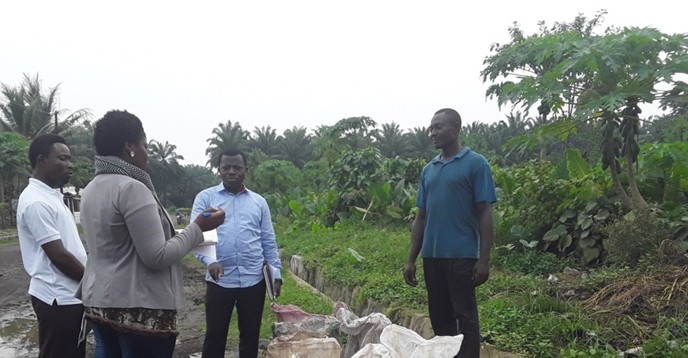
Hilary Ewang Ngide es un estudiante de 31 años de edad que prepara su doctorado en la Universidad de Buea y es el director del Centro para la Regeneración y Desarrollo Comunitario (CCREAD, por sus siglas en inglés), un programa de la EDS de la UNESCO, en Camerún.

Hilary nació en 1986, en Ekanjoh-Bajoh, una aldea de la gran extensión de selva tropical del sudoeste de Camerún. Los padres de Hilary eran pobres, “muy pobres”, añade. Trabajó con ellos en la granja. Durante la cosecha, llevaba sobre su cabeza la carga de plátanos o de cocoñame, y así recorría descalzo 20 kilómetros hasta el mercado de Bangem, el pueblo más cercano. “Recorría todo el camino descalzo por senderos forestales hasta Bangem”, afirmó. “Era la única manera de ganar algo de dinero para que mis padres pudieran comprar los materiales escolares básicos y pagar mi escolarización. Sólo pude tener mi primer par de zapatos de cuero cuando comencé la escuela secundaria.”Hoy día, las dificultades a las que Hilary tuvo que hacer frente durante una infancia de esfuerzos lo acercan a los jóvenes que sufren situaciones de sufrimiento similares en sus vidas. Hilary utiliza la Educación para el Desarrollo Sostenible (EDS) para dotar de capacidades, concentración y esperanza a los jóvenes social y económicamente desfavorecidos de su país.

Una ayuda para mejorar las condiciones de vida de su comunidad

Hilary comenzó a desempeñar el papel de agente del cambio cuando empezó a trabajar como voluntario en el ámbito de la higiene y la sanidad en su comunidad. En la universidad, trabajó como voluntario para algunas organizaciones no gubernamentales. En 2004, impulsado por sus propias experiencias, Hilary decidió crear – CCREAD –, su propia plataforma, mediante la cual ayuda a mejorar las condiciones de vida de los más desfavorecidos, “marginados” y vulnerables. Alentado por este deseo, elaboró un contenido integral para el programa de EDS en Camerún. En dicho programa figuran la EDS en los ámbitos escolar y comunitario; la educación sexual y la planificación familiar; la educación ambiental; la adaptación al cambio climático y la resiliencia; el espíritu empresarial; el liderazgo y la gobernanza idónea, así como la formación en materia de agricultura sostenible. “Mediante este programa integral, queremos sensibilizar a la mayor cantidad posible de personas y de sectores, así como dar oportunidades a todos los jóvenes en cualquier ámbito de la vida”, afirmó Hilary.

Hasta el momento, el éxito del programa, que incluye a 39.000 estudiantes en 147 escuelas, 260 docentes y administradores y 3.640 familias, es admirable. Hilary revela que lograr una proeza similar con tan pocos recursos parece algo mágico:

“Como organización, la implementación de los proyectos no depende del todo de la financiación. Damos prioridad a la energía que emana de los grupos que se benefician de nuestra acción para proporcionar cambios independientemente de la ayuda exterior. La organización desempeña más bien el papel de facilitador del proceso de empoderamiento de los jóvenes. En este sentido, nuestros agentes principales son los grupos locales de jóvenes, la administración municipal, los jefes tradicionales de las aldeas, las organizaciones de asociados locales y de asociados internacionales que proveen la ayuda básica necesaria para fomentar y consolidar nuestras acciones”.

El enfoque consistente en colocar a los jóvenes como agentes principales del proceso de su propio cambio ha “regenerado” y transformado de manera profunda y duradera la vida de muchas personas.

Una formación que cambia la vida de los beneficiarios

La historia de una pareja que ha sacado provecho del programa de EDS en Camerún da fe del poder de transformación de éste. Njoh Ivy Grace, de 28 años de edad, es titular de un máster en Relaciones internacionales de la Universidad de Seúl, en la República de Corea, y su esposo, Njoh Njih Keka, de 31 años de edad, de un máster en Administración pública de la Universidad de Buea, en Camerún. Según los estándares locales, se considera que ambos han triunfado en sus estudios y podrían trabajar para el gobierno, en Yaoundé, la capital. No obstante, se convirtieron en agricultores, exactamente horticultores, para superar el reto del desempleo que afecta al 63% de los graduados universitarios del país.

Ivy Grace fue la primera persona en recibir respaldo del programa de EDS. “Al terminar mis estudios universitarios me encontraba sin empleo, y mi determinación, autoestima y dignidad se hallaban minadas,” afirmó. “Me enteré de la existencia de la CCREAD y decidí asistir a unos talleres de formación en materia de EDS sobre prácticas de agricultura sostenible”. Su esposo Keka, también desempleado, no estaba convencido todavía, pero a él siempre le había gustado la agricultura. Al terminar los talleres de capacitación y las conferencias, Ivy Grace le explicó en qué consistían y él se interesó inmediatamente. La pareja ha optado por la agricultura orgánica.

Keka comenzó a pensar y a soñar en grande en lo relativo a su nueva empresa de agricultura orgánica con propósitos comerciales. “La CCREAD nos proporcionó los conocimientos prácticos mediante la formación y brindó también los implementos agrícolas y las semillas”, afirmó. La pareja comenzó por la siembra de tomates. El ingreso de las ventas les proporciona lo básico para vivir, pero desean desarrollarse y comprometerse en una producción ecológica de granos de soya, maíz y pimienta a mayor escala. “Queremos crear una empresa de agricultura ecológica y sostenible para dar empleo a otras personas y contribuir al desarrollo de nuestra sociedad: sólo necesitamos la tierra”, dice radiante de esperanza.

Mediante esta experiencia Ivy Grace, quien pensó en un momento en la posibilidad de abandonar el país, recibió una lección duradera. “Gracias a Dios, el programa de EDS nos hizo comprender que la respuesta al desempleo no consiste en irse a Europa o a América del Norte en búsqueda de una vida mejor, como hacen muchos jóvenes africanos hoy día a expensas de perecer, en ocasiones, en el camino”, afirmó Ivy Grace. Como pareja, los Njohs se encuentran establecidos ahora bajo la sólida protección de su granja en Ekona, un pequeño pueblo al pie de la ladera oriental del Monte Camerún.

Hilary se regocija cuando ve a Keka y a Ivy Grace, antes titulares sin empleo, cosechando felices los tomates que venderán en el mercado. Se permite filosofar sobre una verdad eterna: “Cuando usted es parte del éxito de otra persona, saca de ello gran alegría, una alegría profunda y verdadera”. Hilary es uno de los galardonados del Premio UNESCO-Japón de Educación para el Desarrollo Sostenible.

La Educación para el Desarrollo Sostenible (EDS) empodera a las personas con miras a que cambien su manera de pensar y trabajen por un futuro sostenible. La UNESCO tiene como objetivo mejorar el acceso a una educación de calidad en aras del desarrollo sostenible a todos los niveles y en todos los entornos sociales.

Fuente: http://www.elmercuriodigital.net/2017/06/un-proyecto-basado-en-la-educacion.html
Comparte este contenido:

Africa: Make Girls’ Access to Education a Reality

Por: Allafrica

Resultado de imagen para Africa: Make Girls' Access to Education a Reality

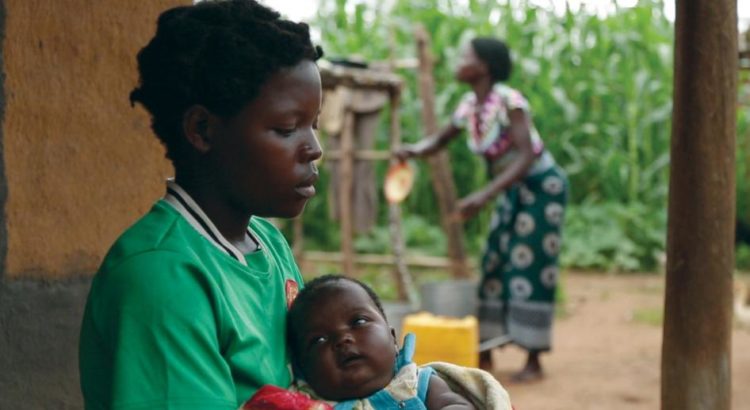
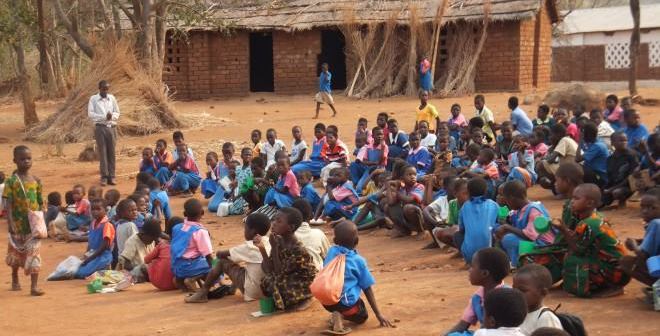
Millions of pregnant and married adolescent girls across many African countries are being denied their education because of discriminatory policies and practices, Human Rights Watch said today, on the Day of the African Child. More than 49 million girls are out of primary and secondary school in sub-Saharan Africa, with 31 million of them out of secondary education, undermining their rights and limiting their opportunities.

Early marriage and teenage pregnancy are significant factors. In sub-Saharan Africa, 40 percent of girls marry before age 18, and African countries account for 15 of the 20 countries with the highest rates of child marriage globally. The region also has the world’s highest prevalence of adolescent pregnancies. In 14 sub-Saharan countries, between 30 and 51 percent of girls give birth before they are 18. Cultural or religious beliefs often stigmatize unmarried, pregnant girls, with the result that many pregnant girls are forced into early marriages.

«The African continent has one of the world’s highest rates of adolescent pregnancy, but many governments insist on tackling this social and public health challenge by punishing girls and jeopardizing their future,» said Elin Martínez, children’s rights researcher at Human Rights Watch. «Governments should focus on helping girls prevent unintended pregnancies and support their efforts to stay in school.»

Although most sub-Saharan African countries have made commitments to guarantee compulsory primary and lower-secondary education for all children, many exclude or expel pregnant girls and young mothers from school.

Tanzania and Sierra Leone are among the sub-Saharan African countries that have harmful policies and practices that discriminate against pregnant and married girls, Human Rights Watch research shows. In Tanzania, Human Rights Watch found that school officials conduct pregnancy tests and expel pregnant students. Nineteen-year-old Rita, from northern Tanzania, said she was expelled when she became pregnant at age 17. «Teachers found out I was pregnant,» she said. «I found out that no student is allowed to stay in school if they are pregnant … I didn’t have the information [sexual education] about pregnancies and what would happen.»

Some countries, including Cameroon, South Africa, and Zambia, have adopted «re-entry» policies so that adolescent mothers can return to school after giving birth. However, even if governments have these policies, school officials often fail to carry them out adequately or at all. Young mothers frequently lack support to re-enroll due to school fees and related costs, limited support from their families, stigma in school, and a lack of affordable childcare and related early childhood services.

Many adolescent girls become pregnant because they lack the information needed to make informed decisions about their sexuality, family planning, and their reproductive health, while others are coerced into sex and require protection and access to health services and support. According to the United Nations, 80 percent of women ages 15 to 24 who have HIV globally live in sub-Saharan Africa and across the continent, and girls aged 15 to 19 are five times more likely to be infected with HIV than boys.

Sexuality and reproduction are often not included in the national school curricula. In a handful of countries where they are included in HIV awareness or «life skills» programs or subjects, teachers are frequently unwilling to teach these subjects because of the sexual and reproductive health content, or due to constraints on teaching time and resources.

All African governments have made a commitment to the UN Sustainable Development Goals to guarantee gender equality and universal access to free primary and secondary education for all children by 2030. The African Union has recognized the importance of ending child marriage, understanding that it is a major impediment to regional development and prosperity, and of eliminating all forms of gender-based violence and discrimination.

 African governments should guarantee that girls have equal access to free quality primary and secondary education and support to stay in school, Human Rights Watch said. Governments should reverse harmful policies and practices that stigmatize girls, including forced pregnancy testing and regulations that allow for the expulsion of pregnant or married girls. Governments should also adopt laws that clearly set 18 as the minimum marriage age for boys and girls.

They should also adopt clear guidelines that instruct schools to re-enroll young mothers, provide support services in schools, and ensure that young mothers have access to early childhood services. Governments should also ensure that all children have access to age-appropriate, comprehensive sexuality, and reproductive education. Where possible, school-based services should be connected to youth-friendly health services to ensure that adolescents receive impartial, nonjudgmental information.

«Governments have the prime responsibility to ensure that girls access free primary and secondary education, without facing stigma and discrimination,» said Martínez. «All governments should scrap policies that exclude pregnant or married girls, and put in place special measures to ensure that all adolescent girls can go to school.»

In Girls’ Own Words

Malawi

In Malawi, roughly half of all girls marry before age 18. Between 2010 and 2013, 27,612 girls in primary and 4,053 girls in secondary schools dropped out due to marriage. During the same period, another 14,051 primary school girls and 5,597 secondary school girls dropped out because they were pregnant.

Girls told Human Rights Watch that marriage interrupted or ended their education, and with it their dreams to be doctors, teachers, or lawyers. Many said that they could not return to school after marriage because of lack of money to pay school fees, childcare, flexible school programs or adult classes, and the need to do household chores. Others said that their husbands or in-laws would not allow them to stay in school.

Kabwila N., 17, said she left school in standard eight at age 15 because of poverty. She said she could not go back to school because she felt ashamed about her pregnancy: «I would not want to go back to school because I started having sex with my boyfriend while at school. I am not fit to go back.»

South Sudan

In South Sudan, 52 percent of girls marry before their 18th birthday. According to UNESCO, over 1.3 million primary-school-age children are out of school, and the country has the world’s lowest secondary school enrollment rate, at four percent.

Mary K., of Yambio County, said: «My father refused me to go to school. He said it is a waste of money to educate a girl. He said marriage will bring me respect in the community. Now I have grown up and I know that this is not true. I cannot get work to support my children and I see girls who have some education can get jobs.»

Anyier D., 18, said that her uncles forced her to leave school at 14 in 2008 to marry an old man she did not know: «I would wish to return to school even if I have children. People think that I am happy but I am not because I don’t have an education. I don’t have something of my own and I am only cleaning offices. If I had gone to secondary school, I would get a good job.»

Tanzania

In Tanzania, fewer than a third of girls who complete primary schooling complete lower-secondary school, and over 15,000 girls drop out annually due to pregnancy. Human Rights Watch found that in some cases adolescent girls dropped out of lower-secondary school due to sexual exploitation and violence by teachers.

Joyce, 17, from Shinyanga, said: «There are teachers who engage in sexual affairs with students – I know many [girls] it has happened to … If a student refuses, she is punished … I feel bad … even if you report the matter it won’t be taken seriously. It makes us feel unsafe. Three girls dropped out because of teachers and sex in 2015.»

Fuente: http://allafrica.com/stories/201706160843.html

Comparte este contenido:

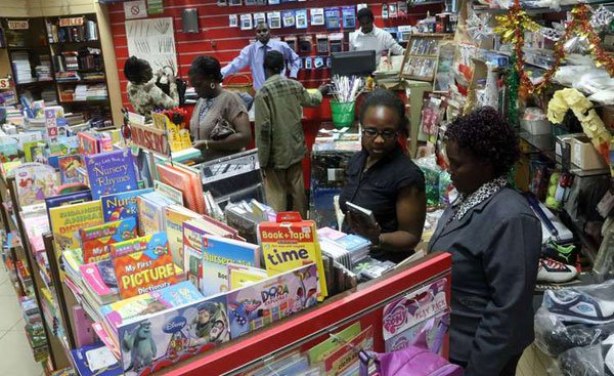
Kenya: Govt Orders Reduction of Number of Course Books

Kenyan/19 de Junio de 2017/Allafrica

Resumen: El gobierno ordenó el miércoles una reducción de los libros de curso con el objetivo de desmantelar los cárteles aprovechando ilegalmente los materiales de aprendizaje.

The government on Wednesday ordered a reduction course books with the aim of dismantling cartels profiting illegally from learning materials.

Education Cabinet Secretary Fred Matiang’i asked the Kenya Institute of Curriculum Development to review the course books, saying one per subject was adequate as opposed to the current six.

He said many books were only benefiting those in business while learners bore the burden of carrying and reading them.

«The collection of books in the Orange Book is being influenced by people we know. Marketers go out to influence people who choose the books,» said Dr Matiang’i during the launch of a report on Sh5 billion Tusome project that seeks to improve learning outcomes for class One and Two in Swahili and English at the KICD.

He said despite the government allocating billions of shillings to schools for books, millions of children were still sharing them.

«We cannot achieve better learning outcomes if children in schools have no learning materials. People cannot complain that I am putting them out of business. I have no problem putting thieves out of business,» said Dr Matiang’i.

 He told KICD to identify one course book for each subject but that parents who can afford supplementary books would be allowed to buy them.

ORANGE BOOK

The current Orange Book, a list of approved titles for schools, was last revised in 2003 and has a list of six different copies for each subject.

«The list is supposed to be reviewed every five years but we last reviewed it 13 years ago so we have been using the same books for long,» said KICD Director Julius Jwan.

Dr Matiang’i said a total of 20 million books had been distributed to class One and Two for Swahili and English across the country.

 A report released by the Ethics and Anti-Corruption Commission last year unearthed massive irregularities in the procurement of textbooks for public schools, with headteachers playing a key role in the racket.
 The fraud ranged from forged signatures, delivery of phantom books, overpricing and single-sourcing of suppliers by instructional materials selection committees at the school level.

The report, titled «Examination into the Disbursement and Utilisation of Free Primary Education Funds», blames headteachers, school management committees and suppliers for the failure to achieve the 1:1 book-to-pupil ratio, which he said currently stands at 5:1 in primary schools.

The study also found that children’s ability to read in English and Swahili has significantly improved since the beginning of the project in 2015.

‘STRONG GAIN’

About 5,000 pupils in Standard One and Two from a national sample of 200 schools were tested in both 2015 and 2016.

«On average, the pupils showed improvements in their reading rates of between 7 and 20 words per minute, which is considered a strong gain,» says the study.

 It says the Tusome approach is having a strong, positive influence on reading outcomes, with relationships between project implementation and reading outcomes.

«Project activities, such as curriculum support officer (CSO) observations, in-service training and access to materials, are associated with higher reading scores. The Tusome project has achieved a high level of national implementation. About 98 per cent of teachers had received at least some Tusome training, and 95 to 99 per cent of classrooms had received materials, such as a Tusome teacher’s guide, pupils’ books and exercise books,» says the report.

The study also found a decrease in the percentage of children who couldn’t read at all, while 70 per cent of Class One pupils could not read any words in Swahili at baseline and this number dropped to 45 per cent within one year.

Fuente: http://allafrica.com/stories/201706150580.html


Comparte este contenido:

Sudáfrica: At last Malawi Govt to employ teachers

Sudáfrica/Junio de 2017/Fuente: Malawi 24

Resumen:  Sus esperanzas de conseguir empleo por parte del gobierno se rompieron y muchos profesores calificados emigraron a Sudáfrica, pero los que esperaron pueden permitirse una sonrisa como el Ministerio de Educación, Ciencia y Tecnología ha revelado que todo está establecido para tener a los profesores puestos para el trabajo. Hablando en un presser en Lilongwe el sábado, el ministro responsable Emmanuel Fabiano reveló que el gobierno planea reclutar maestros de posgrado en el país.

Their hopes of getting employed by government were shattered and many qualified teachers migrated to South Africa, but those who waited can afford a smile as Ministry of Education, Science and Technology has disclosed that all is set to have the teachers posted for work.

Speaking at a presser in Lilongwe on Saturday, minister responsible Emmanuel Fabiano disclosed that government plans to recruit graduate teachers in the country.

Junior Certificate of Education

Emmanuel Fabiano says Govt set to recruit the teachers.

The minister added that graduate teachers must go and check their names at district education offices in their areas and signing for the offer letters is from June to July.

He added further that the newly recruited teachers are not allowed to request for transfers arguing this will compromise efforts of reducing workload on some teachers in rural set up of the country.

Government was reported to have been shunning employing teachers in the country arguing the country’s economic status could not have allowed recruitment.

The development witnessed Teachers Union of Malawi (TUM) faulting government for not employing teachers amid reports of shortage of teachers in Malawi.

Concurring with TUM, various education stockholders blamed government over the development arguing it was a waste of resources training the teachers without giving them jobs.

The delay witnessed many qualified teachers going to South Africa for jobs for their survival.

Fuente: https://malawi24.com/2017/06/18/at-last-malawi-govt-to-employ-teachers/


Comparte este contenido:

Canberra Refugee Support education scholarships help refugees to a bright future

Europa/Asia/África/Oceania, 17 de junio de 2017.  Fuente:

A new computer for studying and education fees for a semester are just two things refugees will purchase with the money from a scholarship from Canberra Refugee Support.

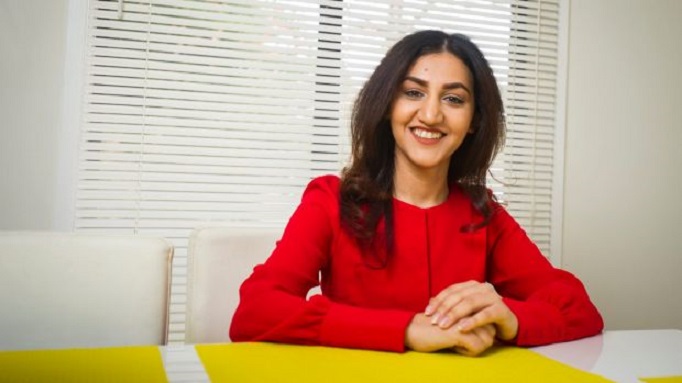
Others will buy joggers, and some will pay school fees.Muzhgan Gafoori is receiving a scholarship from Canberra Refugee Support to further her studies in accounting.

The 53 recipients of the money will each receive a cheque of up to $1000 to help shape the rest of their lives.

The candidates have been chosen for their hard work and dedication to their education, and for their commitment to making their lives and their family’s lives better.

Muzhgan Gafoori, 23, arrived in Canberra in 2013. She didn’t speak English, but spent a year and a half learning the language.

 She was born in Afghanistan and sought refuge in Australia with her parents and two younger siblings.
Ms Gafoori said her family came to Australia to feel safe.

«If you compare here to Afghanistan, it’s more safe here. But you can’t even compare it. At the moment in Afghanistan it’s all war. Every day there are bomb blasts.»

In the years since her arrival, Ms Gafoori has worked full time to support her family while also studying full time. She hopes to pursue a career in accounting, and is undertaking her diploma at CIT.

«It will help me pay for my diploma, and it will help me save for my advanced diploma next year,» Ms Gafoori said of the scholarship.

Her dream is to finish her accounting degree, become an Australian citizen and get a good job.

«You can do whatever you want here, but you need to work hard for it,» she said.

Mother-of-four Viola Oshan will be paying for a variety of things with her scholarship, putting it towards a new computer, her own education fees and her children’s school fees.

Ms Oshan is from Luo ethnic group from South Sudan, but lived in North Sudan due to the war. She arrived in Australia in 2005.

«We moved from North Sudan to Egypt and I was in Egypt for four years and then from Egypt we came to Australia in 2004,» Ms Oshan said. She was pregnant with her first son when she arrived, and her daughter was four years old.

Her son is now 12, and her daughter 17.

Ms Oshan works part time in a childcare to support her family both in Australia and overseas. She is also studying for her diploma in Early Childhood Education at CIT.

She also volunteers with a playground for children from the South Sudanese community. Ms Oshan said the transition to living in Australia was difficult, particularly the language barrier, but she was grateful for the help of Canberra Refugee Support.

«It’s very hard, it means a lot,» she said of the scholarship.

Canberra Refugee Support vice-president Brian Calder said the money was a recognition of achievement and effort the recipients were making in their education.

«They’ve come to Australia and they’ve really realised how education is a pathway to not only employment but to active involvement and contribution to their new community,» he said.

Canberra Refugee Support is a Canberra-region not-for-profit organisation with a purpose to be a good neighbour to refugees and asylum-seekers.

Fuente: http://education.einnews.com/article/387401136/cVE0ykZ3cQmPCCT3?lcf=ZdFIsVy5FNL1d6BCqG9muZ1ThG_8NrDelJyazu0BSuo%3D

Photo: Dion Georgopoulos


Comparte este contenido:
Page 315 of 621
1 313 314 315 316 317 621