Page 294 of 773
1 292 293 294 295 296 773

Young Japanese turn to financial education to prepare for future of uncertain pensions

Por: www.japantimes.co.jp/ 18-04-2018

Education programs to help people make financial plans for their future are spreading as young Japanese face a bleak horizon of uncertain pension benefits.

Their worries are well-founded, given the aging population and low birthrate.

Japanese are often regarded as being reluctant about making investments, with cash and deposits accounting for more than half of about ¥1.8 quadrillion in financial assets held by households in Japan, according to the Financial Services Agency.

Meanwhile, the share of stocks and investment trusts, including those indirectly owned through insurance and pension programs, is only around 19 percent.

In the United States, where many people engage in asset-building activities, households have some 46 percent of financial assets in stocks and investment trusts.

“There is an unfavorable image about investing,” which is often considered identical to speculation in Japan, according to Hiroshi Nodomi, the senior general manager for financial literacy and education support at the Japan Securities Dealers Association.

But stock prices have maintained an upward trend in recent years, creating an environment that encourages a shift in popular interest from deposits and savings to investment.

A 2016 survey conducted by the Central Council for Financial Services Information, which is affiliated with the government and the Bank of Japan, found that 62.4 percent of people aged 18 and older believe it necessary to conduct financial literacy education at schools, while 12.9 percent said there is no such need.

The FSA is also promoting “long-term tsumitate (accumulation) and diversified investment,” an official said.

For example, the Tsumitate Nippon Individual Savings Account (NISA), a tax-exempt scheme for investment by individuals that was introduced in January, is designed for modest investing in financial instruments.

Amid the increasing awareness, Kyorin University in 2016 started teaching financial literacy — skills and knowledge allowing an individual to make effective decisions on financial resources — as a required course for first-year students in the social science department.

“I receive many after-class questions, suggesting that many students consider asset management a matter that concerns them,” said Nobuyuki Oda, a professor who, with two other teachers, holds about 30 classes per year on insurance, pensions, stocks and other financial issues.

During the first day in the class on financial education at Kyorin University, students are asked what kind of life they want to live. Students often recognize a wide gap between their envisioned lives and reality after they learn about lifetime income and other specific data, and become willing to acquire financial literacy, Oda said.

The university’s one-year financial education program is designed to give students knowledge required for the third, or lowest, grade of “certified skilled financial planning professional” credentials, a form of certification issued by the government.

Financial education should start in high school because it teaches “pension and other matters linked to our lives,” said Ayana Mineshima, who took the course at Kyorin University.

Under the government’s new curriculum guidelines for high school studies, financial education will be “considerably upgraded,” according to an official in the education ministry.

Expectations are increasing that the financial literacy of young people in Japan will improve in the coming years.

*Fuente: https://www.japantimes.co.jp/news/2018/04/17/business/young-japanese-turn-financial-education-prepare-future-uncertain-pensions/#.WtYpwSPhC_E

Comparte este contenido:

UAE: Sheikh Nahyan wins educational personality award

Por: khaleejtimes.com/ Ismail Sebugwaawo -Abu Dhabi /18-04-2018

This cycle of the awards included 39 winners, comprising of those from the UAE and the Arab region

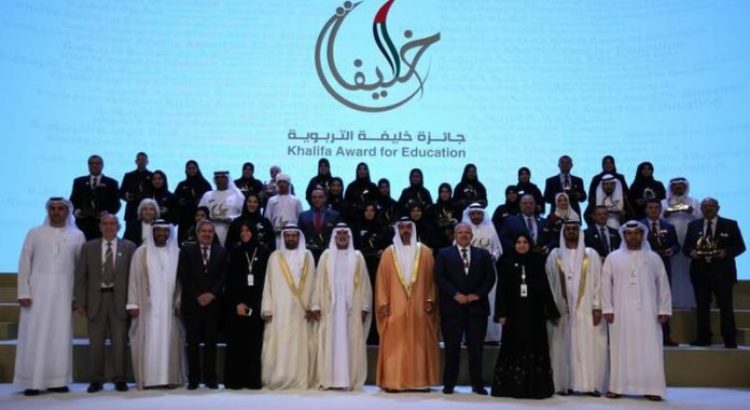
 Sheikh Nahyan bin Mubarak Al Nahyan, Minister of Tolerance, won the Educational Personality of the Year at the Khalifa Award for Education.

He was recognised for his tireless efforts in promoting education and supporting learning activities across the UAE.

Sheikh Hamed bin Zayed Al Nahyan, chief of the Abu Dhabi Crown Prince’s Court and member of the Abu Dhabi Executive Council, honoured the winners of the Khalifa Award for Education 2017/2018 at a ceremony held at the Emirates Palace Hotel in Abu Dhabi on Monday.

This cycle of the awards included 39 winners, comprising of those from the UAE and the Arab region.

Hussein Al Hammad, Minister of Education, said at the award’s mission, supported by the President, Sheikh Khalifa bin Zayed Al Nahyan, is to be a leading national initiative to encourage people, who work in education, to innovate and develop education, in compliance with the challenges of the information age.

«Education has been so pivotal in the growth and development of the UAE and the nation’s leaders are keen in supporting the education sector for quality learning,» said Al Hammadi.

On receiving the award, Sheikh Nahyan said: «I am very proud to be selected for this coveted award, which is named after the President, Sheikh Khalifa bin Zayed Al Nahyan.»

Other awardees

Affaf Tobbala, 77, professor of mass communications at the Modern Sciences and Arts University in Egypt, won an award for her work on children’s literature including a book for young innovators. «I am happy that my work about authoring books for educating children has been recognised.»

Tobbala, who is also an editor, scriptwriter and art producer of a number of short documentaries and films, was recognised in the category of distinguished university professor in the field of scientific research.

Fatimah Saeed, 35, a kindergarten teacher at Al Woorod School in Ras Al Khaimah was recognised for her creativity in the classroom. «I am keen on doing research about the best and latest teaching methods and this helps me to develop good teaching skills and create good teaching materials for my pupils,» Saeed told Khaleej Times, aft-er getting her award.

«I love teaching small children and this award is a big honour for me. It will motivate me into doing more for the excellence of children.»

Saeed has represented the UAE in various international educational workshops. She said she is looking forward to presenting her suggestion to authorities about creating a ministry for children’s affairs.

Moza Mohammed, 35-year-old teacher at Hala School in Fujairah, received the award for her tireless work on Islamic strategic and creative projects. «I am so happy to receive this award. My research and creative projects in the religious field have helped improve children’s learning because they can easily get the concepts.»

Among the award categories included; educational innovation, promising teacher, distinguished university professor in the field of teaching, distinguished university professor in the field of scientific research, creative teacher, special needs, creativity in teaching Arabic and others.

ismail@khaleejtimes.com

*Fuente: https://www.khaleejtimes.com/nation/sheikh-nahyan-wins-educational-personality-award

Comparte este contenido:

Educación en línea gana impulso en China, apunta informe

China/ 17 de abril de 2018/Fuente: http://spanish.xinhuanet.com

La educación en línea de China está prosperando y el número de usuarios continuará creciendo en cerca de un cinco por ciento anual, según un informe divulgado esta semana.

El mercado de la educación en línea crecerá más de un 20 por ciento anualmente, apunta el Libro Blanco sobre educación en línea en China 2017, compilado por el Ministerio de Educación, la Universidad Pedagógica de China y Baidu Education.

El número de usuarios ha alcanzado 144 millones, de los cuales 120 millones emplean sus teléfonos móviles, según el informe, que se basa en el estudio de más de 200.000 casos.

Más del 53 por ciento de los padres chinos han comprado clases en línea para sus hijos, un 31,2 por ciento de ellos en más de una ocasión.

El informe también ilustró las tendencias educativas en línea, entre ellas el aumento de la cifra de alumnos en línea con más edad y el incremento del uso de la inteligencia artificial.

Fuente de la noticia:

http://spanish.xinhuanet.com/2018-04/13/c_137109024.htm

Comparte este contenido:

Unicef y OMS promueven nueva guía de apoyo a la lactancia materna

UNICEF – OMS/ 17 de abril de 2018/Fuente: http://prensa-latina.cu

La Organización Mundial de la Salud (OMS) y el Fondo de Naciones Unidas para la Infancia (Unicef) promueven hoy una guía de apoyo a la lactancia materna en los centros de salud para embarazadas y recién nacidos.
El documento incluye lo que denominan 10 pasos para una lactancia materna exitosa y apoya la iniciativa de hospitales amigo de la madre y el niño, lanzada en 1991 con el fin de alentar a las madres primerizas a amamantar y a orientar a los trabajadores de salud sobre la mejor forma de apoyarlas.

Según dijo la directora ejecutiva de Unicef, Henrietta H. Fore, la lactancia materna salva vidas y ayuda a mantener a los bebes sanos desde sus primeros días hasta su madurez.

Los hospitales no están solo para curar a los enfermos, también tienen que promover la vida y garantizar que la gente pueda desarrollarse y vivir al máximo de sus posibilidades, señaló el director general de la Organización Mundial de la Salud, Tedros Adhanom Ghebreyesus.

Unicef y la OMS consideran que son los centros sanitarios -representantes de la lucha a favor de la sanidad universal- quienes deben ejercer el liderazgo a la hora de promover esas prácticas.

De acuerdo con sus informes, Cuba destaca entre los países con mejores resultados al aplicar la iniciativa de hospitales amigos de la madre y el niño.

La guía de 10 pasos que promueve ahora la OMS y la Unicef insiste en la necesidad de informar a todas las embarazadas y a sus familias de los beneficios de la lactancia natural y la forma de ponerla en práctica.

Además, aboga por facilitar el contacto ‘piel con piel’ y ayudar a las madres a iniciar la lactancia cuanto antes sea posible tras el parto.

La lactancia materna es vital para la salud de un niño y reduce los costos de atención para los centros de salud, las familias y los gobiernos, indican investigaciones.

Amamantar a todos los bebés durante los primeros dos años salvaría anualmente la vida de más de 820 mil niños menores de 5 años, reporta la OMS.

La lactancia durante la primera hora después del nacimiento protege a los recién nacidos de las infecciones, mejora su coeficiente intelectual, la preparación para la escuela y reduce el riesgo de cáncer de mama en la madre.

Fuente del documento:
http://prensa-latina.cu/index.php?o=rn&id=170415&SEO=unicef-y-oms-promueven-nueva-guia-de-apoyo-a-la-lactancia-materna
Comparte este contenido:

El gobierno de Israel se mueve para amordazar a los profesores que respaldan al BDS

Israel / 15 de abril de 2018 / Autor: Redacción / Fuente: Monitor de Oriente

Un documento presentado por el gobierno israelí para la educación superior, encabezado por el ministro de Educación, Naftali Bennett, aceptado el domingo, determina “un código de ética (…) que impide que los académicos pidan un boicot a Israel”, informó Haaretz.

Según el documento, los principios requieren una “prohibición de la discriminación, positiva o negativa, de los estudiantes con base en sus opiniones políticas” y una “prohibición de discriminación, positiva o negativa, de un miembro de la facultad o candidato a entrar, basado en sus opiniones políticas”.

El cuarto principio prohíbe la “propaganda partidaria en el marco de la enseñanza” y el quinto prohibiría “presentar o publicar materiales con opiniones políticas o personales como si fueran opiniones de la institución”.

Las medidas, dice Haaretz, “se extenderán tanto a profesores como a administradores”.

Además, el comité también propuso que se prohibiera a los profesores “aprovecharse de la plataforma de enseñanza para exhortar sistemática e indebidamente una posición política que claramente se salga del material del curso”.

Este documento ha sido enviado a los directores de las instituciones académicas de Israel para que respondan, antes de que el tema sea “presentado ante todo el consejo”.

El Comité de Directores Universitarios ha llamado al documento “una colección de reglas dictadas por el gobierno sobre un conjunto de actividades académicas de la facultad académica en Israel”.

Fuente de la Noticia:

https://www.monitordeoriente.com/20180327-el-gobierno-de-israel-se-mueve-para-amordazar-a-los-profesores-que-respaldan-al-bds/

Comparte este contenido:

Panamá: Docentes, interesados en viajar a Jordania

Panamá – Jordania / 15 de abril de 2018 / Autor: José Arcia / Fuente: La Estrella de Panamá

La ministra de Educación, Marcela Paredes de Vásquez, indicó que ‘hay muchos docentes’ que desean participar en el programa de asistencia humanitaria a los niños refugiados en Jordania. Dijo que, aunque el programa lo realiza la Cancillería, el Ministerio de Educación consulta a los docentes para saber quién está interesado en viajar al país árabe.

La decisión de los docentes es voluntaria y será una experiencia de ‘crecimiento personal’, dijo la ministra. Explicó que serán alrededor 10 docentes que serán elegidos para participar del programa que cuenta con el apoyo del gobierno de Jordania y del Fondo de las Naciones Unidas para la infancia (Unicef, por sus siglas en inglés).

La medida de enviar a docentes a Jordania para impartir clases de español a niños sirios en los campos de refugiados, fue anunciada por el presidente de la República, Juan Carlos Varela, luego de su visita a uno de los campos de refugiados, cuando estuvo de visita oficial en el país árabe.

La ministra Paredes también se refirió al uso de algunos centros educativos para la Jornada Mundial de la Juventud, que se realizará en enero próximo.

Dijo que aún no tienen definido los centros escolares que participarán, pero que el año lectivo concluirá el 30 de noviembre en esos planteles. Una de las escuelas que ha sido designada para la JMJ es el Belisario Porras, que queda en San Francisco, indicó una fuente.

A juicio de la ministra, la medida no afectará el año lectivo porque los centros educativos que serán usados para el evento estarán cerrando el año lectivo dos semanas antes del calendario regular que se estableció para el año escolar.

Fuente de la Noticia:

http://laestrella.com.pa/panama/nacional/docentes-interesados-viajar-jordania/24058039

Comparte este contenido:

Laotian education planners join the Advanced Training Programme in Paris

Laos / Laos / April 15, 2018 / Author: Editorial Staff / Source: UNESCO

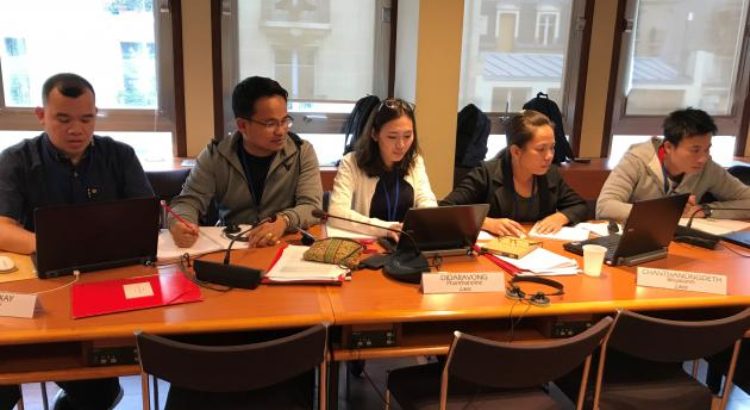
Five educational planners from Lao PDR have arrived at the International Institute for Education Planning (IIEP-UNESCO) in Paris, France to complete the Advanced Training Programme (ATP), a Master’s level training course in educational planning and management. This new group, as well as a trainee from Mali, joins the other ATP trainees who started at IIEP in January 2018.

This final phase of the training follows a two-year long tailored training programme, which specifically responded to the needs of the Laotian education system while remaining equivalent to the Paris-based training. The Laotian participants will complete their training after three months in Paris.

A flexible approach to training

IIEP’s ATP programme traditionally consists of two distance education modules plus a six-month residency at IIEP in Paris. The Institute’s increasingly flexible approach to course design and delivery means that professional planners can also pursue a customized approach tailored to national needs.

As part of this programme, the trainees began with IIEP delivered courses in Lao PDR. They now join the entire ATP cohort (2017-2018) for the remainder of the programme. In the coming months, they will study three specialized courses in educational planning and management and will complete a project in both Paris and Lao PDR, focusing on a specific national education challenge.

Phanthanome Didaravong, a statistical officer in the Department of Planning within the Ministry, said she looked forward to taking the upcoming specialized courses at IIEP, which responds fully to her professional commitments.

Prior to arriving in Paris, the trainees completed a short face-to-face Foundation Course from 14-16 March in Vientiane, Lao PDR. This session followed a month-long e-learning phase and focused on integrating the targets of Sustainable Development Goal 4 (SDG4) into the country’s Education and Sports Sector Development Plan (2016-2020).

The trainees during a luncheon hosted by the EU Ambassador to the Lao PDR, Mr. Leo Faber (3rd from the right) with the honourable Minister of Education and Sports, Madam Sengdeuane Lachanthaboun (4th from the right).


Sharing knowledge for lasting impact

Part of the objective, Didaravong said, is also to share the new skills and practices acquired through IIEP training with colleagues across the districts and provinces in Lao.

“We will be like core trainers on educational planning and that way it will last more than one year and a half,” she said. “We will conduct trainings for all districts and provincial staff – over 100 people – province by province over the next two years.”

IIEP appreciates the financial support provided by the European Union, which is allowing Didaravong and her colleagues Vanthala Souvanxay, Chaleunsouk Sisouvong, Bouavanh Chanthanongdeth, Vannasouk Bouasangthong to train at IIEP and develop their planning skills.

Source of the News:

http://www.iiep.unesco.org/en/laotian-education-planners-join-advanced-training-programme-paris-4472

Comparte este contenido:
Page 294 of 773
1 292 293 294 295 296 773