Page 6593 of 6815
1 6.591 6.592 6.593 6.594 6.595 6.815

In Mozambique, the children too poor to learn

África/Mozambique/Abril 2016/Fuente:Al Jazeera /Autor:Hamza Mohamed

Resumen: La noticia narra la historia de Candrinho y su hermana Anita quienes debieron abandor la escuela porque no podían pagar por sus uniformes y libros. A pesar de que Mozambique, es un país de más de 25 millones de personas, con una de las economías de mayor crecimiento en el continente, la riqueza no se ha alcanzado a todos. Mozambique posee una de las mayores tasas de abandono escolar en el mundo.

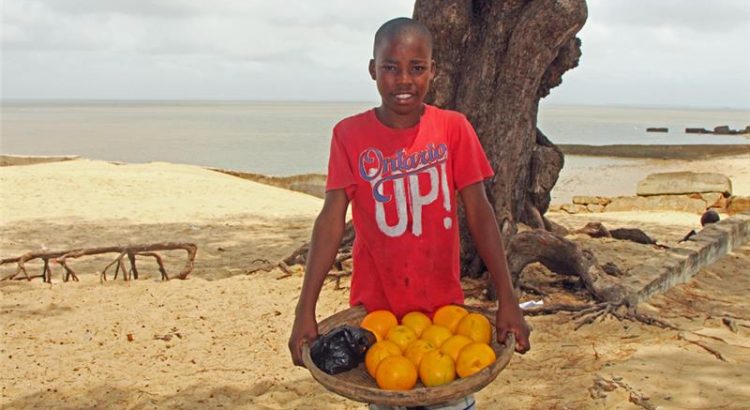
Beira — Early on a bright Monday morning in downtown Beira, Mozambique’s second largest city, 13-year-old Beitu Candrinho washes oranges beneath the shadow of a statue of Samora Machel – the country’s founding father.

He places the fruit in a basket and walks on to the busy, palm tree-lined streets of the city to sell them.

Candrinho has followed this routine for the past three years, six days a week.

«I work because I need to buy food for my sisters and me to eat. If I don’t work we will go hungry. I only take Sundays off to go to church,» Candrinho told Al Jazeera as he prepared for the long day ahead.

Candrinho had to start working on the streets of his seaside city after his father and mother divorced. His mother remarried and her new husband didn’t take kindly to Candrinho and his eight-year-old sister. Shunned and mistreated, the siblings found themselves under the care of their uncle but on one condition – Candrinho must work to support himself and his sister.

Candrinho accepted his fate and duly dropped out of school.

Every two weeks his mother-in-law gives him 90 oranges to sell and he needs to sell them all in 14 days to have a roof over his and his sister’s heads and two meals a day – breakfast and dinner. He sells each orange for the equivalent of 20 US cents.

«It is very tiring. I work from 6am to 6pm. I’m usually sad when I get home,» said the boy.

«Every day before going home I stopped by the church to pray and ask for a better life because doing this is very hard,» Candrinho said, as the first signs of traffic appeared on the main road, signalling the start of his day.

School drop-outs

Both Candrinho and his sister Aninha dropped out of school because they couldn’t pay for their uniforms and books.

They are not alone. Across this southern Africa country tens of thousands of children face a similar fate – working instead of learning.

Even though Mozambique, a country of more than 25 million people, has one of the fastest-growing economies on the continent, the wealth hasn’t trickled down to everyone, just yet. The country is home to one of the biggest school dropout rates in the world.

More than half of primary school pupils do not complete school. Only 47 percent complete primary school, with UNESCO saying in 2012 that 1.2 million children drop out of school.

Despite impressive yearly growth figures of more than 7 percent, more than half of the population – 54 percent – lives below the poverty line, according to the World Bank. Parents facing tough economic conditions will send their children out to work rather than to school.

The fact that most of the country’s population lives in the countryside exacerbates this situation, as economic conditions are more strained in rural areas where it is difficult for parents to send their children to school.

Playing games

Mozambique’s capital Maputo lies some 2,000 kilometres south of Beira. It has seen a recent economic boom and a flow of money, but in the city’s Mafalala neighbourhood it is common to see children working or playing football on dirt roads during school hours.

Arnaldo Djedje stood next to a game machine with a wad of cash in his left hand. The 14-year-old was surrounded by kids pushing to get a chance to play the machine. Djedje had dropped out of school two years earlier.

«I have been working as the manager of this game machine since 2013. It belongs to my uncle. I left school because my family could not raise the money for school,» Djedje said.

«I live with my grandmother and don’t get paid for working here. I get a place to sleep and food. When I get older I will like to be a soldier,» he said with a hint of a smile.

Djedje left school before he could learn to read or write.

Twenty minutes’ walk from the game machine booth is where Djedje calls home. His parents divorced and, with employment hard to come by in Maputo, Djedje’s father crossed the border into neighbouring South Africa, where he does menial jobs to earn some money. The little he sends back helps to pay for rent and send Djedje’s younger sister to school.

Doing good at school

Djedje’s elderly grandmother is left to look after the children.

«We had to choose which one to send to school. His father doesn’t have much money. So, we kept the daughter, who was doing better in class, in school. If we get money we hope to send him to boarding school,» Djedje’s grandmother, Almerinda Sambane, explained standing outside their one-bedroom stone house.

Mozambique came out of a brutal 15-year civil war in 1992, which started only two years after the former Portuguese colony gained independence in 1975. The war left an estimated one million people dead and the education system on its knees.

But since the government struck oil and gas off its shores it has been heavily investing in the education sector, building hundreds of classes a year while also training thousands of teachers.

According to the United Nation’s children’s fund, UNICEF, Maputo abolished school fees and introduced free text books in schools across the country in an effort to ease the pressure on poverty-stricken parents. This has led to school enrolments jumping from 3.6 million in 2003 to 6.7 million in 2014.

«Today we have about seven million children in the education system, although it is true that we do not have the conditions to give a classroom for each kid. We cannot have all schools with desks, with computers, with laboratories,» Jorge Ferrao, the minister for education, told Al Jazeera.

«We possibly need 38,000 classrooms and we are building a thousand classrooms per year. If we do that, dropout levels will find an answer. We have to give a seven-year education to our children as defined in our constitution,» Ferrao added.

The government might succeed in building thousands of new classrooms, but unless the economic realities of thousands of families change, many children like Candrinho could remain out of the school system.

«I want to go back to school and study to become a priest. My sister wants to become a nurse. But now we have no money for that,» Candrinho said.


Fuente de la noticia:http://www.aljazeera.com/indepth/features/2016/03/mozambique-children-poor-learn-160308104006411.html

Fuente de la imagen:http://www.aljazeera.com/mritems/imagecache/mbdxxlarge/mritems/Images/2016/3/8/d5d1996b4e074de3801df95ffa788d0b_18.JPG

Comparte este contenido:

Papua Nueva Guinea: Sopas School of Nursing progressing well

Papua Nueva Guinea: Sopas School of Nursing progressing well
Papua Nueva Guinea/abril de 2016/Papua Nueva Guinea Education News

Resumen: Después de ser cerrada, debido a las luchas tribales, el gobierno de la provincia de Enga, reactivo hace tres años, la Escuela de Enfermería de sopas en Wabag, Enga la cual ofrece un diploma de tres años en el programa de enfermería.

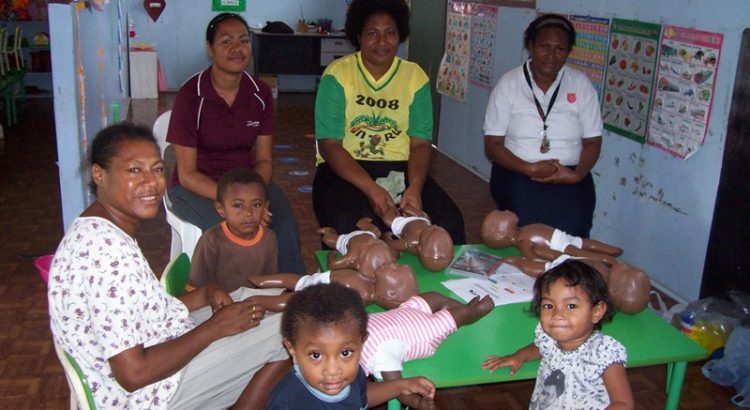
AFTER being revived by the Enga provincial government three years ago, the Sopas School of Nursing in Wabag, Enga is seeing good progress, school principal Noelyn Koutalo says.

Previously, the institution was run by the Seventh-day Adventist, but closed down due to tribal fights until being revived three years ago by the provincial government.

Koutalo said with the institution supported by the Enga government and the National Government, their (institution) operation was normal.

The school offers a three-year diploma in the nursing programme and the first lot of students that enrolled three years ago are in their second year.

“Next year will be a special year that the institution is looking forward to,” Koutalo said.
“We will be having our first graduation after resuming operation three years ago.
“From there, we will only know how much we have come so far in terms of learning and the operation of the school.”

Koutalo said the institution was functioning smoothly because of the assistance from the provincial and National Government.
Fuente:
http://edu.pngfacts.com/education-news/sopas-school-of-nursing-progressing-well

foto:

http://www.laerdal.com/la/images/L/AAJROJHK.jpg


Comparte este contenido:

Estudio comparativo de los contenidos curriculares de Ciencias Naturales, Lenguaje, Matemáticas y Educación Ciudadana en los países del CAB

Fuente CAB/ 15 de Abril de 2016

A continuación anexamos el documento de resumen ejecutivo de los resultados del estudio comparativo de los contenidos curriculares en la región, denominado «Evaluaciones Internacionales Vs Contenidos curriculares: ¿Lejos o cerca?

Enlace del documento:  Evaluaciones Internacionales Vs Contenidos curriculares: ¿Lejos o cerca?

Comparte este contenido:

España: La Junta reconoce al alumnado ganador de los Premios Extraordinarios de Música y de Danza

Cordoba/EUROPA PRESS. 15.04.2016/ Fuente de la noticia y Autor 20 minutos

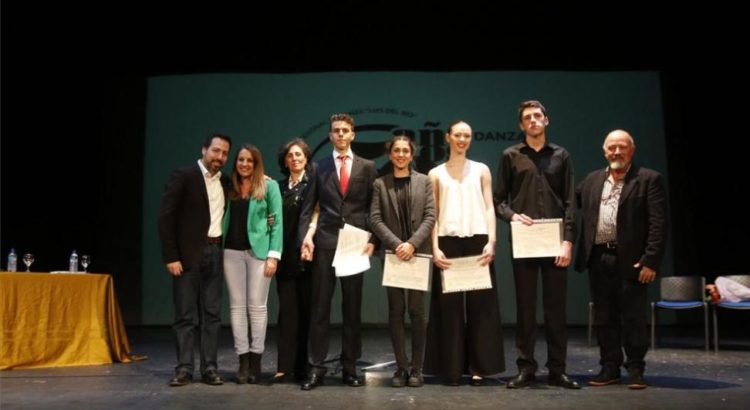
La delegada territorial de Educación de la Junta de Andalucía en Córdoba, Esther Ruiz, acompañada por los directores de la Escuelas Profesionales de Música y Danza, Ernesto Blanco y María Carmen del Río, ha reconocido con un galardón al alumnado ganador de los Premios Extraordinarios de Enseñanzas Profesionales de Música y de Danza, entregados por la Consejería de Educación, correspondientes al curso 2014/2015.
La delegada territorial de Educación de la Junta de Andalucía en Córdoba, Esther Ruiz, acompañada por los directores de la Escuelas Profesionales de Música y Danza, Ernesto Blanco y María Carmen del Río, ha reconocido con un galardón al alumnado ganador de los Premios Extraordinarios de Enseñanzas Profesionales de Música y de Danza, entregados por la Consejería de Educación, correspondientes al curso 2014/2015. En el acto, Esther Ruiz ha destacado la importancia de la educación artística en Córdoba y ha puesto de manifiesto la trayectoria de las enseñanzas artísticas en la localidad, así como el interés del alumnado por las enseñanzas artísticas en el conjunto del sistema educativo. Ruiz ha destacado la educación en valores a través de la música y de la danza, su importancia y así apoyar la cultura cordobesa y ha valorado la importancia que presta la Junta para el fomento de las actividades culturales y artísticas de Andalucía. «Debemos fomentar la creatividad y expresividad de nuestros jóvenes en nuestros centros educativos», ha señalado la responsable de Educación. Por último, la delegada ha agradecido al profesorado de las Escuelas de Música y de Danza y a toda la comunidad educativa su implicación y labor, trasmitiendo al alumnado el interés por las enseñanzas artísticas, una de las bases fundamentales para la formación y educación. El alumnado de Córdoba galardonado con los Premios Extraordinarios de Enseñanzas Profesionales de Música y de Danza, entregados por la Consejería de Educación, correspondientes al curso 2014/2015 de Córdoba, han sido: Alicia Torres (premio música de guitarra); Catalina Sánchez (premio música de saxofón); Alberto León (premio de música de tuba); Jesús Ruiz (premio de música de viola); Laura Jurado (premio de danza clásica) y José Gabriel Rabasco (premio de danza española).

Fuente de la noticia: http://www.20minutos.es/noticia/2723043/0/educacion-junta-reconoce-al-alumnado-ganador-premios-extraordinarios-musica-danza/#xtor=AD-15&xts=467263

Imagen 1: http://zetaestaticos.com/cordoba/img/noticias/1/033/1033725_1.jpg

Socializado por:

Dulmar Pérez. Candidata al Doctorado Pedagogía, Magister en Docencia Universitaria, Especialista en Docencia para la Educación Inicial. Ha publicado artículos internacionales y nacionales PEII-A Investigadora adscrita al CIM. Coordinadora CNIE en Barinas

Comparte este contenido:

Instituciones educativas deben fomentar el uso eficiente de la energía

Venezuela/15 abril 2016/Autor: AVN/ Fuente: El Siglo

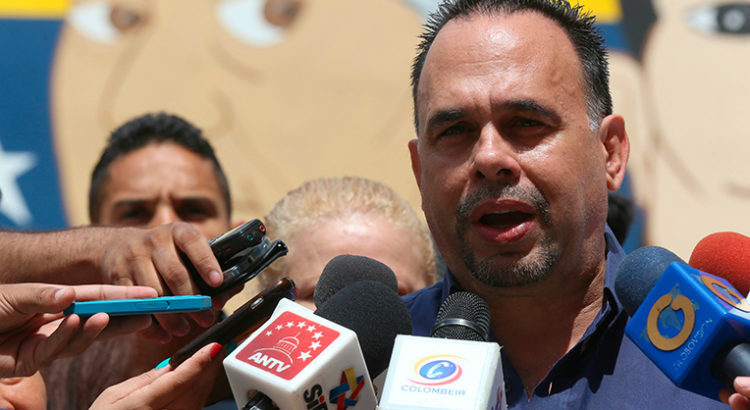
Un llamado a las instituciones educativas a fomentar el ahorro energético y a crear conciencia en el uso eficiente y racional de este recurso hizo este viernes el ministro para la Educación, Rodulfo Pérez.

En las instituciones educativas es donde debe germinar las conciencia. Que los niños y el pueblo de Venezuela tengan en nuestras instituciones un espacio de conciencia para que vayan a sus comunidades a difundir este mensaje”, dijo Pérez, en rueda de prensa desde la sede Ministerio de Educación Universitaria.

Pérez recordó que, para contribuir en la disminución del consumo eléctrico, el día lunes 18 de abril fue decretado por el presidente de la República, Nicolás Maduro, día no laborable, por lo que las actividades académicas se retomarán el miércoles 20 de abril.

En Venezuela, el 70 % de la energía proviene de las hidroeléctricas, por lo que el déficit de precipitaciones que se mantiene en el país desde 2013, y que se ha acentuado durante los primeros meses de 2016 como consecuencia del fenómeno climatológico El Niño, tiene un impacto directo sobre la capacidad de generación del Sistema Eléctrico Nacional.

El Niño ha afectado especialmente el embalse de Guri, que represa las aguas del río Caroní, en el estado Bolívar, y alimenta a las centrales hidroeléctricas Simón Bolívar (Guri), Francisco de Miranda (Caruachi) y Antonio José de Sucre (Macagua).

Ante estas acciones, el Ejecutivo nacional presentó a principios de abril un Plan de 60 días para contrarrestar los efectos del fenómeno climático. Entre estas medidas se encuentra la declaratoria de los viernes de abril y mayo como días no laborables en el sector público, así como la reducción del horario laboral en este sector.

En Semana Santa se comenzaron a aplicar estas medidas de ahorro, cuando los días 21, 22 y 23 de marzo se decretaron como no laborables. Como resultado, se redujo en ese momento el consumo eléctrico del país en 400 megavatios (MW), y se preservaron 22 centímetros de la cota del embalse de la Central Hidroeléctrica Simón Bolívar, la más importante del país.

Fuente de la Noticia y Fotos:

http://elsiglo.com.ve/2016/04/15/rodulfo-perez-ministro-perez-instituciones-educativas-deben-fomentar-el-uso-eficiente-de-la-energi

Comparte este contenido:

Evo Morales regala al Papa Francisco tres libros sobre la coca y le recomienda tomarla

Source: Evo Morales regala al papa Francisco tres libros sobre la coca y le recomienda tomarla

EFE

«Yo la estoy tomando y me hace bien», le ha dicho al pontífice.»Se lo recomiendo y así aguanta toda la vida».El papa recibe a Evo Morales en el Vaticano.

Papa Francisco en el Vaticano

El presidente de Bolivia, Evo Morales, fue recibido por el papa Francisco, a quien regaló tres libros sobre los beneficios de la coca y le recomendó tomarla porque así, dijo, «aguanta toda la vida».

Morales comenzó su encuentro con Francisco a las 10.34 horas locales (08:34 GMT) y conversó durante 27 minutos con el pontífice en la Biblioteca del Palacio Apostólico del Vaticano.

«Yo la estoy tomando y me hace bien. Se lo recomiendo y así aguanta toda la vida«, dijo Morales al papa al entregarle los libros sobre el cultivo andino en el habitual intercambio de regalos.

Evo Morales ya pidió hace dos años a la ONU la despenalización de la hoja de coca. «Los consumidores no somos dependientes», dijo entonces.

Comparte este contenido:

UNRISD: Seminar Food Trade, Food Security and the SDGs: Aligning Reality with the Vision

SEMINAR SERIES

22 Apr 2016, Room VIII, Palais des Nations, Geneva

Food Trade, Food Security and the SDGs: Aligning Reality with the Vision

In addition to SDG2, which aims to end hunger, food security and food trade have implications for other goals related to energy, equity and global partnerships. But there would seem to be some disconnect between the vision of the SDGs and the current global food trade architecture. Can countries create and enforce trade rules that respect other global commitments to sustainable and inclusive human well-being? How can the international community rebuild confidence in international food markets and the rules that govern them? How should governments reform multilateral trade rules to limit future risks to food security while ensuring everybody’s food needs are met in a sustainable way?

  • Time: 13.00-14.30
  • Location: Room VIII, Palais des Nations, Geneva
  • This event is open to the public.
    Click Registration, on the right, to attend.

More than 700 million people in the developing world lack the food necessary for an active and healthy life. Food insecurity is a multi-faceted problem related not only to poverty, but also to international trade that contributes to determining what food is available where and at what price. For even if international markets for many foodstuffs are small in comparison to total production (and some foods are barely traded at all), the roughly 15% of agricultural production that does cross borders shapes domestic food systems profoundly, whether in China or Mali or the United States.

Improving the way food commodity markets function to limit extreme food price volatility is one of the targets included in SDG2, aimed at increasing food security as part of the ambitious new development agenda that UN member states signed up to in September 2015. The room for improvement is enormous.

The 2007-2008 world food price crisis generated political and economic instability and social unrest in countries around the world, increasing malnutrition and indebtedness, and deepening poverty and inequality. Agricultural commodity markets too are still dealing with the aftermath: the crisis raised important questions about whether international trade rules are fit for purpose. Indeed, although the importance of international trade for many facets of food security is generally accepted, the WTO, the body responsible for overseeing the rules governing food trade, is itself challenged by many civil society organizations, while the rules governing agricultural trade are challenged by a number of WTO member states and the experts who advise them.

So where does this leave us? There would seem to be some disconnect between the current global food trade architecture and the vision of the SDGs. In addition to SDG2, food security and food trade have implications for a number of other goals, including those related to economic growth; gender equality; reducing inequalities; sustainable production and consumption, combating climate change, land degradation and biodiversity loss; and, not least, global partnerships.

  • Can countries create and enforce trade rules that respect other global commitments to sustainable and inclusive human well-being?
  • How can the international community rebuild confidence in international food markets and the rules that govern them?
  • How should governments reform multilateral trade rules to limit future risks to food security while ensuring everybody’s food needs are met in a sustainable way?

UNRISD Visiting Research Fellow Sophia Murphy will discuss these issues at an UNRISD Seminar.

Susan Mathews, Human Rights Officer (Thematic Engagement, Special Procedures and Right to Development Division) at the Office of the High Commissioner for Human Rights, will bring another perspective to the discussion of trade from a social development and human rights angle. She will explain why and how OHCHR is engaging on trade as a human rights issue, highlight some lessons learned from past experiences with human rights impact assessments of trade agreements, and describe current efforts to initiate a human rights impact assessment of the Continental Free Trade area agreement in Africa, focusing on agriculture, including food security and livelihoods, as well as employment.

Speakers

Sophia Murphy, UNRISD Visiting Research Fellow; Senior Advisor, Institute for Agriculture and Trade Policy; and PhD candidate, Institute for Resources, Environment and Sustainability, University of British Columbia, Canada

Susan Mathews, Human Rights Officer, Thematic Engagement, Special Procedures and Right to Development Division, Office of the High Commissioner for Human Rights (OHCHR)

Remote Access to the Seminar

We will be tweeting key messages live from the seminar and welcome your comments and questions, which, time permitting, we may be able to put directly to the speaker. Follow us on@UNRISD and use the hashtags #UNRISDseminar

This event will be video and audio recorded. If you would like to be notified when the video and the podcast are online, please send an email with «Audio/video notification: Food trade” in the subject line to sandoval@unrisd.org.

Comparte este contenido:
Page 6593 of 6815
1 6.591 6.592 6.593 6.594 6.595 6.815