Page 1104 of 6179
1 1.102 1.103 1.104 1.105 1.106 6.179

España: La vuelta al cole: ¿estamos todavía a tiempo de evitar el naufragio?

La vuelta al cole: ¿estamos todavía a tiempo de evitar el naufragio?

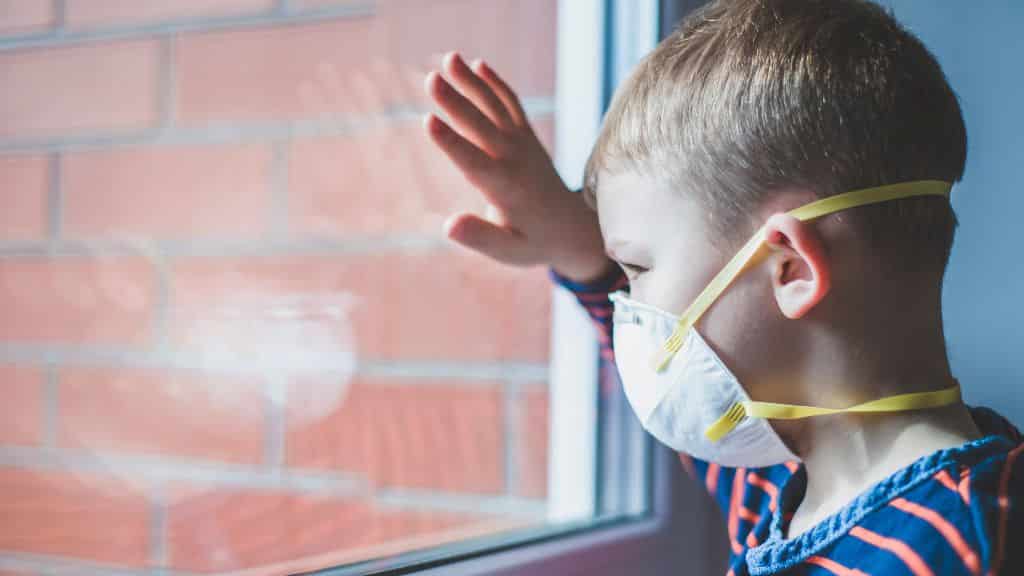
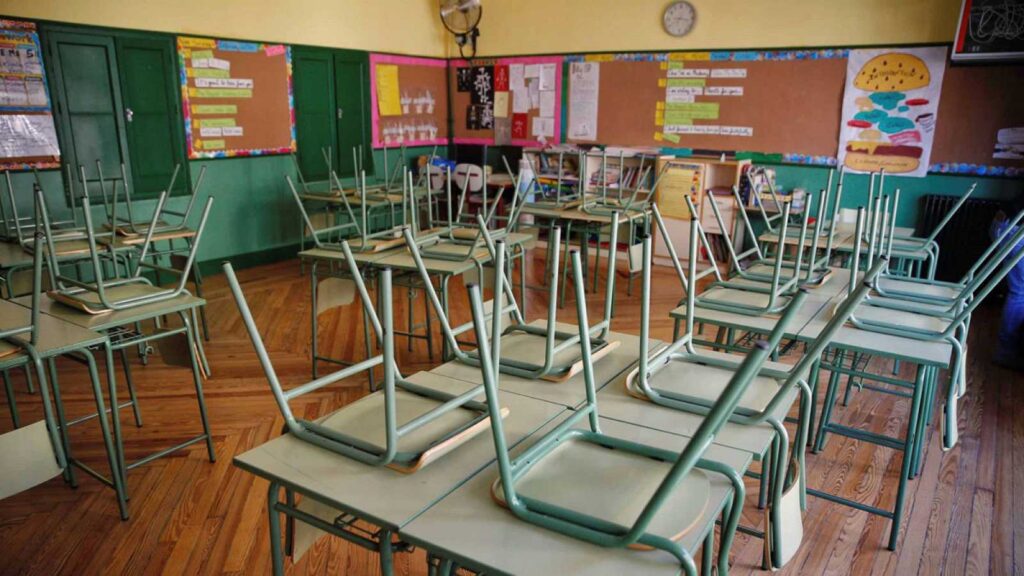
Empieza un curso escolar, nuevo en muchos sentidos. No es nueva, sin embargo, la carga de incertidumbre, inquietud y preocupación, aunque este año sea más pesada de lo habitual.

Desde hace mucho, sistemáticamente el gobierno autonómico (los pesoístas, primero y los peperos y Cía., después), cada nuevo curso, ha venido proporcionando a profesorado, equipos directivos y familias y alumnado una buena ración de incertidumbres: supresiones planificadas y sorpresivas de grupos y puestos docentes, reajustes de ratios, siempre ilegales y siempre por encima de lo aconsejable desde el punto de vista educativo, asignaciones económicas insuficientes, plantillas y cupos siempre calculados a la baja, escasez de plazas escolares públicas en algunas zonas, la pesadilla de la escolarización de 0 a 3 años, la falta de personal laboral para atender tareas administrativas y de limpieza, las contratas en los comedores escolares, la ausencia de monitoras y un largo etcétera. Todo ello ha venido teniendo diversas justificaciones que, no obstante, remiten siempre a la misma realidad: el gasto en materia educativa siempre es escaso y descendente desde hace décadas en Andalucía. Para ello, cada año se recurre a malabarismos estadísticos en los presupuestos, que maquillen el estado de asfixia de la educación pública y borren las huellas del desastre. Y mientras esto sucede en la educación pública, la privada concertada, sostenida igualmente con fondos públicos,  recibe el dinero con largueza, mientras se consiente una segunda  fuente de financiación, a cargo de las familias, y se abren sin cesar unidades basándose en una supuesta demanda social y en el inexistente “derecho de los padres”, no a la elección de centro, sino a que dicha elección sea financiada con fondos públicos.

Pues bien, en este estado de cosas, y con un firme defensor de la enseñanza privada al frente de la educación andaluza, llegó el COVID-19.

El curso pasado se terminó como se pudo. Y si el naufragio no fue total se debió en exclusiva a la voluntad, el trabajo y el esfuerzo de miles de docentes que cada día, confinadxs en sus casas, atendieron a su alumnado sin horarios, sin descanso y con un nivel de desgaste emocional y físico importante, haciendo frente a situaciones imprevistas con sus propios medios y sin apoyo alguno de la administración educativa. Su labor ni siquiera ha tenido reconocimiento social. Nadie ha aplaudido al profesorado, sobre el que incluso se extendió a final de curso la sospecha de que tal vez estaba en su casa tan a gusto, sin tener que lidiar con el alumnado de forma presencial.

A finales de junio, la Consejería de Salud y Familias publicó unas “Medidas preventivas de salud pública” para Andalucía. (Orden de 19 de junio de 2020). En dicha orden, se dedica media pagina a las medidas en el ámbito de la enseñanza no universitaria, tras haber establecido profusamente medidas para el turismo, la celebración de bodas y funerales y los espectáculos taurinos. Lo primero, es antes. En ellas se establece que el retorno a la actividad docente para el curso 2020-21 “se regirá por las condiciones sanitarias vigentes a comienzo de curso”. Lo digo por si alguien alude a esta orden como un instrumento de prevención.

Y así, llegamos al Acuerdo del Consejo de Gobierno, de 28 de agosto de 2020, por el que Juanma Moreno y amigos dicen que “se toma conocimiento de las medidas de prevención, protección, vigilancia y promoción de la salud ante casos de COVID-19 en centros y servicios educativos docentes no universitarios de Andalucía”, seguido de una circular de 3 de septiembre, “relativa a medidas de flexibilización curricular y organizativas para el curso escolar. 2010-21”.

En esta circular, el término “flexibilización” se utiliza como es habitual, es decir, para encubrir la ley del sálvese quien pueda y la pretensión de paliar los estragos de la crisis sanitaria en educación a “coste cero”, expresión también muy grata a la administración educativa pesoísta desde la crisis del 2008. Por supuesto, nadie, ni antes ni ahora, valora el alto coste que tiene para la educación pública el llamado “coste cero”.

Estos días, se me pasan por la cabeza insistentemente dos pensamientos y una pregunta. Uno: no puedo dejar de pensar con alivio que a mediados de mes no tendré que entrar en un aula en estas condiciones. Toda mi empatía y solidaridad con quienes sí deben hacerlo. Dos: esta “nueva normalidad” en la enseñanza pública puede suponer un paso decidido – en paralelo a lo que puede ocurrir en sanidad con la atención primaria- hacia una enseñanza semipresencial. Es decir, la administración educativa, aprovechando la coyuntura de una emergencia sanitaria (no entro aquí a valorar cómo se ha gestionado esta crisis) quizás intente derivar una parte de esta enseñanza a la semipresencialidad, lo que significaría una reducción drástica de gasto en la infraestructura escolar ( materiales, agua, electricidad, equipos informáticos, personal de limpieza, transporte escolar…), una flexibilización y reducción de la plantilla docente, por la vía de las habilitaciones y la reagrupación del currículo en ámbitos, y un deterioro aún mayor de la calidad de la enseñanza.

Y una pregunta: ¿estamos todavía a tiempo de evitar el naufragio?

Todo dependerá de si profesorado, alumnado, familias, personal no docente y la sociedad andaluza en general, todxs cuantos construimos y defendemos una educación pública de calidad, inclusiva, crítica, en igualdad y enraizada en su entorno, trabajamos para convertir esta coyuntura en una oportunidad transformadora, demostrando así de camino que hemos aprendido algo de la experiencia vivida en los meses pasados. Todo dependerá, en definitiva, de si somos capaces de construir, de una vez por todas, comunidad educativa. ¿Cómo lograrlo en estas circunstancias?

Para construir comunidad educativa, es necesario que todos los agentes, profesorado, familias, alumnado y personal de administración y servicios, se incorporen al proceso de reflexión para encontrar y asumir entre todos y todas las soluciones. Ello no implica, desde luego, que se exonere a la administración educativa de sus responsabilidades, que las tiene y aún sigue sin asumirlas, dando muestra de un nivel de irresponsabilidad y falta de planificación que, según se desarrolle el curso, puede rayar incluso lo delictivo.

En esta coyuntura, llevar a cabo reuniones en cada centro educativo es importante. Pero hablo, no de reuniones para comunicar a profesorado y familias las instrucciones de funcionamiento y las decisiones sobre la organización del curso. Hablo de reuniones en las que, tomando en cuenta las condiciones físicas, socioeconómicas y educativas de cada centro, se  tomen decisiones y se adopten medidas.

Camino habría andado si se hubieran evaluado, centro a centro, los resultados académicos y los problemas y dificultades a las que se ha debido hacer frente durante el confinamiento. Ese debería haber sido el punto de partida.

En primer lugar, resulta increíble e inaceptable que se ningunee a un alumnado que sobrepasa el millón en Andalucía, sin contar la educación infantil, que no se le tenga en cuenta en las decisiones de calado que se están tomando sobre su trabajo, su tiempo y su futuro. No es de extrañar en una sociedad adultocéntrica como la nuestra y tan poco democrática y participativa, en la que de igual manera se ningunea al profesorado y a las familias. Esto da idea también de lo irrelevante de las medidas adoptadas hasta ahora por la Consejería. Prácticamente no existe, con ese volumen de alumnado, una familia en toda Andalucía que no tenga contacto con una criatura en edad escolar, lo que debería dar escalofríos a la hora de pensar en la seguridad sanitaria.

En segundo lugar, para establecer distancia, única medida que, hoy por hoy sabemos que frena los contagios – y no solo el uso de mascarilla, como pretende hacernos creer, de forma irresponsable y hasta criminal, el presidente de la Junta de Andalucía-, hay que reducir drásticamente las ratios y para ello no basta con ciertas clases no presenciales y con la reagrupación de asignaturas: se necesita profesorado. No es de extrañar, por tanto, que el profesorado esté organizando movilizaciones que incluyen la huelga. Estas acciones, además de un derecho, en estos momentos representan un intento de velar por la salud y la seguridad de ese millón largo de escolares andaluces cuya salud nos atañe y nos puede afectar a todos y todas.

Además, la enseñanza semipresencial y la organización de grupos debería hacerse en función de la experiencia del confinamiento y asegurando que las familias, todas las familias, cuenten no solo con los medios técnicos y tecniológicos adecuados, sino con los instrumentos para la conciliación familiar.

En tercer lugar, aunque no menos importante, la metodología para el proceso de enseñanza-aprendizaje no puede permanecer inalterada. No valen las clases magistrales, hace mucho de hecho que no valen, pero ahora ante un ordenador, todavía menos. No valen, no deberían valer, las páginas de ejercicios, ahora consultadas en una pantalla y no en un libro de papel o en la pizarra digital. No valen los exámenes de siempre con la tecnología de ahora. Es necesario caminar hacia una metodología más activa y participativa, que asegure la reciprocidad en el proceso de enseñanza-aprendizaje.

Y no puedo olvidar, porque creo firmemente en ello, que nada puede ni debe sustituir la presencialidad en la enseñanza. El contacto entre el alumnado y de este con el profesorado es fundamental a la hora de lograr que el proceso de aprendizaje sea una experiencia vital y no un elemento utilitario y finalista, destinado a promocionar de curso o nivel educativo.

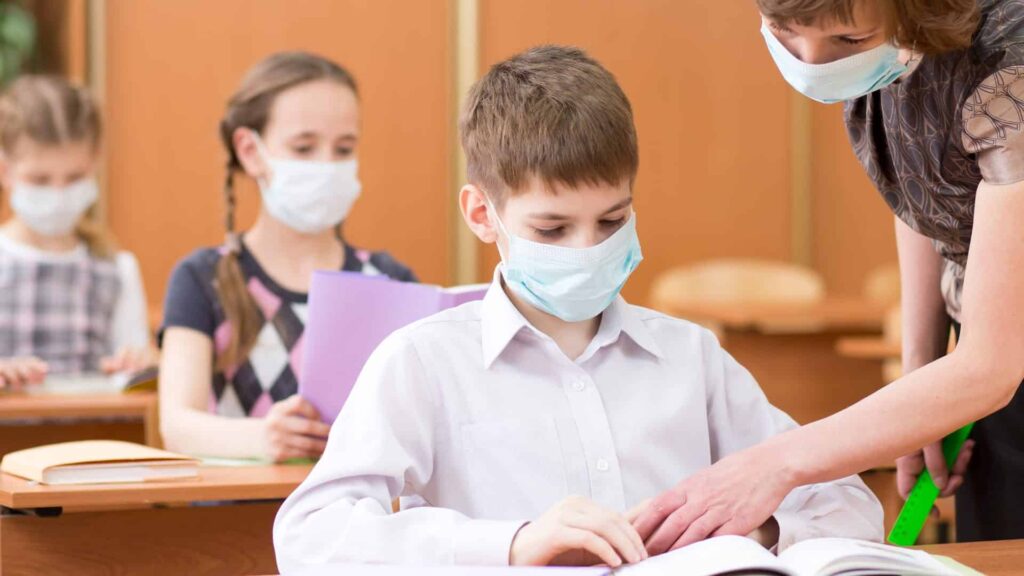
En lugar de esto, lo que el profesorado está encontrando en los primeros contactos con sus centros es mucha cinta en el suelo, litros de gel hidroalcohólico, indicaciones sobre las puertas de entrada y salida de los edificios e invitaciones, más o menos veladas, a tener preparados los materiales para las clases virtuales. Eso sí, la mayoría de las veces, a través de plataformas privadas, que están consiguiendo con ello hacer negocios millonarios. Parece que, en el fondo, lo que se está escenificando es un amago de normalidad para, al poco tiempo, volver a la situación del confinamiento y, si esto ocurriera, presentar al profesorado como el único responsable de tal situación.

Por todo ello, es más urgente que nunca dar respuesta de forma conjunta, como comunidad educativa, a la situación actual, desde el momento mismo de las movilizaciones. Así, no solo estaríamos en condiciones de evitar el naufragio, en términos educativos y sanitarios, sino que lo aprendido en el proceso nos brindaría la oportunidad de construir una normalidad transformada y transformadora. Frente al sálvese quien pueda, el trabajo cooperativo y solidario. Merece la pena intentarlo.

Fuente: Portal de Andalucía (portaldeandalucia.org)

Fuente de la Información: https://kaosenlared.net/la-vuelta-al-cole-estamos-todavia-a-tiempo-de-evitar-el-naufragio/

Comparte este contenido:

Ecuador: En Arajuno, provincia de Pastaza, los estudiantes regresarán a las aulas de clases una vez por semana

En Arajuno, provincia de Pastaza, los estudiantes regresarán a las aulas de clases una vez por semana

Los estudiantes del cantón Arajuno, provincia de Pastaza, iniciarán el retorno a clases presenciales de manera progresiva, desde el 15 de septiembre. Primero será un día por semana, según resolvió el Comité de Operaciones de Emergencia (COE) cantonal que se reunió el jueves.

Allí, además, se resolvió cambiar de semáforo sanitario amarillo a verde.

Las clases presenciales se suspendieron este año por la pandemia del coronavirus y en remplazo de ello se desarrollan jornadas virtuales.

El alcalde de Arajuno, César Grefa, comentó que los padres de familia de las comunidades del interior waoranis, kichwas y shuar, respaldaron que los estudiantes regresen a clases en los planteles educativos de manera presencial un día por semana según un cronograma establecido para evitar aglomeraciones.

El personero lamentó que en las comunidades haya falta de tecnología, como son celulares, computadoras e internet. Eso, sostuvo el funcionario, hizo que se analice la situación y se permita el regreso a las aulas, medida que será puesta en conocimiento de los COE a nivel nacional y provincial.

Comentó que también se analizó que la curva de contagiados de COVID-19 en Arajuno está a la baja (de los 1 997 casos confirmados en Pastaza en Arajuno hay 106 de acuerdo con el registro publicado el jueves anterior).

Informó que la decisión permitirá la reactivación económica del cantón y señaló que ante la terminación del estado de excepción se tramita la ordenanza para controlar la venta de bebidas alcohólicas, apertura de locales comerciales y otros aspectos que eviten aglomeraciones de personas. Grefa adelantó que al no haber muchos vehículos en Arajuno la circulación de autos será con normalidad, sin restricciones.

Patricio Vargas, director distrital de Educación, recordó que hay planteles educativos en comunidades de difícil acceso y sin conectividad, ante lo cual los padres de familia han pedido el retorno de clases de manera progresiva y voluntaria, que es lo que se ha analizado con el debido acompañamiento. (I)

Fuente de la Información: https://www.eluniverso.com/noticias/2020/09/12/nota/7973887/arajuno-estudiantes-regresaran-aulas-clases-vez-semana


Comparte este contenido:

Japón: To Honor the Victims of Hiroshima and Nagasaki 75 Years on, We Must Lay Down Our Nuclear Weapons

To Honor the Victims of Hiroshima and Nagasaki 75 Years on, We Must Lay Down Our Nuclear Weapons


AUGUST 4, 2020 9:03 AM EDT
Ban Ki-moon is former Secretary General of the United Nations and Deputy Chair of The Elders
When the U.S. military first detonated an atomic bomb in the desert of New Mexico in July 1945, the programme’s chief physicist Robert Oppenheimer quoted lines from Hindu scripture: “Now I am become Death, the destroyer of worlds.”

A few weeks later, two nuclear weapons destroyed the worlds of the inhabitants of the Japanese cities of Hiroshima and Nagasaki, on Aug. 6 and Aug. 9 respectively. These attacks heralded the end of Japanese colonial rule and the Second World War, and signaled the dawn of the nuclear age.

More than one hundred thousand people lost their lives as a result of those bombs, including victims of radiation poisoning and related illnesses caused by the fallout. Yet seventy-five years on, we still live in the shadow of those horrendous mushroom clouds.

Reckless policies in the U.S. and Russia risk starting a new global arms race and a collapse of international treaties to limit the spread of weapons of mass destruction. In February next year, the New Strategic Arms Reduction Treaty (New START) will expire — leaving the world’s two nuclear superpowers without a binding agreement on arms control.

We are now closer to global catastrophe than at any time since 1945, according to the Doomsday Clock of the Bulletin of Atomic Scientists in Washington D.C. In January, I was there when the hands of the clock were moved forward to 100 seconds to midnight, nearer to doomsday even than we were at the heights of the Cold War.

I was the first UN Secretary-General to visit Hiroshima and Nagasaki, for the anniversary of the bombings ten years ago. I was deeply moved, particularly when I met the victims and got to know their continued sufferings across the generations. I resolved that no atomic bomb should ever be used again, and that we should do our utmost to make the world free of nuclear weapons.

A decade on we are as far away from that goal as ever. According to the latest report from the Stockholm International Peace Research Institute, the global nuclear weapons stockpile still stands at 13,400 warheads.

2020 should have been a critical year for global efforts to make substantive progress to rid the world of these weapons. Not only did the 75th anniversaries of Hiroshima and Nagasaki offer high-profile opportunities for commemoration, but the Non-Proliferation Treaty (NPT) Review Conference scheduled for April 2020 offered a chance for the top nuclear powers to commit to real progress.

Instead, COVID-19 has muted or canceled global public gatherings, and has put on hold the habitual rhythms and practices of international diplomacy. The NPT Review Conference has been postponed to early 2021, and the UN General Assembly will not take place in physical form this year. This disruption puts an onus on the leaders of the five Permanent Members of the UN Security Council, including the United States, to show initiative and keep momentum going.

I particularly urge Presidents Trump and Putin to extend New START for another five years until 2026. The U.S. has suggested it wants to broaden New START and negotiate a new agreement that would include China. While it is important for China to be engaged in the global disarmament discussion, it is disingenuous to make New START’s extension dependent on Beijing, given that its stockpiles are one-twentieth the size of those of the U.S. and Russia.

It is also unrealistic to think that a complex new arms control agreement could be negotiated and ratified in the next six months, with Chinese participation. The U.S. should instead accept the offer of President Putin and immediately agree to an extension. This would provide time to negotiate a more ambitious successor treaty, and efforts to include China and other nuclear states can be seriously explored at this stage.

More broadly, I hope the coming months will see a revival in the United States of the spirit of multilateralism that its leaders showed when constructing the United Nations and the other pillars of the post-war political and economic order in 1945.

As a former Secretary-General of the United Nations, it has grieved me greatly to observe a sustained and targeted assault on the multilateral system in recent years. This has made it harder for leaders and institutions to respond effectively and save lives, not only in the context of Covid-19 but also in the face of the climate emergency, conflicts and economic inequality.

I deeply regret that the United States has deliberately weakened the multilateral system across several fronts over the past four years: from nuclear non-proliferation and climate change to respect for human rights, free trade and health security. Such a unilateral and isolationist approach weakens the security of the United States and of the whole world.

We owe it to the victims of Hiroshima and Nagasaki, and those who survived to tell the tale, to focus all human ingenuity and expertise on the cause of peace and disarmament.

Fuente de la Información: https://time.com/5875424/ban-ki-moon-hiroshima-nagasaki-nuclear/

Comparte este contenido:

Washington: Secretary DeVos Issues New Distance Learning Regulations to Spur High-Quality Distance and Competency-Based Programs, Better Serve Diverse Population of Higher Education Students

Secretary DeVos Issues New Distance Learning Regulations to Spur High-Quality Distance and Competency-Based Programs, Better Serve Diverse Population of Higher Education Students

WASHINGTON — U.S. Secretary of Education Betsy DeVos issued final rules today that govern distance learning in higher education and promote educational innovation to better serve the needs of an increasingly diverse population of students. While work on the Distance Learning and Innovation regulation started more than a year ago, the COVID-19 national emergency underscores the need for students to have access to high-quality remote learning options.

“While we moved quickly at the start of the pandemic to provide temporary distance learning flexibilities for students, these new regulations provide a permanent upgrade to online and competency-based education,” said Secretary DeVos. “The COVID-19 pandemic has shown that a video call is not enough, and our outdated rules did not comport with 21st-century realities. These regulations are a true ‘rethink’ of what is possible for students so that they can learn in the ways and places that work best for them.”

Crafted by a diverse group of experts during the Department’s 2019 negotiated rulemaking, the Department’s Distance Education and Innovation regulations were forged by historic rulemaking consensus, enhance educational quality, and reduce barriers to innovation while maintaining safeguards to limit the risks to students and taxpayers. These regulations build upon Secretary DeVos’ call for institutions, educators, and policy makers to “rethink higher education” and find new ways to expand educational opportunity, demonstrate the value of a postsecondary credential and lifelong learning, and reduce costs for students and schools.

The final regulations:

  • Emphasize demonstrated learning over seat time.
  • Remove confusion over whether a course is eligible for Title IV aid by defining «regular and substantive» interaction between students and instructors.
  • Clarify and simplify the requirements for direct assessment programs, including how to determine equivalent credit hours.
  • Add a definition of «juvenile justice facility» to ensure that incarcerated students remain Pell eligible.
  • Allow students enrolled in Title IV, Higher Education Act (HEA)-eligible foreign institutions to complete up to 25% of their programs at an eligible institution in the United States. This provision is particularly important for students temporarily unable to attend courses abroad due to the COVID-19 pandemic.
  • Encourage employer participation in developing educational programs.
  • Create a new, student-centric system for disbursing Title IV, HEA assistance to students in subscription-based programs.
  • Require prompt action by the Department on applications to participate, or continue to participate, as an eligible institution in the HEA, Title IV program. In the past, these applications have been stalled for months or even years.
  • Allow clock hour programs, which often lead to state licensed occupations, to utilize innovative learning models.

The Distance Education and Innovation rule was the result of a months-long negotiated rulemaking effort that began with public hearings and engaged a subcommittee of subject matter experts to formulate recommendations that were ultimately considered by a panel of representatives from the higher education and consumer protection communities. Negotiators reached consensus on the language, which strikes a balance between fostering innovation and protecting students and taxpayers from waste, fraud, and abuse.

The regulations will officially take effect July 1, 2021, but institutions have the ability to voluntarily utilize the new flexibilities as soon as the regulation is officially published in the Federal Register.

Fuente de la Información: https://www.ed.gov/news/press-releases/secretary-devos-issues-new-distance-learning-regulations-spur-high-quality-distance-and-competency-based-programs-better-serve-diverse-population-higher-education-students


Comparte este contenido:

Gran Bretaña: Study Suggest Best Way to Drive Away Seagulls; Eye Contact

Study Suggest Best Way to Drive Away Seagulls; Eye Contact

A new study suggests that if you find yourself annoyed by seagulls at the beach or, more increasingly, urban areas, the best way to discourage them is to make eye contact.

Researchers at Britain’s University of Exeter observed 155 herring gulls – the most common variety of seagull, and a variety, they say, that is becoming more common in urban areas.

The gulls tend to be seemingly fearless around people in either setting when it comes to stealing food. They have been known to fly off with whatever a person might be eating if it is left unguarded.

For their study, the researchers approached the seagulls while either looking directly at them or facing toward them, while keeping their eyes to the ground.  They found when their eyes were locked with the gulls, the birds tended to flee.

The gulls reacted the same way in both beach and urban areas.

A similar 2019 study led by University of Exeter PhD student Madeleine Goumas, examined how the gulls reacted when people looked at them or looked away. The study found looking directly at birds while they ate prompted them to fly away sooner.

Goumas is lead author on the new study, which refined the methodology by having experimenters only move their eyes as they approached the gulls. She said the study shows the gulls responded specifically to human eye direction. It was as true in young gulls as it was mature ones, indicating it was innate behavior, not the result of any one gull’s negative interaction with people.

The researchers suggest the behavior reflects the gull’s large brains that have allowed them to adapt to survive a life of interacting with humans.

The study was published online on September 4 and will appear in the October 2020 issue of the journal Animal Behavior.

Fuente de la Información:  https://www.voanews.com/science-health/study-suggest-best-way-drive-away-seagulls-eye-contact


Comparte este contenido:

Asia: Coronavirus: How the lockdown has changed schooling in South Asia

Coronavirus: How the lockdown has changed schooling in South Asia

Children across much of Europe have been going back to school for the start of a new year, but in many other parts of the world, coronavirus restrictions have kept classrooms closed.
We’ve taken a look at the situation in India and its neighbours in South Asia where the United Nations estimates nearly 600 million children have been affected by lockdowns.

Who’s not going back to the classroom?

When coronavirus restrictions were first imposed in March and April, it was at the start of the academic year in many South Asian countries.
School classrooms across the region were closed down, and these restrictions have largely remained in place.
Currently:
  • In India, classrooms are largely closed, with teaching being done remotely. However, the government says students from grade 9 to 12 can go into schools on a voluntary basis with their parents’ consent from 21 September if they need support
  • Bangladesh and Nepal have extended school closures and will continue to rely on remote learning
  • Sri Lanka‘s schools reopened in August after trying to reopen in July, but then closing after a spike in cases
  • Children in Pakistan will return to school in phases, starting on 15 September as coronavirus case numbers have fallen

New ways of teaching in rural areas of South Asia

Who has access to the internet?

Remote learning involves either live online classes for students, or digital content which can be accessed at any time – offline or online.
But many South Asian countries lack a reliable internet infrastructure and the cost of online access can be prohibitive for poorer communities.
The UN says at least 147 million children are unable to access online or remote learning. In India, only 24% of households have access to the internet, according to a 2019 government survey.
In rural parts of India, the numbers are far lower with only 4% of households having access to the internet.
Bangladesh has better overall connectivity than India. It’s estimated that 60% can get online, although the quality of broadband internet is often very poor.
Classes take place with masks and social distancing during school closures
There is also a lack of basic equipment in many schools.
Nepal’s latest Economic Survey report says that of the nearly 30,000 government schools, fewer than 30% have access to a computer, and only 12% can offer online learning.
Some countries have turned to television and radio for those with no internet-enabled devices or broadband access. These platforms have much greater penetration per head of population.
India’s public broadcaster, Doordarshan, has been broadcasting daily educational content through its television channels and radio services.
Bangladesh’s government broadcaster, Sangsad television, also airs recorded classes on its channels.
«These were among the most successful approaches… in terms of reaching the largest proportion of children,» Jean Gough, Unicef’s South Asia director told the BBC.
Nepal adopted a similar approach, but fewer than half of households have access to cable television.

Opening schools ‘risks infection’

In Sri Lanka, where schools have now reopened, no social distancing is being maintained and only some have made it mandatory to wear a mask, according to Joseph Stalin, general secretary of the Ceylon Teachers’ Union.
Basic safety measures are difficult to implement «as no special funding has been allocated», he told the BBC’s Sinhala service.
The All Pakistan Private Schools Federation has opposed the reopening of schools in September saying they need government funding to help carry out testing and to implement coronavirus safety guidelines.
In India, there are similar concerns about the prospect of schools starting classes again.
«With the reopening of schools, parents, transportation, teachers other service providers will also start functioning and will increase public movement,» Priti Mahara, of Child Rights and You, told the BBC.
There is also a lack of basic equipment in many schools.
Nepal’s latest Economic Survey report says that of the nearly 30,000 government schools, fewer than 30% have access to a computer, and only 12% can offer online learning.
Some countries have turned to television and radio for those with no internet-enabled devices or broadband access. These platforms have much greater penetration per head of population.
India’s public broadcaster, Doordarshan, has been broadcasting daily educational content through its television channels and radio services.
Bangladesh’s government broadcaster, Sangsad television, also airs recorded classes on its channels.
«These were among the most successful approaches… in terms of reaching the largest proportion of children,» Jean Gough, Unicef’s South Asia director told the BBC.
Nepal adopted a similar approach, but fewer than half of households have access to cable television.

Opening schools ‘risks infection’

In Sri Lanka, where schools have now reopened, no social distancing is being maintained and only some have made it mandatory to wear a mask, according to Joseph Stalin, general secretary of the Ceylon Teachers’ Union.
Basic safety measures are difficult to implement «as no special funding has been allocated», he told the BBC’s Sinhala service.
The All Pakistan Private Schools Federation has opposed the reopening of schools in September saying they need government funding to help carry out testing and to implement coronavirus safety guidelines.
In India, there are similar concerns about the prospect of schools starting classes again.
«With the reopening of schools, parents, transportation, teachers other service providers will also start functioning and will increase public movement,» Priti Mahara, of Child Rights and You, told the BBC.
The long period of closure has also led to serious financial shortfalls for those private schools relying on tuition fees.
In Bangladesh, more than a hundred private schools have been put up for sale.
«I have already borrowed money to pay salaries and rent,» Taqbir Ahmed, owner of one such school in Dhaka told BBC Bengali.
Several charities in the region have tried to help the most vulnerable and marginalised schools.
Dr Rukmini Banerji, of the Pratham Education Foundation in India, says: «Efforts have been made by state governments and schools to connect with children who have at least one mobile phone in the household.»
In some cases, students have dropped off the educational roll as the authorities have been unable to establish contact with them.
This could cause the school dropout rate in these countries to rise «exponentially», says Unicef’s Jean Gough, if effective communication isn’t put in place.
«Projections based on previous school shutdowns due to Ebola and other emergencies suggest that there can be very significant losses in terms of learning,» Ms Gough told the BBC.
Additional research by Waliur Rahman Miraj, Muhammad Shahnewaj and Saroj Pathirana
Fuente de la Información: https://www.bbc.com/news/world-south-asia-54009306
Comparte este contenido:

Jerusalem: Israel to set new nationwide lockdown as virus cases surge

Israel to set new nationwide lockdown as virus cases surge

September 13 2020

JERUSALEM — Israeli Prime Minister Benjamin Netanyahu on Sunday announced a new countrywide lockdown will be imposed amid a stubborn surge in coronavirus cases, with schools and parts of the economy expected to shut down in a bid to bring down infection rates.

Beginning Friday, the start of the Jewish High Holiday season, schools, restaurants and hotels will shut down, among other businesses, and Israelis will face restrictions on movement.

«Our goal is to stop the increase (in cases) and lower morbidity,» Netanyahu said in a nationally broadcast statement. «I know that these steps come at a difficult price for all of us. This is not the holiday we are used to.»

The tightening of measures marks the second time Israel is being plunged into a lockdown, after a lengthy shutdown in the spring. That lockdown is credited with having brought down what were much lower infection numbers, but it wreaked havoc on the country’s economy, sending unemployment skyrocketing.

The lockdown will remain in place for at least three weeks, at which point officials are expected to relax measures if numbers are seen declining. Israelis typically hold large family gatherings and pack synagogues during the important fast of Yom Kippur, settings that officials feared could trigger new outbreaks.

A sticking point in government deliberations over the lockdown was what prayers would look like during the holidays. The strict limits on faithful prompted Israeli Housing Minister Yaakov Litzman, who represents ultra-Orthodox Jews, to resign from the government.

Israel has had more than 150,000 confirmed cases of the coronavirus and more than 1,100 deaths. Given its population of 9 million, the country now has one of the world’s worst outbreaks. It is now seeing more than 4,000 daily cases of the virus.

Israel earned praise for its initial handling of the coronavirus outbreak, moving quickly to seal the country’s borders and appearing to bring infections under control. It has since been criticized for opening businesses and schools too quickly and allowing the virus to spread unchecked.

Much of that criticism has been aimed at Netanyahu, who has faced a public outcry over his handling of the crisis and has seen thousands of protesters descend on his Jerusalem residence every week. While lauded for his decisive response following the spring outbreak, Netanyahu appeared distracted by politics and personal matters, including his trial for corruption allegations, as infections rose over the summer.

Netanyahu has also been lambasted for seeming to cave to pressure from various interest groups, including most recently his ultra-Orthodox governing partners, who appeared to have convinced him to abandon a pinpointed, city-based lockdown plan that would have mostly affected ultra-Orthodox and Arab communities.

At the press conference Sunday announcing the lockdown, Netanyahu defended his response, saying Israel’s economy had emerged from the first lockdown in a better state than many other developed nations and that while cases were high, the country’s coronavirus mortality numbers were lower than other countries with similar outbreaks.

The country’s power-sharing government, made up of two rival parties who joined forces in a stated aim to combat the virus, has also been chided for the new outbreak. The government has been accused of mismanagement, failing to properly address both the health and economic crises wrought by the virus and leading the country to its second lockdown.

Some government ministers meanwhile have pointed fingers at what they’ve called an undisciplined public, who they have accused of violating restrictions against public gatherings and mask wearing.

Fuente de la Información: https://www.startribune.com/israeli-minister-resigns-to-protest-expected-virus-lockdown/572398712/

Comparte este contenido:
Page 1104 of 6179
1 1.102 1.103 1.104 1.105 1.106 6.179