Page 1519 of 6195
1 1.517 1.518 1.519 1.520 1.521 6.195

Sex Education: 10 Important Lessons That We Wish We Learned When We Were Younger

Sex Education: 10 Important Lessons That We Wish We Learned When We Were Younger

Netflix’s Sex Education is one of the most powerful TV shows streaming today. With some incredible characters, moving stories and a number of life lessons to take on board, it’s no wonder that it’s as popular as it is.

While these characters are young and still finding their feet, they are learning a lot that we really wish we knew when we were younger. Here’s 10 of these lessons that you can take away from Sex Education that are important to learn while you are still young.

10 SEXUAL IDENTITY

Being open to exploring one’s own sexual identity is important, especially in younger years. However, in the same vein, it’s also completely okay to wait for a while before trying to understand your sexuality better. There’s one key lesson from the show, though: don’t be afraid to embrace who you are. We’ve seen characters like Adam struggle to express themselves, while people like Ola and Lily could go on to have one of the best relationships on the show. It’s all about opening up to the world.

9 SAYING NO IS OKAY

There are plenty of opportunities to say no in life. It just needs to be known that it’s okay to use that two-letter word. We’ve seen the teens of the show become more comfortable with saying no as they grow into young adulthood.

Whether it’s with their partners, friends or even their parents, understanding when to express that you are not happy with a situation can lead to a lot of self betterment as well as strong conversations with those you are saying no to.

8BEST FRIENDS FIRST

There’ are plenty of phrases to sum this up, but the essential message of the key characters in the show ⁠— Otis, Eric and Maeve ⁠— is that best friends should always come first ⁠— even if an ongoing love interest could get in the way of this.

7DIFFICULT CHOICES ARE RIGHT

 

It’s not easy to make a choice. Oftentimes there’s an easy one and a difficult on,e and many of the teens on Sex Education always try to go for the easy option. Even in complex situations, the more painful option is often the best one.

Jackson, for example, cannot bring himself to have a conversation with his parents about his swimming. He turns to self harm and being able to sit on the sidelines for a small amount of time rather than having that conversation. What people don’t often realize is that the easy option hurts us more in the long run.

6 TAKE RESPONSIBILITY

 

Otis also struggles with his father and how he too shares a lot of characteristics with the man. However, his father has gone through two marriages and is left with nothing except alcohol and a broken relationship with his son.

Otis learns throughout the show that he needs to take responsibility for his actions, ultimately defending his mom in front of the whole school. This moment is a turning point for the character, and we wish we all knew to act this way in the early days.

5PARENTS ARE PEOPLE TOO

 

It seems odd to suggest that parents are people too, but the characters of Sex Education seem to forget that their mothers and fathers also be have emotional conflicts with themselves on occasion. Ola seems to be the only one who understands this with Jakob.

4FRIENDS STICK TOGETHER

Much like the best friends lesson from earlier, other friends will also stick together. It’s amazing that people can get support from a few different places they wouldn’t expect. For Aimee, this comes in the form of the other girls at school.

When she is sexually assaulted on the bus to school she no longer wants to go in this journey. However, her friends stick with her and she feels more comfortable using the public transport when she is supported.

3EDUCATE YOURSELF

It seems obvious to say, but it’s important to continue educating yourself at all times. Whether this is emotionally or perhaps in the world of sex education, or maybe even science fiction comics, so we can all understand our friends a little better.

A major issue at the school was the spread of a sexually-transmitted infection. However, if any of the kids had educated themselves, they would know this is mass hysteria and friendships wouldn’t have been broken over lies and misinformation.

2SEEK SUPPORT

This is one of the most important observations on this list. It’s incredibly crucial to seek support about any problem. It can be from friends, teachers or parents, but when uncomfortable or seeking some kind of feedback, seeking support from a trusted source is key.

Dr. Jean had her own clinic set up in the school for students to seek support, and this was incredibly beneficial to a number of pupils, including a student who discovered she was asexual. This greatly improved her happiness at school.

1STUDY FIRST

Outside of all this drama and sex among the students, one lesson seems to slip by, but is just as important ⁠— always study first. This is still a school and those who are taking their studies seriously are getting opportunities to better themselves.

This doesn’t have to be academically, though. Jackson studied his lines hard and performed well during the school play, opening other doors to him outside of swimming, where he is happier. Such an important stage of life should be treated with hard work.

Fuente de la Información: https://screenrant.com/sex-education-important-lessons-wish-learned-young-age-netflix-series/


Comparte este contenido:

Ending student quotas has been disastrous for higher education

Ending student quotas has been disastrous for higher education

Catherine Fletcher

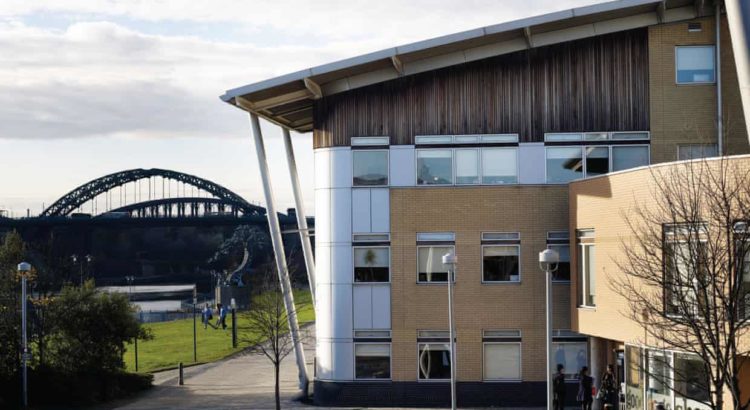
The decision by Sunderland University to close history, modern languages and politics degrees in favour of more “career-focused” courses has been widely criticised. One objection is simply that all these humanities subjects offer students skills that play well in the job market. But it’s a problem to reduce university education to simply what sells to employers. These are subjects that matter to society as a whole, whether in working out the political implications of the climate crisis or understanding the fate of post-industrial towns. They shouldn’t become the preserve of an elite. Post-92 humanities departments – the UK’s polytechnics became universities in 1992 – rarely get the media attention that their counterparts in the Russell Group enjoy, but they do plenty of innovative teaching and research, with especially strong track records in local and regional history and engagement with the heritage industry.

I don’t know the inside story at Sunderland, but course closures such as these are a predictable consequence of the government’s decision to remove the quotas on student recruitment from 2015. Prior to that point, there were centrally imposed limits on how many students any given university could recruit. Since then, it’s been a free-for-all: the decision created a market in university places that is doing the higher education sector no favours.

Subjects such as history and politics, which don’t require expensive infrastructure to teach, were popular targets for expanding student intake in the more selective universities. That was good news for students who’d previously had to settle for their second-choice institution, but it’s making it hard to sustain a full range of courses at the middle- and lower-tariff universities, as a proportion of their applicants head for more “prestigious” institutions and their student numbers decline. Goldsmiths, University of London has just announced that it needs to save £10m in less than two years in the light of student recruitment problems. It plans to “streamline” provision.

While more applicants now get into their first choice of university, not every applicant is equally mobile. The students who lose most as courses close are those who need to fit study around the school run, or other caring responsibilities, and therefore rely on local provision. Then there are the applicants who prefer a university with experience of dealing with people who are the first in their family to go into higher education, or who arrive with BTecs rather than A-levels. I have taught in a university with no entrance requirements, in one that asked for three As at A-level (preferably in “traditional” subjects), and in others in between. Understandably, they used different teaching strategies, particularly in the first year, taking those different starting points into account. Media discussion of widening participation in higher education often focuses on Oxbridge, but the Guardian’s league tables show that on the measure of which institutions add most value between a student’s entry qualifications and final degree, the post-92s match – and sometimes beat – the achievements of their more prestigious counterparts.

The market makes for losers in the “prestigious” universities, too. I am told by academic staff at one popular institution that they’re expected to support 50 personal tutees each, making it nigh on impossible to get to know students individually. Colleagues at another university that appears to be doing well report that students wait weeks for an appointment at the counselling service. Lectures scheduled from 8am, or until 6pm, stretching out the working day, are another growing phenomenon.

University staff are bearing the brunt of the volatility, whether navigating those enormous tutorial groups at one end of the scale, facing redundancy at the other, or stuck in the middle on a fixed-term contract that may or may not be renewed depending on student numbers. It is hardly surprising that the University and College Union is currently in dispute over casualisation and workload – as well as pay and (in the pre-92 universities) pensions. But the implications of this shake-up to the sector go wider. At Lampeter University, for example, the number of students has fallen from around 1,500 in the 1990s to fewer than 400 now, with inevitable knock-on effects for the local economy.

This is not a political climate that favours easy decisions in higher education. In November 2019, the credit rating agency Moody’s accorded more universities a negative financial outlook. Concerns about the impact of Brexit and reliance on overseas fee income have been widespread. But I’m reluctant to accept that these must be the terms of the debate. A society – and indeed a world – confronting the climate crisis urgently needs people who have the

education to think about big issues. Those aren’t only scientific or technological: they’re also about the ways that people have made, and continue to make, decisions. The humanities matter. And it matters that students from all backgrounds – and across the country – have the opportunity to join in these world-changing discussions.

Fuente de la Información: https://www.theguardian.com/commentisfree/2020/feb/04/universities-competition-disastrous-lecturers-humanities


Comparte este contenido:

Perú: Los trabajadores podrán acabar sus estudios básicos en sus trabajos, según Minedu

América del Sur/ Perú/ 04.02.2020/ Fuente: www.estrelladigital.es.

Con el propósito de ampliar la cobertura del servicio de Educación Básica Alternativa en alianza con el sector privado, la ministra de Educación, Flor Pablo, presentó la propuesta educativa CEBA Empresa, destinada a atender la demanda de jóvenes y adultos mayores de 15 años que no han concluido la educación básica

En reunión con un importante sector empresarial, Pablo explicó que el programa apunta a llevar la educación al ámbito laboral, involucrando a los trabajadores, sus familiares y a la misma comunidad.

“CEBA Empresa es una propuesta para que el sector público y privado trabajen de manera conjunta para cerrar la brecha de 8 millones de jóvenes y adultos que no han concluido la educación básica”, indicó Pablo.

“Tenemos que fortalecer el capital humano a través de la educación, pero eso no lo va a realizar solo el Minedu. Nuestro sector se encargará de poner el componente educativo en el espacio laboral, pero necesitamos el compromiso del empleador” sostuvo la titular del sector.

Indicó que esta primera reunión es para presentarles a los empresarios la estrategia y animarlos a ser los aliados del Minedu en beneficio de la educación.

CEBA Empresa es una propuesta educativa que desarrolla el Minedu mediante convenios entre empresas y los Centros de Educación Básica Alternativa (CEBA), que funcionan a nivel nacional en diferentes instituciones educativas públicas.

A partir de estos convenios, el CEBA se encarga de designar a los docentes y matricular gratuitamente a los estudiantes identificados por la empresa, además de ubicarlos en el grado que les corresponde, brindar textos y materiales educativos y asegurar el logro de aprendizaje.

La empresa, por su parte, debe habilitar un aula periférica en sus instalaciones con condiciones básicas para el aprendizaje, brindar facilidades de asistencia para los estudiantes en los horarios establecidos, contratar a los maestros de ser necesario y asignar movilidad para los docentes si el desplazamiento lo exige.

CEBA Empresa, que se desarrolla en las modalidades presencial, semipresencial y a distancia, se viene implementado con éxito desde el 2015, con la finalidad de cerrar la brecha en el servicio educativo, al tiempo de contribuir a un mejor clima laboral en las empresas y asegurar un mayor compromiso y capacitación de su personal.

Fuente de la noticia: https://www.estrelladigital.es/articulo/america/peru-educacion-trabajadores-podran-acabar-estudios-basicos-trabajos-minedu/20200130143857402277.html

Comparte este contenido:

Paraguay: “Pacto social” sobre transformación educativa costará US$ 3,6 millones

América del Sur/ Paraguay/ 04.02.2020/ Fuente: www.abc.com.py.


Unos US$ 3.660.927 costará el diseño de la “estrategia de transformación educativa del Paraguay 2030”. El proyecto, liderado por el MEC, prevé llegar a fin de año con un “pacto social” a ser presentado ante el Congreso como proyecto de ley con intención de blindar el proceso.

El proyecto “Diseño de la estrategia de transformación educativa del Paraguay 2030” está a cargo del Ministerio de Educación y Ciencias (MEC), el Ministerio de Hacienda y la Secretaría Técnica de Planificación (STP) desde noviembre de 2017, cuando por primera vez fue aprobado por el consejo de administración del Fondo para la Excelencia de la Educación y la Investigación (FEEI).El proyecto inicial prevía el uso de unos G. 12.117 millones –US$ 2.107.744 al cambio de la época– a ser ejecutados en actividades a desarrollarse desde entonces hasta enero de 2019. A pedido de los responsables del plan, este plazo de extendió hasta diciembre de 2019.

Sin embargo, en noviembre del año pasado, los ministerios a cargo del plan presentaron ante el consejo del FEEI modificaciones al proyecto original, ampliando el plazo de ejecución a marzo de 2021 y solicitando un aumento de fondos. El consejo aprobó este nuevo plan en diciembre. En total, se decidió utilizar en este proyecto G. 23.364 millones, que son unos US$ 3,6 millones. Parte de estos fondos son administrados a través de la Organización de Estados Iberoamericanos.

Un año de debates

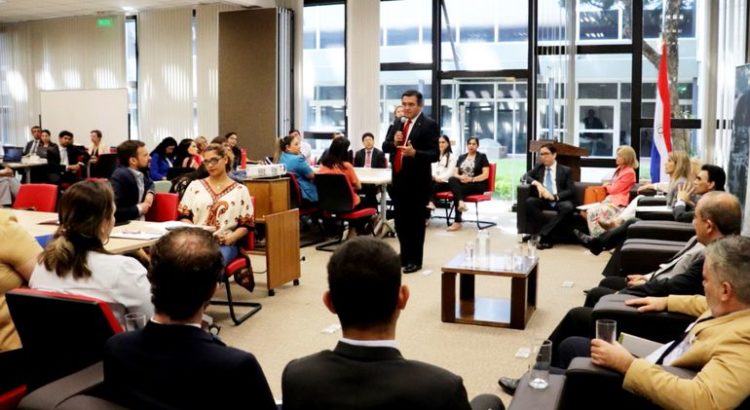
Para ejecutar el proyecto, se conformó a principios del año pasado un Comité Estratégico integrado por representantes de los ministerio y el Poder Ejecutivo, además de representantes de la sociedad civil.

Siguiendo con el plan, a través de un llamado realizado por la OEI se contrataron asesores en financiamiento educativo, desarrollo profesional docente, gestión educativa, marco legal, evaluación e investigación, desarrollo curricular y tecnología de la información.

Estos asesores, junto con otros expertos que acompañan el proceso, iniciaron la semana pasada las mesas técnicas conformadas para diagnosticar el estado de la educación paraguaya en la actualidad. Se prevé para marzo que estas mesas se abran a la ciudadanía.

El plan original planteaba seis foros regionales y dos congresos para debatir sobre la educación con docentes, padres y todos los interesados. Con las modificaciones introducidas, serán 17 los foros, uno en cada departamento del país, a desarrollarse en el transcurso de este año. También habrá una plataforma web de participación ciudadana.

Blindar el pacto

El Gobierno pretende llegar a fin de año con un “pacto social” sobre calidad educativa, que contemple los objetivos y pasos a seguir en la educación paraguaya hasta el 2030. Esto se prevé presentar ante el Congreso a principios de 2021 con intención de que se convierta en una Ley que “blinde” el plan.

Fuente de la noticia: https://www.abc.com.py/edicion-impresa/locales/2020/02/03/pacto-social-sobre-transformacion-educativa-costara-us-36-millones/

Comparte este contenido:

Ecuador: En el sur del país, 59 docentes se capacitan en Kichwa

América del Sur/ Ecuador/ 04.02.2020/ Fuente: lahora.com.ec.

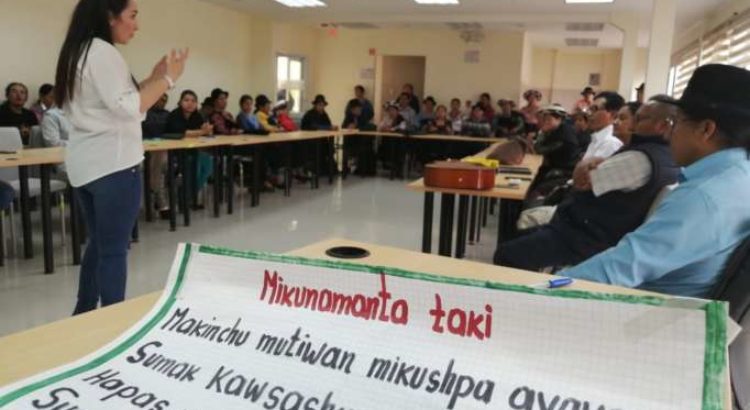
Con la finalidad de reforzar el conocimiento y la didáctica de la enseñanza de la lengua kichwa, se desarrolló una capacitación virtual con los docentes del Sistema Intercultural Bilingüe de la Zona 7, con tutorías presenciales, durante seis meses.

En este curso, que se cumplió entre julio y diciembre de 2019, se inscribieron 60 docentes de El Oro, Loja y Zamora Chinchipe; 59 completaron lo completaron.

Segundo Sarango Quizhpe, director zonal de Educación Intercultural Bilingüe, destacó la importancia de esta capacitación y el esfuerzo de los profesores que concluyeron el proceso.  quienes solicitaron más talleres en nuevos temas.
“Esto nos permitirá mejorar la calidad educativa que ofrecemos”, manifestó el director.

Para Magda Salazar González, coordinadora zonal de Educación, son importantes estos espacios de capacitación, “para no tener que concebir el sistema educativo aislado y buscar mecanismos que complementen el sistema hispano y el intercultural bilingüe”.

Proceso
En total, 599 docentes trabajan en el Sistema Intercultural Bilingüe, en lo que corresponde a la Zona 7, en El Oro, Loja y Zamora Chinchipe. A ellos van dirigidos estos procesos de capacitación.

En este caso, los 59 docentes que concluyeron el curso virtual abordaron temas, principalmente, de la lingüística y la metodología en la enseñanza de la lengua.

EL DATO
El curso virtual inició el 1 de julio de 2019. Duró seis meses.
La capacitación concluyó con una clase demostrativa el pasado diciembre, en la que los profesores agradecieron por los temas abordados y se comprometieron a replicar los conocimientos.

Ángel Polibio Minga, tutor del curso, dijo que en las próximas semanas se realizará otra convocatoria para que nuevos docentes aprendan a compartir sus conocimientos del kichwa.

Sarango aclaró que los cursos de formación en el conocimiento y la didáctica de la enseñanza de la lengua kichwa están dirigidos a docentes del Sistema Intercultural y Bilingüe; mientras que en los círculos de diálogo, en Saraguro y San Lucas, pueden participar los profesores que deseen, porque les sirve para practicar el uso de esta lengua nativa.

CLASE. Profesores de las tres provincias del sur del participaron.

Otros proyectos
Además de las capacitaciones, se están desarrollando círculos de diálogo de saberes en el Distrito Educativo de Saraguro. Todos los martes y jueves, luego de la jornada laboral de los docentes, se reúnen y ponen en práctica el kichwa.

Asimismo, se exponen los resultados favorables que han alcanzado los docentes en sus centros educativos y los comparten con quienes desean aprender más, especialmente en lo que se refiere al dominio de la lengua ancestral.

Este año continuarán los círculos de diálogo y saberes tanto en el cantón Saraguro, como en la parroquia San Lucas, del cantón Loja.

En Zamora Chinchipe, según lo dispuesto por la Secretaría de Educación Intercultural Bilingüe, también se está desarrollando un curso de lingüística del idioma shuar, con la participación de 60 docentes de esa nacionalidad, con la finalidad de profundizar en aspectos como la gramática y manejo de esta lengua nativa, en el oriente del país. (DLH)

Día de la Lengua Materna
° El 21 de febrero se conmemora el Día Internacional de la Lengua Materna. Puesto que este año los estudiantes de régimen Sierra estarán de vacaciones de fin del primer quimestre en esta fecha, la Secretaría de Educación Intercultural y Bilingüe ha decidido que las actividades por esta conmemoración se cumplan el 19 de marzo, en el marco de las celebraciones de Pawkar Raymi.

Fuente de la noticia: https://lahora.com.ec/noticia/1102303894/en-el-sur-del-pais-59-docentes-se-capacitan-en-kichwa

Comparte este contenido:

Nuevo gobierno en Argentina: Expectativas y luchas para la defensa de la educación en el 2020

América del Sur/ Argentina/ 04.02.2020/ Fuente: redclade.org.

Para conocer cuáles son los desafíos, oportunidades y expectativas que se avizoran para la realización del derecho a la educación en Argentina, en el 2020, con el nuevo gobierno de Alberto Fernández, dialogamos con Alberto Croce, secretario nacional de la Campaña Argentina por el Derecho a la Educación (CADE).

“Pese a la esperanza que el nuevo escenario despierta y aunque el nuevo presidente tenga la educación como una de sus prioridades en su plan de gobierno, es necesario tomar en cuenta la difícil situación económica y social del país. Este es un año de muchas expectativas y de muchas preocupaciones”, afirma Croce.

Lee la entrevista a continuación.

¿Cuál es el contexto nacional del derecho a la educación actualmente, y cuáles son las expectativas para el 2020?

Alberto Croce – El 2020 será un año especialmente importante para la educación en el país, una vez que el nuevo gobierno, liderado por Alberto Fernández, asumió la presidencia hace menos de 2 meses, representando un nuevo escenario para dicha área.

Las prioridades del nuevo presidente están relacionadas a superar la gran crisis económica que el país enfrenta, la cual tiene conexión con la deuda externa argentina. Sin embargo, aún resta mucho a aclarar en relación a las otras políticas públicas planteadas por Fernández.

“Pese a la esperanza que el nuevo escenario despierta y aunque el nuevo presidente tenga la educación como una de sus prioridades en su plan de gobierno, es necesario tomar en cuenta la difícil situación económica y social del país”

Los primeros pasos hacia un plan de gobierno para la educación son dados esta semana, con una reunión entre el gobierno federal y los ministros de educación provinciales. Además, se realiza hoy [31 de enero] la primera reunión entre el gobierno y los sindicatos docentes en 4 años, para debatir la cuestión de los salarios y las condiciones de trabajo de las maestras y los maestros. Este debate es particularmente importante, pues afecta las condiciones de enseñanza de las y los estudiantes y también la participación de la comunidad educativa en el planeamiento de las políticas.

Pese a la esperanza que el nuevo escenario despierta y aunque el nuevo presidente tenga la educación como una de sus prioridades en su plan de gobierno, es necesario tomar en cuenta la difícil situación económica y social del país. Este es un año de muchas expectativas y de muchas preocupaciones.

Ante el contexto mencionado, ¿cuáles serán las actividades o ejes de acción prioritarios de la CADE este año?

Alberto Croce – Estamos planteando para el 2020 algunas cuestiones muy importantes y diversas. Entre ellas, seguiremos impulsando la implementación de la Verificación Técnica Escolar (VTE) en los centros educativos del país. La Verificación, que asegura que la infraestructura de las escuelas esté en condiciones adecuadas y seguras para la garantía del derecho a la educación, es una iniciativa que busca promover el control ciudadano accesible sobre los presupuestos educativos locales y la calidad y seguridad de las condiciones de los centros educativos.

“La educación no debe quedarse en el reciclaje solamente, sino promover que debemos ser ciudadanos y ciudadanas cuidadores de la Madre Tierra, de la Pacha Mama”

También nos proponemos abrir espacios de participación a los distintos sectores sociales en el planeamiento de las políticas públicas. Trabajando con las y los estudiantes, sindicatos, cooperativas, ONGs y escuelas, queremos generar espacios de discusión sobre el derecho a la educación y las políticas educativas, para que él se abra y no se quede cerrado a sectores muy técnicos o que se apropien de la educación sin realizar debates públicos.

La CADE también desea promover una educación emancipadora en las escuelas, defendiendo que se incluyan cuestiones como la educación sexual integral (ESI) y la educación ambiental. Creemos que la educación no debe quedarse en el reciclaje solamente, sino promover que debemos ser ciudadanos y ciudadanas cuidadores de la Madre Tierra, de la Pacha Mama, y que esta idea se forme desde la escuela.

En el ámbito jurídico, la CADE planea sostener una perspectiva federal de la educación, pero respetando y acompañando las propuestas provinciales, así como valorando las cuestiones y especificidades locales, a través del apoyo a las experiencias educativas de gestión social y cooperativa.

Asimismo, una de las grandes apuestas de la Campaña para el 2020 será la lucha por mecanismos legales que garanticen un financiamiento educativo nacional adecuado. Además, queremos incidir por un compromiso del nuevo gobierno en actuar por la garantía de una inversión mínima del 6% del Producto Interno Bruto (PIB) del país a la educación básica.

Fuente de la noticia: https://redclade.org/noticias/nuevo-gobierno-en-argentina-expectativas-y-luchas-para-la-defensa-del-derecho-a-la-educacion-en-el-pais-en-el-2020/

Comparte este contenido:

Two-thirds of Australia’s Chinese students ‘stuck at home’

Asia/ China/ 04.02.2020/ Source: www.timeshighereducation.com.

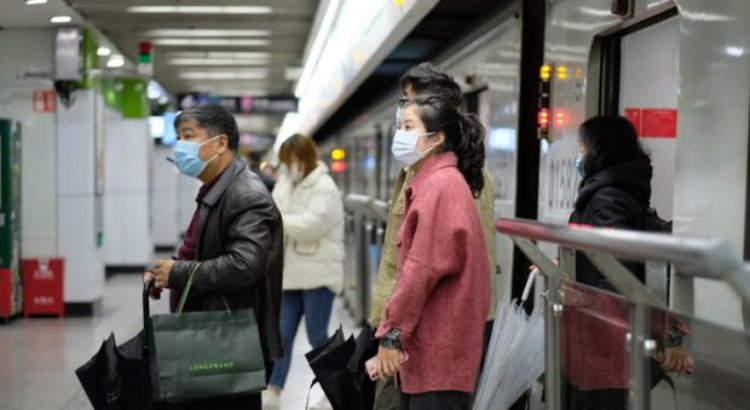
Almost two-thirds of Australian universities’ Chinese students are currently abroad, new government data show, in an indication of the scale of the financial hit confronting the sector if the coronavirus crisis persists.

Education minister Dan Tehan released statistics showing that of the almost 190,000 Chinese residents with valid Australian student visas on 1 February – when the government banned foreign nationals entering from China, in a bid to curb the outbreak’s spread – about 157,000 were higher education students.

Of these, 62 per cent were overseas and faced a wait of at least two weeks – and possibly much longer – before being allowed into Australia.

The figures suggest that Australian universities may be about to experience the worst fears of those who have warned against their financial reliance on Chinese students’ fees.

A paper released last year by University of Sydney sociologist Salvatore Babones, who focused his research on seven Australian universities, found that they had derived between 13 per cent and 23 per cent of their income from Chinese students in 2017. Since then, the number of visas granted to Chinese higher education students has increased by about 6 per cent.

Institutional and auditor-general’s reports released since Dr Babones conducted his analysis suggest that the two universities most financially exposed to Chinese students – the University of Sydney and UNSW Sydney – respectively obtained 26 per cent and 27 per cent of their revenue from this source in 2018.

UNSW’s main campus is unusually quiet for this time of year, devoid of the groups of orienting Chinese students that normally circulate in February – a scene replicated at universities across the country.

UNSW vice-chancellor Ian Jacobs last year said that his university had set up a contingency fund to “buy…an extra few months” in the event of a sudden loss of Chinese students, but said he would have to rapidly decrease spending on staff and infrastructure if the crisis lasted longer.

In a 4 February press conference, Mr Tehan said the government and universities had committed to “maximum flexibility” to help Chinese students stranded overseas.

He brushed off questions over whether Chinese students would be entitled to refunds if they could not study in Australia, and whether the government would consider helping universities meet the consequent “shortfall”.

“Let’s wait and see what the impact is of the coronavirus over the next fortnight, the next month, the next quarter, before we start looking at things like that,” he said.

“Let’s deal with getting in place the online learning, the remote learning. Let’s make sure we’re dealing with all those students who are already here in Australia and making sure their welfare is being looked after.”

Some Chinese students have scoffed at online learning as a viable solution, citing internet restrictions at home.

Mr Tehan also declined to estimate the dollar cost of the crisis while acknowledging international education as a “key” export for Australia. “We have to wait and see the extent of the virus…before we can examine this data and get a true understanding.

“What we’ve seen from Sars [severe acute respiratory syndrome] was that the bounce back in the international education sector was quick and immediate. Things have changed since Sars, but that is the information that we can go on historically.”

Source of the notice: https://www.timeshighereducation.com/news/two-thirds-australias-chinese-students-stuck-home

Comparte este contenido:
Page 1519 of 6195
1 1.517 1.518 1.519 1.520 1.521 6.195