Page 2373 of 6193
1 2.371 2.372 2.373 2.374 2.375 6.193

Unicef y Acnur lanzan concurso «Mi Nacionalidad Tiene Cuento» para escuelas de todo el país

América del Sur/Chile/PrensaUnicef

La iniciativa busca abordar, como tema central, el derecho de todos los niños y niñas a tener una nacionalidad y promover la conversación sobre este derecho al interior de las salas de clases, valorando la diversidad de nacionalidades y previniendo la discriminación.

“Mi Nacionalidad Tiene Cuento” es la iniciativa conjunta de la Agencia de la ONU para los Refugiados (ACNUR) y el Fondo de Naciones Unidas para la Infancia (UNICEF), que invita a los niños y niñas de entre 5° y 8° básico de los establecimientos educacionales de todo el país a participar con historias sobre su nacionalidad.

La iniciativa busca abordar, como tema central, el derecho de todos los niños y niñas a tener una nacionalidad y promover la conversación sobre este derecho al interior de las salas de clases, valorando la diversidad de nacionalidades y previniendo la discriminación.

“Tener una nacionalidad es un derecho humano y un elemento fundamental de la identidad, que se relaciona con muchas preguntas de la vida cotidiana que las personas nos hacemos, por ejemplo, ¿quién soy? ¿dónde nací? ¿de dónde son mis padres? Todas las personas tenemos derecho a tener una nacionalidad, sin embargo todavía hay más de 10 millones de personas en el mundo a quienes se les vulnera este derecho, las personas apátridas”, señaló Delfina Lawson, Jefa del ACNUR en Chile.

En tanto, la Oficial de Protección de UNICEF, Candy Fabio, señaló que esta iniciativa permitirá que los niños y niñas, junto a sus profesores reflexionen en torno al derecho a tener una nacionalidad y en cómo ésta los constituye como personas. “Esperamos que este concurso permita visibilizar la importancia de tener una nacionalidad y el aporte y riqueza que cada niño o niña con su propia cultura hace en sus propios entornos”.

El concurso considera muy especialmente el rol central que poseen los establecimientos educacionales a la hora de informar y acompañar a los niños y niñas en la reflexión sobre sus derechos. Por eso busca fomentar la conversación dentro del aula en torno a temáticas tan contingentes como el ejercicio de derechos, la no discriminación, las migraciones, el desplazamiento, la apatridia y la nacionalidad. Para participar, cada establecimiento educacional deberá seleccionar un máximo de 10 cuentos escritos por sus estudiantes y enviarlos a través de la página web www.minacionalidadtienecuento.cl.

Los estudiantes ganadores verán sus cuentos plasmados en una publicación final y asistirán a la premiación oficial en la Feria Internacional del Libro de Santiago (FILSA), organizada por la Cámara Chilena del Libro. Asimismo, tantos ellos/as como sus establecimientos educacionales recibirán una recopilación de libros de la Colección Infantil y Juvenil de Ediciones SM Chile.

Cabe señalar que el concurso “Mi Nacionalidad tiene Cuento”, es patrocinado por el Ministerio de las Culturas, las Artes y el Patrimonio, la Subsecretaría de Derechos Humanos y la Defensoría de los Derechos de la Niñez; y auspiciado por la Cámara Chilena del Libro, la Feria Internacional del Libro (FILSA), Ediciones SM Chile y agencia digital SUMA. Asimismo, cuenta con la colaboración de la red de diarios ciudadanos “Mi Voz”.

Fuente: http://www.elmostrador.cl/noticias/pais/2018/08/30/unicef-y-acnur-mi-nacionalidad-tiene-cuento-para-escuelas-de-todo-el-pais/
Comparte este contenido:

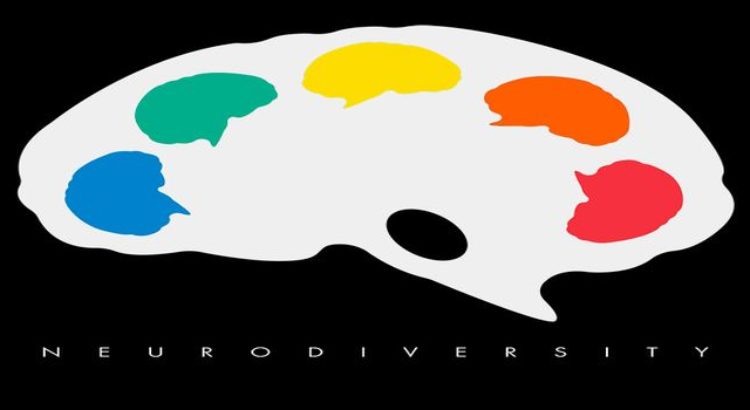
Neurodiversidad: El movimiento para que el autismo, la dislexia y el TDAH no se consideren discapacidades.

Por: Gabriela Esquivada. Infobae. 05/09/2018

Muchos lo comparan con la lucha por los derechos LGBTQ o los de los afroamericanos. Propone el reconocimiento de las diferencias neurológicas innatas, el respeto a los individuos sin hablar de la necesidad de una cura. Infobae habló con una experta, Devon MacEachron.

A la psicóloga Devon MacEachron, una especialista en niños con conexiones diferentes como el autismo o el trastorno de déficit de atención e hiperactividad (TDAH), no le gusta decir “discapacitado” o “disfuncional”. El lenguaje, cree, es particularmente importante cuando se trata de ponerle una etiqueta a las personas. Y en los Estados Unidos se etiqueta con autismo a 1 de cada 59 niños, y con TDAH a 6,1 millones.

Dis- significa nosinmenosDescribir a alguien como “discapacitado” implica que no tiene capacidad. Decir que alguien es “disfuncional” implica que no funciona.Quizá no todo marcha perfectamente para los individuos que son neurológicamente atípicos, pero describirlos en términos tan negativos no los ayuda a encontrar y desarrollar aquello para lo que tienen “capacidad” —explicó a Infobae.

En su práctica en Nueva York, aclaró esta graduada en las universidades de Pennsylvania y California-Berkeley, no tiene problemas en emplear esos términos a los fines de diagnosticar a un paciente ante el sistema de salud, “para que la gente obtenga los servicios que necesita”. Pero en su consultorio y en su vida prefiere cambiar los términos de la conversación. Es una representante del movimiento de la neurodiversidad, que considera que las personas con autismo, dislexia, TDAH y síndrome de Asperger constituyen una minoría social.

“Cuando pensamos en diversidad, la mayoría de nosotros piensa en cosas como las diferencias étnicas o la orientación sexual. Pero existe otra forma de diversidad que tal vez ignoremos: la neurodiversidad“, dijo MacEachron en un video para Now This, que tuvo una circulación viral en las redes (8 millones de visitas hasta finales de julio). “Se presta poca atención a aceptar a la gente que tiene mentes neurológicamente diferentes por lo que son, poca atención a descubrir y celebrar sus puntos fuertes, poca atención a hallar un lugar en la sociedad que valore sus diferencias“.

La mente autista, por ejemplo, tiene una capacidad inusual para detectar patrones, algo que la industria tecnológica valora mucho. Se puede concentrar mucho más intensamente que la mente común, puede experimentar sensaciones más profundamente. Dado que el autismo es un espectro, también hay casos extremos en los que las personas no pueden hablar o necesitan ayuda para sus funciones cotidianas.

“Creo que la moneda tiene dos caras”, ilustró MacEachron. Y en su opinión, la cara de los puntos fuertes y los intereses especiales necesitan más atención.

La respuesta masiva a su video le confirma que muchos otros creen que las perspectivas dominantes estigmatizan más de lo que ayudan. “Mucha gente me escribió que se sentía comprendida, esperanzada y vista como una persona que tiene valor. Espero que fortalezca a la gente para que ponga su energía en descubrir en qué son buenos y qué les gusta hacer, y en encontrar un lugar donde puedan tener éxito y hacer su aporte”.

Neurodiversidad: movimiento y concepto

El término se popularizó hace 10 años, y nació otros 10 años atrás. En Look Me in the Eye: My Life with Asperger’s, su best-seller de 2007, John Elder Robison contó su vida con Asperger.  “La neurodiversidad es el reconocimiento de las diferencias neurológicas innatas”, dijo a  The Washington Post. “Esas diferencias son un don y una discapacidad. La sociedad necesita los pensadores excepcionales que produce la diversidad en el mundo”.

La palabra se debe a la socióloga australiana Judy Singer, que la usó por primera vez en “Why Can’t You be Normal for Once in Your Life?” (“¿Por qué no puedes ser normal por una vez en tu vida?”), un capítulo de su tesis de doctorado escrita entre 1996 y 1998, Disability Discourse (El discurso de la discapacidad). Describió la “diversidad neurológica, o neurodiversidad”, como “un nuevo agregado a las categorías políticas ya familiares de clase, género o etnia”. Puso en contexto: “El ascenso de la neurodiversidad lleva un paso más allá la fragmentación posmoderna”.

El escritor Robison describió la neurodiversidad “como un movimiento de derechos civiles emergentes” en el artículo que la compara —al citar a sus defensores— con la lucha por los derechos LGBTQ o los de los afroamericanos. Y la especialista MacEachron coincidió en diálogo con Infobae: “Sí, creo que es similar en tanto categoría para definir a la gente. Es la diversidad de las conexiones cerebrales. Con frecuencia está oculta, no es perceptible al ojo como podrían ser el género o la etnia. Pero no obstante a las personas se las categoriza y se las juzga por las etiquetas que se les aplican”.

Para los padres de niños con autismo, TDAH, dislexia o Asperger, esas etiquetas los enfrentan a una alternativa decisiva: cambiar al niño para que se adapte al ambiente en el que vive, o lo opuesto. Para los defensores de la neurodiversidad, hay muchas maneras en que los padres —y en general los adultos— pueden tratar de cambiar el ambiente para que cada persona prospere con sus características.

—Un cambio podría ser en la educación y la estructura de las escuelas. Se le podría dar a los niños recreos para que los niños saquen su energía, se les podría permitir caminar por la clase, se les podría evitar el requisito de sentarse en un pupitre durante horas.

A veces esas opciones no están disponibles. Los niños reciben educación en sus hogares, por ejemplo, o deben sobrellevar un ambiente que es un desafío constante. “Pero aun entonces se pueden hacer cosas para ayudar a que el hijo o la hija sea quien es y prospere“, agregó. “Parte de eso es aceptar que el hijo o la hija es alguien original que puede no estar completamente a la altura de las expectativas de uno o de terceros, pero no obstante es un individuo hermoso que merece respeto“.

Parte de la genética humana

“La neurodiversidad es parte de nuestra evolución como especie”, dijo MacEachron en el video de Now This. “Los genes del autismo y el TDAH no son errores sino más bien el resultado de variaciones en el genoma humano y de nuestra evolución como especie, que tienen y seguirán teniendo ventajas para nuestra sociedad”

Por ejemplo, uno de los genes asociados con el TDAH, el DRD4, es el causante de la motivación y la curiosidad. Tiene 10.000 años, al igual que los genes asociados con el autismo.

“Mis comentarios se basan en parte en que suponemos que la selección natural elimina del acervo genético los alelos con efectos negativos“, dijo a este medio. “Así que si todavía persisten, quizá hay un motivo. La anemia falciforme parece algo malo que esperaríamos que la selección natural eliminase, pero resulta que sus genes causan resistencia a la malaria. Puedo pensar en muchas ventajas (y desde luego, muchas desventajas también: no las minimizo) de la neurodiversidad”.

En una conferencia a la que asistieron personas con dislexia, la experta observó que en ciertos aspectos la eclipsaban: podían entender el panorama general de las conversaciones y las conexiones entre las cosas, por caso, con más claridad y rapidez. “Hay investigadores que teorizan que esta ventaja del pensamiento panorámico puede deberse a que las neuronas de los disléxicos con más alargadas“, ilustró. Citó el libro The Dyslexic Advantage (La ventaja disléxica, de Brock y Fernette Eide, que se acaba de traducir al chino) como un buen compendio de esas ventajas.

Alguna variantes genéticas vinculadas al autismo podrían ser resultado de una selección positiva también: favorecieron un desarrollo extraordinario de la memoria y una percepción intensificada de la vista, el gusto y el olfato, además de la comprensión de grandes sistemas.


—¿Qué micro-hábitats participan ya en la conversación sobre la neurodiversidad que pone el acento en esas ventajas?

Las empresas tecnológicas buscan ex profeso contratar y ofrecer comodidades a los individuos con autismo, que son especialmente buenos para trabajar con sistemas y detalles. El ejercito israelí tiene una unidad especial para individuos con autismo que se dedica a descifrar códigos. Ser emprendedor es una suerte de micro-hábitat que suele acoger a los individuos con TDAH. Hace pocos años salió un artículo sobre esto, en Forbes, titulado: “ADHD: The Entrepreneur’s Superpower” (“TDAH: el superpoder del emprendedor”). También existen subculturas en las comunidades de videojuegos y entre los artistas. Gente que piensa distinto.

Críticas, entre los propios autistas

En su blog, MacEachron aludió a las críticas que recibe el movimiento defensor de la neurodiversidad. “Especialmente aquellas de neuropsicólogos”, detalló, se centran en que no se enfatiza la importancia que tienen el diagnóstico de discapacidad y el tratamiento. Y una persona que desarrolló TADH como consecuencia de una enfermedad, le dijo que no sentía que se tratara de una ventaja evolutiva.

Thomas Clemens, un joven con Asperger, escribió en Quilette que “el autismo es un cuadro mucho más complejo” que lo que describe la neurodiversidad y que “la perspectiva de que un día se halle una cura no se debería eliminar completamente”, en nombre del respeto a las variaciones cerebrales. Al igual que los defensores de la neurodiversidad, Clemens cree que las personas autistas merecen mejores condiciones en el empleo y en la sociedad en general. Pero piensa que “el autismo es una discapacidad, primero y principal” y que “nunca se debería convertir en otra etiqueta vanguardista de identidad”.

“Respeto sus puntos de vista”, dijo a Infobae. “Ellos saben lo que quieren y necesitan mejor que yo, pues lo están viviendo. Yo no tengo autismo, y sería presuntuoso en el plano emocional decir algo sobre la neurodiversidad cuando, personalmente, soy neurológicamente típica. Pero señalaría que cualquier forma de pensamiento que acepte las diferencias entre las personas es algo bueno. No sentir vergüenza o incomodidad es bueno. Tratar de buscar los aspectos positivos es bueno, aun cuando todo parece terriblemente desalentador”.

—¿Y con respecto a la discusión sobre la cura?

Aplaudo a los científicos que trabajan en las curas de cualquier cosa que aqueja a la gente. Creo que deberíamos poder elegir por nosotros mismos, cuando sea posible, cómo queremos ser. Si una familia sufre bajo el peso de cualquier forma de diferencia cerebral y siento que serían más felices sin ella, diría “Adelante”.

Su propia historia

La periodista que invitó a MacEachron a hacer el video para NowThis es su hija, quien tiene TDAH y dislexia. También su otro hijo recibió esos diagnósticos. Y su marido: “Estas cosas son genéticas con mucha frecuencia”, dijo. Su experiencia le ha permitido llevar a su consultorio, y la defensa de la neurodiversidad, una mirada especial.

“En primer lugar está bien hacer el duelo por el hijo que uno pensaba que iba a tener, es parte del proceso de aceptar el que uno tuvo“, explicó. “Luego se puede ir al grano y luchar para que el hijo o la hija obtenga lo que necesita“. En ese proceso las madres y los padres se deben cuidar a sí mismos, porque los esperan la preocupación noche y día, la ansiedad, la depresión, los sentimientos de soledad, aconsejó.

En segundo lugar hay que explorar los aspectos positivos. “Yo tuve dos niños torpes, descoordinados, que no podían practicar deportes ni aunque se les fuera la vida en eso. Tras sobreponerme al hecho que nos hacía unos parias virtuales allí donde vivíamos, me di cuenta que era una ventaja no tener que pasar todas las tardes llevándolos a las prácticas“, puso como ejemplo.

Y también el caso de la profesión de su hija: si bien le costó mucho (los cuatro años de la universidad se le convirtieron en siete), la joven pudo aplicar su “creatividad salvaje” al trabajo y es “una gran productora de videos noticiosos interesantes”.

Por último, aconsejó que conviene mantener la perspectiva. “Hay que pensar en lo que realmente importa en la vida. El amor. La felicidad. La amabilidad. Esto es lo que hay que promover”.

Actualización: No en todos los países del continente americano la legislación denomina “discapacidad” a la dislexia. En Argentina, una ley de 2016 estableció que se la considere entre las dificultades específicas de aprendizaje, y ya no como discapacidad. En los Estados Unidos se considera que está dentro de los “trastornos de neurodesarrollo” que ameritan ayuda de la Seguridad Social a partir de la certificación de discapacidad.

Fuente: https://www.infobae.com/america/ciencia-america/2018/08/07/neurodiversidad-el-movimiento-para-que-el-autismo-la-dislexia-y-el-tdah-no-se-consideren-discapacidades/

Fotografía: thinkgeek

Comparte este contenido:

México: UDEG abre inscripciones de 27 cursos para adultos mayores.

Por: NTR Guadalajara. 05/09/2018

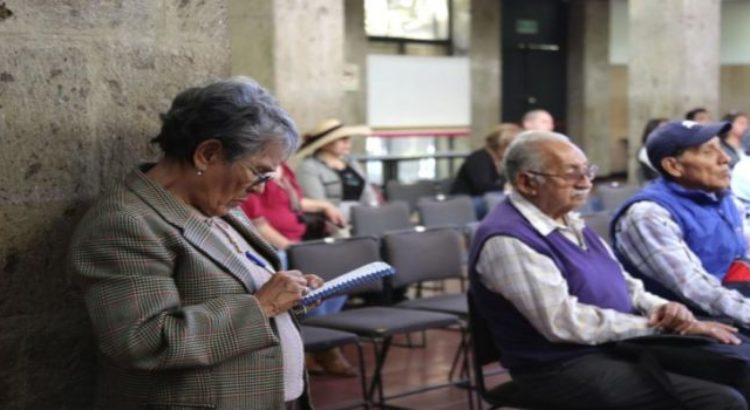
Del 15 al 17 de agosto, en un horario de 9 a 14 horas, estará abierto el periodo de inscripciones para 27 cursos y talleres, además de dos diplomados que se ofertarán durante el ciclo escolar 2018–B del Sistema Universitario del Adulto Mayor (SUAM).

Este semestre se abrirán cursos sobre salud física; salud cerebral; derechos del adulto mayor; computación básica, intermedia y avanzada; además de uno enfocado en teléfonos celulares y tabletas inteligentes, informó el Director de la Biblioteca Pública del Estado de Jalisco (BPEJ) Juan José Arreola y Coordinador General Académico del SUAM, doctor Juan Manuel Durán Juárez.

Habrá también talleres de creación poética; narrativa; historia oral (que busca que escriban su experiencia de vida familiar o laboral); el círculo de lectura “Hilando y tejiendo historias”, en el que tendrán oportunidad de escuchar la lectura en voz alta de un libro; además de cursos sobre aprovechamiento de plantas medicinales y otro sobre huertos orgánicos.

Se impartirán también clases de pintura; danza regional, elaboración de bonsái y sobre el uso de plantas medicinales

A PROBAR

Entre las novedades se encuentran la enseñanza de la lengua náhuatl contemporánea; e introducción a la cultura prehispánica y náhuatl clásico, informó Durán Juárez.

El SUAM oferta, además, los diplomados para el Desarrollo Integral del Adulto Mayor y en Desarrollo Especializante del Adulto Mayor. Ambos tienen las modalidades presencial y semipresencial, y podrán cursarse en un lapso de año y medio a tres años.

El primero está enfocado en proporcionar herramientas teóricas y prácticas que ayuden a afrontar los retos de la tercera edad y que permitan a las personas desarrollarse en los ámbitos social y económico; el segundo tendrá tres áreas especializantes: salud, biología y humanidades.

Las clases en el SUAM iniciarán el martes 21 de agosto, y serán de lunes a viernes con un horario variante, según las actividades a elegir. Tanto los cursos, talleres y diplomados son gratuitos. Un día antes, el 20 de agosto, habrá una sesión de bienvenida con una conferencia inaugural, a las 10:00 horas.

Mayor información en avenida 16 de Septiembre 849, colonia Centro, en el correo electrónico suam@redudg.udg.mx y en el teléfono 3619-3235.

*Fuente: http://www.ntrguadalajara.com/post.php?id_nota=105761

Fotografía: NTR Guadalajara.

Comparte este contenido:

Militants’ war on education in Afghanistan

Asia/Afghanistan/05.09.18/Por Ruchi Kumar/Source: www.thehindu.com.

Education is increasingly a casualty in Afghanistan,” a briefing note by the Norwegian Refugee Council (NRC) recently observed. The note was in reaction to a larger, comprehensive report by the Global Coalition to Protect Education from Attack (GCPEA), titled ‘Education Under Attack’, which studies the impact of conflict on education in 28 countries.

According to the report, Afghanistan, along with Nigeria, suffered the most number of attacks against students and educators. Indeed, as conflict in the country surges, educational facilities find themselves threatened or caught in the crossfire. In the latest such attack, a suicide bombing inside a classroom in Kabul on Wednesday killed 48 people, many of them students preparing for the national university entrance exams. Claimed by the Islamic State (IS), the attack targeted the minority Shia Hazara community. In June, some schools for girls were forced to shut following threats from the IS. Separately, over a 100 schools in Logar province were briefly closed, allegedly by local Taliban groups. Last month, the Malikyar Hotak High School in Khogyani district of the eastern province of Nangarhar came under attack, resulting in the beheading of three staff members.

“Threats — and actual violence and destruction — to schools and staff in Nangarhar Province are paralysing the educational sector and quickly reversing development gains,” William Carter, head of the Afghanistan programme at the NRC, told this writer, adding that the situation has had “a profoundly distressing effect on children’s sense of safety”. Aid organisations working with local educational groups have also confirmed that not only are school and educational facilities at risk of attacks but also that the overall environment has discouraged student attendance. The NRC observed that schools in the region were “increasingly at risk on military, ideological, and political fault lines, with attacks increasing in eastern Afghanistan”.

Not safe at school

In its own research, the NRC found that a majority of the surveyed children did not feel safe at school. It discovered that at least 12% had experienced attacks on their schools and 15% had experienced shooting very near their school buildings. Another 36% were frightened about risks of kidnapping or attack en route to schools and many of them had missed lectures and exams because of threats from armed groups. “This also undermines parents’ attitudes to the value of education,” Mr. Carter elaborated.

Meanwhile, as the much-delayed parliamentary elections approach, school facilities used as voting registration and election centres are increasingly at risk from insurgent attacks. An assault on a school that was being used as a National ID registration centre in Kabul resulted in 60 deaths in April. Currently, according to the UN, over 60% of the 7,000 voter registration and polling centres are schools, with activities taking place during classroom hours.

The deteriorating situation has also affected the delivery of educational aid. “This level of insecurity has made it very difficult for us to assure the safety of both our beneficiaries and our own staff,” Mr. Carter said, adding that they are evaluating different approaches to ensure that children are protected and that their learning can be continued in the wake of deepening insecurity. “However, we are making adjustments intended to reduce the likelihood and limit the impact of such incidents on children and staff,” he said.

Source of the notice: https://www.thehindu.com/news/international/militants-war-on-education-in-afghanistan/article24726454.ece

Comparte este contenido:

Concerns about possible dealmaking constraints hit Chinese education stocks

Asia/China/05.09.18/Por Kelly Olsen/Source: www.cnbc.com.

  • Chinese education stocks in Hong Kong came under pressure on concerns the central government is considering limited acquisitions.
  • Draft legislation for a new education law released Friday «spooked the market.»
  • The Chinese education sector is growing rapidly.

Stock prices in Chinese education companies listed in Hong Kong have come under pressure after the central government issued a draft proposal that would tighten regulations.

Shares in a number of the companies plunged on Monday, with some closing nearly 40 percent lower, though they began clawing back some of the losses in Tuesday trading.

Wisdom Education International led the declines, falling 39.8 percent on Monday, while Tianli Education International dropped 37.4 percent.

Prompting the declines was a release Friday from China’s Ministry of Justice regarding draft legislation for changing a law on private education that some saw as potentially instituting curbs on mergers and acquisitions activity in the space.

«Imprecise terms and language in the recently reviewed draft legislation for the amendment of the Promulgation of Private Education Law» were blamed for unnerving investors, Jefferies’ stocks analyst Johnny Kin Man Wong said in a Monday report.

Confusion largely centered on one section of the draft that suggested larger listed companies that control more than one school could be banned from engaging in mergers and acquisitions of non-profit private schools.

«We believe this is the article that has spooked the market as it is new and on the surface appears to block the route for M&A by listed companies,» Wong said.

He stressed, however, the article lacks an exact definition of group-based education and that was likely to be remedied.

‘Clarify the definition’

«We expect the next updated version of the draft to clarify the definition,» Wong said, stressing that education companies are expected to have their opinions heard.

Chinese education stocks in Hong Kong rebounded somewhat on Tuesday after the steep declines the day before.

Wisdom Education International gained 17 percent after Hong Kong trading began, while China New Higher Education Group rose 10 percent after skidding more than 30 percent on Monday.

Other companies also recovered some of the previous day’s losses. Tianli Education International gained a more modest 1.5 percent.

The Chinese education space has been closely followed by some investors, and Deloitte in a 2016 report painted a rosy picture of the sector’s future.

«China’s education industry is ushering into its ‘golden age’ with expansion in terms of both industry size and market activity,» the report said.

The education sector in China is expected to grow to nearly 3 trillion yuan ($435 billion) in 2020 from 1.6 trillion yuan in 2015, the report said.

A key driver in the sector is early childhood education, which is set to get a boost from China’s relaxation of policies that had limited family sizes.

Source of the notice: https://www.cnbc.com/2018/08/14/chinese-education-stocks-in-hong-kong-hit-by-regulatory-concerns.html

Comparte este contenido:

UK announces major investments in future of African youth through education and voluntary family planning

Africa/05.09.18/Source: www.gov.uk.

New UK aid programmes to help millions more young people to plan their families, stay in education and get better jobs

  • UK aid to help 5,000 young Kenyan girls who have dropped out of school due to early marriage, motherhood and gender-based violence get back into education
  • UK will also improve affordability and accessibility to voluntary family planning and vocational skills training for millions across Africa
  • This will save girls’ lives and allow young people to plan their families, stay in education and get better jobs to support Africa’s future prosperity

UK aid will help millions more young people across Africa to access vital family planning services, receive a quality education and help them get better-paid jobs, it was announced as the Prime Minister was in Kenya today (30 August 2018).

This will empower young people to have better control of their health and futures, allowing them to choose whether to have children and when, while tackling inequality and improving youth education and employment for a strong and prosperous continent.

New UK aid programmes through the Department for International Development will:

  • support up to 5,000 girls to start or get back into school for a brighter future – including girls who have dropped out due to early marriage or motherhood, or being the victim of gender-based violence – through UK aid’s new Leave No Girl Behind programme in Kenya;
  • help hundreds of thousands more Kenyans access to safe, voluntary modern contraception over the next five years – particularly young people who want but currently struggle to access family planning services;
  • help to create much needed, high quality jobs for young Kenyans by providing advice and grants to innovative start-ups or technology ventures that have most potential to create high numbers of jobs through the new Kenya Catalytic Jobs Fund;
  • launch the Women’s Integrated Sexual Health (WISH) programme that will ensure six million couples can use voluntary contraception every year of the programme, and prevent the deaths of around 20 women every day; and
  • launch a global Skills for Prosperity programme, including major investment to help young Africans access skills training and vocational courses focused on getting them into better paid, future-proof jobs in industries struggling with skills gaps.

Minister for Africa Harriett Baldwin said:

It is a tragedy that so many young girls are needlessly robbed of their education and career aspirations. We will only lift people out of poverty by ensuring that every child can access quality education, healthcare and employment regardless of circumstance or gender.

By tackling these issues together, UK aid will save countless girls’ lives, while allowing young people to plan their families, stay in education and get better jobs, building better lives for millions of young Africans for now and the future.

In Kenya, 18% of girls have had or are pregnant with their first child by the age of 19. Improved access to family planning services will empower girls and women to plan when or whether to have a child, giving them the opportunity to complete their education and pursue a career, while contributing to sustainable economic growth in Kenya. It will also save thousands of lives by averting preventable maternal deaths.

Leave No Girl Behind will tackle other common barriers to girls’ education by helping girls that cannot afford to go to school due to poverty or poor accessibility for girls with disabilities. Up to 1,000 of the girls supported through the programme in Kenya will have a disability.

Skills for Prosperity will not only improve employment rates among young people, including in Kenya, Nigeria, South Africa and Egypt, it will also strengthen core industries in those countries and allow them to trade more prosperously with the UK.

Kenya’s young tell us they want opportunities, choices and jobs; we want to empower them with the means to ensure greater prosperity for themselves, their families and their country. The Kenya Catalytic Job Fund will support better paid, sustainable employment for Kenya’s youth by providing technical advice and grants to innovative business ideas with high potential to create a large numbers of jobs. This will give the country’s young people opportunities to leave poverty behind and stimulate economic growth and investments that will benefit the UK too.

A huge number of African women want to use contraception but do not have access to it, with 58 million women in sub-Saharan Africa wanting to avoid or delay pregnancies. WISH will prioritise the poorest and most in need, particularly young and marginalised women, increasing the number of ways and places they can access the vital family planning services they need, and helping to avert tens of thousands of maternal deaths.

This will empower millions of women with control over their bodies and support the future prosperity of young people in some of the world’s poorest countries by allowing them to plan when to have children, stay in education and get better jobs, to contribute to their country’s economic development.

This is why, as part of the UK’s new and distinctive offer to work alongside, invest in and partner with African nations, we will be bringing in more specialist health advisers to work with African governments and civil societies to enable women and girls to access the voluntary family planning that is right for them.

Notes to editors

Leave No Girl Behind

  • Leave No Girl Behind is a UK aid project (up to £6.6 million) that will support up to 5,000 out-of-school girls get the vital education they need to lift themselves and their families out of poverty – and to play a transformational role in their communities and societies.
  • It will help an estimated 2,000 girls get back into mainstream primary or secondary school, and help give a further 3,000 girls education and training opportunities. Up to 1,000 of the girls supported by the project in Kenya will have disabilities.
  • The UK is also strengthening Kenya’s education system, through support to the Global Partnership for Education. This will make Kenya less dependent on aid, as it moves towards a modern partnership with the UK.
  • This is part of the UK’s commitment to ensure every girl across the globe can receive 12 years of quality education.
  • Getting girls into school, and then into good employment, allows them to play a transformational role lifting their communities out of poverty, growing their economies and shaping the future of their countries. Globally, if all women had a quality primary education we could:
  • Reduce maternal deaths by 2/3, saving 98,000 lives
  • Reduce the number of child deaths by 15%
  • Save 1.7 million children from stunting
  • Avert 14% of child marriages

Family Planning in Kenya

  • By the age of 19, 18% of girls in Kenya have had or are pregnant with their first child. Early pregnancy carries significant health risks and limits girls’ life choices and their ability to fulfil their potential.
  • The Government of Kenya recognises family planning as an essential tool in reducing poverty, particularly by stabilising population growth and allowing young people to choose when to finish school and get a job, which will help to stimulate economic growth and prosperity in Kenya.
  • The UK will provide £36 million between January 2019 and January 2024 to support the Government of Kenya to increase access to modern family planning services in 19 counties (out of 47) where fewer than 45% of women use any modern contraceptive. This will support at least 320,000 additional users of safe, voluntary, modern contraception in Kenya.

Kenya Catalytic Job Fund

  • Africa’s young people tell us exactly what they want: opportunities, choices and jobs. We want to empower them with the means to ensure greater prosperity for themselves, their families and their country.
  • The Kenya Catalytic Job Fund will invest £5 million over the next four years with a focus on creating jobs for young people in agriculture and manufacturing; for the most marginalised such as youth with disabilities; and those outside of the formal economy, such as in small-scale farming and microenterprises.
  • The programme will provide technical assistance and grants to test innovative business ideas with the most potential to create jobs at scale and remove barriers to growth, such as start-ups providing new solutions to unmet problems or technologies that will overcome current barriers to growth.

Skills for Prosperity

  • Countries with growing economies are often frustrated by a lack of skilled workers. Young people in these economies are at risk of being left disenfranchised and unemployed because they cannot access the skills they need to get quality jobs.
  • The UK is investing up to £75 million in the Global Skills programme to support nine countries to tackle the key skills gaps in their most important areas, which are holding back growth and prosperity. These countries will include Kenya, Nigeria and South Africa.
  • The programme will look to improve the affordability, quality, relevance and equity of Higher Education (HE) and Technical and Vocational Education and Training (TVET).

WISH

  • The UK is investing £200 million in a new flagship programme ‘WISH’ which will ensure three million extra girls, women and men, to consistently gain access to life-saving voluntary contraception in some of the world’s poorest countries.
  • Globally there are an estimated 214 million women who want to delay or prevent pregnancy but who are not able to access or use contraception. Unintended and early pregnancy is a key cause of high maternal death rates in Africa. Having access to contraception is critical for women continuing their education and being able to take up employment opportunities.
  • The programme will operate across at least 18 countries in Africa and Asia, to ensure previously unreached people, especially young and poorer women, are able to access contraception and have the choice on whether, when and how often to have children. This includes more accessible sexual reproductive health and rights (SRHR) sites, mobile clinics into rural and poorer areas, community outreach services and family planning commodities.
  • To ensure sustainability beyond the life of the programme, WISH will work with national governments to bolster their own capacity to provide longer-term services.
  • Voluntary family planning – with women’s choice at the centre – contributes to wider development by bringing down fertility rates. This could enable African countries to unlock economic growth and prosperity.

Source of the notice: https://www.gov.uk/government/news/uk-announces-major-investments-in-future-of-african-youth-through-education-and-voluntary-family-planning

Comparte este contenido:

Milioni di bambini rifugiati senza istruzione secondo il rapporto UNHCR ‘Turn the Tide: Refugee Education in Crisis’

Europa/Italia/05.09.18/Fonte: www.unhcr.it.

Secondo un rapporto pubblicato oggi dall’UNHCR, l’Agenzia delle Nazioni Unite per i Rifugiati, quattro milioni di bambini rifugiati non frequentano la scuola, un aumento di mezzo milione in un solo anno.

Il rapporto Turn the Tide: Refugee Education in Crisis evidenzia come, nonostante gli sforzi dei governi, dell’UNHCR e dei suoi partner, l’iscrizione dei bambini rifugiati a scuola non riesca a tenere il passo con la crescente popolazione di rifugiati. A fine 2017, si calcolavano oltre 25,4 milioni di rifugiati nel mondo, di cui 19,9 milioni sotto il mandato dell’UNHCR. Più della metà, il 52%, erano minori e tra questi 7,4 milioni erano in età scolare.

“L’istruzione è un modo per aiutare i bambini a guarire, ma è anche la chiave per ricostruire il loro Paese”, ha affermato Filippo Grandi, Alto Commissario delle Nazioni Unite per i Rifugiati. “Senza istruzione, il futuro di questi bambini e delle loro comunità sarà irrimediabilmente danneggiato”.

Solo il 61% dei bambini rifugiati frequenta la scuola primaria, rispetto al 92% dei bambini nel mondo.

Con l’età, il divario aumenta. Quasi due terzi dei bambini rifugiati che frequentano la scuola elementare non continuano gli studi. In totale, il 23% dei bambini rifugiati frequenta la scuola secondaria, rispetto all’84% dei bambini su scala globale.

Per quanto riguarda l’istruzione superiore, la situazione è particolarmente critica: se nel mondo l’iscrizione scolastica a tale livello è pari al 37%, nel caso dei rifugiati la percentuale scende all’1%, una cifra che nel corso degli ultimi tre anni non è cambiata.

“La scuola è il primo posto in cui i bambini rifugiati trovano una qualche normalità dopo mesi, se non addirittura anni”, aggiunge Grandi. “Sulla base dei modelli attuali, se non vengono effettuati investimenti urgenti, altre centinaia di migliaia di bambini diventeranno parte di questi dati allarmanti”.

Il rapporto mette in evidenza i progressi compiuti da coloro che hanno sottoscritto la Dichiarazione di New York per i Rifugiati e i Migranti, impegnandosi a garantire l’iscrizione a scuola di 500.000 bambini rifugiati senza istruzione nel 2017. Sollecita inoltre a far di più per consentire a tutti i rifugiati di beneficiare dell’istruzione di qualità che meritano.

Il rapporto invita i Paesi che accolgono bambini rifugiati ad iscriverli nei sistemi scolastici nazionali, con programmi di studio adeguati, per tutta la scuola primaria e secondaria, affinché possano ottenere un titolo valido per proseguire gli studi universitari o per intraprendere un percorso di formazione professionale superiore.

Nel rapporto viene anche ricordato che i Paesi nelle regioni in via di sviluppo ospitano il 92% dei rifugiati in età scolare a livello globale e necessitano di un maggiore sostegno finanziario da parte della comunità internazionale.

Infine, il rapporto invita a instaurare partnership più solide con il settore privato, le organizzazioni umanitarie e per lo sviluppo e i governi per incrementare le soluzioni sostenibili per l’istruzione dei rifugiati.

****

La versione integrale del rapporto Turn the Tide: Refugee Education in Crisis in inglese è disponibile qui.

****

Informazioni sul rapporto

Turn the Tide: Refugee Education in Crisis è il terzo rapporto annuale sull’istruzione dell’UNHCR. Il primo, Missing Out, è stato pubblicato in occasione del Summit dell’Assemblea Generale delle Nazioni Unite per i Rifugiati e i Migranti svoltosi nel settembre 2016. Sollecitava i donatori a fornire finanziamenti pluriennali e sicuri a sostegno dell’istruzione dei rifugiati. Il secondo, Left Behind, è stato pubblicato nel 2017 e ha evidenziato il divario tra le opportunità di cui beneficiano i bambini rifugiati e i loro pari non rifugiati e invitava a considerare l’educazione come un elemento fondamentale per rispondere alle emergenze dei rifugiati.

Il rapporto contiene una prefazione di Filippo Grandi, Alto Commissario delle Nazioni Unite per i Rifugiati, e le osservazioni finali dell’Inviata Speciale dell’UNHCR Angelina Jolie.

Informazioni sull’UNHCR

L’UNHCR, l’Agenzia delle Nazioni Unite per i Rifugiati, guida l’azione internazionale volta alla protezione delle persone costrette ad abbandonare le proprie case a causa di conflitti e persecuzioni. Fornisce assistenza salva-vita come alloggi, cibo e acqua; contribuisce a salvaguardare i diritti umani fondamentali e sviluppa soluzioni che garantiscano alle persone un luogo sicuro che possano chiamare casa e dove possano costruire un futuro migliore. Si adopera inoltre per garantire che gli apolidi possano ottenere una cittadinanza.

Contatti Media a Ginevra:

Altri Contatti Media:

Fonte delle notizie: https://www.unhcr.it/news/milioni-bambini-rifugiati-senza-istruzione-secondo-rapporto-unhcr-turn-the-tide-refugee-education-crisis.html

Comparte este contenido:
Page 2373 of 6193
1 2.371 2.372 2.373 2.374 2.375 6.193