Page 2942 of 6194
1 2.940 2.941 2.942 2.943 2.944 6.194

Cómo un examen universitario en 1977 cambió a China y creó una generación legendaria

Asia/China/Diciembre del 2017/ Noticias/http://www.bbc.com/

Hace 40 años China restauró un importantísimo examen de entrada a la universidad después de un intervalo de más de una década cuando el país se vio sumido en el caos de la Revolución Cultural.

Más de cinco millones de personas presentaron el examen con la esperanza de asegurar un lugar en la universidad. Yuwen Wu de la BBC describe cómo fue ser una de estas personas.

————————————————————————-

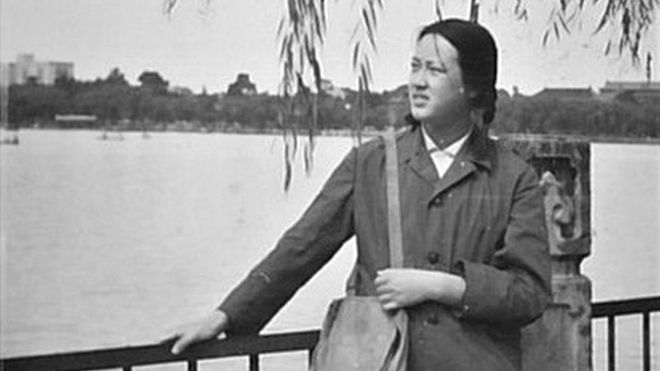
El 10 de diciembre de 1977, tomé el autobús hacia la Escuela Secundaria No. 35 en el distrito Ciudad Occidental de Pekín, para hacer algo que los jóvenes chinos no habían hecho en más de 12 años.

Me presenté en el primer examen de entrada a la universidad que se realizaba desde 1965.

Reinaba un entusiasmo apagado pero evidente y expectativas en el aire del frío invierno, porque era la primera vez en años que teníamos nuestro destino en nuestras manos.

En mi bolsillo llevaba una barra de chocolate de mi padre. Era su forma de apoyarme. Yo nunca había probado el chocolate.
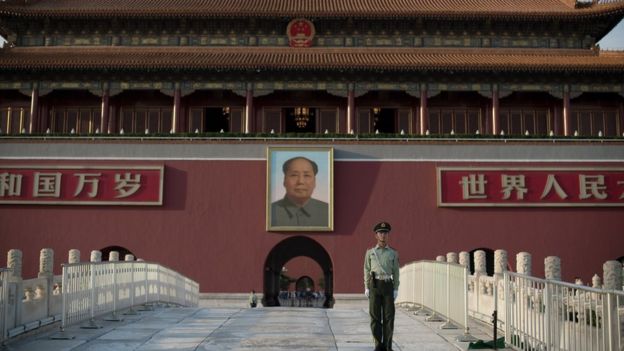
Mao ZedongDerechos de autor de la imagenAFP
Image captionLa sombra de Mao todavía se cierne en el país y ha sido difícil romper con sus políticas.

Durante la Revolución Cultura, el aprendizaje normal en los colegios y universidades quedó interrumpido, los maestros e intelectuales fueron humillados y golpeados públicamente; algunos se suicidaron.

No fue una buena época para quienes valoraban una educación formal.

Año de cambio

La mayoría de la gente asocia 1978 con el inicio de la reforma y apertura en China, pero fue en 1977 cuando comenzó a cobrar fuerza el ímpetu por el cambio y el examen fue enormemente simbólico.

En febrero de ese año, conseguí un trabajo como maestra de inglés en una primaria en Pekín.

Acababa de pasar tres años en una escuela de idiomas que preparaba maestros y me consideré a mí misma afortunada de poder quedarme en la ciudad en lugar de que me enviaran al campo, como mis cuatro hermanos y la mayoría de mis compañeros.

Estudiantes en 1977Derechos de autor de la imagenGETTY IMAGES
Image captionUnos 5,7 millones de personas participaron en el examen de 1977, con una tasa de admisión de sólo 4,8%.

Por supuesto siempre quise ir a la universidad, pero al darme cuenta de que eso no era posible todo el tiempo y de que quizás no iba a ser posible nunca, me dediqué a trabajar.

Me encargaron enseñar inglés a 200 estudiantes del tercer grado, de 10 años, divididos en cuatro grandes clases.

A la semana aprendí todos sus nombres, traté de inculcar en ellos el amor por el inglés, y recibí mucho apoyo de otros maestros.

Incluso di una clase magistral para toda la escuela y parecía que iba rumbo a convertirme en una excelente maestra.

Un cálido día de otoño en 1977, cuando acababa de regresar de un mes en el campo con los alumnos, mi madre me dijo, con un tono muy entusiasmado, que el gobierno había decidido reinstalar ese invierno el examen de entrada para la universidad ese invierno, y que quizás podría presentarme.

Decisión histórica

No podía creer lo que escuchaba. «¿Es real o es una mala broma? ¿Podré finalmente tener la oportunidad de estudiar en la universidad?».

Resultó que Deng Xiaoping, purgado por Mao Zedong durante la Revolución Cultural y rehabilitado como viceprimer ministro en 1977, había decidido abordar la educación como su prioridad.

Y llamó a una reunión en agosto de 1977 para discutir la posibilidad de restaurar los exámenes de entrada a la universidad.

Muchos estaban a favor, otros no estaban seguros. El principal obstáculo era que el presidente Mao apoyaba la selección de estudiantes universitarios de los círculos de trabajadores, campesinos y soldados y había poco tiempo para prepararse para el cambio.
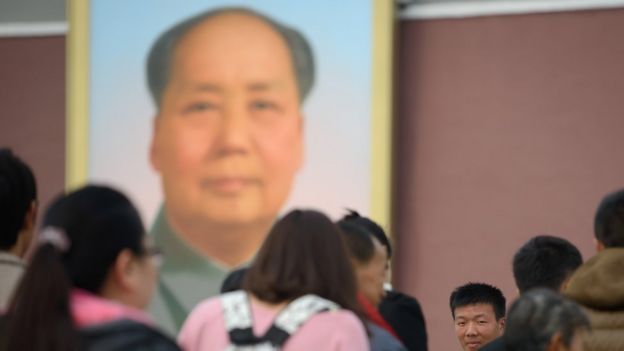
Mao ZedongDerechos de autor de la imagenAFP
Image captionLa Revolución Cultural de Mao fue una gran amenaza sobre los estudiantes que deseaban entrar a la universidad.

Pero Deng tomó esta decisión histórica para comenzar el nuevo sistema ese año, la cual provocó una ola de entusiasmo en todo el país, incluido el colegio donde yo trabajaba.

Ocho maestros jóvenes queríamos presentarnos al examen.

Nuestro director nos dijo que nos apoyaba pero que no podía darnos días libres para prepararnos para el examen.

Así que continuamos enseñando normalmente aunque podíamos saltarnos las reuniones.

Lo que siguió fueron muchas noches largas estudiando para el examen mientras preparábamos las clases para el día siguiente.

Pero yo estaba muy entusiasmada y no me sentía cansada en absoluto.

Mi madre se sentaba conmigo hasta muy tarde en la noche, tejiendo en silencio y probando mis conocimientos de historia.
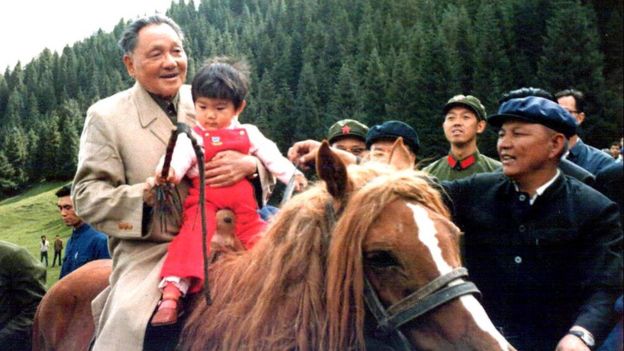
Deng XiaopingDerechos de autor de la imagenFILES
Image captionDeng Xiaoping decidió hacer de la educación su prioridad.

Con el consejo de mi padre solicité estudiar inglés en la Universidad de Pekín.

Ventaja

Recuerdo haber hecho el examen de chino el primer día, que incluía una composición que preguntaba lo que habíamos hecho en ese año histórico.

Esto me dio muchas ventajas: había desempeñado un nuevo trabajo, enseñando inglés a 200 niños.

También hicimos un examen de inglés y matemáticas.

Después de pasar el examen escrito tomé el examen oral en la Universidad de Pekín, a lo que siguió una revisión médica y una larga espera para los resultados finales.

Estos llegaron de forma bastante dramática.

Guardias Rojos en 1966Derechos de autor de la imagenAFP
Image captionBajo Mao, los estudiantes eran elegidos por su buena conducta política más que con una competencia abierta.

El último sábado de las vacaciones de invierno en febrero de 1978, se nos pidió a todo los miembros del personal, incluidos los ocho que hicimos el examen, hacer los preparativos para el nuevo año escolar mientras el director iba a recoger los resultados en nuestro nombre.

Si eran buenas noticias, ése sería nuestro último día en la escuela. Si eran malas, regresaríamos el lunes siguiente para seguir enseñando allí.


La generación del 77

  • Los exámenes para entrar a la universidad fueron suspendidos en 1966 cuando la Revolución Cultural de Mao se extendió en el país. Los estudiantes fueron movilizados para participar en la revolución así que los estudios fueron interrumpidos.
  • Desde 1968, millones de jóvenes fueron enviados al campo para ser reeducados como «campesinos».
  • A partir de 1970, las universidades y colegios comenzaron a recibir estudiantes nuevamente, incluidos trabajadores, campesinos y soldados, los cuales principalmente eran recomendados por su buena conducta política y no con una competencia abierta.
  • Unos 5,7 millones de personas participaron en los exámenes para entrar a la universidad en 1977 y 273.000 obtuvieron un lugar. Fue una tasa de admisión de 4,8%, la más baja de la historia.
  • Las tasas de admisión actualmente para el examen universitario, el gaokao, son significativamente más bajas pero lo que está en juego sigue siendo muy importante.

La noticia llegó antes del mediodía. Cinco de nosotros obtuvimos lugares en distintas universidades. Yo en la Universidad de Pekín. Todo era algo surrealista.

El director organizó apresuradamente una reunión de despedida y a cada uno nos dio un cuaderno de regalo.

Pocos días después, me registré en la Universidad de Pekín. Y el resto es historia.

Se nos conoce como la Generación del 77, aunque comenzamos nuestras licenciaturas en 1978.

Si mencionas este término a la gente de cierta edad, inmediatamente te asocian con experiencia y trabajo duro, con un fuerte sentido de responsabilidad y buena suerte.

«Te subiste al primer tren», suelen decir.
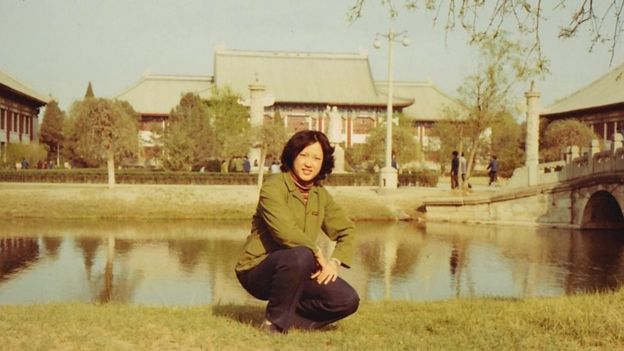
Yuwen Wu
Image captionPara 1982 Yuwen Wu, aquí en el campus, ya era maestra en la Universidad de Pekín.

Estoy muy orgullosa de ser miembro de la Generación del 77 y de haber sido testigo de un evento histórico en la historia reciente de China.

Los exámenes en ese año marcaron el comienzo de la apertura y reforma de China y la Generación del 77 se convirtió en la columna vertical de la transformación china para las siguientes cuatro décadas.

Había profesores, científicos, abogados, médicos, escritores y líderes en varios campos, entre ellos el actual premier chino Li Keqiang, quien estudió leyes y economía en mi alma mater, la Universidad de Pekín.

Era claro que esta generación sería la élite encargada de sacar al país de un período de oscuridad.

Ha habido un enorme progreso económico, pero también hay muchas voces que cuestionan la marcha del cambio político.

Yo cumplí con mi sueño de una educación universitaria y es indisputable que China dio un paso enorme para la corrección de los fallos de la Revolución Cultural.

Fuente:http://www.bbc.com/mundo/noticias-42365223

Imagen: https://lh3.googleusercontent.com/Jz7nCoZzQILa1us0k0i-zwXEek8mBuDLujhcBGRcdeQC8rpUmLrHcLVN3E-eh2G5lkVk3g=s152


Comparte este contenido:

OEA reitera reforma electoral en Nicaragua y revisar resultados en algunos municipios

América Central /Nicaragua/Diciembre del 2017/Noticias/https://www.elnuevodiario.com.ni

La OEA emitió hoy un informe sobre las elecciones municipales de Nicaragua, diciendo que se respetó la voluntad de los votantes, aunque sugirió revisar resultados en algunos municipios

La Organización de Estados Americanos (OEA), emitió hoy un informe sobre las elecciones municipales de noviembre en Nicaragua, indicando que, en general, no se afectó la voluntad de los votantes, aunque reiteró una reforma a la ley y revisar los resultados en algunos municipios donde hay reclamos.

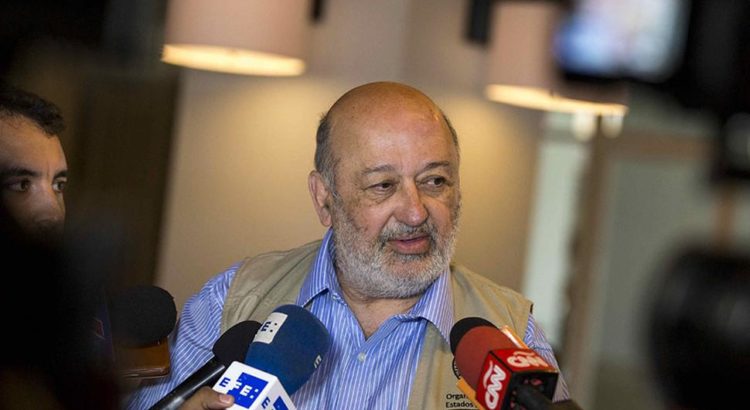
Wilfredo Penco, el jefe de misión de la OEA en Nicaragua, es quien presentó esta mañana el informe, indicando que es necesaria una reforma a la Ley Electoral para que haya representación de la mayoría de los partidos políticos y garantizar una confianza general.

Nicaragua celebró elecciones municipales el 5 de noviembre. Archivo/END– Nicaragua celebró elecciones municipales el 5 de noviembre. Archivo/END –
En su informe, Penco dijo que no se afectó la voluntad de los votantes, aunque existen señalamientos «razonables» en los resultados de algunos municipios, los cuales deberían ser revisados.

“Existe espacio para fortalecer” los procesos electorales de Nicaragua y “la reforma electoral(debe ser) comprensiva, que abarque diferentes temas”, dijo Penco.

De acuerdo con Penco, las elecciones municipales permitieron “identificar avances importantes y debilidades propias de los procesos”.

Hay “ciertos reclamos” en la elección de alcaldes en algunos municipios que tienen «méritos suficientes para ser analizados”.

“La misión reitera la conveniencia de que el Consejo Supremo Electoral pudiera” revisar las denuncias “para despejar las razonables dudas”, explicó Menco.

El pasado 5 de noviembre se efectuaron las elecciones municipales en Nicaragua, en las cuales el gobernante Frente Sandinista de Liberación Nacional (FSLN) ganó 135, el Partido Liberal Constitucionalista (PLC) 11, Ciudadanoss por la Libertad (CxL) 6 y la Alianza Liberal Nicaragüense (ALN) 1.

El canciller de Nicaragua, Denis Moncada, por su parte, dijo que mantienen la voluntad de colaborar con la OEA para mejorar el sistema electoral y la institucionalidad.

La OEA presentó su informe sobre las elecciones en Nicaragua en una sesión celebrada en Washington, con la presencia del secretario general del organismo, Luis Almagro.

La vicepresidenta de Nicaragua, Rosario Murillo, calificó como «serio y responsable» el informe de la OEA, divulgado este miércoles.

Las propuestas de la OEA

  1. Auditoría integral al registro electoral
  2. Mejorar el sistema de interconectado de registro civil con los departamentos.
  3. Un sistema biométrico de cedulación
  4. Reforma a la Ley Electoral
  5. Atender los reclamos sobre los resultados de algunos municipios en las elecciones del 5 de noviembre
  6. Ampliar la representación de los partidos políticos en el Consejo Supremo Electoral
  7. Brindar de forma anticipada el financiamiento para la campaña electoral


Fuente: https://www.elnuevodiario.com.ni/politica/450224-oea-reitera-reforma-electoral-nicaragua-revisar-re/

Imagen: https://lh3.googleusercontent.com/mb5C8cY1q8FEK4tMc9qe3xsLBpQH43ejA9pAE2V6GyoahTIDisCgyuN4AbUZO423sNoaDw=s143

Comparte este contenido:

Francia: Vulgarisation “Infiltrée chez les physiciens”, Héloïse Chochois www.chezlesphysiciens.fr Dix idées fausses que se font les scientifiques de la vulgarisation

Europa /Francia/Diciembre del 2017/Noticias/  https://theconversation.com/


Quand je demande à mes collègues physiciens ce qu’ils pensent de la vulgarisation, tous s’accordent sur sa nécessité. Mais quand il s’agit de savoir qui devrait vulgariser, comment s’y prendre, et pour quelles raisons, les opinions divergent : « il faut re-motiver les jeunes pour les carrières scientifiques », « le plus important, c’est la pédagogie », « il faut éviter la quantique »… J’avais moi-même des idées arrêtées sur le sujet quand, il y a 12 ans, j’ai commencé à participer à des actions de vulgarisation. Après des années de conférences grand public, d’interventions scolaires, de fêtes des sciences, et de collaborations avec des musées, je dois l’avouer : mes certitudes sur le sujet se sont peu à peu effritées. Voici dix idées dont j’étais assez convaincu, mais qui ne résistent pas à l’épreuve du terrain et des chiffres.

Pour résumer mon propos : la vulgarisation met en jeu des ressorts et des relations au public plus complexes qu’il n’y paraît, et les scientifiques qui s’y intéressent doivent en prendre conscience, sans pour autant abandonner leurs ambitions et leurs idéaux !

1. « Le public s’intéresse de moins en moins aux sciences ».

Voilà une des idées que j’entends le plus souvent parmi les chercheurs : le grand public n’a pas assez de culture scientifique. En effet, à des questions de base, les français ne savent souvent pas bien répondre, par exemple moins de 20 % identifient les gaz et le CO2 comme origine de l’effet de Serre. Un tiers des européens ne savent pas que la Terre tourne autour du Soleil.

Mais ces mauvaises réponses sont-elles le symptôme d’un désintérêt pour les sciences ou juste d’une formation de départ insuffisante ? Car contrairement aux idées reçues, le grand public s’intéresse aux sciences et en a une bonne image. À la question : « la science et la technologie apportent-elles des solutions aux problèmes que nous rencontrons aujourd’hui ? », le oui remporte près de 84 % (Le Monde, 2016). Mieux, 93 % de la population exprime un désir de développer ses connaissances dans au moins un domaine scientifique (Credoc, 2013). Et chez les 15-25 ans, 76 % éprouvent de l’intérêt pour la science, et 95 % ont une opinion positive des chercheurs (CSA, 2014).

Enfin, quand on demande aux Français quelle activité fait partie de la culture, la science arrive en second avec 77 % des suffrages, seconde juste derrière la visite des musées et devant les voyages, le théâtre, la musique ou la lecture !. Près d’un Français sur deux a déjà visité un muséum d’histoire naturelle ou un centre de culture scientifique et le succès croissant des chaînes scientifiques sur YouTube confirme le constat.

1/2Infiltrée chez les physiciens1/2, Héloïse Chochois, www.ChezLesPhysiciens.fr.

2. « Les jeunes ne veulent plus aller vers les carrières scientifiques ».

Autre idée répandue, en particulier chez les universitaires : nous avons subi une forte désaffection ces dernières années dans les filières scientifiques, et la vulgarisation pourrait nous aider à y remédier. Pourtant, entre 2006 et 2016, le nombre d’étudiants a augmenté de 23 %dans les formations scientifiques contre 16 % pour les autres formations. Les sciences fondamentales à l’Université affichent un gain de 17,7 %, plus élevé là encore que la moyenne nationale. Plus près de la recherche, les effectifs augmentent également en Master 2, de près de 20 %. Du côté des thèses, le nombre de doctorats délivrés est à peu près constant pour les étudiants français et en constante hausse pour les étrangers.

Même si l’on oublie un instant ces bons chiffres, je me méfie de cette mission prosélyte qu’on voudrait confier aux vulgarisateurs. Une intervention ponctuelle lors d’une conférence ou d’une visite de labo peut-elle convaincre des élèves de changer d’avis sur leur avenir professionnel ? L’image qu’ont les jeunes de la science, c’est d’abord celle qui leur est enseignée. Et de ce point de vue, le constat est cruel pour ma propre discipline, la physique : quand on leur demande leurs trois matières préférées durant leurs études, les Français répondent français (42 %), histoire (38 %), maths (34 %), et la physique arrive seulement dixième du classement (10 %) (Credoc 2012). C’est là, à mon avis, que doivent porter les efforts.

3.« La vulgarisation, c’est d’abord savoir bien expliquer ».

La priorité du scientifique qui vulgarise, c’est la qualité et la précision de ses explications. Ne va-t-il pas trop approximer au risque de manquer de rigueur scientifique ? Mais la vulgarisation, ce n’est pas l’enseignement, et c’est un enseignant universitaire qui vous parle. Il est impossible d’être parfaitement rigoureux du début à la fin, et ce n’est pas grave, tant qu’on l’annonce clairement. Pour avoir fait de nombreuses conférences sur la physique quantique, je sais bien les approximations « impardonnables » que je suis obligé de faire quand j’évoque la dualité onde-particule ou l’intrication. Mais à y réfléchir, c’est plus l’opinion du collègue ou du prof de physique caché dans l’audience qui me fait peur quand je fais des approximations.

Surtout, ce qui va vraiment toucher le public se joue souvent ailleurs que dans la qualité de l’explication scientifique : c’est le look du chercheur, c’est sa personnalité, c’est la tête du PowerPoint et le choix des couleurs, bref, le style. Il suffit de lire les résultats des enquêtes après nos passages en lycée : « le chercheur portait un jean ! », « un physicien, ça peut être une femme », « moi qui pensais que la physique c’était mort », etc. Très rares sont les commentaires sur l’explication elle-même !

1/2Infiltrée chez les physiciens1/2, Héloïse Chochois, www.ChezLesPhysiciens.fr.

4.« Dans un débat grand public, il suffit de montrer les preuves scientifiques pour convaincre ».

J’irai vite sur cette idée là : de nombreuses études ont fait la liste des biais cognitifs qui affectent les opposants dans un débat : biais de confirmation, de familiarité, modèle du déficit, retour de flamme, etc. Un raisonnement scientifique clair se basant sur des preuves objectives ne suffit pas à convaincre, au contraire ! Pour avoir été souvent confronté à des débats sur les pseudo-sciences – médecine quantique, magnétiseurs ou médecine par les cristaux – j’ai moi-même tendance à ne plus m’opposer fermement aux défenseurs de ces pratiques comme je le faisais au début, mais plutôt à tenter une pédagogie sur la démarche scientifique, en visant en fait le reste de l’auditoire.

5.« Certains sujets sont trop compliqués pour être vulgarisés ».

Souvent, j’entends qu’il n’est pas possible d’expliquer certains sujets, par exemple la physique quantique : trop compliqué, trop abstrait, trop mathématique. Je suis assez d’accord, si il s’agit d’expliquer « proprement ». Mais, si l’on accepte de faire son deuil d’une certaine rigueur mathématique, il est possible de donner quelques éléments et intuitions, quel que soit le sujet. La preuve : le boson de Higgs ou les ondes gravitationnelles, deux sujets « terribles », ont pourtant été non seulement médiatisés mais aussi vulgarisés de façon remarquable lors de leur découverte récente. Les Nobels de Physique, attribués chaque année aux sujets les plus ardus, font l’objet d’excellentes vulgarisation sur le site même du Nobel. Une enquête auprès d’experts de la vulgarisation indique que tous considèrent qu’il n’existe pas de problème assez complexe pour qu’on ne puisse en faire comprendre les grandes idées.

1/2Infiltrée chez les physiciens1/2, Héloïse Chochois, www.ChezLesPhysiciens.fr.

6.« Il faut privilégier les sujets avec des applications concrètes ».

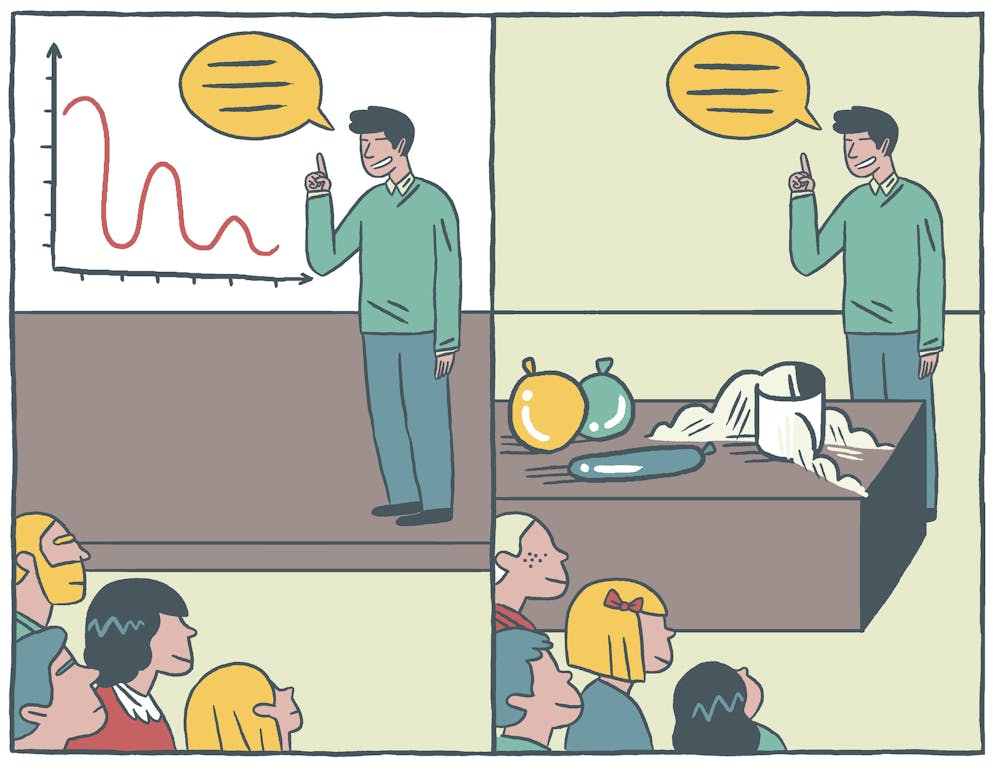
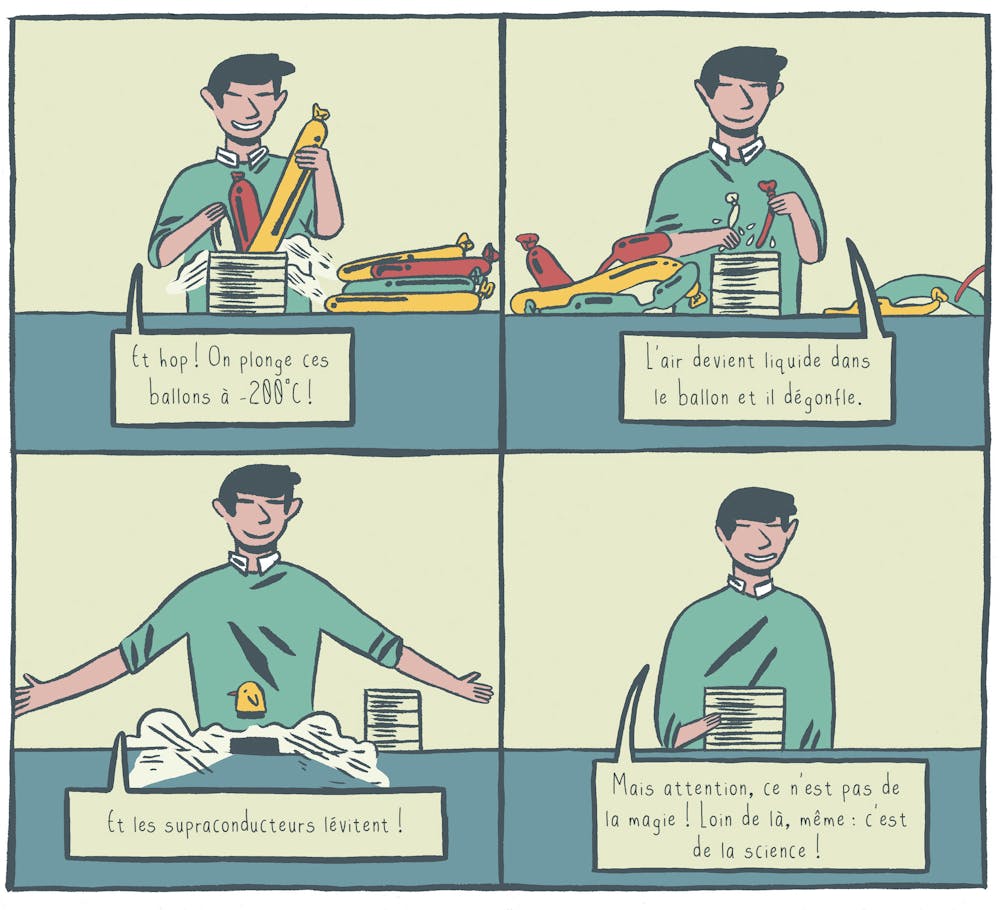
Combien de fois m’a-t-on dit qu’il fallait, pour impliquer le public, démarrer une conférence de vulgarisation sur la supraconductivité plutôt par ses applications, l’imagerie médicale ou le train à lévitation. Ici, je n’ai pas d’étude à citer, juste une impression : le public n’aime pas toujours être ramené à son quotidien, et reste fasciné par les grands mystères et les questions fondamentales que pose la science. Il suffit de voir les succès d’édition scientifique : théorie des cordes, relativité générale, astronomie, physique quantique, cosmos… Aucun livre dans les premières ventes sur la physique pour le médical ou sur ses applications dans l’électronique !

7.« Certains sujets seront toujours plus vendeurs parce qu’ils font rêver ».

Au vu de l’idée précédente, on pourrait conclure que les sujets les plus fascinants, l’origine de l’Univers, les paradoxes quantiques ou relativistes, seront toujours plus fascinants que les sujets plus concrets. Par exemple, en physique, l’astronomie ou même la théorie des cordes semblent plus « vendeuses » que la matière condensée vu le territoire qu’elles occupent dans les médias. Un tel déséquilibre n’a pas seulement à voir avec l’attrait du sujet, mais aussi avec la mobilisation des scientifiques. Les théoriciens des cordes ont développé un véritable « lobbying » pour leur discipline à travers des formidables représentants médiatiques. Les astrophysiciens, de même, s’impliquent plus et mieux que d’autres. Au CNRS, ils sont cinq fois plus actifs en vulgarisation que les physiciens de la matière condensée. La taille des structures de recherche aide aussi : le CERN pour la physique des particules ou l’ESA et la NASA pour le spatial ont une force de frappe formidable en comparaison des autres communautés éclatées en micro-équipes. Une source d’inspiration pour les autres disciplines !

1/2Infiltrée chez les physiciens1/2, Héloïse Chochois, www.ChezLesPhysiciens.fr.

8. « Pas besoin que les chercheurs vulgarisent, laissons cela aux professionnels ».

Les chercheurs ont beaucoup de bonnes raisons pour ne pas participer aux actions de vulgarisation : manque de temps, manque de compétences, manque de reconnaissance. Pourquoi ne pas laisser les médiateurs des musées et associations de science faire le travail ? Là encore, notre expérience montre que la présence des chercheurs est irremplaçable, non pas pour la clarté de leurs explications, mais pour deux autres raisons : d’abord ils peuvent parler des recherches récentes et ancrer la science dans sa modernité.

Mais surtout, ils sont les acteurs de la recherche, et peuvent témoigner de cette pratique, de leur vécu, de leurs questionnements. Il suffit de voir le nombre de questions qu’on a sur le métier et les pratiques de la recherche pour se convaincre de la pertinence de leur présence. Je plaide pour une complémentarité et une collaboration entre professionnels de la médiation et scientifiques, que j’ai moi-même pu pratiquer par exemple avec les médiateurs de la Cité des Sciences.

9. « Vulgariser prend trop de temps ».

C’est vrai, si on part de zéro et qu’on vise d’écrire un article ou de faire une conférence grand public. Mais des « micro-actions » sont possibles, utiles et rapides : répondre à quelques questions sur Internet, contribuer à Wikipédia, ou à Twitter, répondre aux questions d’un groupe de lycéens pour un TPE, participer à un stand dans une fête de la science, écrire un petit « highlight » sur son dernier article scientifique, les occasions ne manquent pas, qui prennent au plus une ou deux heures.

1/2Infiltrée chez les physiciens1/2, Héloïse Chochois, www.ChezLesPhysiciens.fr.

10. « La vulgarisation nuit à la carrière des chercheurs ».

Là, je l’avoue, ce n’est pas une idée complètement fausse. La vulgarisation n’aide pas particulièrement les carrières dans le monde de la recherche publique en France. Il manque des outils d’évaluation sérieux et une vraie volonté politique pour en tenir compte dans les promotions. Mais elle ne nuit pas forcément non plus et présente plusieurs bénéfices auxquels on ne pense pas assez. Un bon vulgarisateur, et je parle d’expérience, recrutera plus facilement des doctorants car il présentera mieux son sujet de recherche. Il parlera mieux en conférence pour présenter ses résultats aux collègues. Il rédigera mieux les introductions de ses articles, les « highlights » associés, et surtout, ses demandes de financements, le nerf de la guerre !

Enfin, et surtout : la vulgarisation, c’est un formidable bol d’air, une façon de sortir de son laboratoire, de prendre du recul sur son propre travail, et d’aller à la rencontre d’un public rafraîchissant, enthousiaste et curieux !

Fuente:https://theconversation.com/dix-idees-fausses-que-se-font-les-scientifiques-de-la-vulgarisation-89191

Imagen: https://lh3.googleusercontent.com/6k5h181FuXwOOLoACMJmjb_WiFaiueUVtzme8f_mHOD5GAIWbxKQKC6ux_Q_IrykiNjQ7Jc=s88

Comparte este contenido:

Alemania Royal commission sheds light on another uncomfortable truth: harmful sexual behaviour in children

Oceanía/ Alemania/Diciembre del 2017/Noticias/https://theconversation.com/


In Australia, as in most comparable countries, the development of a fulsome understanding of child sexual abuse has been appallingly slow. In the absence of an appropriate policy framework to prevent child sexual abuse, generations of children have endured terrible harm.

Within the broad scope of “child sexual abuse”, one issue has been a particular subject of silence, confusion, and fear. Harmful sexual behaviours by children continue to be very poorly understood.

Through private interviews, written submissions, expert evidence, and a case study focused on harmful sexual behaviours in schools, the Royal Commission Into Institutional Responses to Child Sexual Abuse focused its considerable analytical expertise on this much-neglected issue. The findings demand our attention and action.

The commission’s findings

During private sessions, the commission heard that nearly one in six survivors of child sexual abuse had been abused by a person under 18. Incidents had occurred across a range of institutional settings, including out of home care, school, and youth detention. During its term, the commission built a nuanced picture of the harms endured by children subjected to sexual abuse by another child:

We became aware that children with harmful sexual behaviours harming other children is a kind of abuse that has occurred across all levels of society and in many different settings, in historical and contemporary times.


Read more: Royal commission recommends sweeping reforms for Catholic Church to end child abuse


The commission’s work dispels the powerful misconception that children with these behaviours warrant the same response as adults who perpetrate child sexual abuse. In many cases, these behaviours in children are a trauma response, a replication of prior abuse, or a reaction to exposure to pornography. The commission reports that children exposed to violence in the home are considerably over-represented in the group of children with harmful sexual behaviours.

Further distinguishing children from adult perpetrators, the commission affirmed that children’s developmental stage means they have a particular capacity for rehabilitation and, when provided with appropriate therapy, are unlikely to continue with the behaviours.

Yet a widespread lack of understanding about these behaviours means that children are not always provided with the appropriate response:

We learned that few people understand how to identify, react and respond to children’s harmful sexual behaviours or fully appreciate the damage the behaviours can cause.

“Harmful sexual behaviours” encompasses a broad range of acts, and the commission is clear that a one-size-fits-all response is inadequate. At one end of the spectrum, a child’s problematic (rather than harmful) behaviour may be outside the developmentally-appropriate range, or outside accepted social norms, such as self-stimulation in public. The commission recommends that early and appropriate responses require adults who work with children have knowledge about children’s sexual development.

Where a child’s behaviour harms other children, adults, or animals, it is important that the seriousness of the behaviours be acknowledged. Timely reporting and appropriate specialist assessments are also paramount.

At present, the lack of understanding in Australia means incidents may be overlooked or dismissed as child’s play – an outcome recounted repeatedly to the commission. Where adults dismiss or deny harmful incidents, they actively perpetuate the harm for both the child with the behaviours, and children subjected to the behaviours.

The commission’s recommendations

At present, policy and therapeutic responses vary between states and territories. The commission found that:

Overall, Australia lacks a comprehensive overarching framework to guide formal systems, individual institutions and practitioners on how to provide effective, consistent responses to harmful sexual behaviours by children.

Addressing this requires leadership from all levels of government. The commission has called on government to:

  • fund a network of specialised therapeutic services;
  • facilitate timely and expert assessments and referrals; and
  • ensure that clinicians in this specialised field are provided with ongoing professional training and clinical supervision.

The commission also stresses the importance of ongoing research and evaluation.


Read more: Royal commission report makes preventing institutional sexual abuse a national responsibility


The commission placed considerable emphasis on education, consistent with the public health model that identifies the importance of prevention and early intervention. It noted that child sexual abuse prevention education is a priority, but is not available to children in all schools. Research also shows that while educating children is important, it is only part of the answer.

To address the lack of understanding, the commission recommends education on preventing harmful sexual behaviours be provided to the broader community. This includes parents, carers, and professionals that engage with children.

The commission’s work, and the testimony of survivors, has brought to light an issue that has been denied for far too long.

It is understandable that many people find it confronting to contemplate children engaging in acts that cause such harm. This must now be put aside. It is infinitely more confronting to know that the ignorance or inaction of adults perpetuates harm, and denies children the therapeutic supports they need.

Ensuring that we are educated about developmentally appropriate sexual behaviours is an excellent place to start.

Fuente:https://theconversation.com/royal-commission-sheds-light-on-another-uncomfortable-truth-harmful-sexual-behaviour-in-children-89145

Imagen: https://lh3.googleusercontent.com/YHqlH0bD30zaXQCFY7dM8BQepveTGtn2OnlIYfTPSZf7kY-hPZON8XSRXzbmRmwqVyMQEA=s127

Comparte este contenido:

Arabia: How an Iraqi translation project is helping to rebuild science in the Arab world

Asia Arabia/Diciembre del 2017/Noticias/https://theconversation.com/


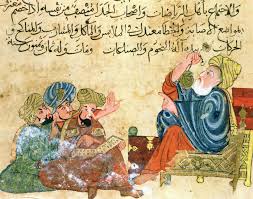
Translations can change the course of civilisations. Caliph al-Mansour’stranslation project, begun in the eighth century and accelerated under his grandson Harun al-Rashid, made available in Arabic scholarly writings from Greek, Aramaic, Persian and Indian sources, and laid the foundation for the flowering of science and philosophy in the Islamic world during Europe’s Dark Ages.

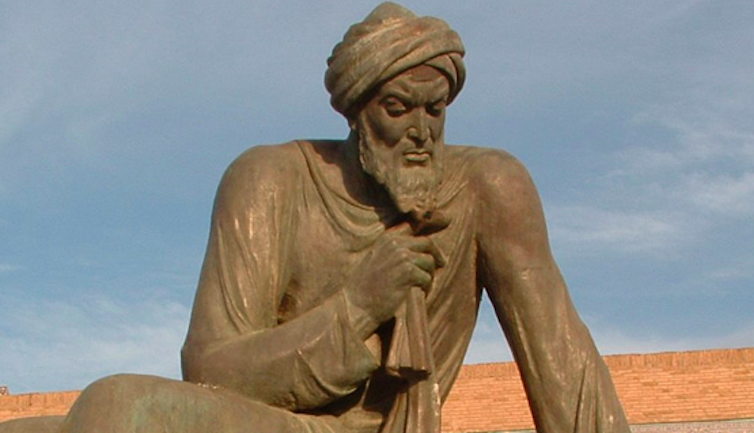
A second translation project, from the tenth century onwards, was in the other direction, from Arabic to Latin. This one was based on Toledo in Spain where for a while Christianity and Islam overlapped, and where Gerard of Cremona translated the work of Muslim mathematician al Khwarismi and Persian philosopher-physician ibn Sina, as well as Arabic versions of works by Ptolemy and Aristotle.

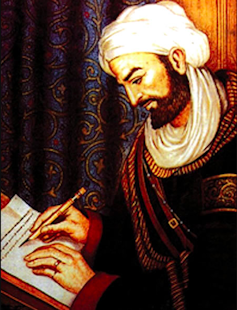
The Persian philosopher and physician ibn Sina.Epic World HistoryCC BY

It refreshed Europe’s contact with classical learning, while also conveying what was then current scholarship. It was the pathway through which Christian Europe rediscovered Aristotle, while the clinical expertise of ibn Sina (also known as Avicenna) was mentioned in Chaucer’s Pardoner’s Tale.

Happily, if belatedly, another translation project is now underway, from English to Arabic, focusing largely on science-related topics of general interest, with special attention to evolution.

Evolution and Islam

Why evolution? Not only because of its central role in modern life sciences, but because the response to evolution is a test of willingness to accept reality. Not just to accept that sacred texts require interpretation, but that human beings are part of nature. And because the teaching of evolution is under attack in the Arabic-speaking world (as it long has been next door, in Turkey, where last June it was dropped from the curriculum).

Acceptance of evolution is low throughout much of the Islamic world. In Saudi Arabia, school texts describe Darwin’s theory as blasphemous and unscientific. In territory controlled by IS, the teaching of evolution was banned.

In July, IS was finally driven from Mosul, its last major stronghold in Iraq. In August, Iraq itself dropped evolution from the school syllabus, on the grounds it was overcrowded and that the subject was never really taught anyway.

In early August, I wrote a piece for The Conversation on how to present evolution in the face of politically motivated misdirection. As a result, I found myself translated into Arabic, invited to comment on the Iraqi situation, befriended on Facebook by numerous people from Iraq, including battle-ravaged Mosul, as well as other Arabic-speaking countries. Then I was contacted by the Iraqi Translation Project, who have since translated several of my pieces into Arabic.

Social media potential

The Iraqi Translation Project (ITP) is one of several similar projects that have sprung up in recent years, spurred on no doubt by the disappointments of the Arab Spring. The potential audience is enormous; these projects keep well-curated Facebook pages, and according to the Dubai-based Arab Social Media Report, there are over 150m Facebook users in their target areas.

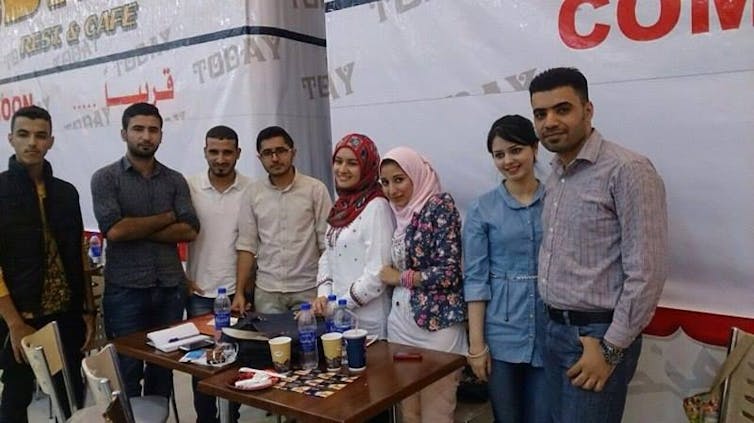
Volunteers at the Iraqi Translation Project in Baghdad. Author provided

Dubai’s Global Initiatives, which seeks to improve the Arab world through humanitarian, developmental and community work, has written in praise of these projects. This only makes it all the more dispiriting to note that in Dubai itself, and throughout the United Arab Emirates, evolution is about to be phased out of the school syllabus.

ITP started in 2013. Its materials are archived on its website, and accessible through Facebook, where it has over 140,000 followers, and on YouTube. The closely related Arabic-language Real Science, founded in 2011, also has its own website (now bilingual) and Facebook page.

The co-founders of ITP, several of whom are also involved in Real Science, include Hassan Mazin Alkhayuon, currently a PhD candidate in applied mathematics at the University of Exeter – and my own main contact with the project – a biology teacher, a construction engineer with experience in popularising science, a surgeon and an English literature graduate.

ITP translates cultural articles, videos and documentaries, with particular concentration on science-related digital materials for a general audience, of which there is a severe lack in Arabic. The project runs entirely on a voluntary basis, and currently has over 50 active volunteers, including some qualified or qualifying as a translators.

Archive for the future

The longer-term ambition is to set up a professional translation project that will inspire young Arabic-speakers to play their full role in today’s world. The project has managaed to attract some high-ranking support. Neil Shubin, discoverer of Tiktaalik (the “missing link” between lobefish and amphibians), gave an interview on his motivation as a scientist. His book, Your Inner Fish, is one of my favourite accounts of evolution science, and ITP has provided the documentary version with Arabic subtitles.

The Muslim mathematician al-Kwarisimi, whose works were translated from Arabic into Latin by the Spanish in the tenth century. famousmathematicians.netCC BY

So far, ITP has translated over 2,000 articles, 60 documentaries and 150 videos. Topics cover a wide range of subjects, from Sumerian civilisation, gravity waves and political secularism, to female philosophers and interbreeding of modern humans with Neanderthals and Denisovans.

The project does not shy away from sensitive topics, although of course publication does not imply agreement, and recent posts discuss anything from the nature of religious belief to the politics of separatism in Catalonia and Kurdistan. Evolution is one of the most popular subjects, with the first instalment of Your Inner Fish having received over 90,000 views since August 2016.

The glories of Arabic science in its heyday are now widely recognised in the West, and the reasons for its decline are many and complex. If that decline is to be reversed, change must come from within, and the Iraqi Translation Project, and the movement of which it is part, are encouraging signs that at last this is beginning to happen.

Fuente: https://theconversation.com/how-an-iraqi-translation-project-is-helping-to-rebuild-science-in-the-arab-world-89105

Imagen:https://lh3.googleusercontent.com/-TeE1uaCSPUbf_FaQuajtWAAEJ-ZEiuS6Hf3m3M3UfPx019679zY85cI1f1e3nltbYrUB4k=s85


Comparte este contenido:

Indigenous languages must feature more in science communication

Diciembre del 2017/Noticias/ https://theconversation.com

There is no denying that English is one of the world’s major languages. It’s the mother tongue of nearly 370 million people. English is also very frequently used by scientists in academic journals and book chapters, along with other common languages like French, Spanish and Portuguese.

But what about the billions of people who speak very little English, or none at all? How can we improve their access to scientific information and knowledge?

In a bid to tackle this issue, along with other factors of marginalisation such as distance from urban areas and ethnic exclusion, we and our colleagues created the Imagine Project at the Federal University of Santa Catarina in Brazil. According to a UNESCO report, people living in remote areas and those belonging to ethnic and linguistic minorities are the most vulnerable in terms of access to education. Rural children are four times less likely to ever attend school than their urban counterparts from similar economic backgrounds.

Giving these groups the opportunity to learn and to hear about science is an essential way of including them as citizens.

Imagine Project is an initiative that aims to take scientific knowledge out of the laboratory and share it particularly with rural and indigenous communities. As part of a competition linked to our work we recently translated four winner scientific videos, about different topics such as astronomy and pharmacology, into a number of languages. These feature in the videos as subtitles.

The languages include Tsonga (also known as Changana and spoken in Mozambique, South Africa, Swaziland and Zimbabwe) and Guarani, an indigenous language from Brazil, Paraguay, Bolivia and Argentina.

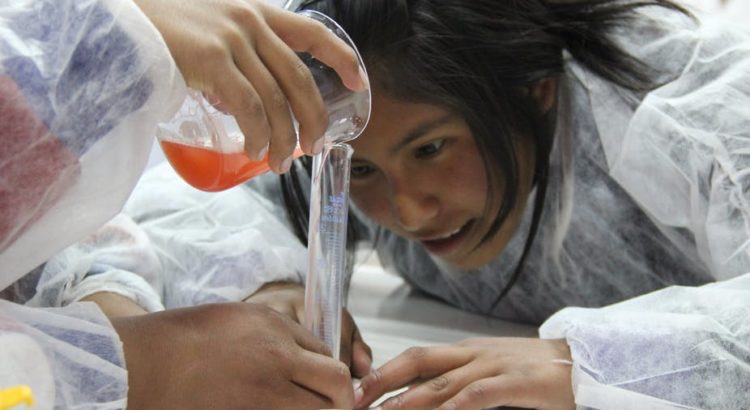
Science made accessible – thanks to translation into a variety of languages.

This and similar initiatives are crucial if scientists are to properly communicate the knowledge they’ve produced; sometimes with the very communities they study or which are affected, in their own languages.

The combination of knowledge and communication – along with a few other fundamental conditions such as liberty and respect – leads to social, cultural and technological development. That is why it is so important for people whose job is to generate knowledge to share their findings with ordinary people.

Opening up science

Open communication has long been seen as a fundamental condition for scientific development. The advent of the internet made even greater, more open communication possible. A scientist can write an article that is available in an online journal or record a video that’s uploaded to YouTube. But what about scientists who don’t speak English, or users who might be interested in what’s being shared but don’t speak English?

It is a general rule of the so-called “hard sciences” that all widely read, high impact scientific journals are in English. For research to be considered internationally, it needs to be in English. Yet, science cannot be properly communicated or popularised unless language barriers are tackled. We knew this when we launched the Imagine Project in 2013. Initially, the project focused on creating a series of hands-on scientific activities to be carried out in rural communities. These involved working scientists, high school students and teachers.

Then our team generated open educational resources in Portuguese that were translated and published online in English, Spanish and French. We are continuously producing new material, including PDF protocols and documentary videos showing our field experiences.

In 2017 we scaled up our ambitions and created Imagine-PanGea, a multilingual science popularisation competition. We were supported by three major organisations that work to popularise science: African Gong, which is pan-African; RedPop, which works in Latin America and the Caribbean; and SBPC, the Brazilian Society for the Advancement of Science.

There have been similar competitions elsewhere in the world that required entrants to work in either English or French. We created a video competition for African and Latin American graduate students across scientific disciplines, asking that their research be presented in a three minute video in either English, French, Portuguese or Spanish. There were 55 entrants.

The three overall winners and the best presentation from each continent had their videos translated into a range of languages. The videos were then widely publicised through the organisations that supported the competition.

Tough translation

A network of institutions and people representing different regions of Africa and Latin America were involved in this initiative. Their home languages and those of the people they worked decided what languages we’d translate videos into. We also relied on them to be our translators – and they didn’t always find this an easy task.

Many of the scientific terms used in the videos did not exist in the indigenous languages we’d chosen. In these instances, we kept words in French, English, Portuguese or Spanish. For example, Portuguese words can be found in the middle of the Guarani subtitles.

Further translations are underway into, among others, Yoruba from Nigeria and Umbundo and Kimbundo from Angola.

The competition was based entirely on voluntary work. We had practically no funding. For the next edition, we’re hoping to find some kind of sponsorship, particularly to offer winners material prizes like goods, money or travel expenses to attend an international scientific meeting.

We are trying to find new translators for Quechua (an Andean language), Berber (from North Africa), Chinese and as many indigenous languages we can get. For this to happen, we’ll need to find more volunteer translators.

This is a new way of thinking about science communication: it’s the kind of people we reach, not the number, that matters. And it’s worked. When the Imagine project was launched, we were told that indigenous Brazilian people would be not interested in learning basic science such as genetics and molecular biology. The critics have been proved wrong.

The Guarani people we’ve worked with have flourished, conducting experiments with DNA and telling the team they want to learn more. In parallel with the Imagine Project, our university has introduced undergraduate degrees specifically to attract people from indigenous nations. In addition, a certain number of places are reserved across all degrees for indigenous Brazilians.

Our long term goal is to get more indigenous and rural people to become real scientists. This is already happening in Brazil: one of our collaborators, Joana Mongelo, is the first Guarani science master’s graduate in the south of the country.

Fuente :https://theconversation.com/indigenous-languages-must-feature-more-in-science-communication-88596

Imagen:https://lh3.googleusercontent.com/SzJLi4cJCYJdisF3JOystdR4tR4oCe_S7jAmOGQk5naWYzTVsj0BzhUT5qPDORCCMBruZTI=s128

Comparte este contenido:

República Dominicana: Educación habilita portal del Proceso Competitivo.

Centroamérica/República Dominicana/21.12.2017/Autor y Fuente:https://www.metrord.do/

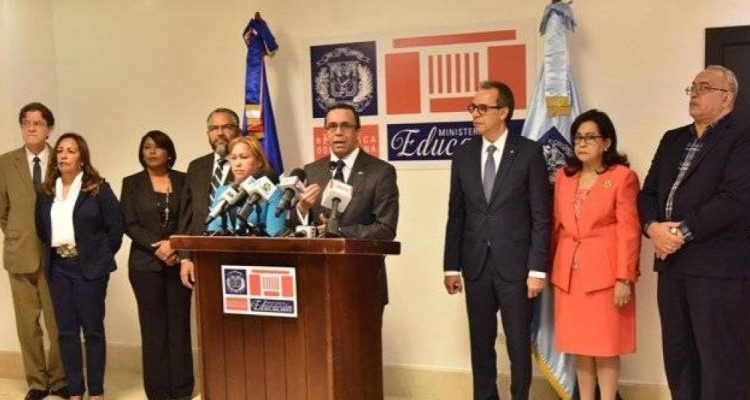
El portal digital www.procesocompetitivo.minerd.gob.do para la recepción de la documentación de los profesionales docentes interesados en participar del proceso competitivo de selección de las ternas para la designación en los cargos de directores de las 18 regionales y 122 distritos educativos a nivel nacional, ya está disponible.

Así lo informó el vocero del Ministerio de Educación, Miguel Medina quien precisó que en la primera página del portal le aparecerá el acceso al formulario que los interesados deberán llenar con su debida documentación en formato digital PDF.

Necesitas tener

Entre la documentación figuran cédula de identidad, acta de nacimiento, certificación médica, certificación de no antecedentes penales, currículo con no más de tres páginas y copias de los títulos universitarios, incluyendo maestrías o diplomados.

“Este es un proceso sin precedentes en la historia de la educación, donde los candidatos pueden participar siempre que sean profesionales docentes con un mínimo de 5 años de experiencia, por lo que estamos optimistas de que logremos una selección que aportará a la mejora de la calidad educativa”, expresó Medina.

Mediante un comunicado el Ministerio de Educación  apuntó que el proceso, recientemente aprobado por el Consejo Nacional de Educación, estará abierto desde el 18 de diciembre del 2017 al 23 de enero del 2018, y que una vez el interesado complete su inscripción con la documentación requerida, será respondido con acuse de recibo vía correo electrónico.
Según el vocero la plataforma es interactiva y de fácil de llenar de las informaciones requeridas.

Fuente: https://www.metrord.do/do/destacado/2017/12/19/educacion-habilita-portal-del-proceso-competitivo.html

Imagen: https://media.metrolatam.com/2017/12/19/edu12-be852087be106036c1ced31efec3c2a9-1200×600.jpg

Comparte este contenido:
Page 2942 of 6194
1 2.940 2.941 2.942 2.943 2.944 6.194