La Dirección General de Escuelas ha organizado un congreso de educación denominado «El desafío de construir prácticas inclusivas», que se desarrollará el 22 y el 23 de agosto en el cine teatro Plaza, de Godoy Cruz.
Las jornadas contarán con la participación de especialistas del ámbito de la educación y de la salud, entre otras disciplinas, quienes abordarán diferentes temáticas desde el contexto de la Convención Internacional de los Derechos de las personas con Discapacidad – ley nacional 27.044/14, de la Convención Internacional sobre los Derechos del Niño y de la Ley de Educación Nacional 26.206/06 que establece la modalidad de educación especial como transversal a todos los niveles y modalidades del sistema educativo.
Este encuentro pretende situar el cambio cultural en dos sentidos: por una parte, en la consideración de las personas con discapacidad como ciudadanos en pleno ejercicio de sus derechos, y por otra, alcanzar un mundo sin barreras donde niñas, niños y adolescentes con discapacidad sean incluidos íntegra y plenamente.
Se entiende que construir escuelas inclusivas implica generar espacios en los que se trabaje con la diversidad atendiendo a la calidad de los aprendizajes y a la participación de los estudiantes. «Una sociedad inclusiva es aquella que elimina barreras al aprendizaje y a la participación, expandiendo sus límites de posibilidad y albergando la diferencia sin anularla. Exige que todos y cada uno seamos sujetos de derecho y abandonemos miradas discriminatorias», remarcaron desde la DGE.
El congreso estará destinado a docentes y equipos técnicos y/o servicios de orientación del nivel inicial, primario y secundario (Orientado y Técnico y Trabajo); Educación Especial, Jóvenes y Adultos y Centros de Capacitación para el Trabajo; supervisores y directores.
La primera jornada
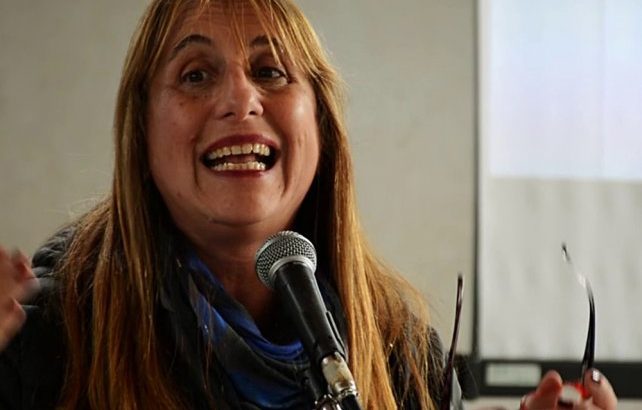
La conferencia inaugural estará a cargo de la decana de la Facultad de Educación de la UNCuyo, Mónica Castilla, quien hablará sobre inclusión educativa y formación de profesores. Gisela Untoiglich, psicoanalista y doctora en psicología en la Universidad de Buenos Aires, disertará sobre patologización, familia y escuela.
El arquitecto Claudio Benardelli en representación de Conadis hablará sobre accesibilidad y diseño universal. La licenciada en psicología Marita Manzotti dará su conferencia sobre inclusión de estudiantes con TEA. También durante el encuentro el poeta Andrés Bruzzone relatará su historia personal.
En la tarde, la magister Silvana Corso disertará sobre inclusión en la secundaria y los profesores Marcelo Albano y Carolina Bregy Ferrero compartirán sus experiencias en ese nivel escolar.
Los cupos son limitados. Las inscripciones son la Dirección de Educación Especial, de lunes a viernes, de 14 a 18.30.
España/Agosto de 2017/Autor: F.J. Calero/Fuente: ABC
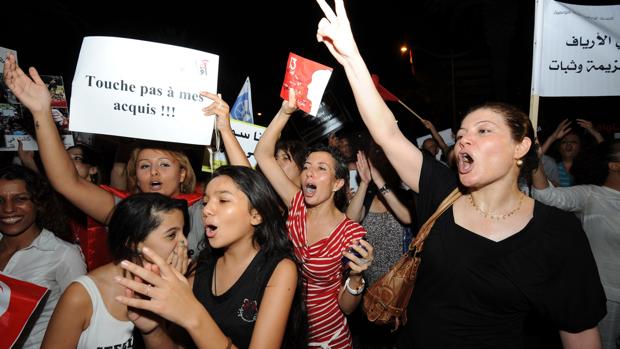
Desde los 14 hasta los 17 años, la joven Hayar ha sido violada varias veces por hombres de su propia familia. Lo contó el pasado octubre en un programa de la televisión tunecina acompañada de su padre y su hermano. Entre sollozos, la muchacha reveló además que no sabía quién de sus tres violadores de los últimos meses la había dejado embarazada; pero el presentador (Alaa Chebby), lejos de compadecerse de su tragedia, le instó a que se casara con el responsable: «Tendría que haber informado antes de sus abusadores y pedir perdón a su padre por haberse quedado embarazada antes del matrimonio», le espetó Chebby a la joven. En este show televisivo, causante de tal indignación que llevó a la cadena a suspender tres meses el programa, el afamado presentador se amparaba en el artículo 227 b del Código Penal, que exoneraba al agresor de la pena de prisión si se casaba con la víctima. Ocho meses después de aquel programa, el Parlamento tunecino ha aprobado una histórica ley en el mundo árabe que no solo deroga este «artículo de la vergüenza», sino que también ofrece «protección a la mujer de todas las violencias» y acaba con la impunidad del violador.
Una de cada dos mujeres tunecinas habría sufrido violencia física, psicológica o sexual en un espacio público entre 2011 y 2015, según estima una encuesta de 2016 del Centro de Estudios, Investigación, Documentación e Información sobre la Mujer. Hasta la aprobación de la reciente ley, que entrará en vigor dentro de seis meses, la violencia familiar -una de las señaladas por la ley- seguía siendo tabú para la legislación tunecina pese a que hasta un 47% de las tunecinas la ha sufrido al menos una vez en su vida, según un estudio de 2010 de la Oficina Nacional de la Familia. Más allá de los asaltos sexuales cometidos contra mujeres, niños o personas en situación de vulnerabilidad, la ley recoge una serie de relaciones sexuales prohibidas, como el incesto: entre una persona y su hijo (o hija), su hermano (o hermana) o suegros con hasta diez años de prisión.
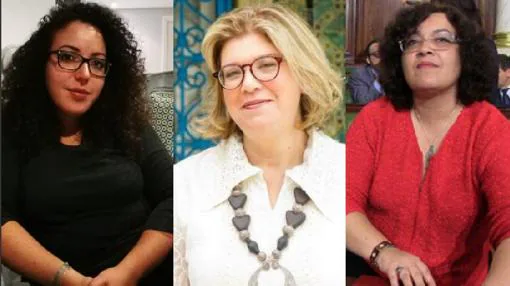
Monia Ben Hamadi (Izq), redactora de Inkyfada; Faten Abdelkefi (Cen), fundadora del colectivo Be Tounsi y miembro del colectivo feminista Nissa al 46; Nadia Chaabane (Der), antigua diputada de la Asamblea Constituyente Tunecina– Montaje ABC
«La ley, que acaba con la impunidad del violador, permite fijar este problema como prioritario y lanza un mensaje muy fuerte a la sociedad tunecina sobre un enfoque más integral de la violencia contra la mujer, y más centrado en la prevención y la igualdad», explica a ABC una de las principales impulsoras de esta ley, Nadia Chaabane, diputada en la Asamblea Constituyente Tunecina hasta 2014 y fundadora del colectivo feminista Nissa al 46, que hace referencia al artículo de la Constitución que vela por la protección de los derechos de la mujer.
Lo interesante de nuestra lucha es que cuenta con un enfoque global, inspirada en las leyes españolas y francesas, y hemos buscado el mismo resultado
Pionera en el mundo árabe, los tunecinos se han inspirado en legislaciones europeas como la española de 2004. La aprobación de la ley en Túnez ha coincidido con el Pacto de Estado -dotado de 1.000 millones de euros- aprobado por las Cortes de nuestro país para prevenir la violencia machista desde el colegio y que considera violencia contra la mujer toda aquella que implique daños o sufrimientos de naturaleza física, sexual, psicológica o económica que se basándose en el Convenio de Estambul, después de que la ley aprobada durante el Gobierno de Zapatero se centrara en la violencia contra la mujer en el ámbito de las relaciones íntimas. «Lo interesante de nuestra lucha es que cuenta con un enfoque global, inspirada en las leyes españolas y francesas, y hemos buscado el mismo resultado», agrega Chaabane. Así, la legislación aprobada por la Asamblea tunecina reconoce la violencia física, psicológica, económica y sexual contra la mujer, proporciona medidas de protección y apoyo a las víctimas, e insta a los medios de comunicación a participar en la prevención y en la educación de la sociedad.
Discriminación económica
El Parlamento ha aprobado además la subida de la la edad de consentimiento sexual de los 13 a los 16 años, pese a la negativa de algunas voces islamistas que consideran que el texto pone en peligro los valores arabo-musulmanes y la familia. Así y todo, el presidente del islamista Ennahda, Rached Ghannouchi, ha aplaudido la aprobación de la ley, calificándola de «gran paso» en la búsqueda de la igualdad entre sexos. «Han abierto una línea telefónica para mujeres víctimas de acoso o violencia, pero ahora la principal batalla que nos queda es la de cambiar las mentalidades de los tunecinos. Un país musulmán como este con siglos y siglos de tradición (machista) es muy difícil que cambie de un día para otro», apunta la activista de la sociedad civil Faten Abdelkefi en entrevista con ABC. Afiliada a un partido progresista tras la revolución, ha sido una de las voces más influyentes de la blogosfera tunecina ya desde antes de la caída del régimen de Ben Alí. Además, Abdelkefi lidera el proyecto Be Tounsi que, con lemas en las redes sociales como «viste tunecino este verano», busca reanimar la artesanía del país impulsando su consumo entre sus compatriotas tras años de «crisis y de ocupación de productos chinos y turcos en los zocos» durante el Gobierno islamista de la Troika (2011-2014).
Human Rights Watch avisa de que el Gobierno ahora debe financiar y apoyar a las instituciones -prevé la participación de hasta seis ministerios- para que se aplique una auténtica protección para las mujeres. La ley «obliga a las autoridades a ayudar a las mujeres a buscar refugio, pero no prevé ningún mecanismo para su financiación». Chaabane, antigua diputada del progresista Al Massar, cree que esta ley carece de herramientas para combatir la discriminación económica para las mujeres. «Pasa un poco como las leyes contra el racismo en Europa, es difícil aportar las pruebas», apunta. Las asociaciones feministas del país llevan años detrás de esta reforma única en el mundo árabe. «Por estadística, las mujeres sufrimos aún más el paro, el acoso y la violencia sexual; pero por otro lado aunque el desempleo sea mayor, paradójicamente las mujeres somos mayoría en la universidad», comenta la periodista Monia Ben Hamadi, redactora del portal Inkyfada y autora de un extenso reportaje sobre la violencia machista en su país.
Desde que se propuso por primera vez durante el gobierno de Mehdi Jomaa (2014-2015), con un proyecto de ley liderado por la secretaria de Estado para la Mujer Neila Chaabane, hasta su final aprobación, asociaciones feministas como la de Abdelkefi, también de Nissa al 46, han acusado al Gobierno de priorizar la lucha antiterrorista y olvidarse de los otros desafíos de la nueva democracia tunecina: «Soy feminista, lo digo abiertamente y llevo muchos años en la lucha. Los principales esfuerzos para llegar a esta ley han venido de la sociedad civil, no del Estado. El feminismo está muy anclado en la sociedad tunecina pese a ser fuertemente combatido por las fuerzas retrógradas de este país. No es que haya una adhesión total de todo el pueblo. Es minoritario, sí, pero estamos ahí».
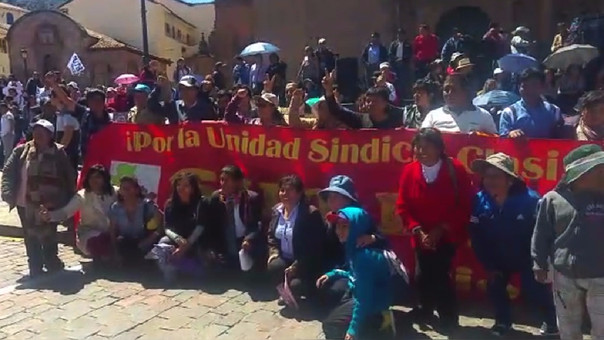
Los profesores cusqueños que participaron en la movilización en Lima en el marco de la huelga indefinida que acataban, se reúnen ahora en la plaza mayor de la Ciudad Imperial para realizar una última actividad y regresar a sus provincias.
Ellos se encuentran con el dirigente del Sindicato Único de Trabajadores en la Educación Región Cusco (Suter), Ernesto Meza Tica, y tras esta celebración se dirigirán a sus ciudades de origen a fin de retomar las clases que fueron suspendidas desde el pasado 15 de junio.
Esta reunión, convocada en la plaza cusqueña, recalcaron que las clases serán retomadas este lunes, asimismo destacaron que la huelga fue suspendida mientras se realizan las negociaciones con el ministerio de Educación.
Asimismo, y en conversación con RPP Noticias, Meza Tica informó que ha recibido hasta cuatro denuncias contra su persona, dos por el presunto delito de extorsión y uno por desmanes en el aeropuerto Alejandro Velasco Astete.
De otro lado, mostró su agradecimiento por el apoyo recibido tanto de los estudiantes como de los padres de familia.
«Gracias a nuestros estudiantes por esperarnos tanto tiempo y por comprendernos, a nuestros padres gracias por apoyarnos todo este tiempo, loes agradeceos infinitamente. Ahora nos toca trabajar en beneficio de nuestros estudiantes», sentenció.
México/Agosto de 2017/Autor: Alejandro Becerra/Fuente: El Sol de Zamora
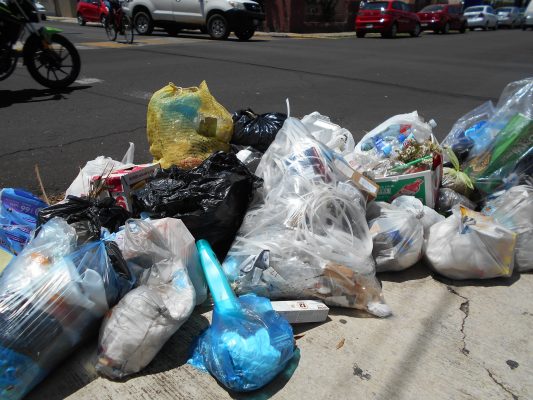
Al considerarse que se estima que el 80 por ciento de la basura se puede reciclar y reutilizar como el plástico, cartón y papel, es importante que la ciudadanía no desestime las recomendaciones y siga con el proceso de separación.
Lo anterior fue informado por el coordinador de la Secretaría del Medio Ambiente y Recursos Naturales (Semarnat) en la región, Jesús Morales Herrera, quien dijo que la cultura del reciclaje debe ser un asunto permanente.
Señaló que a pesar de que se ha observado que se está fortaleciendo, aún falta mucho por hacer en este tema, al tiempo de enfatizar que es elemental que la población no desestime la recomendación que se hace sobre esta situación.
Fue claro al expresar que este tipo de acciones vienen a contribuir de manera considerable primero a que se evite la contaminación de los ríos y canales de agua, así como a prolongar la vida útil de los rellenos sanitarios y basureros a cielo abierto. Sostuvo que, incluso también a proteger el medio ambiente, además la salud de la propia población, por ello es que la Semarnat continúa fomentando la separación de desechos.
Morales Herrera, comentó que es toral que la ciudadanía no baje la guardia y siga emprendiendo el apartamiento de desechos, cuya acción también ayuda para que lleguen menos cantidad de basura al relleno sanitario y con ello prolongar su vida útil.
Refirió que es preocupante los daños que está sufriendo el medio ambiente por diversos motivos, entre ellos el cambio climático y, ante ello reiteró que es vital que la ciudadanía contribuya con acciones de separación de basura para evitar que se agudice este problema.
Advirtió que la solución al problema que sufren los recursos naturales está en manos tanto de la autoridad, como de la misma ciudadanía, a quien instó para que sigan cuidando el medio ambiente y así tener una mejor calidad de vida.
Dijo que entre las medidas que se deben instrumentar para prevenir daños ecológicos es evitar la contaminación de las aguas, además de seguir emprendiendo acciones encaminadas a la creación de más rellenos sanitarios.
En ese contexto, el funcionario informó que algunos municipios de la región están trabajando en este sentido, esto es que están impulsando proyectos que permitan construir este tipo de espacios en donde depositar la basura cumpliendo con todas las normas ambientales.
Manifestó que en estos últimos días se ha observado que la ciudadanía ha tomado más conciencia sobre la importancia que se tiene para cuidar el medio ambiente, empero insistió que no se bajará la guardia y se seguirá trabajando en esta materia sin ninguna tregua.
Indicó que con todo lo anterior, falta mucho por trabajar en beneficio del medio ambiente, por ello es que en forma constante se fomenta entre la ciudadanía la cultura sobre la separación de basura, no arrojar desechos a los ríos y canales, además de no contaminar las aguas y otros recursos naturales.
Por último agregó, que es vital seguir emprendiendo campañas de reforestación, con la finalidad de crear más pulmones que coadyuven a minimizar los daños al medio ambiente y a la salud de la población, así como para que se capte agua para el subsuelo y que es de suma importancia.
América del Sur/Perú/13 Agosto 2017/Fuente:diariocorreo /Autor:Redacción Multimedia
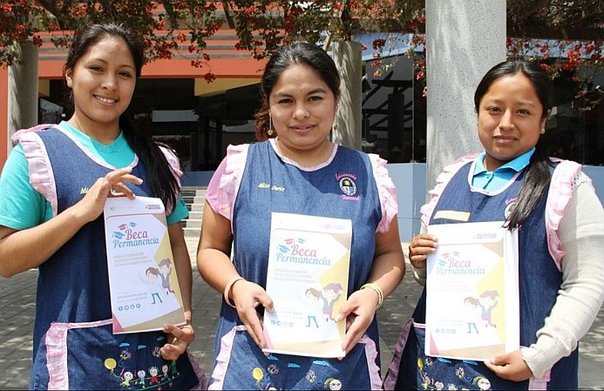
El Programa Nacional de Becas y Crédito Educativo (Pronabec) lanza la convocatoria de Beca Permanencia con el objetivo de facilitar las condiciones necesarias para la continuidad y culminación de los estudios superiores de estudiantes de universidades públicas. Con este objetivo se ha puesto en concurso público dos mil becas en tres modalidades de ingreso: Ordinaria, Excelencia e Intercultural. Las inscripciones para postular en línea a través de la web de Pronabec estarán vigentes hasta el 27 de agosto.
Beca Permanencia está dirigida a estudiantes regulares de universidades públicas peruanas en carreras elegibles, inscritos entre el primer y noveno ciclo académico según su malla curricular vigente y que cumplan con los requisitos establecidos en cada modalidad de acceso que determinan las bases del concurso de esta convocatoria.
Entre los requisitos más importantes para acceder a la Beca Permanencia se encuentran, tener nacionalidad peruana, conforme al ordenamiento jurídico vigente, estar matriculado entre el primer y noveno ciclo de estudios en una universidad pública y carrera elegible, tener como máximo 25 años cumplidos al 31 de diciembre de 2016 para las modalidades Ordinaria o Excelencia. Asimismo, tener como máximo 28 años cumplidos al 31 de diciembre de 2016 para la modalidad Intercultural, poseer insuficientes recursos económicos para financiar los gastos directos e indirectos de su educación superior y cuyo ingreso per cápita mensual no exceda los 1,500 soles, además de cumplir con los requisitos específicos de cada modalidad.
La beca será otorgada por un periodo máximo de nueve semestres académicos consecutivos o el mínimo requerido para completar su carrera profesional, conforme al plan de estudios de las carreras de las universidades públicas elegibles, con excepción de los casos que proceda suspensión de beca.
BENEFICIOS.
La Beca Permanencia otorga el beneficio del pago de alimentación, movilidad local y material de estudio. Son 27 las universidades nacionales elegibles en todo el Perú. En Lima destacan la Mayor de San Marcos, de Ingeniería, del Callao, Agraria La Molina y de Educación Enrique Guzmán y Valle.
Fuente de la noticia: http://diariocorreo.pe/peru/programa-nacional-ofrece-dos-mil-becas-para-culminar-estudios-767240/
Fuente de la imagen: http://cdne.diariocorreo.pe/thumbs/uploads/img/2017/08/12/programa-nacional-ofrece-do-jpg_604x0.jpg
América del Sur/Argentina/13 Agosto 2017/Fuente y Autor: ellitoral
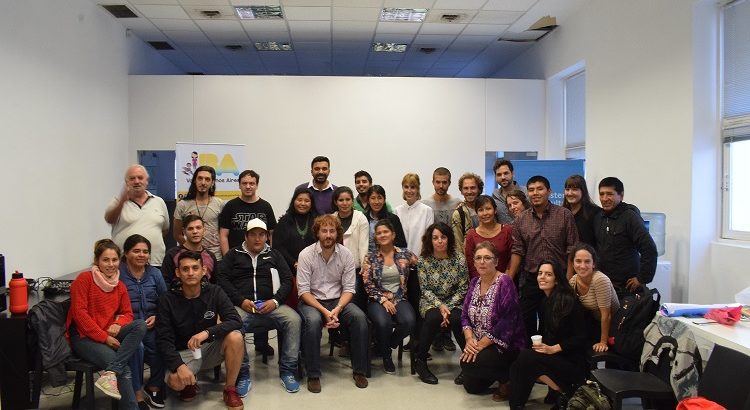
Hasta el viernes 18 de agosto permanece abierta la preinscripción al Programa de Formación para Promotores Culturales Comunitarios, organizado por el Ministerio de Cultura de la Nación a través de la Dirección de Industrias Creativas y la Municipalidad de Santa Fe. Se trata de una propuesta formativa gratuita, concebida para jóvenes y adultos que se desempeñan vocacionalmente en organizaciones sociales o proyectos de base cultural con anclaje en zonas de alta vulnerabilidad social. Podrán participar integrantes de centros culturales, bibliotecas populares, radios comunitarias, clubes sociales, centros comunitarios, sociedades de fomento, asociaciones vecinales, colectivos de artistas, cooperativas, entre otros.
La iniciativa integra el Programa Red de Ciudades Creativas, con el fin de fortalecer los beneficios derivados de los ecosistemas culturales y creativos regionales, particularmente en términos de construcción de ciudadanía y de democracia cultural. Asimismo, desde el municipio, la propuesta se implementa en el marco del Programa Cultura Comunitaria de la Dirección Ejecutiva de Diversidad Cultural de la Secretaría de Cultura, siendo la UNL socia estratégica del Programa de Formación.
Contenidos
Los contenidos están organizados en cuatro módulos temáticos, presenciales, de duración cuatrimestral, con un encuentro semanal de tres horas de duración. En el primer módulo se abordará una “Introducción a la gestión cultural comunitaria”; en el segundo, “Estrategias culturales para la intervención comunitaria”; en el tercero, “Diseño de proyectos y producción ejecutiva de eventos culturales”; y en el cuarto, “Comunicación cultural comunitaria”.
El ciclo de formación incluirá jornadas de observación y actividades culturales. El primer encuentro se llevará a cabo el 2 de septiembre, en la Biblioteca Municipal Prof. Enrique Muttis (Cortada Falucho 2450).
Los interesados en participar deberán ingresar a la agenda Santa Fe Ciudad, acceso a Talleres y Capacitación, y completar un formulario online. En él, deberán ingresar sus datos personales, CV y carta de motivación, referencias de la organización social de la que forma parte, o si participa en el diseño o ejecución de un proyecto cultural comunitario. A partir de esos datos se realizará una preselección y se convocará a una entrevista previa al inicio del cursado. Los cupos son limitados. Para más información, comunicarse al Tel. 4571609, de lunes a viernes de 9 a 12; o escribir un correo electrónico a culturacomunitaria@santafeciudad.gov.ar.
Fuente de la noticia: http://www.ellitoral.com/index.php/diarios/2017/08/11/escenariosysociedad/SOCI-06.html
Fuente de la imagen: http://www.buenosaires.gob.ar/sites/gcaba/files/field/image/170316_-_promotres_culturales-_fase_ii_-_ccr_17.jp
13 Agosto 2017/Fuente:elpais /Autor:SOFIA MARTINEZ-CORDOVA
La educación intercultural bilingüe en Latinoamérica busca la integración de las comunidades indígenas en las áreas urbanas
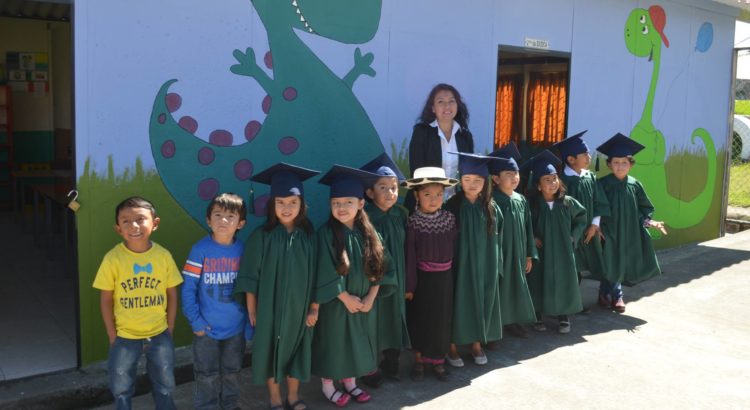
Cuando Shayana entró en el aula todas las miradas se posaron en ella. Tenía 4 años y era su primer día de colegio. Iba vestida con la ropa tradicional de los indígenas saraguros: una pollera negra larga, una bayeta agarrada con un tupuverde y alrededor de su cuello un collar dorado de chaquira. Los demás niños de la clase no parecieron reparar en el atuendo diferente. Inmediatamente se pusieron a jugar con ella. Shayana es una más entre los 17.000 miembros de esta población indígena ecuatoriana cuya lengua materna es el quichua y cuya familia tuvo que emigrar a la capital ecuatoriana en búsqueda de mejores oportunidades. Una tendencia común en Latinoamérica donde un 49% de las poblaciones indígenas, unos 20 millones de personas, vive ahora en zonas urbanas.
Las ciudades ofrecen más y mejores servicios de electricidad, agua potable o alcantarillado que las zonas rurales, y en términos de salud y educación las cifras no engañan: en la mayoría de los países latinoamericanos hay una diferencia del 30% entre los niños indígenas que terminan la escuela en las zonas rurales y los que están en las zonas urbanas. Shayana es afortunada, en Ecuador esa brecha se reduce al 16%. Pero a pesar de que los indígenas que viven en zonas urbanas tienen más acceso a los servicios básicos que los que viven en zonas rurales, aun existen importantes diferencias con respecto a la población no indígena. Así, los niños indígenas entre los 6 y los 11 años van menos a la escuela y en países como Costa Rica, Venezuela y Colombia su asistencia se reduce a un 75%.
Para hacer frente a esta realidad dual y garantizar un marco universal de normas mínimas para la supervivencia, la dignidad y el bienestar de los pueblos indígenas la Organización de las Naciones Unidas (ONU) aprobó en septiembre de 2007 la Declaración sobre los Derechos de los Pueblos Indígenas que este año celebra su 10º aniversario y declaró el 9 de agosto como Día Internacional de los Pueblos Indígenas. Esta Declaración es actualmente el instrumento internacional más completo que existe sobre los derechos de estas poblaciones y en la última década la aplicación de la Declaración ha logrado éxitos importantes a nivel nacional, regional e internacional. Pero, según la propia ONU, “aún sigue habiendo una brecha importante entre el reconocimiento formal de los pueblos indígenas y el ejercicio de sus derechos en la práctica: los pueblos indígenas siguen haciendo frente a la exclusión, la marginación e importantes dificultades para disfrutar de sus derechos básicos.”
Esto es especialmente cierto en lo que concierne a los servicios educativos. La mayoría de los currículos escolares, por ejemplo, no se adapta a la realidad cultural y étnica de la población que vive ahora en las zonas urbanas y mucho menos incluye la enseñanza de los idiomas ancestrales de esas poblaciones indígenas. Preservar la lengua materna de estas poblaciones no evita únicamente su extinción y la de gran parte de los saberes ancestrales sino que también contribuye al bilingüismo de los niños indígenas (y potencialmente no indígenas) brindándoles grandes ventajas para su desarrollo cognitivo. Además, la falta de reconocimiento de la diversidad étnica y cultural en las aulas de los colegios urbanos obliga a niños como Shayana a desconocer sus raíces para ser aceptados.
No obstante, sí existen algunos sistemas educativos que se adaptan a las condiciones socioculturales y étnicas de las poblaciones indígenas. Estos se conocen como sistemas de Educación Intercultural Bilingüe (EIB). Los EIB empezaron a aplicarse en algunos países latinoamericanos hace más de 70 añosen zonas rurales altamente pobladas por indígenas. El Modelo del Sistema de Educación Intercultural Bilingüe (MOSEIB) de Ecuador, creado en el año 2014 basado en experiencias previas acumuladas desde 1950, es un ejemplo claro de estas iniciativas: utiliza como lengua principal de enseñanza el idioma materno de la comunidad respectiva y el español como idioma de la relación intercultural.
Uno de los grandes desafíos para lograr que niños indígenas como Shayana no pierdan su idioma ni su cultura una vez que migran a las zonas urbanas, es lograr crear modelos similares a la EIB que incluyan también al grupo predominante de la población. Son una manera eficaz de contribuir a reducir la discriminación hacia las poblaciones indígenas y de preservar las lenguas ancestrales. Y permiten que niños como Shayana puedan seguir vistiendo su pollera, bayeta, collar y hablando en quichua sin ser discriminados y sin tener que verse obligados a renunciar a su cultura.
Fuente de la noticia: https://elpais.com/elpais/2017/08/01/mamas_papas/1501584831_104195.html
OtrasVocesenEducacion.org existe gracias al esfuerzo voluntario e independiente de un pequeño grupo de docentes que decidimos soñar con un espacio abierto de intercambio y debate.
¡Ayúdanos a mantener abiertas las puertas de esta aula!


 Users Today : 77
 Total Users : 35507957
 Views Today : 84
 Total views : 3635201