Page 3600 of 6179
1 3.598 3.599 3.600 3.601 3.602 6.179

EEUU: A Letter to Secretary DeVos from a Special Normal Public School Student

America del Norte/EEUU/Diane Ravitch’s blog

Resumen: La maestra Stuart Egan enseña en la escuela secundaria en Carolina del Norte. Su hijo Malcolm nació con el síndrome de Down. Está en tercer grado en la escuela pública y está prosperando. Stuart ayudó a Malcolm a redactar esta carta al secretario Betsy DeVos. Malcolm se pregunta si se preocupa por niños como él.

Stuart Egan teaches high school in North Carolina. His son Malcolm was born with Down Syndrome. He is in third grade in public school and is thriving. Stuart helped Malcolm compose this letter to Secretary Betsy DeVos. Malcolm wonders if she cares about kids like him.

The letter starts like this:

“Dear Secretary DeVos,

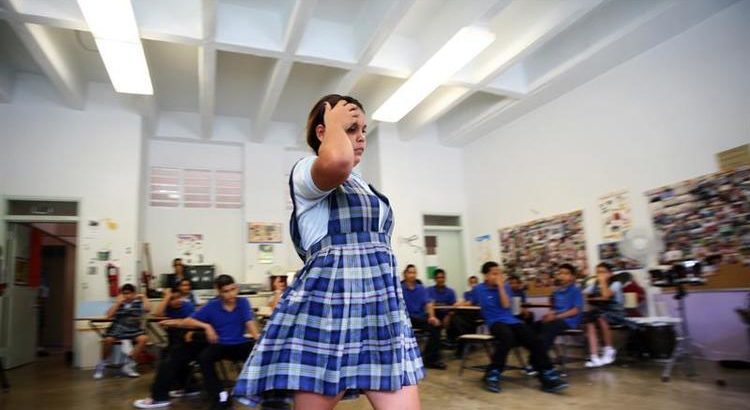
“My name is Malcolm and I just finished third-grade in the Winston-Salem/Forsyth County School system. I have vibrant red-hair and blue eyes like my mom, wear cool glasses, have a wicked follow through on my jump shot, and am quite the dancer. My dad also wears glasses, but he does not dance very well nor has much hair. My sister is in high school. She is very smart and she helps me with my homework.

I also have an extra chromosome because of a condition called Trisomy 21. You may know it as Down Syndrome. It does not define me. It just is, but I do need a little extra help in school and in learning other skills on how to be independent.

I am having my daddy write this letter for me. He is a teacher in a public high school. In fact, I spend a lot of time at his school going to games and functions. A lot of people know me there like they do at my own school. My having an extra chromosome doesn’t seem to scare them so much because in the end we are all more alike than different anyway.

But I am worried about some of the things that have happened in public schools since I have started going. I am also worried about how students like me are being treated since you and President Trump have been in office.

My daddy has noticed you like this thing called “school choice” and that the budget that you and Mr. Trump like puts more money into this. Yet it really seems to have done a lot to weaken public schools like not fully give money to them or give them resources so that all kids in public schools can be successful. It seems that some money went to this thing called “vouchers” and some has been used to help make other types of schools – schools that will not accept me.

When I got ready to go to school a few years ago, one of my grandparents offered to pay tuition at any school that could help me the most, but none around here would take me because I have a certain type of developmental delay. Doesn’t seem like I had much choice.

But the public schools welcomed me with open arms. And I am learning because of the good teachers and the teacher assistants. Imagine what could happen if my school could have every resource to accommodate my needs.

When people in power have taken away resources, teacher assistants and forced local school systems to make due with less money, then all students, especially students like me, are not being helped as much. And it’s not our teachers’ fault. It’s the fault of those who control what we get.

You and Mr. Trump control a lot of what we get.

My family is very aware of the Individuals with Disabilities Education Act. It says that I am entitled by law to a sound and quality public education that will work to overcome my obstacles like any other student. We were surprised that you were not aware of IDEA when you were asked earlier this year. That law is my lifeline. And there are many students who do not have the advantages that I have. Some have more obstacles and more physical hurdles to overcome. They really need for you to step up for them. Part of your job is to protect that law.

But this budget that you seem to like does not really help to strengthen that.

The Individual Education Plan that I have that my school and parents put together is backed by federal law. That means that you are supposed to protect it.

But this budget and your actions do not seem to want to honor that.

I think you should stand up more for students like me. I think you should fight more for public schools. I think that you should be loud about it. Make everyone know your commitment to public school children and their teachers and the staffs at each school as many times as you can.

I can be loud. It’s easy. I let my presence be known all of the time. It’s how others know I am there. But I have to be there.

It seems that if you are the leader of the public schools in the nation, then you would be more of a champion for public schools. You would show up at places when asked to talk about what is going on in schools.

Like accepting invitations to places and conferences.

I know that you were invited to speak at the Office of Special Education Programs Leadership Conference this next week. My daddy says that you have never met with a special-education advocacy group before. Why?

Why have you not accepted the chance to talk to the very people who need to hear you talk? These are the people who help make sure that I have what I need because I depend on the public schools.

In fact, my daddy says that you do not really talk to those who really need you to explain your views on education and why you seem to like some types of schools more than others.

Why?

Shouldn’t you be willing to talk?

My daddy goes to work every school day and teaches the students who show up for school. He does not get to choose his students. But that does not matter to him.

I go to school and my teacher did not get to choose what students she got to have. But she teaches me anyway.

If you are the secretary of education for the whole country, then shouldn’t you be willing to go anywhere to talk about school?

Sincerely,

Malcolm
Special Normal Public School Kid

Fuente: https://caffeinatedrage.com/

Comparte este contenido:

ONU apoya campaña para que las niñas regresen a la escuela en Bentiu


Africa/Sudan del Sur/reliefweb.int

En Bentiu, al norte de Sudán del Sur, se ha puesto en marcha una campaña para que las niñas regresen a la escuela y para animar a los maestros a ofrecer una mejor educación.

El Subsecretario del Ministerio Nacional de Educación General, Hon. Michael Lopuke Lotyam dijo que el gobierno estaba muy comprometido y estaba haciendo todo lo que podía para mejorar el sector de la educación en el país.

Con el apoyo de la Unión Europea y otros socios, el Gobierno nacional está complementando el presupuesto de las escuelas.

«Los maestros que se desempeñan bien en sus roles recibirán 4.803 libras sudanesas (aproximadamente USD 32)», dijo el Hon. Lopuke. «Estos incentivos están destinados a alentar a los maestros que forman parte del proceso de construcción de la nación».

El Subsecretario advirtió que muchas escuelas en todo el país no estaban usando los incentivos de una manera efectiva. Dijo que el Ministerio de Educación no podía permitirse el lujo de financiar materiales de estudio para las escuelas por encima del dinero que ya estaba haciendo disponible.

UNMISS Jefe de la Oficina de Campo en Bentiu, Hiroko Hirahara, está animando al gobierno a continuar invirtiendo en educación para un futuro mejor e instó a los padres a enviar a sus hijos a la escuela. Reconoció la importancia de invertir en maestros.

El jefe interino de UNICEF en Bentiu, Elizabeth Bonareri Mose, reiteró el compromiso de su organización de apoyar la educación de las niñas y pidió la participación de las mujeres en el proceso de toma de decisiones.

«Si educamos a una niña, educamos a una familia y educamos a una nación».

Hablando en nombre de las estudiantes, Rebecca Nyadit Gatluak instó al Gobierno a dar prioridad a la paz y apoyar la educación de las niñas.

«Los padres deben dejar de crear problemas para las niñas que están en la escuela y no sobrecargarlas con tareas domésticas. Las niñas deben tener la oportunidad de estudiar y no tener que pensar en el matrimonio temprano «.

Mientras que el conflicto ha destruido muchas escuelas, la restauración gradual de estas escuelas y los incentivos fijados para los profesores han dado la esperanza al sistema educativo del sur de Sudán.

El 17 de julio fue declarado el Día Nacional de la Educación de las Niñas del Sudán del Sur por el ex Presidente John Garang para aumentar la conciencia sobre la importancia de la educación de las niñas en el país.

Fuente: http://reliefweb.int/report/south-sudan/un-supports-campaign-get-girls-back-school-bentiu

Comparte este contenido:

Argentina: Convocan a Seminario Internacional sobre “Educación ciudadana y conocimiento social”

Del 14/09/2017 al 16/09/2017

Los días 14, 15 y 16 de septiembre se desarrollará el Seminario Internacional sobre “Educación ciudadana y conocimiento social” organizado por la Maestría en Psicología Cognitiva y Aprendizaje y los Diplomas Superiores en Constructivismo y Educación y Enseñanza de las Ciencias Sociales y de la Historia. El mismo contará con la participación de ponentes internacionales y nacionales.

Lugar: Aula Magna de la Facultad de Derecho UBA. Av. Presidente Figueroa Alcorta 2201, CABA.
Inscripción y presentación de posters: ciudadania@flacso.org.ar
Más información: www.maestriapsicog.org.ar

En los últimos años ha crecido el interés por el compromiso cívico de los jóvenes. De esta manera, en el marco de las Ciencias Sociales se han planteado los siguientes interrogantes: ¿Cómo piensan y ejercen sus derechos? ¿Cómo se relacionan con las prácticas políticas? ¿Cómo y por qué votan los jóvenes? ¿En qué tipo de acciones cívicas -formales o informales- participan y qué los motiva a hacerlo? ¿Qué problemas sociales los llevan a la acción o al desinterés? ¿Qué promueve u obstaculiza su empoderamiento?, entre otras cuestiones. A su vez: ¿Cuáles son los objetivos de la educación ciudadana en una sociedad democrática? ¿Qué contenidos debería abarcar? ¿Qué son realmente la identidad y el compromiso cívico? ¿Cómo posibilitar la formación de ciudadanos proactivos?

Estas son algunas de las preguntas claves que han motivado la organización de este encuentro internacional, estructurado en torno a los siguientes objetivos:

  • Analizar los problemas mencionados desde una perspectiva interdisciplinar que incluya los aportes de la Psicología, la Educación, la Filosofía, la Ciencia Política y la Historia, y la Didáctica.
  • Comparar críticamente estas cuestiones entre diferentes contextos internacionales.
  • Discutir un modo renovado de concebir el ámbito de lo cívico junto con nuevas estrategias que promueven su comprensión y análisis.
  • Discutir el papel en la formación de los ciudadanos de los dispositivos tradicionales como las efemérides en comparación con otros más recientes como son las conmemoraciones de diversos tipos y contextos.
  • Analizar la relación entre los estudios sobre desarrollo moral, socialización política y compromiso cívico. En este sentido se discutirá la contribución de cada una de estas áreas de trabajo para el esclarecimiento de la relación presente y futura entre ciudadanía y educación escolar.
  • Analizar la relación entre el conocimiento social e histórico y el compromiso cívico: cómo se comprenden, aprenden y enseñan los problemas sociales e históricos (incluidos los de la historia reciente y sus violentos conflictos) y cuál es su papel en el desarrollo de nuevas visiones de la ciudadanía.
Comité Científico

  • Dr. Mario Carretero
  • Dr. José Antonio Castorina
  • Dra. Alicia Barreiro
  • Dra. Ángela Bermúdez
  • Dra. Floor Van Alphen
  • Dr. Jorge Rolland
  • Dra. María-Fernanda González
  • Dr. Edgardo Etchezahar

Comisión Organizadora

  • Alicia Barreiro
  • Cristian Parellada
  • Floor Van Alphen
  • Jorge Rolland
  • Daniela Bruno
  • Edgardo Etchezahar
  • Joaquín Ungaretti
  • Rosa Rottemberg

Ponentes Internacionales

  • Alberto Rosa, Facultad de Psicología, UAM
  • Angela Bermudez, Centro de Ética Aplicada, Universidad de Deusto
  • Antonio Maldonado, Facultad de Educación, UAM
  • Cecilia Wainryb, Psychology Dpt., University of Utah
  • Helen Haste, Graduate School of Education, Harvard University
  • Liliana Jacott, Facultad de Educación, UAM
  • María Loreto Martínez, Pontificia Universidad Católica de Chile
  • Mario Carretero, UAM y FLACSO-Argentina
  • Sergio Salvatore, Psychology Dept., Universitá di Salento

Ponentes Nacionales

  • Alicia Barreiro, Facultad de Psicología, UBA CONICET y FLACSO
  • Beatriz Aisenberg, Facultad de Filosofía y Letras, UBA
  • Gustavo Faigenbaum, Universidad Autónoma de Entre Ríos
  • Gustavo Schujman, Facultad de Filosofía y Letras, UBA
  • Isabelino Siede, Universidad Nacional de La Plata y Universidad Nacional de Moreno
  • Jorge Biglieri, Facultad de Psicología, UBA
  • José Antonio Castorina, Facultad de Filosofía y Letras, UBA, CONICET
  • María Belen Mesurado, Centro Interdisciplinario de Investigaciones en Psicología Matemática y Experimental (CIIPME), CONICET
  • María-Fernanda Gonzalez, Universidad Nacional de Entre Ríos
  • Silvina Brussino, Universidad Nacional de Córdoba, CONICET
Jueves 14 de septiembre

9:00 Palabras de apertura: Miembros del Comité Científico

9:30  Conferencia: Sergio Salvatore

10:30 Intervalo – Café

11:00 Mesa de discusión 1: Construcción de la ciudadanía, desarrollo y educación.
Alberto Rosa (Universidad Autónoma de Madrid), Gustavo Faingenbaum (Universidad Autónoma de Entre Ríos), María Fernanda Gonzales (Universidad Nacional de Entre Ríos). Gustavo Schujman (Universidad de Buenos Aires). Coordina: Rosa Rottemberg (FLACSO-Argentina)

12:30 Intervalo – Almuerzo

14:00 Mesa de discusión 2: Enseñanza de la historia y ciudadanía.
Mario Carretero (UAM, Flacso-Argentina); Angela Bermudez (Universidad de Deusto); Beatriz Aisenberg (Facultad de Filosofía y Letras, Universidad de Buenos Aires). Coordina: José Antonio Castorina (Universidad de Buenos Aires, CONICET y UNIPE)
15:30 Intervalo café y Sesión de Posters.

17:00 Cierre de actividades


Viernes 15 de septiembre

09:00 Mesa de discusión 3: Desarrollo moral y educación ciudadana.
José Antonio Castorina (Universidad de Buenos Aires, CONICET); Belén Mesurado (CIIPME-CONICET), Isabelino Siede (Universidad de Buenos Aires).
Coordina: Alicia Barreiro.

10:30 Intervalo – Café

11:00 Conferencia: Cecilia Wainryb

12:30 Break para el almuerzo

14:00 Posters y café

15:30 Mesa redonda 4: Educación para la justicia social
Alicia Barreiro (FLACSO-Argentina, CONICET, Universidad de Buenos Aires, UBA), Antonio Maldonado (Universidad Autónoma de Madrid), Liliana Jacott (Universidad Autónoma de Madrid). Coordina: Edgardo Etchezahar (Universidad de Buenos Aires, CIIPME-CONICET).

17:00 Cierre de actividades


Sábado 16 de septiembre

09:00 Posters y café

11:00 Mesa de discusión 5: Participación política y formación ciudadana
Silvina Brussino (Universidad Nacional de Córdoba); Jorge Biglieri (Universidad de Buenos Aires) María Loreto Martinez Guzman, Pontificia Universidad Católica de Chile. Coordina: Floor Van Alphen.

12:30 Intervalo almuerzo

14:00 Conferencia: Helen Haste

15:00 Balance del encuentro a cargo del Comité Científico.

Se aceptará el envío de propuestas hasta el 20 de agosto.

Para poder presentar el póster, todos sus autores deben haber abonado la inscripción al seminario.
Debido a la capacidad limitada para las presentaciones sólo se recibirá un póster por autor.

  • Enviar un resumen con una extensión máxima de 350 palabras vía mail a ciudadania@flacso.org.ar, indicando en el asunto “envío de resumen”.
  • La estructura del resumen y el estilo de redacción de debe adecuarse a las normas de la APA 6ta Edición.
  • Los resúmenes deben ser enviados en formato Word, tamaño A4, utilizando letra Arial cuerpo 12, interlineado 2.

Una vez aprobado el resumen por el Comité Científico del evento, los posters serán presentados en el seminario.

La impresión de los posters queda a cargo de los investigadores que los presenten. El material del póster deberá ser ligero y susceptible de ser pegado en los paneles destinados para tal fin en el área asignada dentro del Congreso. Los mismos deben tener diseño vertical y las dimensiones deben respetar las medidas de 0.90 cm (ancho) X 120 cm (alto).

Puede preinscribirse completando el formulario de inscripción AQUÍ.

Una vez realizada la preinscripción se le enviará información para el pago del arancel correspondiente (según cuadro de tarifas). Al efectuar el pago de la inscripción, le será adjudicado a la persona un cupo entre los asistentes al seminario. Recordamos que no se aceptarán pagos más allá del 10 de septiembre.

Si desea resolver dudas o consultas, puede efectuarlas vía mail a ciudadania@flacso.org.ar o telefónicamente al +54 11 5238 9458 / 9388 de Lu a Vie de 9 a 16 hs. Se recuerda que los cupos son limitados y la inscripción será confirmada sólo mediante el pago de la misma.

Se entregarán certificados de asistencia al final de la jornada.

Aranceles:

  • Alumnos regulares de la Maestría en Psicología Cognitiva y Aprendizaje FLACSO: inscripción gratuita.
  • Alumnos regulares de Diplomas Superiores – Enseñanza de las Ciencias Sociales y la Historia; Constructivismo y Educación:
    • $800 hasta el 20/08/17
    • $1100 hasta el 10/09/17
  • Asistentes Generales:
    • $1100 hasta el 20/08/17
    • $1400 hasta el 10/09/17

Ver modalidades de aquí.

Fuente: http://flacso.org.ar/seminario-internacional-sobre-educacion-ciudadana-y-conocimiento-social/

Comparte este contenido:

Reino Unido: Tackling university drop-out rate ‘is vital’

Europa/ReinoUnido/bbc.com

Resumen: Las estadísticas publicadas por la Oficina de Acceso Justo en junio mostraron que entre el 2014 y el 2015 , el 8,8% de los jóvenes estudiantes universitarios de tiempo completo y desfavorecidos no continuaron sus estudios más allá del primer año , frente al 8,2% del año anterior. La tasa nacional de deserción pasó de 6,6% en 2011-12 a 7,4% en 2014-15, según este informe de SMF. De todas las regiones de Inglaterra, Londres tiene la peor tasa de deserción, con una tasa de abandono del 9,3% en 2014-15. El gobierno dijo que las nuevas leyes harían que las universidades publicaran las tasas de deserción escolar. El estudio de SMF señala que muchos de los grupos desfavorecidos dirigidos a través de programas de ampliación de acceso son también los grupos más probabilidades de abandonar. Se dice que las instituciones con una mayor participación de los estudiantes negros, los estudiantes cuyos padres trabajan en ocupaciones de nivel inferior o los estudiantes que provienen de áreas de baja participación en la universidad son más propensos a tener mayores tasas de deserción escolar.

More must be done to tackle a steady rise in the number of students dropping out of universities in England, the Social Market Foundation (SMF) says.

The national drop-out rate rose from 6.6% in 2011-12 to 7.4% in 2014-15, an SMF report finds, with each dropout representing «a loss of potential».

Out of all the regions in England, London performs the worst, with a drop-out rate of 9.3% in 2014-15.

The government said new laws would make universities publish drop-out rates.

The SMF study notes that many of the disadvantaged groups targeted through widening access programmes are also the groups most likely to drop out.

It says institutions with a higher in-take of black students, students whose parents work in lower level occupations or students who come from low university participation areas are more likely to have higher drop-out rates.

Statistics released by the Office for Fair Access in June showed that, in 2014-15,8.8% of young, full-time, disadvantaged undergraduates did not continue their studies beyond the first year – up from 8.2% the year before.

The SMF says it is «futile to direct significant efforts to widen participation if the same students subsequently drop out».

«Tackling non-continuation at university is vital,» the report says.

«Each dropout represents a loss of potential, a poor and probably confidence-sapping experience for a student and an investment in tuition costs which is likely to have a low return.»

The research shows the South West has the lowest drop-out rate, while London has the highest:

  • Greater London 9.3%
  • North West 8.5%
  • Eastern 8.4%
  • East Midlands 5.8%
  • Yorkshire and Humberside 7%
  • West Midlands 7.7%
  • North East 6.9%
  • South East 6.0%
  • South West 5.7%

The report says: «While [London] has successful schools and sends a high proportion of its population on to higher education, these successes are not always being translated into attainment at university.

«London’s relatively poor performance in university retention is part of this story. It is one that needs to be rectified.

«While young people in London are more likely than similar individuals in other regions to attend university, drop-out rates are also higher.»

The report suggests the cost of living may be a factor, as well as the fact that London has the highest proportion of students living at home (31%).

«It is possible that distance and staying at home during their studies is influencing their individual sense of belonging.

«Students are less likely to feel a full sense of belonging to their university life if they remain connected, both mentally and physically, to their home environment.»

graduationImage copyrightGETTY IMAGES

SMF research director and author of the report Nigel Keohane said: «The government, the Office for Students and universities themselves should now focus as much on retention as on widening the pool of applications and enrolments.

Dr Paul Marshall, who chairs the Board of Trustees at the UPP Foundation, which funded the research, said: «Like other industries, UK higher education cannot be complacent and needs to keep improving to remain a world leading sector.

«The UPP Foundation sees the task of tackling non-continuation as an important element to improving social mobility throughout HE.»

A spokeswoman for the Department for Education said: «More students from disadvantaged backgrounds are going to and staying at university than ever before, but we know there is more work to do.

«The Higher Education and Research Act will go further by requiring all providers – including the most selective – to publish application, drop-out and attainment data by gender, ethnicity and socio-economic background.

«This will hold universities to account and help students to make informed choices about where they go to study.

«The Teaching Excellence Framework is also refocusing the sector’s attention on teaching – putting in place incentives that will raise standards and encourage providers to support students throughout their studies and equip the next generation of graduates for success.»

Fuente: http://www.bbc.com/news/education-40641971

Comparte este contenido:

Canada committed to improving mental health in Indigenous communities: Philpott

América del Norte/Canada/ thestar.com/JANE PHILPOTT

Resumen: Prevenir el suicidio requiere lograr la equidad social. En Canada se han dado pasos importantes invirtiendo en determinantes sociales clave de la salud, como la vivienda, la educación y el medio ambiente. Si bien estos son los primeros pasos, nuestra intención es continuar invirtiendo en todas las áreas en busca de equidad social. Sin embargo, poner fin a la epidemia de suicidio juvenil en comunidades indígenas requiere más que atención de salud mental. Cualquier simplificación excesiva de las causas y soluciones para esta crisis perjudica a las comunidades más afectadas. Las raíces de esta crisis y sus remedios no son misteriosas, pero son complejas. Se necesitaron generaciones de discriminación para crear las circunstancias detrás de estos suicidios. La justicia no será restaurada de la noche a la mañana. El estado actual de la salud indígena en Canadá es un resultado directo de generaciones de políticas gubernamentales anteriores, incluyendo el impacto de las escuelas residenciales. Necesitamos desmantelar las estructuras coloniales del pasado y reconciliar nuestra relación rota con los pueblos indígenas para mejorar la calidad de vida en sus comunidades.

Last weekend, two more young people died by suicide in Northern Ontario. Each loss adds to the disturbingly high suicide rates among Indigenous youth. But statistics don’t help grieving families. They will feel the pain and loss forever. Each life lost is a tragedy beyond measure.

Each time a community is affected by suicide, there is a flurry of activity to mobilize counsellors, engage crisis teams and ensure local needs are met. There are urgent calls for more money and more mental health workers for affected regions.

In Budget 2017, our government pledged $118.2 million over five years to improve mental health services for First Nations and Inuit. This builds on $69 million announced last year to fund community-based workers and mental wellness teams, and to ensure there are counsellors in regions facing crisis. The number of communities supported by mental wellness teams will nearly triple by the third year, going from 86 to approximately 240. These teams serve multiple communities and go where they are needed, for as long as they are needed.

Two weeks ago I visited communities in Northern Ontario, where the crisis continues to have a devastating impact. I was impressed by their determination to break the cycle of despair. When I visited Wunnumin Lake First Nation, I learned about their Choose Life Project. This initiative will address suicide risk factors, particularly among youth, through on-the-land activities and programs for children to increase self-esteem and strengthen families.

This type of community-led programming is critical to solving this crisis. This is why we are working with Nishnawbe Aski Nation and the Ontario government to develop a long-term strategy to prevent suicides in that province.

However, ending the epidemic of youth suicide requires more than mental health care. Any oversimplification of the causes and solutions for this crisis does a disservice to the communities that are most affected. The roots of this crisis and its remedies are not mysterious, but they are complex. It took generations of discrimination to create the circumstances behind these suicides. Justice will not be restored overnight.

It can be shown by many measures — life expectancy, chronic diseases such as diabetes, infectious diseases such as tuberculosis, infant mortality rates, suicide rates — that Indigenous peoples have suffered from systemic discrimination when it comes to health. Poor health outcomes and loss of hope for Indigenous youth also derive from a range of social inequities in areas such as education, employment, housing, and community infrastructure.

The current state of Indigenous health in Canada is a direct result of generations of previous government policies, including the impacts of residential schools. We need to dismantle the colonial structures of the past and reconcile our broken relationship with Indigenous peoples to improve quality of life in their communities.

Fuente: https://www.thestar.com/opinion/commentary/2017/07/18/canada-committed-to-improving-mental-health-in-indigenous-communities-philpott.html


Comparte este contenido:

Taiwán apoyará Campamento de Robótica Educativa 2017

Taiwan/31 de Julio de 2017/El País

En las instalaciones del Ministerio de Educación, la Embajadora de la República de China (Taiwán) Florencia Miao-hung Hsie, realizó a los titulares del Ministerio de Educación la entrega de un desembolso para apoyar la realización por sexto año consecutivo del “Campamento de Robótica Educativa 2017”, el cual se llevará a cabo en el mes de agosto.

Con la contribución de la República de China (Taiwán), el Ministerio de Educación premiará a los tres primeros lugares en la categoría de retos y a los dos primeros lugares en la categoría de proyectos de robótica educativa e innovación pedagógica. Este campamento será un espacio para introducir a los niños y jóvenes al mundo de nuevas tecnologías de la robótica y potenciar su ingenio y creatividad, mediante actividades que se realizan en el marco de talleres dinámicos de donde saldrán las futuras soluciones innovadoras adaptadas a las problemáticas actuales de nuestro mundo globalizado.

Durante el evento, la Embajadora de la República de China (Taiwán) Florencia Miao-hung Hsie, destacó la importancia de este tipo de campamentos con los cuales Taiwán está contribuyendo a través de una cooperación integral, en la entrega de 5 equipo de Profesor de la Nube, los cuales se suman a los 32 entregados a inicio de año durante la visita de la Presidenta de la República de China (Taiwán) Doctora Tsai, Ing-wen a El Salvador.

La Viceministra de Ciencia y Tecnología Erlinda Hándal, agradeció el aporte de la República de China (Taiwán) a sistema educativo salvadoreño y sobre todo al aporte que Taiwán ha brindado durante 4 años consecutivos para la realización del Campamento de Robótica Educativa, lo cual es de gran contribución para fortalecer un tema de prioridad para el Gobierno y el Pueblo de El Salvador, como la educación.

El evento lo presidieron la Viceministra de Ciencia y Tecnología Erlinda Hándal y la Señora Embajadora de la República de China (Taiwán) Florencia Miao-hung Hsie.


Fuente: http://elpais.com.sv/taiwan-apoyara-campamento-robotica-educativa-2017/

Comparte este contenido:

Bangladesh: Why so many children out of school?

Asia/Bangladesh/thedailystar.net

Resumen: en Bangladesh hay unos 10 millones de niños, adolescentes y jóvenes que no asisten a la escuela, como lo revela un nuevo documento de política de la Unesco. Algunas de las razones mencionadas en el documento en cuanto al por qué de la deserción estaban relacionadas con sus condiciones de vida, limitaciones financieras y adversidades sociales.

It is disheartening to note that there are about 10 million out-of-school children, adolescents and youths in Bangladesh, as revealed by a new Unesco policy paper. Some of the reasons mentioned in the paper as to why that is the case were related to their living conditions, financial constraints and social adversities.

Data from the study shows that approximately 7.1 million youths and 2 million adolescents in the country are not attending school. Despite the progress that has been made in the education sector over the years, the statistics clearly show that there is still room for much improvement, as Bangladesh right now has the fifth highest number of out-of-school adolescents and the third largest number of out-of-school youths in the world, only ahead of India and Pakistan.

Other studies have shown, meanwhile, that education has both direct and indirect impacts on economic growth and poverty reduction. One of Unesco’s own report suggests that with only minor improvements in the education sector, the world poverty rate could be reduced quite drastically. Thus, education is obviously a worthwhile investment. So what are the steps that the government is taking to address this shortfall? What programmes does it plan on introducing to plug the lacuna?

These are questions that the authorities should seriously consider. Moreover, the authorities should also come up with concrete plans to address the shortfalls in the sector and try to bring all youths and adolescents under the umbrella of having a decent education.

Fuente: http://www.thedailystar.net/editorial/why-so-many-children-out-school-1427326

Comparte este contenido:
Page 3600 of 6179
1 3.598 3.599 3.600 3.601 3.602 6.179