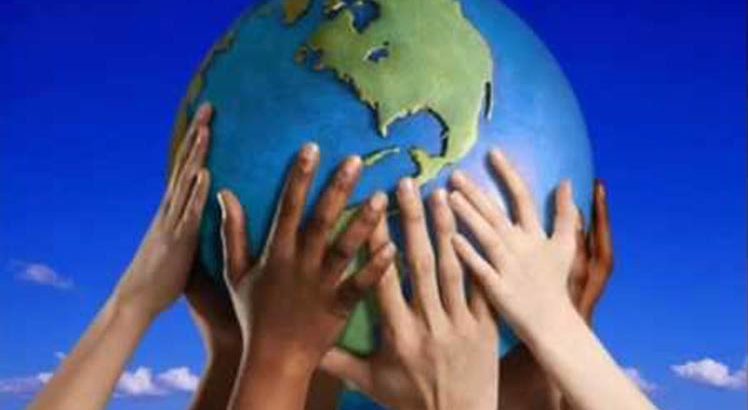
Recordar la importancia que tiene la conservación del medio ambiente para el desarrollo humano es el objetivo de esta jornada que hoy se celebra en todo el mundo con acciones dirigidas a sensibilizar a la comunidad internacional. (PLRadio)
El medio ambiente se puede definir ampliamente como todo el sistema que sirve de entorno y condiciona toda forma de vida de una sociedad; en él se incluyen elementos naturales y artificiales que son o pueden ser modificados por la acción humana.
El día fue establecido por la Asamblea General de las Naciones Unidades en 1972, coincidiendo con la primera cumbre mundial sobre el medio ambiente. Actualmente el día es conmemorado cada 5 de junio en más de 100 países.
Charlas en centros estudiantiles, festivales infantiles, actividades deportivas y una jornada de saneamiento ambiental se encuentran entre las acciones para celebrar en Cuba el Día Mundial del medio ambiente. Además, el Ministerio de Ciencia, Tecnología y Medio Ambiente (Citma) -de conjunto con otras entidades y organizaciones- organiza la realización de la la XI Convención Internacional sobre Medio Ambiente y Desarrollo que tendrá lugar del 3 al 7 de julio próximos en el Palacio de Convenciones de La Habana.
De acuerdo con los organizadores, la cita promoverá la cooperación entre los países, el intercambio de experiencias y prácticas sostenibles y la transferencia de conocimientos, así como el crecimiento económico sostenido e inclusivo, el desarrollo social participativo, la protección del medio ambiente y la dignidad del ser humano.
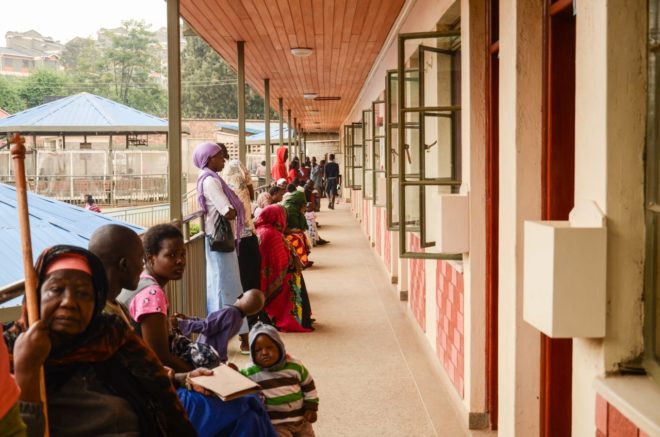
Que los sistemas sanitarios en la mayor parte de los países del África Subsahariana son deficitarios no es ninguna novedad. Si bien las capitales suelen contar con mejores instalaciones y profesional más cualificado, no son accesibles para todos. Al abandonar las capitales los hospitales de varias plantas se convierten en pequeñas clínicas multifunción, donde se trata de dar cobertura a cualquier dolencia o enfermedad con equipamientos poco especializados.
La mortalidad infantil sigue siendo una de las mayores preocupaciones en África. Un estudio publicado ayer por The Lancet Global Health recoge los avances de las últimas dos décadas: entre 1995 y 2014 las tasas de mortalidad infantil de niños menores de cinco años se han reducido en un 51% (de 128,6 a 63,5 muertes por cada 1.000 nacidos vivos).
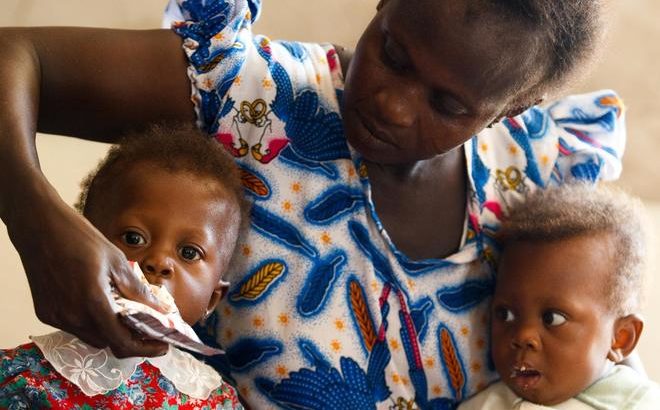
Pero la investigación ha ido más allá y ha analizado también las cifras de mortalidad infantil cuando se trata de bebés gemelos, concluyendo que en su caso el descenso ha sido de un 35% (de 327,7 a 213,0 por cada 1.000). Lo que supone que en los últimos 20 años, uno de cada cinco niños nacidos como gemelos en el África Subsahariana ha muerto antes de cumplir cinco años.
La investigación ha utilizado datos de 1,69 millones de niños nacidos en una treintena de países africanos entre los años 1995 y 2014, de los cuales 56.597 eran gemelos. El balance total de menores que murieron antes de los cinco años fue de 190.642, de los cuales 16.399 eran gemelos. Por otro lado, entre 2009 y 2014 casi dos tercios (64%) de las muertes de bebés gemelos ocurrieron en el primer mes de vida. En el caso de los partos únicos, las muertes durante el primer mes son menos de la mitad (43%).
Dar a luz a los gemelos siempre es más arriesgado que un parto de un único bebé, en África y en cualquier otro lugar del mundo, y así lo sostienen Smits y Monden en su estudio: «A nivel mundial, los gemelos son de dos a cinco veces más propensos a morir antes de los cinco años», refleja el informe. En el África Subsahariana, además, el riesgo es mayor al tener mayores índices de natalidad y una pobre atención materna y neonatal.
El director de los programas de Reproducción, Maternidad y Salud Infantil de Amref Salud África en Uganda, el Dr. Tonny Kapsandui, explicó a EL MUNDO que «la mayoría de los gemelos nacen prematuros y esto requiere un cuidado especializado delicado que no es común en Uganda y el África Subsahariana. Los gemelos se vuelven susceptibles a complicaciones incluyendo hipotermia, infecciones y desnutrición».
Otros factores que hacen peligrar su vida son el bajo peso al nacer y el destete temprano. «Esto se puede deber a la baja producción de leche por una madre estresada o porque la pobreza no proporciona las mejores opciones para la alimentación suplementaria«, señala Kapsandui. Para concluir, añade que algunas creencias tradicionales también han jugado en contra de la salud de los gemelos. «Algunas comunidades exponen a los recién nacidos al frío durante un tiempo y esto es peligroso para los gemelos, que generalmente tienen bajo peso al nacer».
El Dr. Jeroen Smits remarcó tras la publicación de la investigación que «sin una atención especial a este grupo vulnerable será muy difícil alcanzar el objetivo de desarrollo sostenible de las Naciones Unidas de menos de 12 por 1.000 muertes neonatales y menos de 25 por 1.000 menores de cinco muertes para el 2030″. Las estadísticas de población de la ONU indican que el número de niños menores de 5 años en la región crecerá un 20% en el año 2030, con lo que se debe trabajar para reducir aún más las tasas de mortalidad infantil.
¿Cómo se pueden evitar las muertes?
Por su parte, el profesor Christiaan Monden cree que las tres claves para reducir el número de muertes de los neonatos pasan por «detectar más temprano los embarazos de gemelos, realizar los partos en los hospitales con personal entrenado en este tipo de alumbramientos, y llevar acabo un monitoreo continuado en los primeros días e incluso meses de sus vidas».
Pero lo que parecen recomendaciones obvias, no son tan sencillas de llevar a la práctica. De nuevo, el acceso a los hospitales suele ser un gran problema para las familias pobres que no disponen de recursos y que han de hacer grandes desplazamientos a hospitales especializados. La mayoría de ellos no se pueden permitir pagar el transporte ni los cuidados en el área de maternidad, con lo que no acuden a las revisiones médicas y dan a luz en sus viviendas. Muchas de las madres desconocen que están embarazadas de gemelos hasta el momento del parto.
«Teniendo en cuenta la tasa de mortalidad y la alta tasa de embarazos de gemelos, se esperaba que estos fueran mencionados como un grupo que necesitaba atención especial por parte de la ONU, pero no es así. Asimismo, Naciones Unidas sólo se centra en los embarazos únicos para la estimación de la mortalidad infantil», matizó Monden a este diario. Sin embargo, la Responsable de los Programas de UNICEF en España, Blanca Carazo, aseguró en conversación telefónica que aunque no hay ninguna estrategia global específica, UNICEF sí que considera a los gemelos un colectivo vulnerable.
«Prestamos atención especial a los embarazos de mayor riesgo en los que se incluyen los partos prematuros, algo que se da mucho más en los embarazos gemelares». En este sentido, resalta que están haciendo un gran labor reforzando los sistemas de salud prenatal, fomentando los partos con personal cualificado y en la sensibilización hacia las comunidades para que las embarazadas se hagan revisiones médicas. No obstante, Carazo reconoció a EL MUNDO que son conscientes de las deficiencias en salud que hay en el continente y en la necesidad de promover los partos seguros. «La mitad de las mujeres sudafricanas que dieron a luz en 2016 lo hicieron sin estar acompañadas de ningún tipo de personal sanitario». Esto supone que 40 millones de niños nacieron sin atención médica en 2016.
Por otro lado, los investigadores han apreciado que África Subsahariana es la región del mundo donde son más habituales los embarazos de gemelos: de cada 1.000 mujeres embarazadas, 18 de ellas lo están de dos bebés. Por el contrario, Asia Oriental y América Latina son los lugares del mundo donde los nacimientos de gemelos son menos habituales: de cada 1.000 embarazos, únicamente hay entre 6 y 9 casos de gemelos. En el medio se encuentran las regiones de Europa, América del Norte y Oriente Medio, donde de cada 1.000 embarazos, entre 8 y a 16 serán dobles.
Las plataformas digitales enfocadas a la enseñanza constituyen un abanico de recursos y herramientas digitales que tienen como propósito el aprendizaje de los usuarios, especialmente porque permiten la interactividad, la retroalimentación, el uso de formatos multimedia y la creación de contenido de forma colaborativa.
Es una tendencia creciente que educadores y estudiantes, integren cada vez más esos espacios educativos en los procesos de enseñanza–aprendizaje, para aprovechar al máximo estas ventajas.
En ese sentido, las autoridades del sistema educativo nicaragüense han venido trabajando por ofrecer una formación de calidad que aproveche el desarrollo de las Tecnologías de la Información y Comunicación (TIC) y en especial los recursos que disponen las plataformas virtuales.
Fundación Telefónica desde 2009 apostó por la innovación educativa y pedagogías innovadoras a través de su programa Aulas Fundación Telefónica, que incluía espacios colaborativos en redes donde se conectaban docentes y estudiantes para intercambiar experiencias. Sitios como Educared donde los docentes podían acceder a contenidos digitales, que respondía a la denominada web 1.0, como una biblioteca virtual ante la carencia de sitio on line con recursos educativos para aplicar en la clase. Otras experiencias como Escuelas Amigas integraron las TIC a través del intercambio cultural y digital entre escuelas de Nicaragua y España.
Ahora, gracias a la evolución de las tendencias educativas y el desarrollo de herramientas digitales, Fundación Telefónica ha creado Scolartic como una Comunidad Educativa online de aprendizaje, innovación y calidad educativa en el que se ofrecen cursos online gratis, recursos para el aula así como charlas, ponencias y talleres.
Scolartic es una plataforma que cuenta con recursos educativos agrupados por etapas y materias distribuidas en cuatro áreas: recursos, contiene propuestas didácticas de aplicación directa en el aula; cursos, detalla la formación en metodologías didácticas aplicadas a la docencia; iniciativas innovadoras, muestra proyectos de innovación tecnológica educativa y la comunidad Scolartic, espacio destinado para el diálogo sobre el mundo educativo.
En sí la plataforma se ajusta al nivel educativo y de conocimiento sobre el uso tecnológico de los docentes, por lo que pueden desenvolverse sin problemas en este espacio de aprendizaje.
Mediante Scolartic, en 2 años, más de 4,000 docentes han encontrado un espacio de formación y debate educativo a través del cual acceden a cursos gratuitos, ponencias, talleres, foros, charlas y propuestas didácticas que les brindan herramientas para hacer sus clases más atractivas e innovadoras.
Estos espacios virtuales, además de fortalecer el acceso a la información a los usuarios, también traen consigo el desarrollo de la nueva dinámica social de colaboración que nos brinda la cultura digital. Es así como docentes y alumnos buscan soluciones a temas cotidianos a través de la conexión entre distintas áreas académicas, utilizando la tecnología para integrarlas.
Aplaudimos el modelo de aprendizaje que aprovechan las plataformas educativas en línea. De la misma forma que el maestro del futuro esté adquiriendo las competencias digitales y metodologías educativas acordes a la sociedad del Siglo XXI, nuevo contexto que demanda nuevas habilidades y capacidades tecnológicas.
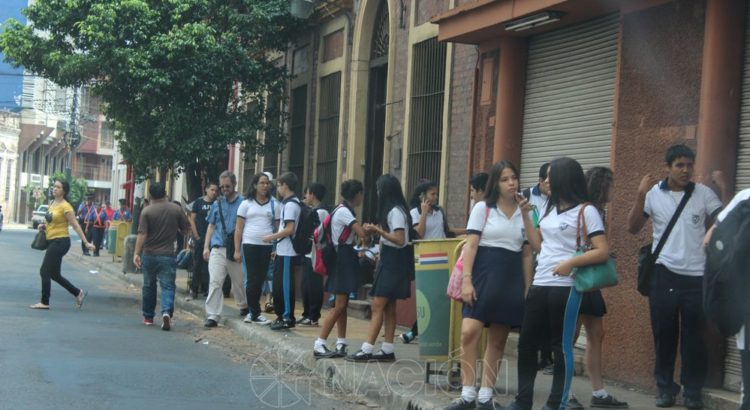
El Ministerio de Educación y Ciencias (MEC) inició un proceso de revisión de la propuesta educativa de los bachilleratos técnico y científico de la Educación Media, luego de varias décadas de implementación.
El proceso de diagnóstico ya comenzó en el año 2014. Primeramente, fue con la identificación de algunos aspectos críticos en ambas modalidades de bachillerato.
Entre ellas podemos citar; excesiva cantidad de disciplinas; superposiciones innecesarias de contenidos; gran cantidad de capacidades que no logran desarrollarse cabalmente e importantes actualizaciones necesarias en los contenidos propuestos.
Nuevos diseños
Actualmente, la cartera educativa se encuentra buscando diseños curriculares innovadores para el Bachillerato Científico, Bachillerato Técnico, en las especialidades de Hotelería y Turismo, Contabilidad, Electrónica, Mecánica General y Construcciones Civiles.
Y además, para las ofertas educativas alternativas implementadas en la Educación Media.
Se da gracias a los jóvenes paraguayos
«Este proceso se da a la luz de los acelerados cambios que ocurren en el mundo globalizado, y basado, por un lado, en los diagnósticos realizados a lo largo de este tiempo sobre los resultados de esta propuesta, y por el otro, como respuesta a sus principales protagonistas: los jóvenes, quienes en varias mesas de diálogo han solicitado la revisión de la Educación Media, disconformes con varios aspectos de este nivel», expresa un comunicado emitido por la cartera educativa.
No obstante, desde el MEC se puntualizan ciertos aspectos:
El curriculum está vigente y aun no se plantean cambios
Los equipos deberán elaborar propuestas y estas se someterán a discusiones y análisis con docentes, padres, estudiantes y sector productivo, a partir de los meses agosto en adelante ningún diseño ha sido terminado ni está por implementarse.
Los ajustes curriculares tienen por principios:
Presentar ofertas mejores que las existentes.
Plantear salidas administrativas para no perjudicar a NINGÚN EDUCADOR EN NINGÚN CASO.
La propuesta será sometida a varios procesos de revisión, ajustes y validación por diferentes actores de la sociedad.
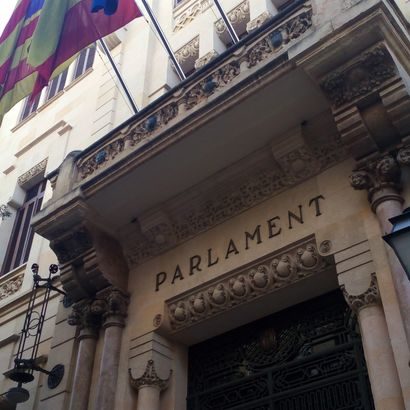
La Comisión de Educación, Cultura y Deportes del Parlament ha acordado este jueves instar al Govern a impedir que los centros educativos privados segregados reciban fondos públicos.
En concreto, se trata de una proposición no de ley presentada por Podemos con el título ‘Impulso de la escuela pública’, de la que ha sido aprobado un punto -de siete originalmente propuestos- tras ser modificado por las enmiendas de PSIB y MÉS.
En virtud del texto aprobado, el Parlament insta al Govern a «aplicar el principio constitucional de no discriminación por razón de sexo y promover los cambios legislativos para impedir que los centros privados que segreguen el alumnado por motivo de sexo reciban fondos públicos».
El único punto aprobado ha contado con ocho votos a favor y cinco en contra.
EL PP DICE QUE ESCONDÍA «UN INTENTO DE ACABAR CON LOS CONCIERTOS EDUCATIVOS»
La diputada del PP en la Comisión, Núria Riera, ha considerado que la PNL de Podemos escondía «un intento de acabar con los conciertos educativos en Baleares». La ha catalogado como «auténtico despropósito» ya que «demuestra lo alejado de la realidad que está Podemos en presentar la PNL que supondría eliminar progresivamente la educación en la escuela concertada».
El PP ha recordado que «actualmente un 40 por ciento de la educación en Baleares es concertada», por lo que Riera ha apuntado que aprobar la PNL original de Podemos «sería cargarse la educación».
En cuanto a la escuela diferenciada para niños y niñas, el PP ha señalado que los tribunales «se vienen pronunciando desde hace más de diez años, otorgando a los padres libertad para elegir si quieren que sus hijos estudien en escuelas concertadas diferenciadas».
«A los de Podemos no les importa que elijan escuelas públicas diferenciadas si no quieren, pero que respeten la libertad de los padres. Ni este Govern sectario, ni mucho menos los de Podemos, desde fuera del Govern, tienen que imponer estas políticas autoritarias en la educación», ha criticado.
Finalmente, la diputada popular ha manifestado que «se trata de una proposición descabellada, imposible y alejada de la realidad».
INFRAESTRUCTURAS DE FP
Por otro lado, la Comisión ha debatido otra PNL sobre el estado de las infraestructuras de FP, presentada por el Grupo Parlamentario el PI y aprobada por unanimidad.
Con el texto aprobado, el Parlament insta al Govern a llevar a cabo en el plazo de un año un «análisis exhaustivo» del estado actual en que se encuentran las infraestructuras donde se imparten específicamente estudios de Formación Profesional.
Además, también pide «adaptar progresivamente el plan de infraestructuras de acuerdo con las necesidades de las infraestructuras para ciclos de FP que sobrevengan».
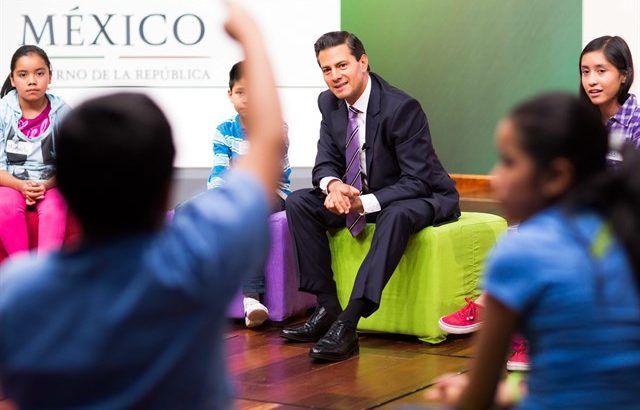
La Secretaría de Educación Pública de México no garantiza a más de un millón y medio de niños con edades comprendidas entre tres y cinco años la educación preescolar, según un informe sobre rezago educativo en México.
Los datos y las cifras fueron proporcionados por la Estrategia Nacional de Inclusión que sostiene que la falta de asistencia a los centros educativos también afecta a más de 800.000 niños entre cinco y 15 años por no poder inscribirse en ningún centro escolar.
Por su parte, especialistas del programa ‘México Incluyente’ consideran que aproximadamente 13,4 millones de personas nacidas antes de 1982 no lograron culminar la educación primaria, mientras que 5,9 millones de personas que recibieron educación primaria no pudieron concluir la formación secundaria, según informó ‘Tele Sur’.
Un informe emitido por el Consejo Nacional de Evaluación de la Política de Desarrollo Social explica que 2015 el rezago educativo afectó a 21,8 millones de personas mayores de 15 años, es decir, no tuvieron la oportunidad de terminar la educación básica.
Las organizaciones sociales, por su parte, consideran que el bajo nivel educacional perjudica al 35 por ciento de la población.
Varios expertos aseguran que el retraso educacional que vive México es debido a las problemas históricos con la falta de recursos económicos y la necesidad familiar de trabajar para sobrevivir.
Miles de estudiantes se han movilizado para exigir al Estado que condone las deudas obtenidas ante instituciones bancarias para completar sus estudios.
La educación se ha mantenido como un tema vital de su gobierno, pues fue el pilar de su campaña presidencial y uno de sus argumentos para impulsar una reforma tributaria. Miles de estudiantes se han movilizado en 2017 para exigir al Estado que condone las deudas obtenidas ante instituciones bancarias para poder completar sus estudios, pero Bachelet insistió en que más de 250.000 jóvenes -de 1,2 millones de universitarios- estudian gratis en Chile.
Foto: AP
El jueves hubo una nueva jornada de manifestaciones estudiantiles en Santiago, Valparaíso y otras ciudades importantes del país. Amanda Opazo dijo a The Associated Press que hace diez años les vienen prometiendo cambios en la enseñanza, «y no hemos tenido respuesta», mientras que el estudiante Edwin Muñoz añadió que marchaba «porque la educación pública necesita cambios«.
Foto: AP
Los jóvenes no perciben la situación con el mismo optimismo de la mandataria. En Santiago unos 5.000 muchachos recorrieron unas 20 cuadras en protesta porque el gobierno no logró la gratuidad universal prometida ni una mejora notoria en la calidad de la enseñanza.
Foto: Xinhua
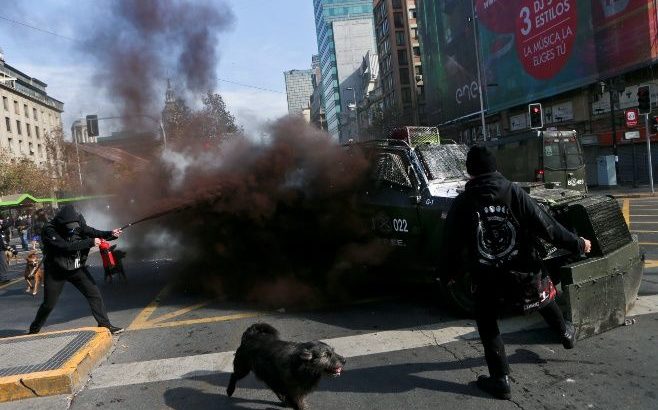
La autoridad permitió que caminaran por el lado sur de la principal avenida de la capital chilena, pero cuando se pasaron al costado norte la policía empezó a dispersarlos con chorros de agua, a lo que algunos encapuchados respondieron lanzando piedras, arrasando con las rejas que separaban las calzadas y levantando algunas pequeñas barricadas encendidas. Finalmente, las fuerzas antimotines los dispersaron con gases lacrimógenos.
Foto: AP
Horas antes, durante su mensaje, Bachelet anunció que en el segundo semestre del año enviará al Congreso un proyecto de ley de matrimonio igualitario, aunque no precisó si éste contemplará el tema de adopción.
Foto: Xinhua
Sin embargo, lo más probable es que la iniciativa se estanque, ya que el oficialismo sólo tiene una mayoría de tres votos en el Senado y en noviembre próximo habrá elecciones legislativas, lo que imposibilita saber la nueva reagrupación de fuerzas políticas en 2018. Algo similar ocurre en la Cámara de Diputados, donde se elegirán nuevos representantes.
Foto: AP
El proyecto sobre identidad de género descansa desde hace cuatro años en el Senado, donde la derecha opositora logró establecer que los menores de edad no puedan acceder a cambio de nombre y género social.
Foto: EFE
El mandato de Bachelet concluirá en marzo de 2018, aunque las elecciones presidenciales se llevarán a cabo en noviembre de este año. La mandataria llegó al poder con la promesa de realizar una reforma tributaria para financiar una modificación educativa que permitiera enseñanza gratuita y de calidad.
Foto: EFE
Sin embargo, como manifiestan quienes han encabezado las protestas masivas de los últimos meses, la gratuidad aún no está garantizada por ley, sino que provoca el endeudamiento de los estudiantes y el Estado.
Foto: AP
Aún frente a este escenario, Bachelet aseguró que en 2018 se incrementará la cifra de universitarios que podrán acceder a planteles superiores y dijo que 60% de los jóvenes en situación de pobreza podrían estudiar. «Nuestro anhelo sigue siendo avanzar hacia la gratuidad universal», enfatizó.
Foto: AP
Bachelet dio el último mensaje de su gestión en momentos en que la coalición oficialista está fracturada. Dado que su partido no logró ponerse de acuerdo para elegir a un candidato presidencial único para los comicios generales de noviembre, quedarán fuera de las primarias del 2 de julio y no podrán acceder a la propaganda legal y gratuita en franjas televisivas.
Foto: EFE
La coalición oficialista Nueva Mayoría empezó a desmembrarse cuando el Partido Socialista negó su apoyo a la candidatura presidencial del exmandatario socialista Ricardo Lagos (2000-2006) y se lo ofreció a Alejandro Guiller, un senador apoyado por el pequeño Partido Radical que en varias ocasiones se ha desmarcado de los partidos políticos y que es impulsado por comunistas, socialistas y liberales. Tanto Lagos como Bachelet son militantes socialistas.
Foto: Xinhua
Las encuestas hasta el momento coinciden en que el próximo mandatario de Chile será el multimillonario y expresidente centro derechista Sebastián Piñera. Él gobernó el país entre 2010 y 2014 y su nueva presidencia iniciaría en 2018 y concluiría en 2022. Según algunos analistas políticos, la fragmentación en el oficialismo es clara, lo que dejaría el camino despejado a Piñera tanto en la presidencia como en las elecciones legislativas.
OtrasVocesenEducacion.org existe gracias al esfuerzo voluntario e independiente de un pequeño grupo de docentes que decidimos soñar con un espacio abierto de intercambio y debate.
¡Ayúdanos a mantener abiertas las puertas de esta aula!


 Users Today : 91
 Total Users : 35491675
 Views Today : 261
 Total views : 3605681