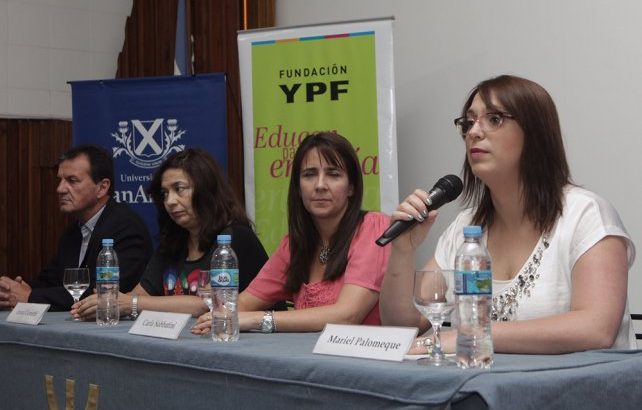
Mendoza / 09 de noviembre de 2016 / Fuente: http://www.diariouno.com.ar/
Es en un curso organizado por Fundación YPF junto a la Dirección General de Escuelas.
Mendoza / 09 de noviembre de 2016 / Fuente: http://www.diariouno.com.ar/
Es en un curso organizado por Fundación YPF junto a la Dirección General de Escuelas.
Beijing / 09 de noviembre de 2016 / Fuente: http://prensa-latina.cu/
La estrategia, que tiene un monto inicial de tres millones de yuanes (442 mil 451 dólares) es acogida por la beca Jasmine Asean, que forma parte de una iniciativa más amplia para impulsar la cooperación educativa entre Jiangsu y la Asociación, y da la bienvenida a las solicitudes de los estudiantes que deseen ingresar en las escuelas secundarias y profesionales en esa provincia.
Un total de 60 estudiantes de países miembros de la Asean ya han sido aceptados en el programa y comenzaron su primer semestre en septiembre, explicó este martes el director de la oficina de educación de Jiangsu, Shen Jian.
Cifras oficiales aseguran que los intercambios educativos han aumentado de forma rápida entre ambas partes en los últimos años.
Este país acogió a 72 mil estudiantes de la Asean en 2015, mientras que más de 120 mil chinos se instruyeron en la Asociación el mismo año.
En el caso de Jiangsu, había alrededor de cuatro mil estudiantes de la Asean en 2015, un aumento del 8,6 por ciento respecto al año anterior.
Expertos esperan que esas cantidades aumenten debido a que en el 2016 se celebra el XXV aniversario de la relación de diálogo entre China y la Asean, además de ser el año del intercambio educativo entre ambas partes.
Fuente noticia: http://prensa-latina.cu/index.php?o=rn&id=40632&SEO=establecen-programa-de-becas-en-china-para-atraer-a-jovenes-de-asean
Honduras / 09 de noviembre de 2016 / Fuente: http://www.radiohrn.hn/
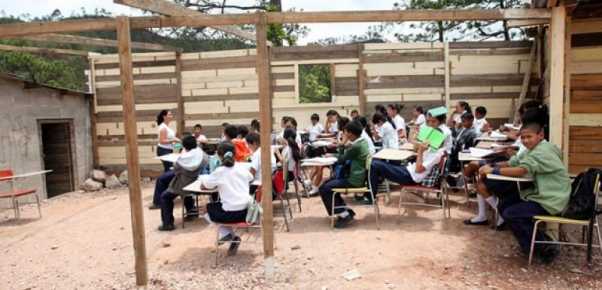
Estudios sobre gasto público indican que Honduras invierte aproximadamente 170 dólares al año por cada alumno, en contraste con cerca de 600 dólares que son destinados en otros países de América Latina.
Pese a que la educación ha recibido un incremento presupuestario sostenido en los últimos años, todavía existe una importante brecha en cuanto a la eficiencia de la inversión realizada en dicha asignatura.
Es bien sabido que la educación es un tema de primer interés para el país. No obstante, la distribución de los recursos no es equitativa en esencia.
Los estudios sobre gasto público social indican que para el pago de salarios a maestros y funcionarios de la Secretaría de Educación se destina un 90 por ciento de los fondos y para otros renglones importantes va dirigido un dos por ciento.
Para el año entrante, el plan de ingresos y egresos de la República contempla la asignación de alrededor de 26,000 millones de lempiras para el sector educativo.
De esa cantidad de dinero, un estimado de 23,000 millones irían para atender las obligaciones con el personal no docente y planta de maestros del sector público, mientras una reducida cifra se orientaría a asuntos primordiales.
Un cuestionamiento que surge a propósito, es que Honduras invierte al año aproximadamente 170 dólares, unos 4,000 lempiras, por cada alumno, en contraste con cerca de 600 dólares que son destinados en otros países de América Latina con un rendimiento más alto de sus estudiantes y un desempeño mejor calificado de sus docentes.
Los distintos análisis sobre el estado de la educación en Honduras son reiterativos en cuanto a que se ha avanzado en el esfuerzo para universalizar la educación primaria.
Además, el gasto en el sector educativo subió en comparación con los parámetros internacionales, de tal manera que ha doblado a la inversión de otros países que tienen similares indicadores en materia de enseñanza-aprendizaje.
El reto en la educación es superar los porcentajes de rezago que muestra el sistema, a efecto de abrir oportunidades principalmente en calidad, oportunidad, igualdad y competitividad.
Fuente noticia: http://www.radiohrn.hn/l/noticias/cuatro-mil-lempiras-al-%C3%B1o-invierte-honduras-por-cada-alumno
Chennai / 09 de noviembre de 2016 / Por: Express News Service / Fuente: http://www.newindianexpress.com/
The Tamil Nadu government has agreed to include three experts in the field of education in the panel constituted to deal with the issues including minimum land requirement and other basic facilities in 746 private schools in the State, which have been declared unauthorised.
The first bench of Chief Justice SK Kaul and Justice R Mahadevan, before which the statement was made by Advocate-General, posted to December 22, further hearing on the PIL from A Narayanan, director of ChangeIndia, an NGO.
The AG told the bench that norms have been worked out, but conceded that the committee consists of only bureaucrats manning the departments concerned with education. Since earlier recommendations include educational experts also, the AG added that three educational experts in the previous committee could be included in this committee, which may finalise the report developed by the committee of bureaucrats. As suggested by the petitioner, the bench said the committee may keep in mind the observations made by the Supreme Court while dealing with Kumbakonam fire tragedy case.
The three educational experts included in the present panel are SLChittibabu, Lalitha and SS Rajagopal.
As per the earlier directive of the court, Education Secretary D Sabitha was present in the court.
In his PIL, Narayanan sought to quash a GO dated August 18, 2015 of the School Education secretary and consequently to forbear the authorities from granting recognition to unrecognised schools not fulfilling the norms specified in various GOs and the judgment of the Supreme Court and ensure that they all were closed down by the end of the 2015-16 academic year. The displaced students shall be admitted in neighbourhood government/government aided/unaided schools so as to enable them to continue their education, petitioner had prayed.
Fuente noticia: http://www.newindianexpress.com/states/tamil-nadu/2016/nov/07/government-to-include-educationists-in-panel-on-private-schools-1535980.html
España / 09 de noviembre de 2016 / Por: DANIEL RODRÍGUEZ GONZÁLEZ – JUNCAL ROLDÁN / Fuente: http://cadenaser.com/
El sindicato de educación STE en Castilla-La Mancha ha comenzado una campaña para exigir la bajada de ratios en las aulas en la región con el lema «Si bajan las ratios, sube la calidad educativa«.
José Miguel Alis, miembro de STE, ha pasado por SER Toledo donde ha asegurado que el número de alumnos por clase en Castilla-La Mancha es ilegal lo que repercute negativamente en la calidad educativa. Añade Alis que la bajada anunciaba por la consejería es la que obligaba la ley. Escucha la entrevista
Entrevista ratio alumnos STE_José Miguel Alis
Felpeto reducción ratios
Fuente noticia: http://cadenaser.com/emisora/2016/11/07/ser_toledo/1478521826_748573.html
Kenia / 09 de noviembre de 2016 / Por: BRIAN NGUGI / Fuente: http://www.nation.co.ke/
Majority of youths in the country approve of the introduction of sex education in primary schools, a newly released report says.
The study by Kenyan research firm PARS says Kenyan youths are agreeable to sex education being taught in school with at least 94 per cent of respondents polled stating so.
It further indicates that 96 per cent of youths believe parents should discuss sexual issues with their children.
“Sex education according to the youths should start before 16 years and as early as 5 years with 50 per cent indicating 11-15 years and 42 per cent suggesting 5-10 years,” says the study which polled 390 respondents comprised of youths in low income areas between18-35 years of age.
The study’s findings come on the backdrop of a heated and divisive debate on whether sexual education should be introduced in schools.
CLASH WITH CHURCH
The Kenya Institute for Curriculum Development (KICD) is currently in the process of reviewing the Kenyan school curriculum.
Proponents of the introduction of sexual education in schools have clashed with the Church on the proposal.
Those who back the introduction argue that gradually introducing age-appropriate information consistent with the changing capacities of students will help in combating soaring rates of HIV and unwanted pregnancies as widespread taboos and cultural conservatism prevent discussions in schools and homes.
But the Church has refuted this argument saying the move could be counterproductive.
The Anglican Church of Kenya (ACK), for instance, recently warned against the introduction of sex education in primary schools saying it will pollute young learners’ morals.
Head of the ACK church in Kenya Archbishop Jackson ole Sapit said the move (introduction of sex education to children) is catastrophic adding that it is likely to introduce them to early sex.
The cleric said sex education is a sensitive matter which calls for thorough consultations and input from all the education stakeholders.
Meanwhile, the study said 81 per cent of Kenyan youths have never utilized the Youth Enterprise Development Fund.
It said 51 per cent of Kenyan youths do not know about the fund or procedures for application while 15 per cent view its application process and requirements as tedious and long.
Nine per cent of youths polled said they viewed the fund as a corrupt system with a further 10 per cent saying capital given by the Fund is too little.
They also cited fear of repayments, describing the whole process as “expensive and marked by stiff competition from other groups applying for the same funds.”
Fuente noticia: http://www.nation.co.ke/news/Kenyan-youths-back-introduction-of-sex-education-in-schools/1056-3443834-wg4sbvz/index.html
Lima / 10 de noviembre de 2016 / Fuente: http://www.andina.com.pe/
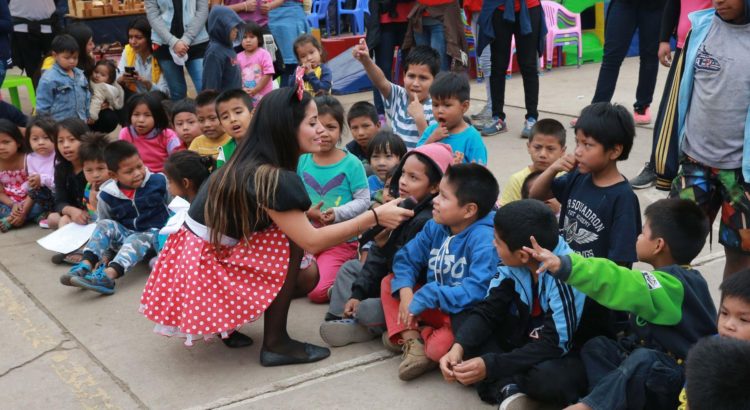
El ministro de Educación, Jaime Saavedra Chanduví, inspeccionará las actividades que han permitido que la institución educativa intercultural bilingüe Comunidad Shipiba, en la zona de Cantagallo, se convierta en un lugar seguro para más de 500 niños y niñas.