Page 4951 of 6193
1 4.949 4.950 4.951 4.952 4.953 6.193

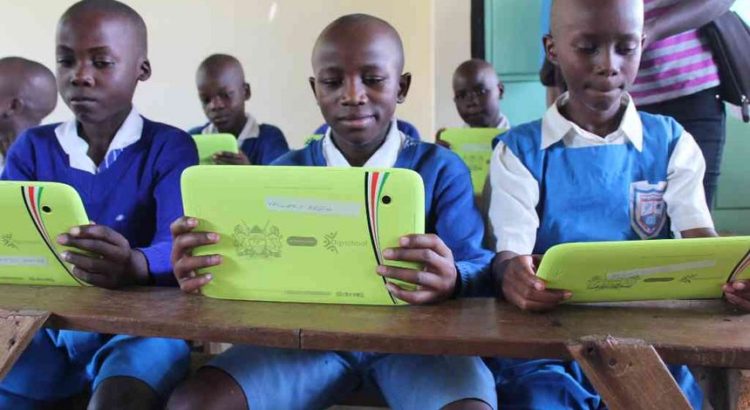
Kenia: Laptops project right on course

África/Kenia/01 Octubre 2016/Fuente:the-star.co.ke /Autor: JOE MUCHERU

Resumen: La próxima década, 2016-2025, promete ser la década del desarrollo de África a través de una transformación  propulsadas por las TIC . El lanzamiento de la Iniciativa de África inteligente durante la Cumbre de África en Kigali, Ruanda, en octubre de 2013 marcó un ritmo renovado para la realización de las aspiraciones de desarrollo de África.En Kenia, el Programa de Alfabetización Digital es una de las medidas adoptadas por el gobierno en línea con los objetivos de África inteligente y, de hecho, las aspiraciones del continente.

The next decade, 2016-2025, promises to be the decade of Africa’s development through an ICT-propelled transformation. The launch of the Smart Africa Initiative during the Transform Africa Summit in Kigali, Rwanda, in October 2013 set a renewed pace for the realisation of Africa’s development aspirations.

It is envisaged that through Smart Africa, a single digital and knowledge-driven economy will emerge and push the continent’s global competitiveness to higher levels. However, for this to happen, African countries must take deliberate measures to create enabling platforms for large scale implementation of ICT in all areas of the society and economy.

In Kenya, the Digital Literacy Programme is one of the steps taken by the government in line with the Smart Africa objectives and, indeed, the continent’s aspirations. The government is fulfilling the promise of developing innovative skills for a globally competitive knowledge economy, promoting research and development, promoting locally assembled/manufactured goods and services and enhancing job creation.

Its immediate aim is to integrate ICT into teaching and learning for standard one pupils in public primary schools in order to create a critical mass of future ICT-grounded citizens capable of turning around Kenya’s development fortunes. To date, hundreds of schools have received tablets and, beginning October 30, CSs and their PSs will be out in the field overseeing and inspecting the distribution of digital tablets, laptops, projectors and communications hubs to public primary schools countrywide.

Some 3,000 schools will be installed by the end of October, and by December, the entire country will have been covered, setting Kenya on course towards tech-savvy future generations.

Although the programme was initiated with the main purpose of enhancing learning in public primary schools through the use of digital technologies, it has transferred secondary benefits ranging from lighting up far-flung areas that had no electricity to triggering subsidiary economies that complement the project.

Indeed, DLP manifests how a multi-sectoral approach to project implementation can help confer spin-off benefits on the country and spur economic growth. What started off as a project to provide laptops to standard one pupils, and was heavily criticised in some quarters, has spiralled to become a landmark project that has created opportunities for thousands of Kenyans, way beyond the target population of pupils.

Citizens in remote areas can now get electricity by virtue of their proximity to the targeted schools. There is increased internet access to citizens, increased access to online government services, increased global awareness and collaboration, and greater community participation in education matters through school websites, emails and blogs, among others.

Employment opportunities have been created in development of software, hardware and content. The plans being put in place to ensure the maintenance and sustainability of the programme will result in the development of local assembly and manufacturing capabilities. In the next few years, Kenyans will be able to use digital products designed and made by Kenyans for Kenyans.

Through this collaborative approach, several government agencies under the coordination of the ICT Authority in the Ministry of Information, Communication and Technology have worked together, demonstrating the power of synergy and collaboration among public entities to deliver a shared goal.

For example, the Education ministry has provided leadership in the development of curriculum content for use on the digital platform, capacity building and training for teachers and other relevant education stakeholders. Some 66,000 primary school teachers have been trained on digital literacy to manage the programme.

Eventually, all schools will be provided with internet connectivity so the devices are updated with the latest software, curriculum materials and other approved content. To protect the children from inappropriate content or harmful software, various levels of security will be applied as well as having an approved list of sites they can access.

Isn’t it amazing how what started out as a simple idea has now grown into a truly transformative programme, not just in the education sector, but for the entire country. This will cement Kenya’s position as a regional ICT hub and set our country on the journey to a globally competitive knowledge-based economy.


Fuente de la noticia: http://www.the-star.co.ke/news/2016/09/29/laptops-project-right-on-course_c1428056

Fuente de la imagen: http://www.the-star.co.ke/sites/default/files/styles/new_full_content/public/articles/2016/09/29/1345405.jpg?itok=Oy5IPm6m
Comparte este contenido:

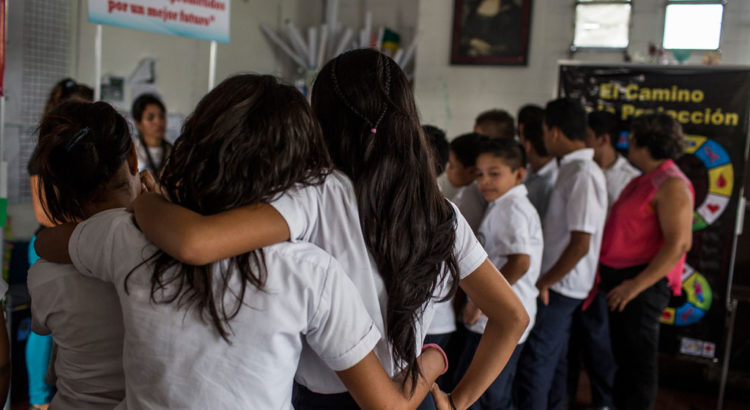
EE.UU: Miami-Dade Schools Launching «Start With Hello» Violence Prevention Program

América del Norte/EE.UU/01 de octubre de 2016/www.nbcmiami.com

Resumen: Las escuelas de Miami-Dade y representantes de la organización de Escuelas Públicas del Condado están poniendo en marcha un programa de prevención de la violencia en un esfuerzo por aumentar la conciencia sobre el aislamiento social y poner de relieve la importancia de la creación de escuelas conectadas e inclusivas. El programa, llamado «Start with Hello», comenzó el lunes en la Escuela Secundaria John A. Ferguson. El programa busca prevenir muertes por armas de fuego debido a la delincuencia, suicidio y descarga accidental «para que ningún otro padre experimenta la pérdida sin sentido, horrible de su hijo.»

Noticia Original:

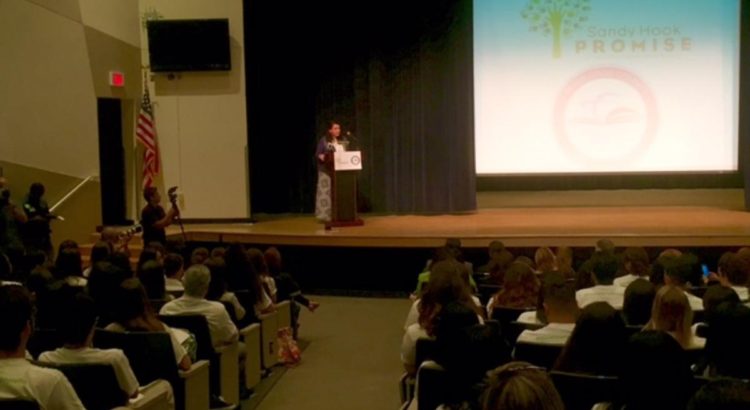
Miami-Dade County Public Schools and representatives from the Sandy Hook Promise organization are launching a violence prevention program in an effort to raise awareness about social isolation and highlighting the importance of creating connected and inclusive schools.

The program, called «Start With Hello», kicked off Monday at John A. Ferguson High School. Former Miami Heat star and Basketball Hall of Famer Alonzo Mourning and his wife Tracy were be in attendance, joined by current Heat player Wayne Ellington.

The Sandy Hook Promise was created out of the tragic shooting at the Connecticut elementary school in December 2012.

«I would much rather be at home with both my boys, but it’s too late for me to go back,» said Nicole Hockley, who created the program after her son Dylan was killed in the shooting. «The kids here to today and their parents they can go forward and make a huge difference.»

According to their website, the program seeks to prevent gun-related deaths due to crime, suicide and accidental discharge «so that no other parent experiences the senseless, horrific loss of their child.»

«There are warning signs and signals all the time of self harm or violence against others or any other sort of social issue or factor,» Hockley said. «As parents, we have a responsibly to act on that.

Tomado de: http://www.nbcmiami.com/news/local/Miami-Dade-Schools-Launching-Start-With-Hello-Violence-Prevention-Program-393952631.html

Comparte este contenido:

Argentina: Buscan establecer por ley los 190 días de clase a partir de 2017

América del Sur/Argentina/01 de octubre de 2016/www.clarin.com/Por: Alfredo Dillon

Diputados dio media sanción a un proyecto. El país tiene uno de los calendarios escolares más cortos del mundo.

 Paros docentes. Dificultan llegar a las metas del calendario escolar.

El año que viene podría haber 10 días más de clase en los jardines y escuelas primarias y secundarias de toda la Argentina, si el Senado aprueba un proyecto –que ya tiene media sanción de Diputados– para extender el ciclo lectivo a 190 días.

La iniciativa, impulsada por la diputada radical Brenda Austin, busca convertir en ley la obligación de cumplir con 190 días de clase anuales, establecida en 2011 por una resolución del Consejo Federal de Educación. Pese a aquella norma, desde entonces la meta no se logró en casi ninguna provincia.

En los últimos años, la extensión del calendario escolar fue resistida desde el sector turístico. En 2016 las clases empezaron en febrero (el 29), al igual que en 2012 y 2013, mientras que en 2014 y 2015, la fecha definida por los ministros de Educación de todo el país tuvo que postergarse de febrero a marzo por el rechazo de los empresarios hoteleros y gastronómicos.

“Según estudios de Unesco, nuestro país posee uno de los calendarios escolares más cortos del mundo. A nivel regional, en lo que refiere a tiempo de exposición de los niños a contenidos áulicos, la Argentina ocupa el último lugar entre los países medidos: Chile, Jamaica, México, Paraguay, Perú y Uruguay”, afirma el proyecto aprobado este mes en Diputados, con apoyo unánime de las fuerzas políticas. Los fundamentos también mencionan “el alarmante grado de disimilitud” en la cantidad de días de clase en las distintas provincias. Y añaden que esas brechas de desigualdad “se expanden aún más al comparar el sistema educativo público y el privado”.

En la región, Brasil y México establecieron un mínimo de 200 días de clase. Otros países, como España, tienen “solo” 175 días, pero ese menor tiempo se compensa por un sistema de doble jornada. En Argentina, la jornada extendida también es una deuda pendiente, aunque este año el Consejo Federal anunció un proyecto para ampliar su alcance en todo el país.

Algunos especialistas sostienen que más días de clase no garantizan mayores aprendizajes de los alumnos. Otros, como Alieto Guadagni, aseguran que un calendario escolar corto afecta negativamente el proceso de aprendizaje.

“Nuestro calendario de 720 horas anuales no solo es escaso, sino que tampoco se cumple, y ese incumplimiento afecta sobre todo a los chicos pobres que acuden a escuelas estatales”, afirma Guadagni.

En una línea similar, los fundamentos del proyecto aprobado en Diputados definen: “Avanzar en la fijación de un calendario de clases de 190 días constituye una medida necesaria a los fines de establecer pisos más elevados de calidad”.

Tomado de: http://www.clarin.com/sociedad/Buscan-establecer-dias-clase-partir_0_1655834579.html

Comparte este contenido:

In Canada: «Fire halls and elementary schools go together»: Nenshi signs agreement on multi-use facilities

Schools come first, says Mayor Naheed Nenshi, but new agreement allows other facilities on the land

América del Norte/Canada/CBC News

Resumen:  El ayuntamiento y dos juntas escolares de Calgary han acordado la construcción de instalaciones de usos múltiples en tierras inicialmente designadas para la contrucción de escuelas. Al respecto el Alcalde Naheed Nenshi dijo que en algunos casos, tiene sentido construir instalaciones de usos múltiples, especialmente en las nuevas comunidades. «Los estudiantes primero. Escuelas primero. Pero también la posibilidad de utilizar estos sitios para otros servicios gratuitos como la vivienda de la tercera edad, o instalaciones de recreación de la comunidad. Todavía estoy tratando de convencerlos de que las estaciones de bomberos y escuelas primarias pueden ir de la mano muy, muy bien.»

An empty field set aside for a school might one day be home to more than just classrooms.

Under a new agreement, students could learn alongside seniors homes, recreation centres or even fire halls.

City hall and both of Calgary’s school boards have agreed to build multi-use facilities on land designated for schools.

Special needs school move has Calgary looking for ideas for old facility
New schools in Calgary get ready to open this fall
Mayor Naheed Nenshi said in some cases, it makes sense to build multi-use facilities, especially in new communities.

«Students first. Schools first. But also the ability to use these sites for complimentary features like seniors housing, or community recreation facilities. I’m still trying to convince them that fire halls and elementary schools go together really, really well.»

Nenshi signed a memorandum of understanding Friday, along with Catholic board chair Cheryl Low and public board Chair Joy Bowen-Eyre.

«The example I often use is a school on the bottom with something interesting on top, like seniors’ housing,» said Nenshi. «But it may be in other neighbourhoods. What we want to do is have joint use on the site, so the school is in one corner and the community hall or the ice rink is in the other corner.»

The focus is on building complete communities, which raises a lot of questions, said Bowen-Eyre.

«What does it mean to have a complete community? And what does that community need to ensure that all members of that community are having their needs met? So if we’ve got extra surplus sites, what is that community missing that we could work together on?»

Nenshi says the agreement is going to be sent both the minister of municipal affairs and the minister of education.

Fuente: http://www.cbc.ca/news/canada/calgary/schools-calgary-land-agreement-nenshi-1.3787037

Comparte este contenido:

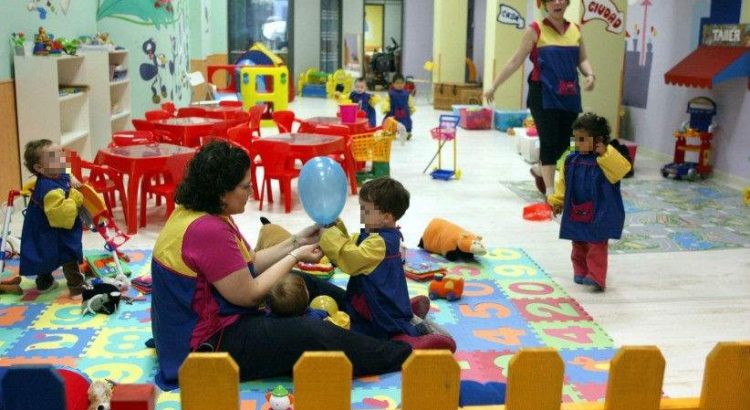
España: El pleno acuerda por unanimidad ampliar las plazas públicas en guarderías

España/Murcia, 01 de octubre de 2016.  Autor y Fuente: La verdad

El pleno del Ayuntamiento de Murcia ha aprobado hoy por unanimidad que se inicien los trámites para ampliar el número de plazas públicas de educación infantil para niños de cero a tres años en el municipio.

La propuesta ha partido del grupo municipal de Ciudadanos, cuya concejala Pilar Muñoz presentó una moción en la que denunciaba la dificultades de muchas familias para acceder a escuelas infantiles y guarderías públicas, ya que solo hay siete en el municipio, cinco en pedanías y dos en el centro urbano.

A ellas se suman cinco escuelas más dependientes de la comunidad autónoma, pero el número de plazas sigue siendo insuficiente puesto que se crean importantes listas de espera para acceder a ellas.

Por ello, todos los grupos se han mostrado partidarios de la necesidad de iniciar los trámites y estudios necesarios para ampliar el número de plazas públicas de educación infantil de primer ciclo en el municipio.

La moción planteaba la posibilidad de ampliar esas plazas públicas a través de convenios o conciertos, una parte que ha sido eliminada finalmente del acuerdo puesto que PSOE, Ahora y Cambiemos se habían mostrado contrarios a esa fórmula.

Por otra parte, el pleno ha aprobado también, exigir a la Consejería de Educación que restituya todos los cursos de Educación para Adultos que se han eliminado este curso en el municipio, así como los del resto de la región.

Según ha recordado la concejala Susana Hernández, para este curso se han suprimido esas clases en centros educativos de Espinardo, Guadalupe, Javalí Viejo, Cabezo de Torres y Puente Tocinos, por lo que ha pedido que se restituya esa formación.

Además, ha pedido a la Consejería que apueste por la educación para adultos y por «los colectivos que necesitan segundas oportunidades para acceder al mundo educativo» como medio para facilitar su posterior incorporación al mercado laboral.

Fuente Noticia: http://www.laverdad.es/agencias/murcia/201609/29/pleno-acuerda-unanimidad-ampliar-782149.html

Comparte este contenido:

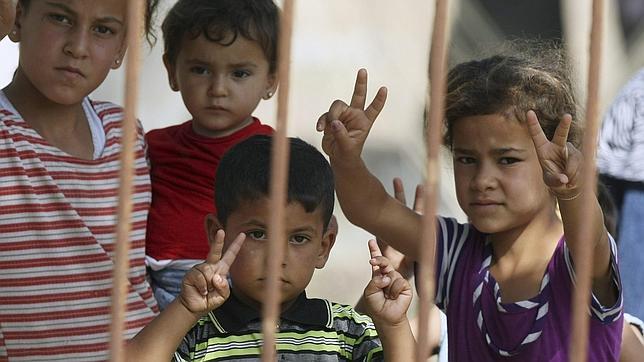
Turquía escolarizará a 450 mil niños sirios refugiados

Asia/Turquía, 1 de octubre de 2016.  Autor y Fuente: Prensa Latina
El viceministro de Educación de Turquía, Orhan Erdem, anunció hoy los planes de ampliación hasta un máximo de 450 mil plazas para poder ofrecer educación a otros tantos menores sirios durante el curso académico 2016-2017.

La cifra supera a las 340 mil que fueron ofertadas el pasado año a los refugiados, pero es insuficiente si se tiene en cuenta que, según las propias fuentes oficiales, existen acogidos por el país 814 mil niños sirios en edad escolar.
‘Este año nuestra meta es educar a todos’, señaló Erdem, ‘sin embargo, sólo podemos proporcionar educación para 400 o 450 mil de ellos’.

El responsable achacó las limitaciones al hecho de que la Unión Europea (UE) aún no haya desembolsado los tres mil millones de euros de la prometida ayuda para los refugiados, comprometidos en el acuerdo migratorio bilateral, y que serían suficientes para cubrir los costos de ese programa.

Por ello se lamentó Erdem por no poder llegar a todos los menores refugiados, justificando que ‘Turquía tiene ya 18 millones de estudiantes, a los que hay que sumar otros ocho millones de personas que están recibiendo una educación informal’.

Este lunes el ministro para la UE de Turquía, Omer Celik, aseguró que el Gobierno y las organizaciones humanitarias locales desembolsaron desde 2011 unos 25 mil millones de dólares para la asistencia a los cerca de tres millones de refugiados que hay actualmente en esa nación euroasiática.

Fuente noticia: http://www.prensa-latina.cu/index.php?o=rn&id=29727&SEO=turquia-escolarizara-a-450-mil-ninos-sirios-refugiados

Comparte este contenido:

UNESCO unveils video on comprehensive sexuality education for young people

América del Norte/ EEUU/ NK World, New York

Resumen:  La agencia cultural de las Naciones Unidas dio a conocer este lunes un nuevo video que describe cómo la educación sexual amplia ayuda a los jóvenes a desarrollar los conocimientos y habilidades para tomar decisiones conscientes, saludables y responsables sobre las relaciones y la sexualidad. En el material audiovisual se reconoce como un enfoque apropiado para la edad, culturalmente relevantes para la enseñanza sobre la sexualidad y las relaciones, proporcionando información científica precisa, realista y sin prejuicios, indicó la UNESCO en un comunicado de prensa.

The United Nations cultural agency on Monday released a new video that outlines how comprehensive sexuality education helps young people develop the knowledge and skills to make conscious, healthy and responsible choices about relationships and sexuality.

The Being a Young Person video, released by the UN Educational, Scientific and Cultural Organization (UNESCO), outlines the vital role that comprehensive sexuality education plays in ensuring the sexual and reproductive health of all young people. It is recognized as an age-appropriate, culturally relevant approach to teaching about sexuality and relationships by providing scientifically accurate, realistic, non-judgemental information, UNESCO said in a press release.

The videos release comes after a high-level event at the UN General Assembly in New York, on Improving the Sexual and Reproductive Health of the Adolescent Girl: The Role of First Ladies.

The event, which was initiated by the Organization of African First Ladies Against HIV/AIDS, brought together heads of State and Government, First Ladies, heads of UN agencies and civil society organizations to increase acceptance and catalyse action on expanding access to sexual and reproductive health services for adolescents across Africa.

Speaking at the event, which was held on 21 September, UNESCO Director-General Irina Bokova highlighted that comprehensive sexuality education is a foundation for all HIV prevention, and part of every young persons journey to adulthood.

It reduces sexually transmitted infections, HIV and unintended pregnancy, improves self-esteem, changing attitudes and both gender and social norms, the Director-General said.

An early preview of the video was seen by ministers and representatives from government, development and civil society organizations at a high-level dialogue on the sidelines of the AIDS Conference in Durban, South Africa, in July. The meeting marked progress since the 2013 Eastern and Southern Africa Ministerial Commitment, in which 20 countries in Eastern and Southern Africa committed to scaling up comprehensive sexuality education and sexual and reproductive health services for young people.

A Global Review conducted by UNESCO in 2015 revealed that comprehensive sexuality education leads to improved sexual and reproductive health, resulting in the reduction of sexually transmitted infections, HIV and unintended pregnancy. Comprehensive sexuality education not only promotes gender equality and equitable social norms, but has a positive impact on safer sexual behaviours, delaying sexual debut and increasing condom use, UNESCO said.

Photo: UNICEF/Adriana Zehbrauskas

Fuente: www.justearthnews.com

Comparte este contenido:
Page 4951 of 6193
1 4.949 4.950 4.951 4.952 4.953 6.193