Canadá/09 junio 2016/Autor: María Torrens Tillack /Fuente: El Español
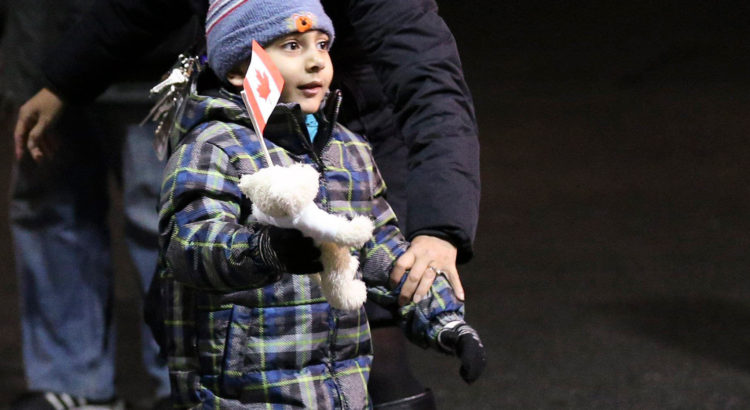
“Nos sentimos en casa y altamente respetados, como humanos”, dijo uno de los primeros refugiados que llegó a Canadá a principios de diciembre pasado, al primer ministro Justin Trudeau. La familia, con una hija pequeña, acababa de aterrizar en Toronto a principios de diciembre de 2015 y las cámaras recogieron el encuentro.
Trudeau quiso saludar personalmente junto a la premier del Estado de Ontario a los recién llegados y estrecharles la mano para proclamar públicamente: “Welcome home” (Bienvenidos a casa). “Querríamos darle las gracias por toda esta hospitalidad, toda esta bienvenida y todas estas cosas”, expresó el padre de familia después de que el equipo de bienvenida les ataviara con un anorak para afrontar el duro invierno canadiense.
Ha pasado ya medio año desde aquel día y después de que Canadá alcanzara su plan iniciado el 4 de noviembre para acoger a 25.000 refugiados en febrero, el Gobierno de ese país decidió ampliar su programa de acogida. Hoy acoge a 27.580 sirios y sigue trabajando por recibir a más, junto a organizaciones e iniciativas privadas.
Este miércoles la Alta Representante de la Unión Europea, Federica Mogherini, inició una visita de dos días a Canadá para tratar, entre otros asuntos, la “crisis migratoria” y probablemente tomar buena nota del ejemplo en la gestión de la acogida de refugiados del país norteamericano.
Voluntad y ejemplo político
Canadá rema a contracorriente. Mientras los Veintiocho en la Unión Europea apenas han reubicado a más de 2.000 refugiados entre los Estados miembros de los 160.000 acordados desde septiembre, el Ministerio de Inmigración, Refugiados y Ciudadanía canadiense lo dice todo ya en su propio nombre. No es un ministerio del Interior, ni de asuntos sociales el encargado de llevar todo esto a cabo, sino uno específico que ya contempla el asilo entre sus principales políticas (hasta que llegó Trudeau al Gobierno no incluía a los refugiados en el título).
“Apunte para líderes mundiales: así es como se da la bienvenida a los refugiados”, tituló Al Jazeera, el canal más internacional del mundo árabe, un artículo de opinión sobre el “espectáculo” de Trudeau. El texto apreciaba el esfuerzo canadiense y la avidez en la estrategia política para fomentar la buena imagen del carismático premier, a la vez que criticaba la escenificación propagandística.
Sin embargo, Michelle Banks, responsable del Programa para Estudiantes Refugiados en Canadá cree que es primordial dar buen ejemplo. “Cuando los líderes [políticos] muestran un apoyo por iniciativas como ésta y crean una imagen positiva de los recién llegados, generan apoyo social. Ahí posiblemente la Unión Europea tenga trabajo por hacer”, sugiere por teléfono a EL ESPAÑOL desde Ottawa.
“Fue una promesa electoral. Empezó a haber un cambio en la opinión pública por Aylan Kurdi”, apunta Loly Rico, presidenta del Consejo Canadiense para Refugiados, desde Toronto. Se refiere al pequeño sirio cuyo cuerpo sin vida apareció en una playa turca el pasado septiembre. Si al resto del mundo le conmovió la escena e impulsó que la Unión Europea se movilizara, a Canadá le tocó más aún si cabe: la tía del niño fallecido vivía en Canadá. “Eso hizo que la opinión pública volviera a pedir al Gobierno [una política activa en la ayuda a los refugiados]”.
Como un ciudadano canadiense desde el minuto 1
Una política que podría sonar osada en Europa, con los crecientes movimientos xenófobos y de extrema derecha en distintos países miembros, es la que ha recuperado el Gobierno de Trudeau al estrenarse en 2015.
“Una vez usted viene tiene los mismos derechos como cualquier otro ciudadano, excepto por el voto”, destaca Rico. Ella lo sabe bien, pues vivió en sus propias carnes la situación de los refugiados en Canadá al llegar hace 26 años de El Salvador huyendo de su guerra civil.
Como residentes, los refugiados tienen acceso a todos los servicios sociales, como sanidad y educación, permiso para trabajar desde el mismo momento en el que pisan suelo canadiense y otras ayudas más habituales en otros lugares del mundo, como clases gratuitas para aprender el idioma del país de acogida. Ahora algunos municipios están valorando la posibilidad de dar a los residentes permanentes el acceso a la votación en las elecciones locales.
Rico no tiene duda alguna de que estas políticas de integración son la clave en el éxito -aunque puntualiza que siempre quedan puntos que mejorar- de la acogida de refugiados en Canadá.
El impulso de guerras que han marcado la historia
Canadá presume de tener una larga tradición en la acogida de refugiados. Rico explica que todo comenzó en los años 40 con quienes huían de la guerra en Europa. “Fue por un punto económico, porque Canadá no estaba habitado históricamente”, indica la presidenta del Consejo para Refugiados.
Una ley de 1976 que se aprobó durante la guerra de Vietnam, la última vez que Canadá promovió una llegada masiva de refugiados al país hasta ahora. Aquella nueva normativa hablaba de la recepción y aceptación de diferentes culturas. “Con esa política lo que se ha logrado es que muchos de los refugiados que hemos venido tenemos acceso para integrarse dentro de la sociedad”, opina.
En 2002 vino un nuevo giro normativo y la ley abordó directamente la protección de refugiados. Sin embargo, Rico cuenta que tras los atentados del 11-S en 2001 se había comenzado a cerrar las puertas a las llegadas de refugiados, especialmente a aquellos provenientes de países de mayoría musulmana. No se llegó a cerrar el flujo del todo, pero ha sido con el nuevo Gobierno liderado por el centrista Trudeau cuando se ha retomado la política histórica de acogida a los demandantes de asilo. La campaña actual está centrada en sirios de campamentos de refugiados en Líbano, Jordania o Turquía.
Estudiantes que financian los estudios de refugiados y otros patrocinios privados
“Me estoy convirtiendo en la persona que imaginé que sería”, cuenta por videoconferencia Anas Hussain, un sirio de 24 años que llegó a Canadá unos meses antes de que el Gobierno de Trudeau impulsara una campaña específica para acoger a compatriotas suyos. Llegó el 26 de agosto de 2015 y en tierra le recibieron un grupo de estudiantes universitarios junto a Michelle Banks.
Para Anas fue “una de las sensaciones más agradables” en su vida reciente. La guerra destruyó su casa familiar en el sur de Siria y se mudó con sus padres y hermanos a Damasco. Allí pudo estudiar informática en la universidad, pero cuando el Gobierno le llamó a filas decidió que “no quería estar en ese lado de la Historia”. Y huyó a Jordania.
Allí trabajó de todo: carpintero, panadero, vendedor en una tienda de móviles. En negro, no tenía ni estatus de refugiado ni permiso para trabajar. Estuvo malviviendo en Amán (la capital) durante dos años y medio hasta que el Programa para Estudiantes Refugiados de Canadá cambió su suerte.
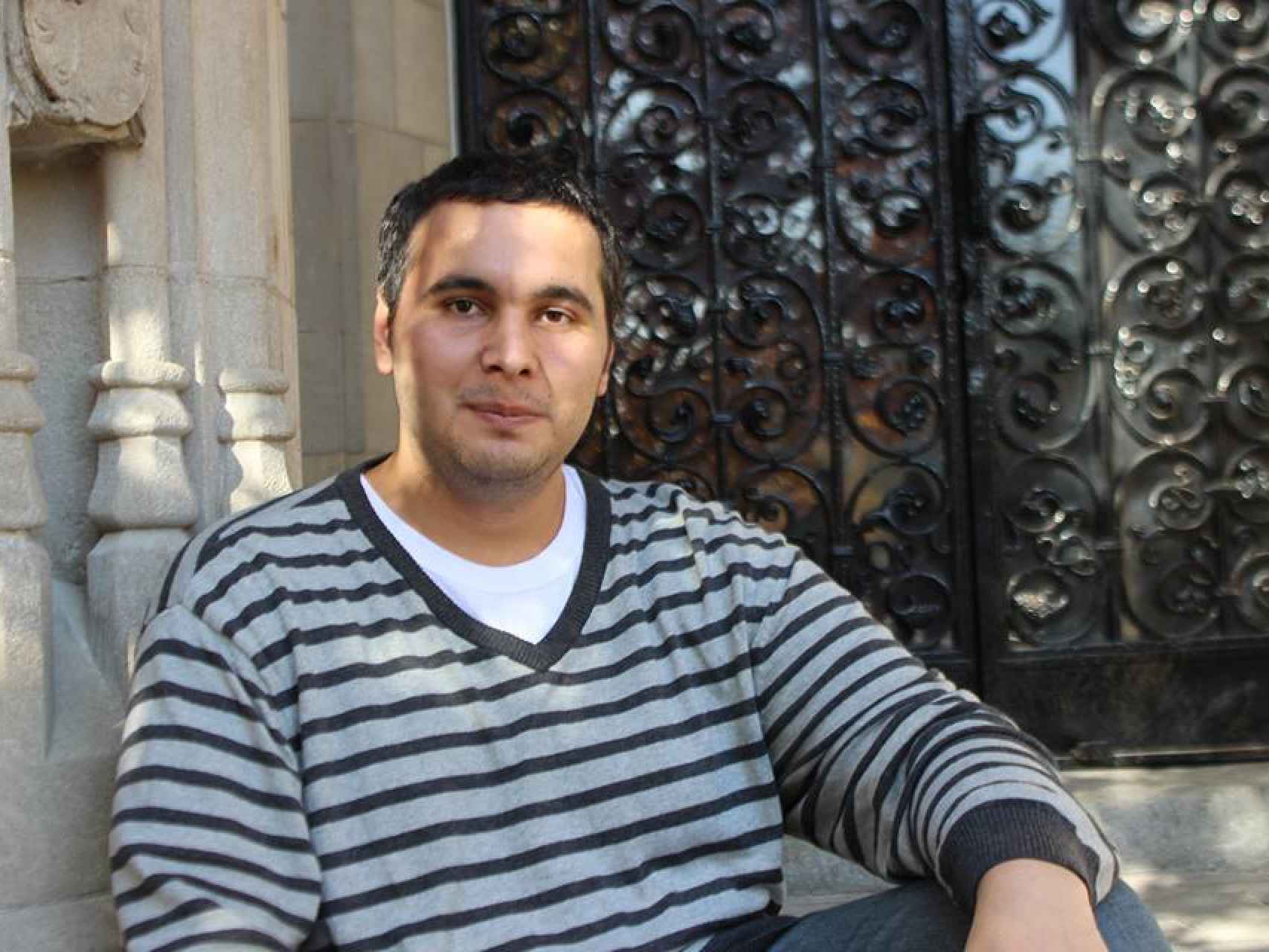
Anas abandonó Siria en enero de 2013 para evitar tener que unirse al Ejército.Cedida por Anas Hussain
Mientras en España las iniciativas privadas y los voluntarios que surgieron al estallar la crisis de los refugiados se encontraron de bruces con la legislación española, que no contempla esta posibilidad, en Canadá existen un centenar de organizaciones de iniciativa privada para patrocinar la llegada de refugiados. De los más de 27.500 refugiados acogidos hasta ahora en la presente campaña, cerca de 10.000 han llegado a Canadá gracias a iniciativas ciudadanas.
¿Qué implica ese patrocinio? Tanto si es el Gobierno como una organización privada la que acoge a un refugiado, adquieren el compromiso de financiar su estancia durante el primer año, un periodo clave para la integración del nuevo residente canadiense, explica Rico.
Canadá promueve fórmulas como la acogida en familia o en un entorno universitario. “La concienciación sobre la crisis en septiembre cambió nuestro programa. Duplicamos nuestras cifras”, asegura Banks, del programa de acogida para estudiantes universitarios refugiados. Si el curso pasado pudieron apoyar la llegada de 84 jóvenes, en el presente curso tramitan recibir a un total de 160.
Puede sonar a poca cosa, pero se trata de un programa muy especial, porque son los propios estudiantes universitarios los que con microdonaciones que van de 25 céntimos a 20 dólares anuales financian su acogida. También contribuyen las instituciones universitarias, que les conceden alojamiento y matrícula gratuitos. Así entre todos ellos se comprometen a al menos un año de sustento garantizado.
En total han pasado de recaudar 3,2 millones de dólares en 2015 a más de 6 millones este año. “Se recaudó de manera local por estudiantes. Fue cosa de unas semanas en realidad: en septiembre enviamos una carta invitando a incrementar la cuota o a unirse al programa a las universidades y ahora tenemos doce nuevos campus participando”, explica la responsable del programa.
También ponen especial hincapié en el elemento clave señalado por Rico: la integración. Y es que los voluntarios universitarios ayudan a los estudiantes refugiados a adaptarse a su nueva realidad, les acompañan en el proceso y asesoran para que sepan adónde recurrir para cada necesidad. La responsable de este programa asegura que el “apoyo moral” para los recién llegados es al menos igual de importante que el monetario y por ello también trabajan en la concienciación de la comunidad universitaria. Para Banks, implicar a los jóvenes es esencial.
Pasado el año de financiación al que se compromete el Programa para Estudiantes Refugiados (aunque algunas universidades amplían este apoyo), estos jóvenes de entre 18 y 30 años tienen el mismo derecho que los canadienses para acceder a becas universitarias y ayudas del Gobierno regional o federal y pueden trabajar sin restricciones.
En Italia la comunidad católica de San Egidio recibió en mayo a más de un centenar de refugiados, algo impensable en España, donde la Comisión Española de Ayuda al Refugiado (CEAR) tuvo que responder a las solicitudes de ciudadanos españoles que no podían acoger a refugiados en sus casas, pues todo tenía que pasar por la Administración. Rico, la presidenta del Consejo para los Refugiados, asegura que Alemania se ha interesado por el modelo de patrocinio privado canadiense.
Identificar a los más vulnerables in situ
“Si [los 28] esperan que lo haga todo Acnur, [no funcionará]”, advierte Aslam Daud, presidente de Humanity First Canada, una ONG humanitaria con origen en Reino Unido. Esta organización ejerce de mediadora entre patrocinadores privados y los demandantes de asilo y para ello se desplazan a los campamentos de refugiados personalmente. Desde septiembre han gestionado la llegada a Canadá de 200 refugiados sirios.
Daud cree que es “extremadamente importante” identificar a quienes más ayuda necesitan sobre el terreno. Su ONG identifica a “los más vulnerables, especialmente mujeres y niños o familias con hijos pequeños”.
La Unión Europea baraja desde hace algún tiempo establecer centros de registro en los campamentos de refugiados de Oriente Medio o en los lugares de conflicto y así poder gestionar una vía legal y segura para quienes cumplan los requisitos necesarios para obtener el estatus de refugiado y así evitar que se sometan a una ruta potencialmente mortífera, y a veces sin visos de prosperar su solicitud de asilo.
“Yo no creo que la solución esté en trasladar a 4 millones de refugiados a otro país. Hay que ayudar a los más vulnerables [para reubicarlos] y encontrar una solución permanente”, opina Daud. “Los campamentos de refugiados son una solución mejor que el realojo [para los demás]”. Lo que hay que hacer es mejorar las condiciones de esos campamentos, añade.
Comunicación transparente
“Bienvenidos refugiados” es el lema que encabeza la página web del Ministerio de Inmigración y Refugiados concernido, con un completo despliegue que promueve su acogida a través de una red de organizaciones locales, facilita el contacto de patrocinadores privados con familiares sirios en Canadá, cuenta historias personales de los recién llegados, promociona las donaciones y busca voluntarios activamente.
El portal de internet ofrece una completísima información tanto a los ciudadanos de ese país que desean informarse sobre la campaña #WelcomeRefugees como a aquellos que desean implicarse en la acogida de los demandantes de asilo y también para los propios refugiados que quieren tramitar su solicitud con el país norteamericano.
Los canadienses pueden ayudar con una donación económica, ofrecerse como voluntarios a su organización local más cercana o patrocinar a refugiados. En la web se pueden encontrar los distintos pasos que se pueden dar en cada caso, además de un mapa en el que localizar las distintas iniciativas relacionadas que existen en todo el país, con los correspondientes datos de contacto.
La distancia puede ayudar
“Desde CEAR hemos visto con envidia la rapidez del proceso de reasentamiento en Canadá frente a la lentitud desesperante de la Unión Europea”, reconoce la Comisión Española de Ayuda al Refugiado a este periódico.
Mientras en la Unión Europea arrecian las críticas por la lentitud en la reubicación de los 160.000 refugiados acordados el pasado otoño o por el acuerdo de Bruselas con Ankara para frenar la llegada de demandantes de asilo por el Egeo, los canadienses consultados por EL ESPAÑOL son más comprensivos.
“Es un contexto diferente por la proximidad”, subraya Banks. “No es justo comparar ambas situaciones”. Rico coincide en el diagnóstico, pero señala que “las muertes del Mediterráneo son un resultado de las leyes de la UE: donde usted va, ahí es donde empieza el proceso de refugiado, no donde necesita llegar”.
Ana, el estudiante y trabajador refugiado sirio, admite que no le gusta lo que ve en la gestión de la crisis de refugiados por parte de la Unión, pero dice que es normal que deban “parar la inmigración ilegal: tienen que librarse de la gente que no tiene problemas”.
La presidenta del Consejo para Refugiados pone una puntilla crítica con Canadá y recuerda que aunque los 27.580 refugiados sirios que ha recibido el país en los últimos seis meses es una buena noticia, hay muchos más sirios y demandantes de asilo de otros países que necesitan ayuda.
Menos de un año después de su llegada a Canadá, Anas sigue estudiando un nuevo grado de Informática, ha conseguido trabajo en el departamento internacional de su universidad y dice que “trabaja por conseguir una buena versión de mí mismo”.
El recuerdo sigue siendo duro. Anas sufrió problemas de ansiedad e ingesta compulsiva de alimentos durante el mal trago que supuso su paso por Jordania. Algunas canas empiezan a asomar en su joven cabellera, muestra con una sonrisa a través de la cámara.
Pero su vida sigue sin ser un camino de rosas: trabaja no sólo para mantenerse a sí mismo, sino para poder mandar dinero que a sus padres y su hermana, que siguen en Damasco. Cuando su hermano pequeño llegó a la edad para prestar el servicio militar, también huyó. Ahora está en Turquía y esperan poder reunirse.
Fuente:
http://www.elespanol.com/mundo/20160608/130987320_0.html






 Users Today : 43
 Total Users : 35492607
 Views Today : 56
 Total views : 3611320