Page 814 of 6129
1 812 813 814 815 816 6.129

China: Refuge For Bookworms and The Broken-Hearted

Refuge For Bookworms and The Broken-Hearted

Wu Guichun stands in front of Dongguan Library. PROVIDED TO CHINA DAILY.

BY YANG YANG

It was dusk in late November in subtropical Guangdong province. Cool winds had dispersed the perennial humidity.

In the well-lit sitting room of a bungalow in an alley in Nancheng town of Dongguan, Wu Guichun, 54, was eating a 15-yuan ($2.3) takeaway dinner on a desk. It consisted of steamed rice, vegetables and three kinds of stir-fried meats as well as a pickled duck egg.

The place belonged to a shoe factory owner whom Wu had known for 17 years since he arrived. Normal rent was 500 yuan a month, but Wu lived here temporarily free of charge.

The only furniture in the sitting room was a desk and a stool. Under the desk were a pair of dark navy blue plastic slippers and a pair of canvas shoes of the same color, all the shoes he owned besides the black leather ones on his feet, he said. For years, Wu had been a minimalist with his belongings, given that he was always having to move, he said.

In June, Wu, one of 6 million migrant workers in Dongguan, became an instant celebrity nationwide after working there for 17 years because of comments he had made about the city’s main library, comments that millions found both touching and inspirational after they made their way onto the internet.

Wu, of Xiaogan, Hubei province, said he first came to Dongguan to look for opportunities in 2003 after his wife left him.

Dongguan, which many know as “the Factory of the World”, was attracting young people from all over the country, many working in the city when labor-intensive light industries held sway.

Wu, 37 at the time, was deemed too old for these manufacturing behemoths and had to look for opportunities in small shoe factories, where his job was to put glue on shoe parts.

In those days Wu’s monthly salary was 3,000 yuan, which grew to more than 10,000 yuan in busy periods. In recent years he has been happy to receive 5,000 yuan a month.

At first he bought cheap books, but in 2008 started going to Dongguan Library.

The conditions were pleasant, there was access to water, you could read anything you liked and, best of all, it was free.

Over the past 20 years, as Dongguan’s importance as a manufacturing center has grown, its GDP has risen 20-fold to nearly 950 billion yuan in 2019. As the economy has grown the city has tried to improve people’s cultural lives.

In 2002 a library covering 45,000 square meters (484,400 sq. ft.) was built, the largest of its kind for a prefecture-level city in China.

Two years later the city set about building an extensive library network, opening branches around the city. A bus library delivers books to different towns every day so that workers in factories can borrow or return books without traveling long distances.

In 2005 Dongguan Library started offering services 24 hours a day, believed to be a first in China.

Six years after this great literary adventure began, the American Library Association bestowed on Dongguan Library the International Innovation Award for its services, the first time it was given outside the United States.

In most of his years in Dongguan, Wu, unlike hundreds of millions of other Chinese, did not return to his hometown for Spring Festival.

In January last year Wu unusually went back home for the Spring Festival. He did not return until June because of the COVID-19 lockdown. On June 24, aware that he might never return to Dongguan, went to the library to return his 12-year-old library card and get his 100 yuan security deposit back.

A librarian, Wang Yanjun, sensing his hesitancy as she took care of the paper work, took out the library’s comments book and asked Wu to leave a comment.

“I’ve worked in Dongguan for 17 years, and been reading at this library for 12 years,” he wrote. “Books enlighten people. Due to the COVID-19 pandemic, a lot of factories have closed, migrant workers cannot find jobs, and we choose to go back to our hometowns. Thinking about all my years in Dongguan, the best place for me has been the library. As much I want to stay, I cannot, but I will never forget you, Dongguan Library.”

Another librarian took a photo of the comment and posted it online, and before long it was doing the rounds of the internet.

In October he returned to his hometown and found that although his granddaughters wanted to read books, there was no book available. So he cashed in a 6,000 yuan book coupon he had received and mailed all the books.

“My goal is to build a small library for my hometown,” he said.

Fuente de la Información: https://partners.time.com/partners/china-daily/refuge-for-bookworms-and-the-broken-hearted/?prx_t=AYMGAJ4hKAyvcQA&utm_campaign=159028
Comparte este contenido:

Bahamas: 50 percent of students to return to public school campuses next week

50 percent of students to return to public school campuses next week

«Hundreds of thousands of dollars” expended on masks, gloves, sanitization and signage

NASSAU, BAHAMAS — Director of Education Marcellus Taylor said some public schools on Eleuthera resumed face-to-face learning on Monday, and others on New Providence will conduct student orientation this week in preparation for the resumption of face-to-face learning next week Tuesday.

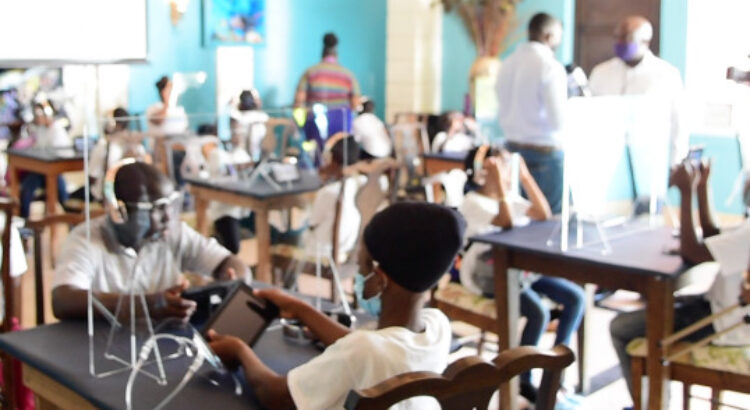
As part of the hybrid, face-to-face learning model, around 30 percent of students will attend schools for face-to-face learning for a period of three days, while the remaining learn virtually, and then rotate to ensure all students benefit from traditional classroom learning.

Taylor made clear that students in public schools on many islands are in the classroom.

“It is not as if schools have not had some experience with going face-to-face,” he told Eyewitness News.

“We do have a good sense of how it is going to unfold.

“The main thing that is going to be a difference for people will be the fact that most of the schools, if not all of them — but I would think most of them — because of the restrictions put on us by the Ministry of Health, is that no more than 50 percent of the enrollment can return to school on any one day.

“There will be a hybrid model being conducted. This means that students will have part of their instruction on the campus and part of their instruction continue remotely.

“So, your child may come to school three days a week or might come two days a week or whatever is determined at the school.”

According to the director, priority at a particular school may be given to certain grades or those with upcoming exams.

He said another factor will be the number of classrooms available at each campus as repairs continue at a number of schools.

Additionally, some teachers and staff may be limited when it comes to remote learning, which could impact the number of students returning for traditional learning on some campuses.

“To the extent that we have to oblige that, then it might impinge on what we can deliver face-to-face.”

He maintained that one style of learning does not and will not fit every school, echoing Minister of Education Jeffrey Lloyd.

He said: “We have delineated a program in the broad sense, but schools then go ahead and implement it based on what their capacity is or what their circumstances are at the time. In a nutshell, we are saying that the schools will communicate with clientele, students and parents to indicate when students are supposed to come in, what grade levels and on which days, and which subjects they will be taking.

“All those things will be dealt with at the level of the school.”

Taylor explained that this Friday and next Monday are midterm days, but some schools may call students in before next Tuesday, February 23, to conduct orientation or to bring in groups to progress with coursework for Bahamas General Certificate of Secondary Education (BGCSE) exams.

On Eleuthera, four schools resumed face-to-face learning on Monday.

Taylor said when schools are ready, the department is “allowing them to go”.

He said many parents and students are longing to return to the classroom, and “the faster, the better” once all of the health protocols are being followed.

The ministry has been in discussions with the teacher’s union on the return to traditional learning on four islands.

Taylor described those ongoing discussions as progressing, but said there were still matters proposed that are being discussed.

The extensive list of recommendations from the Bahamas Union of Teachers (BUT) included plexiglass for teachers’ desks and coronavirus testing among the student population.

Neither of those measures will be implemented, according to the director.

He said the Ministry of Education does not expect teachers to teach “camped behind a desk”, and it is not minded to test students.

He said the government has expended hundreds of thousands of dollars, however, on signage, sanitization and other mitigation measures against the virus, as well as improved protocols in the event of a suspected case or cases on a school campus.

Additionally, supplies to shore up resources are being sent to schools this week, according to Taylor.

He pointed out that students attended schools across the country for national exams in recent months.

Asked about the number of confirmed cases stemming from those exercises, Taylor was unable to provide an exact figure but said he believes there may have been a small, isolated number of cases.

Fuente de la Información: https://ewnews.com/50-percent-of-students-to-return-to-public-school-campuses-next-week

Comparte este contenido:

Human rights Friendly Schools

Human rights Friendly Schools

Amnesty International supports schools and their wider communities in all regions of the world to build a global culture of human rights. Human Rights Friendly Schools aim to empower young people and promote the active participation of all members of the school community to integrate human rights values and principles into all areas of school life.

WHAT IS A HUMAN RIGHTS FRIENDLY SCHOOL?

A Human Rights Friendly School places human rights at the heart of the learning experience and makes human rights an integral part of everyday school life. From the way decisions are made in schools, to the way people treat each other, to the curriculum and extra-curricular activities on offer, right down to the very surroundings in which students are taught, the school becomes an exemplary model for human rights education.

A Human Rights Friendly School is founded on principles of equality, dignity, respect, non-discrimination and participation. It is a school community where human rights are learned, taught, practised, respected, protected and promoted. Human Rights Friendly Schools are inclusive environments where all are encouraged to take active part in school life, regardless of status or role, and where cultural diversity is celebrated. Young people and the school community learn about human rights by putting them into practice every day. Through an approach which goes beyond the classroom and into all aspects of school life, commonly called a ‘whole-school approach,’ a ‘holistic approach’ or ‘rights-based approach,’ both schools and young people become powerful catalysts for change in their wider communities.

GHANA: A HUMAN RIGHTS FRIENDLY SCHOOL IN PRACTICE

Students attending Accra High School in the Ghanaian capital may not see themselves as trend-setters in global education. But after a visit to their school late last year, Ghana’s late President John Atta Mills spoke of his great admiration for their success at making human rights an integral part of everyday school life. The school aims to build the capacity of the whole school community by promoting a democratic environment, innovative teaching methods and responsible citizenship. Students feel empowered through a representative student council that moots new ideas and voices the student body’s concerns. And the school has embraced human rights not only inside the classroom, but also as an integral part of its clubs and extra-curricular activities – a human rights garden maintained by students and staff is just one space where openness, tolerance and debate are promoted. Accra High School is one of a growing number of schools around the world using Amnesty International’s Human Rights Friendly Schools approach.

HUMAN RIGHTS FRIENDLY SCHOOLS SPAN THE GLOBE

Amnesty International’s Human Rights Friendly Schools project started in 2009 in 14 countries: Benin, Cote d’Ivoire, Denmark, Ghana, Ireland, Israel, Italy, Moldova, Mongolia, Morocco, Paraguay, Poland, Senegal and the United Kingdom. Today, the network of schools aspiring to become human rights friendly continues to expand, and currently covers 22 countries around the world.

WHAT ARE HUMAN RIGHTS FRIENDLY SCHOOLS?

The Human Rights Friendly Schools approach encourages and supports the development of a global culture of human rights by empowering young people, teachers and the wider school community to create human rights friendly school communities across the world. Participating schools work towards developing a whole-school approach to human rights education, integrating human rights values and principles into key areas of school life. Human Rights Friendly Schools reach beyond the classroom and out into the community to change the way people think about, and actively participate to address, human rights issues. It is founded on the belief that by increasing knowledge and changing behaviours and attitudes in entire communities, a global culture of human rights becomes possible.

The Human Rights Friendly Schools aims to:
  • Empower young people and promote the active participation of all members of the school community in integrating human rights values and principles into all areas of school life.
  • Enable young people to know their human rights and responsibilities and to become inspired to protect and defend their rights and the rights of others, based on values such as equality, dignity, respect, non-discrimination and participation.

The Human Rights Friendly Schools project is founded on the 10 Global Principles for Human Rights Friendly Schools. These principles are based on international human rights standards, norms and instruments such as the Universal Declaration on Human Rights. In order to become a Human Rights Friendly School, schools are encouraged to integrate the Global Principles into four key areas of school life: Governance; Relationships; Curriculum; and School environment.

BECOMING A HUMAN RIGHTS FRIENDLY SCHOOL

Schools implement the Human Rights Friendly Schools approach, with the involvement of the whole community and often with support from Amnesty International.

The school has creative control over how to integrate human rights, taking into account the framework of the national educational system and the social and cultural context in which it is situated, however, global standards in all key areas of school life outline what all Human Rights Friendly Schools are working towards. Creativity and innovation are encouraged!  Support, guidance and examples of inspirational activities are available in the Human Rights Friendly Schools Toolkit, Pamphlets and Poster.

The toolkit provides information to schools on how to implement the Human Rights Friendly Schools approach. It offers practical suggestions for schools around the world to make human rights a viable part of their curricula, teaching methodology and broader learning environment that has a lasting impact not just on students, but also on their wider communities.

Pamphlets for different stakeholders in the school’s community allow Human Rights Friendly Schools to be introduced easily and a poster outlining what Human Rights Friendly Schools are, can be used to display in engaged schools.

Assessing the impact of the project over time is an important aspect of the project. Results of monitoring and evaluation activities are used both to improve the project and to make interim amendments to a school’s action plan if needed, and to assess how the project is meeting its overall goals and objectives.

WHY ARE HUMAN RIGHTS IMPORTANT IN SCHOOLS?

Schools have a critical role to play in our lives and in the life of the community. As a reflection of wider society, schools are key to socializing younger generations, preparing learners to become active and engaged members of society. In an interconnected and globalized 21st century, young people are being exposed to a diverse and changing world around them, a world in which poverty, inequality and other injustices are still very much a part of the lives of millions.

Human rights can give schools around the world a shared language of equality, non-discrimination, inclusion, respect, dignity and participation that is crucial to the goal of achieving a more peaceful and just global society.

Human rights education is a critical means of instilling the knowledge, skills, attitudes and values that can foster a culture of human rights. Amnesty International defines a culture of human rights as an atmosphere in which all members of a given community understand, value and protect human rights, where the values of equality, dignity, respect, non-discrimination and participation anchor policies and are the basis for decision making processes within the community.

Fuente de la Información: https://www.amnesty.org/en/human-rights-education/human-rights-friendly-schools/

Comparte este contenido:

Estados Unidos: California district’s school board resigns over comments bashing parents during virtual meeting

California district’s school board resigns over comments bashing parents during virtual meeting

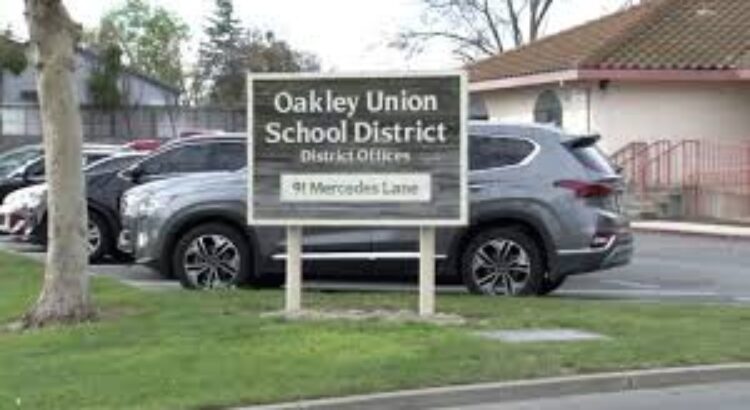
A California school district’s entire board of trustees has resigned after several were heard making disparaging comments about parents during a live virtual meeting this week.

The Oakley Union Elementary School District announced the resignation of the board members on Friday, two days after the public meeting, a portion of which was recorded and shared on YouTube.

The board members apparently thought Wednesday’s meeting wasn’t yet open to the public at the time they started talking about social media criticism from parents.

«Are we alone?» one board member, Kim Beede asks, before saying, «B—- if you’re going to call me out, I’m going to f— you up.»

The president of the school board, Lisa Brizendine, laments that school officials are being targeted amid frustration over reopening for in-person learning.

«They forget that there’s real people on the other side of those letters that they’re writing,» Brizendine says. «It’s really unfortunate that they want to pick on us, because they want their babysitters back.»

A third school board member, Richie Masadas, says in response, “I totally hear that, because my brother had a delivery service for medical marijuana, and the clientele were parents with their kids in school.»

«When you got your kids at home, no more smoking,» he added.

The comments followed a discussion with Superintendent Greg Hetrick on limiting public comment to three minutes.

«I think that would be amazing,» one board member says.

At one point, one of the board members realizes the meeting isn’t private.

«Uh oh,» Beede says. «We have the meeting open to the public right now.»

«Nuh uh,» says Brizendine.

«Great,» says a board member, before a black screen with the text «Practice session in progress» appears.

Someone watching the meeting said they started recording after «one of the board members spoke poorly of parents of students in the district» and posted the video anonymously to YouTube on Thursday.

«I only wish for our local public school to be run by better people,» the person wrote.

Parents took umbrage with the comments as students in the school district, which is located in Contra Costa County in the San Francisco Bay area, have been learning remote for almost a year amid the coronavirus pandemic.

«I thought the board members were also advocates for my child and had her best interests at heart. After [Wednesday’s] incident, it really has me thinking that they don’t,» Ashley Stalf, an Oakley Union parent, told San Francisco ABC station KGO.

«They see us writing letters monthly, weekly, to the board members, detailing our stresses and grief about distance learning,» she added. «For them to say we are doing nothing and sitting home and smoking pot is far from the truth.»

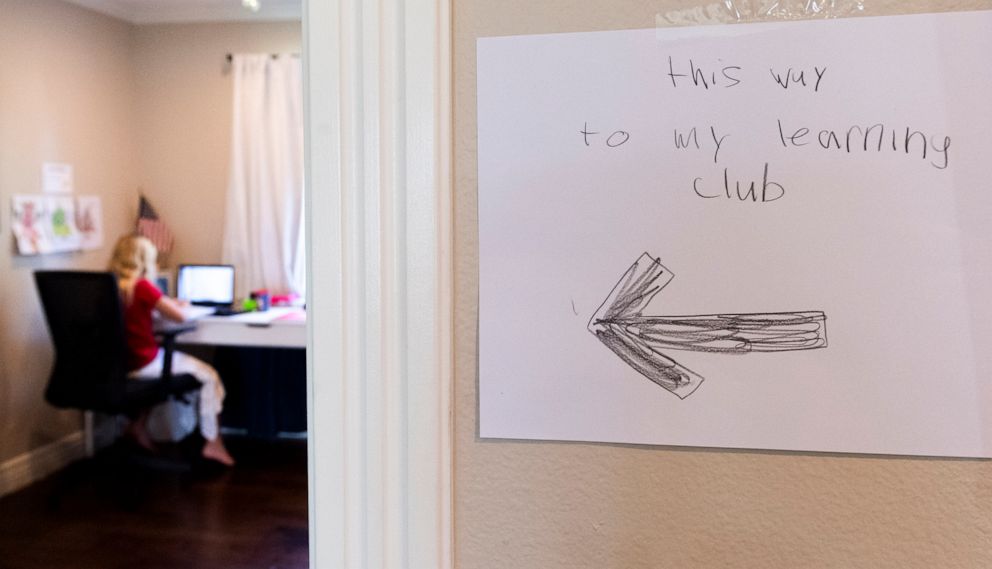
PHOTO: A student  studies during at-home learning in Orange, Calif., Dec. 9, 2020.

An online petition launched after the meeting called for the board members to resign «due to their egregious behavior.» The mayor of Oakley also weighed in, saying in a statement to East County Today that the board members should «do the right thing and step down.»

By Friday, the superintendent updated families that the four board members — Brizendine, Beede, Masadas and Erica Ippolito — had submitted their resignations.

In his letter, Hetrick also shared a joint statement from Beede, Ippolito and Masadas, saying they «deeply regret» and apologize for the comments made in the meeting.

«This was a difficult decision, but we hear the community’s concerns, and we believe yielding to your request that we step down will allow the district to move forward,» they said. «Please do not let our failure in judgment cast a shadow on the exceptional work that our teachers, administrators and hard-working employees are doing for the students of this district. They deserve and will need your support as you move forward.»

Brizendine, a four-year member of the board, also apologized in a statement to the Mercury News for her «babysitting» comment, which she said she made in part because she «desperately» wants schools to open for in-person learning.

«My remark was callous and uncalled for and for that I am truly sorry,» she wrote in part. «As a 30-year resident of Oakley, I have always championed the kids in the community from Boy Scouts, to PTA service, to my own teaching career.»

«I tendered my resignation because I don’t want to be a part of something that would negatively impact my community,» she continued. «The students, staff and families deserve the very best, there is much work that needs to be done to reopen our schools safely and I will be praying that we as a community can move past this incident together and that our children always remain in focus.»

Hetrick wrote in his letter that more information on the school district’s reopening plans will be available «in the coming days.»

«This unfortunate situation will not discourage or detract me from working to build back the trust in our community and return our students safely back to school as soon as possible,» he wrote.

Fuente de la Información: https://abcnews.go.com/US/california-districts-school-board-resigns-comments-bashing-parents/story?id=76020108&cid=clicksource_4380645_3_heads_hero_live_twopack_hed


Comparte este contenido:

Los padres plantan cara al veto a la educación en casa impulsado por Macron en Francia

Emmanuel Macron pretende prohibir la educación en casa bajo la excusa de que fomenta el radicalismo e incluso insinúa conexiones con el terrorismo. La libertad educativa está en juego en Francia, amenazada por un Gobierno que utiliza la seguridad como ariete contra este derecho fundamental.

La batalla por la libertad de educación en Francia abre un nuevo capítulo con la decisión de los padres partidarios de la educación en casa de plantar cara al Gobierno que pretende prohibir esta práctica que responde al derecho fundamental de los padres a elegir la educación que consideren más adecuada para sus hijos de acuerdo a sus convicciones.

El pasado mes de octubre, el Gobierno de Emmanuel Macron anunció la decisión de restringir la liberta educativa, en concreto la educación en casa, conocida en Francia como Instrucción en Familia (IEF).

Con la asesoría de ADF International, los padres partidarios de la educación en casa han puesto en marcha un movimiento que defiende un sistema educativo que «permite adaptarse al ritmo y las capacidades de los niños» y trabajar según sus necesidades y dificultades particulares.

Los promotores de la iniciativa defienden que la educación en casa «es también la solución para aquellos que se enfrentan a verdaderas dificultades en el colegio» como el fracaso escolar, la superdotación, perfiles atípicos, dislexia, etc. Por otro lado, el modelo de educación en casa, conocido en el mundo anglosajón como homeschooling, implica a los padres «de forma plena» en la educación de sus hijos, defienden.

En Francia unos 62.000 niños son educados en este modelo que Emmanuel Macrn quiere eliminar alegando que puede ser utilizado pro grupos nacionalista o, en el peor de los casos, islamistas. Sin embargo, la  jefa del Servicio Central de Inteligencia Territorial de la Dirección General de la Policía Nacional ha afirmado en sede parlamentaria que «es sumamente complicado establecer un vínculo directo entre el aumento del radicalismo y el aumento de la educación en el hogar» como pretende el Gobierno de Macron.

“La política de educación en el hogar propuesta por Francia está completamente fuera de sintonía con otras democracias que adoptan la educación en el hogar como parte de su sociedad libre y pluralista», explica Robert Clarke, director adjunto de ADF International.

«Quitarle las opciones a los padres socava la tremenda responsabilidad que tienen y es una bofetada para los millones de madres y padres de los que Francia ha confiado para educar en casa durante la pandemia», incide.

Fuente: https://www.actuall.com/educacion/los-padres-plantan-cara-al-veto-a-la-educacion-en-casa-impulsado-por-macron-en-francia/

Comparte este contenido:

Students ‘see the beauty in the ordinary’

Students ‘see the beauty in the ordinary’

It has been a tough year for all of us but for those starting their university life it has meant adapting to a new way of studying – not only remote learning but also finding new ways to explore creative ideas with other students, having never met in real life.

For their first module, undergraduate photography students at the University for the Creative Arts (UCA) Rochester, in Kent, were asked to create work in response to the theme «environment».

Calli Faraway

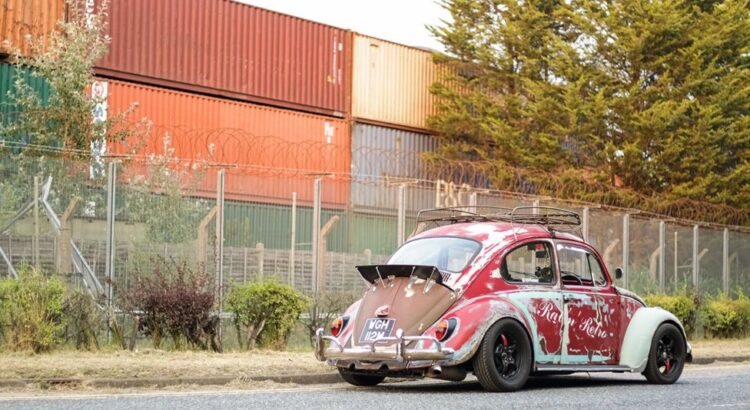
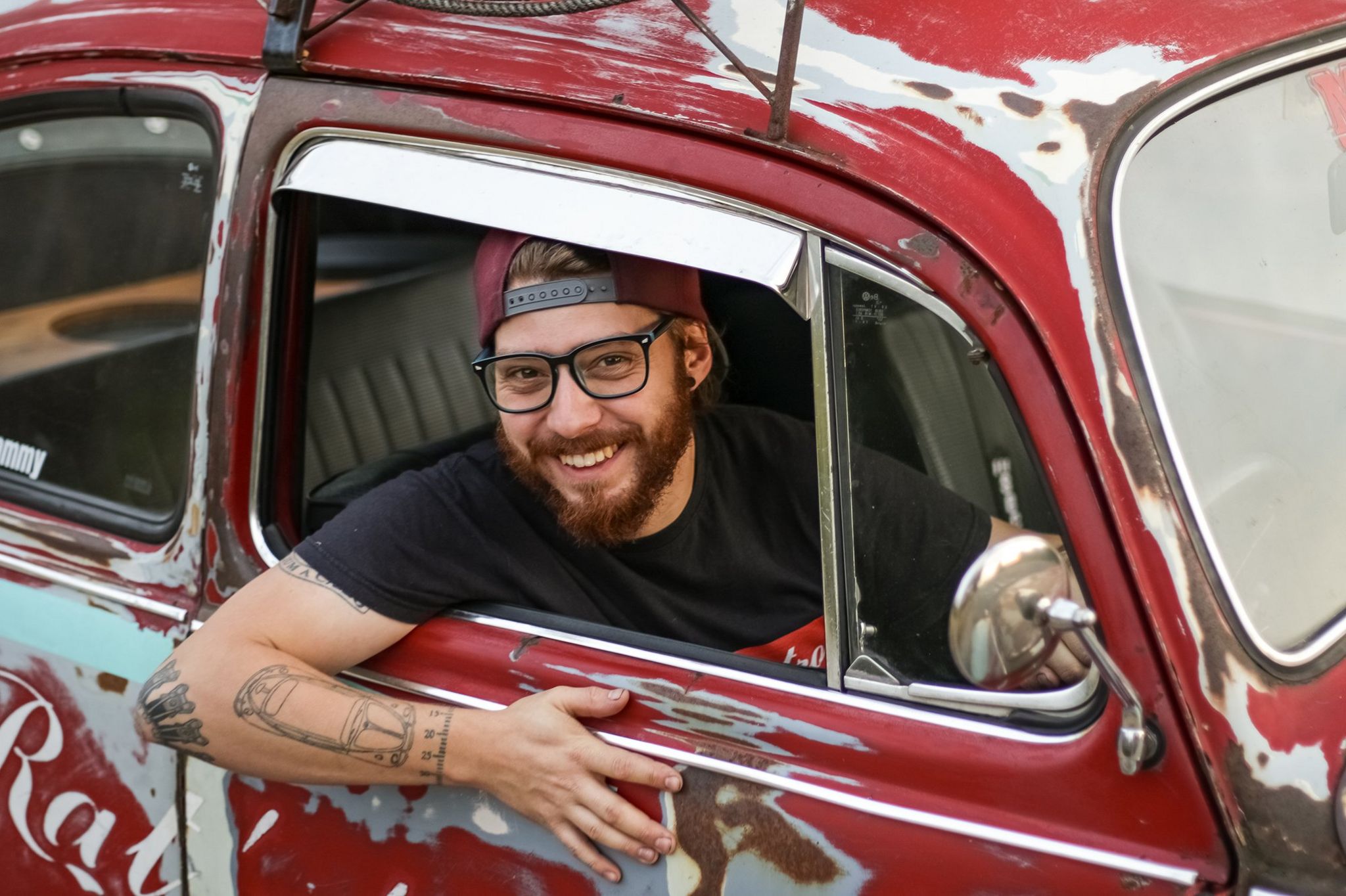
My images show the journey of this 1974 Volkswagen Beetle through both natural and industrial environments.

Each photograph takes you closer to the car, with the final photo being of its owner, Sam.

VW Beetle owner

Times have been tough and still are, which is why I wanted to create a positive piece of work that will make my audience smile.

I also wanted to base my work around something that I was passionate about.

Even though the pandemic’s restrictions have made the start of my university journey difficult, I have enjoyed challenging my creativity and the opportunity to continue to develop my knowledge and skills.

Alex O’Callaghan

Europa

Starting at university during peak pandemic time was definitely a challenge – not just for me but for everyone, I would assume.

But, it has also been the gateway to bringing forth new ideas and methods of working for us.

The series of images that I have created were designed to be a form of escape.

I wanted to create new worlds that have never been seen before, allowing you, the viewer, to imagine what life could be like on these different moons and planets.

Mars

Perhaps you wish to be whisked away to the icy landscape of Europa or the red deserts of Mars?

Refresh yourself and forget about what’s happening across the world just for a moment and become lost in somewhere you’ve never seen before.

Fraizer Dunleavy

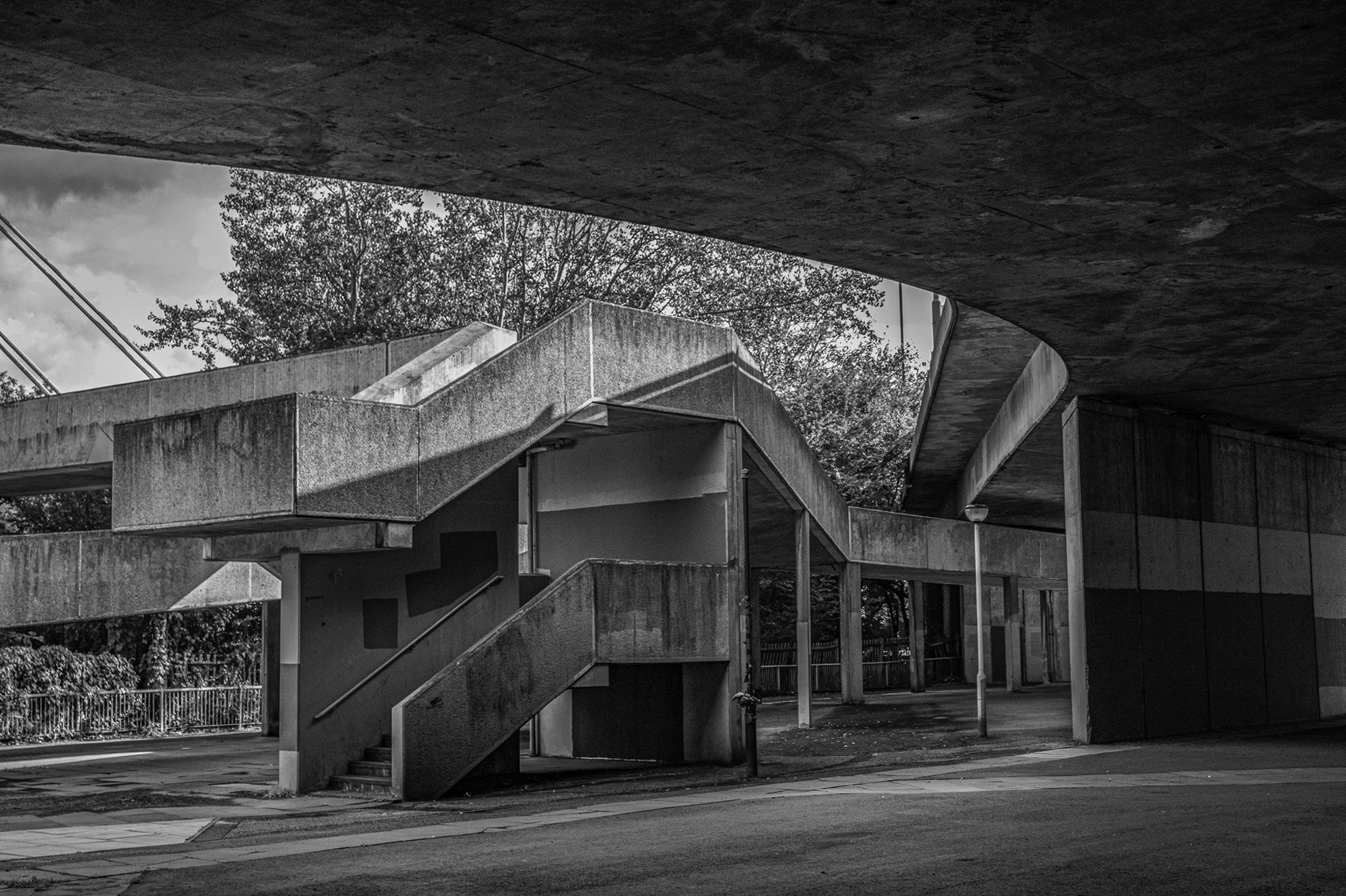
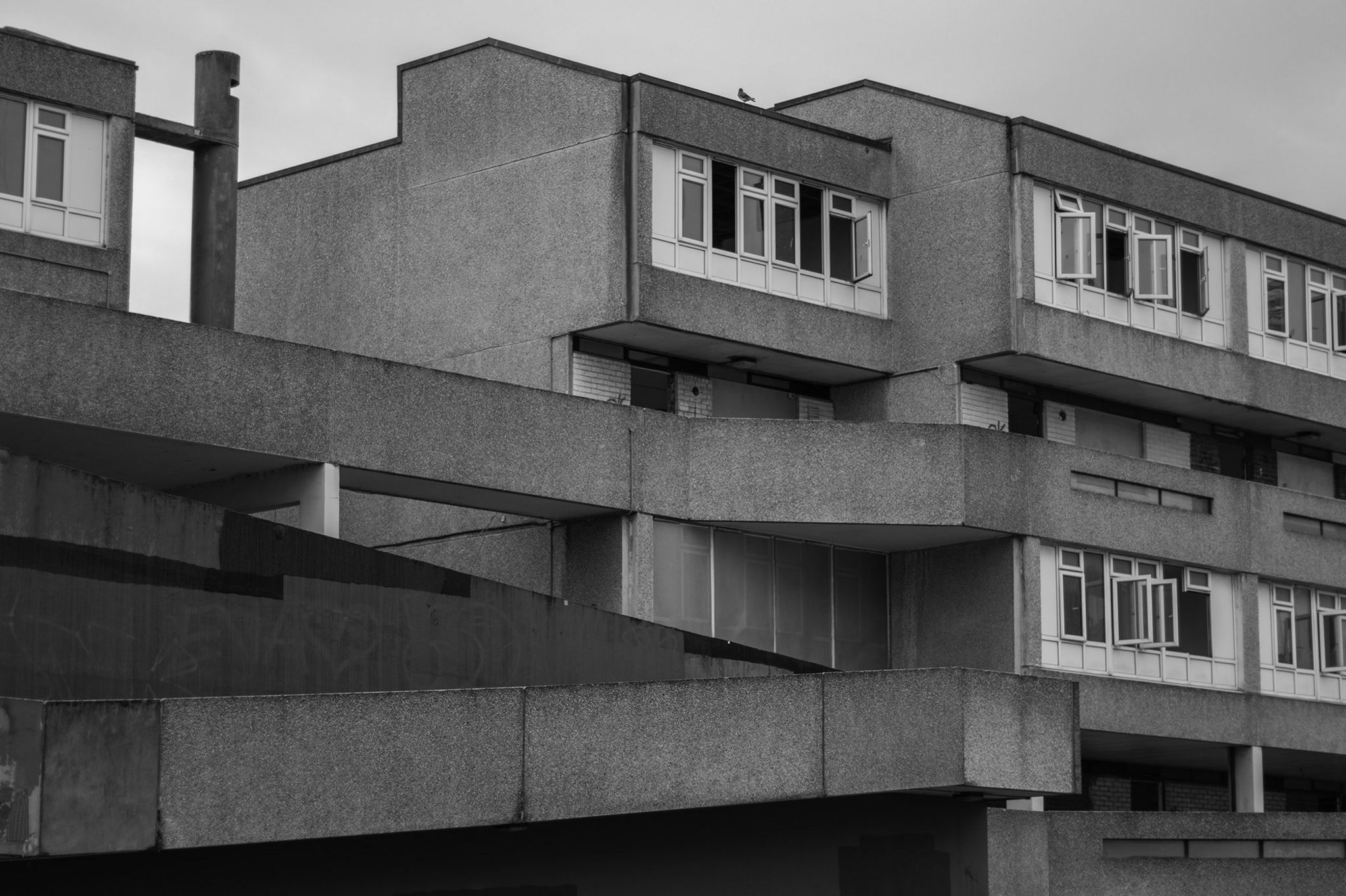
Brutalist architecture

During the first lockdown, my mother sadly passed away.

This, alongside the time I suddenly had available, served as a catalyst to reflect on my life path and the choices made.

After feeling bogged down in a financial role for 12 years, my partner encouraged me to pursue photography professionally.

I had years of experience as a hobbyist photographer, earning a bit of money here and there, but I decided to take the plunge and enrolled in a photography degree – during a global pandemic.

Thamesmead

Having spent time, as a young child, living in rural France, my mother’s choice to return to London and live in a small flat in an overcrowded concrete town confused me.

The blur of public transport, a loss of independence, and the feeling of isolation drowned me in Thamesmead[, Kent].

Our first photography project, Environment, allowed me the time and space to continue personal reflection, after a year of significant change.

I revisited childhood memories in Thamesmead and learned to see the beauty in the ordinary – areas in our environment I had never taken the time to admire.

Ed Thompson, course leader

I’m always amazed to see the variation in our students’ visual styles, especially at the beginning of their journey.

Who knows where these photographs will lead them? What kind of image makers will they become?

Many students around the country have struggled with their studies.

But as photographers, they were placed in a position to document the pandemic in varying ways – either directly or looking at their personal response to the situation.

Benjamin Taylor

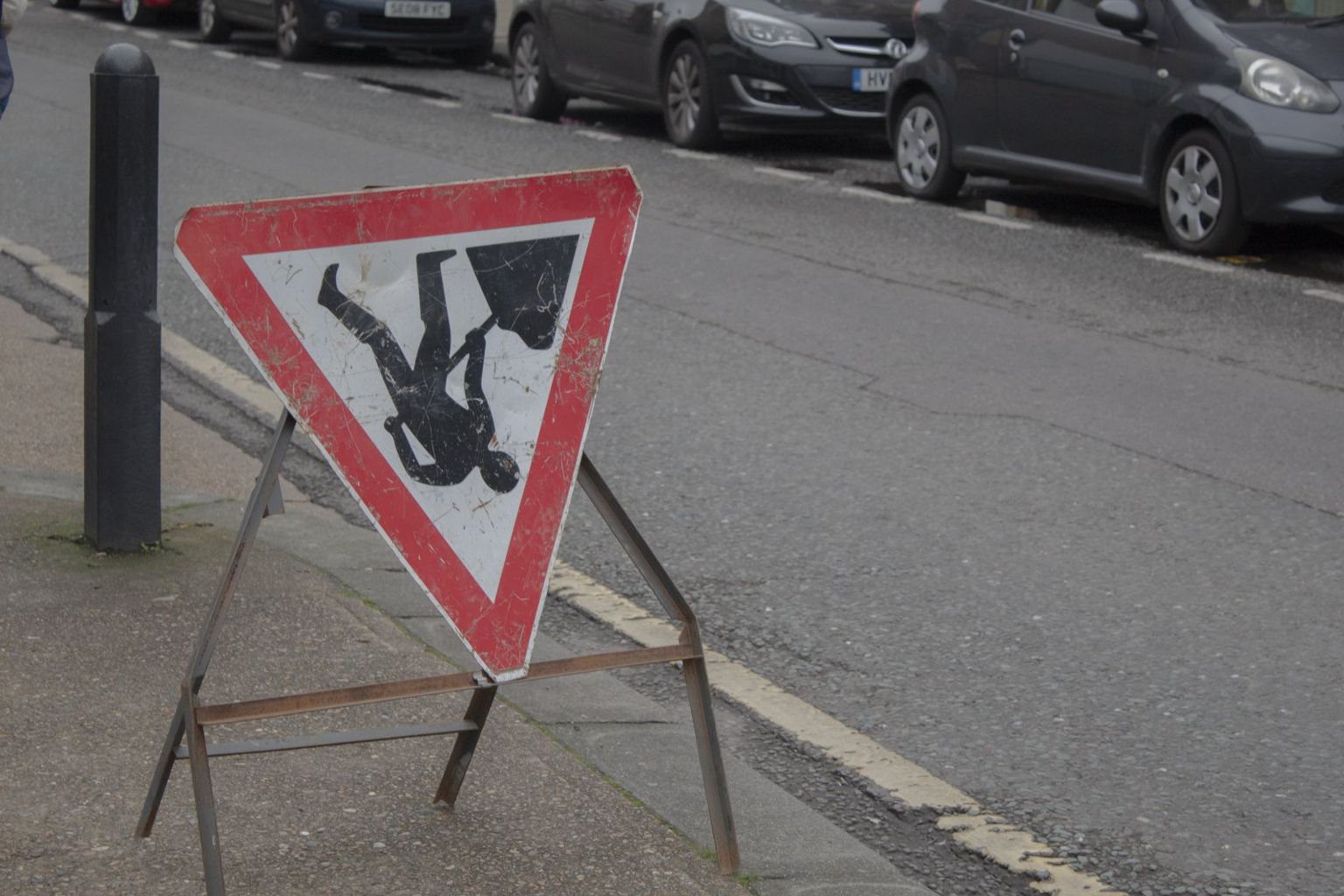
Road sign

Remote learning is a particularly odd experience, especially for more practical learners, which creative students generally are.

Being able to be creative in a pandemic can be a challenge but also a release at the same time.

Motivation can come and go with the stresses of being a student, being compounded by the constant bombardment of statistics, updates and restrictions of coronavirus.

Being in a new environment when moving into student halls, I found wandering around the area to also be beneficial for getting my bearings but also for my mental health.

Going out and taking photos added a small element of stability and routine in such an unstable and testing time for everyone.

Eleanor Luciani

Chair

Coming into university, I imagined I would be creating projects of the outlandish and wacky, photographing exotic locations to capture the viewer’s eye.

However, as a nation, we have been put on hold.

And for the most of us, we are stuck at home.

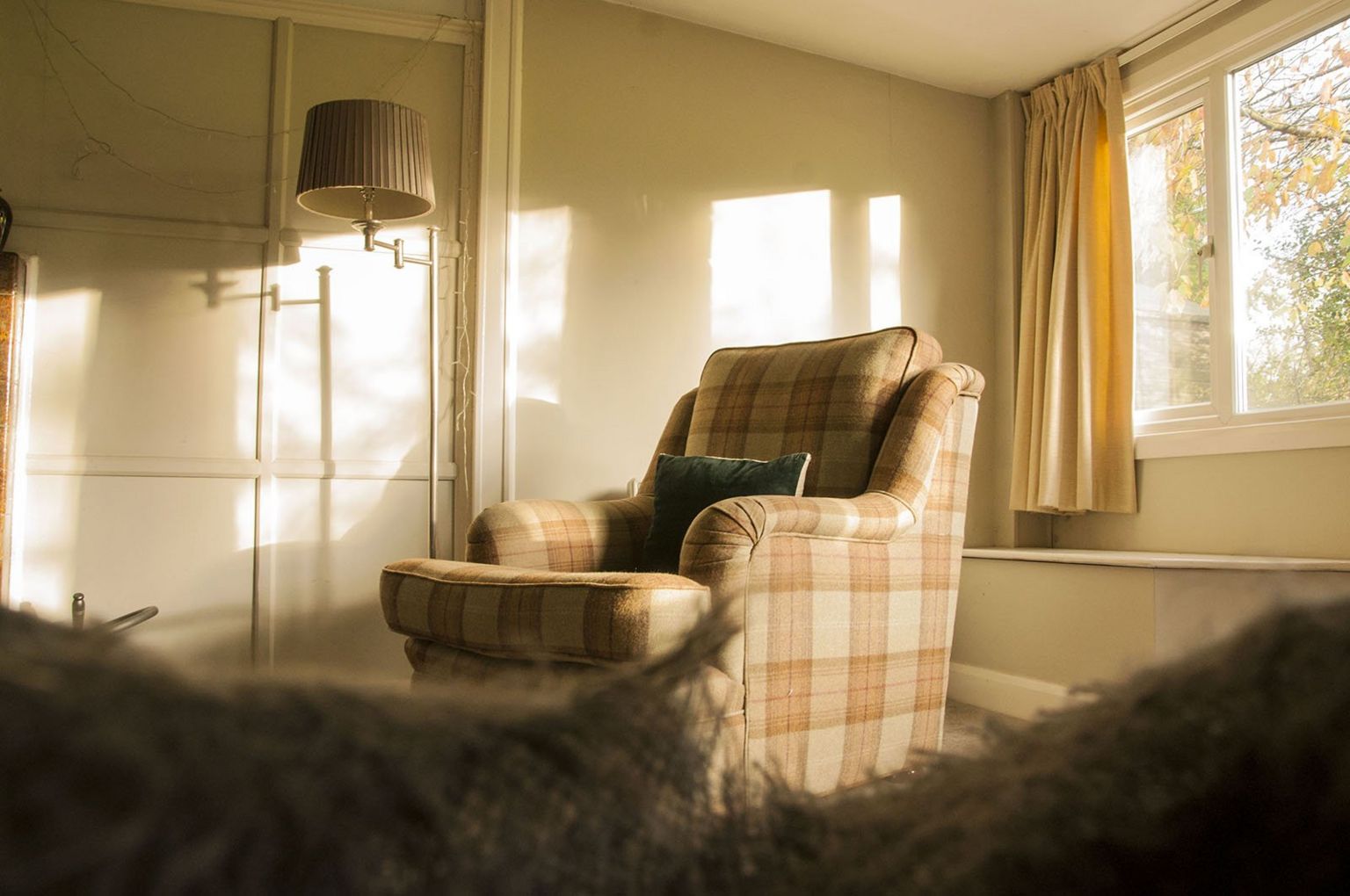
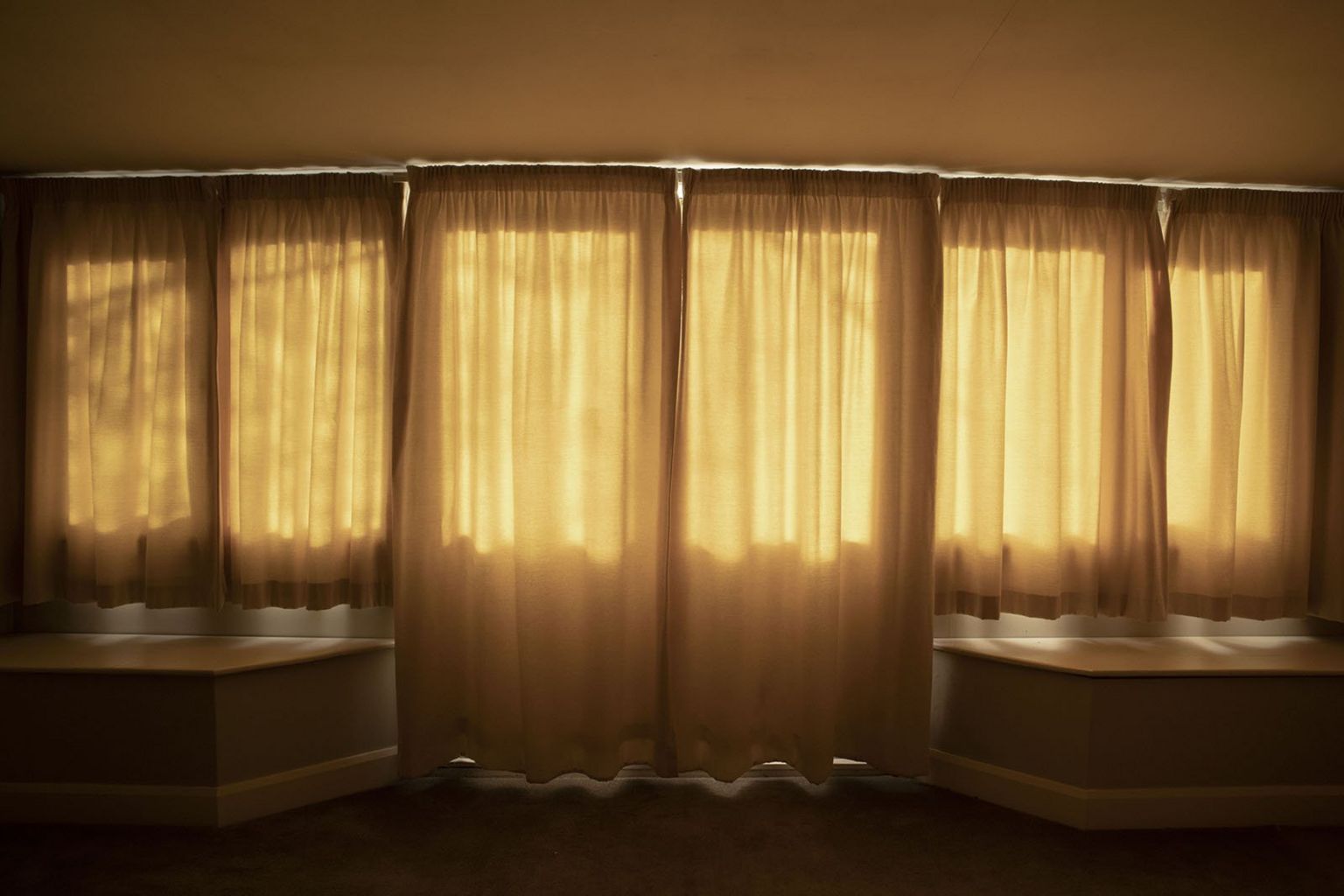
Creatively, I thought basing my first project on my home was going to be rather bleak.

But having this time to really study the space in which I live in has been so fulfilling.

Windows

You think you know your home like the back of your hand.

And there’s nothing left to be seen that you haven’t already.

But there is beauty in these places, a beauty that is overlooked each day.

Karl Fletcher

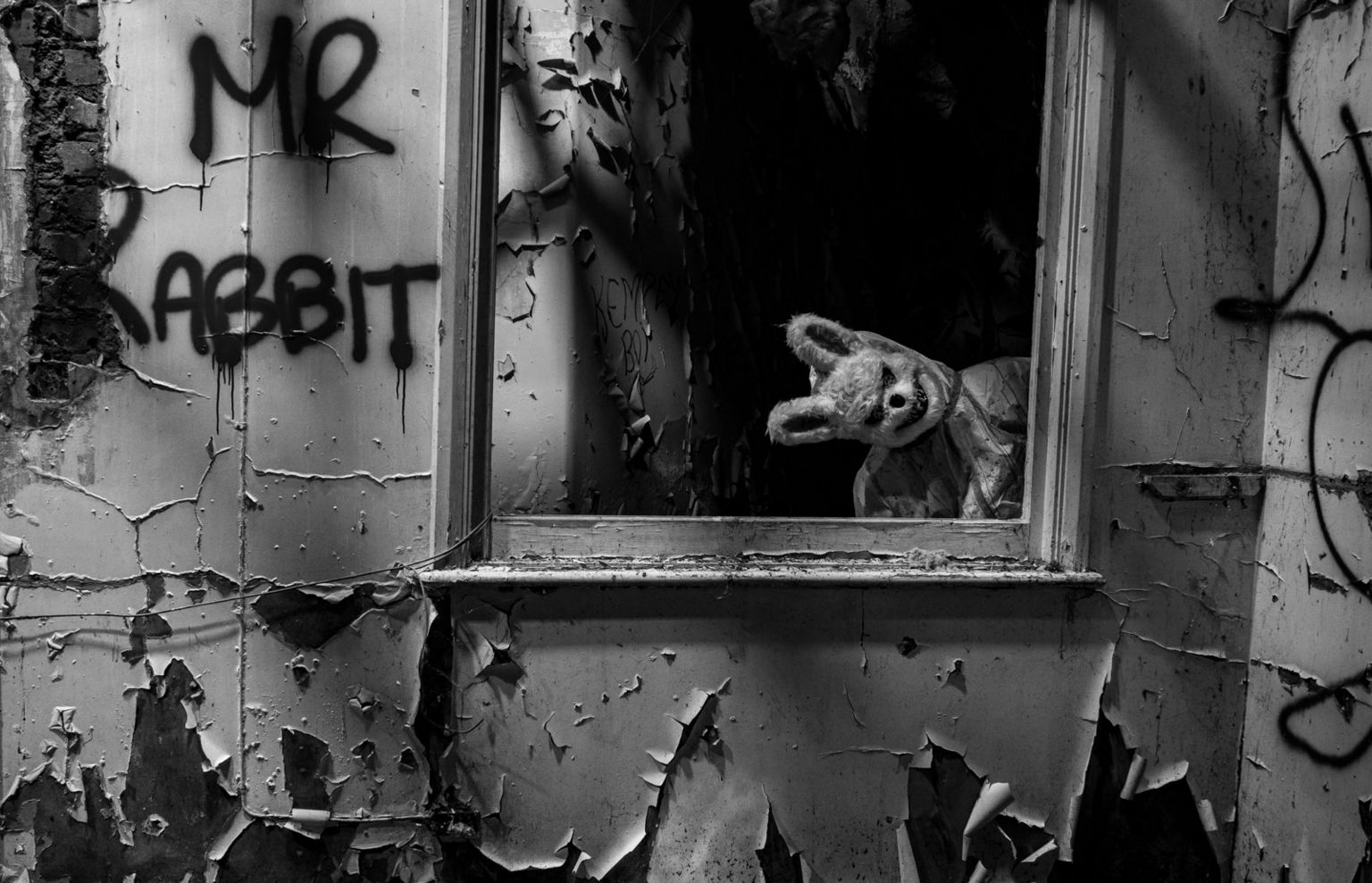
Mr Rabbit

Mr Rabbit is a product of lockdown.

He is anxiety.

He is the unknown path ahead.

He is the uncertainty of the future, the nagging doubt, our inner demon.

He is born from the observations of anxiety and wanting to give a feeling of the unknown fear a face.

Holly Adams

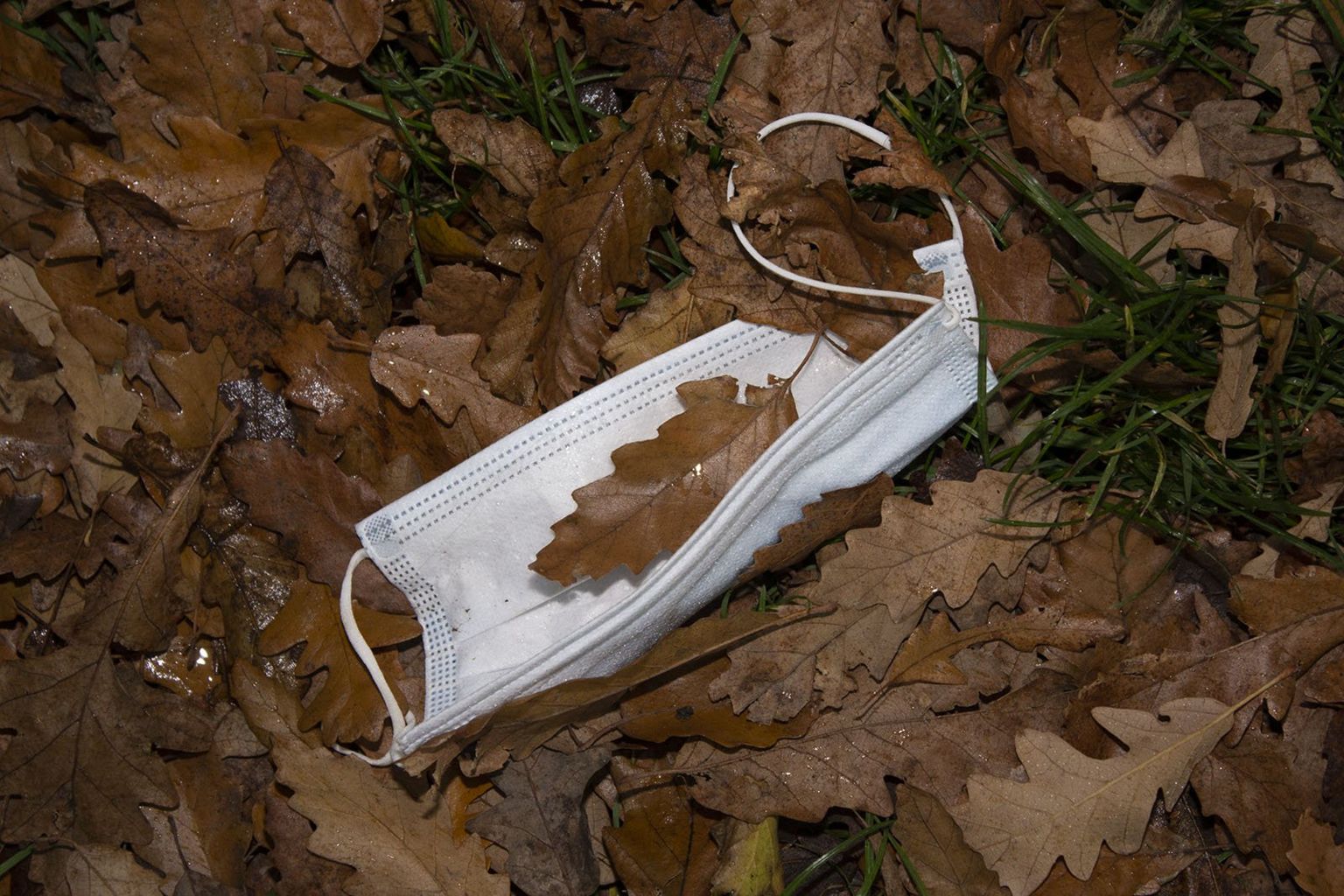
Mask

Leaving sixth-form abruptly in March was a big shock.

However, university helped me to feel creative and engaged in work.

Learning throughout the pandemic has been a challenge.

But it has helped to change my outlook and has given me lots of inspiration for my work.

I did not think for my first university project I would be shooting the effects of the pandemic.

Faye Littlewood-Tribe

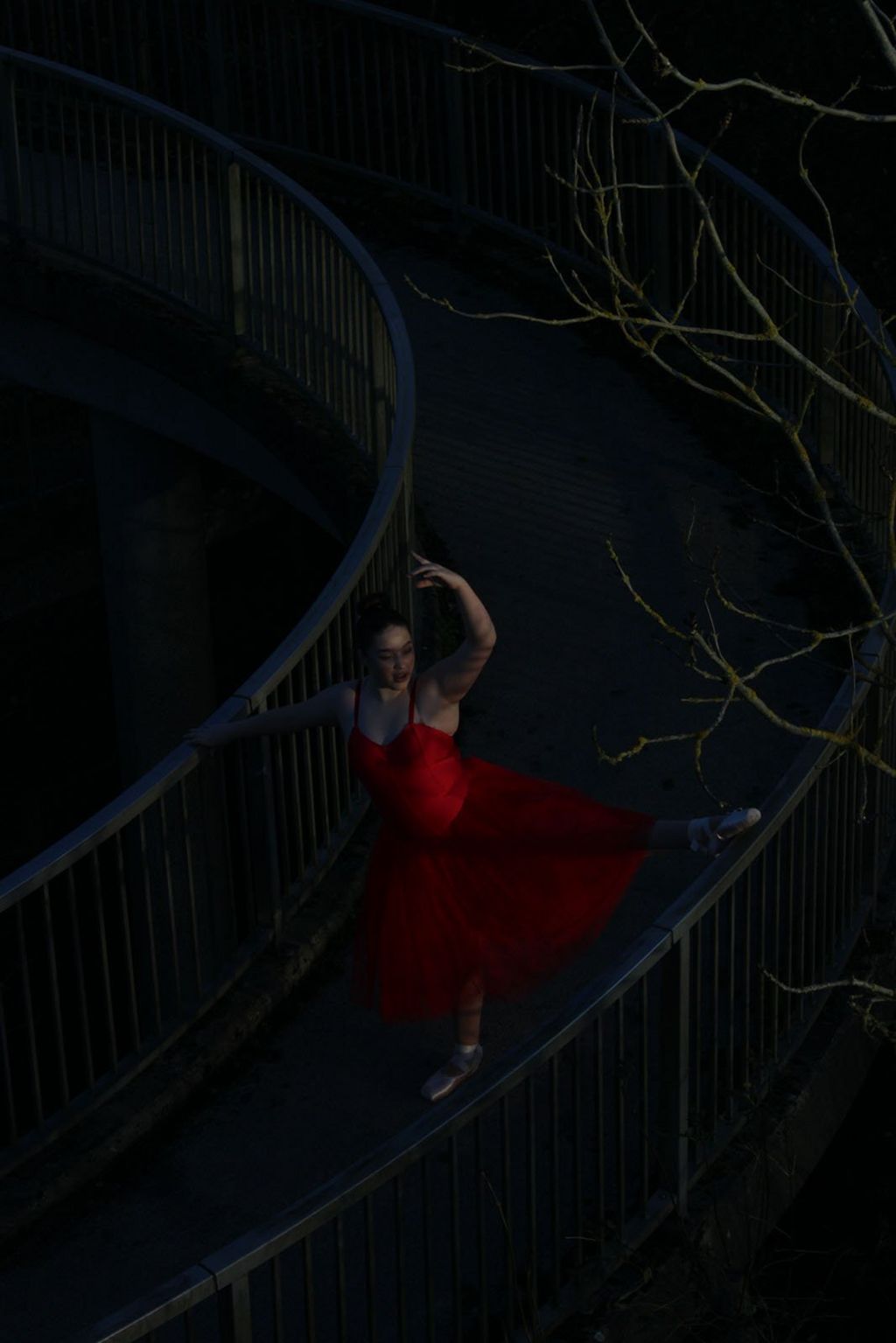
Woman leaping

When starting my first university assignment. I was full of ideas and excitement.

However, with the current climate of the pandemic and restrictions getting tougher, I began to struggle with motivation to explore for new locations and to shoot.

During this time, my inspiration and ideas for my project began to change.

And I was seeking new ways to carry on whilst keeping to the government guidelines.

I feel that throughout this project, I have portrayed how dark the world currently is.

But photography is an amazing way to express the world’s true beauty and tranquillity.

Olesia Kolisnyk

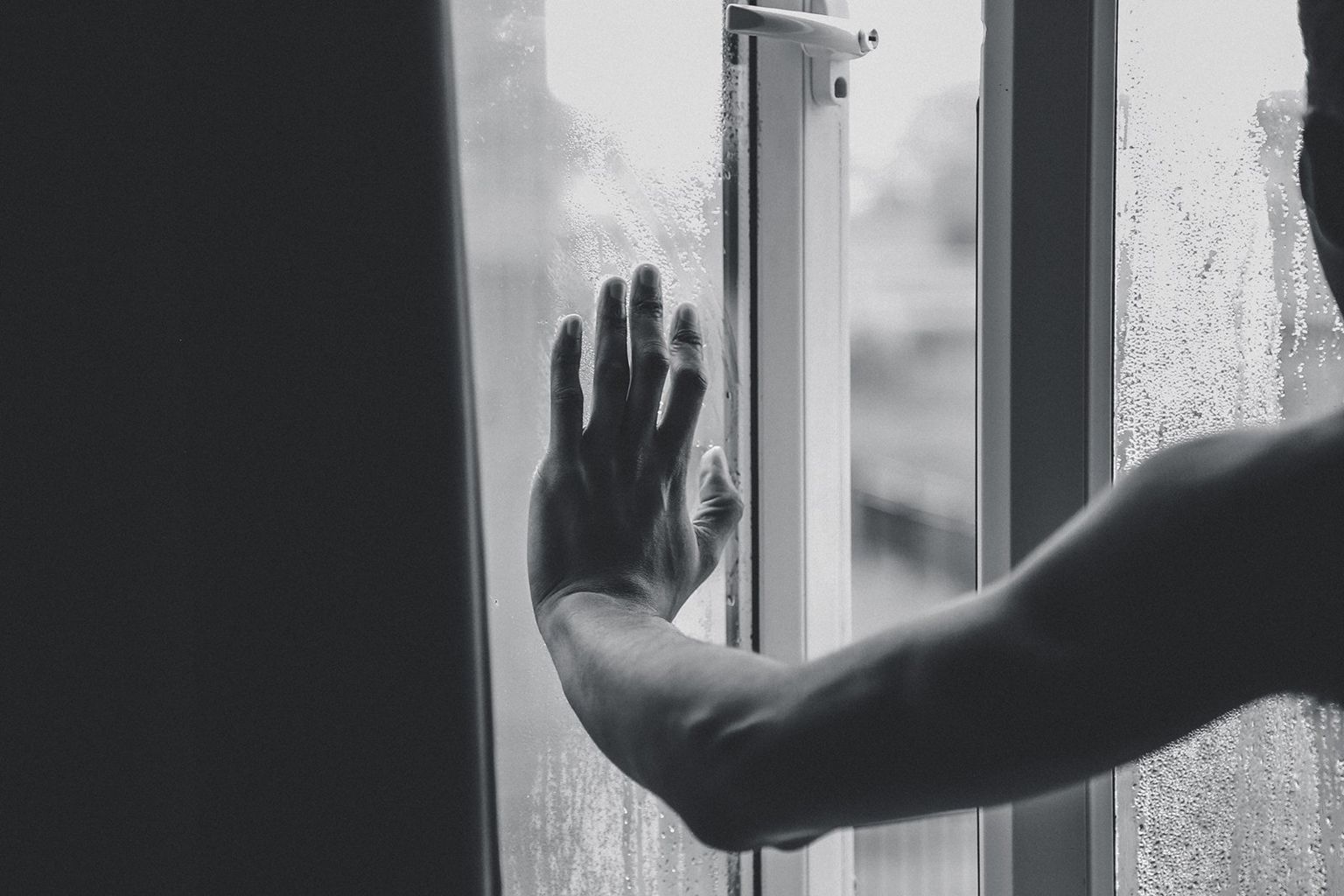
Hand on a window

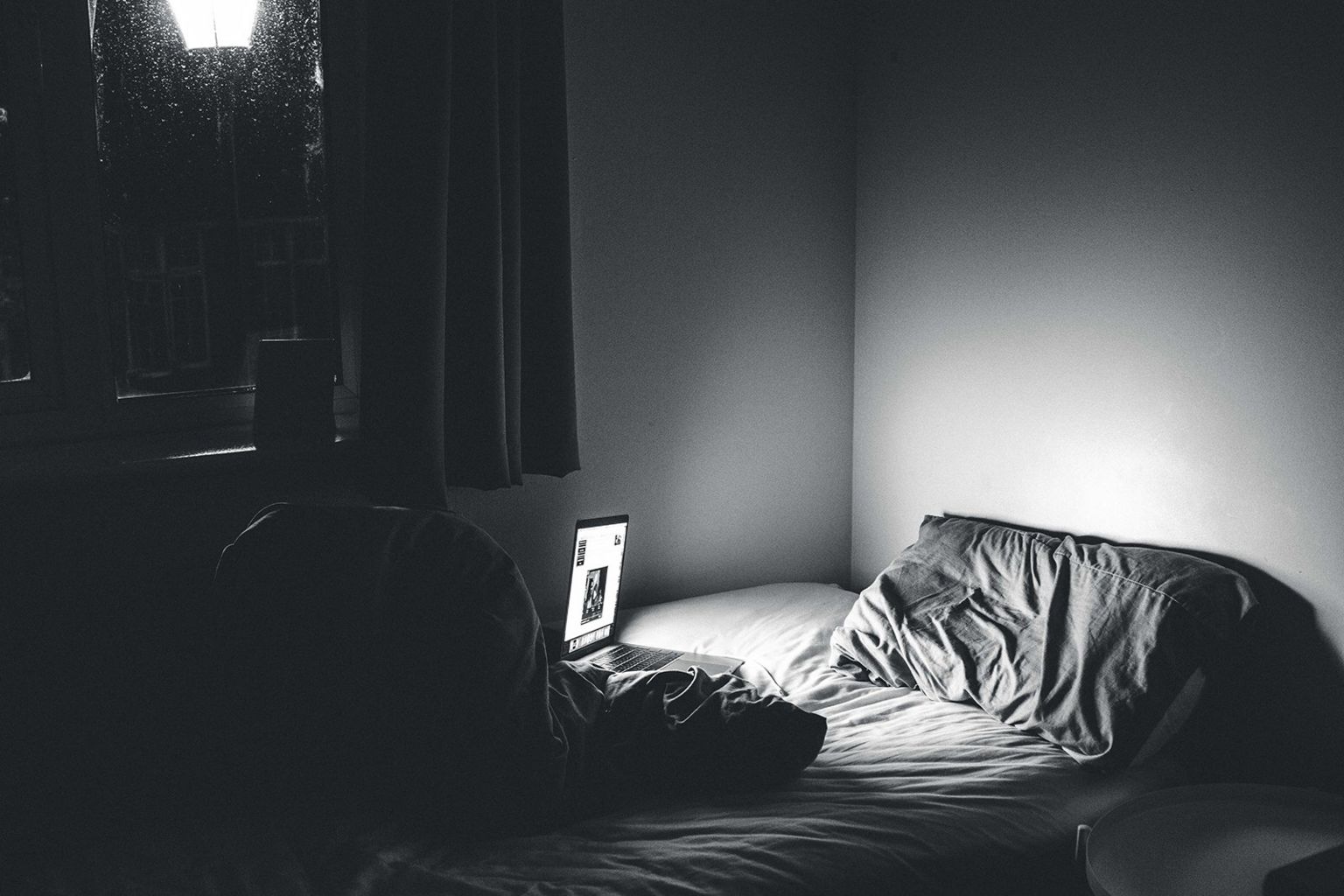
My first university project happened during isolation.

I wanted to show my feelings, surroundings, and everything I was going through during that time.

It was quite hard but also allowed me to grow creatively and to look for new meanings in my day-to-day life.

Bed with laptop

Jake Knights

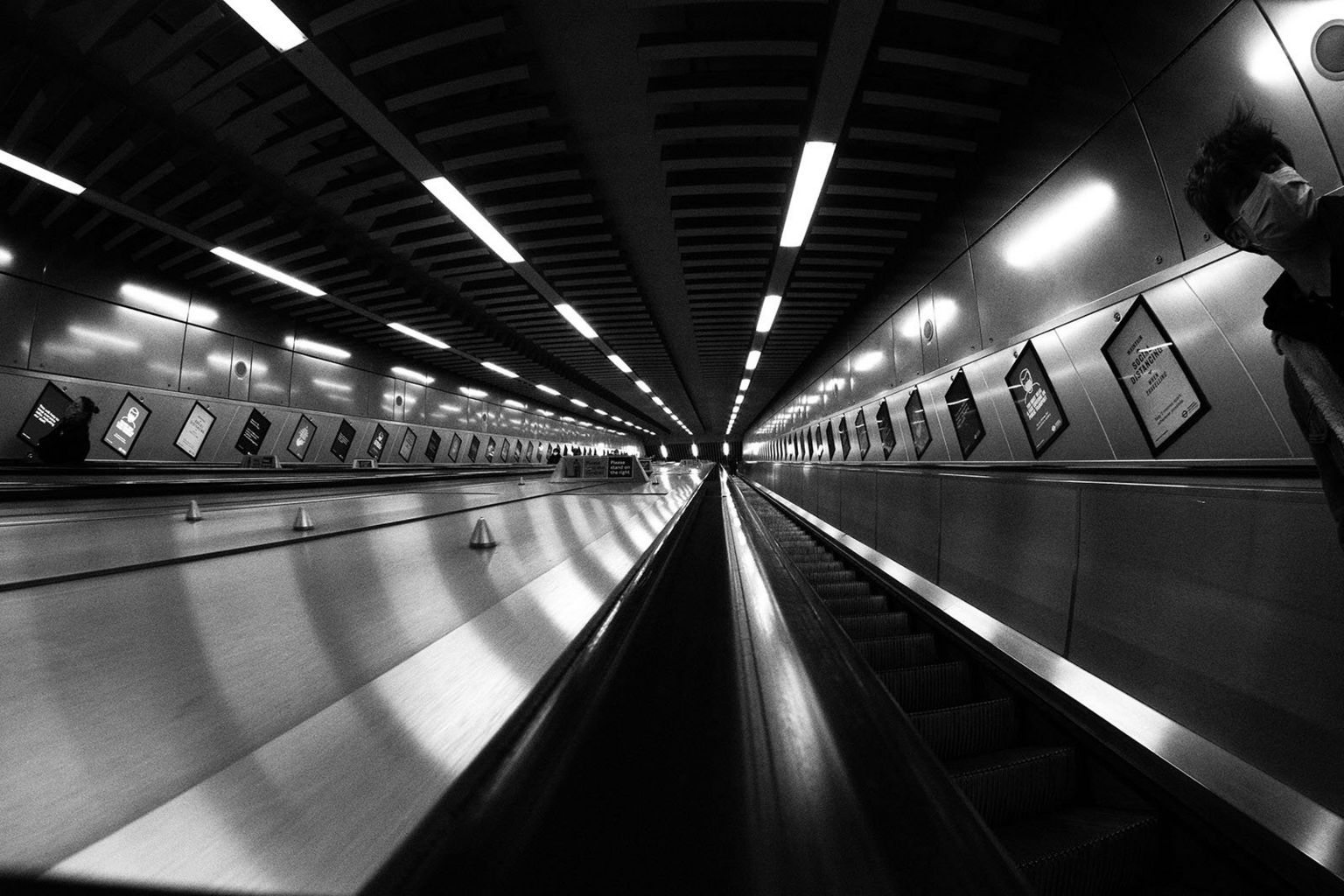
Underground

Starting my first year of university during the Covid-19 pandemic has proven to be challenging in a lot of ways.

However, rather than seeing it within a completely negative light, I have tried to find positives within it.

I feel that it has pushed me as a creative, presenting itself as a blessing in some ways, making me challenge myself and explore avenues for my work that without this pandemic, I may have never considered.

This project is about the experience of life during the pandemic that makes you appreciate all the little things we had.

Mask

Fuente de la Información: https://www.bbc.com/news/in-pictures-55995748


Comparte este contenido:

Six South Sudanese Refugee Children Killed by Suspected Explosive Device in Uganda

Six South Sudanese Refugee Children Killed by Suspected Explosive Device in Uganda

JUBA, SOUTH SUDAN – Police in the northwestern Ugandan district of Adjumani are investigating the deaths of six children, killed by a metal device that exploded in a refugee settlement where many South Sudanese have sheltered due to fighting in their own country.

Josephine Angucia, a police spokesperson for Uganda’s West Nile region, said preliminary reports indicate about 10 children from the camp were playing in the bush Tuesday when they found an explosive device and tried to open it with a knife.

“These children hailing from Maaji Two refugee settlement went out on a playing spree. In the process they came across a metallic object so they picked [up] this item, then decided to cut it using a panga [knife]. That was when the object exploded killing three instantly,” Angucia told VOA’s South Sudan in Focus.

She said three other children later died from their injuries at a local hospital. The deceased children ranged in age from nine to 14.

Angucia said a team of police officers who investigated the scene surmised the object was unexploded ordnance that was discarded during past fighting between the Ugandan government and the Lord’s Resistance Army (LRA) or other rebels.

“This could have been an old grenade or bomb which was left behind by the former rebels who invaded the areas. These are rebels who were under LRA, commanded by Joseph Kony and those of the UNLF (Uganda National Liberation Front), who were harboring in the areas from the 1980s to early 1990s,” Angucia told VOA.

Police discovered a panga knife and other metallic remnants at the scene.

Angucia urged people sheltering in the Ugandan camps to report any suspicious looking objects to the nearest authorities.

Authorities are trying to comfort families residing in the camp following the tragedy.

“Police have teamed up with other stakeholders to try to calm down the communities, try to sensitize them more about such and advising the children not to go and pick [up] metallic items or these old suspicious-looking metals in the bushes,” said Angucia.

Fuente de la Información: https://www.voanews.com/africa/south-sudan-focus/6-south-sudanese-refugee-children-killed-suspected-explosive-device-uganda

Comparte este contenido:
Page 814 of 6129
1 812 813 814 815 816 6.129