Page 385 of 400
1 383 384 385 386 387 400

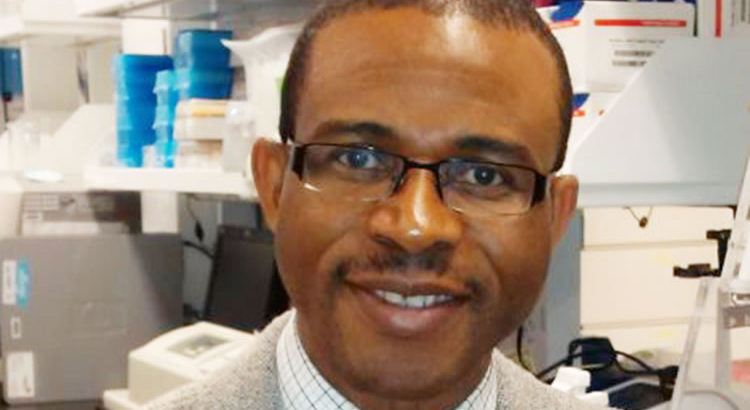
Scientist Rejects FDA’s Offer of Royalty Payment for Invention and Demands Full Rights

América del Norte /EEUU/Abril 2016/Autor: Editor / Fuente: frontpageafricaonline.com

Resumen: Apenas una semana después de la investigación de autoridades de la Administración de Alimentos y Medicamentos de Estados Unidos (FDA), del Congreso estadounidense, para supuestamente eliminar el nombre del Dr. Chris Dougbeh Nyan de su invención y su publicación, en retribución, la FDA ha ofrecido el pago de regalías al Dr. Nyan, pero el Dr. Nyan ha rechazado la oferta de pago de derechos de la FDA por invención y reclaman sus derechos completos.

Barely one week into the US Congressional investigation of authorities at the US Food and Drug Administration (FDA) for allegedly removing the name of Dr. Dougbeh Chris Nyan from his invention and publication in retaliation, the FDA has offered Dr. Nyan royalty payment, but rejected by Dr. Nyan.

In a recent email communication dated April 4, 2016 from Alice Welch, the FDA’s Director of Technology Transfer, the FDA requested Dr. Nyan to «provide the following information: full name, including middle name, social security number, home mailing address and telephone number, and banking information so that FDA can make the royalty payment to you».

The payment is in relation to what FDA refers to as «FDA technology #E-135-2014». The invention by Dr. Nyan, a former FDA ORISE Fellow, is a point-of-care multiplex diagnostic test for detection of viruses. Phone calls to Alice Welch for comments regarding the royalty offer to Dr. Nyan were not returned, while FDA authorities contacted also declined to comment.

In a sharp response, Dr. Nyan has questioned the FDA’s sudden royalty offer without prior discussions and also questioned how his invention became «FDA technology #E-135-2014.»

Asked why he refused the FDA’s offer of royalty for his invention, Dr. Nyan said he considers “the FDA’s offer of so-called royalty as an attempt to bribe my conscious and legitimize their violation of my intellectual property rights.»

Dr. Nyan further said that «FDA authorities have misused their power and wanted to illegally take my invention by removing my name from patent document we uncovered.» Dr. Nyan is demanding the «full restoration of his rights to the invention and the corrective removal of names that do not even belong on the invention patent.»

Dr. Nyan named Mr. Kevin Swinson, his research associate, as «the only scientist deserving of credit as co-inventor.» Kevin Swinson, an African-American, has been Dr. Nyan’s long time research associate when the invention was made. He, Mr. Swinson never worked at the FDA.

In an article published by FrontPageAfrica in January 2015, Dr. Nyan sounded an alarm stating that, «in a scientific environment where minorities and people of African descent are disadvantaged», Dr. Nyan expressed the hope that his «intellectual property rights will be fully protected and that the product of his invention will serve the poor and needed populations in society.»

Dr. Nyan is a US citizen of African descent from Liberia, one of three West African countries severely affected by the recent Ebola epidemic. His name was allegedly removed from a patent document and scientific publication by FDA management authorities in «retaliation» for his testimony to the US Congress on the Ebola crisis.

The FDA’s offer of royalty payment to Dr. Nyan comes after US Congressman Lamar Smith’s (R-TX) March 17, 2016 inquiry letter to FDA Commissioner, Dr. Robert Califf and after the story was first published by the Washington Post. Congressman Smith’s letter questions «whether it was legally sound for FDA management officials to exert rights to the Fellow’s invention.»

And, legal experts closely following the case have opined that the FDA, a federal agency, could be in serious violation of Federal Statues that protect scientists on federal academic Fellowships and their inventions.

Dr. Nyan was awarded an ORISE Federal Fellowship in March 2012 for his academic excellence and scientific achievements to work at the FDA on an invention he made prior to receiving the ORISE Fellowship Award.

It can be recalled that Dr. Nyan testified before the US Congress on September 17, 2014 on the Ebola crisis in West Africa in his capacity as Director of Liberia Emergency Response Task Force on the Ebola Crisis.

The Hearing was chaired by Congressman Christopher Smith (R-NJ). During his Congressional testimony, Dr. Nyan recommended the establishment of Centers for Disease Control and Prevention in Africa and requested for increased US support for the medical systems of the Ebola-affected countries of Liberia, Guinea, Sierra Leone, and Nigeria. Dr. Nyan testified alongside Dr. Kent Brantly and Dr. Anthony Fauci of the US National Institutes of Health.

Shortly after his testimony Dr. Nyan was placed under investigation by Dr. Deborah Taylor and Dr. Sanjai Kumar, two scientists in senior management position at the FDA’s Division of Emerging and Transfusion Transmitted Diseases (DETTD) where Dr. Nyan worked on his invention. Dr. Nyan was subsequently terminated from his research fellowship position in December 2014 by Dr. Deborah Taylor.

Dr. Nyan’s case against the FDA has generated international concern. Currently on a US-Liberia congressional exchange program, two members of the Liberian Legislature, Senator Conmany B. Wesseh of River Gee County and Representative Ben A. Fofana of Margibi County met with Staff of Congressman Lamar Smith to register concerns about the case and expression appreciation for the steps taken by the US Congressional Oversight Committee on Science, Space and Technology which Congressman Lamar Smith chairs.

The Liberian Legislators were accompanied by a member of the National Democratic Institute (NDI), a US-based rights and democratic advocacy group. Interest in Dr. Nyan’s case against the FDA has also been increasing in the immigrant and African-American communities, particularly where the contributions of immigrants to the American society are often unrecognized, while immigration has been a hot campaign topic during this US primary electoral politics.

Fuente de la noticia: http://frontpageafricaonline.com/index.php/diaspora/474-scientist-rejects-fda-s-offer-of-royalty-payment-for-invention-and-demands-full-rights

Fuente de la imagen: http://frontpageafricaonline.com/images/health/dr-dc-nyan.jpg

Comparte este contenido:

The Washington Post: Niños de escuela primaria en EEUU visitan aulas cubanas

Terc3raInformación/9 de abril de 2016/Internacional | Donna St. George-Fotos: Michael Robinson Chavez, The Washngton Post / Resumen Latinoamericano / Cubadebate

Después de esperar –y planificar– durante semanas para el gran viaje, empacaron sus uniformes escolares y se dirigieron a La Habana el pasado viernes: 26 niños, de entre 5 y 13 años de una pequeña escuela privada de inmersión en español en el condado de Prince George. Ellos esperan tomar clases junto a estudiantes cubanos, hacerse amigos de ellos, aprender mezclándose con ellos –con la esperanza de experimentar Cuba de una manera que pocos estadounidenses han podido hacer en décadas.

Esther VanDeCruze Donawa, directora y fundadora de la escuela, dice que los funcionarios cubanos le dijeron que el viaje, con el tiempo dedicado a las clases, sería la primera vez para una escuela primaria de Estados Unidos.

“¡Un día seremos famosos!”, dijo Zora Chatman, de 7 años.

Los estudiantes viajaron a Cuba poco después de la histórica visita del presidente Obama a la nación isleña justo al sur de la Florida, primera vez que un presidente norteamericano en el cargo ha viajado allí en más de 80 años. La curiosidad de los norteamericanos por Cuba está surgiendo a medida que el país se vuelve cada vez más accesible a ciudadanos de Estados Unidos.

“Es muy importante que vayamos justo después de él, aunque me gustaría que hubiéramos ido al mismo tiempo”, dijo Danielle Blanco, de 11 años.

El viaje de una semana de duración de los estudiantes incluyó a padres, profesores y algunos hermanos –56 personas en total– y se espera que recorran tres de las 15 provincias de Cuba. El domingo, los niños jugaron béisbol en Matanzas con estudiantes cubanos, y antes del partido se escucharon los himnos nacionales de ambos países. Los niños de Maryland repartieron tarjetas de béisbol y gorras donadas por los Nacionales de Washington.

Los niños tienen programado el lunes para dedicar su período más largo en un aula en Cárdenas, en lo que las autoridades llaman la escuela Elián González –llamada así por el niño que una vez fue el centro de una batalla de custodia entre familiares cubanos y norteamericanos. Ellos planean usar el español que han aprendido en Maryland.

“Queremos que sean parte del aula, una verdadera inmersión”, dijo Donawa.

Los estudiantes de la escuela de Fort Washington han ido anteriormente a República Dominicana, México y Costa Rica, asistiendo a clases mientras visitaban, como una manera de desafiarse a sí mismos con el idioma que están aprendiendo.

La idea de viajar a Cuba comenzó a conformarse más después de que Rosemari Mealy, abuela de un antiguo alumno, invitara a Donawa a participar en un intercambio de pueblo a pueblo el verano pasado, dijo ella. Donawa viajó a Cuba de nuevo en noviembre.

El viaje ha sido una fuente de maravillas para los niños.

Aprendieron acerca de la historia y la cultura de Cuba, provocando fascinación por los autos antiguos, el héroe cubano José Martí y el escritor Ernest Hemingway.

A medida que se acercaba su partida, empacaron ropa para clima cálido, y libros y cámaras favoritas.

“Estoy emocionado por poder conocer a interesantes e inteligentes niños cubanos que son de mi edad”, dijo Kenyatta Holman, de 13 años. Cedar Hudson, de 11, dijo que la investigación que ya había hecho acerca del país podría ser más significativa en persona. “Espero aprender más sobre la historia de Cuba,” dijo.

El gobierno de Obama anunció en marzo nuevas reglas que disminuyen el embargo de Estados Unidos contra Cuba y permiten a más estadounidenses visitar, aunque los viajes puramente para el turismo aún no están permitidas.

La acción de marzo es el último de una serie de cambios desde finales de 2014, cuando Obama y el presidente de Cuba, Raúl Castro anunciaran que los países normalizarían las relaciones.

Funcionarios norteamericanos dijeron que no hacen ningún comentario acerca de los viajes de organizaciones privadas específicas, y no pudimos contactar a autoridades cubanas la semana pasada.

La edad de los estudiantes involucrados distingue la visita, como lo haría un tiempo considerable en las aulas cubanas, dijo Collin Laverty, presidente de Cuba Educational Travel, que ha trabajado con 40 escuelas de Estados Unidos para llevar a adolescentes a Cuba. Las visitas escolares por lo general implican un recorrido y una reunión con estudiantes fuera de las horas de clase, dijo.

“Sería única si pasan un día completo en un aula con los cubanos”, dijo.

El grupo de la escuela de Maryland –cuyo anfitrión es el Instituto Cubano de Amistad con los Pueblos– estaba programado para asistir a un espectáculo de delfines, visitar un proyecto artístico comunitarios y museos de artes de la comunidad, y aprender acerca de historia, cívica y ciencias.

Los niños también planean compartir sus propios talentos en una actuación prevista para su última noche, en La Habana: Ellos han estado ensayando la salsa, el merengue y la bachata, estilos de baile que ya forman parte de su vida escolar.

Jackson Adams, de 13 años, alumno de séptimo grado, dijo que tenía un sentido de responsabilidad hacia otros estudiantes norteamericanos que quisieran seguir al grupo de Maryland. “Tenemos que hacer todo lo posible para asegurarnos de que otras escuelas pueden ir a Cuba también”, dijo.

Algunos de sus compañeros de clase expresaron ideas acerca de cómo pudiera ser las aulas cubanas: grandes, pequeñas, escritorios en una fila, niños con uniformes.

Kisha Hudson, madre de Eden, de 9 años y Kedar recordaron que Cuba la intrigaba cuando estaba en la escuela primaria, y que ella escribió una carta al entonces presidente Fidel Castro. Dijo que su interés en la cercana nación comunista ha cerrado un ciclo con la visita de sus hijos y piensa que el viaje ayudaría a mejorar el español de los estudiantes y ampliaría sus perspectivas.

“Creo que es importante para ellos entender que hay otras formas de vida”, dijo ella, “tengan una perspectiva acerca de otras partes del mundo y de diferentes culturas”.

Jackson Adams, de 13 años, baila con Lindsay Smith, de 12, durante uno de muchos ensayos que los estudiantes han realizado antes de su viaje. Foto: Michael Robinson Chavez / The Washington Post

Kenyatta Holman, de 13 años, izquierda, y Amanda Lewis, de 11, a la derecha, se ponen el vestuario para una rutina de baile que realizan con música árabe. Foto: Michael Robinson Chavez / The Washington Post.

(Tomado de The Washington Post. Traducción de Germán Piniella para Progreso Semanal)

Fuente: http://www.tercerainformacion.es/spip.php?article101536

Comparte este contenido:

EEUU: School Officer Fired After Video Showed Him Body-Slamming a 12-Year-Old Girl

América del Norte/EEUU/Abril 2016/Autor: Lindsey Bever/ Fuente: http://readersupportednews.org

Resumen: Un agente de la policía escolar, quien estaba envuelto en una controversia, a raíz del descubrimiento de un video en el que aparece golpeando a una estudiante de 12 años de edad, cursante de sexto grado, ha sido despedido del Distrito Escolar Independiente de San Antonio.

A Texas school police officer who became enmeshed in controversy after he was captured on video seemingly body-slamming a sixth-grade girl has been fired from the San Antonio Independent School District.

District officials said officer Joshua Kehm was terminated Monday amid an investigation into an incident last month at Rhodes Middle School, in which he appeared to restrain and then throw down 12-year-old Janissa Valdez.

“We understand that situations can sometimes escalate to the point of requiring a physical response; however, in this situation we believe that the extent of the response was absolutely unwarranted,” Superintendent Pedro Martinez said in a statement. “Additionally, the officer’s report was inconsistent with the video and it was also delayed, which is not in accordance with the general operating procedures of the police department.

“We want to be clear that we will not tolerate this behavior.”

Janissa had told ABC affiliate KSAT after the incident that she and another student were meeting after school March 29 to discuss comments the other student had purportedly made about Janissa. The 12-year-old told NBC affiliate WOAI that other kids started to congregate in the hall to see whether the two girls planned to fight.

“I was walking toward her, telling her, ‘Let’s go somewhere else,’ because there was a lot of people,” Janissa told KSAT. “Then that’s when other people came over and the officer thought we were going to fight.”

The school district would not release details about the student seen in the video, but Janissa’s family has said it was Janissa.

The video, which emerged on YouTube last week, seemed to show Kehm struggling to hold the student from behind as her schoolmates called out, “Janissa! Janissa, chill!”

The officer then hurled the girl to the ground — and a loud crack could be heard as her head slammed against the brick pavement.

The crowd gasped and then fell silent.

“Janissa! Janissa, you okay?” one student said. “She landed on her face!”

The officer handcuffed the girl, pulled her to her feet and escorted her from the area as another student reached out and gently touched her shoulder.

District officials learned about the video when it surfaced on social media.

“The video is very disturbing,” district spokeswoman Leslie Price said in a statement to The Post. “We immediately launched a formal investigation, which is being conducted by both district police and administration.”

It has drawn intense criticism.

Judith Browne Dianis, co-director for Advancement Project, a civil rights organization, said last week that it “demonstrates the urgent need to take action to remove police officers from our schools.”

“It is unconscionable for a 12-year-old student involved in a verbal altercation to be brutalized and dehumanized in this manner,” she said in a statement. “Once again, a video captured by a student offers a sobering reminder that we cannot entrust school police officers to intervene in school disciplinary matters that are best suited for trained educators and counselors.”

She also questioned whether such incidents are driven by something more.

“How many students of color must be brutalized by police officers in their schools before we recognize the pattern?” she said in the statement. “We saw this with 17-year-old Brittany Overstreet in Tampa, Fla., who was body-slammed and knocked unconscious by a school resource officer; in Baltimore, Md., where a middle school student required 10 stitches after she was assaulted by a school resource officer; in Columbia, S.C., where a student was thrown across a classroom, handcuffed and arrested for using her phone during class; and now, in San Antonio.

“We cannot wait for another violent video of police brutality in our schools to surface before we take action.”

Still, others have come out in support of Kehm.

After the district announcement about his firing, the group Blue Lives Matter reported that students at the school wore white T-shirts Monday to show their support.

“Officer Kehm was filmed subduing an irate and violent female student by taking her to the ground,” the group wrote on Facebook. “After a brief investigation Officer Kehm was given the opportunity to resign or be fired. He refused to resign so the San Antonio Independent School District terminated him.”

Martinez, the superintendent, told the San Antonio Express-News that the decision to fire Kehm came after district officials decided his use of force was unwarranted. Also, Martinez said, Kehm failed to report it to the district — a requirement when students have been restrained.

“That did not happen,” Martinez told the newspaper. “When the police officer did submit a report, it was not at all consistent with the video.”

Martinez said Kehm’s report suggested the girl had fallen down.

Martinez told the Associated Press that he also blamed school staffers for failing to intervene before the incident. He said an assistant principal has been put on paid leave.

“We recognize the high level of emotion generated by this incident, and we want to ensure the public’s trust in this investigation, that it is being conducted without any perception of bias,” Martinez said in the statement.

“We know that this incident does not define our district police department, which is dedicated to serving and protecting our school community. We all want to make sure this kind of incident does not occur again, and we will seek to identify areas where improvement may be needed.”

Charley Wilkison, executive director for the Combined Law Enforcement Associations of Texas said the group will represent Kehm during an appeal against his termination.

“There’s two sides to every story,” Wilkison told the Associated Press on Monday. “We intend to fully, fully defend this officer and make sure that all of his rights are upheld.”

Fuente de la noticia: http://readersupportednews.org/news-section2/318-66/36273-school-officer-fired-after-video-showed-him-body-slamming-a-12-year-old-girl

Fuente de la imagen: http://readersupportednews.org/images/stories/article_imgs20/020612-janissa-valdez-041216.jpg

Comparte este contenido:

Alaska perderá su mayor campo de hielo en 2200

Alaska perderá su mayor campo de hielo en 2200

Madrid/Abril 2016/ La información.com/ por Europa Express

El enorme campo de hielo que alimenta el glaciar de Mendenhall de Alaska puede desaparecer por 2200 si las predicciones de tendencia al calentamiento son válidas.
Según investigadores de la Universidad de Alaska Fairbanks, la estimación es el producto del primer análisis detallado sobre el futuro del campo de hielo Juneau, la fuente de Mendenhall y unos 140 otros glaciares, dijo Regine Hock, un glaciólogo del Instituto Geofísico de esta universidad.
El terminal del glaciar de Mendenhall, a 16 kilómetros al noroeste del centro de Juneau, es visible desde un centro de Servicio Forestal de EE.UU. visitado por 450.000 personas en 2015. Si el calentamiento continúa, el terminal se retirará hasta el valle y no se podrá ver desde el mirador actual. «A finales de este siglo, lo más probable es que la gente lo más probable es que la gente no sea capaz de ver el glaciar de Mendenhall desde el centro de visitantes», dijo Hock.
Hock es uno de los autores en un artículo publicado en la revista Journal of Glaciology que describe sus hallazgos utilizando las observaciones pasadas y presentes y modelos matemáticos para predecir cómo el quinto mayor campo de hielo de América del Norte va a reaccionar bajo diferentes escenarios climáticos.
El campo de hielo cubre 2.500 kilómetros de terreno montañoso escarpado. Los datos climáticos de la zona han sido escasos. Los investigadores fueron capaces de corregir el conjunto de datos del Weather Research and Forecasting Model y los combinaron con el Parallel Ice Sheet Model. Este modelo, desarrollado por investigadores de la Universidad de Alaska Fairbanks, es ampliamente utilizado por los investigadores de los glaciares en todo el mundo.
El equipo predijo que más del 60 por ciento del hielo se perderá para 2099 si continúan las tendencias de calentamiento, dijo Hock. Todo el campo de hielo podría desaparecer para 2.200.
Sin embargo, si las temperaturas siguen siendo las mismas que hoy en día, el campo de hielo Juneau se retirará sólo un poco y luego tendrá a estabilizarse. Los investigadores encontraron interesante que los resultados del modelo muestran también que el campo de hielo podría volver a crecer hasta casi su forma actual si la zona estuviera libre de hielo en este momento. Esto se debe a que el clima frío de las montañas de gran altitud desencadenaría el proceso de formación de glaciares de nuevo, dijo Hock. Esto es muy diferente de otros glaciares y campos de hielo en Alaska que se encuentran en altitudes más bajas.

fuente:

http://noticias.lainformacion.com/medio-ambiente/naturaleza/Alaska-perdera-mayor-campo-hielo_0_907410673.html

foto:

http://imagenes.lainformacion.com/2016/04/13/medio-ambiente/naturaleza/Alaska-perdera-mayor-campo-hielo_907420975_102749408_667x375.jpg


Comparte este contenido:

EE.UU: Niños hispanos de bajos recursos en desventaja educativa

Texas/ 14 de abril de 2016/El Hispano

Muchas organizaciones sin fines de lucro vienen realizando estudios científicos con el fin de determinar cuáles son las cusas que ponen en desventaja a niños hispanos de bajos recursos y una de esas entidades es “Teach For America” que ha venido trabajando directamente con estudiantes en localidades en necesidad.

Es por eso es que Teach For America, organización nacional sin fines de lucro viene laborando conjuntamente con miembros de las comunidades para expandir oportunidades educativas de los niños que enfrentan desafíos en la pobreza, trabaja para asegurar que los niños hispanos reciban una educación temprana desde pequeños.

De tal suerte que para la edad de dos años, las habilidades lingüísticas de los niños de origen mexicano en los Estados Unidos están tres a cuatro meses por detrás de sus compañeros anglosajones, especialmente aquellos que viven en comunidades de bajos ingresos, según documenta un reciente estudio publicado en la Revista Hispana de Ciencias de la Conducta.

La organización, que está celebrando 25 años de impacto apoyando a más de 10 millones de niños en comunidades alrededor del país, alienta a los recién graduados y jóvenes profesionales latinos a considerar la enseñanza porque ellos pueden tener un impacto significativo en el éxito de por vida de los estudiantes y sus comunidades.

La maestra AnnaMaria Smeraldi al servicio de Teach For America, especializada en educación preescolar ha venido hablando sobre la importancia de la educación temprana, los esfuerzos que realiza Teach For America para traer más líderes latinos a las aulas escolares y la necesidad de más maestros hispanos que puedan server como modelos a seguir para sus jóvenes estudiantes.

Una de las estrategias es el método que ellos están utilizando para que “Los padres pueden continuar ayudando a sus hijos a aprender en el hogar” Hay muchas cosas sencillas que las familias pueden hacer en casa para ayudar a los niños a desarrollar habilidades lingüísticas necesarias para tener éxito académico.

La maestra de preescolar Smeraldi, que trabaja en el Concerned Parents of Jamaica Early Learning Center, ofreció consejos sobre las cosas que las familias hispanas puedes hacer con sus hijos pequeños para ayudarlos a desarrollar destrezas de lectura crítica y vocabulario.

«Mis alumnos, aunque jóvenes, tienen mucho que decir», explicó Smeraldi, oriunda de Queens, Nueva York. «Cuando los padres y/o compañeros hablan con ellos fomentan el diálogo. Más desarrollo del lenguaje oral se traduce en otras habilidades como la escritura. Por ejemplo, en un lunes por la mañana, es posible que tenga un estudiante que me dice que su mamá lo llevó al museo durante el fin de semana. Ellos están más que dispuestos a hacer un dibujo de lo que hicieron y vieron, y deseosos de responder a cualquier pregunta que yo pueda tener acerca de su experiencia».

Fuente: http://elhispanonews.com/news/2016/apr/14/ninos-hispanos-de-bajos-recursos-en-desventaja-edu/

Comparte este contenido:

La Importancia de las Matemáticas para la Vida, Banco Interamericano de Desarrollo «BID»

Formación IB/13 de abril de 2016/Por: Redesib

La educación a través del juego, experimentos prácticos y pensamiento crítico, son nuevos métodos para enseñar matemáticas y ciencias, que elevan el rendimiento y estimulan el aprendizaje en docentes y estudiantes. Así lo indican estudios y seguimientos de proyectos llevados a cabo por el Banco Interamericano de Desarrollo «BID».


Comparte este contenido:

EE.UU: Monsanto’s Evil Twin: Disturbing Facts About the Fertilizer Industry

12 DE ABRIL DE 2016 / TRUTH-OUT.ORG/Por: Por Martha Rosenberg y Ronnie Cummins , Organic Consumers Association | Análisis de noticias

Resumen: ¿Qué sabe usted acerca de la industria de los fertilizantes químicos en todo el mundo? Si usted es como la mayoría de la gente, no mucho. Hay un montón de cobertura de la prensa y de sensibilización de los consumidores cuando se trata de alimentos y cultivos genéticamente modificados, y los riesgos ambientales de los plaguicidas y medicamentos para animales, pero de la industria de los fertilizantes, no tanto, a pesar de ser el mayor segmento de la agroindustria corporativa con al menos 175 $ millones de dólares en ventas anuales, y la mayor fuerza destructiva de contaminar el medio ambiente, lo que altera el clima y la salud pública. Aprender los hechos sobre los fertilizantes químicos y las empresas que los producen le dará una razón más para boicotear los alimentos químicos, granjas industriales y elegir los productos orgánicos de origen animal. Según las normas orgánicas establecidas por el Departamento de Agricultura de Estados Unidos (USDA) se prohíben el uso de fertilizantes químicos, pesticidas, transgénicos, o medicamentos para animales. En esta noticia se plantean cuestiones ambientales y regulatorios inquietantes sobre la transnacional de Monsanto: 1.) es la industria más grande de fertilizantes químicos y agroalimentaria mundial; 2.) Fracking ha alcanzado para los EE.UU. un enorme Productor nitrógeno de fertilizantes; 3.) Koch Industries es un líder de Fertilizantes; 4.) de fertilizantes químicos «Aplicación» es a menudo el autocontrol de la Agencia de Protección Ambiental (EPA); 5.) El nitrógeno de fertilizantes contamina el medio ambiente y el agua potable; 6.) Fertilizantes nitrogenados trabajadores daño y comunidades; 7.) Los fertilizantes químicos destruir la capacidad natural de los suelos para secuestrar el exceso de CO2 atmosférico; 8.) Las emisiones de óxido nitroso de los fertilizantes químicos son una gran contaminante y gases de efecto invernadero persistente. La situación es grave cuando entendemos que dos tercios del suministro de agua potable de Estados Unidos están contaminados con altos niveles de nitratos o nitritos cancerígenos, casi todos de uso excesivo de fertilizantes nitrogenados sintéticos. Algunos pozos públicos tienen nitrógeno a un nivel tan alto que es peligroso e incluso mortal para los niños beban agua del grifo. El fertilizante de nitrógeno es también el mayor contribuyente a las famosas «zonas muertas» en el Golfo de México, la Bahía de Chesapeake, las costas de California y Oregon, y otros 400 lugares en todo el mundo. Dado que se utilizó muy poco de fertilizante de nitrógeno sintético antes de 1950, todos los daños que vemos se produjo hoy en día en los últimos 60 años. Nitratos excesivas de agua, común en las zonas productoras de maíz de los EE.UU. potable, se sabe que causan mortal «bebé azul «síndrome en los bebés, y se han relacionado con el cáncer en adultos. En combinación con los residuos de herbicidas como la atrazina de Syngenta, nitratos se vuelven aún más tóxico , que puede causar daño cerebral y trastornos hormonales.

Artículo original:

There’s plenty of press coverage and consumer awareness when it comes to genetically engineered food and crops, and the environmental hazards of pesticides and animal drugs. But the fertilizer industry? Not so much — even though it’s the largest segment of corporate agribusiness, and a major destructive force in disrupting the climate and damaging public health.

What do you know about the worldwide chemical fertilizer industry? If you’re like most people, not much.

There’s plenty of press coverage and consumer awareness when it comes to genetically engineered food and crops, and the environmental hazards of pesticides and animal drugs. But the fertilizer industry? Not so much — even though it’s the largest segment of corporate agribusiness ($175 billion in annual sales), and a major destructive force in polluting the environment, disrupting the climate, and damaging public health.

Learning the facts about chemical fertilizers and the companies who produce them will give you yet another reason to boycott chemical/GMO/factory farmed foods and choose organic and grassfed animal products instead. Remember, organic standards established by the US Department of Agriculture (USDA) prohibit the use of chemical fertilizers, pesticides, GMOs, or animal drugs.

Here’s a list of underreported facts that raise disturbing environmental and regulatory questions about Monsanto’s Evil Twin — the chemical fertilizer industry. 1.) Chemical Fertilizer Is the Largest Industry in Global Agribusiness According to the ETC group, a watchdog organization that researches the socioeconomic and ecological impacts of industrial agriculture and GMOs, the world’s seven dominant pesticide, GM, and seed companies (including Monsanto, DuPont, Dow, Bayer, and Syngenta) represent a $93 billion market. The global, energy-intensive chemical fertilizer industry is almost twice as large, at $175 billion.

Like most of the other multinational players in Big Food Inc., the fertilizer industry has secretive, vertical or «cartel» like qualities that obscure operations and make regulation difficult. Increasingly, seed and GMO companies, farm equipment producers, pesticide/herbicide makers and crop and soil data producers work in each others’ interest seamlessly and behind the scenes, according to ETC.

As ETC points out: «With combined annual revenue of over $385 billion, these companies call the shots. Who will dominate the industrial food chain? And what does it mean for farmers, food sovereignty and climate chaos?» Industrially mined phosphorus and potash, along with synthetic nitrogen, are major components of the fertilizer industry. Up to 85 percent of the world’s known phosphate rock reserves are located in Morocco. About 70 percent of potash comes from former Soviet states and Canada.    2.) Fracking Has Made the US a Huge Nitrogen Fertilizer Producer In recent years, US production of nitrogen fertilizer has boomed thanks to the falling price of natural gas used in its production. The reason for the cheap gas of course is fracking — the process of extracting gas from rock formations by bombarding them with pressurized water spiked with toxic chemicals. Unfortunately, fracking releases large amounts of climate disrupting methane and toxic chemical laden fracking liquids which can permanently pollute underground aquifers.

That’s bad for the environment — but good for fertilizer companies. Thanks to low natural gas prices, after decades of importing nitrogen fertilizer from the Middle East, the number of US nitrogen fertilizer plants is growing. The three leading domestic producers — Koch Industries, Orascom Construction Industries and CF Industries — are reaping the benefits. Who’s driving demand for all this nitrogen fertilizer? Monsanto.

Between 2005 and 2010, US growers of genetically engineered corn, largely for GMO animal feed and ethanol, increased their nitrogen fertilizer use by one billion pounds. New nitrogen fertilizer plants are being situated close to the corn and soybean growers to feed demand more efficiently. «It is a highly concentrated and oligopolistic-type industry,» says Glen Buckley, a fertilizer industry consultant who spent 30 years working at CF Industries, based in Deerfield, Ill. 3.) Koch Industries Is a Fertilizer Leader In 2010, Koch Industries was named «the world’s third-largest maker and marketer of nitrogen fertilizer,» according to the Wichita Eagle. Koch, which along with Monsanto is one of the most hated corporations in the US, is infamous for its support of extreme right-wing politicians and climate deniers. Koch Industries is part of a large system «of buying, leasing, upgrading and expanding fertilizer manufacturing, trading and distribution facilities worldwide.» It controls over 65 terminals «where it wholesales nitrogen fertilizer to co-ops and grain elevators for sale to farmers, as well as selling to the chemical industry,» reported the Eagle.  Not surprisingly, Koch’s fertilizer unit, called Koch Agronomics, has drawn the ire of environmentalists.  Pollution is «strictly monitored and legally permitted by federal, state and local governments,» Steve Packebush, president of Koch Fertilizer and vice president for nitrogen for Koch Industries told the Eagle. But how strict are those guidelines, really?  4.) Chemical Fertilizer «Enforcement» Is Often Self-Monitoring The Environmental Protection Agency (EPA) acknowledges the severe harm nitrogen fertilizer does to waterways, including to marine life and humans. Yet the agency’s «enforcement» of harmful excessive farm runoff sounds a lot like an honor system.

Asked how National Pollutant Discharge Elimination System (NPDES) permits, which allow farming operations to discharge nitrogen, are «enforced,» the EPA says, «The permit will require the facility to sample its discharges and notify EPA and the state regulatory agency of these results. In addition, the permit will require the facility to notify EPA and the state regulatory agency when the facility determines it is not in compliance with the requirements of a permit. EPA and state regulatory agencies also will send inspectors to companies in order to determine if they are in compliance with the conditions imposed under their permits.» Self-monitoring by private industry is of course a government trend across the board. In the late 1990’s the government rolled out the Hazard Analysis Critical Control Point (HACCP) program which took away the majority of those «pesky» federal meat inspectors’ duties and allowed Big Meat to self-police its own slaughterhouses. Sometimes US meat inspectors were openly defied and laughed at. HACCP was quickly dubbed Have a Cup of Coffee and Pray. Meat inspectors identified greater amounts of feces and contamination in meat soon after the program was instituted. Since then, self-policing by food producers has only been expanded. 5.) Nitrogen Fertilizer Pollutes the Environment and Drinking Water As most people know, nitrogen runoff from non-organic farms and feedlots into waterways causes hypoxic conditions — lack of oxygen — which regularly kill fish in shocking quantities.

Two-thirds of the US drinking water supply is contaminated at high levels with carcinogenic nitrates or nitrites, almost all from excessive use of synthetic nitrogen fertilizer. Some public wells have nitrogen at such a high level that it is dangerous and even deadly for children to drink the tap water.

Nitrogen fertilizer is also the greatest contributor to the infamous «dead zones» in the Gulf of Mexico, the Chesapeake Bay, the coasts of California and Oregon, and 400 other spots around the world. Since very little synthetic nitrogen fertilizer was used before 1950, all of the damage we see today occurred in the last 60 years. Excessive nitrates in drinking water, common in the corn-growing areas of the US, are known to cause deadly «blue baby» syndrome in infants, and have been linked to cancer in adults. In combination with herbicide residues such as Syngenta’s atrazine, nitrates become even more toxic, potentially causing brain damage and hormone disruption.

In some rural areas, fertilizer pollution levels are 10 times beyond so-called «allowable levels,» although golf courses and homeowner fertilizer and pesticide use in urban areas also contribute to the problem. Last fall, the Des Moines Water Works sued three neighboring farming counties over their nitrate discharges but, reported the Associated Press, «the litigation has provoked intense criticism from Iowa’s powerful agricultural industry, which argues that farmers are already taking voluntary measures to control them.» 6.) Nitrogen Fertilizers Harm Workers and Communities Anhydrous ammonia, a nitrogen compound compressed into a clear, colorless liquid for easy application, is extremely dangerous to workers and neighboring communities. It poses explosion and fire hazards as well as respiratory risks.

«It [Anhydrous ammonia] must be stored and handled under high pressure, requiring specially designed and well-maintained equipment,» says the University of Minnesota’s extension site. «In addition, to ensure their safety, workers must be adequately educated about the procedures and personal protective equipment required to safely handle this product.» In 2013, an anhydrous ammonia explosion and fire at the West Fertilizer Company storage near Waco, Texas, killed 15 and injured 160, and caused 150 buildings to be razed. (At the time, Governor Rick Perry was in Chicago recruiting businesses to relocate in Texas, where safety regulations were more lax and would not cut into their profits.) In 2006, railroads asked to be relieved of their common carrier obligation to haul fertilizer products like anhydrous ammonia or to be protected by a liability cap. Accidents like last year’s in South Carolina, where people within a 1.5- mile radius of a derailed train carrying ammonium nitrate and anhydrous ammonium were evacuated, occur regularly. Yet the Fertilizer Institute trade group says «The historically high safety record of anhydrous ammonia transport by rail has been achieved over the years by the fertilizer industry, the railroads and tank car manufacturing and leasing companies working in a close cooperative effort.»

7.) Chemical Fertilizers Destroy the Soils’ Natural Ability to Sequester Excess Atmospheric CO2 According to GMO no-till advocates, adding nitrogen fertilizer to soil, is supposedly «climate friendly» because it allegedly helps crops draw CO2 from the atmosphere and sequester it in the soil as organic carbon. But University of Illinois soil scientists disputed this view in «The Myth of Nitrogen Fertilization for Soil Carbon Sequestration,» a research paper published in the Journal of Environmental Quality:

«…excessive [fertilizer] application rates cut profits and are bad for soils and the environment. The loss of soil carbon has many adverse consequences for productivity, one of which is to decrease water storage. There are also adverse implications for air and water quality, since carbon dioxide will be released into the air, while excessive nitrogen contributes to the nitrate pollution problem.»

Not surprisingly, much of the organic carbon decline the researchers identified occurred in the fertilized soil found in corn belts. The ETC group agrees with the University of Illinois researchers.

There is growing recognition that synthetic fertilizers are a major contributor to climate-destroying greenhouse gases (GHG). The estimated cost of environmental damage from reactive nitrogen emissions is between $70 billion and $320 billion in the European Union alone.»

8.) Nitrous Oxide Emissions From Chemical Fertilizers Are a Major and Persistent Greenhouse Gas Pollutant

Nitrous oxide (N2O) is responsible for approximate 5 percent of all US greenhouse gas emissions from human activities. Nitrous oxide is naturally present in the atmosphere as part of the Earth’s nitrogen cycle, and has a variety of natural sources. However, human activities such as agriculture, fossil fuel combustion, wastewater management, and industrial processes are increasing the amount of N2O in the atmosphere.

The primary cause of N2O contamination of the atmosphere are the nitrogen fertilizers used in industrial (non-organic) agriculture.

Nitrous oxide molecules, in comparison to other greenhouse gases such as CO2 and methane, stay in the atmosphere for a very long time, an average of 114 years. NO2 also has much more potent heat-trapping characteristics. The impact of one pound of N2O on warming the atmosphere is 300 times that of one pound of carbon dioxide.

Although transportation, industry and energy producers are significant and well-recognized GHG polluters, few people understand that the worst US greenhouse gas emitter is «Food Incorporated,» industrial food and farming. Industrial food and farming accounts for a huge portion of US greenhouse gas emissions. EPA’s ridiculously low estimates range from 7 percent to 12 percent, but some climate scientists believe the figure could be as high as 50 percent or more. Industrial food and farming also destroys the natural capacity of plants and soils to sequester atmospheric carbon.

Many climate scientists now admit that they have previously drastically underestimated the dangers of the non-CO2 GHGs, including nitrous oxide, which are responsible (along with methane) for at least 20 percent of global warming.

Nearly all nitrous oxide pollution comes from dumping billions of pounds of synthetic nitrogen fertilizer and sewage sludge on farmland (chemical fertilizers and sludge are banned on organic farms and ranches), mainly to grow animal feed or produce ethanol. Given that about 80 percent of US agriculture is devoted to producing factory-farmed meat, dairy and animal feed, reducing agriculture GHGs means eliminating the over-production and over-consumption of factory-farmed meat and animal products.

The most climate-damaging greenhouse gas poison used by industrial farmers is synthetic nitrogen fertilizer. Pesticide manufacture and use are also serious problems, which generate their own large share of GHGs during manufacture and use (more than 25 billion pounds per year). But, about six times more chemical fertilizer is used than toxic pesticides on US farms.

German chemical corporations developed the industrial processes for the two most widely used forms of synthetic nitrogen in the early 1900s. But until World War II, US use of synthetic nitrogen as a fertilizer was limited to about 5 percent of the total nitrogen applied. Up until that time most nitrogen inputs came from animal manures, composts and fertilizer (cover) crops, just as it does on organic farms today.

During the Second World War, all of the European powers and the US greatly expanded their facilities for producing nitrogen for bombs, ammunition and fertilizer for the war effort. Since then, both the use of nitrogen fertilizer and bomb-making capacity have soared. By the 1990s, more than 90 percent of nitrogen fertilizer used in the US was synthetic.

According to the USDA, the average US nitrogen fertilizer use per year from 1998 to 2007 was 24 billion 661 million pounds. To produce that nitrogen, the manufacturers released at least 6.7 pounds of GHG for every pound produced. That’s 165 billion, 228 million pounds of GHGs spewed into the atmosphere every year, just for the manufacture of synthetic nitrogen fertilizer. Most of those emissions are nitrous oxide, the most damaging emissions of US agriculture.

Regenerative Organic Farming and Ranching Can Drastically Reduce GHG Emissions

The currently catastrophic, but largely unrecognized, greenhouse gas damage from chemical farms and industrial food production and distribution must be reversed. This will require wholesale changes in farming practices, government subsidies, food processing and handling. It will require the conversion of millions of chemical farms, feedlots and CAFOs (concentrated animal feeding operations) to organic production. It will require the establishment of millions of urban backyard and community gardens.   If we carried out a full environmental impact statement on industrial and factory farming synthetic nitrogen fertilizer use, we would never give these practices a permit for agricultural use. Ironically, although factory farming is responsible for more GHGs than any other US industry, it will not be regulated under proposed EPA regulations designed to limit GHGs, unless citizens demand it. We must demand that methane pollution from factory farms and synthetic nitrogen fertilizer pollution on chemical farms be highly taxed and regulated in the short term, and phased out, as soon as possible. We must substitute instead cover crops, compost and compost tea, as currently utilized in organic farming and ranching.

In the meantime, consumers should boycott all foods and products emanating from Monsanto and its Evil Twin: the chemical fertilizer industry.

Fuente: http://www.truth-out.org/news/item/35575-monsanto-s-evil-twin-disturbing-facts-about-the-fertilizer-industry

Comparte este contenido:
Page 385 of 400
1 383 384 385 386 387 400