Page 41 of 400
1 39 40 41 42 43 400

Estados Unidos: Detroit Man Freed From Prison With Help of Student Reporters

Detroit Man Freed From Prison With Help of Student Reporters

On February 18, Kenneth Nixon walked out of a Michigan state prison and into his mother’s arms for the first time in more than 15 years.

The reunion was bittersweet: Sentenced to life without parole at age 19, Nixon spent his twenties fighting to overturn a double-murder conviction for a crime he says he did not commit.

In 2005, he was found guilty of firebombing a house, resulting in the deaths of a 10-year-old boy and 1-year-old girl.

Nixon secured his freedom with the help of the Western Michigan University Cooley Innocence Project, the Wayne County Conviction Integrity Unit — and a group of students studying investigative reporting at Northwestern University’s Medill School of Journalism.

The students at Medill began looking into his case in 2018 as part of an investigative reporting class taught by senior associate dean Tim Franklin, assistant professor Desiree Hanford and adjunct instructor George Papajohn.

Their research and reporting uncovered new evidence and inconsistencies in the original case.

Along with memos, including one in which a prosecutor described the case as having “serious problems,” the Medill students looked into conflicting accounts from the brother of the victims and testimony of a jailhouse informant, and they interviewed three witnesses who provided alibis that accounted for Nixon’s location at the time of the fire.

After months of reporting, the students published their work in the Detroit Free Press in October 2018.

Nixon is the fifth person to be exonerated with the help of the WMU-Cooley Innocence Project, which looked at DNA test results and other new evidence to support his case.

VOA contacted the Wayne County Conviction Integrity Unit on Friday to ask whether it will reopen the investigation into the deadly fire. No one immediately responded to the inquiry.

Pursuit of truth

When his class began looking into Nixon’s case, Franklin said, he “wasn’t hoping for or expecting a dismissal.” Instead, the journalism professor said he told his students “our only fidelity was to the truth, and that we’d follow it wherever it took us.”

“Our mission was not to be advocates, but to be investigators,” Franklin told VOA via email.

The 10-week course provided a hands-on, real-world journalistic experience for the students.

Kenneth Nixon hugs his mother after being released from prison with the help of the WMU-Cooley Innocence Project and students at the Medill School of Journalism. (Courtesy of WMU-Cooley Law School)

Franklin said his class “read hundreds of pages of court documents and police reports, obtained internal records and interviewed witnesses, experts and law enforcement authorities,” and also interviewed Nixon and his relatives.

«I’m sure many of the students woke up in the morning and went to bed at night thinking about this case,” Franklin said. “They became emotionally invested in getting to the truth.”

One student, Ashley Graham, described the many road trips her class took to Michigan to interview Nixon’s friends and family, and the “long nights” spent “reading or writing drafts.”

“It’s still sinking in for me,” Graham said of Nixon’s release. “Part of me didn’t want to believe it until I heard the judge say it.”

The result in Nixon’s case from their reporting felt surreal, Graham said, telling VOA, “It makes my stomach kind of like drop a little bit in a good way.”

“The impact is clear,” she said, adding that Nixon’s lawyers “have told him that they paid more attention once they read our story.”

Impact of local journalism

The case shows the impact that local investigative journalism can have on communities, said Kim Kleman, senior vice president of Report for America, an organization dedicated to strengthening communities and democracy through local journalism.

“Kenneth Nixon wouldn’t have been freed from prison if it weren’t for these reporters,” Kleman said. “Every community, we believe, needs robust, investigative and accountable local journalism.”

When it comes to powerful structures such as the criminal justice system, high-quality reporting provides an important level of accountability. “When it’s apparent that somebody’s watching,” Kleman said, “[it] makes for better government all around.”

For Nixon, the impact of that journalism meant his charges were dismissed and he was able to reunite with his family.

“Local journalism has perhaps never been more important than in these times,” journalism professor Franklin told VOA. “And, it can have real-world impact. It certainly did in this case.”


Fuente de la Información: https://www.voanews.com/press-freedom/detroit-man-freed-prison-help-student-reporters
Comparte este contenido:

Estados Unidos: Presidente del Colegio de Médicos Cirujanos alerta de la llegada de niños contagiados de Disney

El presidente del Colegio de Médicos Cirujanos, Víctor Ramos, alertó este miércoles de la llegada a Puerto Rico de niños contagiados por la covid-19 que contraen el virus tras viajar a los parques de Disney en el estado de Florida.

Ramos, en declaraciones a medios locales, indicó que las escuelas tienen el efecto de espacio burbuja al tratarse de lugares más controlados que los centros comerciales, restaurantes y parques de diversión.

El médico indicó que las escuelas son una burbuja, ya que de salida allí solo acuden estudiantes y el personal educativo.

Dijo que, sin embargo, en otros lugares se puede ver a los niños desplazándose de un lugar a otro, el caso de los centros comerciales.

«Tú no sabes quién está al lado mío en el ‘mall’ y los ves corriendo. Sobre todo, lo más que me aterra, es que he admitido a un montón de niños en el hospital con la covid-19 que vienen de Disney», indicó Ramos, aunque sin aportar cifras concretas.

Ramos, que ha recomendado el reinicio de clases desde el año pasado, señaló que las guías de la Academia Americana de Pediatra se basaron en las recomendaciones que hizo el capítulo de Puerto Rico y que se realizó antes de que hubiera vacunas.

Ramos sostuvo que le preocupa el daño a la salud mental de los estudiantes por estar ya cerca de un año alejado de las aulas.

El galeno aclaró que mientras el hospital estaba vacío por el miedo a contagiarse, la unidad de salud mental ha permanecidos a pleno rendimiento desde que empezó la pandemia el pasado mes de marzo.

Ramos aseguró que, de hecho, ha permanecido llena como nunca había estado antes.

«Los nenes que necesitan estructura, como los nenes autistas, necesitan volver a las clases presenciales lo más pronto posible con todas las medidas de seguridad», subrayó Ramos.

El número de fallecidos por la covid-19 en Puerto Rico ha superado los 2.000 y se sitúa en 2.007 (ayer martes, 1.986), según la información suministrada este miércoles por el Departamento de Salud.

El informe del Departamento de Salud además reportó 21 (3) muertes adicionales por la covid-19; mientras, se registraron 21 casos confirmados, 27 casos probables adicionales y 148 casos sospechosos.

Fuente: https://es-us.noticias.yahoo.com/n%C3%BAmero-fallecidos-puerto-rico-covid-134938362.html

Comparte este contenido:

Entrevista al biólogo Rob Dunn: “Convivimos con miles de bichos en nuestra casa”

Por: Ima Sanchís


Tengo 45 años. Nací en Michigan. Soy profesor de Ecología Aplicada en la Universidad de Carolina del Norte y estudio el modo en el que todas las especies interactúan con nosotros en nuestra vida diaria. Me gusta la idea europea pero más ecológica. Siento una profunda emoción en cuanto a la grandeza de la vida.

Ángeles de la guarda

Dunn y su equipo llevan una década investigando las criaturas con las que convivimos en casa: hongos, bacterias, insectos; seres diminutos, la mayoría beneficiosos para nosotros. Ángeles de la guarda. Convivimos con más tipos de bacterias que mamíferos y especies de aves hay en la tierra. El agua con la que nos duchamos está viva, el aire que respiramos está vivo. Lo explica con mucha gracia en ¿Solo en casa? (Alianza), un canto a la vida y la biodiversidad todavía por descubrir, ellos han clasificado por el momento 200.000 especies, y para seguir ampliándola pide la colaboración ciudadana a través de la web de su laboratorio: robdunnlab.com. “Abre las ventanas, pasea por el campo, y no intentes matarlo todo, porque también te estás matando tú un poquito”.

Con quién vivo en casa?

Con todas las especies que viven en los humanos con los que convive. Tenemos cientos de microbios que cubren nuestra piel.

¿Qué me dice?

Son beneficiosos, y los intercambiamos. También tenemos microbios en las encías, que de hecho tienen muchas más células que nuestro propio cuerpo. Muchas de esas especies no solo forman parte de quienes somos sino que dependemos de ellas, otras son inocuas y un pequeño porcentaje pueden ser dañinas.

Entiendo.

Hemos descubierto que coexistimos en el mismo espacio con muchos bichos: reptan, flotan y saltan miles de organismos en nuestras casas. Están en las camas, sofás, lámparas, en el aire que respiramos, están en todas partes, da igual si vivimos en un piso de ciudad, en el campo o en la estación espacial internacional.

¡…!

Hay que ser conscientes de que es imposible vivir una vida estéril. Y, además, sin muchos de esos organismos acabaríamos enfermos.

Los detergentes quieren acabar con ellos.

Matarlos no es una buena idea. Si usted mira las etiquetas le dirán la cantidad de gérmenes que aniquilan y, al hacerlo, creamos un mundo en el que solo sobrevive un 1% de especies que suelen ser las que resisten a todo, incluso a una bomba nuclear, y esos son los peligrosos.

Entiendo que por algo estarán ahí…

La clave está en el equilibrio. Muchas especies no nos hacen ningún daño, entonces ¿para qué matarlas? Mire esa arañita, no le hace ningún daño, todo lo contrario: se come otros bichitos que sí se lo hacen. Déjela ahí. La grandeza de la vida nos rodea, todas esas especies increíbles de las que sabemos muy poco.

¿Dónde está el límite entre la limpieza y dejar que el polvito se acumule?

Lavarse las manos con jabón ofrece un equilibrio: lo que ya estaba se queda y lo que acaba de llegar no. Sacar el polvo está bien, pero lavar la casa y los alimentos con lejía o usar insecticidas, a no ser que tengas una infestación, no es bueno.

¿Cuáles son los beneficios de esas criaturas con las que convivimos y no vemos?

Las alergias, el asma y la enfermedad de Crohn podrían estar asociados a la pérdida de exposición a estos organismos. Algunas especies favorecen el funcionamiento del sistema inmunitario, otras contribuyen al control de plagas y compiten con ellas o son fuentes potenciales de enzimas y fármacos nuevos, y miles de ellas realizan procesos ecológicos muy valiosos, como mantener el agua del grifo libre de patógenos.

¿Mejor beber agua embotellada?

El agua que tiene mucho cloro favorece a los bichos a los que les gusta el cloro. El agua que produce menos problemas es la que tiene menos tratamientos, la que viene de manantiales que no estén contaminados, claro. ¿Quiere que le cuente quién vive en la alcachofa de su ducha?

Sí, por favor.

Hemos analizado cientos de mangos y alcachofas de ducha, en ellos miles de bacterias crean un biofilm, o sea: mugre para que el agua no las arrastre, y proliferan más en aguas con mayores tratamientos químicos de depuración que en las procedentes de pozos o acuíferos naturales.

Hábleme de criaturas que velen por mí.

En casi todas las casas hay una especie de avispa diminuta que no le hace nada a los humanos pero que pone sus huevos en las cucarachas y las matan. Hay todo un ecosistema de especies que nos ayudan a diario.

Deme más ejemplos.

En las almohadas tenemos ácaros del polvo, pero también ácaros leopardo que se comen los ácaros del polvo, es todo un ecosistema amplio y prodigioso.

¿Cuántas especies lleva clasificadas?

200.000 especies solo en América del Norte y Europa, pero hay muchas todavía desconocidas. Se calcula que hay un billón de bacterias en el mundo y el porcentaje dañino es muy bajo.

¿Cómo nos afecta pasar la mayor parte de nuestro tiempo en lugares cerrados?

En el pasado simplemente con vivir expuestos a especies que habitan en la tierra y en los árboles conseguíamos tener una población de microbios adecuada, pero como ahora vivimos vidas tan limpias a veces ese equilibrio no es correcto. En EE.UU. la gente pasa el 90% del tiempo en interiores, y eso no es saludable.

¿Demasiado aislados del exterior?

Sí, cuanto más cerrado es el espacio, cuanto más sellamos los edificios, mayor es la complicación. Lo mejor que podemos hacer es una buena ventilación para que los microbios de la tierra y de los árboles entren en casa.

¿Qué nos traen a casa las mascotas?

Los perros traen tierra y con ella sus microbios beneficiosos. Los niños que tienen perros no suelen presentar tantos casos de alergias.

¿Qué es lo que más le fascina ahora?

La biología de los alimentos. Estamos descubriendo que las bacterias de quien hace el pan afectan a la masa madre fermentada y viceversa. Estamos descubriendo que hay una conexión física, somos todos parte de una comunidad, y para mí eso es interesantísimo.

¿En la biodiversidad está la salvación?

Es clave para la supervivencia humana. Estas criaturas diminutas tienen un inmenso valor.

Fuente e imagen: https://www.lavanguardia.com/lacontra/20210222/6257535/convivimos-miles-bichos-nuestra-casa.html

Comparte este contenido:

Estados Unidos: El homicidio de Malcom X vuelve a plantear incógnitas: ¿FBI y Policía, implicados?

El homicidio de Malcom X vuelve a plantear incógnitas: ¿FBI y Policía, implicados?

El fiscal del distrito de Manhattan, Cyrus Vance, está revisando el caso y, tras la revelación de esta nueva información, ha asegurado que ésta se encuentra «activa y en curso»

Las hijas del activista afroestadounidense conocido como Malcolm Xasesinado en 1965, han solicitado la reapertura de la investigación sobre su homicidio después de que un testimonio implique, presuntamente, a la Policía de Nueva York y al FBI.

En un rueda de prensa, en la que también han participado los abogados del líder y activista de los derechos civiles, han publicado nuevas pruebas que mostrarían como la Policía y el FBI habrían conspirado para asesinar a El-Hajj Malik El-Shabazz, conocido como Malcolm X.

Estas pruebas consistirían en una carta de un exoficial encubierto de la Policía de Nueva York, en la que afirma que sus supervisores lo presionaron para que consiguiera que dos de los hombres de seguridad de Malcolm X cometieran delitos unos días antes del asesinato.

Martin Luther King y Malcolm X.

El arresto de estos hombres habría hecho que no pudieran acompañar al activista el día del tiroteo. «Me dijeron que alentara a los líderes y miembros de los grupos de derechos civiles a cometer delitos», detalla la misiva, publicada por medios estadounidenses. La carta, escrita por Raymond Wood, fue autorizada para su publicación póstuma por un primo.

El fiscal del distrito de Manhattan, Cyrus Vance, está revisando el caso y, tras la revelación de esta información, ha asegurado que esta se encuentra «activa y en curso».

¿Qué pasó aquel 1965?

Tras acercarse a un atril para dar un discurso, Malcolm X recibió un disparo. Los días previos al asesinato, el activista confesó en una entrevista que sospechaba que miembros de la Nación del Islam estaban tratando de matarlo. Posteriormente se conoció que, en esos momentos, estaba siendo investigado por el FBI por sus presuntos lazos con el comunismo.

También, la misma semana de su homicidio, su casa fue bombardeada.

Aproximadamente un año antes del asesinato, el activista había abandonado la Nación del Islam, tras ser uno de los más influyentes líderes de la organización, lo que le supuso amenazas de muerte por parte de miembros de la comunidad.

Tres hombres fueron arrestados por el crimen, aunque las sospechas de la involucración de la agencias estadounidenses siempre fue defendida por la familia y seguidores de Malcolm X.

Fuente de la Información: https://www.elconfidencial.com/mundo/2021-02-22/caso-malcom-x-asesinato-nuevas-pruebas_2960979/n

Comparte este contenido:

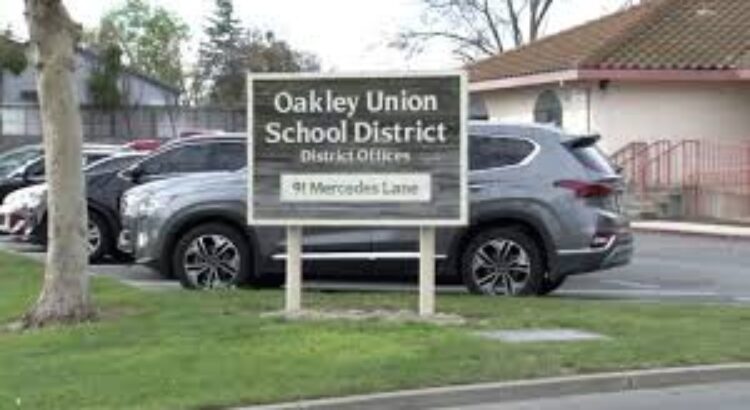
Estados Unidos: California district’s school board resigns over comments bashing parents during virtual meeting

California district’s school board resigns over comments bashing parents during virtual meeting

A California school district’s entire board of trustees has resigned after several were heard making disparaging comments about parents during a live virtual meeting this week.

The Oakley Union Elementary School District announced the resignation of the board members on Friday, two days after the public meeting, a portion of which was recorded and shared on YouTube.

The board members apparently thought Wednesday’s meeting wasn’t yet open to the public at the time they started talking about social media criticism from parents.

«Are we alone?» one board member, Kim Beede asks, before saying, «B—- if you’re going to call me out, I’m going to f— you up.»

The president of the school board, Lisa Brizendine, laments that school officials are being targeted amid frustration over reopening for in-person learning.

«They forget that there’s real people on the other side of those letters that they’re writing,» Brizendine says. «It’s really unfortunate that they want to pick on us, because they want their babysitters back.»

A third school board member, Richie Masadas, says in response, “I totally hear that, because my brother had a delivery service for medical marijuana, and the clientele were parents with their kids in school.»

«When you got your kids at home, no more smoking,» he added.

The comments followed a discussion with Superintendent Greg Hetrick on limiting public comment to three minutes.

«I think that would be amazing,» one board member says.

At one point, one of the board members realizes the meeting isn’t private.

«Uh oh,» Beede says. «We have the meeting open to the public right now.»

«Nuh uh,» says Brizendine.

«Great,» says a board member, before a black screen with the text «Practice session in progress» appears.

Someone watching the meeting said they started recording after «one of the board members spoke poorly of parents of students in the district» and posted the video anonymously to YouTube on Thursday.

«I only wish for our local public school to be run by better people,» the person wrote.

Parents took umbrage with the comments as students in the school district, which is located in Contra Costa County in the San Francisco Bay area, have been learning remote for almost a year amid the coronavirus pandemic.

«I thought the board members were also advocates for my child and had her best interests at heart. After [Wednesday’s] incident, it really has me thinking that they don’t,» Ashley Stalf, an Oakley Union parent, told San Francisco ABC station KGO.

«They see us writing letters monthly, weekly, to the board members, detailing our stresses and grief about distance learning,» she added. «For them to say we are doing nothing and sitting home and smoking pot is far from the truth.»

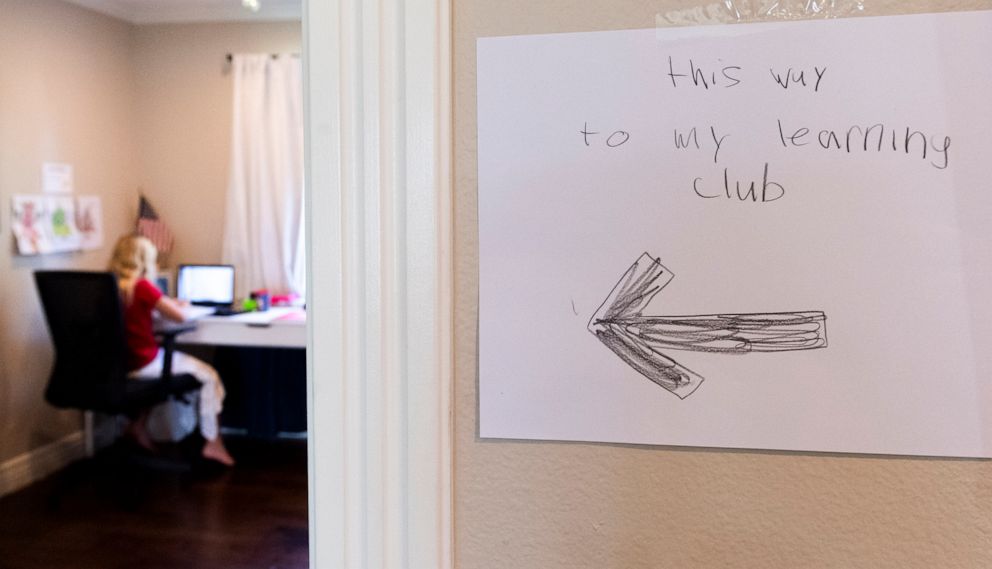
PHOTO: A student  studies during at-home learning in Orange, Calif., Dec. 9, 2020.

An online petition launched after the meeting called for the board members to resign «due to their egregious behavior.» The mayor of Oakley also weighed in, saying in a statement to East County Today that the board members should «do the right thing and step down.»

By Friday, the superintendent updated families that the four board members — Brizendine, Beede, Masadas and Erica Ippolito — had submitted their resignations.

In his letter, Hetrick also shared a joint statement from Beede, Ippolito and Masadas, saying they «deeply regret» and apologize for the comments made in the meeting.

«This was a difficult decision, but we hear the community’s concerns, and we believe yielding to your request that we step down will allow the district to move forward,» they said. «Please do not let our failure in judgment cast a shadow on the exceptional work that our teachers, administrators and hard-working employees are doing for the students of this district. They deserve and will need your support as you move forward.»

Brizendine, a four-year member of the board, also apologized in a statement to the Mercury News for her «babysitting» comment, which she said she made in part because she «desperately» wants schools to open for in-person learning.

«My remark was callous and uncalled for and for that I am truly sorry,» she wrote in part. «As a 30-year resident of Oakley, I have always championed the kids in the community from Boy Scouts, to PTA service, to my own teaching career.»

«I tendered my resignation because I don’t want to be a part of something that would negatively impact my community,» she continued. «The students, staff and families deserve the very best, there is much work that needs to be done to reopen our schools safely and I will be praying that we as a community can move past this incident together and that our children always remain in focus.»

Hetrick wrote in his letter that more information on the school district’s reopening plans will be available «in the coming days.»

«This unfortunate situation will not discourage or detract me from working to build back the trust in our community and return our students safely back to school as soon as possible,» he wrote.

Fuente de la Información: https://abcnews.go.com/US/california-districts-school-board-resigns-comments-bashing-parents/story?id=76020108&cid=clicksource_4380645_3_heads_hero_live_twopack_hed


Comparte este contenido:

Students ‘see the beauty in the ordinary’

Students ‘see the beauty in the ordinary’

It has been a tough year for all of us but for those starting their university life it has meant adapting to a new way of studying – not only remote learning but also finding new ways to explore creative ideas with other students, having never met in real life.

For their first module, undergraduate photography students at the University for the Creative Arts (UCA) Rochester, in Kent, were asked to create work in response to the theme «environment».

Calli Faraway

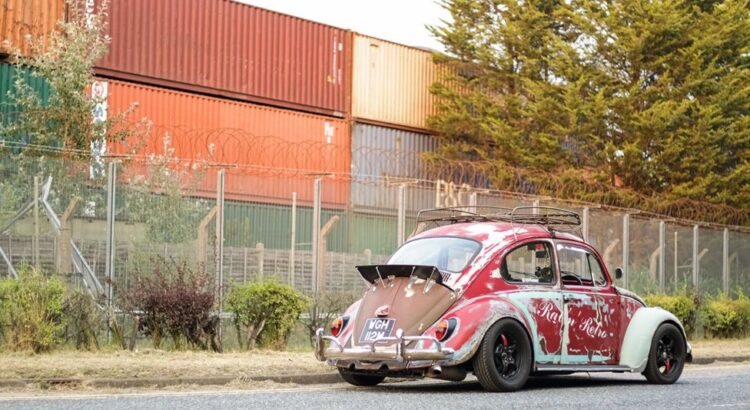
My images show the journey of this 1974 Volkswagen Beetle through both natural and industrial environments.

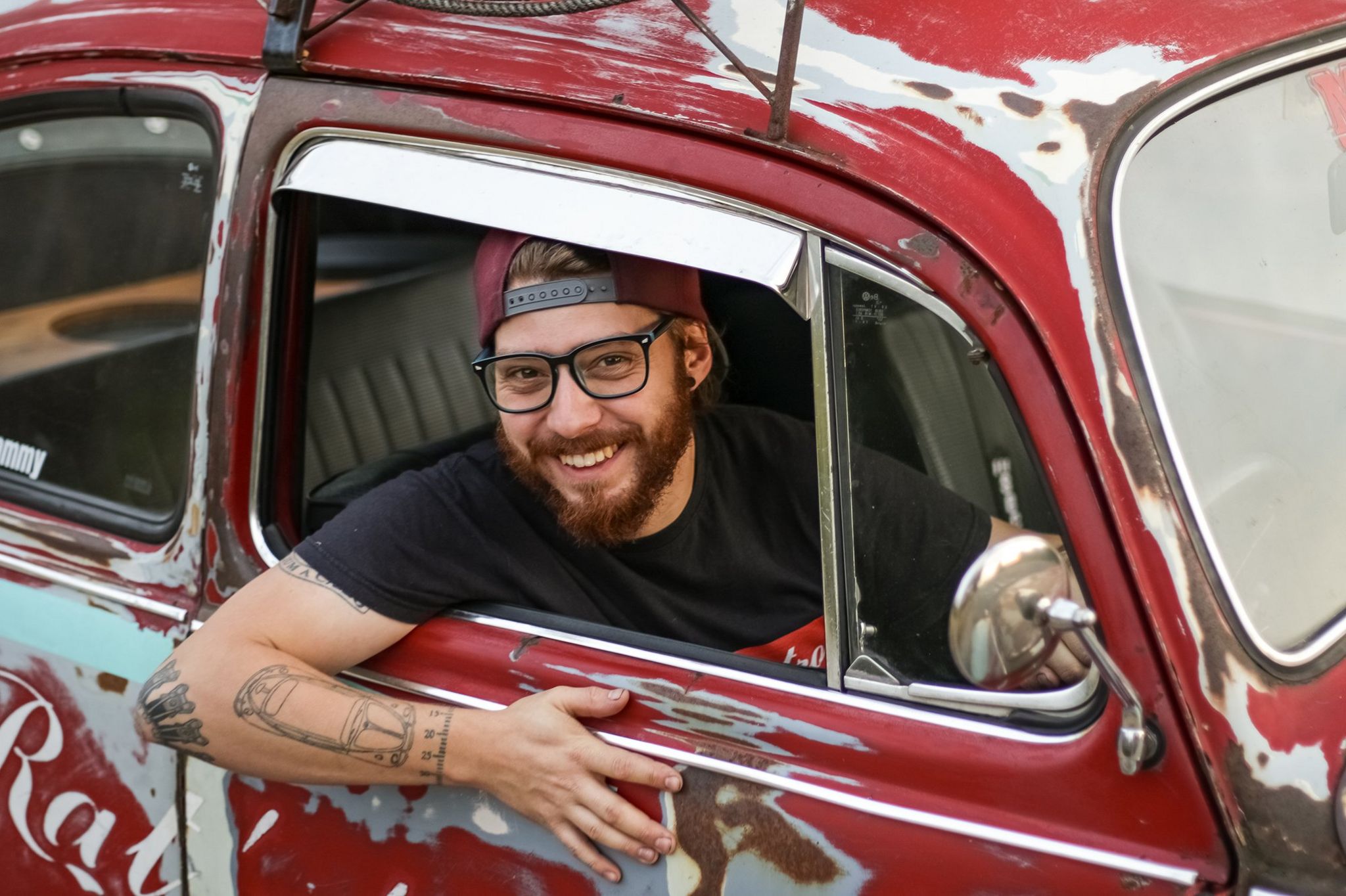
Each photograph takes you closer to the car, with the final photo being of its owner, Sam.

VW Beetle owner

Times have been tough and still are, which is why I wanted to create a positive piece of work that will make my audience smile.

I also wanted to base my work around something that I was passionate about.

Even though the pandemic’s restrictions have made the start of my university journey difficult, I have enjoyed challenging my creativity and the opportunity to continue to develop my knowledge and skills.

Alex O’Callaghan

Europa

Starting at university during peak pandemic time was definitely a challenge – not just for me but for everyone, I would assume.

But, it has also been the gateway to bringing forth new ideas and methods of working for us.

The series of images that I have created were designed to be a form of escape.

I wanted to create new worlds that have never been seen before, allowing you, the viewer, to imagine what life could be like on these different moons and planets.

Mars

Perhaps you wish to be whisked away to the icy landscape of Europa or the red deserts of Mars?

Refresh yourself and forget about what’s happening across the world just for a moment and become lost in somewhere you’ve never seen before.

Fraizer Dunleavy

Brutalist architecture

During the first lockdown, my mother sadly passed away.

This, alongside the time I suddenly had available, served as a catalyst to reflect on my life path and the choices made.

After feeling bogged down in a financial role for 12 years, my partner encouraged me to pursue photography professionally.

I had years of experience as a hobbyist photographer, earning a bit of money here and there, but I decided to take the plunge and enrolled in a photography degree – during a global pandemic.

Thamesmead

Having spent time, as a young child, living in rural France, my mother’s choice to return to London and live in a small flat in an overcrowded concrete town confused me.

The blur of public transport, a loss of independence, and the feeling of isolation drowned me in Thamesmead[, Kent].

Our first photography project, Environment, allowed me the time and space to continue personal reflection, after a year of significant change.

I revisited childhood memories in Thamesmead and learned to see the beauty in the ordinary – areas in our environment I had never taken the time to admire.

Ed Thompson, course leader

I’m always amazed to see the variation in our students’ visual styles, especially at the beginning of their journey.

Who knows where these photographs will lead them? What kind of image makers will they become?

Many students around the country have struggled with their studies.

But as photographers, they were placed in a position to document the pandemic in varying ways – either directly or looking at their personal response to the situation.

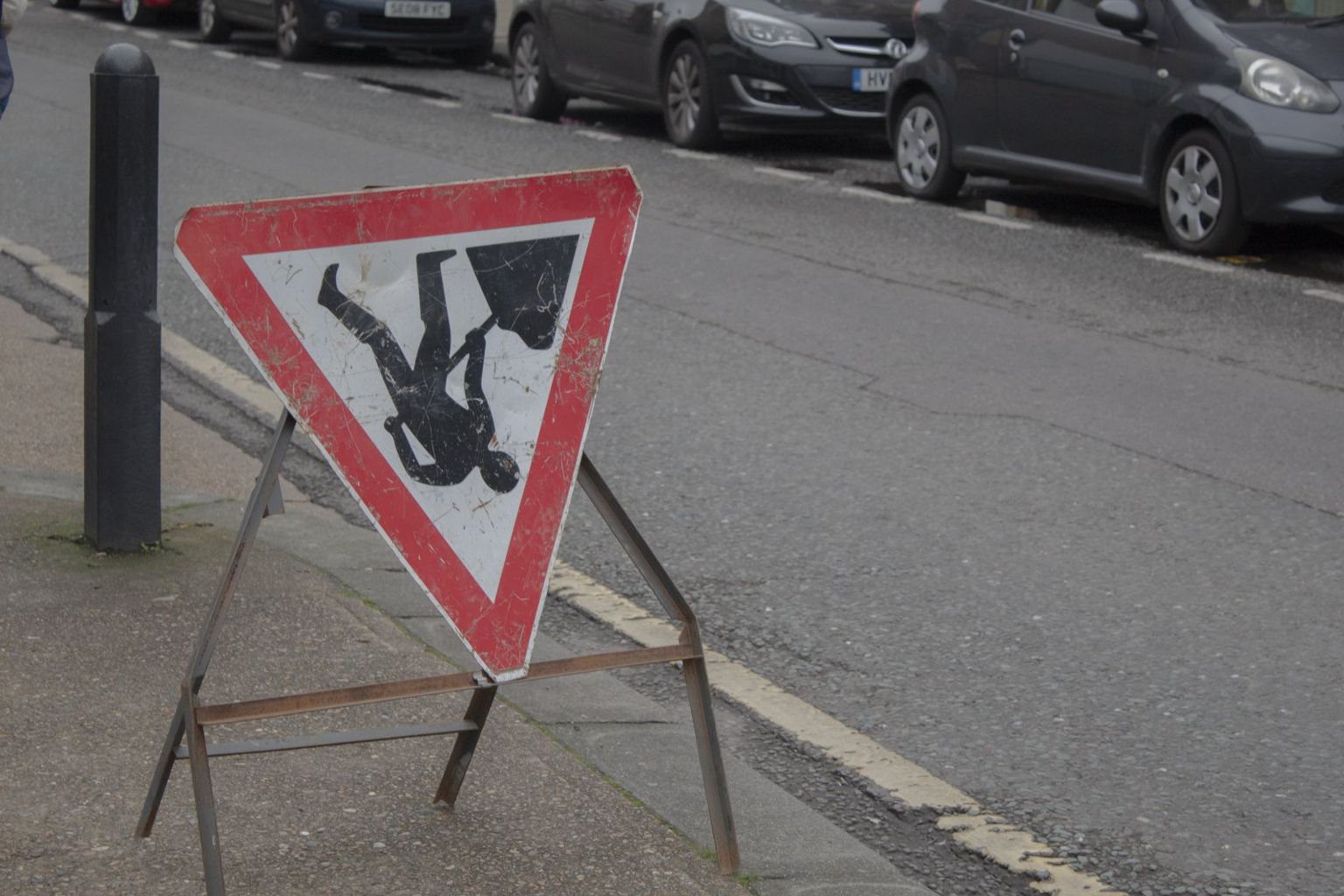
Benjamin Taylor

Road sign

Remote learning is a particularly odd experience, especially for more practical learners, which creative students generally are.

Being able to be creative in a pandemic can be a challenge but also a release at the same time.

Motivation can come and go with the stresses of being a student, being compounded by the constant bombardment of statistics, updates and restrictions of coronavirus.

Being in a new environment when moving into student halls, I found wandering around the area to also be beneficial for getting my bearings but also for my mental health.

Going out and taking photos added a small element of stability and routine in such an unstable and testing time for everyone.

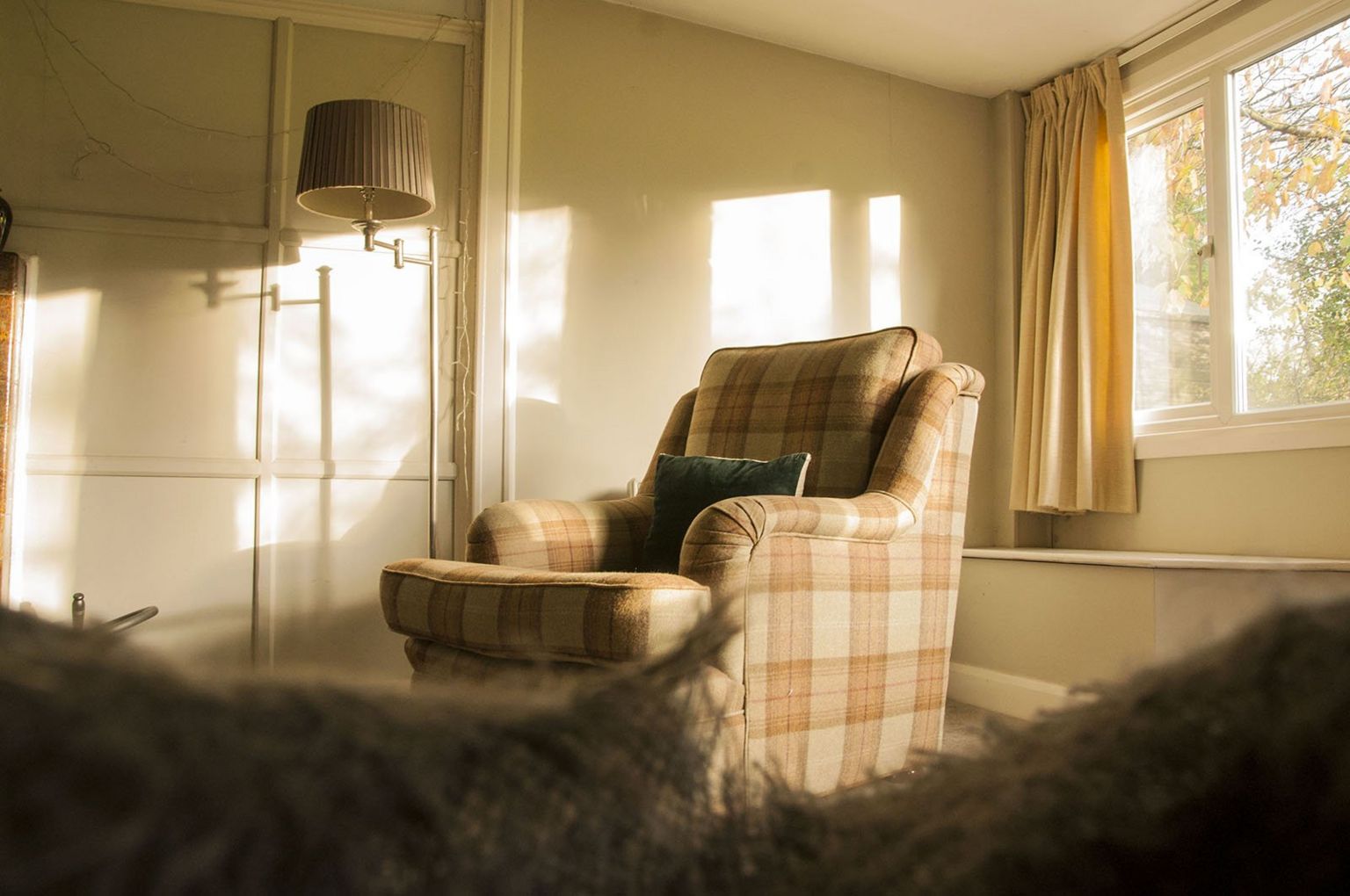
Eleanor Luciani

Chair

Coming into university, I imagined I would be creating projects of the outlandish and wacky, photographing exotic locations to capture the viewer’s eye.

However, as a nation, we have been put on hold.

And for the most of us, we are stuck at home.

Creatively, I thought basing my first project on my home was going to be rather bleak.

But having this time to really study the space in which I live in has been so fulfilling.

Windows

You think you know your home like the back of your hand.

And there’s nothing left to be seen that you haven’t already.

But there is beauty in these places, a beauty that is overlooked each day.

Karl Fletcher

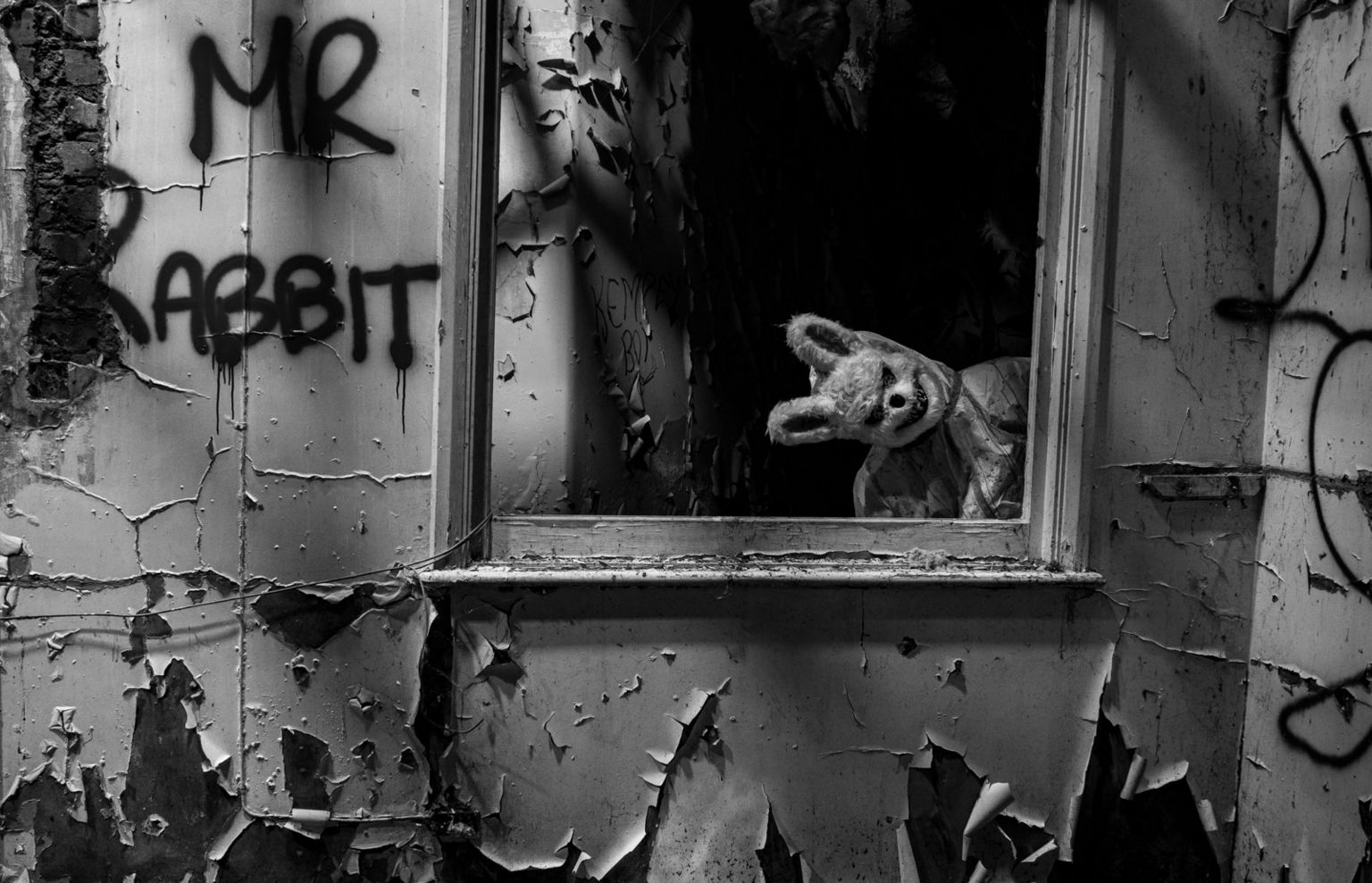
Mr Rabbit

Mr Rabbit is a product of lockdown.

He is anxiety.

He is the unknown path ahead.

He is the uncertainty of the future, the nagging doubt, our inner demon.

He is born from the observations of anxiety and wanting to give a feeling of the unknown fear a face.

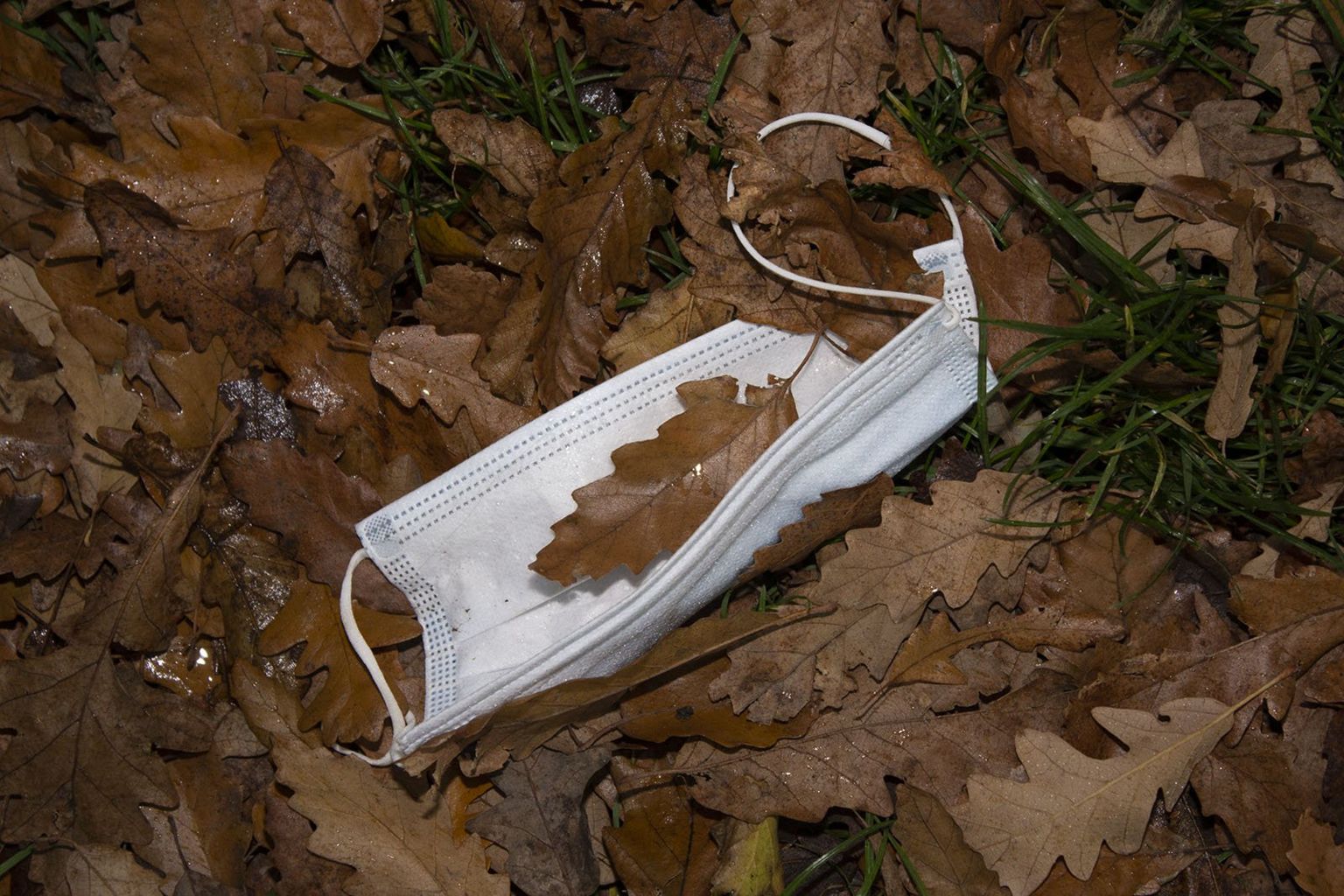
Holly Adams

Mask

Leaving sixth-form abruptly in March was a big shock.

However, university helped me to feel creative and engaged in work.

Learning throughout the pandemic has been a challenge.

But it has helped to change my outlook and has given me lots of inspiration for my work.

I did not think for my first university project I would be shooting the effects of the pandemic.

Faye Littlewood-Tribe

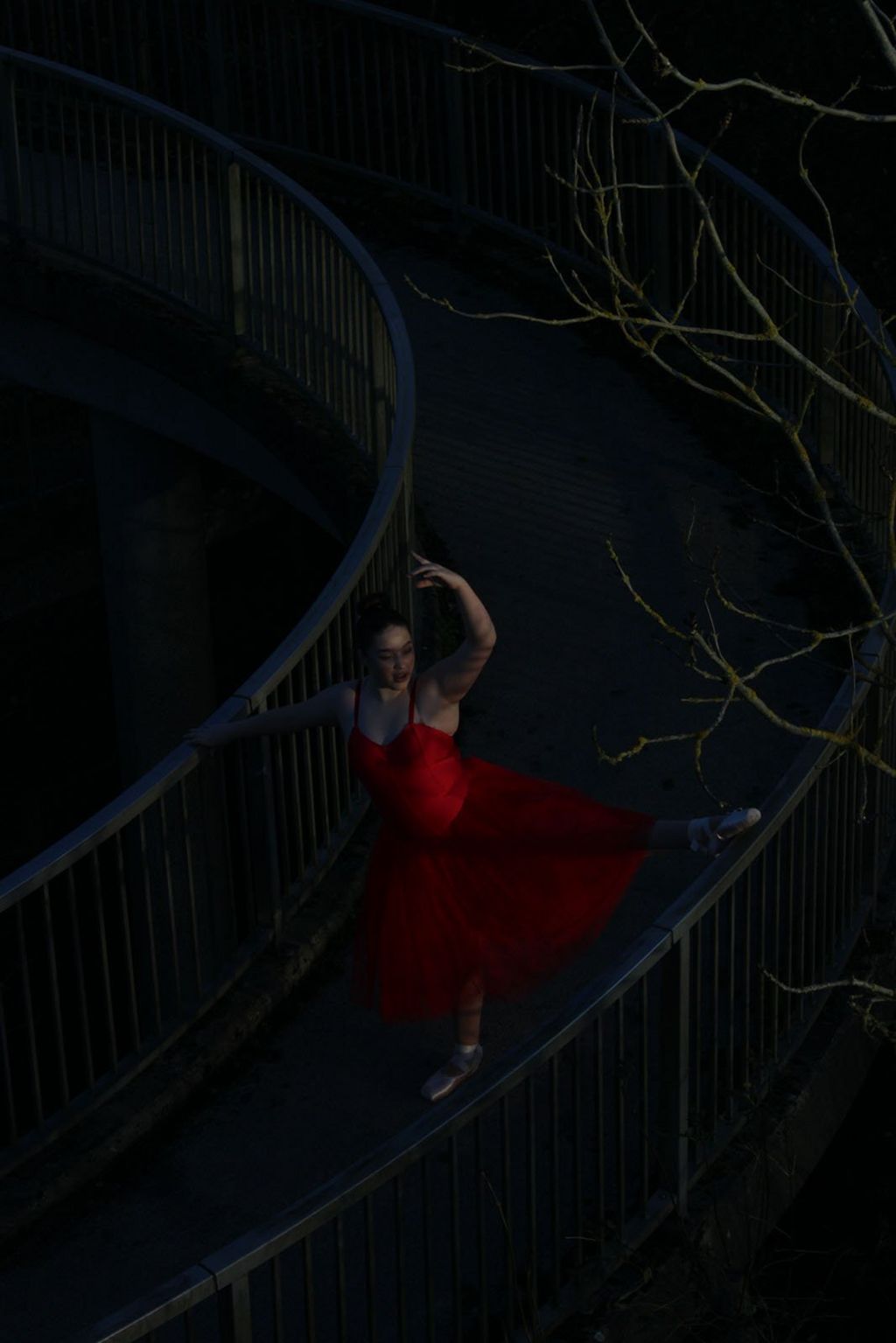
Woman leaping

When starting my first university assignment. I was full of ideas and excitement.

However, with the current climate of the pandemic and restrictions getting tougher, I began to struggle with motivation to explore for new locations and to shoot.

During this time, my inspiration and ideas for my project began to change.

And I was seeking new ways to carry on whilst keeping to the government guidelines.

I feel that throughout this project, I have portrayed how dark the world currently is.

But photography is an amazing way to express the world’s true beauty and tranquillity.

Olesia Kolisnyk

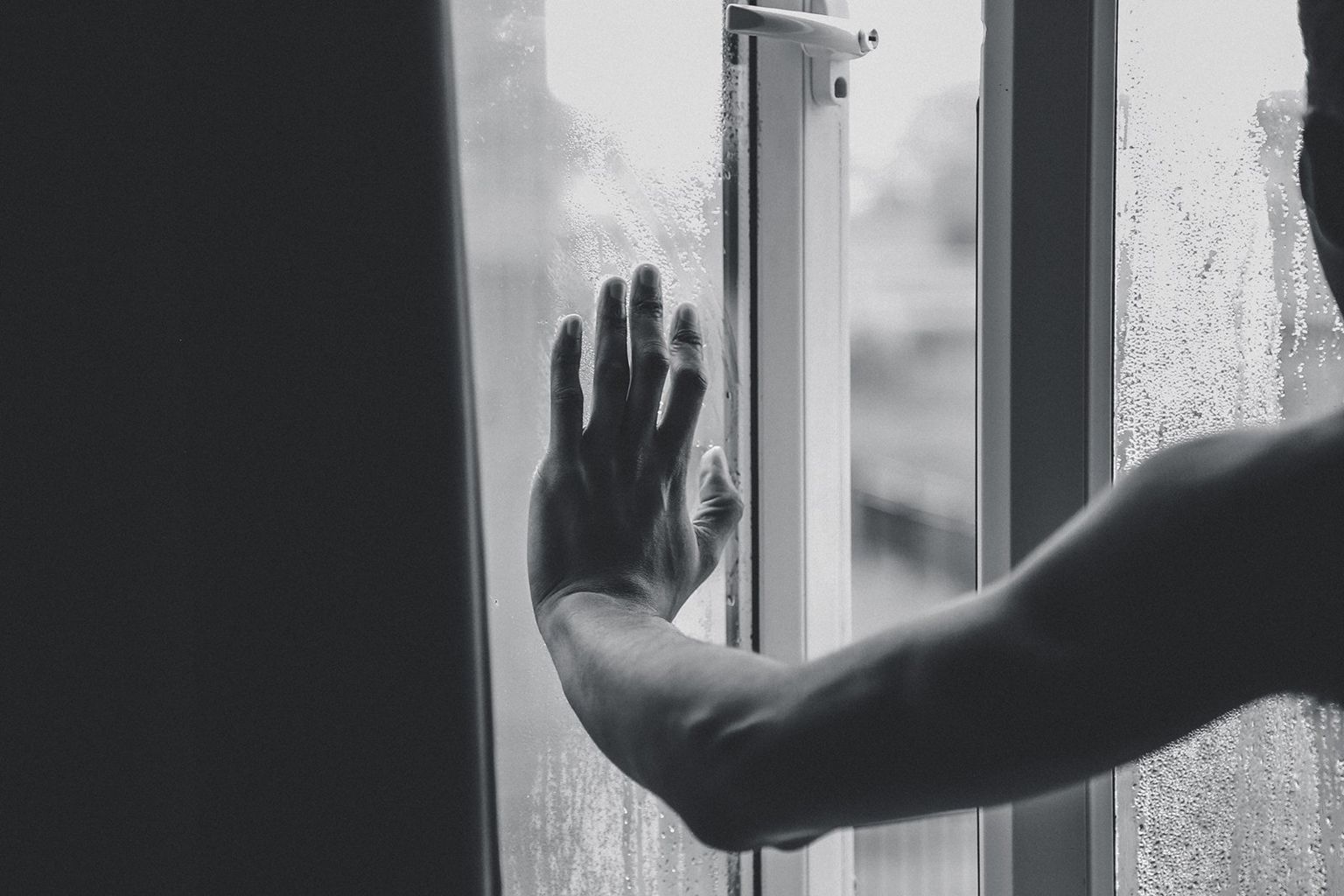
Hand on a window

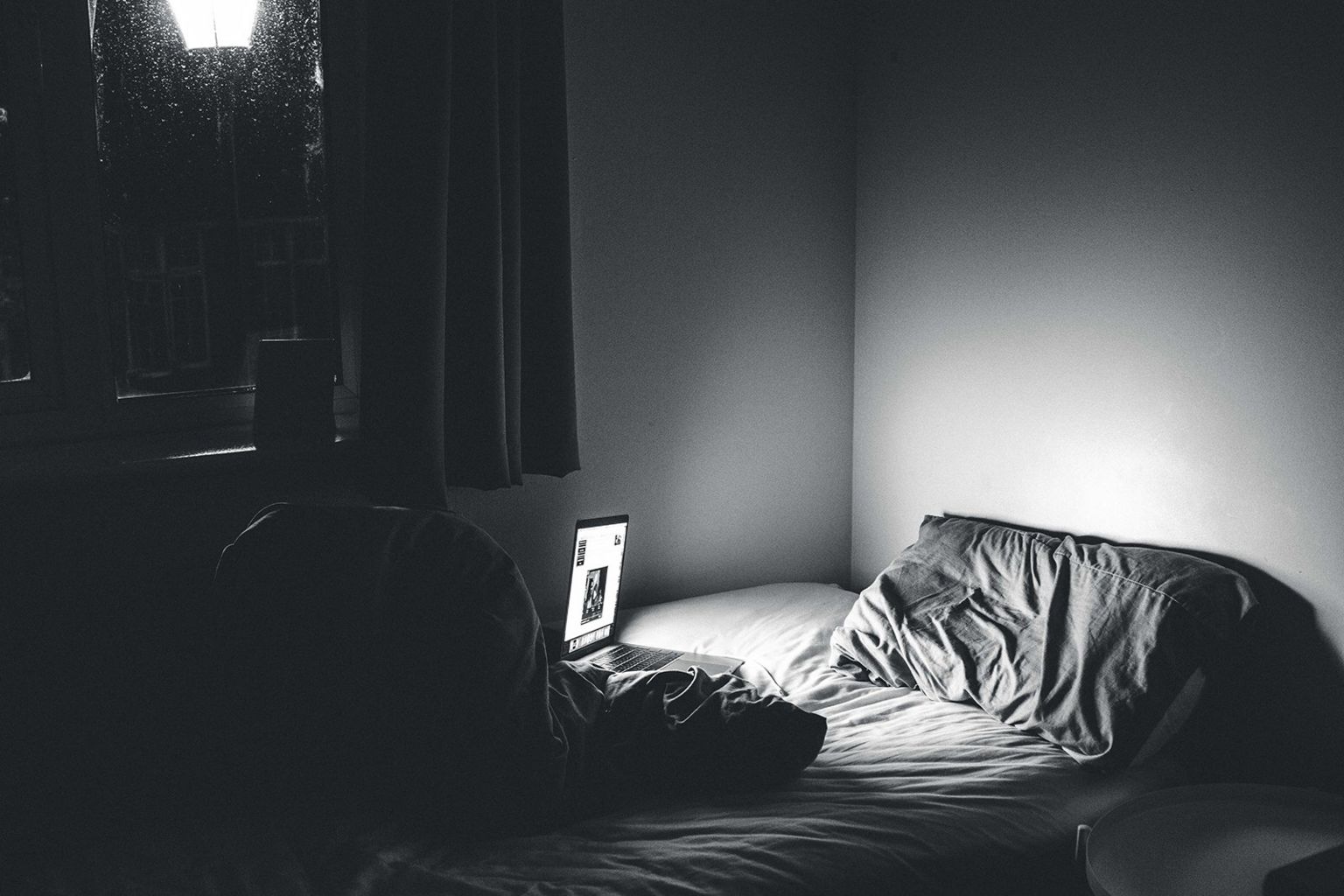
My first university project happened during isolation.

I wanted to show my feelings, surroundings, and everything I was going through during that time.

It was quite hard but also allowed me to grow creatively and to look for new meanings in my day-to-day life.

Bed with laptop

Jake Knights

Underground

Starting my first year of university during the Covid-19 pandemic has proven to be challenging in a lot of ways.

However, rather than seeing it within a completely negative light, I have tried to find positives within it.

I feel that it has pushed me as a creative, presenting itself as a blessing in some ways, making me challenge myself and explore avenues for my work that without this pandemic, I may have never considered.

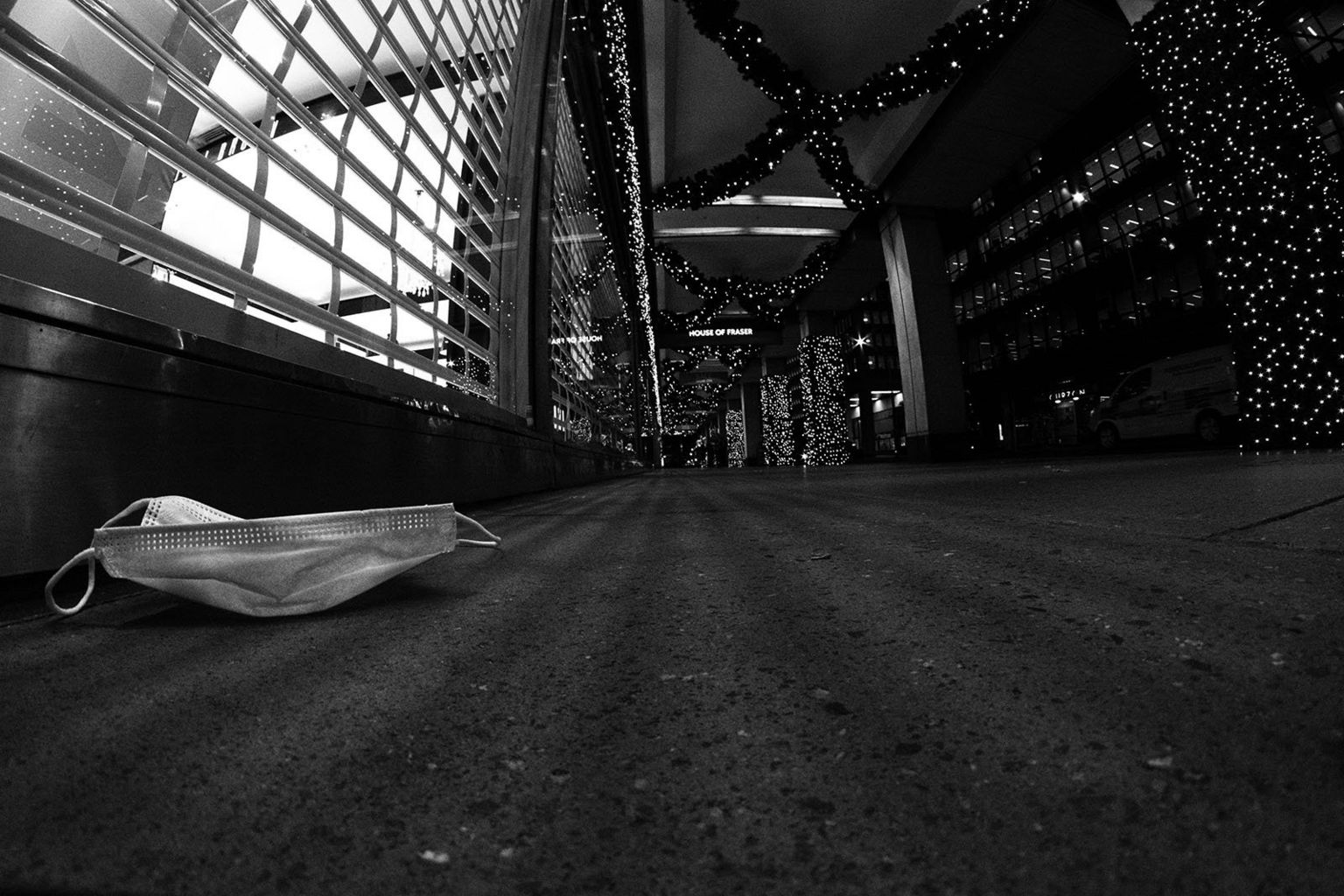
This project is about the experience of life during the pandemic that makes you appreciate all the little things we had.

Mask

Fuente de la Información: https://www.bbc.com/news/in-pictures-55995748


Comparte este contenido:

Casi todos los niños de EE.UU. viven en zonas rojas de covid-19 bajo las nuevas guías de los CDC para las escuelas

Más de 65,3 millones de niños —aproximadamente el 89% de la población de Estados Unidos menor a 18 años— viven en una comunidad roja o de «transmisión alta». Los CDC definen así a los condados donde hubo al menos 100 nuevos casos de covid -19 por cada 100.000 personas o una tasa de positividad en las pruebas de al menos el 10% durante los últimos siete días.

Cuando se publicó la guía de los CDC el viernes, cerca del 99% de los niños estaban en zonas rojas, según el análisis de CNN.

Las pautas de los CDC hacen hincapié en cinco estrategias clave de mitigación. Estas son: exigir mascarillas, mantener el distanciamiento social, lavarse las manos, mantener las instalaciones limpias y rastrear los contactos. También recomiendan diferentes estrategias basadas en qué tanta transmisión existe en la comunidad que rodea al centro. Además tiene una guía codificada por colores con áreas de transmisión alta de color rojo, áreas de transmisión sustancial de color naranja, áreas de transmisión moderada codificadas en amarillo y áreas de baja transmisión en azul.

Los CDC dicen que los distritos escolares deben revaluar la situación semanalmente semanalmente. En este sentido, señalan que los niveles de transmisión van a cambiar con el tiempo.

¿Qué debe hacer cada escuela según los lineamientos de los CDC?

Si las escuelas en comunidades de «transmisión alta» no pueden «implementar estrictamente todas las estrategias de mitigación», los CDC dicen que todas las actividades extracurriculares deben ser virtuales. Además, las escuelas intermedias y secundarias deben seguir con el aprendizaje virtual en estas zonas rojas. Las escuelas primarias, por su parte, deben maximizar el distanciamiento social mediante un aprendizaje híbrido o con una asistencia reducida.

Aproximadamente 115.000 niños en Estados Unidos viven en un condado considerado de transmisión «baja» o «moderada». En estos casos, los CDC recomiendan que las escuelas primarias y secundarias (K-12) estén abiertas para una enseñanza completamente presencial.

El análisis de CNN utilizó los datos federales más recientes sobre tasas de casos nuevos y tasas de positividad en las pruebas. El objetivo fue determinar el umbral de riesgo de cada condado de acuerdo con las pautas de los CDC. Estos datos fueron publicados el domingo por el Departamento de Salud y Servicios Humanos de Estados Unidos. Los datos de población provienen de las estimaciones de la Encuesta sobre la Comunidad Estadounidense de cinco años de 2019 de la Oficina del Censo.

Fuente: https://cnnespanol.cnn.com/2021/02/16/cdc-escuelas-zonas-rojas-ninos/

Comparte este contenido:
Page 41 of 400
1 39 40 41 42 43 400