Page 141 of 773
1 139 140 141 142 143 773

En San Valentín, estudiantes tailandeses muestran su apoyo a China en la lucha contra el coronavirus

Redacción: France 24

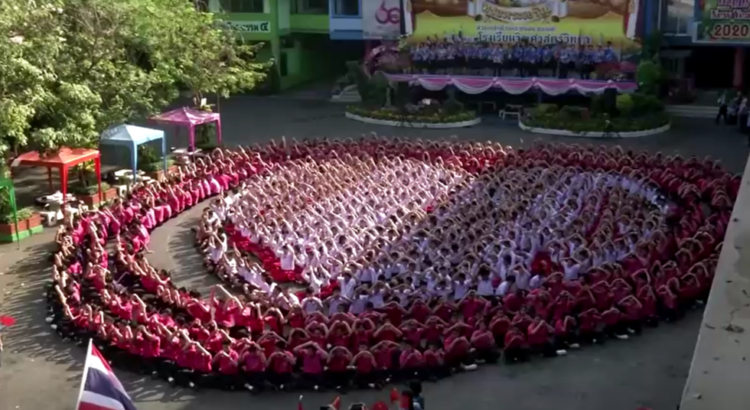
¿Quién dijo que San Valentín es solo para los enamorados? Haciendo una formación que representa un corazón gigante, cerca de 3.000 estudiantes en la provincia de Ayutthaya, Tailandia, enviaron mensajes de amor y ánimo a China, donde la epidemia del coronavirus sigue expandiéndose rápidamente y causando miles de muertes.

«¡China, sigue luchando!», entonaban miles de estudiantes y maestros en el patio de la escuela Jirasat Wittaya, este viernes 14 de febrero, en una muestra de afecto que traspasó las fronteras tailandesas, en esta fecha en la que mundialmente se celebra el más bello de todos los sentimientos: el amor.

Con camisetas rosas, carteles y elefantes vestidos con la tradicional sofisticación Thai, los estudiantes se mostraron entusiasmados al enviar sus mensajes. «Queremos animar a la gente de China y Wuhan. Queremos hacer esto público para que todos lo vean en el mundo, nuestras buenas intenciones para los chinos. Queremos brindarles todo nuestro apoyo y que puedan verlo en su WeChat (la aplicación más popular en el gigante asiático)».

1/9

Los estudiantes forman un corazón en el Día de San Valentín para mostrar su apoyo a China en la lucha contra el coronavirus en una escuela en Ayutthaya, en las afueras de Bangkok, Tailandia, el 14 de febrero de 2020.Los estudiantes forman un corazón en el Día de San Valentín para mostrar su apoyo a China en la lucha contra el coronavirus en una escuela en Ayutthaya, en las afueras de Bangkok, Tailandia, el 14 de febrero de 2020.Los estudiantes forman un corazón en el Día de San Valentín para mostrar su apoyo a China en la lucha contra el coronavirus en una escuela en Ayutthaya, en las afueras de Bangkok, Tailandia, el 14 de febrero de 2020.Profesores en elefantes envían mensajes de amor en el Día de San Valentín para mostrar su apoyo a China en la lucha contra el coronavirus en una escuela en Ayutthaya, en las afueras de Bangkok, Tailandia, el 14 de febrero de 2020.Profesores guían la formación de los estudiantes en el Día de San Valentín para mostrar su apoyo a China en la lucha contra el coronavirus en una escuela en Ayutthaya, en las afueras de Bangkok, Tailandia, el 14 de febrero de 2020.Los estudiantes forman un corazón en el Día de San Valentín para mostrar su apoyo a China en la lucha contra el coronavirus en una escuela en Ayutthaya, en las afueras de Bangkok, Tailandia, el 14 de febrero de 2020.Los estudiantes forman un corazón en el Día de San Valentín para mostrar su apoyo a China en la lucha contra el coronavirus en una escuela en Ayutthaya, en las afueras de Bangkok, Tailandia, el 14 de febrero de 2020.Los estudiantes muestran su apoyo a China en la lucha contra el coronavirus en una escuela en Ayutthaya, en las afueras de Bangkok, Tailandia, el 14 de febrero de 2020.Los estudiantes forman un corazón en el Día de San Valentín para mostrar su apoyo a China en la lucha contra el coronavirus en una escuela en Ayutthaya, en las afueras de Bangkok, Tailandia, el 14 de febrero de 2020.

Los estudiantes forman un corazón en el Día de San Valentín para mostrar su apoyo a China en la lucha contra el coronavirus en una escuela en Ayutthaya, en las afueras de Bangkok, Tailandia, el 14 de febrero de 2020. © © REUTERS/Chalinee Thirasupa

Los maestros, entre los que se encuentra Liang Jie, un docente proveniente de Xiamen, China, dijeron que este acto no solo enseña la compasión a sus alumnos, sino que envía un importante mensaje de esperanza a los habitantes de Wuhan, quienes además de haber perdido familiares y amigos, ya acumulan más de un mes recluidos en sus hogares para evitar la propagación y el contagio del Covid-19.

«Los hacemos porque en China, ahora, la gente se siente ansiosa y preocupada, por lo que las personas en otros países debería brindarles apoyo y confianza para que puedan seguir adelante», dijo Jie, quien aseguró sentirse profundamente conmovido y agradecido por la acción de los estudiantes.

Tailandia ha registrado un total de 33 casos de infectados por coronavirus. En su última actualización, la Comisión Nacional de Salud de China reportó 14.840 casos nuevos de personas contagiadas, lo cual eleva el total de casos a más de 60.000.

Fuente: https://www.france24.com/es/20200214-en-san-valent%C3%ADn-estudiantes-tailandeses-muestran-su-apoyo-a-china-en-la-lucha-contra-el-coronavirus

Comparte este contenido:

En Siria miles de niños se desplazan en temperaturas bajo cero

Redacción: Vatican News

Save the Children hace un llamamiento a todas las partes para que detengan esta guerra contra los niños y sean respetadas las leyes internacionales de derechos humanos y las leyes humanitarias que están diseñadas para proteger a los niños en tiempos de conflicto.

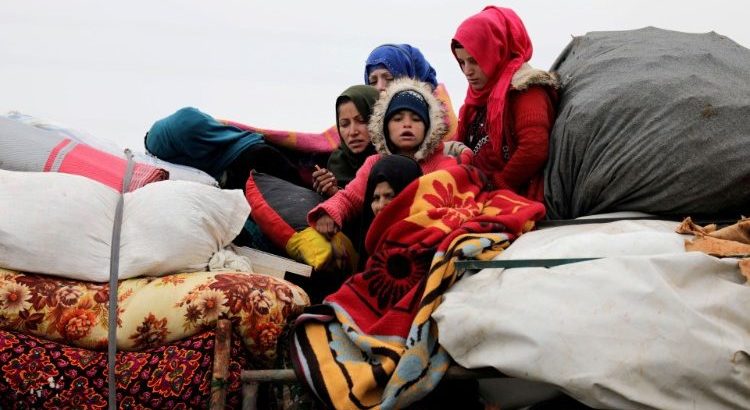
Las condiciones de los niños y las familias que se ven obligados a huir de sus hogares en Idlib, Siria, se están deteriorando a una velocidad alarmante debido a un clima de invierno severo. Lo ha advertido Save the Children, informando además que la actual escalada del conflicto en Idlib deja al menos a 290.000 niños desplazados de sus hogares a causa de la violencia.

Las escuelas de la ciudad de Idlib y del campo han sido cerradas hasta nuevo aviso, lo que ha afectado a 160.000 estudiantes de 278 escuelas. Además las inundaciones y las tormentas de viento agravan aún más la vulnerabilidad de las familias desplazadas en los campamentos de Idlib.

Desplazamiento «aterrador»

Un miembro del staff del socio de Save the Children en el lugar, Hurras Network, definió el desplazamiento de personas como «aterrador»: «es la primera vez que vemos una ola tan grande desde el comienzo del conflicto». «Durante el desplazamiento, la gente se va sin asegurarse un lugar donde quedarse, no saben a dónde van. A veces terminan viviendo con familiares en campamentos o en tiendas de campaña que compran», explicó.

Hay niños que mueren a causa del frío

También se refirió a la severidad del clima: «Hace mucho frío ahora y el frío está afectando a los niños. Hemos registrado casos de niños que mueren a causa del frío».

Hurras Network señala además que los pequeños «viven con miedo y se les priva de todo, especialmente de comida». Y añade que los niños «están perdiendo su derecho a la educación».

Casi una cuarta parte de la población obligada a huir

Por su parte, Sonia Khush, de Save the Children en Siria, dijo:

«La catástrofe humanitaria de la que hemos estado advirtiendo durante años en Idlib está ocurriendo ahora. Casi una cuarta parte de la población de Idlib se ha visto obligada a huir de sus hogares en tan sólo unas semanas – el 80% son mujeres y niños-  en temperaturas bajo cero. ¿Qué es lo que sigue? Durante los inviernos anteriores, niños y bebés han muerto cuando el termómetro ha caído en picada».

Khush precisa que los partner de Save the Children en el lugar afirman no haber visto nunca antes la «velocidad y la escala del actual desplazamiento en Idlib», con convoyes de vehículos «que se extienden hasta donde alcanza la vista».

Es crucial y urgente un cese al fuego

De ahí que se dirijan «a todas las partes en el conflicto para que presten atención a los llamamientos para un inmediato cese del fuego». «Las vidas de miles de mujeres y niños están en juego – aseguran -, esto es urgente y crucial».

Según las Naciones Unidas, desde diciembre, casi 700.000 personas han sido desplazadas por la fuerza en Idlib y sus alrededores en el noroeste de Siria, de una población de 3 millones. Se trata del mayor número de personas desplazadas en un solo período desde que comenzó la crisis siria hace casi nueve años. Entre el 1º de diciembre de 2019 y el 2 de febrero de 2020, unas 586.000 personas huyeron de sus hogares en el noroeste de Siria como consecuencia de las hostilidades en curso.

Fuente: https://www.vaticannews.va/es/mundo/news/2020-02/siria-miles-ninos-desplazan-temperaturas-bajo-cero.html

Comparte este contenido:

Dream Jobs – OECD finds teens out of touch with work trends

Europa/Universituworld

Resumen: La mitad de los jóvenes de 15 años en 41 países esperan trabajar en uno de los 10 trabajos populares que son «tradicionales», y algunos corren el riesgo de que su existencia se automatice, dice una encuesta de la OCDE. Encontró desigualdades en las opciones y opciones de carrera, confusión acerca de cómo las calificaciones se relacionan con las carreras, y alguna «desalineación negativa» en las calificaciones a las que aspiran los jóvenes en comparación con lo que necesitan para alcanzar las metas laborales.

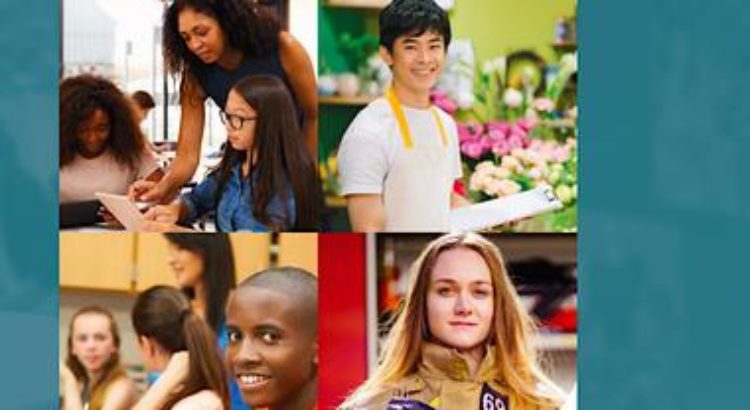
Curiosamente, los trabajos «tradicionales» que se originaron en los últimos dos siglos, como médicos, maestros, abogados, veterinarios, ingenieros, gerentes de negocios y policías, se han vuelto más populares en las últimas dos décadas, a pesar de un mundo laboral transformador.

Basándose en el Programa de la OCDE para la Evaluación Internacional de Estudiantes o PISA, el conjunto de datos más grande del mundo sobre las experiencias educativas de los jóvenes, el estudio encuentra que las instituciones educativas necesitan hacer más para unir las habilidades con los trabajos; que se requiere una orientación profesional efectiva junto con un compromiso cercano con el mundo laboral; y que debe haber señales claras sobre la necesidad del mercado laboral


Half of 15-year-olds in 41 countries expect to work in one of 10 popular jobs that are ‘traditional’, with some at risk of becoming automated out of existence, says an OECD survey. It found inequalities in career choices and options, confusion about how qualifications relate to careers, and some ‘negative misalignment’ in the qualifications young people aspire to versus what they need to achieve job goals.

Interestingly, ‘traditional’ jobs originating in the past two centuries – such as doctors, teachers, lawyers, vets, engineers, business managers and police officers – have become more popular in the past two decades, despite a transforming world of work.

Drawing on the OECD Programme for International Student Assessment or PISA – the world’s largest dataset on young people’s educational experiences – the study finds that education institutions need to do more to match skills to jobs; that effective career guidance is required along with close engagement with the working world; and that there need to be clear signals on labour market needs.

Dream Jobs: Teenagers’ career aspirations and the future of work was published in January 2020. The authors are Anthony Mann, Vanessa Denis and Andreas Schleicher of the OECD, Hamoon Ekhtiari, Terralynn Forsyth and Elvin Liu of Canada’s FutureFit AI, and Nick Chambers of the UK charity Education and Employers.

In the 2018 PISA round, more than half a million 15-year-old students in 79 countries and economic areas undertook assessments that included questions about the occupation in which they expect to be working at age 30 and their plans for post-school education. In addition, students from 32 countries responded to an Educational Career Questionnaire.

The PISA data are complemented by qualitative insights gleaned in December 2019 from letters written by young people around the world, to mark the launch of PISA 2018. The research explored how the career dreams of young people have changed over 20 years, how closely they are related to labour demand, and how closely aspirations are shaped by social background and gender.

Popular job shortlist is too short

“Huge changes to the world of work over the past two decades have made little impact on teenagers’ career expectations, which have become more concentrated in fewer occupations,” said the OECD in a statement.

Some 47% of boys and 53% of girls anticipated working in just one of 10 popular jobs by the age of 30 – the kind of 20th and 19th century jobs that captured young imaginations “before the era of social media and the acceleration of technologies such as artificial intelligence in the workplace”.

There has been a “narrowing of expectations as these shares increased by eight percentage points for boys and four percentage points for girls since the 2000 PISA survey”. This job choice trend is driven by disadvantaged youngsters and weaker performers in PISA tests.

Speaking at the World Economic Forum in Davos, OECD Education Director Andreas Schleicher said the short list of popular traditional occupations was a concern. “Too many teenagers are ignoring or are unaware of new types of jobs that are emerging, particularly as a result of digitalisation.”

Education supply and market demand – A mismatch

The research found little connection between career aspirations and anticipated labour market demand, with market signals failing to reach young people. “Accessible, well-paying jobs with a future do not seem to capture the imagination of teenagers,” writes Schleicher in a chapter in Dream Jobs.

Further, many young people – particularly boys and teenagers from disadvantaged backgrounds – “anticipate pursuing jobs that are at high risk of being automated”. For instance, in Japan and the Slovak Republic, up to half of the jobs cited by young people are at risk of automation.

The averages tell one story and country comparisons another.

For instance, Dream Jobs finds a greater range of career aspirations in nations with strong vocational training systems. In Germany and Switzerland fewer than four in 10 young people are interested in just 10 jobs, and the wider range of career interests better reflects labour market demand. This could also indicate strong career guidance and exposure to a variety of occupations.

By contrast, in Indonesia 52% of girls and 42% of boys anticipate one of just three careers – business manager, teacher and, among girls, doctor or, among boys, the armed forces.

Charles Yidan, co-founder of Tencent, writes in the foreword that despite an unprecedented number of years of education, young people still struggle in the job market “and governments continue to worry about the mismatch between what societies and economies demand and education systems supply”.

“The coexistence of unemployed university graduates and employers who say they cannot find people with the skills they need, shows that more education does not automatically mean better jobs and better lives. For many young people, academic success alone has proved an insufficient means of ensuring a smooth transition into good employment.”

In this age of accelerations, Yidan argues, “we need to think harder about what makes us first-class humans, how we complement, not substitute, the artificial intelligence we have created in computers, and how we build a culture that facilitates learning, unlearning and re-learning throughout life”.

Career confusion in the 21st century

In his Dream Jobs chapter, Schleicher points out that realising world and life dreams is a key source of motivation for students to study hard. Those aspirations can be “hugely influenced” by personal background “and by the depth and breadth of their knowledge about the world of work. In a nutshell, students cannot be what they cannot see.”

Studies have shown, Schleicher says, that engagement with the working world can lead to positive educational, economic and social outcomes for young people – and education institutions can help students to attain workplace experience as well as provide career development activities.

“Effective career guidance encourages students to reflect on who they are and who they want to become, and to think critically about the relationships between their educational choices and future economic life.”

Recent analyses exploring career preparation have focused on misalignment, “where the educational plans of young people are out of kilter with their occupational expectations”. When young people underestimate the education required to fulfil their dreams, they can expect to find their early working lives tougher than would be expected given their background and academic success.

Across OECD countries, one young person in five is negatively misaligned. Again, people from the most disadvantaged backgrounds are more likely to show signs of confusion. “Career guidance has long had a purpose in enabling efficient operation of the labour market. It is now clear that it serves an equally important service in addressing inequalities,” Schleicher says.

PISA 2018 also looked at participation in career development activities. While more young people are engaged today than in 2006, less than 40% participate in important and relatively simple activities, like visiting a job fair. Disadvantaged youngsters are consistently less likely to participate.

Gender exerts strong influences. For instance, among high scorers in PISA tests, boys more often expect to work in science and engineering while girls are more interested in health-related careers.

So do socio-economic circumstances: “High-performing young people from the most disadvantaged backgrounds are, on average, four times less likely to hold ambitious aspirations than those with high PISA scores from the most privileged social backgrounds.”

Children of advantaged families are more likely to want to go on to university than working class kids. “Disadvantaged young people are at clear risk of career confusion. It is neither equitable, nor efficient, for students to move through education with blinkered views of both the breadth of the labour market and their own potential,” writes Schleicher.

Next steps

The report raises serious concerns over how prepared young people are for jobs of the future. At the end of 2019, writes Schleicher, the OECD joined a range of European and international organisations in a joint statement pressing the need for high quality career guidance for young people and adults.

“As more young people stay on in education beyond compulsory schooling and as automation quickens the pace of labour market change, the need for sustained action becomes ever more urgent,” Schleicher concludes.

Fuente: https://www.universityworldnews.com/post.php?story=20200201043701798
Comparte este contenido:

AUSTRALIA-CHINA The biggest crisis to hit international HE in Australia

Oceania/Australia/Universityworld

The coronavirus outbreak may be the biggest disruption to international student flows in history.

There are more than 100,000 students stuck in China who had intended to study in Australia this year. As each day passes, it becomes more unlikely they will arrive in time for the start of the academic year.

Of course, international affairs are bound to sometimes interfere with the more than 5.3 million students studying outside their home country, all over the world.

After the September 11 attacks in 2001, the United States closed its borders temporarily and tightened student visa restrictions, particularly for students from the Middle East. Thousands were forced to choose different study destinations in the following years.

In 2018, Saudi Arabia’s government instructed all its citizens studying in Canada to return home, in protest at the Canadian foreign minister’s call to release women’s rights activists held in Saudi jails.

A significant proportion of the 12,000 or so Saudi students in Canada left to continue their studies elsewhere, before the Saudi government quietly softened its stance.

So we have seen calamities before, but never on this scale. There are a few reasons for this.

Why this is worse than before

The current temporary migration of students from China to Australia represents one of the largest education flows the world has ever seen. Federal education department data show there were more than 212,000 Chinese international students in Australia by the end of 2019.

This accounts for 28% of Australia’s total international student population. Globally, there are only two study routes that involve larger numbers of students. The world’s largest student flow is from China to the United States and the second largest is from India to the US.

It’s also difficult to imagine a worse time for this epidemic to happen for students heading to the southern hemisphere than January to February, at the end of our long summer break.

Many Chinese students had returned home for the summer and others were preparing to start their studies at the end of February.

By comparison, the SARS epidemic in 2003 didn’t significantly dent international student enrolments in Australia because it peaked around April-May 2003, well after students had started the academic year.

Ending in July that year, the SARS outbreak infected fewer than half the number of people than have already contracted coronavirus. Even during the SARS outbreak Australia didn’t implement bans on those travelling from affected countries.

What will the impact be?

This crisis hits hard for many Chinese students, an integral component of our campus communities. It not only causes disruptions to their study, accommodation, part-time employment and life plans, but also their mental well-being.

A humane, supportive and respectful response from the university communities is vital at this stage.

Australia has never experienced such a sudden drop in student numbers.

The reduced enrolments will have profound impacts on class sizes and the teaching workforce, particularly at masters level in universities with the highest proportions of students from China. Around 46% of Chinese students are studying a postgraduate masters by coursework. If classes are too small, universities will have to cancel them.

And the effects don’t end there. Tourism, accommodation providers, restaurants and retailers who cater to international students will be hit hard too.

Chinese students contributed AU$12 billion (US$8 million) to the Australian economy in 2019, so whatever happens from this point, the financial impact will be significant. The cost of the drop in enrolments in semester one may well amount to several billion dollars.

The newly-formed Global Reputation Taskforce by Australia’s Council for International Education has commissioned some rapid response research to promote more informed discussion about the implications and impacts of the crisis.

If the epidemic is contained quickly, some of the 100,000 students stuck in China will be able to start their studies in semester one, and the rest could delay until mid-year. But there might still be longer-term effects.

Australia has a world-class higher education system and the world is closely watching how we manage this crisis as it unfolds.

Prospective students in China will be particularly focused on Australia’s response as they weigh future study options.

The world is watching

Such a fast-moving crisis presents a range of challenges for those in universities, colleges (such as English language schools) and schools who are trying to communicate with thousands of worried students who can’t enter the country.

Australian universities are scrambling to consider a wide range of responses. These include:


  • • Delivering courses online.
  • • Providing intensive courses and summer or winter courses.
  • • Arrangements around semester commencement.
  • • Fee refund and deferral.
  • • Provision of clear and updated information.
  • • Support structures for starting and continuing Chinese students, including extended academic and welfare support, counselling, special helplines and coronavirus-specific information guidelines.
  • • Support with visa issues, accommodation and employment arrangements.

A coordinated approach involving different stakeholders who are providing different support for Chinese students is an urgent priority. This includes education providers, government, city councils, international student associations, student groups and professional organisations.

This outbreak further raises awareness within the international education sector of the need for risk management and crisis response strategies to ensure sustainability.

Most importantly, we need to ensure we remain focused on the human consequences of this tragedy first. Headlines focusing on lost revenues at a time like this are offensive to international students and everyone involved in international education.

Fuente: https://www.worldsofeducation.org/en/woe_homepage

Comparte este contenido:

Medidas para la expansión más de coronavirus: sistema de educación en línea en China

Medidas para la expansión más de coronavirus: sistema de educación en línea en China

La administración china que se enfoca en prevenir la expansión más del nuevo tipo de coronavirus contagiado a centenares de miles de personas después de aparecer en Wuhan, inicia el sistema de educación en línea para que los estudiantes continúen a la vida escolar en las universidades que permanecen cerradas desde hace semanas.

En este marco el gobierno chino toma pasos contra el virus que se expandió a 28 países y pasa al sistema de ‘clases sobre internet’ en el próximo semestre universitario en todo el país.

En el mensaje enviado a los estudiantes por parte de algunas universidades es informado que es imposible dar clases en grupos poblados debido a coronavirus pero se puede preparar las clases sobre internet hasta el próximo anuncio para que no se alarguen los semestres y para seguir de manera normal la vida universitaria de los estudiantes.

No habrá cambios en la cualificación de las clases.

Entre tanto llega a 637 el número de víctimas mortales debido al virus en China. Mientras que el número de los diagnosticados ha llegado 31 mil 161 entre ellos los 4 mil 821 de gravedad. También es 26 mil 359 el número de los sospechosos pero no diagnosticados con el coronavirus y otros mil 540 se dieron de alta desde los hospitales.

Fuente de la Información: https://www.trt.net.tr/espanol/vida-y-salud/2020/02/07/medidas-para-la-expansion-mas-de-coronavirus-sistema-de-educacion-en-linea-en-china-1354923


Comparte este contenido:

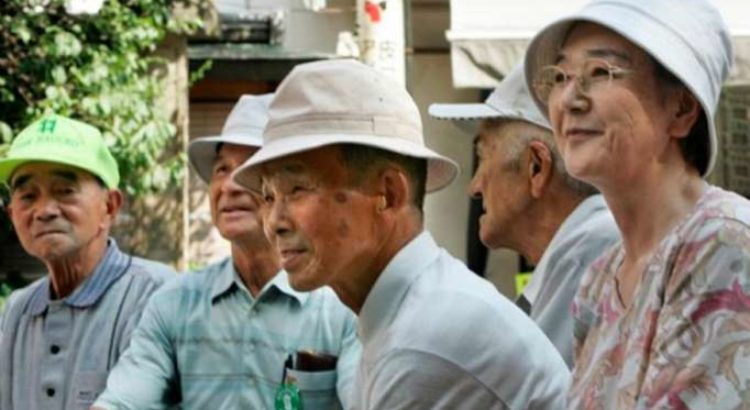
Japón contempla subir edad para la jubilación

Asia/Japón/09-02-2020/Autor(a) y Fuente: lahora.com.ec

Redacción TOKIO

AGENCIAS

Uno de cada tres japoneses tendrá 65 años o más en 2025, según datos del Gobierno. Constantes caídas en las tasas de natalidad han hecho que cada vez haya menos gente joven entrando al mercado laboral para sostener la industria y pagar impuestos. El año pasado, dentro de los 67 millones de trabajadores mayores de 15 años, el 13% tenía 65 años o más.

Al mismo tiempo, las generaciones más viejas están viviendo cada vez más años gracias a los avances en la medicina, lo que significa que las inversiones en salud y pensiones deben ser mayores. Además, los esfuerzos del Gobierno japonés por motivar a la gente a tener más hijos no han dado los resultados que esperaban.

Por eso, las autoridades niponas empezaron a buscar alternativas tomando ejemplos de otros países. Así fue como el gabinete del primer ministro, Shinzo Abe, decidió aprobar unos proyectos de ley para ayudar a los ciudadanos a trabajar hasta los 70 años.

Escasez de mano de obra
La medida pretende mitigar la escasez de mano de obra y cubrir los gastos de las pensiones, que son cada vez más altos en un país que envejece rápidamente.

El Gobierno -que espera que las leyes entren en vigencia en abril de 2021- también planea disminuir los beneficios de los empleados que tienen entre 60 y 64 años.

Japón enfrenta actualmente una crisis demográfica que va en aumento, tras décadas de rápido envejecimiento y caídas en las tasas de natalidad. Según el Instituto Nacional de Investigación de Población y Seguridad Social, los mayores de 65 constituirán casi el 40% de la población en 2060.

Además, un estudio de la firma Persol Research and Consulting y la Universidad de Chuo proyecta que Japón enfrente una escasez de 6,44 millones de trabajadores en el año 2030.

Fuente e Imagen: https://lahora.com.ec/quito/noticia/110230400714/japon-contempla-subir-edad-para-la-jubilacion-

Comparte este contenido:

China pide a colegios y universidades ofrecer cursos en línea tras aplazamiento del semestre

Asia/China/09-02-2020/Autor(a) y Fuente: spanish.xinhuanet.com

El Ministerio de Educación de China ha ordenado a los colegios y universidades de todo el país ofrecer recursos para la enseñanza y el aprendizaje en línea, tras el aplazamiento del inicio del semestre escolar.

Según una serie de directrices publicada por la cartera, los colegios y universidades deben utilizar a plenitud plataformas en línea de alta calidad de cursos abiertos y de laboratorios, con el fin de organizar las actividades de educación en línea.

Deben hacerse más esfuerzos para garantizar que el aprendizaje en línea sea tan eficiente como aquel en las aulas, según las directrices.

De acuerdo con datos oficiales, hasta el 2 de febrero, 22 plataformas de cursos en línea habían lanzado más de 24.000 cursos gratuitos que cubren 12 disciplinas universitarias y 18 especialidades de educación técnica y vocacional.

El ministerio anunció a finales de enero que el semestre escolar de la primavera de 2020 quedaba pospuesto debido al brote del nuevo coronavirus. La entidad aún no fija la fecha de apertura de los colegios y universidades.

Fuente: http://spanish.xinhuanet.com/2020-02/05/c_138758107.htm

Imagen: Jane Snyder en Pixabay

Comparte este contenido:
Page 141 of 773
1 139 140 141 142 143 773