Page 388 of 772
1 386 387 388 389 390 772

Acuerdo entre Reino Unido y China para promover la educación espacial

10 Septiembre 2017/Fuente:actualidadaeroespacial /Autor:actualidadaeroespacial

Destacados científicos espaciales de Reino Unido y China han firmado en Edimburgo un acuerdo para promover y reforzar las actividades bilaterales de promoción de la educación espacial, en virtud del cual, se establecerá un nuevo centro virtual para dirigir las actividades de promoción del espacio entre ambos países, según informa la agencia Xinhua..

El centro será operado por la Academia Nacional del Espacio de Reino Unido y un consorcio de laboratorios chinos. En los programas de cultura y educación, será apoyado por la Universidad de Nottingham.

La asociación para el nuevo centro virtual servirá como plataforma para el liderazgo en cultura y educación espacial China-Reino Unido que podrá extenderse para incluir la participación de otras agencias espaciales y de nuevos programas o agencias espaciales del mundo en desarrollo.

«Esperamos acelerar el desarrollo en este ámbito y expandir el programa en el futuro a otros países en desarrollo, para así cultivar más talentos en ciencias espaciales», dijo el profesor Yu Junsheng de la Universidad de Correos y Telecomunicaciones de Pekín, un destacado científico del consorcio.

Para la primera etapa de esta asociación, el equipo elegirá 100 escuelas primarias y secundarias de China, Reino Unido y países de la Franja y la Ruta para implementar un programa piloto de educación espacial, según Yu.

Este nuevo centro dará a profesores, estudiantes e investigadores británicos nuevas oportunidades para trabajar en asociación con uno de los programas espaciales más ambiciosos del mundo, dijo el profesor Anu Ojha, director de la academia.

Fuente de la noticia:http://actualidadaeroespacial.com/default.aspx?where=8&id=1&n=21227

Fuente de la imagen:  https://image.freepik.com/vector-gratis/fondo-de-educacion-espacial_23-2147509241.jp

Comparte este contenido:

India: Freedom fighters never allowed western education to influence them

Asia/India/September 9, 2017 /By indianexpress.com

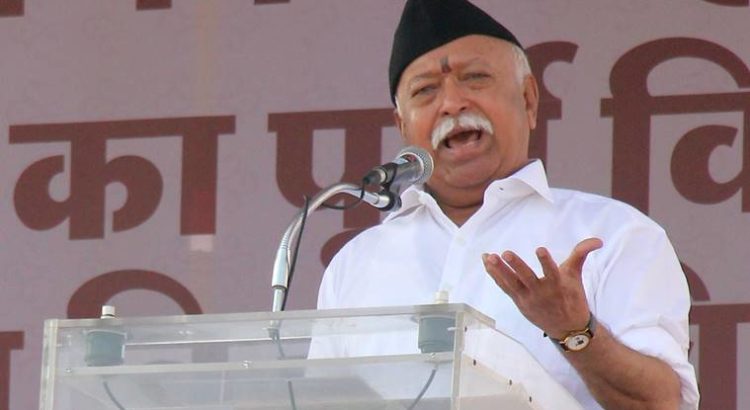
RSS chief Mohan Bhagwat today said that the leading figures of the freedom movement including Mahatma Gandhi and Rabindranath Tagore had been educated under a “western” system but were never influenced by it. Bhagwat was pointing out that it is not only the schooling, but a child’s parents and the atmosphere at home and in the society that play a larger role in upbringing.

Various Rashtriya Swayamsevak Sangh (RSS) outfits have spoken out against “westernised” education, demanding an overhaul of the education system. There is a “consensus in the society” that the education system needs to be changed, Bhagwat said. “…the Macaulay education system, which we say is a foreign education system, produced Vivekananda, Lokmanya Tilak, Gandhiji and Rabindranath Tagore…So why did that school education system not influence them? The entire generation which participated in the freedom movement studied in the Macaulay education system,” he said.

The RSS leader made these remarks at the launch of the Indian Education Manual (Bhartiya Shiksha Grant Mala) by Ahmedabad-based think-tank Punarutthan Vidyapeeth. Dinanath Batra, the Shiksha Sanskriti Utthan head known for controversial statements on education, was present on the dais when Bhagwat was speaking.

From: http://indianexpress.com/article/india/freedom-fighters-never-allowed-western-education-to-influence-them-says-rss-chief-mohan-bhagwat-4836036

Comparte este contenido:

Malaysia urged to sign U.N. 1951 refugee convention amidst rohingya crisis

UNITED STATES, September 9, 2017 /EINPresswire.com /world.einnews.com

In the recent days, over 400 ethnic Rohingya Muslims were massacred by the Myanmar government, leaving hundreds of thousands stateless. According to Amnesty International, the death toll numbers are higher. It is heartbreaking to see the numerous videos and pictures of torture and inhumanity being perpetrated upon the Rohingya by Myanmar government forces. CNN reported that according to asylum seekers in Bangladeshi refugee camps, many were “beaten, shot at, and hacked to death. Scores of women were raped and brutally killed.”

According to the United Nations High Commissioner of Refugees (UNHCR), “Refugee camps in Kutupalong, Bangladesh are filled to the capacity and exhausted. Bangladesh alone has accepted an estimated 270,000 asylum seekers.” India, on the other hand, “wants to deport 40,000 Rohingya asylum seekers,” reported India Today. As with many asylum seekers fleeing persecution, Amnesty International, Human Rights Watch, and many other NGOs report many dangers they face on the high seas.

It is humbling to know that Malaysia sympathizes with and is ready to provide temporary shelter for Rohingya fleeing violence. As reported by Reuters, “Malaysia’s coast guard will not turn away Rohingya Muslims fleeing violence in Myanmar and is willing to provide them temporary shelter.” However, the welfare of the ethnic Rohingya need to be met. Many of them arriving Malaysia, or who are already in the country are in need of medical care, care for the elderly, and schooling for their children.

Therefore, Karthi Foundation USA strongly urges the Malaysian governent to not only provide temporary shelter to the Rohingya people, but to become a signatory to the United Nations 1951 Refugee Convention relating to the Status of Refugees and the 1967 Protocol. According to the UNHCR, some of the rights granted to refugees under the Convention will be “elementary education, public relief and assistance, free access to courts, identity papers, and travel documents.”

Karthi Foundation USA is grateful to Malaysia’s generosity of giving temporary shelter to refugees over the years from several countries including Myanmar. Sadly, the fate of refugees currently in Malaysia are in limbo, not knowing where they will be settled, if they will end up in a detention center in another country, or worse, repatriated back to the countries they originally fled from. While the world is watching, we hope Malaysia will take a stand as a champion of the Rohingya people at the next UN Human Rights Council Session.

From: https://world.einnews.com/pr_news/402923341/malaysia-urged-to-sign-u-n-1951-refugee-convention-amidst-rohingya-crisis?afid=777&utm_source=MailingList&utm_medium=email&utm_campaign=Beaking+News%3A+world1689-Saturday

Comparte este contenido:

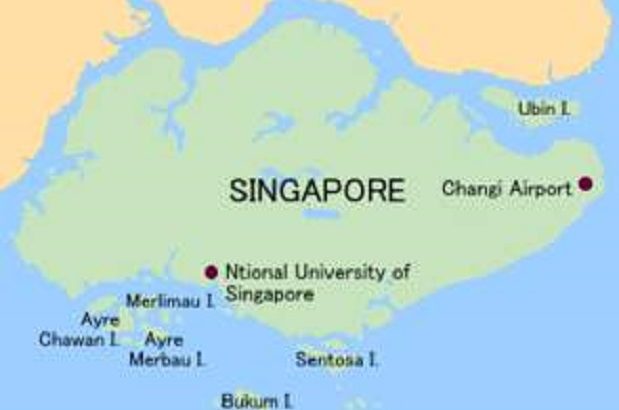
4th Singapore International Conference on Social Science & Humanities (ICSSH), 12-13 June 2018

Date: 12-Jun-18 to 13-Jun-18
Location: Nanyang Technological University, Nanyang Executive Centre, Singapore / Singapore / Singapore
Category: Human Rights Politics Travel & Tourism Legal Services Conferences & Trade Fairs World & Regional
Conference Name: 4th Singapore International Conference on Social Science & Humanities (ICSSH), 12-13 June 2018
Conference Dates: 12-13 June 2018
Conference Venue: Nanyang Technological University, Nanyang Executive Centre, Singapore
Deadline for Abstract/Paper Submissions: 15 November 2017
Contact E-Mail ID: info@gahssr.org
GAHSSR President: Merissa Ocampo PhD.
Language: English
(Vernacular Session, e.g., Persian, Bahasa, Thai, European Languages, Chinese, will be organized for minimum 5 or more participants of particular language)
(Only english language, full-length, original papers will be considered for publication in conference journals)

Venue: Nanyang Technological University, Nanyang Executive Centre, Singapore. International Publication of accepted research papers with ISSN, DOI, Archiving and Indexing. Great opportunity for international Networking and Collaborations.

Organized by: GAHSSR – Global Association for Humanities and Social Science Research
Deadline for abstracts/proposals: 10th June 201

Visitors

For Online Apllications Form:-
https://www.gahssr.org/online-application-form.php?id=55&status=applicationRegistration and Fees Details:-
https://www.gahssr.org/registration-form.php?id=55&status=registration

Comparte este contenido:

India: Multiple court rulings haven’t curbed ragging: UGC study

Asia/India/Septiembre del 2017/Noticias/http://www.thehindu.com


Study reveals that hostel residents are the worst-hit; the incidence is more in professional colleges, and a majority of the victims are male

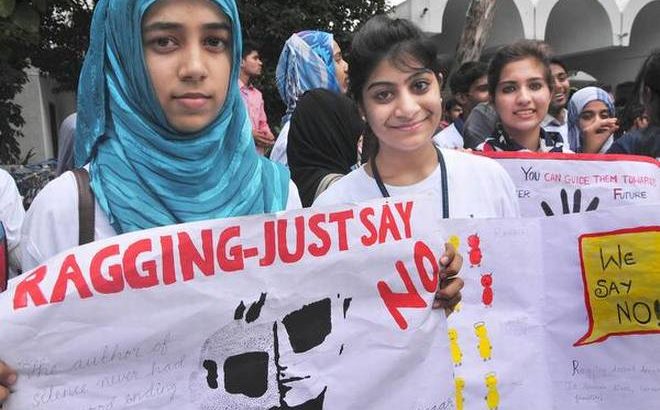
Ragging in educational institutions is truly alive and kicking. Four out of every ten students admitted to higher educational institutions have been victims, a study commissioned by the University Grants Commission has found.

The study, titled ‘Psychosocial Study of Ragging in Selected Educational Institutions in India’, was done during 2013-14 in 37 colleges and universities across the country. It scrutinised the experiences of 10,632 students from different demographic profiles.

The study encompassed 13 colleges from the northern parts of India, 10 from the south, six from the east and eight from western India. The surveyed institutions included nine medical colleges, 11 engineering colleges and nine ‘degree’ colleges and universities.

“Analysis of the overall data reveals that almost 40% students admitted to having gone through some kind of ragging — 35.1% students faced mild ragging and 4.1% students were subjected to severe ragging. However, college-wise analysis shows significant variations in these values,” the study states. It not only highlights occurrence in terms of numbers and frequency but also deals with the prevalence of the practice irrespective of places, types of courses and gender divide. The study discusses causes and consequences.

The practice continues despite multiple judgements by the Supreme Court over the past two decades seeking to curb it. The court in 1999 and 2007 issued guidelines to curb ragging and felt the need again in 2009 to set up a committee of mental health and public health professionals to study the menace.

The study finds ragging is more prevalent among hostel residents at 45.9%, when compared with the 32.5% incidence seen among day scholars. The incidence was more in professional courses such as medicine and engineering — approximately 48.3% in medical colleges and 44.5% in engineering colleges. The figure is 28.8% for other courses. Instances of ragging was much higher among males.

Reported in media

The study examines ragging incidents reported in major media outlets between January 2007 and September 2013, and analyses 717 cases. The highest number of 97 was reported from Uttar Pradesh. The figure was 75 for Andhra Pradesh, 73 for West Bengal, 54 for Tamil Nadu, 48 for Kerala, 48 again for Madhya Pradesh, 42 for Maharashtra, and 35 for Punjab. “A total of 71 deaths due ragging was reported in that period. There were 199 cases of ragging that led to minor and major injuries to students, including 81 incidents leading to hospitalisation and causing permanent disability,” the report states.

According to the study, factors such as individual appearance, region of origin, language spoken, sexuality, and caste were factors involved in the incidents. About 20.7% of students who admitted to having been ragged said they were targeted for their looks and appearance. About 15.6% attributed it to their region of origin and 12.2% to their mother tongue.

The report states that the ability or inability to speak English often becomes a basis for discrimination and a factor in ragging.

The qualitative and quantitative data highlighted the fact that sexual harassment in the name of ragging is prevalent in some institutions. While 4% students admitted to having faced sexual ragging, more than 10% faced it in some institutions.

Harsh Agarwal, one of the authors, said there was remarkable variation in the prevalence of ragging across colleges and institutions. In some institutions the prevalence was as high as 75%, which pointed to the significance of institutional factors. “The response of a particular institution to ragging complaints and the attitude of the faculty [members] are the most important factors in influencing ragging,” Mr. Agarwal said.

Data collection was done between February 2013 and February 2014. Experts analysed the data in 2014 and 2015. Mr. Agarwal, Professor Mohan Rao, Dr. Shobna Sonpar, Dr. Amit Sen, Professor Shekhar Seshadri and Divya Padalia authored the 252-page report. It was submitted to the UGC in early 2016 and released on August 11, 2017.

Surveillance tools

Academicians and researchers said that during field visits it was observed that ragging was less prevalent in institutions that promoted a healthy interaction between teachers and students, and when there was a sense of community on the campus. Surveillance tools such as CCTV cameras proved to be ineffectual as they often induced a sense of complacency among administrators.

The researchers also noted some interesting anecdotes. In a medical college in Uttar Pradesh, the research team was having an informal conversation with a peon when a senior faculty member instructed him not to talk to the team. “The faculty member was afraid that the peon could reveal information pertaining to ragging,” the report states.

A girl student interviewed at a Delhi college said she was targeted because she was an ‘outsider’ and hailed from Bihar. Many students broke down while narrating their experiences. Many refused to talk inside the campus and quietly handed over their numbers so researchers could speak to them over phone.

33% enjoyed ragging

Curiously, of the students who admitted to being ragged, 32.6% said they enjoyed the experience, while 45.1% admitted to feeling bad only initially. Negative emotional experiences such as feeling angry was reported by 19.1% students, 12.1% said they felt helpless, and 8.6% felt ashamed and humiliated.

The researchers had a set of questions to assess the students’ level of support to ragging. The results show that 33.8% of students felt ragging helps build confidence and develop personality traits, and 34.8% felt it toughened them mentally. As many as 35.7% felt ragging prepares a student to deal with the harsh world outside.

“This normalisation of ragging is very dangerous, where the students are socialised into thinking that the world outside is a tough place and that a toughening-up exercise will help them succeed in this harsh world,” Divya Padalia, a co-author of the report, said.

Fuente :http://www.thehindu.com/news/national/ugc-study-confirms-widespread-ragging/article19611049.ece

Imagen:https://lh3.googleusercontent.com/khdiTALEr9JVJj1u3nphuc6YKuYvWh8h1VturUoOgrS4PwZhs9ba8eHSWhvdxhlETC7JWw=s85

Comparte este contenido:

Vietnam to include human rights in education

Vietnam has approved a project that aims to make human rights an integral subject in education nationwide by 2025.

A little girl’s cheerful face on the first day of the new school year

Asia/Vietnam/english.vietnamnet.vn

Resumen: Según el proyecto, la enseñanza de los derechos humanos se llevará a cabo en varios centros de enseñanza infantil, escuelas, universidades y centros de formación profesional en tres ciudades y provincias de las regiones norte, sur y centro.Para 2025, todos los establecimientos educativos de toda Vietnam tendrán el tema en su currículo.La educación en derechos humanos en los jardines de infancia introducirá elementos básicos en los derechos y deberes individuales.
Los alumnos de primaria aprenderán los principios, valores y leyes relacionados en Vietnam y el mundo, que profundizarán en el tema en las escuelas secundarias. En las escuelas secundarias, los estudiantes estudiarán los mecanismos clave utilizados para proteger los derechos humanos.
La formación profesional se centrará en los derechos humanos en el trabajo, mientras que los colegios y universidades ofrecerán contenidos más profundos sobre el concepto, la naturaleza y las funciones del sujeto, así como su relevancia en los documentos legales vietnamitas e internacionales.


Per the project, teaching human rights will be piloted at several kindergartens, schools, universities and vocational training centers in three cities and provinces in the north, south, and central regions.

By 2025, all educational establishments across Vietnam will have the subject in their curriculum.

Human rights education in kindergartens will introduce basic elements in individual rights and duties.

Elementary pupils will learn related principles, values, and laws in Vietnam and the world, which they will delve more deeply into the issue in junior high schools. At high schools, students will study key mechanisms used to protect human rights.

Vocational training will focus on human rights at work, while colleges and universities will offer deeper contents on the concept, nature and roles of the subject and well as its relevance in Vietnamese and international legal documents.

Fuente: http://english.vietnamnet.vn/fms/education/185979/vietnam-to-include-human-rights-in-education.html

Comparte este contenido:

Filipinas: aumenta el apoyo internacional a los docentes y estudiantes lumad que luchan por su derecho a la educación

Asia/Filipinas/PrensaIE

Los sindicatos de docentes de todo el mundo siguen mostrando su solidaridad y respondiendo al llamamiento a la acción lanzado por la Internacional de la Educación para condenar los continuos ataques perpetrados contra escuelas, profesores, estudiantes y comunidades lumad en Filipinas.

Los afiliados de todas las regiones del mundo de la Internacional de la Educación (IE) han unido sus voces solidariamente y han emitido varias cartas de protesta y de condena pública desde el 26 de julio cuandola IE instó a sus organizaciones miembros a que condenaran el continuo acoso y los ataques dirigidos contra estudiantes, docentes y defensores de los derechos humanos de las comunidades indígenas lumad de la isla meridional de Mindanao, en Filipinas. La Internacional de la Educación fue alertada de estos ataques militares y paramilitares por su afiliada filipina, la Alliance of Concerned Teachers (ACT).

Los sindicatos de docentes que han manifestado su solidaridad son los siguientes: el Australian Education Union/Australia; la Confederaçao Nacional dos Trabalhadores em Educação/Brasil; el Syndicat des enseignants bulgares/Bulgaria; la Asociación Nacional de Educadores/Costa Rica; la Fédération Formation et Enseignement Privés-Confédération française démocratique du travail/Francia; la Fédération Syndicale Professionnelle de l’Education/Guinea; el Japan Teachers’ Union/Japón; la Utdanningsforbundet/Noruega; la Organización de Trabajadores de la Educación del Paraguay/Paraguay; la National Association of Schoolmasters Union of Women Teachers y la National Union of Teachers/Reino Unido; y la National Education Association/Estados Unidos de América.

Además de los sindicatos de docentes, el Canadian Union of Public Employees (CUPE) ha condenado públicamente la persecución a través de la ACT y enviado una carta de apelación al presidente Duterte en la que solicita: la liberación inmediata de Amelia Pond, una investigadora de un centro lumad que actualmente se encuentra retenida bajo cargos falsos; el cese de las amenazas, del acoso y de la intimidación de los docentes de las escuelas lumad; la disolución de todos los grupos paramilitares que operan bajo las fuerzas armadas del Estado; así como la cancelación del programa de contrainsurgencia filipino que ha dado lugar a numerosos casos de violaciones de los derechos humanos.

Además, ha exigido al Gobierno de Filipinas que cumpliera y respetara las normas sobre derechos humanos para todos, que recogen el derecho a la educación de los estudiantes lumad.

Antecedentes

En virtud de la aplicación de la ley marcial, se ha intensificado la militarización y se han incrementado los ataques promovidos por el Estado en contra de las comunidades y los territorios lumad, y se sigue amenazando el funcionamiento de las escuelas lumad mediante el acoso, la intimidación, las detenciones por cargos falsos, los asesinatos, la destrucción de los terrenos escolares, la evacuación y el desplazamiento.

Sin embargo, los estudiantes y los docentes lumad defienden su derecho a la educación indígena, y las organizaciones ACT y SOS Network se mantienen fuertes y llevarán a cabo entre el 1 y el 21 de septiembre acciones conjuntas, como el “Kampuhan” o campamento en la Universidad de Filipinas en Diliman, Quezon City, y en muchas partes del país.

El llamamiento urgente a la acción de la IE

Mediante su llamamiento urgente a la acción enviado el 26 de julio, la IE ha instado a todas sus organizaciones miembros a tomar medidas inmediatas, por ejemplo:

·         Enviando una carta de protesta al presidente Rodrigo Duterte, así como a las autoridades pertinentes en Filipinas (ver el modelo de carta ).

·         Poniéndose en contactos con sus Gobiernos nacionales y con la representación diplomática de Filipinas en sus países y solicitando entablar un diálogo acerca de estas cuestiones con las autoridades filipinas.

·         Emitiendo declaraciones públicas para condenar los ataques contra las comunidades educativas lumad de la isla de Mindanao; y otorgando visibilidad a esta situación en las redes sociales.

Fuente: https://www.ei-ie.org/spa/detail/15335/filipinas-aumenta-el-apoyo-internacional-a-los-docentes-y-estudiantes-lumad-que-luchan-por-su-derecho-a-la-educaci%C3%B3n

Comparte este contenido:
Page 388 of 772
1 386 387 388 389 390 772