Page 3043 of 6844
1 3.041 3.042 3.043 3.044 3.045 6.844

Syrian children’s enrollment in secondary education still low: Expert

Syria/ May 08, 2018/ By: Sevil Erkuş – ANKARA/Source: http://www.hurriyetdailynews.com

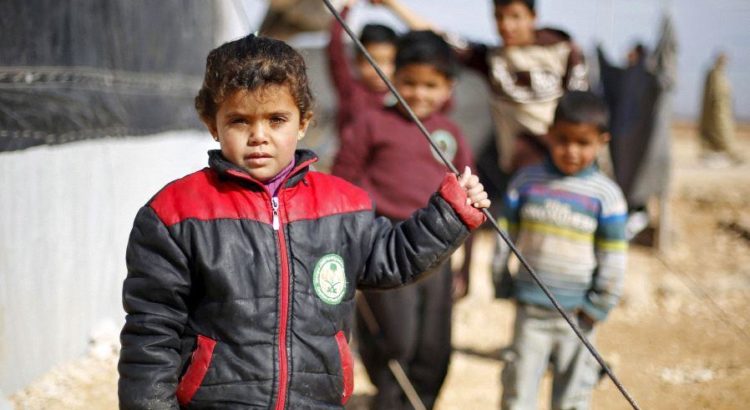
Turkey continues to host the largest number of school-aged refugee children and youth, which increased to 976,200 in 2017 from 833,039 in 2016, with efforts provided increasing enrollment in primary schools, yet access to secondary education is still low, an expert said.

With the National Education Ministry’s progressive inclusion of Syrian children and youth in the national system, there are more school-age Syrian children enrolled in Turkish public schools (373,381) for the first time than in temporary education centers (237,234) in 2017, Research Centre on Asylum and Migration (İGAM) president Metin Çorabatır told Hürriyet Daily News.

Due to great efforts of host countries and the international community, the enrollment rates for refugee children in primary schools are increasing.

However, when it comes to access to education, a vulnerable group is youth and more than 76 percent of Syrian youth outside of Syria live in Lebanon and Turkey, he said.

“Overall, regional enrollment rates in secondary education are low: 24 percent in Jordan, 6 percent in Lebanon and 2 percent in Turkey. The regional average of refugee enrollment in secondary education is 17 percent, lower than the global average of 23 percent,” Çorabatır said.

The Turkish Education Ministry has recruited 5,600 Turkish language teachers to help Syrian students to improve their Turkish language proficiency. In addition, new and age-appropriate language teaching modules are under development.

A comprehensive psychological support program in schools is being developed and 500 school counselors were recruited to provide psychosocial support to Syrian children and youth.

Despite these great efforts by the government, various factors contribute to the low rates of access to secondary education, according to the İGAM president.

“Refugee youth often work, take care of their younger siblings or perform other household duties. This is both a complicating factor in reaching them to participate in education programs and a reason many are currently unable to, as most education programs are scheduled during working hours and require intense participation,” he said.

Çorabatır has been announced last week as a Gulmakai Champion of the Malala Fund. The Malala Fund is the official organization led by Pakistani Malala Yousafzai and is focused on helping girls go to school and raise their voices for the right to education

With this new title, İGAM will focus on Syrian refugee women’s education in Turkey and to assist in efforts for their education.

“The Malala Fund believes—and we as İGAM share that same belief—that every person can make an impact on our world. We are seeking accountability from politicians and finding ways to improve refugee girls’ access to education in Turkey,” he said.

Source:

http://www.hurriyetdailynews.com/syrian-childrens-enrollment-in-secondary-education-still-low-expert-131437

Comparte este contenido:

India: Centre shifts focus to liberalization of higher education

India/May 08, 2018/By: Prashant K. Nanda/Source: https://www.livemint.com

Over the past few months, the Indian higher education sector has been witnessing a gradual transformation.

The long promised new education policy is still in the pipeline, but the Union government seems to have taken up a new task — liberalization of higher education.

Over the past few months, the Indian higher education sector has been witnessing a gradual transformation from a restrictive regime to a liberalized one in all three key aspects: finance, academic and administrative.

“Higher education liberalization is a requirement and the government is taking steps to achieve it. You will see key regulatory bodies like the University Grants Commission and All India Council for Technical Education (AICTE) getting reformed for better management of higher education,” said a top official of the human resource development ministry.

“From legislative measures to executive orders, the ministry is now busy reducing the restrictive regime in the sector. In the next six months, you will see some more initiatives,” he said.

What he was referring to is a series of initiatives the ministry has already initiated over the past few months. It enacted the IIM Act, allowing Indian Institutes of Management (IIMs) to become virtually free of government control. It has brought in a set of guidelines for autonomous colleges allowing them freedom to prescribe courses, become more industry linked and start self-financing courses to become financially sustainable. Besides, it has put in place a non-banking financial corporation to aid infra growth of educational institutions on a borrow and pay concept — a move that will reduce the financial burden on the government and make institutions accountable for their own infra and research growth.

In March, the Union government for the first time provided graded autonomy to 62 universities and colleges both in private and public space to operate with relatively less interference from the education regulators.

HRD minister Prakash Javadekar called this a “liberalized regulatory regime” and said on the sidelines of an event recently that the Indian higher education sector often complains about restrictive rules but now the government is making a conscious effort to liberalize it.

“Of late, there seems to an intention of liberalizing the sector. Autonomy and liberalization are a necessity for the higher education section to thrive. The moment you allow freedom and competition, the best will survive and others will strive to improve quality as it will be a requirement for survival,” said Harivansh Chaturvedi, director of the Birla Institute of Management and Technology in Greater Noida.

Chaturvedi, who is also the alternate president of the Education Promotion Society for India, a confederation of private education providers, said technical education colleges under AICTE should also be granted autonomy based on their rankings and accreditation scores.

While some of the recent moves are important, a new education policy is almost paramount and the government should bring that in to give direction to the education sector, Chaturvedi said. A new education policy is being deliberated for last four years.

Of all the steps the government has taken, the establishment of a higher education financing agency and its expansion in the past couple of months is perhaps the most under-rated but far reaching, said the official cited above. The government has already sanctioned loans worth over Rs2,500 crore to nearly a dozen top schools.

“While individual sub-sectoral moves like autonomy for IIMs, graded autonomy for a group of colleges and universities have their merits, the financing agency will perhaps reduce government spending by Rs10,000 crore per year, and push top higher educational institutions to become more accountable and finically prudent. That’s a bigger change from the way public funded institutions function — you get autonomy, you decide your growth path and you raise money and pay back from your own resources. That’s a bigger liberalization move,” said the official.

Source:

https://www.livemint.com/Politics/mx1YXvM5lCt26WaaHz91HO/Centre-shifts-focus-to-liberalization-of-higher-education.html

Comparte este contenido:

EEUU: Texas Special Education Reform Comes With Mountain Of Mistrust

EEUU/May 08, 2018/

In 2004, the Texas Education Agency arbitrarily decided the state should shrink special education to 8.5 percent of the student population.

After conducting an investigation, the U.S. Department of Education said the effective cap illegally barred tens of thousands of children with disabilities from a free and appropriate education.

The state agency is trying to enact reforms to make up for breaking the law, but parents and advocates say it will take a lot to regain their trust.

“It’s really too little, too late. Especially (for) those children who needed early childhood intervention. You can’t get those years back,” said Jill Goolsby of San Antonio.

Five years ago, school officials told Goolsby her 3-year-old son Walker didn’t qualify for the free public preschool program for children with disabilities.

“I was told he definitely was not autistic because he was able to pretend that blocks were ice cubes. And I was told that a child with autism is not creative and cannot have any imaginative play, which is — that’s not true. But I did not know that at the time,” Goolsby said.

According to the Education Department, school districts across Texas delayed testing tens of thousands of kids like Walker, or shunted them to less intensive forms of support to meet TEA’s 8.5 percent benchmark.

By the time the benchmark was eliminated last year, advocates said a whole generation had aged out of the system.

“As a society, we will pay for them the rest of their lives, if we don’t get them back in the system and educate them,” said Karen Seal, a disability rights attorney in San Antonio. “The ones that are already out, how do we get them back, when there’s no mandate to do that?”

Seal thinks the Education Department should have punished Texas for breaking the law.

“But the problem with punitive is it’s usually monetary, and the last thing the schools need right now when it comes to special education is to lose money,” Seal said.

What the Education Department did, however, is tell TEA to do a better job monitoring school districts, and to make sure the children who were denied services are given the help they’re owed.

The department is currently reviewing TEA’s plan to meet those demands. It has three major parts: compensating families, training teachers and amping up the state’s monitoring team.

Deputy commissioner of academics Penny Schwinn said the first thing TEA will do is use federal dollars to hire 50 people.

“Unlike what Texas has done in the past, we want this monitoring team to be about review and support. So it’s going into districts, working with them as partners, families as partners, students as partners to really look at the compliance components,” Schwinn said.

Next school year, the plan calls for districts to begin finding the kids they missed and provide therapy and other compensatory services if they need it.

Goolsby welcomes the news, but said it won’t make up for her son Walker not getting help when he needed it. While she was able to get him into a private preschool, and had insurance to help cover therapy, she knows other families weren’t, and aren’t, so lucky.

“These kids have had bad years. It’s very hard to send them to an environment where you know they’re struggling and to try to turn around their mental attitude around school and their relationships with their peers,” Goolsby said.

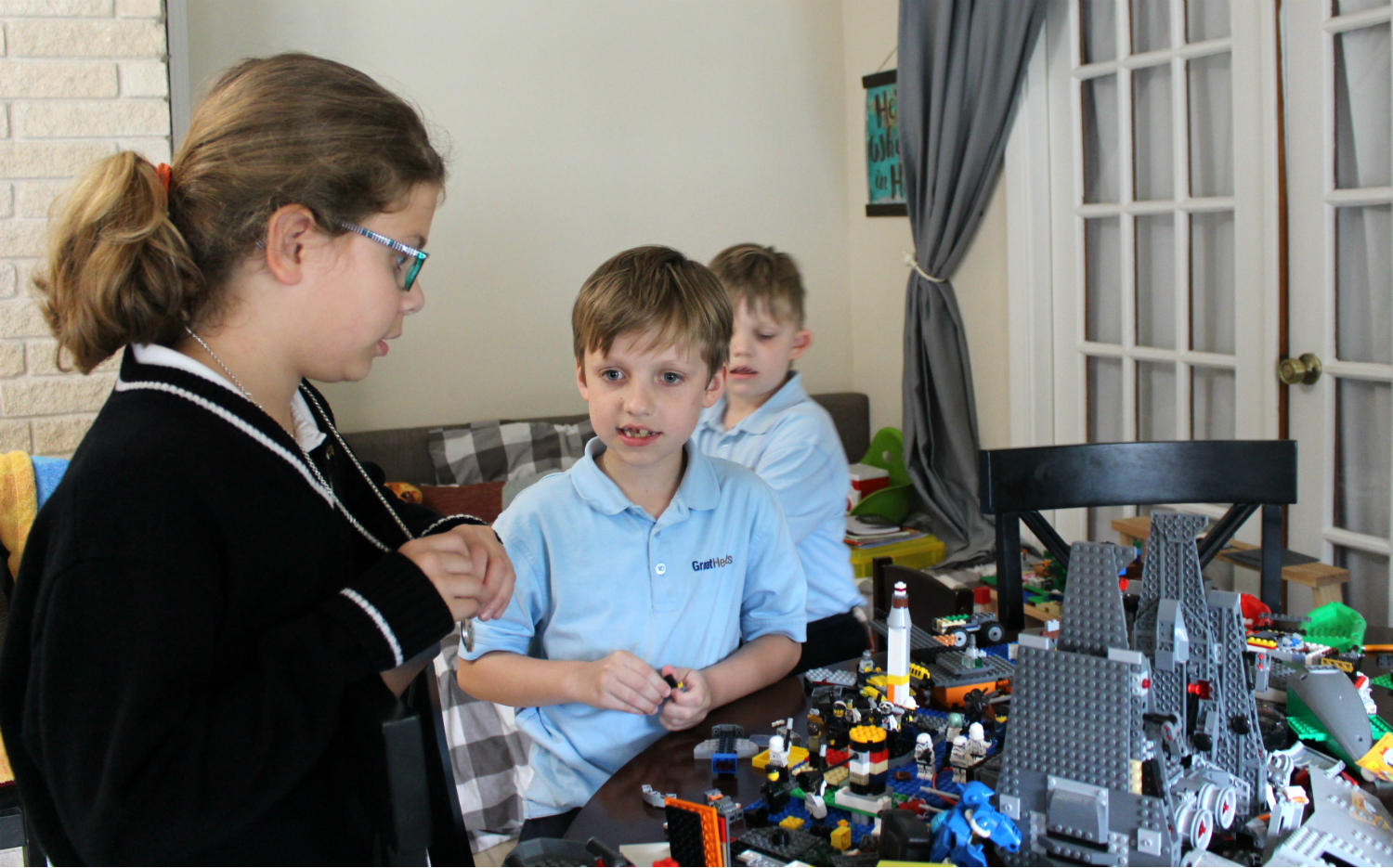
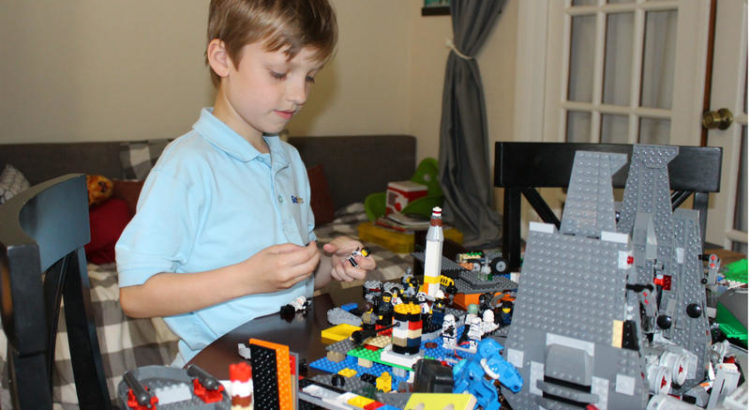
Walker Goolsby, center, plays with Legos after school with his sister Caroline and brother Hayes.
CREDIT CAMILLE PHILLIPS | TEXAS PUBLIC RADIO

Today, Walker is 8 years old and doing well. One of his favorite things to do is build Legos and make up stories about Lego guys.

His mother is grateful, but feels for all the kids who’ve missed out on years on intervention.

I mean you can’t undo that. Those are consequences that are just going to be there,” Goolsby said.

She and her husband moved their four children across town to be close to a charter school that gives Walker and his younger brother Hayes special education services.

With so much to make up for, parents and advocates have mixed reactions to TEA’s special education plan. Their top concern: There won’t be enough money.

Kyle Piccola from the disability rights organization The Arc of Texas said the plan’s a big step in the right direction, but he’s worried TEA doesn’t mention anything about how expensive it will be.

“In my opinion they’d be able to provide an estimated guess, at the least,” Piccola said.

TEA has promised to ask for more money for special education in next year’s state budget, but Piccola said he it will be hard to get lawmakers to agree unless the agency provides an accurate picture of the cost.

“I don’t want you to hear that The Arc of Texas is giving a resounding gold star to TEA. Like I said, we are very cautious about moving forward, and we’re going to be keeping a watchful eye,” Piccola said.

Disability rights attorney Karen Seal is more skeptical, though. She wants a federal monitor.

“TEA, the one that broke the law, they’re saying okay, we know you robbed these kids of this education, now we want you to go in and take care of the problem,” Seal said.

TEA’s Penny Schwinn said the state agency is working to regain the trust of parents and advocates.

“We understand that there are some serious trust issues in the state related tospecial education, and that one of our responsibilities is to begin to right the ship on our end,” Schwinn said.

It’s hard to say how much oversight the Education Department will give TEA as it rolls out special education reform. The department declined multiple requests for an interview.

Camille Phillips can be reached at Camille@tpr.org or on Twitter @cmpcamille

Source:

http://tpr.org/post/texas-special-education-reform-comes-mountain-mistrust


Source:

http://tpr.org/post/texas-special-education-reform-comes-mountain-mistrust

Comparte este contenido:

Chile: Primer Estudio de Consumo de Drogas y Alcohol en Estudiantes de Educación Superior

América del Sur/Chile/ 07.05.2018/ Fuente: www.senda.gob.cl.

El Servicio Nacional para la Prevención y Rehabilitación del Consumo de Drogas y Alcohol (SENDA), con el apoyo de la Organización de Estados Americanos (OEA), se encuentra realizando desde hoy 07 de mayo hasta el 01 de junio, el Primer Estudio de Consumo de Drogas y Alcohol en Estudiantes de Educación Superior.

El objetivo de este estudio es levantar información que permita describir la prevalencia del consumo de sustancias psicoactivas en la población de estudiantes de educación superior, así como sus principales patrones de uso y factores explicativos.

Para la aplicación del estudio, se cuenta con un cuestionario disponible online, administrado por la OEA, donde los estudiantes seleccionados pueden directamente responder la encuesta. El núcleo del cuestionario estará compuesto por preguntas sobre:

• Caracterización del uso de drogas (prevalencia, frecuencia y trastornos por usos de sustancias)
• Percepción de riesgo
• Facilidad de acceso y disponibilidad de drogas

El estudio es llevado a cabo en una muestra aleatoria de estudiantes de educación superior, pertenecientes a distintas casas de estudio de las regiones de Antofagasta, del Biobío, de Los Ríos, de Los Lagos y Metropolitana.

Los alumnos y alumnas que fueron seleccionadas al azar para responder esta encuesta, recibirán un correo electrónico con las instrucciones para ingresar al cuestionario online.

Para el éxito de este estudio, esperamos contar con la importante participación de cada uno de los alumnos y alumnas seleccionadas.

Es importante tener presente que

  • Las respuestas son absolutamente anónimas, nadie puede acceder a ellas.
  • Los resultados solo serán analizados a nivel agregado y en ningún caso por casa de estudios o por alumnos participantes.
  • Si recibiste el correo electrónico invitándote a participar del estudio, y eres uno de los primeros 7.800 estudiantes que respondan la totalidad del cuestionario, te regalaremos una entrada al cine.

Fuente: http://www.senda.gob.cl/observatorio/estudio-educacion-superior.

Comparte este contenido:

Educación española aboga por fomentar la asignatura de Filosofía porque es necesario construir una ciudadanía crítica y responsable

Europa/ España/ 07.05.2018/ Fuente: www.juntaex.es.

El secretario general de Educación, Rafael Rodríguez de la Cruz, se ha referido a la necesidad de mantener y fomentar la asignatura de Filosofía, “una materia desde donde se puede construir una ciudadanía crítica y responsable” y ha destacado la importancia de su presencia en las aulas para “propiciar el diálogo constructivo en una época en la que el ruido mediático y de las redes sociales invitan a conclusiones apresuradas y enfrentamientos estériles”.

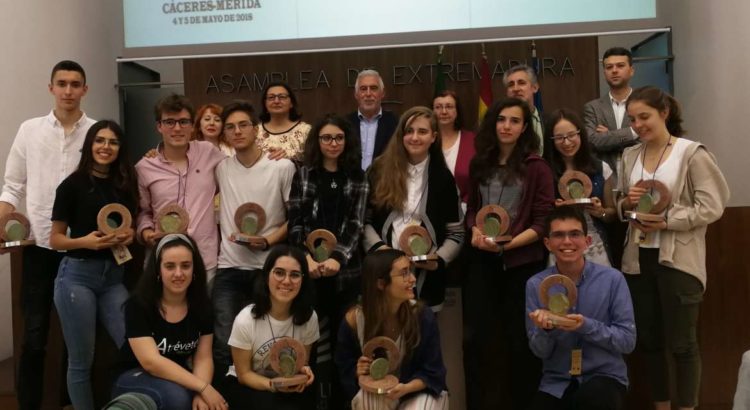
Rodríguez de la Cruz ha hecho estas declaraciones durante el acto de clausura y entrega de premios de la V Olimpiada Filosófica de España, en la que han resultado clasificados alumnos y alumnas de las comunidades autónomas de Madrid, Castilla La Mancha, Cataluña, Aragón, Canarias, Andalucía y Galicia.

Así, en la Modalidad Disertación la ganadora ha sido Adela Cebeiro Munín, de Galicia, mientras que el segundo y tercer premio han recaído en la andaluza Ana Rosa López Rodríguez y en Gabriela Rodríguez Galdona, de Canarias, respectivamente; mientras que en la Modalidad Dilema han resultado ganadores José Javier Ramírez Rodríguez, de Canarias; Estela Bescós García, de Aragón, y Raquel Sánchez Herrera, de Cataluña.

En la Modalidad de Vídeo los tres premios han sido para Paula Mestro Martín, de Castilla La Mancha; Miriam Sánchez Rodríguez, de Madrid; y Jorge Marín Escribano, también de la capital de España; mientras que en la Modalidad de Fotografía han resultado ganadores el andaluz José Jesús Santiago, la madrileña Marta Manzaneque Palau y la riojana Ángela Ramírez Carrillo.

Los estudiantes galardonados han sido seleccionados durante las pruebas celebradas ayer, en el IES ‘El Brocense’ de Cáceres, y hoy en el IES ‘Santa Eulalia’ de Mérida, una Olimpiada Nacional en la que Extremadura ha estado representada por los alumnos ganadores en la fase autonómica: Antonio Ruslán Bautista, del IES ‘San Fernando’ de Badajoz, en la Modalidad Disertación; Ana Karoline Da Silva Oliveira, del IES ‘Santa Lucía del Trampal’ de Alcuéscar, en la Modalidad Dilema, y María Pilar León Bermúdez, del IES ‘Virgen de Gracia’ de Oliva de la Frontera, en la Modalidad Fotografía.

Durante su intervención, el secretario general de Educación ha valorado los ejercicios que han tenido que realizar los participantes en esta Olimpiada, que este año se ha centrado en el tema ‘Revolución y Utopía’, diciendo que “deberían constituir referentes innovadores de las metodologías didácticas que habitualmente se usan”.

En este sentido Rodríguez de la Cruz ha explicado que tanto los ejercicios tradicionales como las disertaciones y la discusión de dilemas, como los más actuales como el uso filosófico de la imagen fotográfica y el vídeo, “son fundamentales en una educación del siglo XXI”.

Por último, el secretario general ha animado a docentes y alumnado “a seguir en esta maravillosa tarea de pensar por cuenta propia y riesgo”.

Fuente: http://www.juntaex.es/comunicacion/noticia&idPub=24886#.WvDQ56QvyUk

Comparte este contenido:

Chile: Talleres gratuitos de la Semana de la Educación Artística en el Museo Violeta Parra

América del Sur/ Chile/ 07.05.2018/ Fuente: museovioletaparra.cl.

A través de su área de Educación, Mediación, Audiencias y Voluntariado, el museo será parte de esta celebración con cuatro talleres gratuitos, que se realizarán entre el 15 y el 18 de mayo.

Bajo el lema “La expresión de la diferencia”, entre el 14 y el 18 de mayo, se celebrará en todo Chile la VI versión de la Semana de la Educación Artística. La iniciativa busca que mediante las experiencias artísticas, cada niño/a, joven y docente, se conecte con su propia identidad y diversidad.

El Museo Violeta Parra, que durante todo el año ofrece talleres y visitas gratuitas, también será parte de esta instancia impulsada por la Organización de las Naciones Unidas para la Educación, la Ciencia y la Cultura (Unesco). El área educativa ofrecerá cuatro talleres gratuitos, que tienen como eje central el valor de la diferencia, uno de los motivos centrales del canto y obra visual de la artista.

Las actividades comenzarán el martes 15 de mayo a las 16:00 horas con el Taller de Espejos con Material Reciclado, donde las y los participantes trabajarán inspirados en la idea de que la imagen humana es el reflejo de la diversidad. La celebración de la Semana de la Educación Artística continuará con la actividad Pintando con Lanas, que se desarrollará el miércoles 16, y donde las y los participantes utilizarán la técnica de lanigrafía para confeccionar una composición basada en las pinturas de Violeta Parra, rescatando personajes, objetos y escenas que serán repensadas en una nueva materialidad.

Símbolo de libertad, las aves destacaron en la obra musical y visual de Violeta Parra, con ellas expresó emociones, pensamientos y perspectivas acerca de la diversidad de nuestro entorno cultural. Esta idea inspiró el Taller de Guirnaldas de Pajaritos, que se dictará el jueves 17 de mayo. Para cerrar las actividades, el 18 de mayo, se realizará el Taller de Colgante Árbol de la Vida, donde los y las participantes realizarán un árbol decorativo, torciendo alambres, cubriéndolo con lana y mostacillas.

Todas las actividades se realizarán a las 16 horas en el museo ubicado en  Vicuña Mackenna n° 37, Santiago, y están pensadas para jóvenes desde los 15 años en adelante. Las inscripciones gratuitas se realizarán a través del teléfono + 56 2 23554648 y los adultos responsables deben inscribirse y participar del taller.

Resumen de talleres

Taller de Espejos con Material Reciclado 
Martes 15 de mayo / 16:00 horas

Taller Pintando con Lanas
Miércoles 16 de mayo / 16:00 horas

Taller de Guirnaldas de Pajaritos
Jueves 17 de mayo / 16:00 horas

Taller de Colgante Árbol de la Vida
Viernes 18 de mayo / 16:00 horas

Sobre la Semana de la Educación Artística

La Semana de la Educación Artística (SEA), es una celebración internacional, impulsada por UNESCO que busca “sensibilizar a la comunidad internacional sobre la importancia de la educación artística; y promover la diversidad cultural, el diálogo intercultural y la cohesión social”. En Chile, es organizada por la UNESCO, el Ministerio de las Culturas, las Artes y el Patrimonio, el Ministerio de Educación, la Universidad de Chile y Balmaceda Arte Joven, y está dirigida a estudiantes de escuelas y liceos del país, etapa de la enseñanza donde el desarrollo de las artes y la creatividad cumplen un papel fundamental para generar sujetos más libres y conscientes de su entorno.

Fuente: http:///inscribete-los-talleres-gratuitos-museo-violeta-parra-ofrecera-la-vi-semana-la-educacion-artistica

Comparte este contenido:

España destaca las enseñanzas artísticas en la IX Semana de Música y Teatro de Los Califas

Europa/ España/ 07.05.2018/ Fuente: www.20minutos.es.

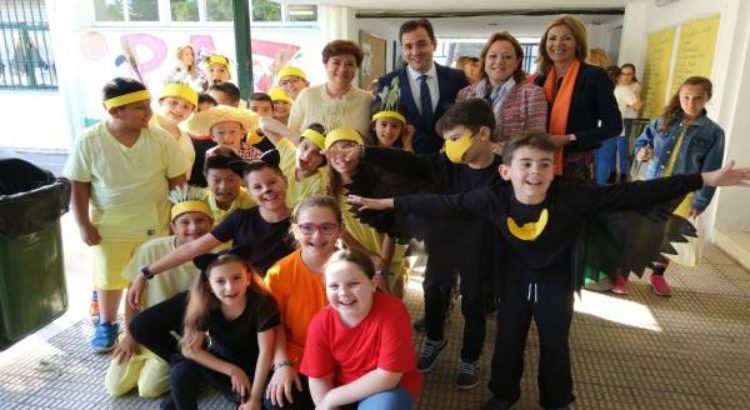
El delegado de Educación de la Junta en Córdoba, Antonio José López, ha inaugurado este lunes la IX Semana de Música y Teatro del Colegio Público de Infantil y Primaria (CEIP) Los Califas, donde ha destacado el «gran trabajo» y «esfuerzo» del alumnado, del profesorado y de toda la comunidad educativa que «colabora en la infraestructura», a la vez que ha destacado el valor de las enseñanzas artísticas

En este sentido, López ha señalado que la Junta cree y apuesta por las enseñanzas artísticas, por lo que «esta semana cultural del CEIP Los Califas se suma a esa promoción que desde la Delegación y la Consejería de Educación hacemos», pues «estas enseñanzas nos permiten, entre otras cosas, aumentar la autoestima del alumnado, aprender a respetar y convivir en grupo y conocer y controlar sus emociones, lo que fomenta nuestro objetivo de desarrollo integral de los niños».

Por su parte, la directora del centro, Concepción Cerro, ha señalado que el «alumnado descubre lo que es la disciplina y la constancia en el trabajo, además de desenvolverse entre el público, reforzarles tareas académicas como la lectura y la literatura y ayudarles en la socialización, principalmente a los niños y niñas que tienen dificultad para comunicarse. Asimismo, el alumnado mejora la concentración y la atención, se les transmite e inculca valores y promueve que reflexionen».

Esta semana cultural, dedicada a las artes escénicas y musicales, ha comenzado este año con la representación de la obra ‘Ojos de botella de anís’, interpretada por el alumnado de 3ºA, mientras que a continuación ha tenido lugar la actuación del magnífico coro del centro, «merecedor de premios y actuaciones en diferentes colegios y actividades promocionadas por otras entidades u organismos», ha señalado Cerro, quien ha añadido que «este año sus 53 participantes nos han sorprendido aumentando el número con instrumentistas acompañando al coro». El delegado de Educación ha agregado que «gracias a este tipo de actividades se estimula la creatividad y la imaginación del alumnado, pero lo mejor es ver la ilusión y el esfuerzo con que los niños se enfrentan a esta semana repleta de actividades».

A lo largo de toda la semana, los alumnos del Colegio Los Califas van a poder disfrutar cada día de la actuación del Coro Los Califas y de cinco representaciones teatrales distintas: ‘Atasco’, ‘Un monstruo en mi país’, ‘Ojos de botella de anís’, ‘La magia de la amistad’ y ‘Una familia de opereta’, llevadas a cabo por los cursos de 1º A y B, 3º A y B y 6º C, respectivamente, para todo el centro. Por último, el delegado de Educación ha atendido a los niños del programa Andalucía Profundiza del CEIP Los Califas, los cuales le han realizado una entrevista para el informativo de la televisión del centro.

El alumnado le ha preguntado por su trayectoria y retos como delegado de Educación. Este curso, desde el mes de marzo y hasta el mes de junio, se desarrolla en diferentes centros educativos de Córdoba y provincia el programa de profundización de conocimientos Andalucía Profundiza, consistente en la realización de proyectos de investigación en horario extraescolar.

En Córdoba se desarrollarán 32 proyectos, 13 de Educación Primaria y 19 de Educación Secundaria, siendo más de 523 alumnos y 32 profesores los que participan este año. El alumnado destinatario del programa está escolarizado en los cursos comprendidos entre 3º de Educación Primaria y 4º de Educación Secundaria Obligatoria, distribuido en diversas modalidades.

Fuente de la noticia: https://www.20minutos.es/noticia/3333529/0/educacion-junta-destaca-ensenanzas-artisticas-ix-semana-musica-teatro-califa

Comparte este contenido:
Page 3043 of 6844
1 3.041 3.042 3.043 3.044 3.045 6.844