América del sur/Bolivia/29 Marzo 2018/Fuente: Prensa Latina
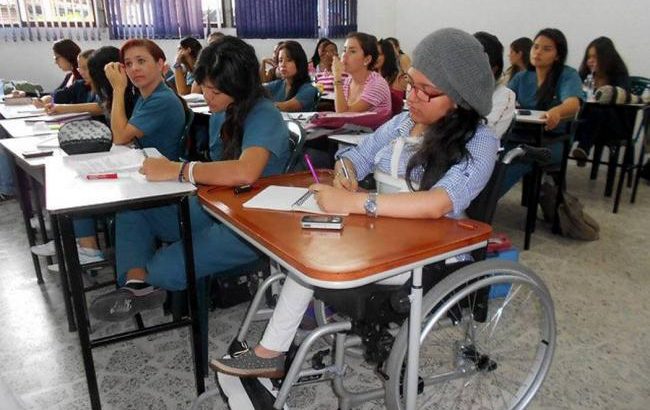
El Programa de Educación Sociocomunitaria en Casa para Personas con Discapacidad incluirá este año a unos 380 estudiantes con discapacidad grave y muy grave, indicó hoy el viceministro de Educación Alternativa y Especial de Bolivia, Noel Aguirre.
Aguirre comentó a la prensa local, que para este 2018 se tiene previsto arrancar con cerca de 380 estudiantes, los cuales ya han comenzado a inscribirse, cifra que superará los 90 matriculados en el curso precedente (2017).
El funcionario explicó que el proyecto es multisectorial y agregó que la participación del Ministerio de Educación posibilita el desarrollo de procesos de enseñanza individualizados con el acompañamiento de la familia y en directa coordinación con los Centros de Educación Especial.
Refirio que la cartera de Salud también garantiza la prestación de servicios integrales acorde con la situación de los estudiantes, mientras que el Ministerio de Justicia brinda asistencia y orientación en asuntos legales y sociales, según la necesidad de los alumnos y las familias.
Por su parte, el Ministerio de la Presidencia es el encargado de la dotación de materiales educativos, el cual, en caso necesario y debidamente justificado, llega a entregar incluso equipos de computación, todo esto gracias al Fondo Nacional de Solidaridad y Equidad.
De esta manera, la iniciativa, impulsada en 2016, permite a los educandos con discapacidad múltiple o física-motora grave o muy grave y en situación socioeconómica muy precaria -que no pueden asistir a Centros de Educación Especial o Unidades Educativas- contar con atención integral en educación, salud y justicia.
Datos oficiales muestran que en la nación andino-amazónica existen más de 65 mil personas con discapacidad, a las cuales el gobierno nacional les brinda seguro de salud gratuito.
América del norte/México/29 Marzo 2018/Fuente: Educación futura
La Educación Media Superior (EMS) que se ofrece en las zonas rurales de nuestro país muestra la necesidad de establecer una política de equidad educativa que permita ofrecer enseñanza de calidad a los más necesitados, afirmó la consejera del Instituto Nacional para la Evaluación de la Educación (INEE), Sylvia Schmelkes del Valle.
Al comentar el estudio Avances y Dificultades en la Implementación del Marco Curricular Común, dijo que la falta de equidad está ausente y afecta, de manera especial, a las zonas rurales desde preescolar hasta Educación Media Superior, y esto reproduce la desigualdad social.
Tras destacar que la mayoría de los estudios coinciden en señalar que en el ámbito rural los maestros presentan condiciones de trabajo precarias, desigualdad fundamental respecto a otros subsistemas y fragilidad de los aprendizajes de los alumnos, destacó el compromiso de los docentes y directivos, sobre todo en el Telebachillerato Comunitario.
Sylvia Schmelkes consideró que el estudio aporta extraordinarias recomendaciones y señaló que aunado a una política de equidad educativa, se requiere de una política de financiamiento más justa.
La autora Carlota Guzmán Gómez, investigadora del Centro Regional de Investigaciones Multidisciplinarias de la UNAM, informó que el propósito del estudio fue realizar una evaluación que brindara información sobre la implementación del marco curricular común, desde el punto de vista y las acciones de los principales agentes educativos, reconociendo las condiciones específicas que posibilitan el desarrollo de lo prescrito curricularmente.
En la mesa pública de análisis efectuada en el INEE, manifestó que ni en el Telebachillerato Estatal, ni en Educación Media Superior a Distancia (EMSAD), ni en el Telebachillerato Comunitario se logra el desarrollo de las competencias genéricas, disciplinares, o profesionales y que por lo tanto no se cumple con el perfil del egresado que contempla el Marco Curricular Común.
La investigadora dio a conocer que en las zonas rurales se ofrece un bachillerato a jóvenes que por sus condiciones no podrían continuar con sus estudios, pero que es altamente valorado por los estudiantes, las familias y las comunidades, quienes al no contar con referentes aceptan un servicio de baja calidad. Los bachilleratos rurales no responden a los principios de equidad ya que no prevén las condiciones necesarias para el logro de los aprendizajes de la población más vulnerable, precisó.
Luego de establecer que el derecho a la educación de calidad que tienen los estudiantes de este nivel no se cumple y se reproducen las desigualdades sociales y educativas, Carlota Guzmán recomendó establecer una política federal que tenga como centro los bachilleratos más vulnerables.
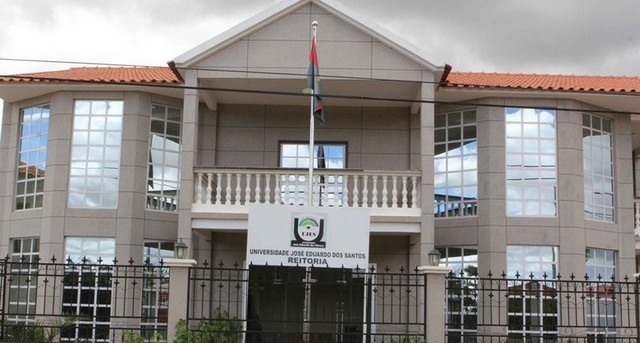
Una veintena de universidades de Estados Unidos mostraron hoy a jóvenes angoleños las diversas ofertas de estudio, vistas aquí como una manera de eliminar barreras para el desarrollo.
El director de la Mediateca Ze Du (en el municipio capitalino de Cazenga), Bengui Sauca, defendió la enseñanza del inglés para ampliar las relaciones de Angola en el contexto de África austral.
Como parte de la III Feria de enseñanza universitaria de Estados Unidos, la representante del Ministerio de Educación Superior, Ciencia e Innovación Liliana da Silva dijo que el idioma inglés no puede ser más una barrera en el desarrollo del país africano.
Esa lengua, dijo, es una condición sine qua non para vencer en la enseñanza superior.
La embajadora estadounidense en Luanda, Nina Maria Fite, dijo que la cita es una buena posibilidad para mostrar las potencialidades de estudiar en el país norteño, incluida una mayor competitividad en el mercado de trabajo.
Estudiar en Estados Unidos también ofrece una oportunidad a los angoleños de ser embajadores informales de su país, de compartir su cultura y experiencias con los norteamericanos, añadió Fite, quien asumió recientemente su cargo, y fue recibida la víspera en audiencia por el presidente Joao Lourenzo.
Centro América/Panamá/29 Marzo 2018/Fuente: Prensa Latina
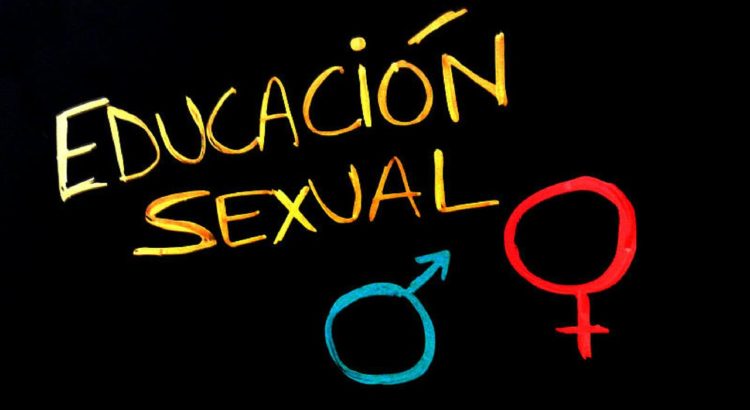
Un sonado caso de abuso lascivo a una menor, que estremece actualmente a la sociedad panameña, puso sobre el tapete hoy el debate sobre educación sexual y la certeza del castigo en un análisis de expertos.
El programa de opinión televisivo Radar examinó este domingo el problema desde la prevención y el proceso judicial, además de concluir que, postergar por razones ideológicas la discusión sobre impartir educación sexual en los programas escolares, creó una deuda en la formación de las nuevas generaciones.
‘Fundamentalmente, estamos inmersos en un debate que muchas veces ni siquiera toca el fondo del problema, sino solamente los aspectos superficiales que no contribuyen a encontrarle una verdadera solución’, expresó en el espacio el analista político, Jorge Eduardo Ritter.
Por su parte, la doctora Melina Mancuso afirmó que ‘es obligación de los padres aprender algunos aspectos del desarrollo humano’, es decir, lo que se espera que un niño haga a medida que crece.
‘Estamos en una sociedad donde actualmente los padres no están y cuando están, no están ciento por ciento en el hogar. Entonces, pueden pasar por alto algunas señales’, dijo.
En el programa se resaltó la necesidad de legislar sobre el tema, tomando como base la información científica y datos reales, porque la implementación de estudios permitiría que los menores identifiquen una intención inadecuada y alertar así a padres y autoridades.
‘No todo pedófilo llega a ser un pederasta. Ser pedófilo no es un crimen, es una enfermedad. Pero ser pederasta es un crimen’, explicó doctor Álvaro Gómez, quien exhortó a que se deben atender adecuadamente a los individuos con trastornos, porque de lo contrario, irá a la cárcel y al salir, tendrá la misma actitud.
A principios de marzo una multitudinaria marcha organizada por iglesias panameñas enfrentó el criterio de la Comisión Interamericana de Derechos Humanos (CIDH) de considerar discriminatorio el rechazo al matrimonio igualitario, y al mismo tiempo mostraron su rechazo a la educación sexual en escuelas.
Según Juan Francisco de la Guardia, uno de los promotores de la convocatoria, la protesta fue en defensa de la vida, la familia, la libertad de religión y el derecho de los padres a educar a sus hijos según sus principios y creencias.
Definió que la Alianza Panameña por la Vida y la Familia, que preside, se ‘opone a la imposición de la ideología de género por parte de organismos internacionales (ONU, CIDH y otros) a través de la justicia, mediante interpretaciones amañadas de nuestra Constitución Política de la República’.
Verificado 2018 revisó el desglose de los datos que citan a la SEP y encontró que los estudiantes de media superior y superior son 1.1 millones, una cifra que apenas llega a la mitad.
«¿No será que muchas cosas que se piensa que están de cabeza, en realidad no lo están?», pregunta el gobierno federal en la más reciente serie de promocionales que lanzó el pasado 9 de marzo.
Uno lo dedica a la educación. En éste, el gobierno de Enrique Peña Nieto presume que los apoyos educativos y las escuelas mejoraron durante su gestión y lanza tres datos: hoy estudian dos millones de jóvenes más que en 2012; hay más de 25 mil escuelas de tiempo completo; y 7.7 millones de estudiantes cuentan con una beca.
Los datos oficiales muestran que el primer dato es falso y los dos restantes, engañosos.
2017 cerró con un millón 147 mil alumnos más que 2012, y no con dos millones.
El número de escuelas de tiempo completo es correcto, pero en realidad está muy lejos de la meta que el mismo gobierno de Peña Nieto se planteó: 40 mil escuelas para el ciclo escolar 2016-2017.
El número de becas sí es de 7.7 millones, pero esa cifra apenas es 11% más de las que se daban en 2012.
Dos millones de jóvenes en las escuelas
«Hoy están estudiando dos millones de jóvenes más que en 2012», dice el spot. Verificado 2018 preguntó a Presidencia la fuente de los datos y respondió que éstos están en las páginas 76 y 77 del resumen ejecutivo del V Informe de Gobierno y que se trata de una comparación «entre el ciclo escolar 2012-2013 y 2016-2017, de la matrícula de alumnos en modalidad escolarizada y no escolarizada que estudian Educación Media Superior y Educación Superior (sin posgrado)».
Los datos del resumen ejecutivo del V Informe de Gobierno indican que hay 1.7 millones alumnos más, cifra cercana a los datos del promocional.
Pero en los mismos datos oficiales hay una contradicción. En contraste con lo que dice el resumen ejecutivo, en el anexo estadístico del V Informe de Gobierno se dice que, en 2017, solo hubo 1.1 millones de alumnos más que en 2012.
Verificado 2018 revisó el desglose de los datos que citan de fuente a la Secretaría de Educación Pública (SEP), y encontró que los estudiantes de media superior y superior son 1.1 millones, una cifra que apenas llega a la mitad de lo que presume Presidencia.
¿Más escuelas? No las prometidas
El spot también señala que «hay más de 25 mil escuelas de tiempo completo; cuatro veces más de las que había en 2012».
El dato es cierto, pero el gobierno federal presume como logro haber llegado a poco más de la mitad del objetivo que el mismo gobierno se puso: 40 mil escuelas de tiempo completo, según las proyecciones para el buen funcionamiento de programas sociales del Consejo Nacional de Evaluación de la Política de Desarrollo Social (Coneval).
Peor aún: en 2016 solo se sumaron 525 planteles, porque —según Coneval— «en 2015 el recorte presupuestal al programa afectó tanto la atención de la cobertura, como el monto de los recursos asignados, y lo faltante se tuvo que cubrir con recursos de 2016. Asimismo, en 2016-2017 se repitió la reducción presupuestal de 500 millones de pesos».
Otro dato es que en 2016 había 25 mil 032 escuelas afiliadas al programa, 3.7 veces más de las que había en 2012, pero tampoco es preciso atribuir el aumento sólo al último sexenio, ya que la tendencia viene desde 2008, cuando sólo había 953 escuelas registradas.
Menos becas que en 2012
Algo similar sucede con la última frase, que señala que «7.7 millones de estudiantes cuentan con una beca». La cifra es cierta, pero lo que no se dice es que, antes de comenzar el sexenio, ya había casi siete millones de estudiantes becado.
En este sexenio el crecimiento ha sido marginal y el programa sufrió recortes presupuestales.
El Anexo Estadístico del V Informe de Gobierno señala que entre 2012 y 2017, la diferencia del número de alumnos que goza de una beca fue de 786 mil, ya que pasó de seis millones 916 mil 200 estudiantes becados en 2012, a siete millones 702 mil 400 en 2017, es decir, 11.37% más que en la administración anterior.
Tanto las becas, como el programa de escuelas de tiempo completo, han sufrido recortes presupuestales durante los últimos años. Entre 2012 y 2017, el gasto educativo pasó de 6.4% a 6.2% del Producto Interno Bruto (PIB), contrario a lo que indica el discurso del Gobierno federal.
Como concluye el informe del Coneval sobre el Programa de Escuelas de Tiempo Completo, para ser consistente con la prioridad educativa y mostrar los avances como un logro, se precisaría sustentarlo contar con la suficiencia presupuestal.
Día a día miles y miles de mujeres y niñas sufren violaciones y abusos sexuales dentro de una sociedad que no cuenta con políticas de salud pública y educativa que pueda protegerlas. El Paraguay, sin duda alguna, es uno de los mayores países afectados con esta problemática, que demanda un cambio radical o medidas alternativas para tratar de convivir y desarrollar un país más sano.
“La semana pasada una niña de 14 años murió dando a luz en Paraguay. Quedó embarazada al ser violada por un hombre de 37 años, y falleció mientras los médicos le practicaban una cesárea de emergencia, en un intento desesperado por salvar su vida y la del bebé, luego de haber pasado varias semanas en el hospital por complicaciones relacionadas con el embarazo. “Su cuerpo no estaba preparado para un embarazo”, manifestó el director del hospital. El bebé sobrevivió”.
Paraguay es uno de los países con mayores tasas de mortalidad a consecuencia de abortos ilegales practicados por mujeres menores de edad, cuyo promedio registra un 23 por ciento en el país, aunque es difícil asegurar una estadística concreta, ya que muchas de las muertes por abortos clandestinos suelen incluirse dentro de las causadas por toxemias –toxinas en la sangre–, hemorragias, sepsis –infección generalizada–, etc. Además, según un informe de Tasas de Mortalidad Materna (TMM) en Latinoamérica, “el aborto es la primera causa de muerte materna”, con una TMM de 170 por cada 100.000 nacidos vivos.
Las malas acciones judiciales reflejan la pésima acción de los fiscales y los desentendimientos en los organismos de protección y factores como la institucionalidad indebida e innecesaria hacia las niñas que en vez de protegerlas, las aíslan y obligan a tener embarazos forzados por violación.
Gran parte de la sociedad está siendo egoísta con mantener la ideas conservadoras que siguen perdurando y no nos damos cuenta de los ajustes y necesidades que demanda. Sé que muchas personas no estarán de acuerdo, pero es necesario manifestarse y mirar qué alternativas tenemos.
“Ninguna niña debe ser madre”
Considero que ninguna niña adolescente debe ser madre. Estoy de acuerdo y apoyo el “Derecho a la vida” como lo señala el Art. Nº4 de nuestra Constitución Nacional donde en un punto dice: “que toda persona será protegida por el Estado en su integridad física y psíquica”.
Este apartado sin lugar a duda es pisoteado y en contra partida, día tras día se destrozan las condiciones de vida y sobrepasa la autonomía de ellas. No existe ninguna atención integral o protocolos que garanticen que la vida de una niña está primero. La voluntad de ellas son sometidas al yugo de lo que se cree correcto.
En las grandes sociedades del mundo no autorizan a matar niños, apuestan a salvar madres. Dice el científico Alberto Kornbilt que no es correcto decir que un embrión es una persona, desde el punto de vista biológico y social, ya que antes de las 14 semanas no hay actividad encefalográfica y tampoco siente dolor.
La Organización Mundial de la Salud dice que hay 47 mil mujeres que mueren por año por esta causa, donde el amplio porcentaje se da en los países tercermundistas. Los más desarrollados, son las naciones que superaron las necesidades básicas y donde tienen el consenso de que “toda mujer debe tener derecho a interrumpir voluntariamente su embarazo en las primeras 14 semanas de gestación”, política establecida en cuanto a sustento científico y derechos humanos.
Situación jurídica del aborto en el mundo.
Estas naciones cuentan con políticas de salud pública donde además se busca prevenir, proteger, reparar y erradicar las violencias en todas sus formas. Curiosamente en los países que adoptaron el aborto legal, seguro y gratuito; bajó drásticamente la mortalidad de las madres.
En contra de lo que todavía mucha gente cree, las tasas de aborto son más elevadas en aquellos países donde las leyes son más restrictivas y punitivas.
Las tasas de aborto son de 29 por mil mujeres en edad reproductiva en África y 32 por mil en América Latina, regiones en donde el aborto está severamente restringido en casi todos los países. En cambio, la tasa de aborto es de 12 por mil en Europa Occidental, donde existe un amplio acceso tanto al aborto como a la anticoncepción.
Penalizar el aborto no evita su práctica, pero sí provoca un aumento de ingresos hospitalarios por complicaciones y de muertes derivadas de procedimientos clandestinos e inseguros. En América Latina, por ejemplo, el 95% de los abortos se llevan a cabo en condiciones inseguras, con graves consecuencias para la salud de la mujer en términos de morbilidad y mortalidad.
Estas son algunas de las conclusiones del estudio realizado por investigadores del Instituto Guttmacher y la Organización Mundial de la Salud, publicado en The Lancet. A nivel mundial, el porcentaje de abortos realizados en condiciones de inseguridad sanitaria y jurídica ha aumentado de 44% en 1995 a 49% en 2008 –aunque solo suponen el 6% en el mundo desarrollado–. La OMS estima que las complicaciones derivadas de abortos en condiciones inseguras causan 47.000 muertes anuales y representan un 13% del total de muertes maternas en el mundo.
Las referencias muestran que en los países donde el aborto es legal la cifra de abortos que se hacen no es mayor que la de los países donde es ilegal, es decir, no aumentan por ser legales. La gran diferencia es que en esos países se ha reducido drásticamente la mortalidad materna. Con esto comparto absolutamente el lema: “Educación sexual para decidir, anticonceptivos para no abortar y aborto legal para no morir”.
En controversia se maneja que el aborto no es correcto porque sería asesinar una vida, además de los daños psicológicos que conllevan posteriormente. Concuerdo que “La autonomía está primero y es un derecho inviolable” (argumento establecido contra la despenalización del aborto en Colombia). En cuanto a lo psicológico podría ser más simple, en otros estados donde se garantiza la pluralidad, no es el dedo de un tercero el que te juzga, si no un juez, ni se impone un pensamiento donde se las tildan como asesinas y en contra de la vida.
Es tanto el conflicto social que organismos internacionales como el internacionalHuman Rights Watch dio la alerta al Paraguay sobre la prevalencia del abuso sexual contra niñas paraguayas e insta a derogar leyes que criminalizan el aborto.
Si bien es cierto que legalizar el aborto tendría todo un proceso de maduración, hasta ahora nos hemos cruzado de brazos. De la solución que tanto plantean: ¿Se habla de educación sexual en la familia y a nivel escolar? Pues no, continuamos escuchándo el clásico “Mi hijo, de eso no se habla”. Este ‘tabú’ es el silencio de una imposición tácita marcada que pide a gritos un derecho de libertad para que puedan ser dueñas de sus vidas.
El psicoanalista de la UOC José Ramon Ubieto asegura en el libro Niñ@s hiper que hay un sobre diagnóstico de este trastornoEn doce años, los diagnósticos de TDAH en España se han multiplicado por treinta
En España hay más de 250.000 menores que toman psicoestimulantes, un 3 % de los niños y un 7 % de los adolescentes (de doce a quince años), porque se les ha diagnosticado trastorno por déficit de atención e hiperactividad (TDAH). Entre los años 2000 y 2012 el número de casos diagnosticados de este trastorno en el país se ha multiplicado por treinta, según recoge el libro Niñ@s hiper, escrito por el psicoanalista de la UOC José Ramon Ubieto y el catedrático de Psicología Marino Pérez. La situación en Estados Unidos es aún más alarmante: en la última década los casoshan aumentado un 53 % y el TDAH se sitúa como el segundo diagnóstico más frecuente a largo plazo en menores, muy cerca del primero, que es el asma. «Los niños son movidos. Poniendo una etiqueta de TDAH a todo el movimiento infantil hemos hecho del TDAH una epidemia», explica Ubieto.
Estos datos han alertado a psiquiatras y psicólogos estadounidenses que piensan que el crecimiento tan elevado de los diagnósticos nuevos también hace que se medique de manera abusiva. En cambio, hay países, como Francia y Suecia, donde la prescripción de medicación en estos casos es prácticamente nula. «La pastilla tiene un efecto de freno de la angustia tanto para la persona que la recibe como para el mismo profesional; para el paciente, porque piensa que esta es la solución y, para el profesional, porque al prescribir la medicación se tranquiliza un poco. Para los padres también funciona como una especie de guía de actuación, pero en el caso de que no sea efectiva surge un sentimiento de culpabilidad», afirma el psicoanalista clínico.
Los efectos secundarios de los psicoestimulantes
La medicación que se utiliza para el TDAH tiene efectos secundarios. «Puede afectar tanto al cuerpo —daños en las arterias, riesgo cardiovascular, dificultad para ganar peso y retraso del crecimiento— como a la percepción de responsabilidad de la persona ante dificultades. Cuando un niño o adolescente toma esta medicación durante temporadas largas, y a veces sin controles frecuentes, tiende a generar la creencia de que lo que le pasa no es responsabilidad suya, sino de su bioquímica cerebral», deja claro Ubieto.
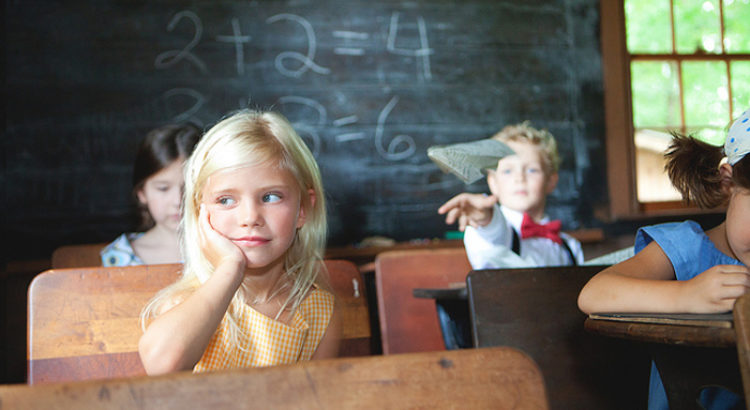
El autor de Niñ@s hiper mantiene que hay alternativas a la medicación del TDAH. «Como se trata de un fenómeno que observamos básicamente en la escuela, pienso que la respuesta tendría que pasar primero por ver qué estrategias educativas podrían aplicarse en cada caso y siempre en conexión con la familia y la escuela», explica. En este sentido, propone analizar el contexto escolar específico del niño teniendo en cuenta sus condiciones de trabajo y la atención. «Simplemente modificando las estrategias educativas e implicando un tipo de interacción y de aprendizaje diferentes —como, por ejemplo, que no se pida a los niños que estén cincuenta minutos sentados en una silla y concentrados— la prevalencia actual del TDAH disminuirá», deja claro.
Ubieto añade: «Así pues, el primer ámbito de actuación es la educación, y en una segunda fase de actuación puede introducirse el psicólogo. Debería hacerse solo en el caso de que la conducta se dé más allá del marco escolar, es decir, en la familia y en otros lugares, y hay que tener en cuenta que para algunos casos la medicación sí es necesaria y útil».
OtrasVocesenEducacion.org existe gracias al esfuerzo voluntario e independiente de un pequeño grupo de docentes que decidimos soñar con un espacio abierto de intercambio y debate.
¡Ayúdanos a mantener abiertas las puertas de esta aula!




 Users Today : 42
 Total Users : 35491064
 Views Today : 48
 Total views : 3604576