Page 3773 of 6793
1 3.771 3.772 3.773 3.774 3.775 6.793

Armenia: Access to education and equity. Live discussion

Armenia/September 26, 2017/Source: http://en.a1plus.am

“PROBLEMS OF AVAILABILITY AND EQUALITY OF IMPLEMENTATION OF THE RIGHT TO EDUCATION IN THE GENERAL EDUCATIONAL SPHERE OF RA”

The presentation and discussion of the REASERCH

Open Society Foundations – Armenia and “Article 3” Club invite to the presentation and discussion of the preliminary findings of the “Problems of Availability and Equality of Implementation of the Right to Education in the General Education Sphere of RA” research report.

The research objective is to evaluate and identify the equality and justice issues in public education that hinder the full realization of the right to education, as well as develop alternative policy solutions in cooperation with various stakeholders.

In recent years, numerous studies held by the Armenian education system, as well as official statistics have been continuously alarming about the linkage between the level of education of the population and poverty, the lack of access to quality education for socially vulnerable families and / or rural children, especially girls.

The figures speak for themselves, and the study recorded the most profound picture of the problems and their causes:

  • During the period of 2010-2015, poverty among the population with a higher education has dropped by about 3%, while the proportion of people with elementary and lower education has increased by about 16.8%.
  • Compared to 2009 (6.8%), in 2015, the share of payments for education in general household expenditure has essentially decreased, with the costs being substantially different in urban and rural areas. In 2015 they were 2.5% and 0.7%, meanwhile in 2009 they were 8% and 3.6%.
  • During 2016/2017 academic year, 34.3% of children of families in need, got scores 9 and 10, meanwhile, in the case of the children of well-provided families, the indicator was 42.8%. In the same period, the children of the well-provided families did not score 0-5, whereas 8.7% of children of families in need received such scores.

Speakers are:

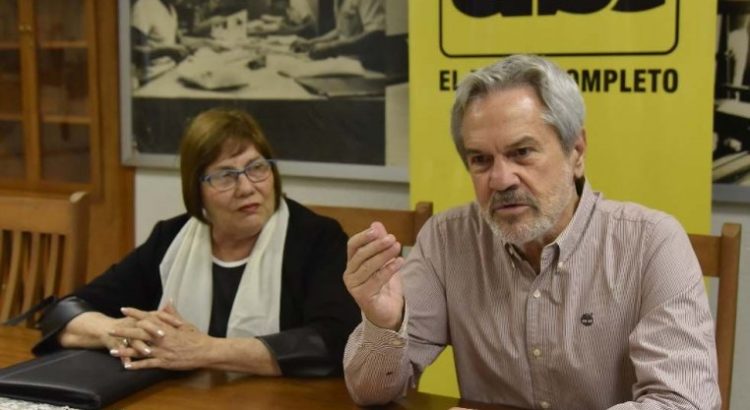
DAVID AMIRYAN – Deputy Director for Armenian Programs of Open Society Foundations

LILIT NAZARYAN Coordinator of Educational Programs in Armenia OF Open Society Foundation

https://www.facebook.com/article3club/videos/1938960212983058/

 Source:

http://en.a1plus.am/1263977.html

Comparte este contenido:

Ukrainian education minister to meet with Hungarian human resources minister in October to discuss education bill

Ukrainian – Hungarian/September 26, 2017/Source: http://en.interfax.com.ua

Ukraine’s Education and Science Minister Lilia Hrynevych will hold a meeting with Hungary’s Human Resources Minister Zoltan Balog to discuss the law on education not on Monday, August 25, but in October, the Ukrainian ministry’s press service told Interfax-Ukraine.

«The Ministry of Education and Science of Ukraine has received a copy of a letter proposing a meeting between Education and Science Minister of Ukraine Lilia Hrynevych and Minister of Human Resources of Hungary Zoltan Balog sent to the International Department of the Ministry of Education at 19:30 on Friday, September 22, 2017. The letter was received today, September 25, 2017,» the Education Ministry told the agency.

The press service noted that since the minister did not plan a trip to Zakarpattia and on Monday, September 25, is in Kyiv, she will not be able to meet with Balog.

«The meeting of Lilia Hrynevych with the human resources minister of Hungary has already been scheduled for October under preliminary agreements between the parties,» the Education Ministry reported.

During the meeting, among other things, the parties plan to discuss the law on education passed by the Verkhovna Rada of Ukraine on September 5.

Earlier, Balog asked for a personal meeting with Hrynevych on September 25 during his visit to Zakarpattia to discuss the bill on education.

It was reported that on September 5, the Verkhovna Rada passed an education bill launching education reform in Ukraine. The bill determines, among other things, that teaching at schools should be conducted in the national language.

However, in line with the educational program, one or more subjects can be taught in two or more languages – the state language, the English language, in other official languages of the European Union.

Persons belonging to national minorities are guaranteed the right to study in their native language along with the Ukrainian language in separate classes (groups) in municipal institutions of preschool and primary education.

On September 19, Verkhovna Rada Speaker Andriy Parubiy signed the bill and submitted it to president.

The foreign ministers of Bulgaria, Hungary, Greece, and Romania later signed letters to the Ukrainian foreign minister, in which they expressed concerns about the new bill on education in the context of the possible effect it may have on the rights of minorities and education in students’ native languages.

Source:

http://en.interfax.com.ua/news/general/450797.html

Comparte este contenido:

Private Sector to Help Drive Indonesia’s Public Education Overhaul: F&E Group

Indonesia/September 26, 2017/Source: http://jakartaglobe.id

Indonesia’s education sector will receive a big boost from a more robust involvement from the private sector to complement existing government efforts to improve the quality of public education in Southeast Asia’s largest economy.

F&E Group unveiled a comprehensive plan to inject investment into the public education sector in the country ahead of its Global Educational Supplies and Solutions Indonesia (GESS Indonesia) event, which will take place on Sept. 27-29 at the Jakarta Convention Center.

«Our research shows that Indonesia has already made tremendous strides in improving access to basic education over the past two decades. Efforts are now being made to improve quality, but will need more private sector initiatives to support ongoing government programs aimed at improving teacher performance, as well as student learning experiences and skills that will help them become active contributors to Indonesia’s economy,» F&E Group project director Matt Thompson said in a statement.

According to a United Nations Population Fund report, Indonesia will have 65 million young people joining the workforce by 2035, as the education system is largely expected to give them the requisite skills to become employable.

The report prompted action from the Ministry of Education and Culture, which said the government is currently trying to local empower students to be capable of competing for jobs in Indonesia, or anywhere in the world.

«We are constantly reviewing our policies and programs to ensure no one is left behind, and each student is given the right education to be competent and competitive enough,» said Ananto Kusuma Seta, the Education Ministry’s special adviser for innovation and competitiveness.

Digital Education Market

With policy reforms designed to create a more accessible and responsive education system in the country, the government will also aim to reach its goal of raising the annual per capita income from $3500 in 2011 to $14,250 by 2025 through crucial technology adaptations as smartphone penetration in Indonesia is forecast to reach 100 million users in 2018.

To meet these demands, Indosat’s Ooredoo pledged $1 million in 2015 to enhance digital education aimed at providing cloud-based interactive classroom materials, tablets to schools in five provinces across the country and training teachers to possess necessary IT skills.

On the other hand, educational tech start-ups are also sprouting in Indonesia to help address the flourishing digital education market, like HarukaEdu, ArsaKids, KelasX, Cakra, Rabbit Hole, Generasi Cerdas, Youth Manual and Mediafon.

The GESS exhibition is expected to see more than 100 education suppliers and brands from across the globe showcase a wide range of products and solutions geared towards Indonesia’s education market.

These products include cutting-edge digital tools and software aimed at improving the teaching and learning experience in classrooms.

«In addition, we will also have a pavilion dedicated to start-ups as a way of supporting the private sector’s initiatives in implementing programs that hope to complement the government’s ongoing efforts to improve the quality of education in Indonesia,» Thompson said.

GESS Indonesia’s admission is free for education professionals and will consist of over 100 sessions, workshops and presentations covering a variety of topics and themes addressing opportunities and challenges in Indonesia’s education sector.

Source:

http://jakartaglobe.id/news/private-sector-help-drive-indonesias-public-education-overhaul-fe-group/


Comparte este contenido:

Jordan Eases Education Enrollment Rules for Syrian Refugees

Jordan/September 26,2017/ Source: https://www.albawaba.com

  • Prime Minister Hani Mulki has approved a request for Syrian refugees to enroll in government schools without possessing required documents.
  • To avoid overcrowding, the new students would attend afternoon sessions in double-shift schools.
  • Special programs have also been introduced to help Syrian children catch up on the years of education they have missed.
  • Approximately 80,000 Syrian children in Jordan were out of school for various reasons including the lack of required documents.


Prime Minister Hani Mulki has approved a recommendation by concerned officials to allow Syrian refugees who do not possess the required documents to enroll in government schools, officials have announced.

To be able to join formal education in the Kingdom, Syrians have to present a special ID card issued by the Interior Ministry indicating their status as refugees.

In exclusive remarks to Al Rai and The Jordan Times, Education Minister Omar Razzaz said that the decision is consistent with the government’s policy not to leave any children without education “because we do not want anyone to lose their right to education”.

In remarks to The Jordan Times, State Minister for Media Affairs and Government Spokesperson Mohammad Momani said: “In line with our value system in Jordan, we do not accept that any child be left out without education.”

“Education is among a string of services provided to Syrian refugees from the moment they are received on border,” the minister said, renewing a call on the international community to ensure proportionate assistance for Jordan to continue carrying out its humanitarian mission.

Asked if the new numbers would add to the problem of crowding at schools, he said that the newcomers would join afternoon periods in double-shift schools, where there is no such a problem.

In an exclusive statement to The Jordan Times, UNICEF Representative Robert Jenkins said: “We would like to congratulate the government of Jordan for this bold and positive step forward towards ensuring that every vulnerable girl and boy in Jordan goes to school.

“UNICEF stands by the Ministry of Education in doing everything we can for every child to access quality education and get a fair chance in preparing for a better future for themselves and their families.”

In addition to expanding schools in Syrian refugee camps, the Ministry of Education has opened a total of 200 schools operating double shifts to offer formal education to young refugees, according to UNICEF. Catch-up education programmes are also being rolled out to reach children who have missed more than three years of schooling, for them to accelerate their learning, and enroll in the formal system, the agency has said in a report.

In Jordan, according to official figures, more than 126,000 Syrian children were receiving education in public schools last year, while 80,000 were out of school, for different reasons, including the fact that they did not have the necessary identification documents. There is no official estimate of how many children would benefit from the new policy.

According to a report by Save the Children, 35 percent of the 4.8 million Syrian refugees in the region are of school age. Whereas before the conflict 94 percent of Syrians attended primary or lower secondary school by June 2017, 43 percent of Syrian refugees were out of school. “This is, in fact, an increase from 34 percent in December 2016,” according to the organization.

Source:

https://www.albawaba.com/news/jordan-eases-education-enrollment-rules-syrian-refugees-1025718

Comparte este contenido:

EEUU: Trump to create $200M grant program for computer education

EEUU/September 26, 2017/By: DARLENE SUPERVILLE/Source: http://www.seattletimes.com

President Donald Trump on Monday directed his education secretary to prioritize science and technology education and spend at least $200 million annually on competitive grants so schools can broaden access to computer science education in particular.

During an Oval Office appearance, where he was surrounded by students from local schools, Trump said more than half of U.S. high schools don’t teach computer programming and that nearly 40 percent don’t offer physics.

He said more widespread access to such instruction will help students develop the skills they need to compete and win in tomorrow’s workforce.

 “Who likes to win?” Trump asked the students. “Who likes to lose?”

Ivanka Trump, the president’s daughter and senior White House adviser on the workforce issues, told reporters during a telephone briefing earlier Monday that it is vital that students, especially girls and racial minorities, learn how to write computer code and study computer science.

 She said exposure in grades K-12 is vital.

“Today represents a giant leap forward as we think about aligning the skills that are taught in the classroom with the skills that are in demand in the modern economy,” Ivanka Trump said in the Oval Office before the president signed a directive instructing Education Secretary Betsy DeVos to act.

 Money for the grants has been appropriated by Congress, officials said. Trump’s order asks DeVos to prioritize high-quality STEM – science, technology, engineering and math – education along with computer science education under an existing grant program that schools and districts have access to.

Ivanka Trump said she would visit Detroit on Tuesday with private sector officials as they announce pledges in support of computer science education.

Source:

http://www.seattletimes.com/nation-world/nation-politics/trump-to-create-200m-grant-program-for-computer-education/?utm_source=RSS&utm_medium=Referral&utm_campaign=RSS_all

Comparte este contenido:

Perú: plataforma educativa eleva el nivel académico de escolares

Perú/25 septiembre 2017/Fuente: Perú

Perú School es un sistema que permite a directivos y docentes mantener informados a los padres de familia sobre el desempeño académico de sus hijos, reforzando su aprendizaje y generando que el nivel de los mismos mejore significativamente.

Marco La Rosa, docente y gerente general de la empresa SIANET, además de promotor de la plataforma digital Perú School, explicó que el sistema también es una solución a la gestión educativa en los centros educativos.

“Nuestra visión es contribuir al desarrollo de la educación por medio de esta herramienta tecnológica que ayuda a la comunidad educativa a brindar nuevas experiencias, las cuales permitan a los estudiantes desarrollar todo su potencial de aprendizaje”, señala La Rosa.

Perú School, creado por especialistas peruanos, cuenta con un equipo de desarrollo y de consultores de primer nivel que forman parte de la empresa SIANET que tiene más de 14 años de experiencia en el sector tecnológico.

“La plataforma integra al director, padres de familia, alumnos y gestión administrativa del colegio, buscando el bien común de los escolares”, agrega La Rosa.

SOCIO DE MICROSOFT

A diferencia de los actuales sistemas de gestión que se usan en otras instituciones educativas, Perú School permite un monitoreo completo, permanente y en tiempo real de lo que ocurre en la escuela como ver las notas, la asistencia, los documentos de matrícula, entre otras muchas funciones.

“Llegas al padre de familia con las tareas, el rendimiento de sus hijos, calendario de pagos, reuniones y fechas importantes, libreta de anotaciones; por otro lado, el profesor sabe cuántas tareas dejará haciendo más fácil la enseñanza y mejora la calidad educativa de los alumnos”, afirma Marcos La Rosa.

La gran ventaja diferencial entre otras plataformas es que Perú Schooles fácil de usar, los usuarios aceden a información actualizada, en tiempo real, tiene bajo costo, genera más de 100 reportes estadísticos e informáticos, exportable y compatible con otras aplicaciones, tiene servicio personalizado y cuenta un data center, por lo que no es necesario tener un software.

Cada colegio cuenta con una plataforma personalizada sin dejar de lado la integración de los centros educativos a nivel nacional. Microsoft brinda el respaldo y soporte a Perú School. Puedes obtener más información de la plataforma en http://www.sianet.edu.pe.

Fuente: https://peru.com/educacion-y-carrera/colegios/peru-plataforma-educativa-eleva-nivel-academico-escolares-noticia-534797

Comparte este contenido:

España: Rompamos una lanza por una escuela laica

España/25 septiembre 2017/Fuente: El Diario

«CCOO se posiciona favorable ante la idea de introducir una asignatura de ‘Educación en Valores’, pero no debe hacerse  como una experiencia piloto».

A finales de los años 70, el entonces Gobierno de España firmaba cuatro acuerdos con la Santa Sede, renovando así lo acordado en el año 1953 bajo la dictadura franquista. Volvía a otorgarse a la Iglesia Católica el permiso para continuar con su adoctrinamiento y los privilegios de los que había gozado hasta el momento. Esto se traducía en dar potestad absoluta a la iglesia para que formulara el currículo del área de Religión, que propusiese los libros de texto y materiales didácticos, y que además impusiese a su propio profesorado.

Tras todos estos años, la situación, lejos de ir mejorando, se empeora aún más a través de la LOMCE del Partido Popular. Esta ley da más peso a esta asignatura, llegando a computar como cualquier otra materia en Bachillerato. En Educación Primaria, por su parte, se continúa estableciendo la Religión en el currículo.

Nos encontramos así con que nuestros alumnos cursan dos sesiones de Religión Católica frente a una sesión de Música, por ejemplo; muestra clara de la visión y del tipo de apuesta por una educación laica que se hace desde las administraciones públicas, más concretamente desde la nuestra.

Para CCOO, la laicidad del Estado y de la educación por extensión, es una cuestión de libertad democrática y de derecho común. No se trata de ser creyente o no serlo, cuestión que nada tiene que ver con el hecho que nos ocupa. En la misma Constitución Española se establece que los poderes públicos garantizarán el derecho que asiste a los padres para que sus hijos reciban la formación religiosa o moral que esté de acuerdo con sus propias convicciones. Pero esto no implica que esa formación deba llevarse a cabo dentro del ámbito escolar. No nos oponemos a la libertad de credo, sino a que cualquier creencia religiosa sea inculcada desde la escuela. Esta institución debe ser objetiva y empírica respecto de las enseñanzas y conocimientos que se impartan y no debe inclinarse por ningún tipo de dogma; los cuales, de tenerse, deben relegarse a otro tipo de contexto y ámbito.

Por su parte, las administraciones educativas deben favorecer la inclusión de temas relacionados con el civismo, la paz, la igualdad entre géneros, la libertad sexual… en definitiva una educación en valores, que la propia Unión Europea considera imprescindible y necesaria para la educación del siglo XXI. Temas y contenidos que, aun siendo tratados de forma transversal en todas las áreas de conocimiento, son tan importantes y cuentan con un peso específico tan necesario para el correcto desarrollo y desenvolvimiento del ser humano en la sociedad que nos toca vivir, que obligan a que sean asumidos, de una vez por todas, por un área de conocimiento propia, llámese “Educación en Valores” o como quiera que sea, pero que contenga esos mínimos necesarios para el desarrollo holístico de la persona.

Los casos diarios de violencia doméstica, de violencia de género, de maltrato, de falta de respeto humano, de abandono, de individualismo enfermizo, de desapego social, de acoso, de inestabilidad… son muestras claras de que el área de Religión Católica, por mucho que ha intentado hacerse adalid de la bondad social que salvaría el mundo, no ha funcionado, no ha servido. Probablemente porque pensamientos como el miedo a lo diferente, la no aceptación de la realidad humana, o la sumisión, son elementos que siempre ha transmitido ese credo y que nada tienen que ver con lo que de verdad debe buscar la escuela.

Por todo ello, CCOO se posiciona favorable ante la idea de la Consejería de Educación de introducir una asignatura de ‘Educación en Valores’, pero considera que no debe hacerse  como una experiencia piloto, sino que tiene que hacerse extensible a todos los centros educativos de la región. Los valores sociales que como comunidad debemos transmitir a nuestros jóvenes no pueden esperar, no deben ser elementos de pruebas y pilotajes, simplemente hay que transmitirlos cuanto antes.

Insistimos, pues, en que el área de Religión salga de la escuela; y hasta que esto se pueda hacer efectivo legalmente a través de una ley Orgánica que sustituya a la LOMCE, instamos al Consejero de Educación a que modifique la distribución horaria y que, al igual que ya han hecho otras comunidades, rebaje el tiempo semanal de la asignatura de Religión a un solo período.

Rompamos de una vez por todas una lanza a favor de una escuela laica en la que todos y todas tengamos cabida.

Fuente: http://www.eldiario.es/clm/palabras-clave/Rompamos-lanza-escuela-laica_6_690190975.html

Comparte este contenido:
Page 3773 of 6793
1 3.771 3.772 3.773 3.774 3.775 6.793