Video: Educación pública hacia la privatización (http://bit.ly/1UfLo8m)
Contralinea.tv: Educación pública hacia la privatización
http://https://www.youtube.com/watch?v=ysnRAOVvPUM&feature=share
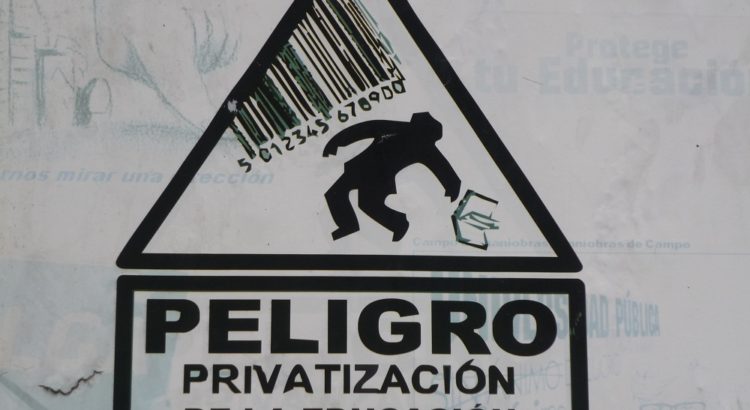
Video: Educación pública hacia la privatización (http://bit.ly/1UfLo8m)
Contralinea.tv: Educación pública hacia la privatización
http://https://www.youtube.com/watch?v=ysnRAOVvPUM&feature=share
Portugal/ EcoDiario.es/ 30 de Mayo de 2016.
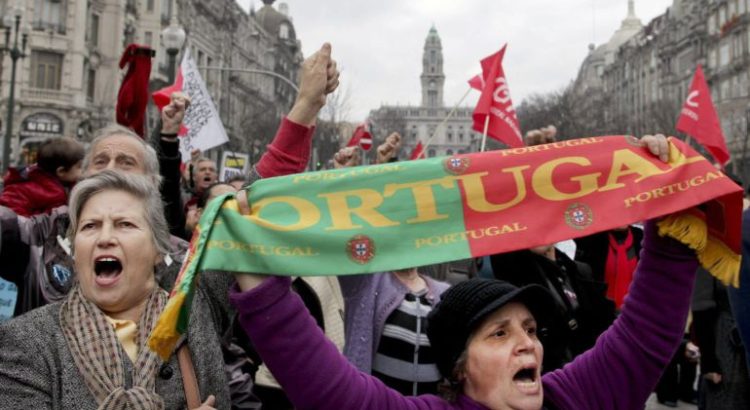
Unos 40.000 manifestantes –según la organización– han protestado este domingo en Lisboa contra la decisión del Gobierno de retirar la financiación a la mitad de los 79 colegios del país que contaban con un concierto con el Estado. La Policía no ha dado datos oficiales, pero reconoce que hay «mucha gente en la manifestación», la mayoría ataviados con el amarillo que identifica el movimiento.
LISBOA, 29 (EUROPA PRESS)
La marcha ha terminado ante la sede de la Asamblea, el Parlamento portugués, donde han exhibido bombos, banderas y pancartas. «Con menos educamos bien», señala uno de los carteles, mientras los participantes, incluidos profesores y funcionarios de los colegios privados o cooperativos, coreaban el himno portugués. «La escuela del Estado no sale cara» o «Donde no hay elección no hay libertad» son algunas de las consignas escritas en otras pancartas.
La manifestación ha sido convocada por el Movimiento por la Defensa de la Escuela Punto. «Esperamos que el Ministerio de Educación y el Gobierno entiendan esto como una señal de que las familias les vamos a sacar del despacho para que cumplan los contratos y sin tanta mesa de negociaciones», ha afirmado el portavoz del Movimiento, Manuel Bento. «Si no, en unos días estaremos otra vez (manifestándonos). Tenemos fuerza para repetir esto las veces que sea necesario», ha añadido.
La marcha está integrada por manifestantes llegados a la capital en coches particulares y también en el «Convoy de la Libertad» organizado por Punto y que hizo el recorrido de Braga a Lisboa. La Conferencia Episcopal portuguesa ha explicitado ya su apoyo «a esta y a otras iniciativas que, con orden y civismo, defiendan la libertad de los padres a escoger el colegio y proyecto educativo para sus hijos».
El Gobierno portugués anunció la semana pasada que retirará la financiación pública para nuevos ciclos –5º, 7º y 10º cursos– a 39 de los 79 colegios privados con los que había concierto en todo el país. La decisión se justifica por la existencia de centros públicos en esas zonas con capacidad para absorber al alumnado.
Desde Punto argumentan que es mucho más barato para el Estado continuar con el concierto financiando a los colegios que cerrarlos y asumir por sí mismo el coste de la escolarización en centros públicos.
Mientras, la Federación Nacional de Profesores (Fenprof) ha anunciado este mismo domingo la convocatoria de una manifestación para el 18 de junio «en defensa de la escuela pública». La convocatoria cuenta con el apoyo de «ciudadanos y ciudadanas promotoras de una petición que ya reúne decenas de miles de firmas» y que «cuenta con el apoyo de organizaciones y entidades diversas de la sociedad portuguesa».
Fuente:http://ecodiario.eleconomista.es/internacional/noticias/7598435/05/16/Portugal-Miles-de-manifestantes-defienden-la-educacion-concertada-en-Lisboa.html
México/El Universal/ 31 de Mayo de 2016.
La titular de la dependencia, Sonia Rincón Chanona, sostuvo que los maestros agredidos «ni son traidores a la patria, ni son charros, son profesores comprometidos con su trabajo.
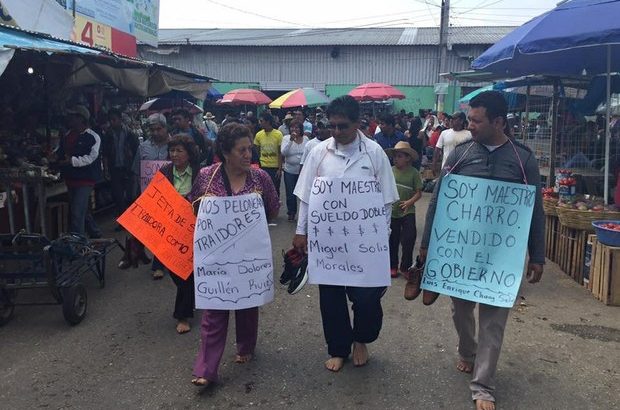
La secretaria de Educación en Chiapas, Sonia Rincón Chanona, repudió las agresiones de la CNTE a seis docentes de Comitán de Domínguez, a quienes trasquilaron y obligaron a caminar descalzos durante la “ toma” de alcaldías y bloqueos carreteros de hoy, como parte de las acciones contra la reforma educativa.
La funcionaria reprobó las vejaciones que vulneraron los derechos fundamentales de los seis maestros, quienes “ni son traidores a la patria, ni son charros como ellos (los disidentes) vulgarmente estigmatizan”, sostuvo.
Los agredidos, afirmó, son personas de trabajo y esfuerzo; son profesores comprometidos con su trabajo, su familia, la sociedad, la educación y los niños.
Los agraviados fueron identificados como Bernal Armando Castellanos Aguilar, supervisor de la zona escolar 06 con cabecera en Comitán de Domínguez; Luis Chang, auxiliar de la supervisión; María Dolores Ruiz Guillén, directora de la escuela “Fray Matías de Córdova.
Como también la profesora, Socorro Sosa López, directora de la escuela “Benito Juárez”; Miguel Solís Morales, director de la escuela “Belisario Domínguez” y Carlos Ruiz Sosa, director de la escuela “Ángel Albino Corzo”.
Los docentes fueron detenido por los disidentes que los hicieron caminar descalzo a un área del mercado municipal donde les cortaron el cabello de “una forma burlona” al grito de “traidores”.
Sonia Rincón responsabilizó a la CNTE de los riesgos de salud que pudiera enfrentar la maestra Ruíz Guillén, quien sufre hipertensión y diabetes.
Llama a abrir escuelas
Sonia Rincón llamó a maestros que no participan en el paro de la CNTE y a padres de familia a que abran las escuelas y no permitan que sus hijos pierdan el actual ciclo escolar.
La funcionaria estatal advirtió que no pueden permitir más agresiones a maestros que cumplen con su deber de enseñar.
No podemos y no vamos a permitir más agresiones a nuestros compañeros maestros, vamos a abrir las escuelas, sostuvo en un mensaje en la radio de gobierno.
«Vamos a darles a los padres de familia la más cordial invitación a que no permitan que sus hijos pierdan el ciclo escolar. Todos juntos, unidos, la Secretaría de Educación en Chiapas, los padres de familia y los maestros comprometidos vamos a trabajar para que podamos terminar nuestro curso escolar», enfatizó.
La titular de Educación dijo que ya no pueden mantener cerradas las escuelas por presiones ni «intimidaciones porque los maestros están con temor de ser vejados por los propios maestros”.
Fuente:http://www.eluniversal.com.mx/articulo/estados/2016/05/31/reprueba-secretaria-de-educacion-en-chiapas-agresion-maestros
Colombia/ El Espectador/ 31 de Mayo de 2016.
El Mineducación lanzó el Sistema Nacional de Educación Terciaria (Snet), que busca igualar la enseñanza técnica y universitaria. Sin embargo, a los ojos de algunos expertos aún hay varias preguntas en el aire.
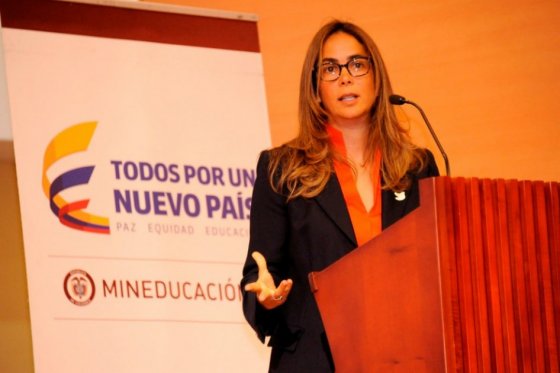
A principios de julio de 2015 la ministra de Educación, Gina Parody, le presentó al país las bases de la propuesta que guiaría la educación superior colombiana en adelante. Se trataba de un nuevo esquema que por nombre llevaría “Sistema Nacional de Educación Terciaria” (Snet) y que buscaba, entre otras cosas, poner en la misma balanza a la educación universitaria y a la educación técnica y tecnológica. Esa intención, que ha sido mostrada como una de las banderas de esa cartera, fue ratificada este martes 31 de mayo al ser lanzada como una política pública. Política que aunque ha sido aplaudida por varios sectores aún debe resolver varias preguntas.
En términos generales, como lo dijo Parody, la idea es romper con las brechas sociales y disminuir las inequidades que hay en la educación superior colombiana. Hoy, de acuerdo a la Ministra, hay un sistema fragmentado que ha ubicado a los técnicos y los tecnólogos por debajo de los universitarios.
El propósito, entonces, es que de ahora en adelante ambos se complementen y sean entendidos como los dos grandes pilares de la educación superior. Por un lado, lo que se busca, es que los técnicos y tecnólogos se empiecen a hacer parte de una sola categoría: los técnicos superiores.
Por otro lado, se quiere que tengan más oportunidades académicas y que sus estudios sean reconocidos por las universidades. De manera que si un graduado del Sena quiere dar el salto a una universidad, su trayectoria debe ser homologada para que no arranque de cero un pregrado. O en caso de que ese alumno quiera profundizar sus conocimientos pero no desea hacerlo desde alguna universidad, debe tener a disposición una oferta de estudios. Específicamente, especializaciones técnicas y maestrías técnicas. Con el rótulo de las primeras ya hay algunos programas en el país. Con el de las segundas no hay una sola.
Otra de las ideas claves de este nuevo esquema, presentado en compañía de Clara López, ministra de Trabajo; David Luna, ministro de las TIC; y Alfonso Prada, director del Sena, es que ahora habrá un Marco Nacional de Cualificaciones que indican cuáles competencias debe tener una persona para ejercer como un técnico. Hasta el momento se ha avanzado para crear ese listado en el sector de las Tecnologías de la Información y la Comunicación, lo que permitirá tener más claridad sobre las ocupaciones que demandan los sectores productivos y las competencias que exigen.
Y aunque a los ojos de algunos expertos en educación la iniciativa del Mineducación es buena porque rompe un esquema que tildan de odioso y que ha creado la idea equivocada de que las carreas técnicas son de baja calidad o para poblaciones de escasos recursos, aún hay en el aire muchas dudas que no tienen respuesta desde que la ministra Gina Parody presentó el Sistema de Educación Terciaria en 2015.
“La idea de articular mejor los niveles de educación superior es buena. Pero está planteada desde hace más de un año y hoy no veo progresos. Pareciera que todo sigue igual. En términos concretos, no entiendo la parte práctica”, dice Francisco Cajiao, experto en educación.
“Es una buena voluntad del Ministerio, pero es una propuesta que aún está por construir. Le hacen falta las bases para ponerla a caminar”, replica Carlos Lopera, director del Observatorio de la Universidad.
Para ambos las preguntas son varias: ¿Cuál será el sistema que se utilizará para homologar los estudios de un instituto técnico y una universidad? ¿Cuáles pautas regirán el sistema único de aseguramiento de calidad que propone el Ministerio y que evaluará a todos con un mismo rasero? ¿Cuándo habrá una integración completa? ¿En qué momento se empezarán a ver maestrías técnicas? ¿Qué medidas habrá para los institutos que, a diferencia de las universidades, fueron creados con ánimo de lucro?
De hecho, Mauricio Morales, rector de la Institución Universitaria Pascual Bravo, que es uno de los seis institutos que eligió el Mineducación para crear planes pilotos del nuevo sistema, reconoce todavía hace falta claridad en muchos temas. Por ejemplo, ¿qué va a pasar cuando alguna institución que ofrece programas técnicos se niegue, basado en su autonomía universitaria, a cambiar su modo de evaluación, que es a través de competencias, por asignaturas? “Aún hay muchas lagunas, pero es un gran llamado a construir un mejor sistema y a pensar entre todos cómo lo vamos a consolidar. Es un asunto que nos va a poner a conversar sobre educación”, advierte Morales a El Espectador.
Según él, que fue invitado a conversar junto con Parody, Luna y el gerente de Telefónica en Colombia, hasta ahora el trabajo con el Mineducación ha estado enfocado a revisar documentos, discutir en mesas de trabajo, escribir borradores y escuchar experiencias internacionales. “Todavía estamos en proceso de concertación”.
Para Cajiao la propuesta parece un poco cruda porque no hay pistas que indiquen cómo quedarán en firme todas esas transformaciones. Llevarlas a cabo, explica, necesita una reforma a la Ley 30 de 1992, que regula la educación superior en el país, y hasta el momento no hay un proyecto en el Congreso que tenga esas pretensiones. Además, implica también un proceso de mejoramiento de la calidad docente que requiere tiempo y una fuerte inversión económica.
Sin embargo, la iniciativa debe quedar empezar a marchar pronto si Colombia quiere hacer parte del grupo de países que conforma la Organización para la Cooperación y el Desarrollo Económicos (OCDE). Fue esa entidad la que le recomendó al país organizar el despelote en el que estaba convertido el sistema de educación superior. Según cálculos del mismo Ministerio, al ponerlo en marcha de logrará una cobertura del 57,7%. Hoy se acerca al 48%.
Fuente:http://www.elespectador.com/noticias/educacion/nuevo-sistema-de-educacion-superior-mas-dudas-respuesta-articulo-635346
Venezuela/ La Región/ 31 de Mayo de 2016.
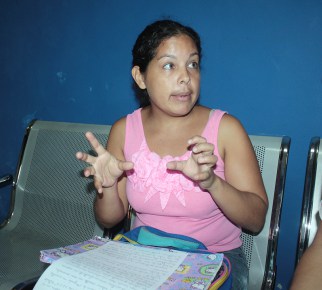
Representantes del CEI privado Uruana, en El Rincón, expresaron que la directiva del maternal y preescolar se comprometió a mantener abierta dicha institución; sin embargo, en las últimas semanas notificó el cierre y “posible” reubicación de los escolares.
“Aproximadamente 100 estudiantes se quedaran sin cupo, ya que el sorteo o reubicación se realizó en enero. Además, nosotros no estamos en contra de pagar 7 mil bolívares mensuales por dicha educación”, apuntó Nelsy Velásquez, representante.
Agregó que la directora no ha realizado reuniones con los padres y representantes, sino que envió un comunicado informando sobre la salvedad. Incluso, se dio a la tarea de que personas ajenas vean las instalaciones donde funciona el centro de formación para que puedan comprarlo en los próximos meses.
Por último, envió un mensaje para que las autoridades educativas hagan una inspección sobre la denuncia realizada, ya que se le está negando el derecho a la educación a los estudiantes anteriormente señalados.
Fuente: http://www.diariolaregion.net/2016/05/31/100-estudiantes-se-quedaran-sin-educacion-ante-cierre-de-maternal-y-preescolar/
Perú/ El comercio/ 31 de Mayo de 2016.
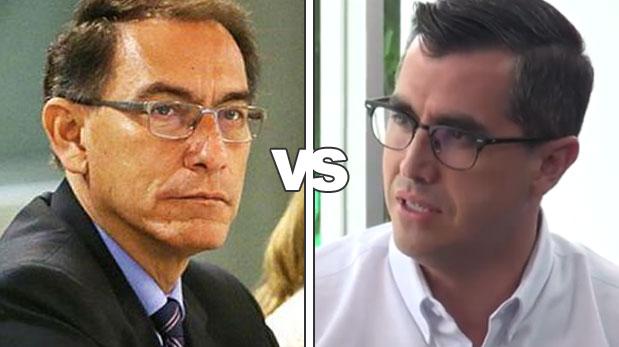
El Comercio ha invitado a los representantes de los equipos técnicos de ambos partidos que participan de la segunda vuelta a presentar sus propuestas sobre temas de relevancia para el país. Confiamos en que las columnas sirvan para dar a conocer mejor sus puntos de vista, enriquecer el debate y contribuir a que nuestros lectores puedan tomar la decisión más informada posible el próximo 5 de junio.
POR UNA EDUCACIÓN DE CALIDAD ¡YA!
Martín Vizcarra
Candidato a Vicepresidente de Peruanos Por el Kambio
Desde la educación inicial hasta la educación superior, nuestro sistema educativo tiene un grave problema de calidad que se evidencia en la falta de claridad curricular, la insuficiente formación docente y la preocupante brecha en infraestructura. Es una vergüenza que el 79% de los colegios rurales no tenga los tres servicios básicos de agua, desagüe y electricidad. Es lamentable que no se hayan otorgado aumentos significativos en los sueldos de nuestros maestros desde la época en que Pedro Pablo Kuczynski fue ministro de Economía.
Todo lo anterior es una clara muestra de que la educación nunca ha sido una prioridad del Estado, y eso a pesar de que contamos con un Acuerdo Nacional multipartidario por la educación. La grave consecuencia de esto es que estamos entre los últimos países en pruebas internacionales de educación, solo 4 de cada 10 alumnos peruanos comprenden lo que leen y solo 3 de cada 10 resuelven un problema matemático.
En Peruanos por el Kambio consideramos que la educación es un elemento fundamental para el desarrollo integral de nuestro país. Por consiguiente, en nuestro gobierno la educación sí será prioridad y haremos de la política educativa una política de Estado. Esto significa seguir construyendo sobre las bases de los gobiernos anteriores, atendiendo a la vez los temas que han quedado pendientes.
Para lograr una educación pública de calidad debemos asegurar el soporte básico para un aprendizaje progresivo. Priorizaremos la reducción de los altos niveles de anemia y desnutrición crónica en nuestros niños, males endémicos que afectan los logros de aprendizaje a lo largo de toda su vida. Estableceremos el programa Escuela Bonita, para renovar la infraestructura escolar de por lo menos el 80% de las instituciones educativas en zonas urbanas y rurales.
Atraeremos a los mejores estudiantes a la carrera docente, otorgándoles becas integrales para sus estudios, garantizando a todos los profesores un sueldo mínimo de S/2.000 mensuales y seguiremos desarrollando la carrera magisterial.
Asumiremos como obligación prioritaria del Estado impartir una educación de calidad para todas las personas sin distingo de edad, raza, sexo o cultura. Por eso implementaremos experiencias exitosas como la educación en alternancia para zonas rurales e incentivaremos la formación en educación intercultural bilingüe. Construiremos en cada región del país colegios tecnológicos con internados, para que se asegure la formación y atención de las necesidades educativas de las regiones.
Además, aseguraremos una educación pertinente y de calidad para jóvenes y adultos que no han concluido su educación básica. Esto significa que debemos reconsiderar los aspectos referidos a los Cetpro en la Ley de Institutos y Escuelas de Educación Superior, que en estos días se discute en el pleno del Congreso. Consideramos que la ley es una medida importante para fortalecer la educación técnica superior, pero nos preocupan los cerca de 10 millones de peruanos que no cuentan con estudios secundarios y que, de aprobase la ley tal como está, se quedarían sin la posibilidad de obtener un certificado y un título a nombre de la nación, luego de haber culminado su capacitación en un Cetpro.
Del mismo modo respaldamos la Ley Universitaria, y que una manera de simplificar el proceso de acreditación sería hacerla obligatoria para todas las universidades peruanas que deseen otorgar títulos a nombre de la nación.
Para impulsar los estudios superiores, tanto universitarios como técnicos, duplicaremos el actual programa de becas y ayuda para los estudios superiores. Ampliaremos el rango de edad de los becarios para fortalecer la formación en maestrías y doctorados.
Promoveremos la investigación e innovación en nuestro país, con la creación del fondo Emprende Ya, para articular la formación posuniversitaria con investigación y emprendimiento. En los lugares de menor desarrollo crearemos zonas francas de investigación, con la participación de universidades nacionales y extranjeras.
Tenemos una deuda con nuestros hijos por no haberles asegurado una educación pública de calidad. La última década hemos contado con los recursos económicos para mejorarla pero nos han faltado gobernantes con la suficiente decisión política para la implementación de políticas tan importantes para el desarrollo de nuestro país. Con Pedro Pablo Kuczynski en la presidencia, tendremos por fin una educación digna del siglo XXI.
EL ESTADO CONTRA LA DESIGUALDAD EDUCATIVA
Paul Neira
Representante de educación de Fuerza Popular
El principal problema de nuestro sistema educativo es el de la creciente desigualdad, que se resume en: “los que menos tienen aprenden menos y los que más tienen aprenden más” (y les va mejor en la vida). Por ello, para Fuerza Popular, el marco de fondo que sostiene todas las propuestas de política educativa de los próximos cinco años está orientado a reducir y desaparecer las brechas que generan desigualdad entre nuestros estudiantes. Estas brechas incluyen, por ejemplo, las de aprendizaje, las de género, la desigualdad entre la educación pública y privada, entre lo urbano y lo rural, así como las desigualdades intrarregionales.
Frente a estas desigualdades, nuestra propuesta es enfocar la política educativa primero en la mejora de los aprendizajes de nuestros hijos. Solo así vamos a nivelar el piso para los que menos tienen. El camino para alcanzar este logro será a través del fortalecimiento de la carrera magisterial y de la mejora de la calidad de vida de nuestros maestros. Y el gran marco de estas acciones será tanto el mejoramiento de la gestión, como la recuperación y el fortalecimiento de la escuela pública para todos los peruanos.
En Fuerza Popular postulamos que es imposible conseguir calidad educativa y generar oportunidades de futuro sin antes poner a todo el sistema a trabajar por lograr la equidad; diferencia fundamental con PPK que asume que solo con asignar recursos se va a solucionar el “problema de la calidad educativa”.
Sabemos que las mencionadas desigualdades se construyen desde la primera infancia. En el Perú, tres de cada diez niños sufren de desnutrición crónica y la mitad de nuestros niños viven con anemia. Al mismo tiempo, cerca de 300.000 niños no van al colegio inicial. Frente a ello proponemos una secretaría nacional (adscrita a la Presidencia) que gestione la interoperabilidad intersectorial para la primera infancia, así como una agresiva construcción de escuelas iniciales en zonas urbano-marginales y rurales. Así vamos a darle a nuestros niños un espacio para que sean niños y aprendan.
Nuestros docentes y directores son claves. Por ello, vamos a mantener la lógica de la mejora meritocrática de la reforma magisterial, pero con el firme compromiso de duplicar el sueldo de nuestros maestros progresivamente al 2021. En paralelo, vamos a constituir el sistema nacional de desarrollo docente que articule su formación inicial hasta su formación en servicio a lo largo de su carrera. Así aseguramos al maestro peruano un conjunto de niveles magisteriales, presentes en la Ley de Reforma Magisterial, junto con una estructura clara de crecimiento, formación y trayectoria profesional que marque un horizonte de desarrollo y compromiso con los aprendizajes de nuestros estudiantes. Este sistema busca ofrecer un conjunto de escalones de desarrollo profesional docente entre niveles magisteriales que abra la puerta al desarrollo del docente y le permita elegir vías claras de mejora personal y profesional.
Otra brecha es la de la infraestructura educativa. Para cerrarla, vamos a sostener el esfuerzo presupuestal de invertir 15.000 millones de soles en los próximos cinco años. En concreto, vamos a generar la creación de una tipología de colegios para atender la diversidad geográfica de nuestro país, el mejoramiento de los actuales expedientes técnicos de colegios, y así lograr ser más costo-eficientes en los procesos de construcción educativa.
Pero no basta con tener colegios nuevos. En Fuerza Popular queremos sentar las bases de una escuela moderna para todos. Por ello proponemos, a través de alianzas público-privadas, un programa de escuelas digitales para llegar al 2021 con el 85 % de todos los centros educativos conectados a Internet y con acceso a los mejores contenidos que el mundo ofrece.
En un gobierno de Fuerza Popular la educación será el gran igualador para todos los peruanos, puesto que tendrá como centro la mejora permanente de los aprendizajes de sus estudiantes. Solo así podremos recuperar su rol de forjador de un presente distinto para niños y jóvenes; y junto con ellos el futuro de nuestro Perú.
Fuente: http://elcomercio.pe/opinion/colaboradores/debate-tecnico-propuestas-educacion-noticia-1905581
Moscú / 31 de mayo de 2016 / Fuente: http://mundo.sputniknews.com
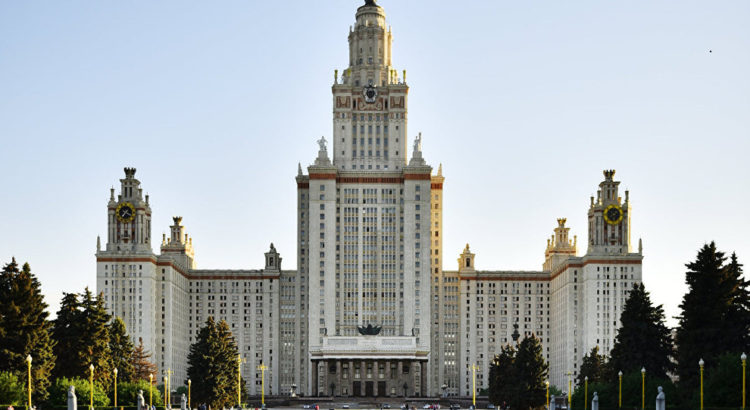
La MSU ocupó la primera posición en el Ranking Nacional de Universidades por las categorías ‘actividad educativa’ y ‘marca de universidad’ en el año académico 2015-2016″, señaló.
Al comentar la clasificación, el rector de la MGU, Víctor Sadóvnichi, recordó los últimos proyectos tecnológicos de la universidad, entre ellos el satélite Lomonósov, lanzado a finales de abril desde el cosmódromo Vostochni, y el futuro banco de muestras biológicas de todos los organismos vivos del planeta, bautizado ‘Arca de Noé’.
«Pero el principal logro es la labor de los profesores y los estudiantes», resaltó Sadóvnichi.
Además de la MGU, se situaron entre los tres líderes de la clasificación nacional en la categoría ‘actividad educativa’ la Universidad Técnica Estatal Bauman de Moscú y la Universidad Estatal de Novosibirsk.


 Users Today : 224
 Total Users : 35491408
 Views Today : 355
 Total views : 3605113