Saltar al contenido principal
Page 6687 of 6794
1 6.685 6.686 6.687 6.688 6.689 6.794

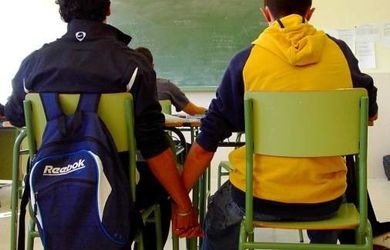
Ecuador: Sexodiversos se unen a Correa para avanzar en educación, salud y comunicación

www.vtv.gob.ve/26-03-20167

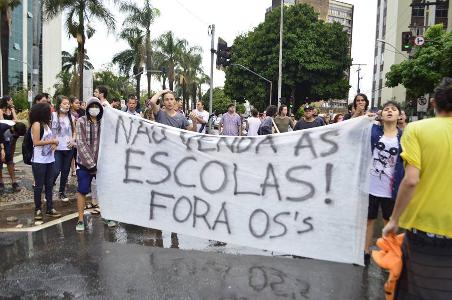
En diciembre de 2015, Ecuador aprobó Ley Orgánica de Gestión de la Identidad y Datos Civiles que permite entre otras cosas, incluir en la cédula de identidad la opción de género


Un paso importante para estos grupos de la sociedad y que fue plasmada por el Gobierno a través de la Asamblea Nacional fue la  Ley Orgánica de Gestión de la Identidad y Datos Civiles que permite entre otras cosas, incluir en  la cédula de identidad la opción de género.

Diane Rodríguez, presidenta de la Federación Nacional de las organizaciones Lgbti, reconoció la aprobación del cuerpo legal como una “promesa cumplida” por el Gobierno. “Es una ley pionera, única a nivel mundial,  que reconoce por primera vez el derecho público (género) y el derecho privado (sexo)”.  Luego de alrededor de cuatro horas de reunión los colectivos Glbti manifestaron su satisfacción por los acuerdos alcanzados.

Uno de los puntos fue que las personas transexuales puedan sufragar en las filas de mujeres y en la fila de varones. También en tema de salud se llevará a cabo una campaña sobre el cáncer de mama para las mujeres lésbicas y los hombres transmasculinos.

Asimismo se emprenderá  una campaña sobre el no uso de biopolímeros que afectan la salud, en especial,   de la comunidad Glbti. En lo laboral, a través del Programa de Inclusión de Personas Vulnerables se focalizará el tema de la población Glbti. Así como, el bachillerato,  especialmente para  personas transexuales-.

Asimismo, uno de los puntos planteados fue la posibilidad de acceder a una frecuencia de radio o televisión a propósito del concurso para la adjudicación de frecuencias.   En la cita también participaron los ministros Margarita Guevara (Salud), Ledy Zúñiga (Justicia), Gabriela Rosero (ministra Coordinadora de Desarrollo Social). / ZGM

Fuente de la imagen destacada: http://www.andes.info.ec/es/noticias/gobierno-ecuador-avanza-generacion-politicas-beneficio-grupos-lgbti.html

Comparte este contenido:

Panamá: Ministra sanciona a Universidad de Santander

medida contra la universidad privada

Panamá/ 24 de marzo de 2016/La Estrella

Paredes avaló la medida contra la universidad privada mediante la Resolución 128 de 4 de junio de 2015

223683_800x600_crop_56f0c1b9930d0

La ministra de Educación, Marcela Paredes, sancionó con amonestación escrita a la privada Universidad de Santander por incumplir con la entrega de la composición de la planta docente en el periodo académico determinado.

Paredes avaló la medida contra la universidad privada mediante la Resolución 128 de 4 de junio de 2015, promulgada ayer en Gaceta Oficial.

La casa de estudios superiores incurrió en una de las causales de falta leve establecida en el numeral 3 del artículo 146 del Decreto Ejecutivo 511 de 2010, que reglamenta la evaluación universitaria.

La Comisión Técnica de Fiscalización, que cambió su nombre a Comisión de Desarrollo Académico con la Ley 52, no recibió la composición del cuerpo de educadores

En junio de 2012, el Consejo Nacional de Evaluación y Acreditación Universitaria de Panamá (Coneaupa) solicitó que se abriera una investigación y se le impusiera una sanción por no cumplir la norma.

José Pio Castillero, en calidad de apoderado legal de la empresa educativa, entregó fuera de fecha la planta docente de postgrado en administración, de los servicios de salud y maestría en servicios de salud con énfasis en gerencia correspondientes al tercer cuatrimestre de 2011.

El abogado presentó una advertencia de ilegalidad contra los artículos que sancionaron a la universidad alegando que ‘la exigencia consignada desborda el mandato legal y por ello deviene en ilegal’. A su juicio, se establecen una serie de faltas que se denominan leves que la ley no regula ni autoriza.

‘Como se trata de un decreto reglamentario no está autorizado para desarrollar temas que la norma superior no trata’, expresó.

Aun así, la posición de la ministra es que la universidad no desvirtuó los cargos endilgados e incumplió con la norma.

La norma que rige la educación superior, la Ley 52 de 2015, debe ser reglamentada para poder ejecutar el sistema de evaluación de instituciones de educación superior.

Fuente: http://laestrella.com.pa/panama/nacional/ministra-sanciona-universidad-santander/23929386

Comparte este contenido:

Ecuador: Universitarios redescubren la creación de programas para niños

producciones de televisión para los niños y los programas sobre los niños

Ecuador/23 de marzo de 2016/El Telegrafo


4db96811b0f4e3c8cf1b0753934dde5e_XL

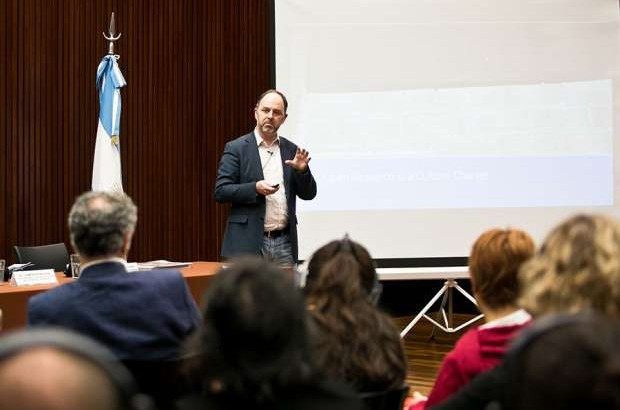
«Hay que diferenciar entre las producciones de televisión para los niños y los programas sobre los niños». Esta fue la reflexión de Jan Willen Bult, director de proyectos para Free Press Unlimited, durante el foro «TV Educativa del Ecuador aprendizajes y aciertos». El encuentro se llevó a cabo en el auditorio del Ministerio de Educación, en presencia de estudiantes de la Universidad de las Américas (UDLA), Universidad San Francisco, Universidad Tecnológica Equinoccial (UTE), entre otras. En este espacio, los universitarios interesados en crear producciones televisivas, conocieron algunas de las claves para incursionar en los programas de producción infantil, como el programa ‘Educa’, a cargo del Ministerio de Educación. Willen Bult es jefe de redacción de Wadada, un programa para niños que se transmite en 16 países del mundo (Birmania, Nepal, Indonesia, Ghana, Zambia, Sudáfrica, Bolivia, Nicaragua, Perú, entre otros). Para él, la mejor forma de identificar la infancia de un país es observando los programas de televisión. De ahí la importancia de crear espacios que ayuden a instruirlos, reflexionó. Mónica Maruri, directora de Educa, reconoció que en otros países se realiza programas para el sector infantil de calidad. Por ello reflexionó que cuando se va a producir un espacio educativo lo primero que hay que hacer es no pensar en educación, sino en un espacio en donde el televidente se encuentre entretenido y aprenda. Maruri advirtió que la televisión no reemplaza a la escuela, pero sirve para que los niños conozcan el entorno en el que se desarrollan. Añadió que bajo esos parámetros se cumplió con la expectativa de proyectar Educa (Televisión para Aprender). De eso dan cuenta las encuestas anuales. A través de una consulta a 1.600 hogares en donde se entrevistó a padres con hijos de 3 a 17 años y otro grupo de 1.600 hogares donde se entrevistó a chicos de 7 a 18 años, se conoció que 9 de cada 10 encuestados valoran positivamente a Educa. Tito Jara, productor del programa Plaza Sésamo y para varias instituciones como la Asociación de Televisiones Educativas Iberoamericanas (ATEI), reconoció que la Ley de Comunicación es una norma que ha permitido incrementar los espacios de inclusión. No obstante, advirtió que muchas veces se cumple con este proceso solo «por obligación». Sobre este punto, reiteró la necesidad de mirar nuevos espacios para identificar la diversidad de los ecuatorianos. Ángelo Cevallos, estudiante de Comunicación Social de la Universidad Politécnica Salesiana, señaló que este tipo de eventos son de vital importancia para reflexionar en contenidos personalizados con criterios profesionales. «Hay muchas propuestas que se deben perfeccionar para la colectividad», reiteró.

http://www.eltelegrafo.com.ec/noticias/sociedad/4/universitarios-redescubren-la-creacion-de-programas-para-ninos
Si va a hacer uso de la misma, por favor, cite nuestra fuente y coloque un enlace hacia la nota original. www.eltelegrafo.com.ec

Fuente:http://www.eltelegrafo.com.ec/noticias/sociedad/4/universitarios-redescubren-la-creacion-de-programas-para-ninos

Comparte este contenido:

Gran Bretaña: The pressure of academia drove me to heroin

Originalmente publicado en: The pressure of academia drove me to heroin

¿Cómo puede combinarse de modo exitoso la docencia, la formación, la investigación y el ascenso profesional?¿Cómo manejan las Universidades prestigiosas en Reino Unido el cuidado y slud mentales de sus docentes? Este artículo nos muestra el calvario que sufrió la salud del docente-investigador que relata los hechos, para poder superar su depresión ante el estancamiento de su carrera. El desarrollo profesional no ocurre de modo lineal y no está excento de abusos laborales.

‘After a difficult phone call with a colleague, I started crying and couldn’t stop.’ Photograph: Alamy

Last December I finally told my partner that I had been taking heroin for two months. She was shocked and angry, but supportive. She knew that I had been horribly unhappy. Over the past three years, I had gone through wave after wave of depression due to overwork in my job as a senior lecturer.

Five months ago, the inevitable happened. I had a depressive episode on the very first day of term. I felt suicidal. Not “they’ll be sorry when I’m gone” but “how can I put this person who happens to be me out of their misery?”.

I went for the second-best thing: I bought a gram of heroin. I smoked some and felt better – so much better that I threw out the rest. But the next day was just as bad. Within a week, I’d bought another gram. This time I didn’t throw any out.

It was the first time I had tried heroin, but I’d had experience with other class-A drugs. The internet provided me with the information I needed to find, purchase and smoke it. I did the rest.

My problems started when I quit my job as a senior lecturer in Australia to take up a similar position at a top research university in the south of England. My partner and I thought this would be a sound career move for both of us. I had relatively few papers for my career stage, but they were well-cited.

We had good reason to move – my partner was finishing her PhD and we knew that it would be difficult for us both to get academic jobs in the same city. In Australia, where the distances between settlements are so great, that would be difficult to manage. In the UK, we hoped things would be easier.

However, I hadn’t reckoned on the high cost of living in England. My pay had doubled but the rent on a small apartment was more than double the cost of our mortgage in Australia. We had also overestimated the ease with which my partner could get a job. There were more academic jobs going in England but there were more hungry young PhDs graduates applying for them too.

The other thing I hadn’t expected was the scale of the workload. The teaching commitment was high – about 10 contact hours per week (double what I had experienced before). During term time, I was spending the whole working week either teaching or preparing to teach, with no time for research.

I found myself lying awake at night worrying about our finances. Worrying about whether I was a good teacher. Worrying about how I would find time for research. Insomnia wasn’t normal for me, but it had crept up, so I didn’t see it as unusual. After a difficult phone call with a colleague, I started crying and couldn’t stop. My partner urged me to make an appointment with the doctor – I was given anti-depressants and a letter to say I would be unfit for work for the next four weeks.The sick leave was supposed to give me space to try to figure out what the problem was and how I was going to solve it. This is a bad idea when you are depressed, because depressed people tend to attribute problems to their own failings. I thought that I must be managing my time poorly, and working inefficiently. I spent my sick leave reading books on time management and consulting my colleagues to find out how they dealt with the workload. Their advice included:

“Learn to say no”

Anyone who thinks you can deal with overwork by saying no has never been over-worked. I tried refusing to chair a committee. My head of department breezily assured me that he was not asking, he was telling me what I was contractually obliged to do.

“Work weekends and evenings during term and take whole weekdays off during the vacation”

I can’t believe I actually thought this was a good idea. I would spend six days a week working and the seventh doing housework. When the vacation did roll around, I would crash into exhaustion and depression and feel guilty that I wasn’t doing research or getting ahead on teaching for the next term.“Stick it out for now, let people know that you’re movable and take another job that’s more to your taste”

This was reasonably good advice, in a way. I am lucky that I am established enough to be reasonably confident of getting another academic job. But with no time for research, every year that passed made my CV look weaker (or so it seemed to me) and my depression meant that I was in no fit state to sell myself at an interview.

And so I blundered on. The next three years followed a pattern. I would start full of conviction that I could turn the situation around. I would work harder and longer – and each year I would reach breaking point, collapse with a depressive episode, take sick leave and mull over what I had done wrong this time. The episodes got earlier and longer. Each year I ended up with a higher dose of anti-depressants. And finally, heroin.

I’ve been clean for three months now and my partner and I both resigned our jobs – we are going to move home. I have a lot of work to do to repair our relationship, but I am much happier.

Join the higher education network for more comment, analysis and job opportunities, direct to your inbox. Follow us on Twitter @gdnhighered. And if you have an idea for a story, please read our guidelines and email your pitch to us at highereducationnetwork@theguardian.com

Comparte este contenido:

Professor criticises energy solutions: «Finland should rid itself of nuclear power»

Profesor Heikki De Finlandia Critica las Soluciones De Energía

Finlandia/UUSISuomi/marzo de 2016/portal: HelsinkiTimes

Resumen: Finlandia debería desarrollar la autosuficiencia energética y sin energía
nuclear, dice el profesor de Política global Heikki Patomäki. Él piensa
que Finlandia debería participar con más entusiasmo en el desarrollo de
nuevas innovaciones en la producción de energía. Patomäki da dos razones de por qué Finlandia debería aspirar a deshacerse de la energía nuclear: en primer lugar no es la energía renovable, y en
segundo lugar, el almacenamiento de los residuos nucleares radiactivos
plantea un gran problema. En lugar de la energía nuclear, se debe invertir
en energía renovable, que también podría llegar a ser una contribución a la
exportación rentable. «La energía eólica, por ejemplo, es beneficioso tanto para la sociedad
finlandesa y para la futura gestión de la energía. También es un campo en
el que los mercados mundiales se expandirán. Finlandia debería invertir en
ambas tecnologías en desarrollo en el campo, y el espíritu empresarial.»

Finland should develop energy self-sufficiency without nuclear power, says Professor of Global Politics Heikki Patomäki. He thinks that Finland should participate more eagerly in developing new innovations in energy production.

Patomäki gives two reasons for why Finland should aspire to rid itself of nuclear power: firstly it is not renewable energy, and secondly, storing radioactive nuclear waste poses a big problem. Instead of nuclear power, investments should be made in renewable energy, which could also become a profitable export contribution.

«Wind power, for example, is beneficial for both Finnish society and for future energy management. It is also a field where global markets will expand. Finland should invest in both developing technologies in the field, and entrepreneurship.»

Fuente:

www.helsinkitimes.fi/finland/finland-news/from-the-finnish-press/13189-professor-criticises-energy-solutions-finland-should-rid-itself-of-nuclear-power.html

Imagen:

www.helsinkitimes.fi/images/2015/jan/389/wind.jpg

Comparte este contenido:

Costa Rica: Alumnos indígenas de Telire necesitan botas, medias y comida para ir a la escuela

El maestro que el MEP les asignó los abandonó desde setiembre

Cost Rica/21 de marzo de 2016/La Nación

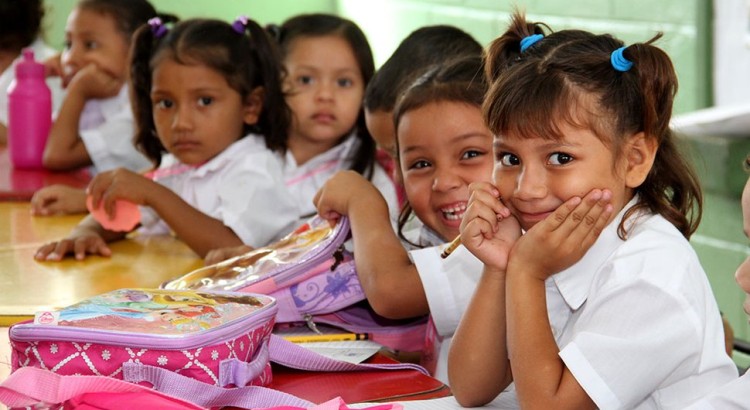
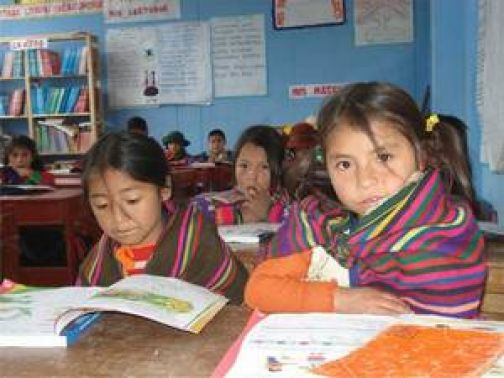
Unos 30 estudiantes, entre niños y adolescentes, acuden a la Escuela de Bajo Bley, un viejo salón comunal en unas pocas bancas. El maestro que el MEP les asignó los abandonó desde setiembre

Yislen-anos-Primer-grado_LNCIMA20160321_0113_5

Yislen sí que tiene razones de sobra para no ir a la escuela; aún así, su persistencia es ejemplar.

La primera: vive a tres horas de camino a pie, entre la montaña, del centro educativo de Bajo Bley.

La segunda: el maestro que el Ministerio de Educación Pública (MEP) les asignó los abandonó sin avisar desde setiembre del año pasado aduciendo que esta zona es de difícil acceso. Sin embargo, este docente, de apellido Morales, cobró el salario que no se ganó en siete meses de dejar sin clases a Yeslin y una treintena de alumnos indígenas.

Aun así, la pequeña, de nueve años, baja todos los días para recibir una hora de clase de Lengua y Cultura, la única materia que les imparten desde que su maestro los abandonó.

Y la tercera razón para no ir a la escuela: ninguno de sus papás la puede acompañar en su ruta a través de la montaña. Tiene que bajar sola desde el monte, y cruzar el río, llueva o haga calor.

Tres razones suficientes para dejarlo todo. Aún así Yislen no deja de asistir a clases de primer grado, aunque tiene 9 años. Va con su salveque, su blusa escolar y cuadernos donados por algún desconocido. Y no ha faltado un solo día a lecciones, contó el profesor de Lengua y Cultura, Elmer Díaz López.

Los alumnos indígenas de Alto Telire son así de persistentes a pesar de que todo está en contra de ellos.

LEA: Escasez alumenta a diario a cientos de indígenas de Telire

Una de las estudiantes,de 16 años sigue yendo a clases con un embarazo en estado avanzado, contó Susana Ávila, médico de familia de la CCSS.

Es una joven que, como muchas de su edad en esos territorios indígenas, vive en unión libre, están embarazadas o con hijos.

LEA: Alerta por hambruna en zona indígena moviliza al gobierno

Falta un comedor escolar, aunque hay una treintena de alumnos registrados que necesitan alimento todos los días.

Tampoco hay comida para compartir en el recreo.

Fuente: http://www.nacion.com/nacional/educacion/Medicos-recolectan-ayuda-Alto-Telire_0_1549845023.html

Comparte este contenido:

Cross River Union, Board Disagree on Teacher Audit

África/Nigeria/Marzo 2016/Fuente: Vanguard. Autor: Ike Uchechukwu

¿Qué ocurre cuando en una institución educativa se detectan anomalías en los títulos de sus docentes? ¿Qué ocurre cuando ésta cirunstancia es detectada como una anomalía de amplio alcance en un sistema educativo? En Nigeria, se han detectado algunos problemas en los certificaos de docentes e distintas instituciones e, incluso, problemas en las certificaciones que se extienden a la falsificación y forjado  de documentos. El texto que a continuación reproducimos nos relata los hallazgos de una auditoría realizada en Nigeria, y la reacción de los docentes afectados o no, quienes a través de la organización que los representa, manifiestan sentirse humillados y estigmatizados.

The Nigeria Union of Teachers, NUT, in Cross Rivers State and the State Universal Basic Education Board, SUBEB, are at daggers drawn over the latter’s conduct of personnel audit of teachers in the state.

The bickering reached a climax penultimate week when hundreds of NUT members marched through the major streets of Calabar with placards calling for a halt to the exercise citing alleged humiliation and seizure of their certificates by the SUBEB.

Some of the placards read: «NUT rejects the seizure of original certificates of teachers» and «NUT will never defend fake certificates nor ghost workers», among others.

The state NUT Chairman, Mr. Eyo-Nsa Itam had stated during the protest that it was wrong for SUBEB to confiscate the certificates of teachers on the claim that they were not genuine.

NUT decries alleged disgrace meted to members

Itam, who presented their grievances to the Speaker of the state House of Assembly, Mr. John Lebo, decried the alleged humiliation of teachers by the SUBEB screening team in virtually all the local government areas visited and called for the immediate sack of the board and return of the confiscated certificates.

He said: «We are here at the state Assembly because we know that the laws emanate from the House. We also know that every political appointee is screened by the House. We want to find out if the SUBEB chairman was asked to seize the original certificates of teachers.

«If we have teachers with fake certificates, they are on their own, we will not support them. Our grievance is with the humiliation where so many teachers were not screened for flimsy excuses while certificates were seized. NUT as a body has rejected the so-called screening. For there to be screening, all the stakeholders must be carried along.»

Dead teacher allegedly draws salary

But the SUBEB chairman, Dr Stephen Odey, while defending the screening exercise said it was to correct obvious anomalies in the system.

He said there had been allegations of ghost teachers and dead persons still drawing salaries, citing the case of a teacher, who died in 2014 but collected salary up till January 2016.

He said: «They never gave me any opportunity neither did they hear from me, I was shocked to see and read in the media allegations from the NUT of how I collected, seized and confiscated certificates.»

«I can confidently tell you that no teacher or any non-teaching staff has been sacked or indicted, I believe I should put the records straight so that Nigerians will know; those allegations are malicious and baseless I could not have stooped so low to pour water on my fellow colleagues (teachers). It is ridiculous that a man of my calibre could be accused for such, I will resign if anyone can come out to prove it,» he said.

He further told Niger Delta Voice that his report would shock Cross River people when it is made public. «The personnel audit is not to witch-hunt any teacher or identify ghost teachers but to also redeploy teachers who have been wrongly placed. There was a teacher who was employed as a nanny after obtaining her NCE she is still in the same position but we did the right thing, I instantly upgraded the teacher.»

Odey however explained that if any teacher’s certificate is suspected to be fake or forged it was his responsibility and that of the board to do something about it stressing that some of their, NUT, branch leaders were with them during the exercise in the Northern Senatorial district.

House of Assembly intervenes, backs screening exercise

Meanwhile, the State House of Assembly has waded into the matter and directed that the screening exercise be put on hold pending the conclusion of investigations into the rift between the NUT and SUBEB.

The House of Assembly made its position known when the SUBEB chairman, Dr Stephen Odey appeared before a special committee set up by the Speaker, Hon John Lebo after the NUT took their protest to the House of Assembly over the «way and manner » the screening exercise was being conducted.

The Special committee Chairman, Hon Friday Okpeche lauded the effort of SUBEB in trying to rid the system of ghost teachers and other forms of irregularities within the primary school system.

«There is no way the Cross River State House of Assembly will allow this kind of rot in the system to continue, we will give you the needed support to succeed in your mandate,» Okpeche stated.

According to him, SUBEB is a creation of the law of the House of Assembly and as such there was no way they would not give their own the needed support.

While calling on the SUBEB boss to carry out his duty diligently within the provisions of the law, the chairman of the special committee however disclosed that the screening exercise has been put on hold pending the conclusion of investigations into the «rift» between the two bodies.

More revelations

The SUBEB boss, Dr. Odey made further startling revelations before the committee that over 200 teachers had been identified as using forged certificate in the system with only nine local government out of the 18 covered in the exercise while some institutions were yet to reply the letters written by SUBEB.

«We have written to several institutions including Colleges of Education in Akampka and Obudu. For instance, in the Ministry of Education, we forwarded 82 names for the verification of their certificates, 60 of such teachers forged their certificates,» Odey disclosed.

Fuente de la noticia:http://www.vanguardngr.com/2016/03/nut-subeb-daggers-drawn-audit-teachers-cross-river/

Fuente de la imagen:http://d19lga30codh7.cloudfront.net/wp-content/uploads/2016/03/CHAIRMAN-NUT-CROSS-RIVER-STATE-AND-OTHER-MEMBERS-AT-THE-HOUSE-OF-ASSEMBLY.jpg

Socializado por: Editores África

Comparte este contenido:
Page 6687 of 6794
1 6.685 6.686 6.687 6.688 6.689 6.794
OtrasVocesenEducacion.org