Page 8 of 12
1 6 7 8 9 10 12

Condenan a diez meses de cárcel a 45 estudiantes por una protesta contra Erdogan en 2012

Turquía/03 de Octubre de 2016/El Economista

Un tribunal de Turquía ha condenado este martes a diez meses de cárcel a un grupo de 45 estudiantes universitarios por participar en una protesta en diciembre de 2012 contra el entonces primer ministro y actual presidente, Recep Tayyip Erdogan.

La protesta se celebró durante la ceremonia de lanzamiento de un satélite turco en la Universidad Técnica de Oriente Próximo (ODTÜ), según ha informado la agencia estatal turca de noticias, Anatolia.

Los abogados de la defensa habían reclamado la absolución de los estudiantes, argumentando que no cometieron crimen alguno por el hecho de participar en una manifestación.

Sin embargo, el juez les ha sentenciado por «oponerse a la ley sobre reuniones y manifestaciones» y «resistirse a un oficial público para evitar que lleve a cabo sus funciones», tal y como ha recogido el diario local ‘Hurriyet’.

Activistas y organizaciones no gubernamentales han criticado los numerosos fallos de tribunales turcos contra opositores y participantes en manifestaciones contra Erdogan, tanto en su etapa como primer ministro como desde que llegó a la Presidencia.

Fuente:  http://ecodiario.eleconomista.es/africa/noticias/7837966/09/16/Condenan-a-diez-meses-de-carcel-a-45-estudiantes-por-una-protesta-contra-Erdogan-en-2012.html

Comparte este contenido:

Uruguay: «No sabés nada de educación» le cantaron alumnos del IAVA a Muñoz

América del Sur/Uruguay/01 Octubre 2016/Fuente y Autor:Elpais

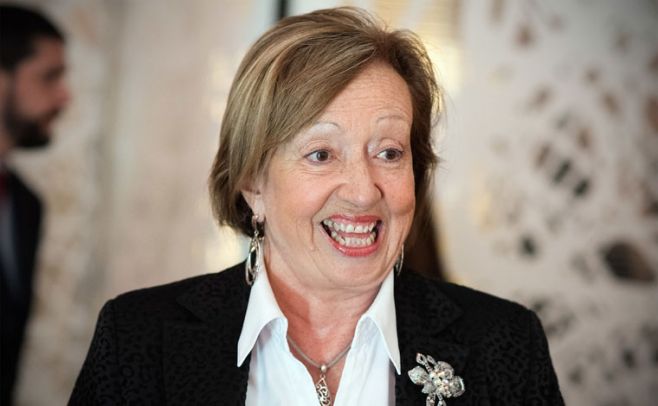
La ministra acudió al liceo junto a autoridades de Anep y Secundaria para celebrar el Día de la Educación Pública. Docentes y estudiantes reclamaron mejoras edilicias.

 La ministra de Educación y Cultura (MEC), María Julia Muñoz, acudió esta mañana al Instituto Alfredo Vásquez Acevedo (IAVA) para celebrar el Día de la Educación Pública. También estuvieron presentes autoridades de Anep y de Secundaria.

Junto a la celebración se llevó a cabo una movilización de docentes y estudiantes agremiados del liceo, en reclamo de mejoras edilicias.

En declaraciones a radio Monte Carlo, el vocero del gremio de profesores, Eduardo Clauset, señaló que le parecía una «paradoja» festejar el día de la educación pública y considerar patrimonio al IAVA cuando «no se lo cuida».

Según indicó, hace varios meses se envió una carta al Consejo de Secundaria, denunciando el estado de dos salones que fueron clausurados. Indicaron también que el techo se cayó y señalaron que existen carencias edilicias en el salón de química.

Finalizado el acto, la ministra Muñoz se retiró en medio de abucheos de los estudiantes. Al salir por la puerta principal, comenzaron a cantar «María Julia Muñoz, vos sí que estás pintada, no sabés nada de educación», seguido por los gritos de «se escucha, se escucha, arriba los que luchan»

Fuente de la noticia: http://www.elpais.com.uy/informacion/nada-educacion-cantaron-alumnos-iava-munoz.html

Fuente de la imagen:http://img.espectador.com/fotos/noticia/341812/658/341812_20160930135138_mu-oz.jpg

Comparte este contenido:

Miles se manifiestan contra la restrictiva ley del aborto en Irlanda

Europa/Irlanda/30 de septiembre de 2016/www.laizquierdadiario.com

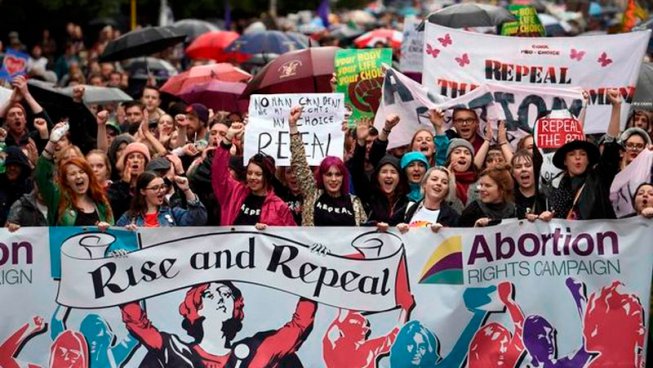
Masivas manifestaciones por el derecho al aborto en Irlanda. Las regulaciones sobre el derecho al aborto de Irlanda se encuentran entre las más estrictas del mundo.

Miles de manifestantes marcharon en Dublín para exigir al gobierno irlandés la celebración de un referéndum para derogar leyes restrictivas sobre el aborto. Concretamente por la derogación de la Octava Enmienda de la Constitución de Irlanda, que prohíbe el aborto.

Los manifestantes marcharon bajo la lluvia entre los edificios gubernamentales de la principal vía de la calle O’Connell de Dublín, cortando el tráfico mientras cantaban y tocaban tambores, con pancartas que decían «Mi cuerpo, mi elección».

«Es el derecho de la mujer a elegir y es ridículo decir que cualquier otra persona, el Estado o la iglesia, debe imponer a las mujeres qué hacer con su cuerpo», dijo Sal Roche, un manifestante, profesor de danza de 42 años de edad.

El debate sobre el aborto divide desde hace décadas a Irlanda, donde, durante décadas se realizan grandes protestas en las calles, tanto de los que están a favor como en contra. La prohibición completa a la interrupción voluntaria del embarazo sólo fue modificada en el año 2013, cuando se permitió en caso de que la vida de la madre corra peligro.

El ministro irlandés de Infancia, Katherine Zappone, un miembro independiente del gobierno de coalición de Kenny que se unió a la marcha en Dublín, anunció una fecha posible para la realización de un referéndum hacia finales del próximo año.

Sin embargo todos los gobiernos han sido reacios a abordar esta cuestión por temor a que pueda alejar a los votantes conservadores; a pesar de la disminución de la influencia de la Iglesia Católica Romana, expresada en que desde el 2015 Irlanda fue el primer país en adoptar el matrimonio homosexual por el voto popular.

También se organizaron manifestaciones en más de 20 ciudades, de Wellington a Montreal. En Dublín, muchos habían viajado desde los alrededores de Irlanda.

Diversas organizaciones denunciaron que alrededor de 3.500 mujeres han tenido que viajar a Inglaterra para poder interrumpir su embarazo y recibir asistencia sanitaria básica.

Tomado de: http://www.laizquierdadiario.com/Miles-se-manifiestan-contra-la-restrictiva-ley-del-aborto-en-Irlanda

Comparte este contenido:

Argentina: Paro Nacional Docente del 27 de septiembre

América del Sur/Argentina/23 de septiembre de 2016/www.suteba.org.ar

Ante la grave situación que tiene a varias provincias en conflictos y la negativa del gobierno nacional y los gobiernos provinciales de reabrir las paritarias; y la amenaza a nuestro régimen previsional docente, la Junta Ejecutiva de CTERA y el Plenario de Secretarios Generales resolvió:

  • Exigir al Gobierno Nacional la reapertura de la Paritaria Nacional, entendiendo que esta negativa de los gobiernos nacional y provinciales forma parte de la política de ajuste sobre los trabajadores.
  • Exigir el cumplimiento de los Acuerdos Paritarios Nacionales: Formación permanente, gratuita y en ejercicio para todo el país; cumplimiento  del Fondo Compensador por docente y cargos estipulado en el Art. 3 del acuerdo paritario; continuidad de los Programas Nacionales Socioeducativos.
  • Rechazo al «ítem aula» y a cualquier intento de poner presentismo en nuestro salario.
  • Reclamar  el debate y sanción de una nueva Ley de Financiamiento Educativo que eleve el Presupuesto del 6 % al 10 % del PBI.
  • Rechazar el Plan Nacional de Evaluación «Aprender 2016».
  • Impulsar una medida nacional unificada con todas las centrales sindicales.
  • Repudiar al Tribunal Superior de Justicia de Neuquén ante el cierre de la Causa Fuentealba II.

Por todo esto la Junta Ejecutiva de CTERA y el Plenario de Secretarios Generales resolvió Paro Nacional Docente el 27 de septiembre con concentración frente al Congreso de la Nación y movilización al Ministerio de Educación de la Nación.

Tomado de: http://www.suteba.org.ar/paro-nacional-docente-el-27-de-septiembre-15581.html

Comparte este contenido:

South Africa: UCT Suspends Classes As Student Protests Spread

South Africa/Septiembre de 2016/ Allafrica

Resumen: La Universidad de Ciudad del Cabo suspendió las clases y conferencias el viernes debido a las protestas de los estudiantes. » Las clases y conferencias han sido suspendidos temporalmente para viernes por la tarde con el fin de evaluar la situación y poner en práctica medidas de seguridad adicionales en el campus. Las conferencias y clases se reanudarán el lunes por la mañana» dijo de UCT Kylie Hatton en un comunicado.

The University of Cape Town suspended classes and lectures on Friday due to student protests.

«Classes and lectures have been temporarily suspended for Friday afternoon in order to assess the situation and implement additional security measures on campus. Lectures and classes will resume on Monday morning,» UCT’s Kylie Hatton said in a statement.

The libraries and the 24/7 study area were closed.

Students began protesting on Thursday, calling for the university to reinstate students who had been suspended, interdicted, or expelled following the «fees must fall» protests.

 The students moved between campuses on Friday, singing, and calling for an end to lectures.

On Thursday, they gave UCT 48 hours to respond to their demands, or they would shut down the institution.

«We recognise the right to engage in legitimate and peaceful protest and urge protesters to respect the rights of other members of the campus community to attend classes and arrive at work,» the university said earlier on Friday.

Fuente: http://allafrica.com/stories/201609160727.html

Comparte este contenido:

Maestros de la CNTE ‘toman’ casetas en la México-Guadalajara

México/Septiembre de 2016/Jornada

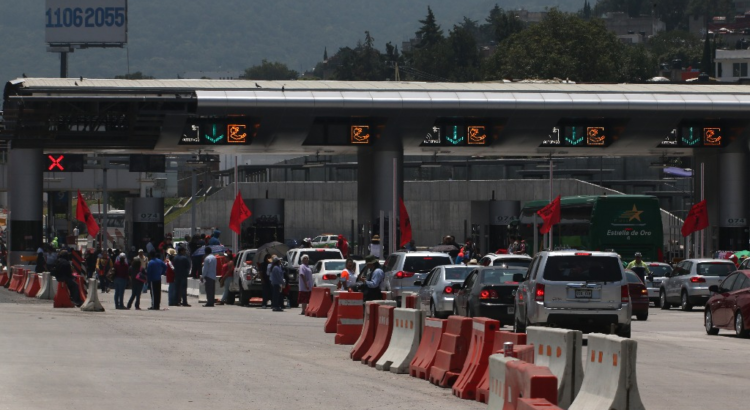
Maestros de la Coordinadora Nacional de Trabajadores de la Educación (CNTE) tomaron varias casetas de peaje de la autopista México-Guadalajara, en las que permiten el paso sin pago alguno, como parte de las acciones en contra de la reforma educativa.

Las manifestaciones del magisterio disidente iniciaron a las 8 horas y concluirán a las 15 horas en las casetas de Ecuandureo, Panindícuaro, Contepec y Zinápecuaro.

Los maestros exigen la reinstalación de las mesas de diálogo con el gobierno federal para convenir acuerdos en torno a la reforma educativa y acciones derivadas de las manifestaciones de la CNTE.

Fuente: http://www.jornada.unam.mx/ultimas/2016/09/17/maestros-de-la-cnte-toman-casetas-en-la-mexico-guadalajara

Comparte este contenido:

Sudáfrica: Five significant findings Human Rights Commission’s

África/Sudáfrica/Septiembre de 2016/Fuente: Mail & Guardian

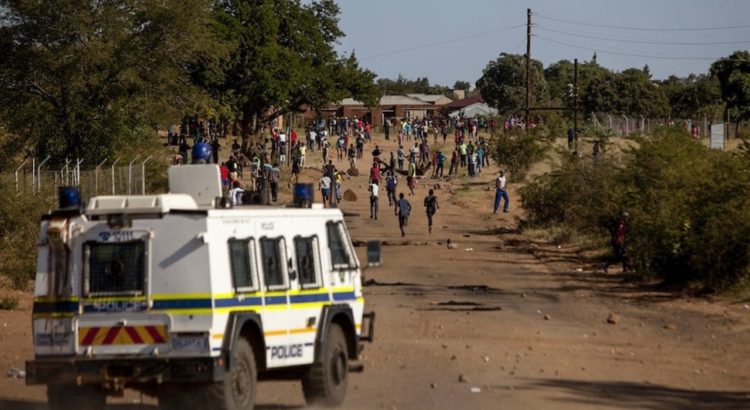
RESUMEN: La Comisión de Derechos Humanos de Sudáfrica (SAHRC) ha publicado su informe sobre los impactos de acción de protesta sobre el derecho a la educación básica. Con la dura tarea de equilibrar el derecho a la protesta, junto con el derecho del estudiante a la educación básica, la SAHRC llegó a conclusiones significativas sobre la base de las audiencias con diversas partes interesadas. El informe fue elaborado después de que la SAHRC armó un panel que escuchó a presentaciones realizadas por el departamento de educación básica, el Servicio de Policía de Sudáfrica (SAPS), y las organizaciones no gubernamentales tales como la educación básica para todos, una organización voluntaria en Limpopo. Las audiencias se produjo a raíz de las protestas en Vuwani, Limpopo a principios de este año, cuando se prendió fuego a un número de escuelas.

The South African Human Rights Commission (SAHRC) has released its report on how protest action impacts the right to basic education. With the tough task of balancing the right to protest along with a student’s right to basic education, the SAHRC made significant findings based on hearings with various stakeholders.

The report was compiled after the SAHRC put together a panel who listened to submissions made by the department of basic education, the South African Police Service (SAPS), and non-governmental organisations such as Basic Education For All, a voluntary organisation in Limpopo. The hearings came about in the aftermath of the protests in Vuwani, Limpopo earlier this year when a number of schools were torched.

Some of the key findings mimic what happened in Vuwani such as how, in many cases, protesters are not centering their protest on education.

1. Most protests have nothing to do with education


The SAHRC found that although schools and access to schools may be affected by protest action, education is often not the point of the protests. In South Africa, there are least 13 000 protests in a year which involve a rage of issues including water, electricity, proper sanitation services, housing and unemployment.

The commission finds that the right to a basic education is affected by protest-related action arising from causes that in most cases may be unrelated to the provision of basic education. Protesters who deny access to education are violating the right to a basic education of the affected pupils,” the report said.

2. Schools get burned because leaders don’t listen


More than 8 million South Africans are without jobs. In their presentation to the commission, Basic Education For All said the Limpopo government had failed to address deep-rooted community concerns and the “matter was left to fester”. In the report, the SAHRC finds that adequate responses from leadership are not a problem unique to Limpopo.

“The investigative hearing noted that the challenges of unemployment and poverty that face South Africa have created high levels of frustration among young people. The extent of frustration does not appear to be sufficiently recognised by people in all levels of leadership,” the report said.

“The panel identified a growing sense of despair, frustration and discontent that is in part a result of people not being able to experience the changes promised by the democratic transition.”

3. Protesters haven’t experienced the better life basic education promises


In its report, the hearings noted that people don’t always deliberately target schools, but they do it because government responds quicker when schools are affected. Those who don’t target schools – but who may affect protests by disrupting transport services or access routes – may have less sympathy for basic education because they have not witnessed a change in their own lives.

“It appears that the disregard for the right to a basic education may also be based on a view that education is not necessarily a guarantee of a better life. This is a view expressed particularly by some who live in conditions of poverty, unemployment and joblessness,” the report said.

Thus, the report concluded that the right to basic education isn’t always respected. The education department, in its submission to the panel, recommended that guidelines for greater awareness around the importance of basic education be developed and implemented.

4. Authorities like the education department and the SAPS are slow to respond

The report indicates that both the SAPS and the basic education department aren’t always prepared for protests and there is no uniform policy in place to mitigate the effects of protests on pupils and schools. The education department admitted that it had been “surprised” by the incidents in Vuwani.

“The department of basic education was overwhelmed by the situation and did not imagine that so many schools would be affected. The department is seeking expert assistance from outside it to help identify alternative solutions and interventions,” the report said.

The SAPS, in its submission at the hearing, gave a detailed response which included that measures had been taken to protect schools in the aftermath of Vuwani. However, the SAPS said they are under-resourcedand are struggling to manage public order when there are at least 13 000 protests a year. The SAPS resources include 28 units with 4 227 members, and there are 25 720 schools around the country. There is currently a three-year plan in place to increase Public Order Policing (POP) units and the members in these units.

The SAPS have been heavily criticised for the violent manner with which they have responded to protests in the past, but the report gave a reminder as to what the mandate of POP units in the SAPs is.

“The role of POP is to manage protest. POP is not supposed to suppress the rights of people who protest but rather to ensure that protests do not interfere with the realisation of other people’s rights,” the report stated.

5. The impact on pupils


The report found that most pupils affected by protests are poor and are relying on an education system that does not provide them with the best quality education. As such, they are deeply affected when exam time is near.

“Most of the schools targeted in protest-related actions are located in the most marginalised sections of society where conditions at schools and the attendance of pupils are already precarious,” the report stated.

Teachers too have a harder time performing their jobs and in some cases, pupils are roped in to protests to achieve the political objective of older protesters.

The report did, however, fail to get much insight from pupils themselves. Many of the submissions were made by government departments, community leaders and other institutions. People who protest were also largely excluded from the hearings, which meant that much of the insight gathered on why schools become enmeshed in protest action is not told directly from people who protest at schools.

Among one of its key recommendations was that the education department develop a National Public Protest Response Team that will include relevant departments to establish early warning systems and provide clarity on the roles and policy of each department when protests take place.

The report is set to be tabled in Parliament so that the recommendations can be implemented.

Fuente: http://mg.co.za/article/2016-09-15-five-significant-findings-from-the-south-african-human-rights-commissions-educationprotestreport

Comparte este contenido:
Page 8 of 12
1 6 7 8 9 10 12