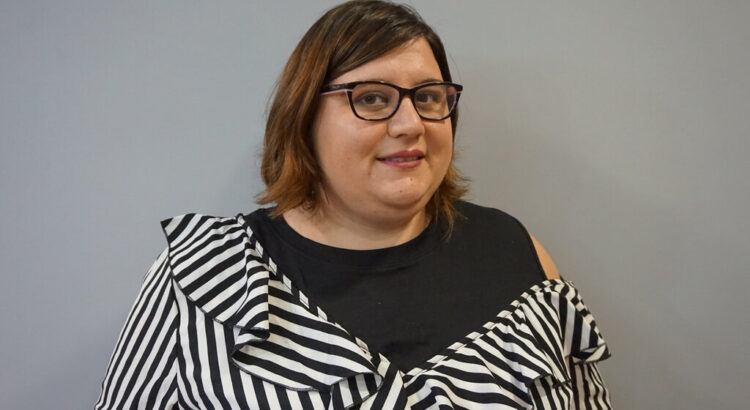
Marina Marroquí fue maltratada por su pareja de los 15 a los 19 años. A cuatro años de palizas, humillaciones, amenazas y abusos, siguieron otros siete de silencio. Ahora, esta educadora social relata su historia en institutos y colegios, donde imparte talleres sobre violencia de género y sexual para evitar que otras adolescentes vivan el mismo calvario. “Cuando cuento mi historia, veo cómo las caras empiezan a palidecer porque hay muy pocas mujeres que explicamos cómo fue ese infierno”, asegura. Su mantra: educar en la igualdad. “Nunca alcanzaremos la igualdad real si educamos a chicos y chicas de manera diferente. Es absurdo. Necesitamos educarlos igual para que sean personas iguales”, sentencia.
¿Qué te encuentras cuando llegas a un instituto e impartes uno de tus talleres?
La realidad es abrumadora. El aumento de las violencias sexuales que me he encontrado en los últimos años en adolescentes es disparatada. Sobre todo, la falta de detección de las coacciones sexuales, de los abusos, incluso de violaciones explícitas. Hay una falta de conocimiento brutal y no son capaces de identificar esos abusos. Una de las preguntas que más me han hecho es: “¿Cómo te puede violar si es tu novio?”. Es cierto que hay mucha más visibilidad a partir de las olas del “Me too” y del “Hermana, yo sí te creo”. El caso de “la manada” fue un antes y un después. Pero al no ir enlazado con una educación afectivo-sexual real adaptada a las necesidades de la adolescencia, el mensaje que ha calado no es tanto “solo sí es sí”, que es lo que pretendíamos, sino que “solo es violación si cinco tíos te meten en un portal”. Imagínate, si esa es la etiqueta de violación o abuso, todo lo que no identifican como tal y que sufren diariamente desde edades muy tempranas. Hasta en los programas de Primaria me encuentro niñas que ya reciben contenido inapropiado a través de redes. Les envían fotos de una brutalidad total. A los 12 o 13 años, ellas ya están acostumbradas a recibirlas. Y no lo identifican como ningún tipo de abuso. No avisan a nadie.
Una de las grandes preocupaciones actuales es el consumo temprano de pornografía. Según un informe reciente de Save the Children, siete de cada diez adolescentes ven estos contenidos. ¿Qué riesgos conlleva esto en sus relaciones? ¿Puede disparar la violencia contra las mujeres?
Me encuentro un consumo de pornografía totalmente generalizado en los chicos a partir de los 12 años. A los 10 años tienen un consumo bastante habitual y a los 12 años es diario. ¿Cuál es el problema? Que ellos están haciendo lo que les toca en esa etapa, pero ni el sistema educativo ni las familias nos hemos puesto al día con las herramientas de educación afectivo-sexual adaptadas a este tiempo. Ellos construyen su deseo sexual a través de una violencia extrema. Ven violaciones sistematizadas, en grupo, agresiones sexuales… Y me encuentro varios peligros. El primero, un aumento de los problemas de disfunción eréctil en jóvenes, cuando no hay ningún problema físico. Muchos chavales me dicen: “Te prometo que no soy un violador ni un maltratador, yo soy buena persona, pero si no la cojo del cuello o no la pongo a cuatro patas y le tiro del pelo, no tengo una erección”. El problema es que la educación afectivo-sexual tiene un proceso que, hasta esta generación, se había hecho de forma lineal: a los nueve años te gustaba un chico, le sonreías, le dabas la mano; a los 12 le dabas un beso, a los 14, un morreo, y a los 16 te acostabas con él. Ahora, antes de dar por primera vez la mano a alguien, ya han visto mil violaciones. Otro de los peligros: que ellas también consumen esa pornografía para ver cuál es su papel y normalizan el sexo basado en la violencia. Eso supone la imposibilidad por parte de las víctimas de identificar esa violencia. Y hay otro problema del que tampoco se habla: el aumento alarmante del abuso sexual entre menores. Como a los diez años ven pornografía, empiezan a querer llevar a la realidad lo que ven en las películas. Y normalizan y construyen el juego abusando sexualmente de una menor, con las secuelas que eso conlleva. El abuso sexual en la infancia es un agujero negro que seguimos sin ver.
Por una parte, está la pornografía. Y en la otra cara de la moneda está el amor romántico. ¿Qué riesgos conlleva y cómo se puede “deconstruir”?
La pornografía genera agresores y el amor romántico genera víctimas. Es así de cruel. Yo tenía 15 años y mi maltratador tenía 20. Y me sigo encontrando que mola que te recojan en coche del instituto. Yo creía que era normal que un chico de 20 años se fijara en mí. Pero cuando echas la vista atrás, te preguntas ¿por qué un tío de 20 querría estar con una niña de 15? No puede entrar a discotecas, no puede viajar, no trabaja… Pues porque la única versión que tiene esa niña sobre el amor son las películas y las canciones que ha escuchado. Es muy fácil construir un amor romántico, que es un maltrato velado porque nos enseña a querer en base al sufrimiento. Y se deconstruye, primero, ridiculizándolo. Y, después, desmontando los falsos mitos. Por ejemplo, a las mujeres se nos enseña siempre a perdonar, pero no nos enseñan que hay un límite, que hay cosas que no se pueden perdonar nunca. Es muy difícil desterrar ese “aunque sufras, aunque duela, serás feliz”, que es como terminan todas las películas: la mujer sufre y sufre, y en el último minuto te dicen que va a ser feliz. Dar esa vuelta es muy importante y es también una responsabilidad cultural. Siempre hablamos de escuela y familia, pero tiene mucho más poder educativo e influencia directa el cantante, el actor, el youtuber o el influencer de turno. Cuando pongo música en mis talleres para ver todo esto, no hace falta que ponga reguetón: pongo Marc Anthony, Vanessa Martín, Malú… ¿Cuántas canciones ligan el amor al sufrimiento? ¿Cuántas canciones cantadas por mujeres tienen un tema diferente al amor? ¿Las mujeres no leemos, no viajamos, no hacemos nada más que enamorarnos? Y en muchas ocasiones son escritas y cantadas por mujeres. La sociedad cambiará cuando la cultura cambie.
¿Hasta qué punto las redes sociales multiplican los efectos de la violencia machista?
Más del 80 % de las chavalas con las que trabajo reciben cinco o seis ‘fotopollas’ semanales a partir de los 12 años. Y mensajes de depredadores pederastas que con las redes han encontrado un amparo absoluto. Es un foco brutal. El adolescente sigue utilizando las redes, pero ni el sistema policial ni el sistema judicial se están adaptando. Hay alguien que sí ha dado un paso al frente: la Agencia de Protección de Datos, que ha abierto un canal para denunciar cuando se suben contenidos inapropiados sin permiso. Y esto es importante. Es algo pionero que puede ayudar a muchísimas mujeres. Hemos vivido suicidios por ese tipo de informaciones. El ciberbullying es un tormento para muchas adolescentes.
Se incide en la necesidad de que haya un control sobre las redes sociales y el uso de Internet de los menores, pero ¿qué más se puede hacer para evitar consumos inapropiados?
Querer llevar a la adolescencia al siglo XX es un error garrafal. No se puede parar, pero sí se puede preparar. Y ese es el gran fallo. No estamos preparando, no tenemos una asignatura que trabaje los valores necesarios para erradicar no solo la violencia de género, sino la violencia sexual, el bullying, la violencia intrafamiliar, el abuso infantil… Necesitamos una asignatura, desde la infancia a la universidad, que pueda abordar estos temas. En cuanto a las familias, somos una generación bisagra. En nuestra casa, estos temas eran tabú y nuestros padres hicieron un esfuerzo para darnos un preservativo. Pero, desde entonces, todo ha ido demasiado rápido. Esta es la primera generación en la que, mayoritariamente, son los hijos e hijas los que enseñan las tecnologías a sus padres. Y eso desorienta muchísimo. Necesitamos formación para las familias, que tengan pautas y herramientas para poder comunicarse en temas delicados y necesarios. Y, sobre todo, necesitamos esa complicidad y confianza que permita que no se produzcan las cifras que la Macroencuesta de Violencia contra la Mujer dio hace un mes: que una de cada cuatro mujeres que sufre violencia sexual no se lo cuenta a nadie. Y casi la mitad de las que sufren acoso, tampoco. Vivir con violaciones en tu cerebro, que lo he vivido, y tener que salir y sonreír a todo el mundo porque nadie se puede enterar del infierno que estás sufriendo es algo que no nos podemos permitir como sociedad. Necesitamos la educación para eso.
¿Y formación para docentes?
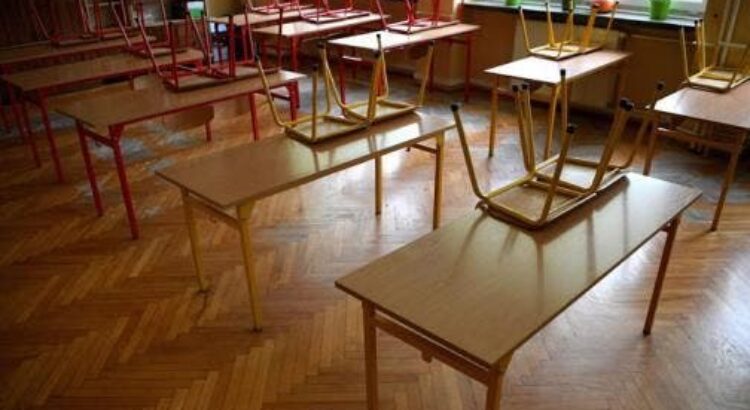
Este país luchará contra estas violencias machistas cuando los docentes salgan de la universidad con una preparación mínima en violencia de género. ¿Cuánto tiempo llevan los equipos psicopedagógicos en los centros? Sin embargo, no se contempla que haya un gabinete de educadores sociales trabajando la problemática de la violencia. Y cuando miras las cifras, son cientos de chicas las que la sufren en cada instituto. No estamos hablando de un caso puntual. Y no hay instituto libre de esta problemática. Se creó la figura del ‘coordinador de igualdad’. Y, en el mejor de los casos, me encuentro a docentes feministas que aprovechan esos espacios para hacer actividades y campañas de sensibilización puntual. Y, en otros muchos casos, profesores que lo hacen porque liberan dos o tres horas de docencia. Ya no sin ninguna formación, sino sin ningún interés. No puede ser que esto recaiga en la voluntad individual y en una formación externa sufragada por las mismas docentes. Porque si caes en un instituto con tres o cuatro profesoras que se coordinan y hacen cosas increíbles, tienes una suerte fantástica. Pero ¿y si no? En la adolescencia, la violencia de género y sexual hay que trabajarla de manera coordinada. Por eso requiere de proyectos y protocolos muy diferentes a los que se han hecho hasta ahora, en los que la escuela, la familia y el grupo de amigas trabajen coordinados para poder sacar a la víctima.
Y esos protocolos tienen que venir desde las instituciones públicas, claro.
Sí. Los institutos no pueden contratar a tres personas en un gabinete de prevención de violencias en las aulas. Son las instituciones las que tienen que dar ese paso para que se obligue y se instaure dentro del centro. Lo que me encuentro también es que la familia y las amigas son las primeras en identificar los casos de violencia. ¿Y a dónde van? ¿Qué organismo hay que pueda escucharles y darles pautas? Eso lo podría hacer un equipo profesional dentro de las aulas. Todo puede partir de ahí para que sea un nexo entre instituciones, asociaciones, policía… Porque lo bueno del instituto es que es un oasis. Y la detección precoz pasa por los institutos. Eso es prioritario.
Ese “oasis” desapareció durante unos meses la pasada primavera, cuando las clases se suspendieron a raíz de la COVID-19. ¿Cómo ha afectado la pandemia a las víctimas de violencia machista?
En lo que a violencia de género se refiere, la COVID-19 tiene su cara y su cruz. Por ejemplo, en la adolescencia puede haber aportado algo positivo porque la víctima no suele convivir con el maltratador, no tiene acceso a él salvo por redes y es más difícil caer. Además, aumenta mucho el contacto de la víctima con la familia, por lo que es una etapa muy importante para que ella sea consciente de la situación y rompa esa relación. En la adolescencia, bien dirigida, puede ser muy positiva esta situación. La cruz está en la cantidad de mujeres que han cerrado la puerta de su casa y se han quedado encerradas con su maltratador dentro. Y eso es el infierno.
¿Cuán necesaria es la educación afectivo-sexual para prevenir y parar la violencia de género?
Es urgente. El feminismo ha luchado por la libertad y el deseo sexual de las mujeres, y lo que está consiguiendo la pornografía es todo lo contrario: que desde las primeras relaciones sexuales esté ahí esa coacción, esa urgencia del “hay que hacerlo” o esa falsa libertad de “con cuantos más chicos me acueste, más empoderada estoy”. Me sigo encontrando chicas que no saben masturbarse, pero sí hacer felaciones como en la mejor película porno. La adolescencia está en una situación muy preocupante y de mucha desventaja. Primero, por las herramientas y el acceso que tienen, junto a la falta de formación para gestionar eso. Y luego, cómo la sociedad está culpabilizándola de todos los males. Ellos no tienen la culpa de lo que hacen, porque en otras generaciones estaba el mismo deseo sexual, pero veían la portada de Interviú cuando se despistaba el quiosquero y ya está, no tenían más acceso. Ahora lo tienen, pero se ha adelantado la información a cómo usarla. Tu hijo ve Fast & Furious y tú le explicas doscientas veces que así no se conduce en la carretera, pero ve pornografía y nadie le dice que eso es ficción. Les estamos culpando directamente y eso es injusto.
La violencia física es lo que hace saltar la alarma en muchos casos de violencia de género, pero ¿qué ocurre con la psicológica? ¿Son conscientes las adolescentes de esa violencia?
Yo lo pongo sobre la mesa y, además, dándole el valor que merece. A mí me han dado muchas palizas y, al día siguiente, ya no me duelen. Lo que hace que una víctima desarrolle secuelas graves y arrastre tanto sufrimiento es, sobre todo, la violencia psicológica y sexual. Y eso es a lo que menos peso damos. La víctima ni siquiera suele ser consciente de la violencia sexual hasta muchos años después. Una chica lo contó muy bien después de un taller. Me dijo: “Es que no me viola, es que me autoviolo”. Porque, al final, en estas relaciones, el sexo se convierte en la única estrategia que tienes para tener a tu pareja tranquila, para tener la fiesta en paz. Porque si le dices “no” pueden pasar dos cosas: que lo haga igual haciéndote daño o que se vaya diciendo que eres una frígida, que se va de putas y que no vales para nada. Entonces, al final creas estrategias para sobrevivir dentro de esa relación y te das cuenta de que lo mejor que puedes hacer es quedarte quieta y que pase pronto. Muchas chicas a partir de 13 años me dicen: “Marina, no seas exagerada. Si él está todo motivado y tiene ganas, ¿a mí qué me cuesta? Pues me quedo quieta y ya está”.
¿Cuál es la reacción de los chicos al escuchar tu historia?
La respuesta de los chicos es de lo que más orgullosa me siento. Porque es un taller de tres horas sobre violencia de género. Con lo cual, el punto de partida es: “Otra vez vienen aquí a hablarnos y a tratarnos como violadores”. Además, ese mensaje de Vox ha calado de manera muy peligrosa; en el último año he notado muchísimo la agresividad inicial en ese posicionamiento con las frases y los falsos mitos baratos que utiliza Vox. Y cuando el taller va avanzando, intento hacerles ver cómo el machismo nos educa a chicos y a chicas. Primero, ellos empiezan a ser conscientes del precio que pagan por el machismo: que tienen que ser fuertes, valientes, proteger, no pueden emocionarse… Pero el cambio más importante se produce cuando son conscientes del precio que nosotras pagamos: cuando una amiga suya cuenta que llega a casa con la llave puesta al revés por si la atacan, cuando otra dice que siempre va al borde de la acera para que no la metan en un portal, y cuando otra recuerda cómo quedó con un chico que parecía supermajo y abusó de ella. Cuando en cada taller salen diez o quince casos así, el cambio en ellos es brutal. Yo les digo que, estando en silencio, también son cómplices: viendo cómo un colega llama “puta” a su novia, no saliendo de un grupo de WhatsApp en el que se cuelgan barbaridades… Y, de repente, son ellos los que dan un paso hacia adelante y dicen: “No me voy a convertir en el lobo para el que me están educando”.
¿Qué secuelas tiene la violencia de género en una adolescente, en una niña que está en pleno proceso de maduración y crecimiento?
El precio que pagas por sufrir violencia de género en la adolescencia lo arrastras toda tu vida porque en la adolescencia construyes tu autoestima, tu personalidad, tu manera de relacionarte con otras personas, de relacionarte en pareja… Y todo eso lo construyes sobre el maltrato. Yo recuerdo salir con 19 años y ser un papel en blanco. No era absolutamente nadie, no tenía amigos, no sabía quién era, no sabía cómo podía haber aguantado tanto. Todo lo que se supone que era amor era mentira. Durante muchos años, lo que deseaba era morirme. Mis amigas volvieron a aparecer, pero yo era una chica de 19 años a la que perseguían para matar y a ellas les preocupaba que la camiseta no les conjuntara con la falda. En esos momentos, te sientes muy desubicada en el mundo. Y si no se construye bien la autoestima a partir de ahí y no se trabaja con la víctima a nivel psicosocial, puede conllevar muchos trastornos: de personalidad, con las drogas, de abocación a la prostitución… Estamos hablando de problemas muy graves. Hay una parte positiva, que es que los agresores suelen ser también jóvenes, ejercen más violencia y eso puede hacer que la víctima salga, pero si no se trabaja bien y se recupera a las víctimas de manera real y eficaz, les estamos abocando a muchos problemas.
Educar contra la violencia de género es educar desde una perspectiva feminista. En los centros educativos vemos que todavía son los niños los que mayoritariamente ocupan el espacio en el patio. ¿Qué puede hacer la escuela para erradicar estas desigualdades?
El patio del colegio es la representación más clara del lugar que ocupamos las mujeres en la sociedad. El 80 % está ocupado por las pistas de baloncesto y fútbol, que en la inmensa mayoría utilizan los chicos. Y las chicas, mientras, vamos buscando los huecos sin molestar. Algunos centros lo están cambiando ya, muy pocos. Son programas pilotos en los que no hay campos de futbol ni de baloncesto, sino que ese espacio se utiliza para juegos colaborativos. Es necesario reestructurar la escuela sobre esa perspectiva feminista y de igualdad, y no hablamos solo de que haya una asignatura, sino de muchas otras cosas, como modificar esos espacios y esos juegos, o romper los estereotipos sobre los deportes. Porque lo peor del estereotipo es que te impide ser tú misma. Lo peligroso de educar con estereotipos es que estás negando habilidades a tus hijos, les estás quitando oportunidades, les limitas su personalidad. Y eso me parece muy cruel.
¿Qué papel tiene la escuela en esa ruptura de estereotipos? ¿Qué ocurre con el ‘pin parental’ que defiende Vox?
La escuela es un sistema educativo, pero, sobre todo, es un sistema protector. Está concebida también para proteger a nuestros menores. Yo he sido muy perseguida y he recibido amenazas de muerte por el ‘pin parental’. Hay quien cree que tiene la libertad de hacer a sus hijos machistas y homófobos, pero no es así, no la tiene. Y al sistema educativo le toca dar un paso al frente. Porque igual que tenemos totalmente normalizado que una escuela puede avisar a servicios sociales y a las familias cuando un niño viene sin almuerzo repetidamente, tiene que haber identificadores si un niño discrimina. Es muy importante que las escuelas tengan legalmente el poder de proteger al alumnado en esas circunstancias. El odio es muy fácil de contagiar a través de frases baratas. Vivimos en una sociedad que no nos enseña a pensar y eso es carne de cañón para partidos como Vox. El peligro está en cómo está calando su mensaje, de manera muy peligrosa, en la adolescencia. Aunque también es verdad que cuando propicias con los chavales una reflexión crítica, se desmonta por sí solo.




 Users Today : 22
 Total Users : 35490937
 Views Today : 23
 Total views : 3604371