Las medidas de los gobiernos para proteger a la población del contagio de Covid-19 han sido “insuficientes” y las peores consecuencias de la pandemia sobre los más pobres están por llegar, alertó el experto independiente de la Organización de Naciones Unidas (ONU) sobre pobreza extrema y derechos humanos, Olivier de Schutter.
“Las redes de seguridad social activadas están llenas de agujeros. Las medidas actuales son normalmente a corto plazo, el financiamiento es insuficiente y muchos caerán inevitablemente por los huecos del sistema”, señaló Schutter en un comunicado.
El experto de la ONU agregó que, tomando como referencia los 3.2 dólares diarios para vivir, 176 millones de personas podrían caer en la pobreza por la crisis económica derivada de la pandemia, la cual no tiene precedente en tiempos de paz desde la Gran Depresión de la década de 1930.
Finalmente, criticó que los más pobres quedan excluidos de los programas sociales de ayuda por ser “analfabetos digitales” o no tener acceso a Internet.
fuente e imagen: https://desinformemonos.org/insuficientes-medidas-de-gobiernos-para-proteger-a-la-poblacion-contra-covid-onu/
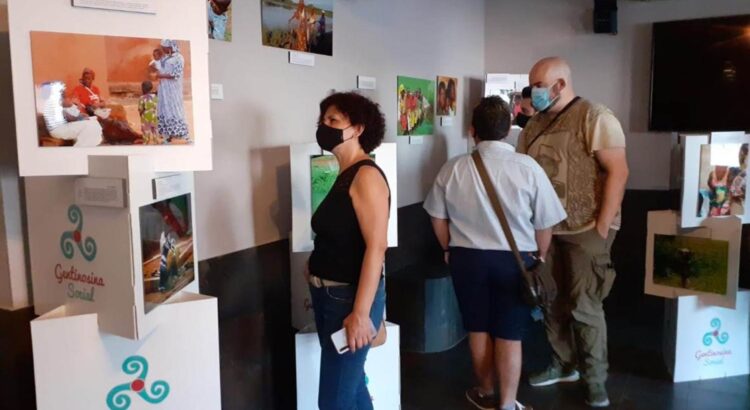
Gentinosina Social lleva al pueblo extremeño de Valdencín “África es nombre de mujer”, una muestra fotográfica sobre la vida de las mujeres africanas. Un breve recorrido de imágenes donde dar visibilidad a una parte esencial de las sociedades del continente, históricamente olvidadas y, en muchos casos, maltratadas y marginadas.
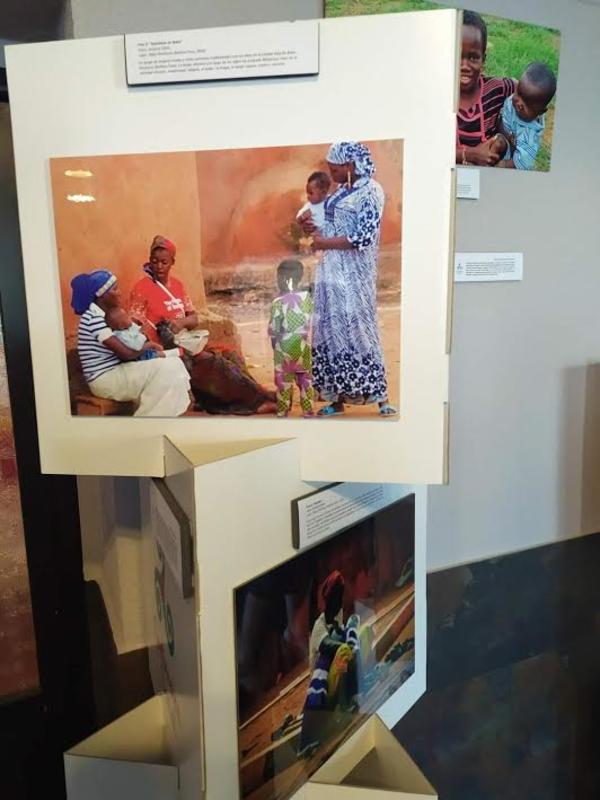
Una gasolinera a las afueras de la ciudad de Bobo-Diolassaou (Burkina Faso) y una mujer sentada en su acera mientras dos niñas de unos tres y cuatro años corretean y van hacia la mujer. Una vez las niñas están en los brazos de ella, me doy cuenta que es su madre porque les ofrece sus pechos. Las niñas, vestidas igual, maman de los pechos de su madre. Unos senos que están secos, pero ellas siguen aferradas para engañar al hambre. Algo común en África, que no deja de impactar cuando lo ves en directo.
Una imagen que vivimos el equipo de Gentinosina Social y los voluntarios un día de agosto de 2019. Acabamos de desayunar y no habíamos quedado satisfechos, el viaje de regreso a la capital se preveía duro y teníamos aún apetito que saciar. Y digo apetito porque tras aquel momento diferenciamos todavía más entre el hambre, con sus diferentes caras, y el apetito.
La muestra cuenta con 25 instantáneas impresas en aluminio y agrupadas en ocho bloques temáticos. Durantes los próximos meses realizaremos diversas exposiciones con visitas guiadas y charlas sobre la importancia del papel de mujeres y niñas en África
La foto fue a parar junto al abundante archivo que Gentinosina Social tiene sobre África, pero nunca quedó olvidada. Aquella fotografía fue el detonante para que el equipo de la asociación retomara la vieja idea de Jéssica Hernández, directora de Gentinosina Social, de realizar una exposición mostrando la vida de las mujeres africanas. Una muestra donde se diera voz a una parte esencial de las sociedades del continente, pero que a lo largo de la historia habían sido olvidadas, y en muchos casos, maltratadas y marginadas.
Y tras mucho trabajo de campo: selección de fotos (25 sobre unas 8.000 piezas), dar forma a la exposición y lograr el dinero para montarla, “África es nombre de mujer” ha debutado en el pequeño pueblo extremeño de Valdencín. Un lugar que sirve de homenaje a la matriz extremeña de la asociación y a la salvaguardia del entorno rural, una de las causas que Gentinosina Social también defiende.
Valores como amistad, unión, empatía, esfuerzo, sacrificio y respeto tienen mucho protagonismo en esta muestra que intenta huir de la típica foto de niños sonrientes y de comentarios caritativos y condescendientes
La muestra cuenta con 25 instantáneas impresas en aluminio y agrupadas en ocho bloques temáticos. Durantes los próximos meses realizaremos diversas exposiciones con visitas guiadas y charlas sobre la importancia del papel de mujeres y niñas en África. Y además, las fotografías estarán a la venta para beneficiar con los fondos obtenidos a las protagonistas de las fotografías.
El objetivo que nos marcamos con la muestra fue claro: visibilizar el papel de la mujer en el continente africano desde la perspectiva de la desigualdad de género. A partir de esta premisa y mostrando imágenes de la vida cotidiana de las mujeres en África intentamos denunciar situaciones de abandono escolar, explotación laboral, desigualdades domésticas, pobreza extrema y marginación que sufren las mujeres y niñas africanas.
Uno de los paneles de la exposición.
Pero también teníamos claro que no solo queríamos resaltar situaciones negativas y pusimos parte de nuestro esfuerzo y enfoque en dar una imagen positiva de África y sus mujeres y, sobre todo, como trabajan ellas para empoderarse. Valores como amistad, unión, empatía, esfuerzo, sacrificio y respeto tienen mucho protagonismo en esta muestra que intenta huir de la típica foto de niños sonrientes y de comentarios caritativos y condescendientes.
Y es que aquí no vale el “mira como sonríen, son felices sin nada”, porque para poner en valor la evolución que la mujer africana está teniendo dentro de la sociedad hay que visibilizar la participación histórica y actual de las mujeres en el espacio socio- político, económico, cultural y artístico.
No hay ninguna duda que la mujer es una figura que se encuentra situada en el mismo centro de la sociedad africana y de su evolución. Pero su labor, que ha sido vital para el desarrollo económico, social y político, ha resultado invisible para el mundo y para la mejora de sus derechos y estatus social. Por eso creemos que realizando pequeñas acciones como “África es nombre de mujer” podemos visibilizar ese trabajo y actitud ante los más jóvenes, para que en los próximos lustros ayuden a cambiar esa situación.
En la actualidad, aunque la mujer en África sigue bastante alejada del primer plano, es un colectivo que reclama, cada vez más, su hueco y su visibilidad en un continente que marcará el devenir de la humanidad
Y desde Gentinosina Social estamos seguros del compromiso de las nuevas generaciones, porque a pesar de las circunstancias es tiempo de cambio. Países como Namibia, Etiopía o Sudáfrica cuentan con mujeres con altos cargos políticos. En Sudán y gran parte del Sahel se persigue más que nunca la ablación y los índices de alfabetización femenina comienzan a mejorar ostensiblemente. Cada vez son más las mujeres africanas conscientes de la importancia que tiene la educación: un arma indispensable para adquirir mejores empleos, entender las políticas de sanidad y alimentación y sobretodo comenzar a ser independientes.
En la actualidad, aunque la mujer en África sigue bastante alejada del primer plano, es un colectivo que reclama, cada vez más, su hueco y su visibilidad en un continente que marcará el devenir de la humanidad. Su capacidad de adaptación y creación serán fundamentales para el crecimiento de África. Madres, hermanas, amigas, luchadoras, inquietas, infatigables así son las mujeres en un continente que es nombre de mujer.
Fuente e imagen: https://www.elsaltodiario.com/culturas/africa-evolucion-valdencin-mujeres-muestra-gentinosina
Expertos en educación vaticinan que la educación a distancia se disparará, especialmente en las universidades, aunque en edades escolares las clases presenciales continuarán con más metodologías basadas en recursos digitales
El COVID-19 ha provocado una revolución en la educación que alterará para siempre el mundo educativo y universitario, aún después de que se supere la pandemia. Así lo vaticinan expertos que han analizado cómo será la educación tras la crisis del coronavirus y que aseguran que la enseñanza-aprendizaje no volverá a ser igual que antes de la pandemia y tenderá a ser online, especialmente entre el alumnado más mayor.
De momento, millones de estudiantes han vuelto a las escuelas en todo el mundo, ya sea en línea o presencial. En España y Dinamarca, por ejemplo, el alumnado ha regresado a las clases presenciales bajo estrictas medidas de seguridad y en «grupos burbuja», que según organismos como la OCDE ayudan a restringir la convivencia de un grupo con el resto de la escuela. Otros países han apostado por un regreso a clases híbrido que combina la educación presencial con la virtual, como en Estados Unidos, o bien una enseñanza-aprendizaje totalmente en remoto.
Pero, ¿qué pasará en el futuro cuando la pandemia acabe? ¿La educación volverá a ser como antes de que el coronavirus apareciera?Expertos de diferentes entidades internacionales, como la Organización para la Cooperación y el Desarrollo Económicos (OCDE), el Foro Económico Mundial y la consultora McKinsey opinan a través de informes y artículos de opinión sobre los aspectos que cambiarán en el mundo educativo, universitario y de la formación cuando pase la crisis del COVID-19. Estos son algunos de los cambios que prevén…
Las enseñanza-aprendizaje en línea aumentará
Los expertos vaticinan que la innovación en la educación aumentará, y que la enseñanza-aprendizaje se tornará más digital y a distancia a partir de la pandemia, lo que obligará a replantear las metodologías educativas a todos los niveles y a establecer políticas públicas y apoyo económico que faciliten a los grupos más vulnerables de estudiantes unirse a estas tendencias y no quedarse atrás.
«La educación ha cambiado dramáticamente con el aumento del e-learning, por lo que la enseñanza-aprendizaje se llevará a cabo a distancia y en plataformas digitales a partir de ahora. Las investigaciones sugieren que el aprendizaje en línea aumenta la retención de la información y lleva menos tiempo, lo que significa que los cambios que han causado los coronavirus podrían estar aquí para quedarse», opinan expertos del Foro Económico Mundial.
No obstante, hay quienes consideran que la educación a distancia nunca podrá competir con la presencial, especialmente en etapas educativas como Infantil y Primaria, donde pedagógicamente es necesaria la interacción y socialización. «La instrucción en línea puede crecer como un producto de nicho, pero, para la mayoría de los propósitos, el contacto humano es superior», opina por su parte Dick Startz, profesor de economía en la Universidad de California, en un artículo publicado por la revista estadounidense Foreign Policy.
«Si bien puede ser inevitable un mayor uso de la tecnología en la educación, la tecnología nunca reemplazará a un gran maestro. De hecho, un solo profesor puede cambiar la trayectoria de un alumno», señalan por otro lado expertos en educación de la consultora McKinsey en el artículo Reimagining a more equitable and resilient K–12 education system.
A nivel escolar las clases presenciales serán prioritarias, pero con más recursos digitales
Relacionado con lo anterior, expertos del Foro Económico Mundial aseguran que la efectividad del aprendizaje en línea varía según la edad del alumnado, e insisten en que los alumnos y alumnas más pequeños requieren de clases presenciales por ser entornos más estructurados y porque los niños y las niñas suelen distraerse más en la enseñanza-aprendizaje en línea.
Por ejemplo, en un estudio realizado por Ludger Woessmann, profesor de Economía en la Universidad de Munich, en el que se analizó el tiempo de dedicación a trabajos escolares durante el confinamiento, los niños y niñas de Primaria analizados redujeron el tiempo dedicado a la escuela de 7,4 horas a 3,6 horas por día durante la educación en remoto. Por el contrario, el tiempo que pasaron viendo televisión o jugando videojuegos aumentó a 5,2 horas por día.
Así, los expertos vaticinan que las clases presenciales continuarán en el futuro, especialmente para el alumnado de Infantil y Primaria. Asimismo, consideran que, tras el COVID-19, las clases presenciales se verán más apoyadas por metodologías educativas que utilicen recursos digitales.
Las desigualdades educativas amplificadas por la pandemia tardarán en disminuir
La pandemia ha amplificado las desigualdades ya existentes de los sistemas educativos del mundo, como el acceso desigual a dispositivos electrónicos (ordenadores, tabletas o móviles) y a internet, así como la falta de apoyo de las familias para el aprendizaje en línea, afirma Andreas Schleicher, director de Education and Skills de la OCDE, en un artículo para la revista Foreign Policyen el que nueve expertos opinan sobre el futuro de la educación post-COVID19.
«El hecho de que los niños y las niñas de entornos privilegiados cuenten con el apoyo de sus familias para aprender o con clases extraescolares para apoyar su aprendizaje, abre aún más las brechas educativas». Estas no podrán reducirse tras la pandemia si los gobiernos y las comunidades no realizan un esfuerzo económico y educativo para ayudar a los más vulnerables a salir adelante.
«Hay que revertir la desigualdad generada durante los meses de cierre escolar con programas de refuerzo educativo, y orizando la atención a colectivos desfavorecidos y con necesidades educativas especiales«, consideran las entidades Asociación de Maestros Rosa Sensat, el colectivo Tornem a les escoles, la Federación de Movimientos de Renovación Pedagógica y la Fundació Jaume Bofill, en un manifiesto conjunto difundido recientemente.
Crecerá la oferta de programas universitarios y de formación online
Debido a la pandemia, los docentes universitarios se han visto obligados a adoptar tecnologías digitales para que el alumnado pudiera estudiar en cualquier momento y lugar. Esto continuará después de la crisis sanitaria y provocará que los centros universitarios se reinventen y ofrezcan más estudios universitarios en modalidad online, según Michael D. Smith, profesor de tecnología de la información y marketing en Carnegie Mellon University (Estados Unidos) en un artículo para la revista Foreign Policy.
«La universidad tal como la conocemos sobrevivirá, pero no con el poder que tenía antes del COVID-19«, explica el experto. «El profesorado debe aceptar estos cambios como una oportunidad para cumplir su misión principal: crear oportunidades para que tantos estudiantes como sea posible descubran y desarrollen sus dones y talentos únicos, y los utilicen para marcar la diferencia en el mundo».
Otros expertos consideran que la crisis sanitaria ha provocado que se reconsideren las bases de la educación universitaria. «Se están cuestionando los elevados precios, el difícil acceso a la universidad por parte de alumnos con escasos recursos y si realmente es necesario acudir al campus para clases menos prácticas que no requieren personalización ni interacción», apunta al respecto el informe La educación online en Estados Unidos ante la COVID-19, elaborado por la oficina Económica y Comercial de la Embajada de España en Miami.
Es por lo anterior que se plantea la educación online como «un sustitutivo real de la educación presencial, cobrando cada vez más importancia, o en su caso, como un producto complementario», añade el estudio.
Habrá una menor movilidad internacional entre el alumnado
La pandemia ha frenado abruptamente la movilidad estudiantil internacional en las universidades, lo que continuará en boga en el futuro y afectará los ingresos de estas entidades, especialmente las privadas, según el experto Salvatore Babones, investigador adjunto del Centro de Estudios Independientes y profesor asociado de la Universidad de Sydney, cuya reflexión aparece en un artículo de la revista Foreign Policy.
Al respecto, el informe Education at a Glance 2020 de la OCDE señala que las universidades de todo el mundo se han visto afectadas económicamente por la pandemia, ya que la inscripción de estudiantes extranjeros a sus programas ha disminuido considerablemente, lo que constituye otro motivo por el que los centros universitarios se reinventarán y aumentarán su oferta académica online.
Las personas se decantarán más por estudios que garanticen un empleo
La pandemia obligará a las universidades, centros formativos y otras entidades educativas que ofrecen formación postobligatoria, a cambiar su oferta formativa para ofrecer una formación con garantías de empleo.
«La gente necesita trabajo ahora y no estará dispuesta a invertir en educación sin esa promesa. Exigirá programas con el propósito expreso de preparar a los egresados ??para optar a puestos de trabajo», indica Mona Mourshed, fundadora de la empresa Generation y jefa de responsabilidad social de la consultora McKinsey, a la revista Foreign Policy.
Por ello, vaticina que los centros rediseñarán sus programas formativos para responder realmente a las necesidades de la economía y las empresas como, por ejemplo, reducir el tiempo en el que un estudiante debe completarlo. «La necesidad inmediata de que millones de personas encuentren empleo y obtengan ingresos significa que la duración del programa tendrá que medirse en semanas en lugar de años. También significa que los programas deben ser responsables de generar resultados de empleo», añade la experta.
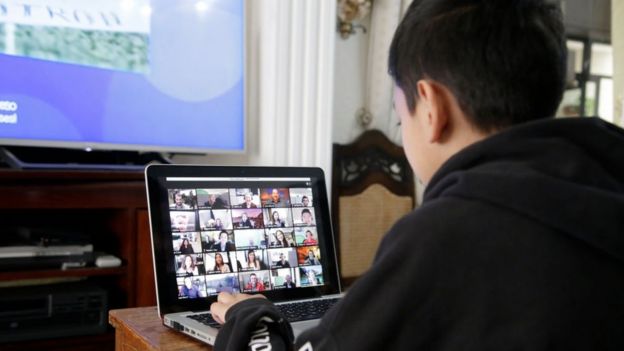
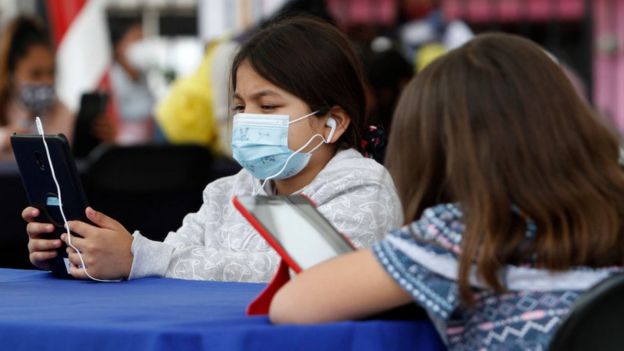
Es tan alto el riesgo de contagio al reabrir las escuelas, que en muchos países de América Latina y otras partes del mundo, el sistema educativo tuvo que moverse de la noche a la mañana hacia las clases virtuales.
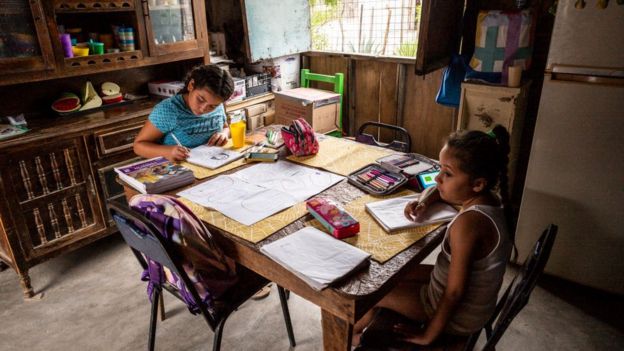
Pero en las zonas rurales más apartadas o los barrios vulnerables con poca conectividad, las clases online son prácticamente imposibles.
Es ahí, en medio de la emergencia, cuando los maestros reparten guías de trabajo puerta a puerta o dejan los deberes a través de una llamada telefónica.
Sin embargo, hay zonas donde la covid-19 se ha propagado con tanta fuerza que ni siquiera los profesores pueden acercarse a las casas. Y como muchas familias que viven en el campo no tienen teléfono, se ha perdido el contacto.
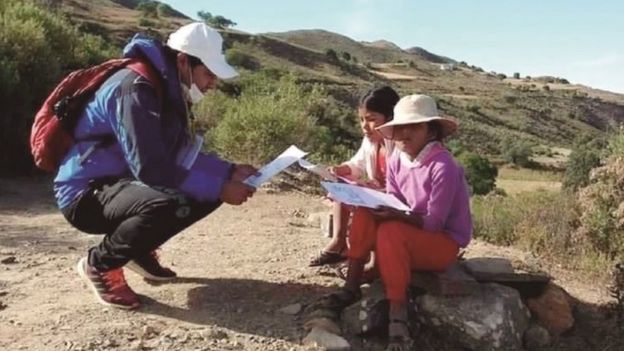
«Hay niños que se quedaron sin aprender a leer ni escribir», le dice a BBC Mundo Wilson León, profesor boliviano de primaria en Loman, Chuquisaca, una zona agrícola y ganadera con mínimo acceso a internet.
Derechos de autor de la imagenWILSON LEÓNImage caption«Hay niños que se quedaron sin aprender a leer ni escribir», le dice a BBC Mundo Wilson León, profesor boliviano.
Una de las cosas que más le preocupa es la incertidumbre sobre el futuro de los estudiantes y la imposibilidad de llegar a ellos.
«Donde viven mis alumnos no hay señal de internet», cuenta León, quien solía caminar durante horas para llevar material educativo casa por casa, algo que ya no puede hacer.
Primero porque en su distrito se han disparado los contagios. Y segundo, porque el gobierno de Bolivia anunció en agosto el cierre anticipado del año escolar, por la falta de condiciones para garantizar el acceso a la educación virtual.
Como resultado, los alumnos fueron promovidos automáticamente al curso siguiente, con un vacío de conocimiento que probablemente será difícil de recuperar.
En América Latina la pandemia de coronavirus provocó el cierre temporal de miles de colegios, afectando a 160 millones de estudiantes, según estimaciones de la Organización de las Naciones Unidas para la Educación, la Ciencia y la Cultura (Unesco).
«La conectividad debería ser un derecho humano«, argumenta Claudia Uribe, directora de Educación para América Latina de la organización, en diálogo con BBC Mundo.
Pero mientras eso no ocurra, la región está expuesta a «enfrentar una catástrofe generacional» en educación, advierte.
Derechos de autor de la imagenGETTY IMAGESImage captionEn América Latina la pandemia de coronavirus provocó el cierre temporal de miles de colegios, afectando a 160 millones de estudiantes.
De hecho, el Banco Interamericano de Desarrollo (BID), calcula que cerca del 20% de la población latinoamericana no tiene acceso adecuado a internet móvil.
Y si no están conectados, la posibilidad de que las familias con hijos sigan las clases, es bastante baja.
Estos son seis efectos que ha provocado la pandemia a nivel educacional:
1. Interrupción del aprendizaje
El efecto más evidente del cierre de escuelas es la interrupción del aprendizaje. Aunque es un problema en todos los niveles educacionales, quienes más lo sufren son los pequeños que están iniciando el ciclo escolar y aquellos a punto de egresar.
Los más pequeños porque, si no adquieren las destrezas básicas como leer y escribir o sumar y restar, se enfrentan a un déficit esencial para avanzar hacia los cursos superiores.
Y los más grandes porque se hacen más difíciles sus perspectivas de ingreso a la educación superior o al mundo laboral.
2. Falta de alimentación
Gran parte de las escuelas públicas en Latinoamérica reparten alimentación gratuita a los niños que no tienen los recursos económicos para financiar el desayuno y el almuerzo.
3. Familias sin preparación para enseñar
Ya sea que los niños se conecten virtualmente o que reciban guías de trabajo en papel, muchos padres no están preparados para responder preguntas y para asistir todo el proceso de enseñanza.
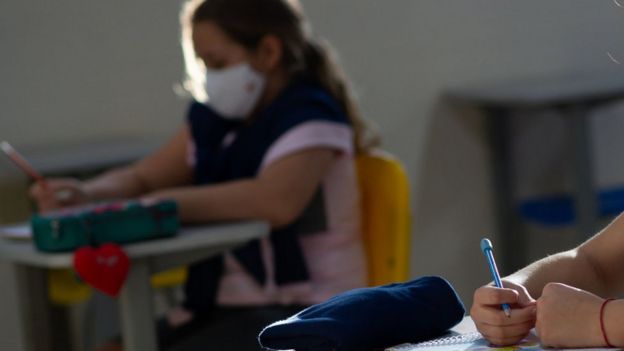
Derechos de autor de la imagenGETTY IMAGESImage captionLas familias han tenido que adaptarse a las duras condiciones que imponen los confinamientos y en muchas ocasiones no tienen los conocimientos necesarios para apoyar a los estudiantes de primaria.
Durante la pandemia les ha caído esta gran responsabilidad que habitualmente se suma a las responsabilidades laborales.
4. Desigualdad en el acceso a las clases digitales
En muchas zonas de la región no hay señal de internet y la posibilidad de que algún día llegue es bastante remota.
Hay países en África donde empresas como Google han invertido en planes piloto como el envío de señal a través de globos aerostáticos, pero son iniciativas muy complejas de replicar a una escala más masiva, como le explica a BBC Mundo Valtencir Mendes, especialista en programas de educación e innovación de la Unesco.
«Es difícil implementar esas alternativas porque el costo es muy alto», apunta.
Derechos de autor de la imagenGETTY IMAGESImage captionCerca del 20% de la población latinoamericana no tiene acceso adecuado a internet móvil.
También hay casas donde sí tienen acceso a internet -a través de la compra de minutos de conexión- pero es un acceso limitado.
«Hay padres que me dicen que tienen que elegir entre comprar minutos o comprar comida», dice una profesora chilena que se enfrenta a este tipo de problemas trabajando en zonas vulnerables de Santiago.
Los expertos coinciden en que, si bien la brecha digital siempre ha existido, la pandemia ha puesto en evidencia las huellas que deja la desigualdad en el acceso tecnológico.
5. Aumento del abandono escolar
Aunque aún no hay cifras sobre el abandono escolar en Latinoamérica durante la pandemia, fuentes consultadas por BBC Mundo en escuelas y organizaciones que trabajan en barrios pobres o zonas alejadas, dicen que hay estudiantes que abandonaron las clases en los últimos meses a raíz de la pandemia.
Derechos de autor de la imagenDALIA DÁVILAImage captionAún no hay estadísticas regionales, pero los expertos estiman que durante la pandemia aumentará la tasa de abandono escolar.
«El mayor problema es que algunos de esos estudiantes no van a regresar», dice Uribe, porque algunos se integran directamente al mercado laboral o las niñas se quedan en la casa ayudando a cuidar a los familiares que necesitan asistencia.
6. Violencia doméstica y embarazos prematuros
«Esta crisis ha afectado más a las niñas», comenta Mendes, porque al permanecer en la casa quedan expuestas a situaciones de abusos o porque simplemente quedan relegadas a las labores del hogar.
La cara más dramática de esta situación es que han aumentado los embarazos prematuros y en algunos países, los matrimonios forzados.
«La mayoría de esas niñas no va a volver al sistema educativo», agrega, y su vida cambiará para siempre.
Dado que el cierre de escuelas es una situación tan grave, han surgido algunas iniciativas de emergencia que tratan de mitigar en parte los efectos del cierre de las escuelas por parte de gobiernos, empresas o la propia comunidad.
1. Un modelo «modelo híbrido» durante la pandemia
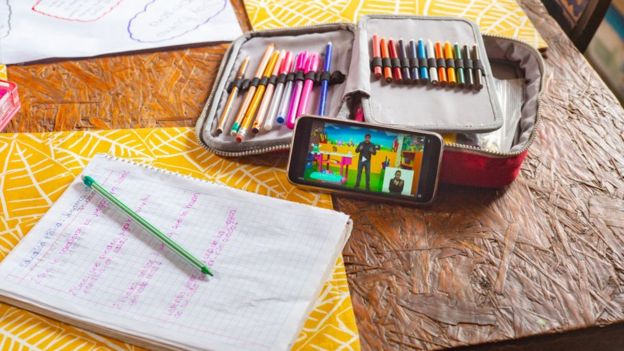
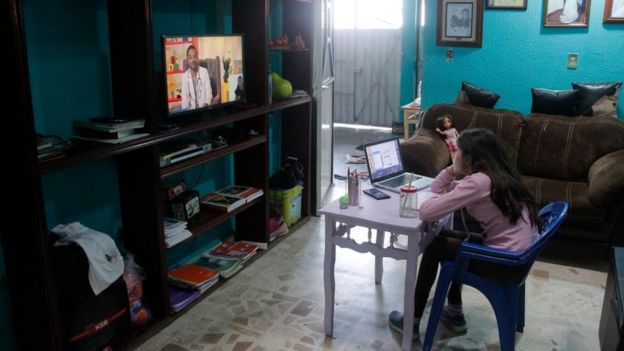
En muchos países de la región, incluidos Brasil y México, los gobiernos centrales y locales han puesto en marcha programas de educación a través de la televisión y la radio, pensando precisamente en las familias sin acceso a internet.
Sin embargo, expertos como Mendes de la Unesco, aseguran que los estudios han demostrado que las clases por televisión son una buena opción si van acompañadas de material impreso, tutorías por teléfono, o algún tipo de seguimiento a los alumnos.
Si son clases por televisión sin ningún otro complemento, no generan buenos resultados.
«Los más efectivos son los modelos híbridos», plantea Mendes, y cita como ejemplo el plan que se está implementando en Sao Paulo, Brasil, donde combinan clases por televisión, recursos online y contenidos en papel.
Derechos de autor de la imagenGETTY IMAGESImage captionExpertos en educación recomiendan la aplicación de modelos híbridos de educación para enfrentar la emergencia.
Las clases en Sao Paulo se interrumpieron a mediados de marzo con el cierre de 5.400 escuelas y en septiembre han comenzado a reabrir sus puertas solo algunos establecimientos.
«Creamos una aplicación para celulares, negociada con operadores telefónicos, para ofrecer internet gratuito a los estudiantes más pobres y transmitimos clases en dos canales de televisión», le explica a BBC Mundo Rossieli Soares da Silva , secretario de Educación del estado de Sao Paulo.
Y en México, desde fines de agosto los estudiantes comenzaron a tener clases por televisión tras un acuerdo del gobierno con las televisoras para impartir contenidos a distancia, dado que solo el 56% de los hogares tiene acceso a internet, según cifras oficiales.
Las autoridades esperan producir 4.550 programas de televisión y 640 de radio en español y en lenguas indígenas.
Derechos de autor de la imagenGETTY IMAGESImage captionA fines de agosto el gobierno mexicano decidió impartir clases a través de la televisión.
Sin embargo, sindicatos de maestros han expresado reparos ante la iniciativa, argumentando que el aprendizaje no funciona con la observación de contenidos informativos, sino a través de la interacción con los alumnos.
2. Participación de empresas
Las alianzas entre empresas y gobiernos u organismos internacionales son uno de los caminos más utilizados para aumentar la conectividad. Este año, con la urgencia impuesta por la pandemia, surgieron nuevos proyectos o se expandieron aquellos que ya existían.
Por ejemplo, en Argentina, la empresa Telefónica hizo un acuerdo con el gobierno para dar acceso gratuito a sitios educativos de internet durante la pandemia a familias que no pueden pagar el servicio.
Y en Perú, la misma empresa junto a Facebook, el Banco Interamericano de Desarrollo (BID) y el Banco de Desarrollo de América Latina (CAF), crearon «Internet para Todos», una firma que ofrece servicios a los operadores móviles locales para llegar a zonas remotas.
A escala más pequeña, hay organizaciones que reparten chips, celulares, paquetes con gigas y minutos de conexión, computadores y cualquier herramienta que ayude a mejorar el acceso a internet.
Derechos de autor de la imagenGETTY IMAGESImage captionLas alianzas entre empresas y gobierno ha sido esencial para facilitar el acceso a internet en algunas zonas de la región.
Y en las actuales circunstancias, en aquellas zonas donde las familias no tienen ninguna posibilidad de conectarse, hay organizaciones que reparten tinta para las impresoras en colegios, con el fin de que los padres lleven los deberes en papel a la casa.
También hay iniciativas para entrenar a los maestros en habilidades digitales básicas. Es el caso de Unicef y la empresa Tigo-Millicom que han entrenado a cerca de 130.000 docentes en Bolivia y Paraguay.
O lo que está haciendo Technovation Chile, con apoyo de la empresa telefónica Wom y otros fondos internacionales, al distribuir contenidos digitales -que también se pueden descargar e imprimir en papel- en colegios que entregan canastas de alimentos a sus alumnos.
3. Héroes anónimos de las propias comunidades
Aunque existen iniciativas del sector público y privado, lo cierto es que Latinoamérica está lleno de lugares donde los niños quedaron completamente excluidos del sistema escolar.
Mientras sigue propagándose la covid-19, hay ocasiones en que la única alternativa es la ayuda de los vecinos.
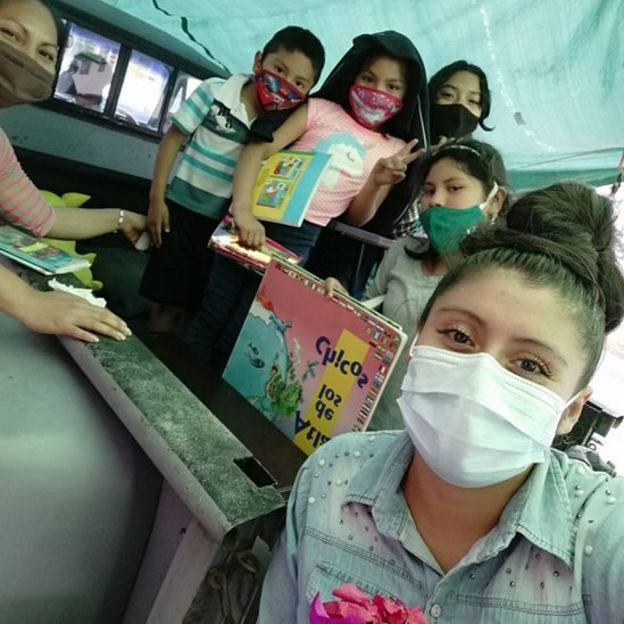
Derechos de autor de la imagenDALIA DÁVILAImage captionLa mexicana Dalia Dávila comparte internet desde su tortillería a los niños del barrio.
Vecinos que se consiguen fotocopiadoras para compartir las lecciones, que hacen turnos para compartir los computadores o que se prestan internet.
Incluso hay personas que ayudan a los estudiantes desde su lugar de trabajo.
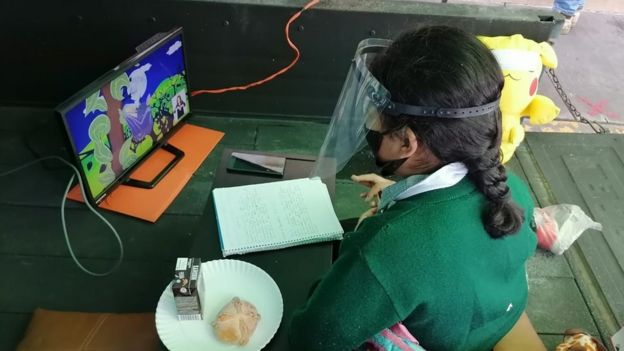
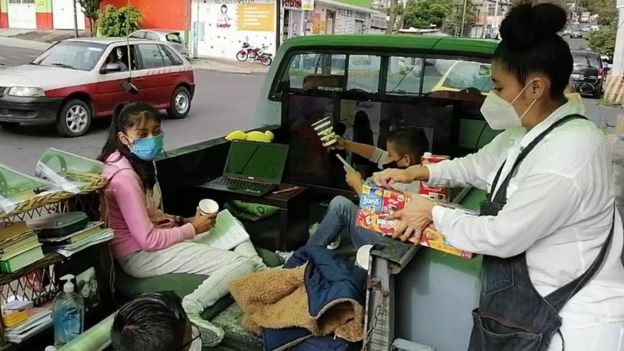
Eso hace Dalia Dávila, una mexicana de Tlalpan, que comparte el internet de su negocio, «Tortillerías La Abuela», con los niños del barrio y les facilita un computador portátil, un celular y un televisor.
Para que no estuvieran sentados en el suelo, Dávila convirtió la cajuela de una camioneta en un lugar de aprendizaje. Y lo llamó «El rinconcito de la esperanza».
Derechos de autor de la imagenDALIA DÁVILAImage captionDávila comenzó habilitando la cajuela de una camioneta para que los niños del sector pudieran continuar aprendiendo.
Tanto éxito tuvo su iniciativa, que llegaron personas a ofrecer ayuda económica a través de un «apadrinamiento» a los niños y maestros voluntarios que refuerzan los contenidos que se transmiten por televisión.
«Me conseguí otros lugares cercanos a la tortillería donde los niños siguen aprendiendo», le dice a BBC Mundo. Ahora tengo entre 50 y 60 niños que vienen a buscar ayuda.
«Estoy muy feliz«, dice emocionada. «Quisiera que todos los niños pudieran estudiar».
El maestro, pedagogo e investigador italiano cree que la escuela necesita «un cambio radical», ahora más que nunca
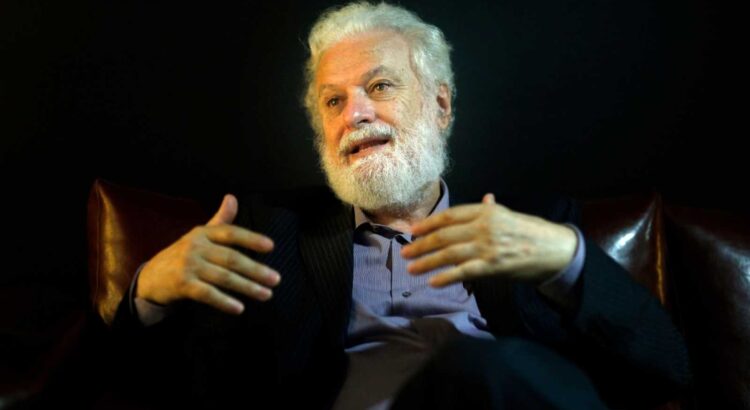
Se habla día tras día de los niños, de cómo han vivido el confinamiento, de cuáles son las consecuencias que estos meses tendrán en su aprendizaje o de cuánto necesitan volver a las aulas, pero, ¿por qué nunca se buscan las respuestas en ellos? Esto es lo que no comprende el maestro, pedagogo, investigador y dibujante italiano Francesco Tonucci, también conocido como “Frato”.Si él es una de las voces más respetadas dentro del ámbito educativo a nivel mundial posiblemente no solo sea por su formación, sino también y sobre todo por haber escuchado durante toda su vida lo que los niños tienen que decir respecto a las decisiones que les afectan.En este momento de incertidumbre y tensión por cómo se desarrollará la vuelta al cole en convivencia con el Covid-19, numerosas instituciones o entidades educativas de países como Argentina, Perú o Colombia acuden a Tonucci (Fano, 1940) para conocer cuáles son sus propuestas y tomar nota de algunas ideas que él defendió siempre y que ahora resultan más relevantes que nunca.
Entre ellas, las que están ligadas de forma directa a la «La Ciudad de los niños», un proyecto que alumbró el italiano en 1991 con el propósito firme de «poner al niño en el lugar que ocupa el adulto trabajador, que se desplaza en automóvil».
PREGUNTA: ¿Qué ha pasado con los niños en estos meses de pandemia?
RESPUESTA: Lo primero es que hablamos mucho de niños, pero muy poco con los niños. Los únicos que están fuera de todos los debates son ellos. Es impresionante pesar que hace 30 años todos los países del mundo ratificaron en la Convención de los Derechos del Niño que tienen derecho a expresarse cada vez que se toman decisiones que les afectan y ahora en nada de lo que se está discutiendo sobre ellos se les consulta. Estamos en una situación de ilegalidad. Hay que decirlo así como es.
“Hablamos mucho de niños, pero muy poco con los niños“
Nosotros cuando empezó el desastre, la pandemia, a mitad de marzo, enviamos un mensaje a las «Ciudades de los niños y las niñas» para que los alcaldes convocaran a los consejos de los niños de forma virtual. De ahí y de varias encuestas que hemos promovido en distintos países extraemos tres conclusiones muy claras: que los niños extrañaron a sus amigos, que lo pasaron muy bien con sus padres (como nunca en su vida), y que estaban hartos de los deberes y de las clases virtuales.
P: ¿La experiencia del confinamiento les puede haber afectado negativamente?
R: Es cierto que siempre hay situaciones complicadas, pero en la mayoría de los casos que nos llegan vemos que ha sido una buena experiencia para ellos. Yo no creo que tengamos que tener miedo a cómo se recuperen porque no considero que el confinamiento haya sido un trauma, por una razón noble y por otra innoble.
La noble es que lo pasaron en casa con sus padres y la innoble es que los niños ya estaban encerrados antes. No es que aprendieran a encerrarse en casa a raíz de la pandemia, es que no podían salir antes tampoco porque los niños hace tiempo que perdieron los espacios públicos. Solo pueden salir si están acompañados por sus padres.
P: Ahora hay padres preocupados por el desfase curricular, por las carencias en su aprendizaje… ¿entiendes este temor?
R: Es evidente que lo que la escuela enseñó en este tiempo es muy frágil, es un aprendizaje muy débil. El tema es que no era mucho más fuerte antes (…) Hay un porcentaje muy alto de niños que en la escuela se aburren, que no quieren ir. Y esto no es por culpa del virus.
Pero preguntarse lo que han perdido me parece una forma ridícula. Lo que me gustaría es que se dedicara un tiempo para empezar el nuevo año escolar después de haber analizado lo que los niños han aprendido y lo que han ganado.
P: ¿Qué han aprendido?
R: Aprendieron a vivir, a reaccionar frente a un bombardeo de noticias horrorosas que todos los días entraban en su casa, a convivir con lutos, o con la enfermedad. Todo esto tiene que entrar en la escuela. No puede ser que la escuela se ocupe de lo otro. Fíjate, la escuela italiana asumió como lema el de «La escuela no para». Esto es absurdo. Si el mundo ha parado, la escuela tiene que parar, porque no parar lo único que significaba es que se seguía con un programa y que, mientras todo el mundo hablaba de un virus en la calle, igual en clase de ciencia se hablaba de la fotosíntesis.
Elisa, una niña de 9 años de Lima, dijo en una encuesta que antes no podía entender estas cosas que pasan porque estaba en la escuela.
Nosotros hicimos una propuesta que se llamaba «La casa como laboratorio». Pensamos que si todo se había parado y el mundo de los niños se había restringido a su casa, lo correcto era pedir a los padres que transformaran las actividades domésticas en las nuevas tareas, que los niños cocinaran con sus padres, lavaran la ropa o plancharan. O que les propusieran revisar fotos para reconstruir su historia personal, que tuvieran un diario secreto, que leyeran juntos en familia una novela media hora por día como si fuera un teatro… Y en muchos países se ha hecho.
En Argentina, el ministro de Educación me llamó, hablé con él por Skype e hicimos una conferencia pública juntos. La próxima semana presentaremos un cuaderno que preparó el ministerio y que se está repartiendo en las escuelas. Ahí se incluye esta idea y avanzo también otras propuestas sobre la vuelta a las clases.
P: Estas propuestas nada tienen que ver con ordenadores y tabletas…
R: Es que la tecnología falló totalmente. Los niños no se encontraron con una didáctica a distancia y está claro que el uso de la tecnología para dar clase no funciona, pero tampoco la asistencia presencial es suficiente porque la clase magistral es una forma muy débil de transmisión de conocimiento. Lo que funciona es el conocimiento que desarrollan los alumnos buscando e investigando, no escuchando a los maestros.
“El uso de la tecnología para dar clase no funciona“
Me habría gustado que la escuela al menos usara las plataformas como instrumento para dialogar con los alumnos, para ayudarlos a entender lo que estaba pasando en el mundo y que expresaran sus sentimientos.
P: Escuchamos continuamente a padres y políticos decir que los niños necesitan volver ya al colegio. ¿Cómo lo ves tú?
R: Los niños no necesitan ir la escuela. Es falso, y con esto no quiero rebajar la importancia de la escuela. Si los niños han echado de menos la escuela es porque hoy en dia es el único lugar donde se pueden encontrar con los amigos, porque han perdido las calles.
Un niño de Argentina nos dijo: «Nos quitaron de la escuela lo que más me interesaba, los amigos y el recreo, y se ha quedado lo que menos nos gustaba, las clases y las tareas».
Si la escuela tiene el valor de entender lo que está pasando, tiene que estar estar dispuesta a un cambio radical que hoy en día es necesario.
P: ¿Cuál es el giro que deberían dar los centros educativos?
R: Los niños no pueden quedarse todos en un aula, frente a un maestro, sino formar parte de grupos independientes que trabajen por su cuenta como pasaba antiguamente. A esa imagen de escuela, que era la buena escuela de los buenos maestros de siempre, es muy fácil volver hoy en día con la pandemia porque un grupo puede estar en el pasillo y otro grupo en la clase, y reforzar así la autonomía que se ha perdido.
El Artículo 29 de la Convención sobre los Derechos del Niño habla de que el objetivo de la educación es el desarrollo de la personalidad de los niños, de sus aptitudes, hasta el máximo de sus posibilidades. Ese es el objetivo que deben tener la familia y la escuela respecto a la educación y no el conseguir unos resultados previstos o evaluar a los niños respecto a lo que rindieron.
Pero todo esto que vamos a plantear no se debería decidir lejos o arriba, a nivel de ministerios. Se debería abrir una mesa en cada escuela o en cada ciudad, una mesa en la que se sitúen cuatro protagonistas: la ciudad, la escuela, la familia y los niños. Que estén presentes los cuatro y todas las decisiones salgan de un debate compartido.
P: ¿La pandemia podría hacernos despertar?
R: Todas las veces que hay un trauma fuerte nos ponemos frente a la posibilidad de cambios. Tenemos que pensar que algo no ha funcionado hasta ahora y veo que gracias a la tragedia llegan propuestas antiguas, en mi caso de hace más de 50 años.
Hoy las escuelas están pidiendo a la ciudad espacios vacíos para repartir los alumnos, pero a mí me gusta pensar que la ciudad puede ofrecer espacios llenos, que se puede hacer escuela fuera de las aulas visitando una fábrica, una editorial, un museo, una orquesta… invitar a la ciudad a ofrecerse a las escuelas con propuestas educativas.
“Me gusta pensar que se puede hacer escuela fuera de las aulas“
El virus nos ofrece una ciudad más correcta donde se respeten más las necesidades de los peatones que de los coches, como ocurre en Pontevedra, por ejemplo.
P: ¿Qué propuestas concretas trasladas a quienes te consultan qué medidas se pueden tomar para la vuelta al cole?
R: Que los niños se muevan solos. Parece un contrasentido, pero llevamos proponiéndolo muchos años. Si salen solos, será la mitad de la gente la que se mueve (…). También planteamos que las calles cercanas a las escuelas se cierren al tráfico durante el tiempo de la apertura porque así la escuela puede aprovechar este espacio libre para el descanso, para hacer gimnasia… Ampliando su espacio también se crea un ambiente de respeto urbano.
Otra propuesta que avanzo y que ahora tiene un sentido más fuerte es que todos los espacios de los centros se usen para crear laboratorios y talleres y no solo aulas. Hay que renunciar al aula y hacer espacios especializados en algo, en música, ciencia, arte, o tener una huerta como laboratorio de ciencias, por ejemplo, o una cocina.
“Hay que renunciar al aula y hacer espacios especializados“
Tendrían que ser grupos que pasan de un lugar a otro y no estar ocho horas sentados en el mismo lugar porque eso ahora mismo, solo por el tema sanitario, no debería estar permitido. Además, un niño que nació bailarín o una niña que nació mecánica no van a encontrar nada que les sugiera que tienen esa vocación. Serán burros en la escuela cuando quizá son genios potenciales en su sector. La escuela correcta debería ayudar a cada uno a buscar lo suyo.
P: ¿Hay algún mensaje que quieras trasladar a los padres?
R: Yo les diría que hablen con sus hijos, que intenten entender lo que los niños ganaron en este tiempo de clausura, porque seguro que todos ganaron mucho y crecieron mucho. Por ejemplo, una niña argentina de cinco años decía que durante el confinamiento aprendió a dormir sola. (…) Hay que aconsejar a los padres que se pregunten también ellos qué aprendieron de sus hijos, qué descubrieron que no conocían antes.
Y que, cuando todo esto termine les concedan mas autonomía, que les dejen salir solos de casa. Sería maravilloso que el virus, que ha sido una tragedia, les regalara eso a los niños.
Un mes después de la explosión que sacudió la capital del Líbano, numerosas organizaciones internacionales y locales han lanzado campañas de ayuda humanitaria para paliar los efectos de la catástrofe entre los más pequeños
La explosión en el puerto de Beirut dejó 190 muertos, 6.500 heridos y 300.000 personas afectados por la destrucción o daños en sus hogares, y el impacto del desastre sobre los niños ha sido grave. Según los últimos datos de la agencia de Naciones Unidas para la Infancia, entre los fallecidos había cuatro niños y 1.000 heridos, y se estima que unos 100.000 se vieron desplazados de sus hogares. Desde entonces numerosas ONG trabajan en el terreno para dar apoyo humanitario y protección urgente a los más pequeños y sus familias.
“Un mes después de las devastadoras explosiones, las necesidades siguen siendo graves y debemos mirar hacia el futuro”, declaró Yukie Mokuo, representante de Unicef en Líbano, en una rueda de prensa celebrada en Karantina, uno de los barrios más damnificados por la explosión del 4 de agosto, cuando se cumple un mes del trágico suceso.
Tras guardar un minuto de silencio en homenaje y recuerdo de las víctimas de la detonación, la responsable de Unicef en el Líbano ha asegurado que, aunque haya “pasado un mes de la explosión, el corazón de todos está roto. Todo el mundo ha quedado conmocionado después del gran impacto”. Ahora “el bienestar de los niños es nuestra prioridad” y “el futuro del Líbano depende de que los niños crezcan sanos, en un entorno seguro”.
Actualmente, la repuesta de Unicef se centra en mantener seguros a los niños y rehabilitar servicios básicos como el acceso a la atención médica, educación y agua segura. En este sentido, la entidad ha enviado 18 cargamentos de ayuda humanitaria esencial, ha reconectado más de 160 edificios al sistema público de agua, ha instalado alrededor de 870 tanques de agua en hogares afectados, y ha distribuido 4.485 kits de higiene y 462 para bebés entre las familias. Asimismo, Unicef ha proporcionado apoyo psicosocial a 1.406 niños, padres y cuidadores y planea facilitar apoyo para que las familias puedan reconstruir sus casas y medios de vida. Todo ello, junto con la movilización de 2.000 jóvenes que se han echado a las calles para limpiar, hacer pequeñas reparaciones en viviendas y distribuir comidas.
Para cubrir las necesidades más inmediatas de los niños y sus familias durante los próximos tres meses, la agencia de la ONU para la infancia dijo que necesitaba 42 millones de euros y ha lanzado un llamamiento a la comunidad internacional para recaudar estos fondos.
A los esfuerzos de Unicef se suman los de otras organizaciones de la sociedad civil libanesa como la Cruz Roja, que hasta el momento ha podido ofrecer kits de higiene y paquetes de comida a más de 51.000 personas y asistencia médica y psicológica a otras 11.000. Además, ha organizado una campana de donación de sangre en sus centros de transfusion, ha completado alrededor de 11.500 evaluaciones de edificios dañados y reubicado a más de 100 familias que no pueden regresar a sus hogares.
Por su parte, la ONG libanesa Offrejoie respondió rápidamente poniendo en marcha un programa de rehabilitación de emergencia en dos de los vecindarios más golpeados, —Karantina y Mar Mikhael— e iniciando obras de rehabilitación en 44 edificios y pequeñas viviendas. “El objetivo es ayudar a más de 300 familias a volver a su vida normal con dignidad y seguridad antes del invierno”, explica Carla Jreidini, jefa del equipo de comunicación y captación de fondos de Offrejoie. Además, la asociación distribuye diariamente desayunos y almuerzos calientes a unas 80 familias y organiza actividades psicosociales una vez a la semana para decenas de niños de diversos orígenes afectados por la explosión.
Otra de las organizaciones que también está ayudando a paliar las consecuencias de la deflagración es el Banco de Alimentos Libanés (LFB). La entidad ha repartido aproximadamente 100 toneladas de alimentos entre las familias más necesitadas y planea preparar paquetes de alimentos para niños que incluyan dibujos, juguetes y comida infantil, según ha explicado por teléfono Soha Zaiter, directora ejecutiva de LFB.
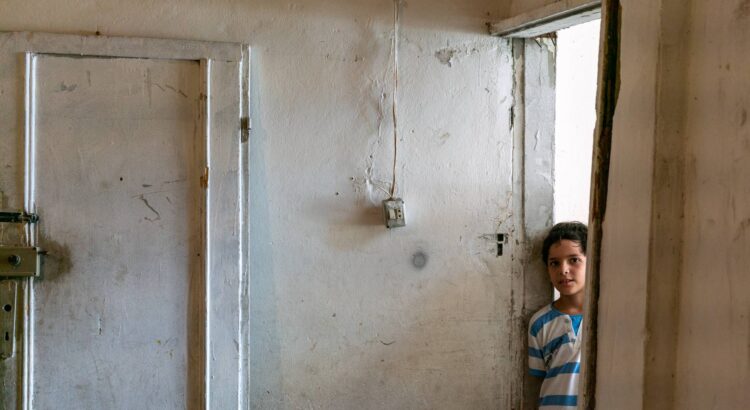
No obstante, a pesar de la gran cantidad de asistencia facilitada o prometida, algunas personas que se vieron afectadas por la explosión lamentan que la ayuda aún no les ha llegado. Tres familias asiladas sirias que viven en la zona cristiana de Achrafiyeh (otro vecindario muy dañado por la detonación), aseguran a Planeta Futuro que, aunque vino gente de distintas ONG a comprobar cómo estaban y prometieron ayudarles, todavía no han recibido ningún tipo de apoyo. “La ayuda solo la está dando la comunidad local”, afirma Mohammad, padre de una de las familias sirias y cuyo hogar resultó parcialmente destruido por el efecto de la onda expansiva.
El último golpe a un país en crisis
Las secuelas de la apocalíptica explosión en la zona portuaria de Beirut se han entremezclado con los numerosos problemas que arrastra el Líbano desde hace meses. El país de los cedros atraviesa una profunda crisis económica y política, agravada por la pandemia, y que ha provocado que la moneda nacional haya perdido más del 80% de su valor, que los precios de productos básicos se hayan disparado un 60% y que la tasa de paro aumente hasta el 35%; todo ello en un país que con el mayor número de refugiados per cápita del mundo.
Con más de un millón y medio de desplazados sirios, el Líbano alberga a unos 630.000 niños refugiados de entre 3 y 18 años y, además acoge a más de 400.000 de origen palestino y a 20.000 de otras nacionalidades.
Precisamente, la difícil coyuntura que atraviesa el país ha perjudicado, sobre todo, a las familias y niños en contextos más frágiles. Alrededor de 3,3 millones de personas en el Líbano —más de la mitad de la población total— está clasificada como vulnerable, y se estima que 2,7 millones están clasificadas como «pobres». En un estudio publicado a final de julio, Save the Children advirtió que más de 900.000 personas, entre ellos aproximadamente 550.000 niños, no tenían suficiente dinero para comprar productos básicos como alimentos.
Ahora, tras la devastadora explosión en la capital libanesa, los niños y las familias desfavorecidas están más expuestas que nunca. Por ello, organizaciones como Save the Children ha puesto en marcha un fondo de ayuda para la infancia en el Líbano con el que dar respuesta a las necesidades más urgentes de niños y familias vulnerables.
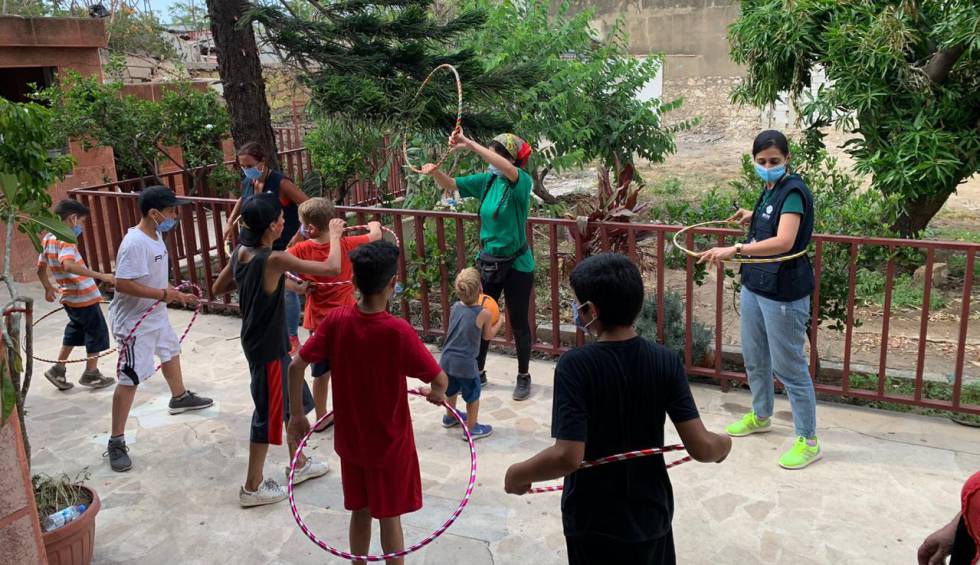
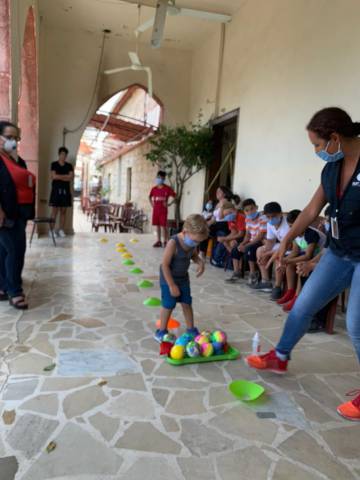
Voluntarios de la ONG libanesa Offrejoie realizan juegos con los niños del barrio de Karantina.OFFREJOIE
Otro factor peligroso para los niños y familias es la interrupción de la atención médica primaria. Por un lado, al menos 16 centros sanitarios de atención primaria, que atienden a 160.000 personas, sufrieron daños. La detonación también dejó totalmente destruida la unidad de cuidados intensivos para recién nacidos del Hospital de Karantina. Igualmente, una decena de contenedores con cientos de miles de guantes, batas y mascarillas fueron destruidos, al igual que cinco de las siete cámaras frigoríficas para vacunas de un almacén de cuyo mantenimiento se encarga Unicef.
Además de los daños materiales en los centros médicos y hospitales, el caos y las aglomeraciones tras el brutal estallido aceleraron la expansión de la covid-19 en el Líbano. En el ultimo mes se ha registrado un aumento significativo de los contagios y, desde el inicio de la pandemia en febrero, se han contabilizado más de 20.426 positivos y 191 muertes, según datos del Ministerio de Salud Pública libanés.
Ante esta situación de emergencia sanitaria, Unicef ha adquirido dos neveras solares nuevas que se instalarán en el Hospital Rafic Harriri y ha suministrado más de 430.000 mascarillas de tela a la población y Equipos de Protección Personal (EPI) a centros de atención primaria. Del mismo modo, la Cruz Roja Libanesa ha estado trabajando las 24 horas del día para dar apoyo en el transporte en ambulancia de casos confirmados y sospechosos de COVID-19 y de tests PCR.
Una vuelta a las aulas marcada por la incertidumbre
La interrupción del año escolar vinculada a las manifestaciones antigubernamentales en octubre-noviembre y, más tarde, al caos económico y al cierre de las escuelas por la pandemia, ha hecho que muchos niños no hayan podido mantenerse al día con su trabajo escolar debido a un aprendizaje remoto inaccesible o inadecuado, revela una encuesta de Save the Children. A esto se añade que, tras la explosión muchas familias han visto reducidos sus ingresos a cero, por lo que sus hijos corren el riesgo de tener que renunciar a su educación.
De nuevo, esto afecta principalmente a los niños y jóvenes en situación de desplazamiento, quienes a menudo ya habían perdido años de educación debido a la guerra y, además, el 70% de ellos viven en hogares bajo el umbral de pobreza. Así, incluso antes de los cierres, más de la mitad de los niños sirios entre 3 y 18 años (el 58%) estaban fuera de la enseñanza formal, de acuerdo con datos de la ONU.
Actividades de juego que organiza la ONG libanesa Offrejoie en el barrio de Karantina.OFFREJOIE
Por otro lado, la explosión también ha dejado huella en muchas escuelas del Líbano y unos 183 centros educativos están dañados o destruidos, algo que afecta a más de 77.000 niños y adolescentes.
Unicef —actor clave en la provisión de educación en el Líbano— ha recordado que se necesita actuar urgentemente y aumentar la ayuda para garantizar que todos los niños afectados por las explosiones de Beirut puedan tener acceso a la educación cuando a finales de mes cuando comience el nuevo curso escolar.
“Cuando se produce un desastre como este, la educación puede suponer un salvavidas para los niños cuyas vidas se han vuelto del revés, ya que proporciona un espacio seguro si pueden ir a la escuela, y una sensación de normalidad en medio del caos”, expone la representante de Unicef en Líbano, Yukie Mokuo. Por ello el organismo ha pedido a la comunidad internacional que aumente con urgencia su apoyo a la educación de los niños en Beirut y los recursos se están movilizando con rapidez para iniciar la rehabilitación de las instituciones educativas menos dañadas (un 80% de los centros totales) y que puedan estar operativas antes del comienzo del nuevo año escolar en octubre.
Asimismo, la covid-19 es una dificultad añadida y, debido a ella, todas las escuelas planean implementar un enfoque mixto que combine la educación presencial con la online. “Debemos asegurarnos de que los niños estén protegidos contra la infección por la covid-19”, ha incidido Mokuo en la rueda de prensa, haciendo hincapié en que la planificación del “nuevo año escolar con el apoyo de la educación a distancia” es una “prioridad máxima”.
Sin embargo, estos planes también se han complicado debido al impacto de la explosión. Dado que muchas familias perdieron sus hogares y sus medios de subsistencia, ahora se enfrentan a problemas para tener conectividad y adquirir materiales educativos.
“Es fundamental que encontremos soluciones urgentes para que los niños retomen su educación —también en remoto— lo antes posible”, sostiene Mokuo. “Con el tiempo que puede llevar reconstruir y rehabilitar las escuelas dañadas y reemplazar los muebles y el material escolar perdido, urge impulsar alternativas de aprendizaje remoto para los niños afectados”, agrega. Para ello Unicef ha adelantado que durante los próximos tres meses suministrará material escolar y dispositivos electrónicos y proporcionará Internet a los estudiantes, así como capacitación y apoyo a los maestros “para garantizar que los niños, especialmente los de las áreas afectadas más pobres, reciban no solo un aprendizaje remoto de calidad, sino también el nivel de atención psicosocial que necesitan para superar el trauma”, detalla la responsable de Unicef en el Líbano.
Fuente e imagen tomadas de: https://elpais.com/elpais/2020/09/07/planeta_futuro/1599466838_440585.html
El 21,7% de las chilenas mayores de 15 años dijo haber sufrido algún tipo de violencia en el último año, según los resultados divulgados este martes por la IV Encuesta de Violencia contra la Mujer en el Ámbito de Violencia Intrafamiliar y en Otros Espacios.
El estudio, realizado por la Subsecretaría de Prevención del Delito del Ministerio del Interior de Chile, también arroja que el 41,1% de las mujeres mayores de 15 años dijo haber sufrido algún tipo de violencia a lo largo de su vida.
Este indicador de violencia general a lo largo de una vida presentó un aumento «estadísticamente significativo», según los autores del sondeo, ya que pasó del 32,6% en 2012 al 38,2% en 2017 y de ahí al 41,4% en 2020.
Hipótesis
A modo de hipótesis, los responsables de la encuesta indicaron que esto puede deberse a que «hoy se visualizan vivencias del pasado como hechos de violencia».
«Es decir, habría un reconocimiento de haber sido víctima del cual antes no existía conciencia, y al mismo tiempo se han dejado de naturalizar actos violentos, como parte de las interacciones cotidianas», indicaron en el informe presentado.
Por contra, el indicador de los últimos 12 meses se presenta «estable» en relación al anterior levantamiento de datos, pasando de 21% en 2017 a 21,7% ahora.
«Es lamentable ver que no hemos sido capaces de mitigar o erradicar esta conducta tan dolorosa y tan terrible en nuestro país», dijo la ministra de la Mujer, Mónica Zalaquett, tras la presentación de estos resultados.
Amendrentamientos
Dentro de quienes sufrieron violencia intrafamiliar, el 20,2% denunció haber sido violentada de forma psicológica en el último año; igual porcentaje que en el sondeo de 2017, mientras que el porcentaje de mujeres que dijo haber sufrido violencia física en los últimos 12 meses disminuyó a un 3,7% desde un 4,4%.
En contraposición, aumentó el número de mujeres que dijo ser víctima de violencia sexual intrafamiliar, pasando del 2,1% de 2017 al 2,8% este año.
De acuerdo a las encuestadas que sufrieron violencia psicológica o física e los últimos 12 meses, un 79,2% señalaron que ésta le fue proferida por una pareja o ex pareja, mientras que el 20,8% restante remite este tipo de violencia a la familia.
Inicio de la violencia
Otro punto que toma relevancia es el hecho de que el 38,2% de las encuestadas sostiene que fue víctima de al menos un episodio de violencia antes de los 14 años de edad.
En cuanto a la violencia de tipo económica, es decir, cuando se intenta controlar a la mujer a través de la entrega del dinero necesario para su manutención personal y/o de otros integrantes de la familia, así como también cuando se apropian de dinero ganado por la mujer, el 9,5% de las entrevistadas afirmó haber sido víctima de este tipo de violencia en el último año.
Asimismo, la violencia contra la mujer en espacios públicos ha sido constatada por el 17,9% de las encuestadas en el transcurso de los últimos 12 meses, significativamente mayor que el 8,1% declarado en 2017.
Este resultado «estaría evidenciando la toma de conciencia por parte de las mujeres respecto a los actos de violencia de los que han sido víctimas fuera del espectro intrafamiliar», según los autores de la encuesta.
También presentaron un aumento respecto a su anterior medición la violencia en el ámbito laboral, que pasó de y 2,2% en 2017 a 4,8% este año y en el espacio educacional: de 1% a 1,2% en esta última encuesta.
Denuncias
Los responsables del estudio mostraron su preocupación por la disminución observada en las denuncias interpuestas por violencia psicológica, física y/o sexual.
En los tres casos, la cantidad de entrevistadas que señaló haber denunciado algún acto de violencia se redujo hasta en 7,5 puntos porcentuales en comparación al año 2017.
«Uno de los datos preocupantes que nos entregó esta encuesta es una baja en las denuncias y esa baja está dada por una falta de confianza», señaló la subsecretaria de Prevención del Delito, Katherine Martorell.
Así, el documento reveló que las denuncias por violencia psicológica pasó de 22,8% en 2017 a 19% este año, las denuncia por violencia física de 36,5% a 29% y las denuncia por violencia sexual de 23% a 16,3%.
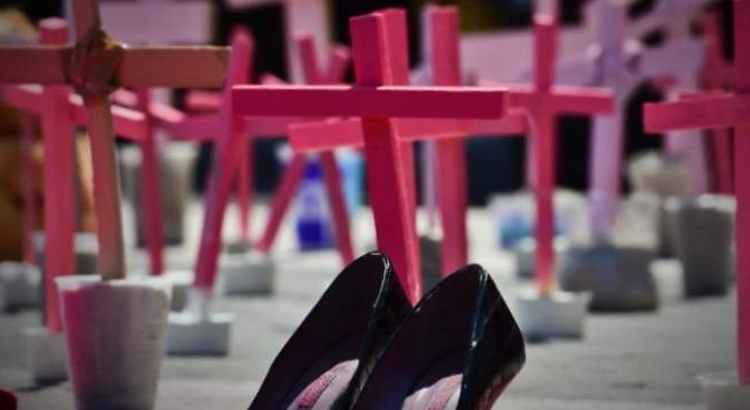
De acuerdo a datos de la Red Chilena contra la Violencia hacia las Mujeres, en lo que va de 2020 se han producido 32 feminicidios, tres suicidios feminicidas (suicidios como resultado de maltrato o intento de feminicidio) y cuatro homicidios relacionados a un feminicidio (en su totalidad eran hijos de mujeres víctimas de feminicidio).
OtrasVocesenEducacion.org existe gracias al esfuerzo voluntario e independiente de un pequeño grupo de docentes que decidimos soñar con un espacio abierto de intercambio y debate.
¡Ayúdanos a mantener abiertas las puertas de esta aula!



 Users Today : 11
 Total Users : 35496666
 Views Today : 12
 Total views : 3616119