México. Falta de resultados contra violencia de género ha llevado a paro y protestas a 15 escuelas de la UNAM
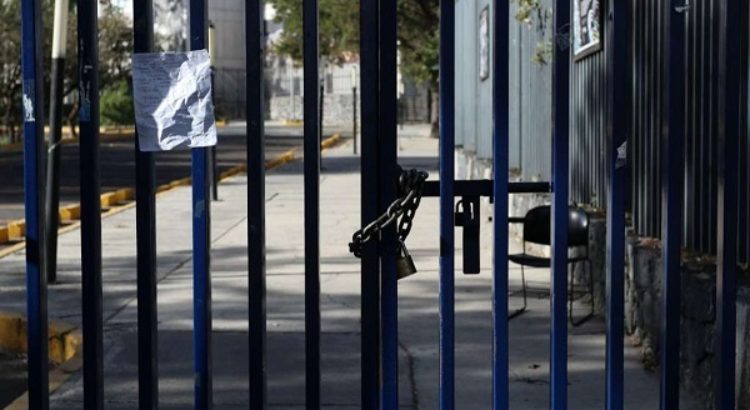
La falta de resultados por parte de la UNAM, denunciada por estudiantes, ha provocado que en la actualidad haya 15 escuelas y facultades en paro de actividades de manera parcial o indefinida, o en toma de las instalaciones. El CCH oriente también se sumó al paro, pero el motivo está relacionado con la designación del director.
La violencia de género que se vive al interior de la UNAM ha provocado, desde octubre de 2019 a la fecha, una serie de manifestaciones, paros y tomas de instalaciones, impulsadas o lideradas por mujeres universitarias que exigen acciones concretas para frenar las agresiones en su contra.
En estos cuatro meses han surgido propuestas como la instalación de nuevas Unidades para la Atención de Denuncias (UNAD), para documentar y dar seguimiento a las quejas fuera de Ciudad Universitaria. Sin embargo, a decir de las propias alumnas impulsoras de la medida, las autoridades universitarias le han quedado a deber a la comunidad estudiantil, pues no todas las unidades se han instalado al 100%, además que han detectado casos donde los maestros denunciados no han sido sancionados, en tanto hay docentes que han recibido penas menores como el dejar de laborar por una semana o ser enviados a otras escuelas.
“Hay casos de maestros que se tomaron sus vacaciones de ocho días y como Juan por su casa regresaron a dar clases. Lo que pudimos hacer es que ellas no tomaran esas clases”, dijo Arisbeth Resendiz, consejera universitaria de la Facultad de Estudios Superiores (FES) Cuautitlán, en el Estado de México.
Esta falta de resultados por parte de la UNAM, denunciada por estudiantes entrevistadas por Animal Político, ha provocado que en la actualidad haya 15 escuelas y facultades en paro de actividades de manera parcial o indefinida, o en toma de las instalaciones. La última que se sumó a las protestas fue la facultad de Psicología que acordó este miércoles un paro de 54 horas para solidarizarse al reclamo de otros planteles contra la violencia hacia las mujeres y la falta de solución de las autoridades universitarias ante las denuncias.
Alumnos del Colegio de Ciencias y Humanidades (CCH) Oriente anunciaron el jueves 6 de febrero que la escuela entrará en paro de actividades por 72 horas, con lo suman 16 planteles de la UNAM en protesta, sin embargo, la exigencia de los estudiante en este plantel es que Efraín Peralta Terrazas no sea designado nuevamente como director.
Lo que está pasando en la UNAM es una respuesta necesaria ante la falla de los términos legales en el protocolos, la lentitud y la evasión de las autoridades para llevar a un término justo las denuncias, consideró la doctora Mónica García Contreras, académica de la Universidad Pedagógica Nacional, quien ha estudiado la historia y memoria de los movimientos estudiantiles en México.
“Se trata de un acontecimiento histórico que muestra una continuidad generacional del activismo y el feminismo de las mujeres universitarias”, expuso la investigadora, quien sostiene que la desesperación de las alumnas ante el contexto de violencia que viven ha provocado una “conciencia” y un “conocimiento de que si no lo hacen ellas, nadie lo va hacer”.
La FES del norte
En octubre de 2019, las agresiones de acoso y abuso sexual en la Facultad de Estudios Superiores (FES) Cuautitlán de la UNAM se acumulaban y las estudiantes, hartas de tener que convivir con sus agresores hasta en las aulas, realizaron un tendedero de denuncias que culminaría en un paro de actividades. Esta FES está dividida en campo 1 y campo 4. El primero se encuentra en una zona habitacional. El segundo se localiza 11 kilómetros más al norte, en una zona semirural e industrial. Allí está también la administración de la Facultad, incluyendo la única oficina jurídica que había antes del paro en donde las alumnas podían presentar cualquier tipo de queja o denuncia, desde un robo hasta las de violencia de género. Otra opción era ir a la Unidad para la Atención de Denuncias (UNAD) en Ciudad Universitaria.
Las alumnas de la FES Cuautitlán no sabían que el paro en su escuela marcaría el inicio de una serie de manifestaciones sin precedentes, en diversos planteles universitarios, bajo la misma exigencia principal: alto al acoso y abuso sexual en el ambiente estudiantil.
No era la primera vez que las estudiantes de esta Facultad se manifestaban para visibilizar las violencias que viven como mujeres universitarias. En 2018 el feminicidio de una de sus compañeras, Lupita Benítez Vega, activó una preocupación en la comunidad estudiantil: la violencia de género que enfrentaban cotidianamente dentro y fuera del plantel parecía imparable.
En esa ocasión instalaron un tendedero de denuncias, donde lograron visibilizar entre sus compañeros el problema y sentar a los directivos de la escuela en una mesa de diálogo.
“En la mesa de diálogo con el director se le planteó que aunado a vivir violencia sexual en el campo 1, corremos riesgos porque alrededor estamos en un punto rojo donde nos asaltan, nos acosan, el transporte público no es nada seguro. Y no se hizo nada”, lamentó Amanda, una estudiante del campo que habló de manera anónima.
Para el segundo tendedero, realizado hace 4 meses, las alumnas optaron por una opción más drástica: tomaron las instalaciones del campo 1 y pidieron iniciar un paro de actividades. Sus compañeras en campo 4 las respaldaron y también anunciaron paro.
Esta vez reunieron alrededor de 200 testimonios. Amanda recordó que lo que más les enojó fue descubrir que un solo profesor acumulaba varias denuncias formales de alumnas y profesoras y, a pesar de ello, continuaba impartiendo clases.
Las denunciantes ya habían acudido a la Defensoría de los Derechos Universitarios y a rectoría de la UNAM. En esa última instancia, dijo, entregaron una carta para el rector y los funcionarios que la recibieron desconocían que existían varios campos en FES Cuautitlán.
“Somos la facultad más al norte y no se destapa nada si no vamos a Ciudad Universitaria. Pero trasladarnos nos lleva por lo menos 2 horas y media, y luego en lo que te atienden. Ir allá a presentar tu denuncia es perder un día. A las chicas se les quitan las ganas de denunciar”, opinó Arisbeth Resendiz, consejera universitaria.
A lo anterior se agregan el reclamo en el que coinciden estudiantes de otras FES en la periferia de la ciudad: las direcciones y oficinas jurídicas de cada facultad no atienden las denuncias por violencia de género, constantemente impiden que se formalicen y revictimizan a quienes las presentan, por eso muchas mujeres prefieren no seguir el procedimiento.
Acuerdos incumplidos
El 13 de noviembre, después de tres semanas de paro en la FES Cuautitlán, las alumnas en campo 4 llegaron a un acuerdo y entregaron las instalaciones. Mientras, en campo 1 la negociación terminó hasta el 15 de noviembre.
Una de las exigencias del pliego petitorio del campo 4 fue una UNAD, que hasta entonces no existía en la facultad. La dirección aceptó y poco después, en diciembre, rectoría anunció la creación de las 8 nuevas oficinas de la UNAD en otros planteles, entre estos sus cinco FES, y dijeron que estarían trabajando para el primer semestre de 2020. Pero hasta el momento, la dirección de la FES Cuautitlán continúa sin cumplir este acuerdo.
“El director, Cuellar, no ha dado la cara. Quien nos ha dicho que están esperando a que rectoría apruebe a los abogados y psicólogos es Francisco Montiel, el secretario general”, contó Arisbeth Resendiz.
Agregó que otro de los compromisos hasta ahora incumplidos es la solicitud de psicólogas especializadas en violencia de género. Actualmente continúan siendo 4 psicólogos no especializados para una matrícula de 16 mil alumnos.
Durante el paro en ambos campos se llamó a la comunidad a formalizar las denuncias de violencia de género. Hasta el 31 de enero, según las autoridades de la facultad se presentaron 21, de las cuales 20 concluyeron en: 10 rescisiones de contratos, 6 suspensiones académicas y 3 expulsiones provisionales.
De acuerdo con un grupo de alumnas entrevistadas para este reportaje, quienes pidieron hablar de manera anónima por temor a represalias, hubo casos que se manejaron como rescisiones de contrato, pero en realidad los directivos procedieron como si se tratará de jubilaciones para los profesores.
En el caso de las suspensiones, las alumnas detectaron que éstas duraron una semana. Fueron “una burla”. Por lo menos 2 de esas suspensiones son de profesores de la carrera Médico Veterinario Zootecnista, acusados de abuso sexual.
Aparte, la oficina jurídica de la escuela se han negado entregar información sobre las fechas de audiencias de las propias víctimas denunciantes, bajo el argumento de que comunicar esos datos puede vulnerar la seguridad de los señalados.
“El mandato de los directivos es claro: proteger a los profesores y alumnos agresores”, sostuvo Arisbeth Resendiz.
Animal Político solicitó la versión de la UNAM, a través de su vocería, respecto a los señalamientos de las alumnas, pero hasta el momento de la publicación no dieron respuesta.
La FES Iztacala, por su parte, ha dicho que todas las denuncias presentadas han concluido y hubo despidos, sin embargo, de acuerdo con alumnas entrevistadas esto no es del todo cierto. “Varios maestros denunciados siguen dando clases. Solo sacaron a un profesor de taekwondo que tenía más de 8 denuncias. Pero lo movieron a una prepa en donde sigue dando clases”, narró Dulce, integrante de la colectiva Nushu, quien pidió cambiar su nombre por un tema de seguridad.
Las FES de la UNAM son la segunda entidad académica con mayor número de denuncias, de acuerdo con los tres últimos informes de la de la Oficina de la Abogacía General. De 2018 a 2019, por cada 100 denuncias, 48 fueron en CU, 31 en las FES, 8 en los Colegios de Ciencias y Humanidades.
La información de la UNAM muestra que las denuncias contra alumnos agresores en las FES aumentaron del 27 al 38 por ciento. Mientras, los agresores académicos y administrativos de estas facultades fueron del 34 por ciento en 2017; 38 por ciento en 2018; y 30 por ciento en 2019.
Consecuencias de la desatención
Desde su creación, la colectiva Violetas de Aragón identificó que eran muy pocas las estudiantes que conocían el protocolo de denuncia de violencia de género de la UNAM. Por ello, durante mucho tiempo se dedicaron a asesorar a sus compañeras para que presentaran las quejas.
Con el tiempo se dieron cuenta de que los funcionarios de la oficina jurídica se dedicaban a obstaculizar el proceso. ‘Eso no es acoso’, les dicen cuando se presentan a levantar un acta e implícitamente les niegan la atención, no dan apoyo psicológico con perspectiva de género ni les informan sobre su derecho a la orientación, enlistó Estrella, integrante de Violetas, quien solicitó cambiar su nombre por temor a represalias.
Por ello, hay un buen número de denuncias que no se hacen: mientras la colectiva tiene alrededor de 122 casos de violencia de género detectados, oficialmente la facultad reconoce 55 denuncias, hasta noviembre de 2019.
Hace aproximadamente un año, Violetas denunció directamente en la UNAD la negligencia del encargado de la oficina jurídica de la FES Aragón. Después de un largo trámite, la decisión de las autoridades fue colocar a otro abogado para atender las denuncias de violencia de género.
“Nos dimos cuenta de que nos estaban cansando. Decidimos dejar un poco de lado el actuar institucional porque nos dimos cuenta de que no pasaba nada”, narró Estrella.
En la FES Zaragoza existen casos en los que la denuncia se detiene en las jefaturas de carreras y ni siquiera llegan a la oficina jurídica de la facultad, menos a la UNAD, consideró Azucena Ojeda, académica y psicóloga social.
Esta facultad está en el límite entre Iztapalapa y Nezahualcóyotl, demarcaciones de la Ciudad y el Estado de México, respectivamente. Su matrícula asciende a casi 12 mil alumnos y cerca de sus campus está El Paraíso, una de las colonias capitalinas en donde se ha dado un “incremento considerable de homicidios”, según apuntan los hallazgos sobre puntos críticos del “Análisis espacial para la reducción de la violencia letal” de la organización México Evalúa.
Es imposible que esa violencia del exterior no impacte en la comunidad universitaria, aseguró Ojeda. Pero están también otras violencias no tan evidentes, de las que nadie habla, las normalizadas u ocultas, explica. Estas son las que, desde hace varios años, han buscado exhibir algunas académicas de la facultad, expertas en temáticas de género.
Una de las propuestas para lograrlo la realizó Ojeda desde 2016. Sería un observatorio de violencia de género para esta facultad, el cual consistiría en la participación de académicas para formar alumnos monitores capaces de detectar y notificar circunstancias violentas entre compañeros y con profesores. Su objetivo principal sería la sensibilización para detectar este tipo de violencia y la participación activa de la comunidad para frenarla.
El proyecto llamado “Observatorio Universitario Libre de Violencias” fue presumido en el informe de avance de compromisos de la UNAM en materia de violencia de género (2016-2018). Pero éste nunca se concretó, el cambio de director de la FES pareció detenerlo y aún están a la espera de que sea aprobado.
Ojeda dijo que la denuncia es tan solo una vía para combatir la violencia de género. Para ella, la prioridad debería ser un proceso de justicia restaurativa, una que lidia, repara y previene el delito.
Mientras, en la colectiva de la FES Aragón han tomado su propio rumbo: los señalamientos en redes sociales para prevenir a las alumnas de posibles agresores y la toma del espacio dentro de la escuela para protegerse y organizarse.
“Nosotras ya no optamos por lo institucional. Si las compañeras quieren denunciar las acompañamos, pero ahora buscamos otras formas, como la sanción social de ser conocido como un agresor. Lo principal es acompañar a la compañera, buscar justicia restaurativa”, opinaron.
En la FES Iztacala, por su parte, la colectiva Nushu se mantiene en contacto con otros grupos feministas en diversos planteles para seguir exigiendo atención a la violencia en su contra. Allí, hace poco más de un año, renació este colectiva feminista que ha realizado diversas actividades para visualizar el problema, como la instalación de un tendedero —una exposición de señalamientos de violencia de género— que duró 2 días y reunió unas 120 denuncias.
Tras esa acción hubo maestros señalados como agresores que se organizaron para recolectar firmas —tanto de alumnos, como de otros profesores y funcionarios— para exigir la prohibición de este tipo de actividades en la escuela.
Actualmente, las integrantes de Nushu consideran que la difusión de la violencia de género es más necesaria que nunca porque por lo menos dos de los profesores señalados como agresores están en la lista para ocupar la dirección de la escuela.
Tanto las integrantes del colectiva Nushu, como las del colectiva Violeta y las alumnas de la FES Cuautitlán son nuevamente blanco de agresiones, por manifestarse en contra de la violencia machista al interior de sus escuelas. Apenas el pasado el miércoles 29 de enero, unas 15 estudiantes de la FES Aragón que se encontraban en un taller de elaboración de toallas femeninas, organizado por la colectiva Violetas, fueron objeto de una amenaza de agresión por parte de unos de sus compañeros de escuela, quien minutos antes de dejarles una maceta en la puerta donde realizaban su taller amenazó con colocarles una bomba. Lo anterior generó que la escuela fuera desalojada.
Aun cuando todo se trató de una falsa alarma, en el boletín oficial de la UNAM, publicado al día siguiente, “la dirección no mencionó que la amenaza fuera una agresión directa a nosotras”, dijo Patricia, otra integrante del colectiva Violetas, quien sostuvo que el mensaje de la UNAM sobre esta amenaza solo demuestra como las autoridades universitarias están más interesadas en encubrir a acosadores, violadores, terroristas y feminicidas, que en reconocer la violencia machista que enfrentan todos los días sus alumnas.
Fuente de la Información: https://kaosenlared.net/mexico-falta-de-resultados-contra-violencia-de-genero-ha-llevado-a-paro-y-protestas-a-15-escuelas-de-la-unam/








 Users Today : 185
 Total Users : 35514370
 Views Today : 281
 Total views : 3687209