Page 2269 of 6179
1 2.267 2.268 2.269 2.270 2.271 6.179

Perú: Promueven juegos de Realidad Alternativa para innovar en la educación

América del Sur/ Perú/ 30.10.2018/ Fuente: larepublica.pe.

Fundación Telefónica realizó conferencia con Nohemí Lugo, experta internacional en gamificación, y con expertos peruanos de la PUCP

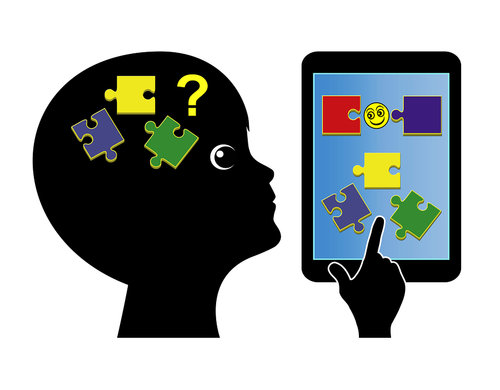
Se estima que el 90% de niños peruanos entre 12 y 17 años se conectan a internet en promedio 32 horas semanales ¿Cómo aprovechar este interés para la educación? La Fundación Telefónica trajo a Lima a Nohemí Lugo, especialista e investigadora en gamificación, quien hace años promueve una de las más innovadoras formas de enseñar en la era digital: los juegos de «Realidad Alternativa» o “ARG”.

Este modernos juegos desafían los límites del mundo real y virtual al introducir a los jugadores en una narrativa donde -para resolver un problema- deben interactuar y encontrar pistas en diversas plataformas virtuales (redes sociales, códigos QR, correo electrónico, celulares, realidad aumentada) y en el mundo físico (carteles, una banca, productos de una tienda) y de acuerdo a sus acciones varía la historia.

Ejemplos exitosos de «ARG» son las campañas de marketing para la quinta versión del famoso videojuego de supervivencia «Fortnite» y «Halo» de Microsoft. También, fueron usados para la promoción de la segunda temporada de la serie “Lost” o para la película “El caballero oscuro” (Batman).

Durante la conferencia, Nohemí Lugo explicó cómo los juegos de “Realidad Alternativa” pueden ser útiles para promover involucramiento, diversión y aprendizaje en los estudiantes. Además, dio pautas para que profesores y alumnos de diferentes niveles educativos puedan diseñar sus propios “ARG”; y contó exitosas experiencias educativas como el juego World Without Oil, que incentivó que se trabaje en soluciones para un mundo sin petróleo.

“La ventaja principal de los ARG es que fomenta la colaboración, la inteligencia colectiva y  conocimientos y competencias de acuerdo al diseño pedagógico y lúdico que realicen los profesores”, afirmó Lugo.

Experiencias lúdicas en Perú

Uno de los principales creadores de videojuegos educativos en el país es el grupo Avatar de la PUCP. Dos de sus principales investigadores: Axel Muñoz y Augusto Madalengoitia detallaron los potenciales beneficios de aplicarlos adecuadamente en el aprendizaje.

Entre sus cinco videojuegos educativos, sobresale el Oráculo Matemágico, una app que es utilizada por más de 30 mil escolares peruanos para aprender de manera divertida magnitudes numéricas, cálculo mental, geometría, comprensión matemática, figuras geométricas y otros conceptos de la ciencia de los números.

Fuente de la noticia: https://larepublica.pe/tecnologia/1345690-promueven-juegos-realidad-alternativa-innovar-educacion

Comparte este contenido:

Graffitis antisemitas casi diario en Universidad de Francia, dice Líder Estudiantill

Europa/ Francia/ 30.10.2018/ Fuente: www.enlacejudio.com.

Graffitis antisemitas se están convirtiendo en un fenómeno habitual en las instituciones francesas de enseñanza superior, dijo el jefe de la unión estudiantil judía del país luego de una serie de incidentes.

Sacha Ghozlan, el presidente de la Unión de Estudiantes Judíos de Francia, emitió un comunicado el miércoles después del descubrimiento de un graffiti dirigido al decano de una Escuela de Medicina del área de París.

El martes, el ministro de Educación francés, Frederique Vidal, condenó el antisemitismo en una declaración que decía que “es un tema que es inaceptable y que afecta a todos”. Vidal dijo que “combatirá las expresiones criminales de discurso de odio” en el sistema educativo francés.40

Pero “mientras el ministro de Educación se comprometió el 23 de octubre a combatir el antisemitismo en la educación superior, los graffitis se están convirtiendo en algo casi cotidiano”, escribió Ghozlan en su declaración.

El graffiti que provocó la reacción de Vidal llamó “ladrón” al decano de la Escuela de Medicina de Créteil, con una de las letras en forma de estrella de David, informó Le Figaro. El nombre del decano en funciones no fue publicado en los medios de comunicación franceses.

A principios de este mes, la palabra “Juden”, la palabra en alemán para judíos, apareció junto con esvásticas en las paredes dentro de la escuela de negocios HEC en París.

El mes pasado, Vidal también condenó lo que denominó “graffiti antisemita” dirigido contra Patrick Levy, rector de la Universidad de Grenoble-Alpes en el este de Francia.

Esos graffitis, que no mencionaban a judíos y eran crípticos, fueron descubiertos el lunes. La Universidad también condenó el incidente, pero no lo llamó antisemita, reportó France TV Info.

También el mes pasado, en la ciudad oriental de Zoebersdorf, ubicada a 24 kilómetros al noroeste de Estrasburgo, personas no identificadas escribieron “judíos sucios de Marx, inmigrantes fuera” en las oficinas centrales del Ayuntamiento.

Fuente de la noticia: https://www.enlacejudio.com/2018/10/26/antisemitas-universidades-lider/

Comparte este contenido:

Colombia: Universitarios siguen en paro y ratifican movilizaciones por la educación

América del Sur/ Colombia/ 30.10.2018/ Fuente: caracol.com.co.

Afirman acuerdo firmado entre el Gobierno Nacional y rectores de universidades públicas son paños de agua tibia.

En un comunicado de 6 puntos, la Unidad Nacional de Estudiantes de la Educación Superior se pronunció, luego del acuerdo firmado entre el presidente Iván Duque y los 32 rectores de las universidades públicas, rechazando ese pacto. Exigen al gobierno los tenga en cuenta como actores del sector educativo y ratifican la movilización del miércoles 31 de octubre.

Inicialmente los universitarios refutan una vez más la mesa de diálogo realizada el pasado 25 de octubre en donde en representación del gobierno estuvo el viceministro de educación, jornada que califican de infructífera, por la falta de voluntad política, según ellos de parte del gobierno y además por lo que consideran la invisibilización que se quiere proyectar frente al paro nacional.

Ellos aseguran, de los tres puntos que están exigiendo; el tema financiero es insuficiente, pues el billón de pesos que les prometió el presidente Iván Duque, aún no está garantizado, además, no se ha resuelto la condonación de las deudas con el ICETEX, Ser Pilo Paga, el aumento del presupuesto a Colciencias, la deuda histórica de las universidades públicas y el déficit presupuestal en el que está sumergido el SENA.

Estos estudiantes aseguran los rectores, a pesar de ser la máxima autoridad en las universidades, no son los voceros con los cuales el gobierno debe resolver la protesta.

Aunque otro grupo de estudiantes asegura estudiarán los alcances de lo pactado con el gobierno para decidir qué acciones tomar frente al paro nacional.

No obstante todos coinciden una vez más en el llamado para que el próximo miércoles 31 de octubre, los defensores de la educación pública salgan a las calles a participar en la “Marcha Carnaval de Halloween: la muerte de la educación pública”.

Fuente de la noticia: http://caracol.com.co/radio/2018/10/27/nacional/1540625408_051660.html

Comparte este contenido:

Japan steps up efforts to detect bullying in schools as cases reach record high

Asia/ Japan/ 30.10.2018/ Source: www.straitstimes.com.

The number of bullying cases at schools has reached a record high, according to a survey released by the Education, Culture, Sports, Science and Technology Ministry.

Efforts are being made to detect bullying at an early stage. However, the number of serious cases, which includes cases that result in suicide, increased compared to the previous academic year, underscoring the challenges schools face in addressing bullying.

At Miyagino Junior High School in Sendai, students are asked to fill out a «worksheet» every month about their daily behaviour, including questions about whether they know of any bullying cases.

The teachers received a sheet this year in which a student had written, «My classmate’s attitude hurt me.»

Teachers talked to both the student and the classmate and found that the classmate had jokingly taken a cold attitude towards the student. The classmate later apologised to the student and their relationship improved.

This school year, the school confirmed 14 bullying cases by the end of September, such as incidents in which a particular student is ignored.

«We frequently discuss cases with other teachers, including the head teacher of a grade,» said a teacher in charge of student guidance at the school. «Now we more stringently address cases, even smaller ones.»

The Sendai city government and individual schools are taking various measures to detect bullying cases, such as conducting questionnaire surveys themselves. The city government also increased the number of school counsellors from this school year.

In Sendai, the number of students in first- and second-grade elementary school classes and first-year junior high school classes is capped at 35. The city has expanded the smaller class sizes to second-year junior high school classes, aiming to monitor even subtle behavioural changes among students.

Efforts to detect bullying are being implemented throughout the country.

To counter bullying online, the Miyazaki prefectural government has set up a website through which it offers consultations to students. Since August, images can be posted to the website, which helps students receive support for bullying via social media.

In Osaka city, the city sometimes instructs schools to conduct a re-examination if the schools say there were no reports of bullying.

There are also large gaps in the number of recognised cases among local governments. According to the ministry survey, only 8.4 recognised cases of bullying were reported per 1,000 students in Saga Prefecture, the lowest among all 47 prefectures.

«We’d like to encourage local governments to more actively recognise (bullying cases),» a ministry official said.

The number of serious bullying cases is not declining nationwide. According to the survey conducted by the education ministry, among 474 «grave incidents» in which children’s safety was endangered by bullying, 55 cases involved life-threatening harm that could trigger suicides, among other dangerous outcomes.

In the 2017 academic year, the Niigata city government began conducting a mandatory questionnaire survey on bullying at least three times per year at all municipal schools to address the problem.

When bullying is discovered, the city government requires schools to hold internal school meetings involving staff in managerial positions other than homeroom teachers and student guidance teachers.

In Niigata Prefecture, a first-year student at a prefectural high school who had been bullied killed himself in November 2016.

It was noted as problematic that information about the bullying was shared with only some teachers and that the boy’s claims of victimisation were not broadly shared with other teachers and school officials.

«In some cases, teachers may try to only address problems themselves. Therefore, we’ll take thorough measures so these problems don’t lead to serious bullying,» an official of the city’s board of education said.

«At schools nowadays, teachers are so busy that they don’t have enough time for their students,» said Kwansei Gakuin University Professor Chieko Saku-rai, who specialises in pedagogy.

«It’s important to create an environment in which children can easily consult (teachers), and a system in which schools as a whole tackle bullying.»

The number of truant students at elementary and junior high schools hit a record high of about 144,000.

«Children and their parents increasingly believe that there is no need to go to school if it causes great pain,» an education ministry official said.

In February 2017, the law to ensure educational opportunities came into force, stipulating that the central and local governments support truant students by providing opportunities for them to study at alternative schools and other venues outside regular schools.

In Komae, Tokyo, the city government has dispatched clinical psychologists to the homes of truant students, and the city helps them build relationships of trust with others through overnight nature excursions and other initiatives.

«There have been many cases in which students return to school after receiving long-term support and not being pressured,» an official of the city’s board of education said.

Source of the notice: https://www.straitstimes.com/asia/east-asia/bullying-cases-reach-record-high-in-japan-education-ministry-says

Comparte este contenido:

Una radio hecha por niños cambiará la educación del Cusco

América del Sur/ Perú/ 30.10.2018/ Por: Katheryn Leonardo/ Fuente: elcomercio.pe.

En Ccochacunca, una comunidad a las afueras de Sicuani, una escuela usa la radio y la televisión como una herramienta poderosa de aprendizaje. El profesor y los niños son referentes incluso para el Ministerio de Educación.

Con manos inquietas y juguetonas, Franklin Lima, de once años, sostiene un recorte de periódico. Está formado en fila junto a sus compañeros esperando su turno frente a un micrófono en una pequeña cabina llena de papelógrafos y cartulinas con letras de colores. Esta mañana de octubre ha decidido contarles a todos que el Perú tendrá un referéndum y ya casi es hora de salir al aire en Radio Ccochacunca, en el 103.7 de la FM. Sus ojos rasgados y curiosos repasan nuevamente las palabras en el papel gris, engruesa la voz y dice muy serio: “Referéndum recuperará confianza en instituciones, dice Vizcarra”.

Sus mejillas chaposas se han puesto aún más coloradas y sus ojos se achinanaron más con su sonrisa: está orgulloso. Pronunció bien su titular y su voz ya viaja a través de ondas hacia todas las casas de Cocchacunca, un centro poblado de ganaderos a las afueras de Sicuani, en Cusco. “Me gusta mucho cuando nos escuchan nuestros padres”, dice Lima. “Siento mucha emoción”.

Fundación Telefónica

Una radio, un aula
Detrás de Franklin Lima, su amigo Elias Ccarita, de 11 años, aguarda su turno en la fila. Ccarita sonríe: sabe que su noticia hará reír al resto de sus compañeros de cuarto año de primaria del I.E. N° 56022. Lee con voz graciosa la nota que escogió de la sección de policiales, donde algún día le gustaría escribir. A pesar de que el texto de Ccarita provoca sonrisas, nadie emite ruido alguno: saben que están al aire, que los 200 habitantes de la comunidad –incluso, los de la ciudad de Sicuani– los escuchan. Los niños de radio Ccochacunca intentan ser profesionales.

Radio Ccochacunca –“cuello de laguna” en quechua– nació en 2006 con solo una grabadora, un transmisor, un micrófono para realizar las emisiones y el sueño del profesor Rubén Centeno: cambiar el futuro de la escuela rural. Centeno deseaba que sus alumnos aprendieran a expresarse, a dar opiniones argumentadas, a tener pensamiento crítico y a perder el miedo que a él mismo lo paralizaba. “Yo tenía muchas complicaciones para dirigirme a la población”, recuerda el maestro. “Expresar tus sentimientos, dirigirse a otros siempre es difícil y no quiero que mis niños tengan eso”.

Hoy Centeno es el director de esta escuela, que lleva más de 50 años resistiéndose a una clausura: en Ccochacunca solo quedan tres escuelas con menos de treinta alumnos cada una. Pero el maestro Centeno mira el progreso de Franklin Lima, Elías Ccarita y el resto de sus alumnos con satisfacción. Como un padre que sabe que sus hijos tendrán más de una herramienta para construir su futuro.

Fundación Telefónica

El trabajo del director en la I.E. 56022 obtuvo el primer puesto en el concurso nacional ‘Innovación Educativa 2017’ organizado por la Fundación Telefónica.

“Antes era tímido, cuando he comenzado a leer noticias, cuentos, en la radio ya no he tenido miedo”, cuenta Franklin Lima, desde la cabina de radio. Ahora está seguro de querer ser periodista de radio y televisión, uno al que le interese la política, pero que también ponga “cosas bonitas” en la televisión.

Ser creativo con muy poco
Radio Ccochacunca convirtió el plan lector y la hora de lectura en clase en un experimento educativo para demostrar que no importa si la escuela queda fuera de la ciudad: también se puede innovar con poco. “Comenzamos con la radio, pero luego probamos video”, cuenta el director Centeno. “Comencé a grabarlos con una camarita, a ponerle imágenes a las grabaciones de radio. Se vieron, ¡uy! les encantó”.

Centeno cuenta que hoy trabajan en nuevos proyectos: la grabación de microprogramas sobre el cuidado del agua, la hidatidosis –todos los niños saben cómo pronunciar este término, el nombre de una enfermedad que se transmite por los perros–, además de un breve noticiero que se emite los sábados por las noches en Sicuani a través de Canal 9 ATV Sur.

Frente a las carencias de los colegios de primaria rural –que representan el 75.2% del total de instituciones educativas en el Perú–, los profesores del I.E. N° 56022, liderados por el director Centeno, resuelven sus limitaciones con empeño y creatividad. La transmisión a través de la FM la resolvieron hace dos años con una antena encontrada en la Cachina, un paraíso de productos de segunda mano.

“Un padre de familia me llamó y me dijo que encontró una antena delgada y de metal desarmada a 200 soles”, recuerda Centeno. “Le dije: ¡cómprala!”. Resultó que el padre de familia era un soldador artesano y junto a Centeno repararon la antena. El profesor compró una señal en la FM y lo que siguió fue magia: comenzaron a transmitir para la ciudad y la comunidad.

Centeno sabe que la tarea que ha comenzado no es sencilla. Sabe que, a pesar del reconocimiento que le otorgó el Ministerio de Educación a la Escuela N° 56022, cada año más padres eligen enviar a sus hijos a las ciudades para llevar una educación ‘tradicional’. “Muchas escuelas como esta están cerrándose. Estamos peleando contra eso, queremos mostrarle al mundo que desde aquí estamos haciendo cosas. Estamos ayudando a los niños a tener posibilidades con la radio, la televisión, para que en un momento esto les sirva en la vida”. El profesor Centeno quiere que sus niños tengan las oportunidades que él nunca tuvo.

Fuente de la noticia: https://elcomercio.pe/publirreportaje/radio-hecha-ninos-cambiara-educacion-cusco-noticia-571662

Comparte este contenido:

Argentina: En rechazo al Presupuesto 2019 Se sintió en las escuelas el noveno paro nacional de maestros y número 27 en la Provincia

América del Sur/ Argentina/ 29.10.2018/ Fuente: www.clarin.com.

Surge de una recorrida de Clarín. Algunos establecimientos funcionaron con normalidad o parcialmente.  Otros estuvieron cerrados. 

El paro docente convocado por los principales gremios del sector, y en contra del Presupuesto 2019 presentado por el Gobierno, que hoy se debate en el Congreso, tuvo un impacto notorio en escuelas públicas de Capital y Conurbano. Clarín recorrió más de diez instituciones de varias zonas y encontró una adhesión fuerte entre los maestros. Fue la novena medida de fuerza educativa a nivel nacional en lo que va del año. Y representó la huelga docente número 27 en la provincia de Buenos Aires.

En algunos establecimientos el paro fue total. Era notable el silencio y  la tranquilidad dentro y fuera de los edificios escolares. Ese fue el caso de la Escuela N° 7 Manuel de Sarratea, la N°24 y la N°3 Juan Mario Gutiérrez. Todas ellas ubicadas en el sur de la Ciudad.

En el sur del Conurbano, se vio el mismo panorama. Muchas escuelas de Lanús, Avellaneda y Lomas de Zamora permanecieron cerradas y sin clases. «La mayoría de los maestros se adhirió al paro», contó a Clarín la directora de la E.P.B. República de Brasil.

Sin embargo, algunas escuelas sí abrieron sus puertas. En la Primaria N°11 de Avellaneda, donde también funciona una secundaria, algunos profesores se presentaron a trabajar como cualquier día. «Nosotros abrimos las puertas. Vino un sólo alumno y un profesor», relató la encargada del establecimiento. El único profesor que fue, que estaba corrigiendo trabajos, agregó: «Yo no falto nunca. Pero en los paros es común que los chicos no vengan».

En otras escuelas, la adhesión fue parcial. Hubo maestros que dieron clases y otros que no. «Eso depende de cada profesor», sostuvo una maestra de la escuela Escuela Técnica N°8.

Durante la recorrida, Clarín encontró establecimientos que funcionaban con total normalidad. «Acá trabajamos siempre. Todo el año», aseguraron en la Escuela N°19 República Italiana, en la Boca. Lo mismo dijeron en la Escuela Mariano Moreno, de donde se veía salir a un grupo de alumnos con sus mochilas, bajo la lluvia.

La huelga, que fue en rechazo al Presupuesto 2019 presentado por el Gobierno, fue convocada por la Central de Trabajadores de Educación de República Argentina (CTERA), el Sindicato de Docentes Particulares (SADOP); los Docentes Argentinos Confederados (DAC) y la Federación Argentina de Docentes Universitarios (CONADU), y la Frente de Unidad Docentes Bonaerense. También hubo paro en el resto del territorio nacional.

Fuente de la noticia: https://www.clarin.com/sociedad/sintio-noveno-paro-nacional-maestros-capital-gba_0_yI3HORNmc.html

Comparte este contenido:

An Egyptian education: Militarising schoolchildren to serve Sisi’s regime

Africa/ Egypt/ 20.10.2018/ Source: www.alaraby.co.uk.

Since seizing power in July 2013, the Egyptian military has upended the public sector by squeezing salaries and slowing recruitment, and marginalised much of the business elite by subordinating it to Military, Inc.
It is now turning its attention to the notoriously underperforming educational sector, seeking not just to enhance quality, but to discipline the country’s youth and recruit its top performers as loyal technocrats to serve the regime.

In short, it hopes to have its cake and eat it too, with «reforms», designed to both mitigate public criticism of the quality and expense of education, as well as to produce skilled, disciplined youths supportive of military rule.

‘Reforms’ of public education

The military dominated government has recently launched three initiatives to achieve these possibly contradictory objectives. The first is broad reform of public primary, preparatory and secondary education, which includes some 20 million students in about 60,000 public schools.

Supported by a World Bank loan of $500 million, the new programme is to expand kindergarten education for 500,000 children, create 50,000 new teaching jobs and provide up to 1.5 million digital-learning devices to high school students and teachers. It will replace the existing general secondary school examination at the end of high school with a dozen exams spread over three years.

Laudable as these reforms are, they are unlikely to rapidly transform the abysmal quality of Egyptian public education, currently ranked by the World Economic Forum as 130th out of 137 in the world, with primary education ranking 133rd, Egypt’s lowest ranking on the almost 100 indicators from which the Global Competitiveness Index is constructed. 

Their aim is to induce discipline and loyalty, especially to the military, while opening a recruitment channel into the military controlled elite

Although some 90 percent of the Ministry of Education’s budget is allocated to personnel salaries, teachers are very poorly paid so typically moonlight or extract fees for private tutorials from their students, the latter of which have resulted in household expenditure on education exceeding that of the government.

About one third of teachers are «not educationally qualified» and professional development programmes are «seriously deficient«.

The hurdles to be overcome, in short, are high and require budgetary outlays beyond those currently, or in the foreseeable future, likely to be made. Tariq Shawki, Minister of Education, estimates the envisioned reforms will cost $1.5 billion in addition to the World Bank’s $500 million, noting that his projections indicate it will take 14 years for that amount to be allocated.

Read more: Egypt governor bans ‘unpatriotic’ Mickey Mouse from schools

The 2014 constitution stipulates that public education receive 4 percent of government expenditures, a proportion yet to be reached since the constitution was ratified. The maximum proportion allocated to education in republican Egypt was 5.7 percent in 1983. Government expenditure as a proportion of GDP has fallen steadily since the 1960s, at 10 percent now less than half of what it was then. Education is thus receiving a smaller slice of a proportionately smaller pie.

Of public funds spent on education, some 30 percent go to tertiary institutions, whose enrollments, which were 2.7 million in 2017, constitute about 12 percent of all students.

In the Middle East and North Africa as a whole, 24 percent of public expenditure on education is for the tertiary sector, the second highest rate in the world, led only by North America.

But whereas North America has more universities in the world’s top 500 than any other region, none of Egypt’s 24 public universities is in the top 500. Its top five public universities fall into the 500-1,000 range.

Privatisation, nationalism and discipline  

The government’s second educational initiative is to privatise as much education as possible at all levels. About ten percent, or some two million of the country’s 18-20 million (the figures vary) primary and secondary students, are in private schools.

Of the country’s 50 universities, 26 are private, with annual tuition fees ranging from $1,000 to $4,000, as compared to $50 on average at public universities. In August 2018 President Sisi signed a new law making it easier for foreign universities to open branches in Egypt, at which time the minister of higher education announced that six new international universities would be established in 2019.

Sisi had stated in March 2018, that no new university could be established without being in partnership with one of the world’s top 50 universities and that «we are not ranked in the top 500 universities in the world. I will return Egyptian universities to the top 50.»

While encouraging privatisation, the government is simultaneously bringing private schools and universities under more direct, obtrusive control, Sisi’s remarks just quoted indicating one of the new constraints placed on private universities.

As for pre-tertiary private schools, the big change is the Arabisation of the first six years of teaching, including mathematics and science, with English being taught only as a second language during that period, including in the so-called «language schools», which have always taught in English and whose share of age cohorts has been steadily increasing since the Mubarak era.

While encouraging privatisation, the government is simultaneously bringing private schools and universities under more direct, obtrusive control

This move has been strongly criticised by parents and teachers, but to no avail. What seems a related change is a new requirement «agreed» between the ministry of education and the chairman of the International Schools Association, that international schools «teach school subjects that are related to the national identity in line with the international curricula«.

These changes, reminiscent of similar ones in the Nasser era, are presumably intended to promote Egyptian nationalism. They are, moreover connected to the broader, third educational initiative, which is to induce discipline and loyalty, especially to the military, while opening a recruitment channel into the military controlled elite.

An anecdotal example of this initiative was provided by a visit by the governor of Qalyubiya Province to a kindergarten, where he spied images of Disney characters, including Mickey Mouse, on the walls.

He immediately decreed that they be replaced by drawings of «military martyrs, so that children will look up to them as role models. These characters are US made, whereas we have our own noble figures who can deepen children’s patriotism and love of country.» The Ministry of Education immediately picked up the theme, announcing the formation of a committee to implement the order.

A more systematic initiative was the launching of 79 of what is ultimately intended to be 200 «Japanese schools» in the 2018 school year, which more than 30,000 students are now attending.

Supported by the Japanese International Cooperation Agency, the declared purpose of the schools, according to the Japanese Ambassador to Egypt, is to «teach students the main principles of discipline, commitment, and respect for time».

The special curricula and teaching method is referred to as Tokkatsu, which is intended to produce a «balanced development of intellect, virtue and body by ensuring academic competence, rich emotions and healthy physical development.»

Education Minister Tariq Shawky declared at the opening of one of the schools that «the goal of the new educational system is to build a new, different Egyptian generation.» The schools will teach the Egyptian curriculum but include «distinctive features of Japanese education,» including «cleanliness and self-reliance.»

Emphasis on discipline in the new, so-called Cumulative Secondary School system was underscored by the distribution to all students entering high school, of Samsung tablet computers, which have the capacity to monitor the location of students, hence to enforce attendance rules, which will require students to be present a minimum number of days to be eligible to sit for compulsory examinations.

The ministry of education announced in October 2018 that it had prepared a law criminalising «unauthorised education centres» calling for imprisonment of offenders – presumably teachers offering private tuition.

The draft law also calls for imprisonment of students who verbally abuse or hit their teachers. The overall emphasis on order and discipline was underscored by President Sisi himself, who at the outset of the new school year publicly informed the minister of education that «I am going to visit lots of schools and I am going to sit with my grandchildren in order to follow up on the quality of the education.»

The military as educator

As with the civil service and the private business sector, the military appears also to have decided that it can educate better than others, so has become an education service provider in competition with both public and private schools.

As part of its counter-terror campaign, it opened four new primary schools in north and central Sinai under the control of the Commander of the East of the Suez Canal Counter-Terrorism Forces. An opening ceremony for one, held on the 45th anniversary of the October War «victory», was attended by the Commander of the Third Field Army.

The big change is the Arabisation of the first six years of teaching

The jewel in the crown of the military pre-tertiary educational system is the Badr International School, opened in a military zone on the outskirts of Cairo in 2015, two years after the then defense minister, Abdel Fattah al-Sisi, issued the order for its creation.

A reporter who visited the school observed that its «managers and staff see their role not only in educational terms, but as a patriotic duty, holding themselves responsible for enhancing the image of the military and introducing activities that develop the nationalistic sentiments of the students.»

The commander of the Third Field Army attends the school’s monthly board meetings. Among its facilities are a swimming pool and numerous playing fields and courts. The school’s website declares that the school is the product of the armed forces and «is being implemented successfully by the primary decision maker and supervisor himself, Egyptian President Abdel Fattah al Sisi». The site further notes that «We proudly follow the code of conduct of Egypt’s Armed Forces.»

This third educational initiative focused on patriotism, discipline, and loyalty to the military and the president, begs the question of its origins. What were the sources that inspired the military to directly sponsor and operate schools?

Questionable models for Egyptian educational reforms

The Badr School is remarkably reminiscent of the so-called Napola, the acronym for Nationalpolitische Lehranstalt (National Political Institution of Teaching), which were secondary schools established by the German National Socialists after they took power in 1933.

The main task of what ultimately became 43 such schools, educating at least 6,000 pupils at any one time by 1945, was «education of national socialists, efficient in body and soul for the service to the people and the state.»

They were elite preparatory schools initially directly under the authority of the national minister of education then, from 1940, under their own national Obergruppenfuhrer (Inspector). The curriculum included heavy doses of National Socialist ideology and physical fitness training. All students wore the uniform of the Hitler Youth.

It is an open question as to whether President Sisi or any of his advisers were aware of this precedent when he decreed the Badr School be created.

It is too soon to determine if it will serve as a recruitment channel into the military or possibly elite units within it or some part of the state apparatus controlled by it. In the case of the Napola schools, the plurality of their graduates joined the SS, with others being recruited by the government.

But whether or not it was a conscious model for the Egyptian leadership, its similarity attests to ambitions for youth quite like those of the National Socialists, which were to recruit carefully selected, dedicated, even fanatical loyalists to serve the regime.

The school’s site further notes that ‘We proudly follow the code of conduct of Egypt’s Armed Forces’

Another possible and contemporary source of inspiration for the Badr school and also for some of the new curricular and language impositions on both public and private schools intended to instill patriotism and possibly even distrust of foreign language speaking outsiders, is East Asia.

The new Japanese Schools are explicit copies of that East Asian model, whereas the elite schools under the Chinese Communist Party, intended to educate party cadres and prepare them to rule, may just have informed Egyptian leaders when making their recent choices about changes to the educational system. Again, the emphasis on discipline, physical training, patriotism and elitism are common to both.

Schools for Egyptian nationalism

In conclusion, the tripartite educational reforms currently underway in Egypt are driven by both profound popular discontent with the lamentable state of the country’s entire educational system, as well as by the desire of the military dominated regime to recruit and train loyalist implementors of regime policies, while simultaneously reinforcing Egyptian nationalism throughout the entire system.

These are top down, not bottom up reforms, hence depart profoundly from best practice in educational reform, which emphasises the need for broad stakeholder participation by parents, teachers, students, administrators, and so on, for reforms to be effective.

The schools will teach the Egyptian curriculum but include ‘distinctive features of Japanese education,’ including ‘cleanliness and self-reliance’

These decreed initiatives, combined with the lack of adequate financial support for the public educational system now dealing with some 20 million students, and new interventions into the private sector that will restrict the autonomy of schools and universities and probably undermine the quality of their offerings, are likely to perpetuate, even intensify, the problem of a woefully inadequate educational system, rather than cure its ills.

Associated closely with the military, these recent educational reforms will not outlast its political dominance or possibly even that of President Sisi’s personal hegemony.

Source of the notice: https://www.alaraby.co.uk/english/comment/2018/10/29/an-egyptian-education-militarising-schoolchildren-to-serve-sisis-regime

Comparte este contenido:
Page 2269 of 6179
1 2.267 2.268 2.269 2.270 2.271 6.179