América del sur/Bolivia/24 Mayo 2018/Fuente: Prensa Latina
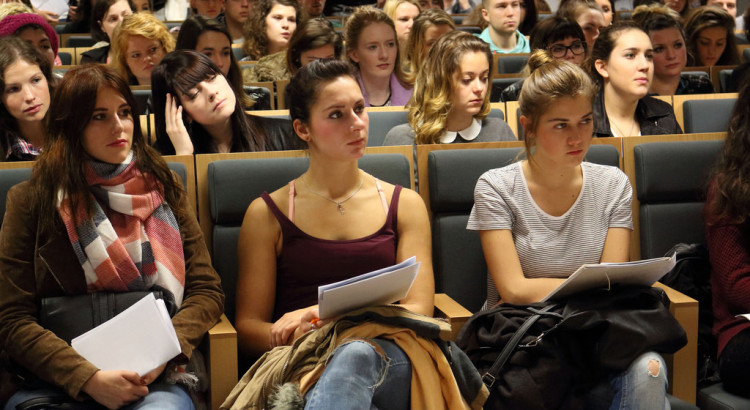
El Tercer Encuentro Nacional de Brigadas Estudiantiles Juveniles contra el Racismo y toda forma de discriminación se inaugurará el 24 de Mayo en la ciudad de Tarija, informó el viceministro de Descolonización, Félix Cárdenas.
El 24 de mayo es el Día Nacional de Lucha contra el Racismo y toda forma de discriminación, por lo cual todas las instituciones públicas y privadas deben pronunciarse al menos en dos ocasiones al año contra ese flagelo, según establece la ley, expuso el funcionario.
Cárdenas recordó que ese día de 2008 más de 50 campesinos en Sucre fueron capturados por una turba de seguidores del opositor Comité Interinstitucional y obligados a marchar semidesnudos en medio de agresiones físicas y verbales.
Destacó la importancia del encuentro porque la mayor cantidad de denuncias de este tipo, se presentan en el área de la educación.
‘Las mayores denuncias recibidas sobre racismo y discriminación son en el ámbito educativo; por eso conformamos brigadas estudiantiles de lucha contra el racismo, a quienes capacitamos en diferentes temáticas’, agregó.
Detalló que se tienen 3 mil 800 brigadistas en todo el país, de los cuales 500 participarán en el Tercer Encuentro Nacional.
La agenda del encuentro, incluye siete mesas de trabajo: acoso y violencia escolar; inseguridad escolar y formas de violencia; interculturalidad, valores y principios; rol de los brigadistas, protocolos y otros mecanismos de prevención; derechos de los jóvenes; políticas públicas en favor de los jóvenes y coordinación operativa de acciones contra el racismo.
Economistas, sociólogos y politólogos firman el manifiesto ‘No sin mujeres’: no acudirán a convocatorias, congresos o jornadas de más de dos ponentes en las que no haya al menos una mujer en calidad de experta
Entre los firmantes se encuentran varios miembros de think thank, como Ignacio Conde-Ruiz, economistas como Juan Torres, y politólogos como Pablo Simón
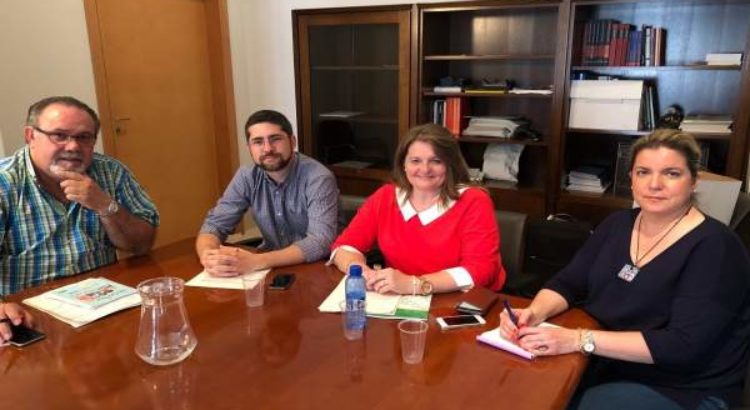
Más de 50 economistas y académicos han firmado un manifiesto en el que se comprometen a no participar en ningún evento o mesa redonda en la que no haya representación femenina. Bajo el nombre ‘No sin mujeres’, estos –de momento– 56 expertos instan a cumplir la Ley de Igualdad: no acudirán a convocatorias, congresos o jornadas de más de dos ponentes en las que no haya al menos una mujer en calidad de experta.
Entre los firmantes se encuentran varios miembros de think thank con mucha presencia en medios de comunicación y eventos, como Ignacio Conde-Ruiz, de la Federación de Estudios de Economía Aplicada (Fedea), Emilio Ontiveros, de Analistas Financieros Internacionales (AFI), y Rafael Domenech, del centro de estudios del BBVA.
Economistas como Juan Torres, de la Universidad de Sevilla, Alain Cuenca, de la Universidad de Alcalá de Henares, o Borja Suárez, de la Universidad Autónoma de Madrid firman el manifiesto. También sociólogos y politólogos, como Pau Marí-Klose, Sebastián Lavezzolo, Octavio Salazar o Pablo Simón suscriben este ‘No sin mujeres’.
La inciativa está abierta a más interesados y, de hecho, esta lista de firmantes se irá ampliando. Cuentan también con una cuenta en Twitter: @No_Sin_Mujeres.
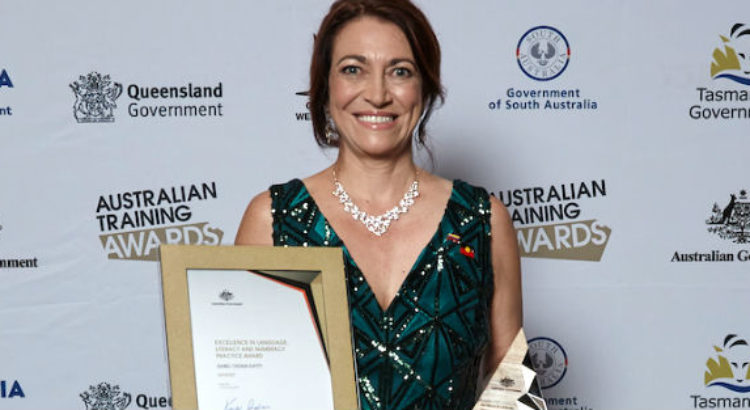
Isabel Osuna Gatty recibió el Australian Trainning Award por la Excelencia en Práctica de Lenguaje, Alfabetización y Numeración luego de 15 años educando e innovando
Amor por la educación, así podrías definir una vida dedicada a la enseñanza y precisamente, eso es lo que puedes percibir al conversar con Isabel Osuna Gatty, una maestra venezolana que ha dejado huella en su país y ahora se encuentra sembrando futuro en una latitud un tanto remota de donde su corazón nació.En noviembre de 2016 Isabel Osuna Gatty recibió el Australian Training Award por la Excelencia en Práctica de Lenguaje, Alfabetización y Numeración, pero ¿Dónde comenzó todo esto? Este galardón es una pequeña cosecha de una pasión de más de 40 años.Para cambiar el mundo solo necesitas disposición
Una pequeña pizarra de tiza en el patio de su propia casa en El Trigal, Valencia fue el primer lugar donde Isa comenzó a dar clase. Estaba apenas en cuarto grado de primaria pero la sensibilidad por sus vecinos con Síndrome de Down quienes no estudiaban en una escuela, le hizo determinarse a enseñarles.Pidió a su papá colores, plastilina y papel y así arrancó con las primeras clases.
“Ellos estaban disfrutando su creatividad y no sentían que estaban en la escuela, pues realmente, yo estaba en cuarto grado cuando empecé a hacer todo esto”Un dato curioso es que años más tarde, Isa recibió un agradecimiento de la madre de una de las niñas a quien daba clase, quien se convirtió en atleta paraolímpica años más tarde, esta es solo una de tantas historias de gratitud.“Quería aprender de todo”
“Estudié literatura inglesa y artes y dentro de eso, estudié periodismo, publicidad, mercado, linguística y bueno un montón de otras materias super interesantes porque lo que yo quería era aprender”, expresó la ganadora del premio australiano.Al volver de cursar estudios en los Estados Unidos, Isa se forma en la Universidad Central de Venezuela con un curso para la enseñanza del inglés como segunda idioma, pero también estudió con el Sistema de Turismo Venezolano, además de cursar diseño gráfico, publicidad.“Siempre me ha gustado el arte porque me gusta pintar y siempre me ha gustado escribir, esas son las dos cosas que siempre me ha gustado”Se estableció como profesora de Inglés en El Junquito con un laboratorio de Idiomas al servicio de los vecinos del Sector mientras también educaba en empresas privadas pero en 2000 la situación del país respecto a la enseñanza de idiomas extranjeros la hizo pensar en emigrar.Finalmente el amor la dirige hacia Australia al conocer a quien es su esposo y llega a Sydney en 2001, allí emprende un nuevo rumbo en una latitud lejana de estas tierras tropicales.¿Cómo emprender en un país con una cultura tan diferente?
“A pesar de que yo hablo inglés perfectamente, Australia es un país que por su aislamiento mundial es un país muy cerrado, donde las personas se juzgan rápidamente. Aquí la gente sufre el síndrome de la Amapola Alta, el sindrome dice que si una Amapola es más alta que el resto hay que cortarla”“La educación es lo más importante en la vida de una persona”
“Es una cuestión cultural, la cual ha sido mi mayor desafío, pero para mí, siempre he dicho que la educación es lo más importante en la vida de una persona, cuanto más te educas y cuanta más información tengas, más poder tienes”.Sin expectativas laborales y dispuesta trabajar en cualquier cosa, en seis semanas Isa consigue un permiso para trabajar como profesora y con la ayuda de un psicólogo organizacional, quien curiosamente amaba a Venezuela, obtiene sus primeros empleos enseñando en centros comunitarios y centros de educativos con cursos cortos para adultos.Allí continuó con una labor que ya venía haciendo en Venezuela con su comunidad.
Con 40 años comienza a trabajar con jóvenes, aprovechando su energía y vitalidad.
Isabel Osuna Gatty: “Mi corazón está en la enseñanza”
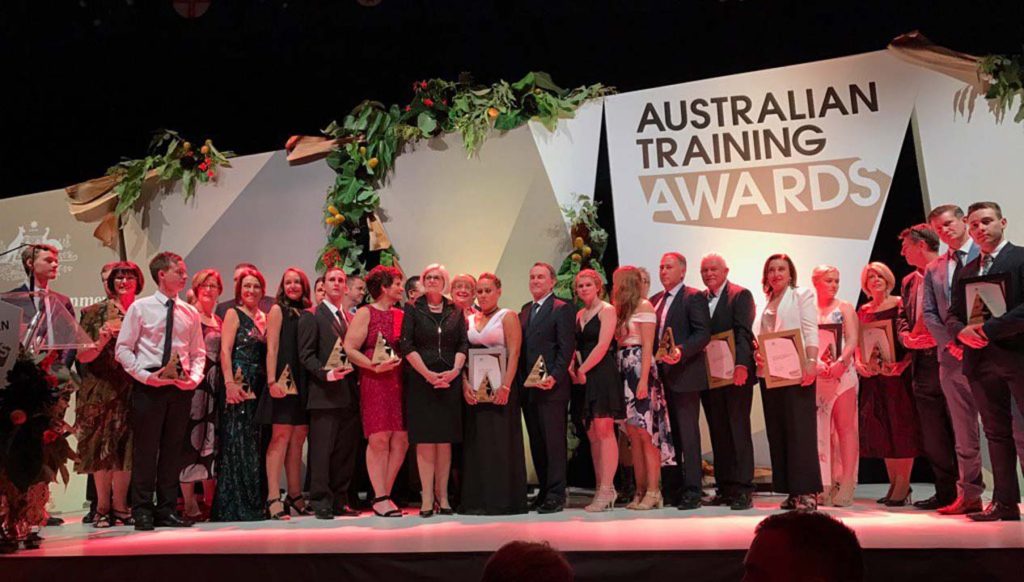
Recibir el Australian Training Award fue un gran orgullo para ella como mujer y emigrante.“La acumulación de 15 años de trabajo, estableciendo programas” y recursos para luchar por la enseñanza del inglés en los australianos en un país donde el 46% no sabe leer y el 53% no sabe interpretar medidas”.Te podría interesar: Cuando una venezolana fusiona arte y realidad virtual: Karina MatheusLos Australian Training Award son los máximos premios nacionales para el sector de la educación y la formación profesionales.“Fue bonito recibir ese premio como culminación de una carrera de pasión de toda la vida”
Isabel Osuna Gatty desea ayudar a otros venezolanos en el mundo, prontamente lanzará un web como parte de este proyecto.Para cerrar la entrevista a Noticias.com.ve Isa nos dio una serie de tips para ser venezolanos emprendedores desde Venezuela o cualquier lugar del mundo.¿Qué le dirías a los jóvenes venezolanos?
-¡Siempre hay maneras de surgir y hay que buscarlas!“Hay que leer y aprender todos los días (…) aprende todos los días nunca dejes de estudiar. Hay momentos en los que a veces piensas que no hay oportunidades. Siempre hay algo que hacer, siempre hay alguien que te puede ayudar Siempre hay algo que te llame la atención”“Si tu sigues tu pasión tu puedes hacer lo que quieras, pero hay que seguir estudiando, hay que seguir aprendiendo(…) Tengo que seguir aprendiendo porque el mundo cambia”.
La educación feminista implica una redistribución del poder y de la riqueza en el sistema educativo y por tanto en la sociedad. Necesitamos, desde todas y todos los actores sociales de la educación un nuevo pacto social por una nueva educación pública, democrática y feminista. En este contexto, esperamos que el gobierno esté a la altura de estos desafíos y que las medidas que el presidente Sebastián Piñera anunciará hoy recojan estos puntos.
Las movilizaciones estudiantiles han situado la lucha feminista al centro de la construcción de una nueva educación pública. A partir de la rebelión a los acosos y abusos que expresan la dimensión más violenta de las desigualdades de género, se ha abierto la posibilidad de avanzar hacia una educación no sexista.
Cualquier propuesta que pretenda hacerse cargo de la profundidad del conflicto debe recoger las demandas de las estudiantes, profesoras y trabajadoras movilizadas para avanzar con perspectiva feminista hacia una transformación de la educación desde la raíz.
En la educación superior, esto requiere impulsar reformas para todas las instituciones, tanto públicas como privadas, realizando los cambios jurídicos o estatutarios que garanticen:
1. Perspectiva teórica feminista que cuestione de manera general el concepto de educación y de universidad, desde las disciplinas de estudios hasta las jerarquías institucionales.
2. Democratización de las instituciones educativas con trabajo triestamental para llevar adelante la transformación de las universidades desde una perspectiva feminista.
3. Educación sexual integral en todas las instituciones para educar en el ejercicio informado e igualitario de los derechos sexuales y reproductivos.
4. Igualdad sustantiva en la contratación de académicas/os y funcionarias/os y en el gobierno institucional, lo que requiere, entre otras medidas, procedimientos de paridad e igualdad salarial.
5. Protocolos eficaces contra el acoso y violencia sexual, que regulen de manera efectiva las relaciones de la comunidad universitaria.
Estas transformaciones requieren la ampliación de la educación pública como un derecho social, garantizando financiamiento basal y directo a las universidades públicas, que permita materializar un proyecto educativo transformador, democrático y no sexista; y el fin efectivo al lucro en todo el sistema educativo. Por el contrario, mientras la educación se siga rigiendo por las lógicas del mercado, continuará la reproducción de los roles de género, donde las carreras feminizadas asociadas a las labores de cuidado, servicios y crianza son las más precarizadas, mientras las carreras típicamente masculinas asociadas al poder, son las más valoradas socialmente, las más exitosas en el mercado y las que cuentan con mayores recursos.
La educación feminista implica una redistribución del poder y de la riqueza en el sistema educativo y por tanto en la sociedad. Necesitamos, desde todas y todos los actores sociales de la educación un nuevo pacto social por una nueva educación pública, democrática y feminista. En este contexto, esperamos que el gobierno esté a la altura de estos desafíos y que las medidas que el presidente Sebastián Piñera anunciará hoy recojan estos puntos.
Asociaciones y organizaciones de madres y padres de la Comunitat Valenciana han creado la nueva Plataforma por la Libertad Lingüística en Educación, que pretende defender la libertad de elección de la lengua vehicular y «plantar cara al modelo plurilingüe de la Conselleria de Educación».
El colectivo está integrado por Concapa Comunidad Valenciana, la Federación de Apas de la provincia de Alicante Escuela y Familia, Fcapa Valencia, Concapa Castellón, Defensa del Castellano, Idiomas y Educación y la Fapa Gabriel Miró de Alicante (integrada en Covapa).
El objetivo es «hacer frente común a la imposición de lenguas en el sistema educativo con un amplio y progresivo calendario de actuaciones», según afirman sus impulsores.
El primer paso, que se concretó este martes, es la creación de un modelo de recurso individual para que las familias puedan recurrir e instar la anulación del Proyecto Lingüístico que se aplicará en su centro. Este documento estará accesible en las páginas web de las asociaciones y organizaciones para que pueda descargarse.
El recurso deberá presentarse en cualquier registro de un organismo oficial o en el Prop antes del 30 de mayo de 2018. Por ello, se insta a madres y padres a que revisen si en su centro de Educación Primaria se cumple la obligación del artículo 6.3.a. de la Ley 4/2018 que establece «y al mismo tiempo, como mínimo, otra asignatura troncal» en castellano.
En el modelo de recurso, una de las alegaciones argumenta jurídicamente la no existencia de asignaturas «análogas» a las troncales en Educación Primaria, de conformidad con la legislación vigente, detallan. COMISIÓN BILATERAL Asimismo, la plataforma ha acordado, ante la creación de la Comisión Bilateral que el Gobierno ha activado sobre el articulado de la Ley 4/2018 de Plurilingüismo, reclamar a la administración central que inste a la mayor brevedad la modificación de todos los artículos que impiden el ejercicio de los derechos constitucionales de las familias y la perpetuación de los vicios del Decreto 9/2017.
En caso contrario, advierten, no se descartan actuaciones sociales y movilizaciones «más contundentes encaminadas a defender el derecho de las familias a elegir la lengua vehicular de sus hijos en la escuela, tal y como avalan las sentencias del Tribunal Superior de Justicia de la Comunitat Valenciana (TSJCV) en esta materia».
América Latina presenta grandes condiciones de desigualdad, manifestada en los ingresos, el acceso al trabajo, la educación, salud y vivienda digna, que varían según el color de piel. Mientras en Argentina se escondió a la minoritaria comunidad afro durante décadas, en otros países de la región, como Brasil y Colombia, el conflicto toma mayores dimensiones por su densidad poblacional y su inmensa brecha social.
«No es fácil ser parte de una minoría en Argentina», considera Miriam Gomes, una ciudadana afrodescendiente nacida en el Cono Sur. Su padre llegó al territorio latinoamericano partiendo desde Cabo Verde, su país de origen, un pequeño grupo de islas ubicado en el océano Atlántico que al día de hoy apenas supera los 500.000 habitantes. En la actualidad, según la entrevistada, hay unas 25.000 personas vinculadas a aquella nación —por haber nacido allí o tener ascendencia con ese origen— radicadas en el suelo argentino.
«El racismo es histórico en la escuela. Esto no se enseña porque la nación argentina se constituye como un proyecto de país que se pretendía blanco, culturalmente europeo. Había que borrar rastros de otras culturas, sobre todo en el siglo XIX».Miriam Gomes, presidió cuatro veces la Sociedad Caboverdiana en Argentina.
«La comunidad llegó a mediados del siglo XIX y comienzos del XX, en calidad de ciudadanos libres, pero huyendo de las condiciones de sometimiento en las que vivían con el colonialismo portugués», repasa. Asimismo, aquellas islas «tenían falta de agua, en verdad pueden pasar cinco, seis o siete años sin lluvias, lo que provocó hambrunas tremendas a lo largo de su historia». Así las cosas, los inmigrantes que llegaron al continente americano «encontraron trabajo rápidamente en la marina mercante o en astilleros», enseña, «lo que permitió que las comunidades se asentaran, resolviendo el tema del idioma, la salud y el trabajo».
Gomes es argentina e hincha de Racing —uno de los equipos grandes del fútbol argentino—, aunque la construcción del sentido común local siempre planteó que el ciudadano argentino debe ser blanco, exclusivamente, dejando a un lado a negros e indígenas. Aclarar que nació en la región rioplatense es una constante en su vida: «Ponen en duda mi nacionalidad todo el tiempo, me preguntan de dónde soy. La primera impresión es creer que uno es de afuera, la extranjerización», comenta. Por esta clase de obstáculos sociales, es necesario que las comunidades minoritarias se mantengan unidas. En efecto, la entrevistada presidió la Sociedad Caboverdiana de Argentina en cuatro oportunidades, siendo la primera mujer en hacerlo desde 1993: «También tuve que librar una batalla al interior de la comunidad contra el machismo y el patriarcado», destaca.
La historia de las comunidades afrodescendientes en Argentina está oculta. De hecho, pocos saben que habitan el territorio incluso antes de la conformación del Estado moderno. La idea de que el país está conformado exclusivamente por descendientes de europeos, causalmente, traspasó fronteras y también se repite en otros sitios de la región, invisibilizando a muchos colectivos sociales.
«No tenemos acceso a la toma de decisiones ni a los poderes del Estado. Nuestros chicos apenas terminan la escuela primaria, la confrontación racial es muy fuerte y muchos abandonan».Miriam Gomes, presidió cuatro veces la Sociedad Caboverdiana en Argentina.
Miriam fue docente de Literatura durante más de 30 años en colegios públicos de la provincia de Buenos Aires, y sostiene que este pensamiento se sostuvo por un fuerte sesgo ideológico, también desde las aulas: «El racismo es histórico en la escuela. Esto no se enseña porque la nación argentina se constituye como un proyecto de país que se pretendía blanco, culturalmente europeo. Había que borrar rastros de otras culturas, sobre todo en el siglo XIX». Los alumnos difícilmente aprendan sobre héroes, patriotas, artistas, pensadores, gestas y luchas de la comunidad afro, que también integran la cultura argentina.
Sobre el aspecto educativo, critica que en las escuelas suele enseñarse que en 1813, cuando se impulsó la libertad de vientres —que garantizaba la libertad a los hijos de esclavas —, se terminó la esclavitud en su totalidad. «La esclavitud se abolió en 1853», cuando nació la Constitución Nacional, desmiente. Al respecto, expresa: «En realidad, siempre me llamó la atención que Argentina tuvo cuatro décadas de vida republicana conviviendo con un régimen esclavista y nadie hace hincapié en ese dato». A veces, la indiferencia duele más que un garrotazo policial.
La parte negra de la historia
El historiador Diego Buffa, uno de los coordinadores del Programa de Estudios Africanos del Centro de Estudios Avanzados de la Universidad Nacional de Córdoba (UNC), enseña que bajo la conformación de las naciones en la región creció el actual sesgo cultural: «Los que eran distintos al grupo dominante a menudo fueron víctimas de un trato racista, porque el mero hecho de que fueran diferentes se consideraba una amenaza en función del concepto de un Estado monolítico«.
Asimismo, destierra el mito histórico —sostenido incluso en el 2018— de que el país tenía tan pocos negros, que simplemente desaparecieron en el siglo XIX, por arte de magia. Lejos de ello, el experto señala que durante la colonia había importantes comunidades afros en las provincias de Córdoba, Santiago del Estero, Tucumán y Buenos Aires, que persisten en la actualidad. Particularmente, la importante cantidad de comunidades cordobesas se evidencia también con la duración de sus políticas racistas; por citar un ejemplo, la UNC exigía la ‘pureza de sangre’ para ingresar al ámbito académico, hasta la Reforma Universitaria de 1918, destaca Buffa.
Un hombre afrodescendiente vende productos en las calles de Cartagena, Colombia. / Fredy Builes / Reuters
«En casi todas partes, esta población es víctima de discriminación racial y exclusión, razón por la cual sufre grandes privaciones económicas y sociales, al igual que ocupa un número mucho menor de cargos directivos en la sociedad que los alberga», subraya el especialista. Desde su punto de vista, este grupo social no solo incluye a descendientes de africanos esclavizados traídos a América Latina durante el período colonial, «sino también a un nuevo conjunto de africanos que —aunque minoritario en relación al primero — llegaron y siguen llegando en busca de una mejor situación económica o por razones políticas, desde finales del siglo XIX».
«Seguimos excluidos»
Por su parte, Gomes puntualiza en la construcción del sentido común local y critica a los medios de comunicación que «perpetuaron la idea de exotización y los estereotipos». Y sigue: «Basta con mirar revistas como Caras y Caretas de principios del siglo XX, donde la mayoría de las publicidades tenían negros en posiciones animalescas, caracterizados como monos y siempre asociados a productos de limpieza, contrastándolos con hombres blancos».
Estos estereotipos, opina la docente, se vinculan también al machismo: «Hoy se piensa que la mujer negra está siempre dispuesta al sexo». Por otro lado, subraya que el contexto social acentúa esta clase de tensiones, porque «en épocas de crisis, el racismo recrudece». Para finalizar la entrevista, manifiesta: «El objetivo es la inclusión social, porque seguimos excluidos. No tenemos acceso a la toma de decisiones ni a los poderes del Estado. Nuestros chicos apenas terminan la escuela primaria, la confrontación racial es muy fuerte y muchos abandonan». Según Gomes, el problema «ahora se ve enfocado en los inmigrantes senegaleses, que sufren acoso policial, persecución, violencia física, verbal y simbólica».
Oficina de migraciones en Argentina. / Martin Acosta / Reuters
Así lo confirma Arfang Diethiou, presidente de la Asociación de Residentes Senegaleses en Argentina (ARSA): «La mayoría son vendedores ambulantes, tenemos problemas con el espacio público y la Policía», destaca. Diethiou nació en Senegal y llegó a Sudamérica por razones económicas. Al igual que él, hay aproximadamente 5.000 personas más. «No dejan a los muchachos trabajar en la calle. Siempre hay problemas, porque a nuestra gente no le queda otra», se queja. Según describe, la mayor parte de este colectivono tiene papeles, es decir, vive en el país de modo irregular o inestable. Por ello, es casi imposible obtener un empleo formal: «Con la crisis que hay en Argentina, es mucho más difícil conseguir un trabajo sin ser argentino», describe. Pero eso no es todo, el acceso a la vivienda o una cobertura médica es un anhelo casi inalcanzable para aquellos senegaleses que no tengan documentos.
«A mí me pasó, queriendo alquilar un departamento. Entré a una inmobiliaria y me dijeron que no había nada para mí, pero cuando entró un argentino, pidiendo lo mismo, le dijeron que sí», recuerda. En definitiva, ¿cuáles son sus principales obstáculos?: «El color de piel», responde, sin vacilaciones. Pero va más allá: «A veces hay discriminación silenciosa, la gente te ve como si fueses un ladrón», lamenta. Sin embargo, a pesar de estos graves conflictos, Diethiou dice que se sienten integrados: «Por lo general hay buena onda con los argentinos». Aun así, aunque tenga optimismo, todavía les adeudan sus derechos básicos. Por lo pronto, el trabajo informal implementado por senegaleses se convirtió en una postal habitual en las calles de la Ciudad de Buenos Aires, donde la tensión con las fuerzas de seguridad aumenta cada día.
Brasil y Colombia, dos ejemplos de la brecha
Hay países de la región donde la brecha social es mucho más evidente y abarca a una inmensa cantidad de personas. Brasil es el caso más paradigmático: la mitad de su población —unos 97 millones de personas—, es afrodescendiente. Nadie podría decir que se trata de una minoría, aunque las diferencias sociales así lo hagan parecer. Un estudio de la Comisión Económica para América Latina y el Caribe (CEPAL) explicaba en 2012 que, si bien la injusticia en la distribución de la riqueza entre blancos y negros se estaba reduciendo, todavía había grandes inequidades: la proporción de adultos pobres era 1,3 veces mayor en negros, con el 34,5%, que entre los blancos, con el 26,6%. Resta por ver si aquellos índices se modificaron tras la asunción del presidente Michel Temer, en agosto del 2016.
Un manifestante sostiene una pancarta durante el Día Nacional de la Conciencia Negra en Brasil. / Nacho Doce / Reuters
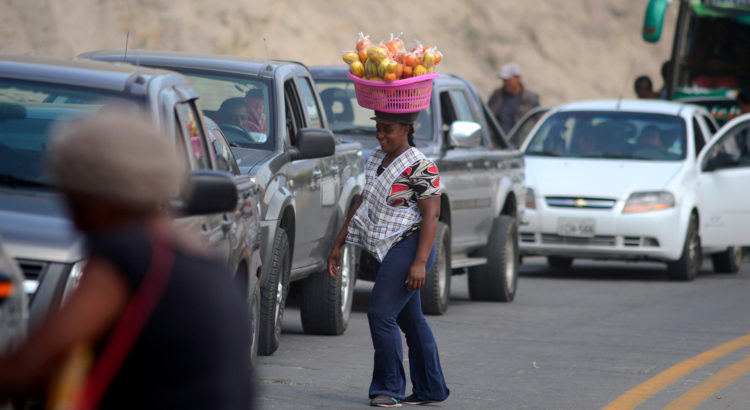
Colombia es otro caso ejemplar para graficar la discriminación, que se manifiesta de forma implícita y explícita en la sociedad. Allí, uno de cada diez ciudadanos es afrodescendiente. Basta con recorrer cualquier ciudad o pueblo colombiano para percibir que el acceso a un trabajo estable, en la mayoría de los casos, es una cuestión de piel. En la zona costeña esta brecha social es aún más escandalosa. Casi todos los vendedores ambulantes son negros, y ofrecen productos variados: ropa, comidas, jugos, artículos de bisutería como pulseras o aretes y también estupefacientes, a plena luz del día. A su vez, la mayoría de las mujeres afros que trabajan en la calle brindan masajes en las playas, principalmente a turistas.
Las diferencias socioeconómicas se perciben a simple vista e impactan los ojos, pero más allá de percepciones subjetivas, hay estadísticas que así lo demuestran. En 2010, un informe titulado ‘Desigualdad étnico-racial en la distribución del ingreso en Colombia’, realizado por expertos en economía de la Universidad del Valle, sostenía que, en promedio, los afrodescendientes percibían ingresos un 32% más bajos que los blancos. Lo curioso del estudio es que a medida que los ingresos aumentan, también crece la brecha. Por ejemplo, si tomamos al sector más rico de la población blanca y lo comparamos con los más adinerados de la población afro, los blancos de clase alta percibían un 40% más que los negros, aumentando la diferencia por el color de piel.
Afrodescendientes extraen metales preciosos en el río Dagau, departamento de Cauca (Colombia). / Jaime Saldarriaga / Reuters
Como bien puede suponerse, la desigualdad económica también se traduce en otra clase de desigualdades sociales, como la educativa. Volviendo a hablar de promedios, la comunidad negra tiene 7,4 años de educación aprobados, mientras que los blancos alcanzan los 9,4. En esa línea, el informe destaca que, en la media, la retribución económica que recibe un ciudadano blanco por cada año que sume a su formación educativa es un 20% mayor al ingreso que recibe una persona afro por hacer exactamente lo mismo. Ya pasaron ocho años de aquel relevamiento, pero basta con visitar el país para comprobar que el contexto social y económico no cambió demasiado.
La región en cifras
¿Cuántos afrodescendientes hay en América Latina?
Un extenso estudio publicado por la CEPAL y Naciones Unidas en 2016 expuso, basado en censos desarrollados por cada país entre los años 2010 y 2013, que la región tiene aproximadamente 527 millones de habitantes. De ese total, más de 111 millones pertenecen a la comunidad afro, es decir, el 21%. Los países con más habitantes negros son: Brasil —97 millones de personas, el 50,9% de la población total—, Colombia —4,8 millones, el 10,5%—, Cuba —4 millones, el 35,9%—, México —1,3 millones, 1,2 %— y Ecuador —un millón, 7,2%—.
En promedio, son más pobres
El artículo también revela los injustos contextos económicos presentes en Brasil, Ecuador, Perú y Uruguay, con datos del 2014. Sobre el ‘Gigante de Sudamérica’ grafica que el 33% de la población negra se encontraba en el sector más pobre de la sociedad, mientras que en la población blanca eso solo ocurría con el 16%. En Ecuador las diferencias también son considerables: si se mide de modo proporcional, el 34% de los afros estaban entre los más empobrecidos, mientras que entre los blancos el número alcanzaba al 22%. Esto significa que, en ambos casos, una de cada tres personas afrodescendientes se encontraba en una situación vulnerable.
En Perú, los afrodescendientes tenían al 20% de su población entre los más pobres, pero los blancos solo tenían el 13%. Uruguay, que tiene una comunidad afro mucho más pequeña que en naciones como Brasil o Colombia, de todos modos tiene un problema grande: mientras que entre los blancos hay un 27% de personas ubicadas en el quintil más humilde del país, entre los negros ese sector social alcanza al 50% de toda su población, es decir, casi el doble.
Mortalidad infantil
Los índices de niños que mueren antes de cumplir el año de vida también son mucho más altos en pequeños afrodescendientes. En Colombia se da la diferencia más grave: de 1.000 infantes blancos, 16 fallecen, pero si el mismo criterio se usara con 1.000 niños afros, las muertes aumentan a un promedio de 26,3. En Ecuador la mortalidad alcanza una media de 20,5 pequeños de piel blanca y 25 afrodescendientes.
En Brasil la diferencia es entre 18,7 y 24,2, mientras que en Venezuela la brecha está entre 14,3 y 18,4. Según el informe, la única excepción a esta alarmante regla es Argentina, donde de cada 1.000 niños afros el 12,5 pierde la vida, pero la cifra se agranda a 14 entre las personas blancas. Cabe destacar que en aquel país los negros no abarcan, según datos oficiales, ni el 1% de la población total.
Mortalidad materna
Las madres afros ocupan un lugar alarmante en las estadísticas, principalmente en Ecuador, Colombia y Brasil. En el primer escenario, según datos recogidos entre 2010 y 2013, por cada 100.000 nacimientos se producen 69,1 muertes maternas en todo el país. Sin embargo, si reducimos los 100.000 nacimientos solo sobre la población afro, hay 272,5 fallecimientos en madres, aumentando la cifra de modo exponencial. En Colombia, con estadísticas del mismo período, la diferencia es entre 66,5 y 152,9, mientras que en Brasil, con números del 2011, la brecha va desde 50,6 hasta 68,8. «Las condiciones de pobreza en que viven las mujeres afrodescendientes en la región agravan sus condiciones de salud sexual y reproductiva», comunica el informe. Asimismo, repasa que «si bien la mortalidad materna ha disminuido en la región, continúa siendo alta en el caso de las mujeres afrodescendientes».
Embarazo adolescente
La franja etaria considerada va desde los 15 hasta 19 años. En Brasil, Uruguay, Costa Rica, Colombia, Venezuela, Nicaragua, Ecuador, Argentina, Panamá y Honduras, «entre un 14% y un 25% de las adolescentes afrodescendientes ya han tenido al menos un hijo». Salvo por estos últimos tres países, donde las estadísticas se revierten, en el resto el porcentaje de embarazo adolescente es bastante más elevado entre mujeres afros, principalmente en Ecuador (otra vez): el 25,3% de las adolescentes afrodescendientes son madres, mientras que entre las chicas blancas el número se reduce al 16,7%.
Educación
Si consideramos las personas que acceden a la universidad, una de las instancias superiores en la vida educativa, el estudio de la CEPAL y Naciones Unidas revela que en Colombia solo el 9,3% de la población afro ingresa a una casa de estudios, mientras que en los blancos el 17,2% de ellos aprende una carrera por la vía académica. La diferencia en Uruguay es todavía peor: de 5,2% a 20,4%.
En Ecuador, en tanto, la brecha va desde 12,9% a 30,3%, por citar algunos de los tantos ejemplos latinoamericanos. En Argentina, los números sobre la ecuación vuelven a revertirse; el 23,7% de los negros llega a la universidad, entre los no afrodescendientes la cifra es 20,3%. Vale aclarar, sin embargo, que las estadísticas, en promedio, son del año 2010; desde aquel entonces al 2018 muchas corrientes migratorias arribaron al Cono Sur y merecen nuevas estadísticas.
Desempleo
En Honduras, Costa Rica, Argentina, Nicaragua, Venezuela, Uruguay, Panamá, Colombia, Ecuador y Brasil la tasa de desocupación es mayor, en proporción, entre personas negras, a diferencia de Bolivia, donde ocurre lo contrario. El caso brasilero, con datos del 2010, es de los más complejos: el 6,6% de los hombres afros estaban sin empleo, y en los varones blancos el 4,5% no tenía trabajo. La diferencia entre mujeres es más grande: 12,4% de las negras y 8,1% de las blancas. En Uruguay, la brecha entre hombres negros y blancos desempleados es del 4,8% y 4,3%, pero si hablamos del sexo femenino, el dato crece al 12,5% y 8,4%, respectivamente.
Ingresos
Aquellos que sí tienen empleo también encuentran grandes diferencias monetarias, solo por ser afrodescendientes, y aún mayores si son mujeres. Supongamos que hay un grupo de personas que tiene el mismo grado de educación, en este caso, alcanzando el nivel terciario. Sin considerar la experiencia laboral de cada uno, la única diferencia que habría entre ellos sería su color de piel y el sexo.
Una mujer sin hogar está sentada en su casa improvisada en Río de Janeiro, Brasil. / Pilar Olivares / Reuters
Los números de la discriminación son contundentes: «Entre las personas ocupadas que se ubican en el tramo más elevado de escolaridad, se puede observar que las mujeres afrodescendientes reciben un ingreso por hora equivalente a un 58% del que reciben los hombres no afrodescendientes; a su vez, los hombres afrodescendientes perciben un ingreso equivalente al 73% del que reciben los hombres no afrodescendientes, en tanto que las mujeres no afrodescendientes perciben un 75% del ingreso que obtienen los varones no afrodescendientes». Por si no se entendió, según las estadísticas, las mujeres negras, aun teniendo aptitudes académicas, perciben salarios considerablemente peores, incluso que hombres afro, y por supuesto, mujeres blancas. Los hombres blancos, en promedio, son quienes más dinero reciben por hacer sus tareas, al tope de la escala valorativa racial.
A pesar de que el conflicto tenga una raíz histórica, nacida en la conquista de América con la implementación de políticas esclavistas y la utilización de mano de obra africana, la brecha social perdura. Pasaron más de cinco siglos desde la colonización europea. Parece que fue ayer.
«Desamor, desencuentro, perdón y olvido, cuerpo con mineral. Pueblos trabajadores, infancias pobres, cinco siglos igual», canta el artista argentino, León Gieco.
El llamado del gobierno de “Cambiemos” al Fondo Monetario Internacional es una confesión rotunda de la crisis económica y política a la que están llevando al país. Después de dos años de ajuste y endeudamiento por 140.000 millones de dólares, el macrismo ha llevado a la Argentina a una nueva crisis nacional.
Para afrontar este desastre, el gobierno y el Fondo Monetario discuten ahora una salida a costa de los trabajadores y el pueblo: una profundización en el ajuste y la entrega que ya están aplicando.
Pero incluso antes de firmar este acuerdo, que tiene el aval de Trump y el resto del imperialismo, el FMI ya impuso su primera exigencia: una gran devaluación de la moneda, que ha desvalorizado en una cuarta parte a los salarios y haberes jubilatorios, y a todos los gastos sociales. Esta devaluación representará otro salto en la carestía: en los alimentos y productos de primera necesidad; en las cuotas de los deudores hipotecarios atados al régimen UVA de capital y cuotas ajustadas por inflación.
Y principalmente, llevará a otro salto en los tarifazos, porque el gobierno ha dolarizado los valores de la energía y los combustibles.
¿A dónde irán a parar estos recursos arrebatados a los trabajadores? A resarcir a los fondos internacionales que obtienen beneficios extraordinarios con la deuda argentina. A los que se benefician ahora de la nueva y precaria “bicicleta” financiera que recreó el gobierno, y que le asegura a estos especuladores rendimientos del 40% anual. Semejante nivel de saqueo, sin embargo, no le servirá al gobierno para zafar de una mayor crisis y nuevas protestas.
En medio de este derrumbe económico y político, el gobierno “Cambiemos” ha salido a plantear un “Gran Acuerdo Nacional”. Quieren un blindaje político para el acuerdo con el FMI, y las medidas antiobreras y antipopulares que se preparan. Este llamado va dirigido a una oposición patronal que, desde el Congreso a las gobernaciones le ha votado y avalado al gobierno todas las leyes de ataque a los trabajadores y entrega del país, desde el pacto con los fondos buitre en adelante.
Denunciamos a esta oposición patronal cómplice que, en aras de ese pedido del gobierno, ya ha comenzado a negociar la postergación, modificación –o incluso el archivo definitivo- de la ley que ellos mismos redactaron sobre el recorte a los tarifazos, aun cuando ésta ya tenía un alcance ultramezquino. El kirchnerismo dice oponerse a esta política, pero sin ningún planteo de medidas para que la crisis la paguen los que la provocaron y no el pueblo trabajador. Todos los gobernadores K aplican el ajuste macrista, como Alicia Kirchner en Santa Cruz que implementó un congelamiento salarial. En definitiva, son los mismos que, cuando gobernaron el país durante 12 años, pagaron puntualmente la deuda externa fraudulenta y usuraria –así lo hicieron en beneficio del propio FMI – y también la acrecentaron.
La burocracia sindical de la CGT y la CTA, en sus diferentes variantes, sigue este libreto cómplice de la oposición patronal. Más allá de los lamentos verbales sobre el FMI, o la promesa difusa de algún paro aislado ¡para dentro de un mes!- carecen de cualquier política de lucha para enfrentar este saqueo. El triunvirato de la CGT pactó la ley de reforma laboral y todas las cúpulas sindicales ahora nos llaman a que esperemos sentados “hasta el 2019” los mismos que hoy, ante la enorme crisis nacional, no pueden ofrecernos ni una política en defensa de los trabajadores, ni un rumbo de lucha.
Los opositores de los partidos patronales y burócratas sindicales que se suban a este pretendido “Gran acuerdo”, sólo pueden terminar hundidos junto al propio gobierno. El Frente de Izquierda, por el contrario, luchará por unir y poner de pie a la clase obrera y a sus organizaciones, a las mujeres y a la juventud, para derrotar esta nueva tentativa antiobrera y colonial y abrirle paso a una salida de los trabajadores a esta crisis nacional.
Por eso, llamamos a empeñar todos los esfuerzos por la victoria de las luchas en curso, y, en primerísimo lugar, del gran paro provincial de los docentes de Neuquén, en defensa del salario y la educación pública, de los trabajadores de Cresta Roja, de los despedidos del hospital Garrahan, de los terciarios contra el proyecto de UNICABA, de los trabajadores del Subte, de los tercerizados del Sarmiento, de los obreros de la ex Stani, de las enfermeras del Posadas. Repudiamos la represión a estas luchas obreras, la cual, a fuerza de palos y detenciones pretende terminar con el derecho de huelga.
Con lucha se han arrancado las reincorporaciones de todos los mineros en lucha en el Turbio y de un sector de los delegados de INTI, de los trabajadores de Ferrobaires y de los estatales del Ministerio de Hacienda y Finanzas. En esa línea, el FIT apoya los esfuerzos del sindicalismo clasista y combativo por reagruparse para resolver acciones de lucha dirigidas a poner de pie a las grandes organizaciones obreras levantando un programa propio de los trabajadores de salida a la crisis nacional.
Los trabajadores tienen que seguir el rumbo de las grandes movilizaciones de diciembre de 2017 contra el robo a los jubilados y profundizarlo, para reunir la fuerza capaz de derrotar al gobierno.
Contra el plan antiobrero del gobierno, el FMI y sus cómplices de la oposición patronal, planteamos un programa de los trabajadores:
-Abajo el acuerdo entre Macri y el FMI. No pago de la deuda externa, y que esos fondos vayan a salario, trabajo, salud, educación y vivienda.
-Reapertura de las paritarias, abajo el techo salarial del 15%, ajuste mensual de salarios y jubilaciones de acuerdo a la inflación. Basta de despidos. No a la reforma laboral
-Anulación de los tarifazos desde enero de 2016 hasta hoy. Apertura de cuentas a las privatizadas a comisiones de control obrero, fin de concesiones a las empresas privadas. Nacionalización de la industria energética y de transporte. Estatización de todas las empresas privatizadas, bajo gestión de los trabajadores y el control de los usuarios populares.
-Nacionalización de la banca y del comercio exterior. Por un plan económico de la clase obrera que le dé solución a todas las demandas del pueblo. Por un gobierno de trabajadores.
-Abajo la represión a las luchas obreras!
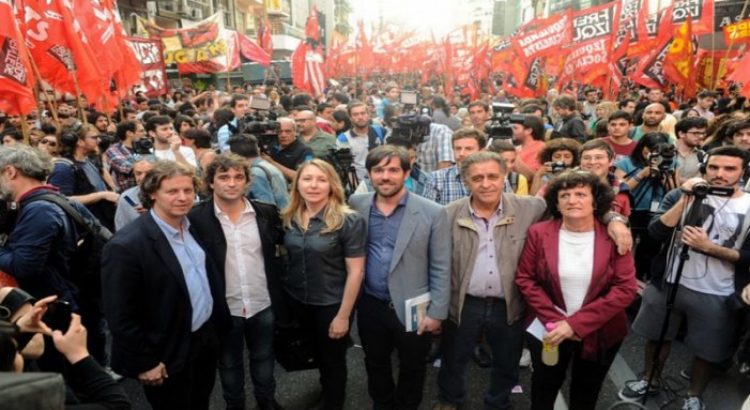
Para impulsar este programa, el Frente de Izquierda gana las calles, lugares de trabajo y estudio, con una primera jornada de movilización el próximo 30 de mayo. Llamamos a debatir en todos los sindicatos y centrales obreras la exigencia de un inmediato paro activo nacional, y un plan de lucha en el camino de preparar la huelga general hasta la derrota del plan de los capitalistas, su gobierno y sus partidos.
Frente de Izquierda y de los Trabajadores 21/5/2018
OtrasVocesenEducacion.org existe gracias al esfuerzo voluntario e independiente de un pequeño grupo de docentes que decidimos soñar con un espacio abierto de intercambio y debate.
¡Ayúdanos a mantener abiertas las puertas de esta aula!






 Users Today : 107
 Total Users : 35491994
 Views Today : 766
 Total views : 3607985