Page 2645 of 6196
1 2.643 2.644 2.645 2.646 2.647 6.196

Tanzania: Wazazi na Walezi wameiyomba serikali kuwachukulia hatua za kisheria walimu

Tanzania / Aprili 22, 2018 / Mwandishi: mik-dadi / Chanzo: Zanzibar 24

Baadhi ya Wazazi na Walezi wa Mkoa wa Kusini Unguja wameiomba serikali ya Mapinduzi ya Zanzibar kuwachukulia hatua za kisheria walimu wanaokataa kuwapokea wananfunzi wenye ulemavu katika skuli ili wanafunzi hao waweze kunufaika na elimu.

Wakizungumza na Zanzibar24  kwa maskitiko makubwa kwa niaba ya wananchi hao Mwenyetiti wa watu wenye Ulemavu Wilaya ya Kati Yunus Kassim na Mratibu wa wanawake na watoto Shehia ya kikungwi Bahati Issa wamesema kumejitokeza tabia kwa baadhi ya Walimu kuwakaa wanafunzi wenye ulemavu wakati wanapoenda kuandikishwa.

Wamesema kila mwananchi ana haki ya kupata haki zao za msingi hivyo wanashangazwa na baadhi ya walimu kuwakataa wanafunzi hao bila ya wananchi kujua sababu za msingi za kukataliwa kwa watoto wao.

Wamesema wakati umefika kwa maafisa Elimu kufatilia skuli ambazo zinaendelea na tabia hiyo ili walimu waweze kuchukuliwa hatua za kisheria na watoto waweze kunufaika na haki zao za kupata elimu katika nchi yao.

Aidha wametowa wito kwa Wizara ya Elimu na Mfunzo ya amali Zanzibar kuwapa mafunzo walimu ya kuwasomesha wanafunzi wenye mahitaji maalumu hususani wenye ulemavu wa kusikia katika skuli ili wanafunzi hao waweze kufahamu wanachosomesha wakiwa madarasani.

Kwa upande wake Afisa Elimu na Mafunzo ya amali Mkowa wa Kusini Unguja Abdallah Makame Makame amewaka Wazazi hao kuripoti katika Ofisi yake yanapotokeza matatizo hayo ili walimu waweze kuchukuliwa hatua za kisheria.

Amesema mapka sasa hakuna kesi iliyoripotiwa lakini wazazi hao wanaendelea kulalamika mitaani jambo ambalo ni kinyume na sheria na wanasababisha watoto wao kutopata haki zao za misngi katika elimu.

Amesema azma ya serikali ni kuona kila mwananchi ananufaika na haki zake za msingi ikiwemo kupata matibabu na elimu hivyo si vyema kwa wazazi na walezi kuendekeza muhali katika kuwaripoti walimu wanaokiuka majukumu yao kwa wanafunzi.

Chanzo cha Habari:

http://zanzibar24.co.tz/2018/04/17/wazazi-na-walezi-wameiyomba-serikali-kuwachukulia-hatua-za-kisheria-walimu/

Comparte este contenido:

USA: Corey Robin: Striking Teachers Are “Real Resistance” to “Incoherent” Republicans and “Gutted” Dems (Audio)

USA / April 22, 2018 / Democracy Now


In the continuing teachers’ rebellion sweeping the U.S., dozens of Oklahoma teachers have completed a 7-day, 110-mile march from Tulsa to the state capital Oklahoma City. Public schools across Tulsa and Oklahoma City remain closed as thousands of teachers continue their strike for education funding into a ninth day. The strike comes as the Supreme Court is considering Janus v. AFSCME, a case that could deal a massive blow to public unions nationwide—and as President Trump is successfully appointing right-wing judges to federal courts, reshaping the judiciary for decades to come. We continue our conversation with Corey Robin, a professor of political science at Brooklyn College and the Graduate Center of the City University of New York. Robin calls the conservative movement “weak and incoherent” and the Democratic Party “a gutted machine,” and says labor organizing like the teachers’ revolt are the “real resistance” in the U.S. today.

Transcript
This is a rush transcript. Copy may not be in its final form.

AMY GOODMAN: This is Democracy Now!, democracynow.org, The War and Peace Report. I’m Amy Goodman, with Nermeen Shaikh, as we continue with our guest, from Paul Ryan to what’s happening around the country in the conservative movement and those that are challenging it. Nermeen?

NERMEEN SHAIKH: Well, in Oklahoma, dozens of teachers have completed a 7-day, 110-mile march from Tulsa to the state capital Oklahoma City, where they will now meet with lawmakers to demand they pass legislation to fund education in Oklahoma. Public schools across Tulsa and Oklahoma City remain closed as thousands of teachers continue their strike into its ninth day.

AMY GOODMAN: Our guest Corey Robin recently wrote on Facebook, “In West Virginia, Oklahoma, Kentucky, and Arizona, we’re seeing the real resistance, the most profound and deepest attack on the basic assumptions of the contemporary governing order. These are the real midterms to be watching, the places where all the rules and expectations we’ve come to live under, not just since Trump’s election but since forever, are being completely scrambled and overturned.”

Professor Corey Robin, can you talk more about these teacher rebellions? I mean, you had the stoppage in Kentucky. You had West Virginia, and they won. You have now—you have now Oklahoma and then Arizona. We’re talking about Trump land here.

COREY ROBIN: I think it’s really important for a couple of reasons. Beyond the specific issues of teacher pay and classrooms and quality of public education, which is in such a parlous state, what these teachers are really doing is raising the question about the low-taxes, low-public-services politics that we have been living with in this country for a very long time.

I just want to bring this back for an historical analogy. If we went back to 1978—and this is why the midterm question is important—if you had looked at the midterm elections in 1978, you would have seen that the Democrats were still firmly in control of the House of Representatives, in the House, and the Senate, and in control of many state legislatures across the country. You would had very little inkling, just looking at the midterms, of the very profound right-wing counterrevolution that was coming in two years, in the election 1980. If, however, you had looked at what happened in California with Proposition 13, which was a public ballot initiative that basically made it very difficult to raise taxes anymore, there you would have have seen the future of American politics for the next half-century.

Likewise today, I think if you’re looking at what’s happening in Oklahoma, really, as you said, in the heart of Trump country, these teachers are saying—are saying something that is such a challenge to the Republican Party about taxes and spending, but also to the Democratic Party. I think it’s very important. Democrats have been terrified of being tagged as the tax-and-spend party, really since Walter Mondale. And what are these—and the only times Democrats are willing to raise taxes is to deal with the deficit or the debt. What are these teachers saying? They’re saying raise the capital gains tax, not to cut the debt or the deficit, not to be good government people, but instead to deliver vital public services that the public needs and wants. And I think that’s the real challenge that they’re posing.

AMY GOODMAN: I mean, this is such an astounding story that’s happening in Oklahoma. You have schools that are only operating four days a week, because they don’t have enough money for the fifth day, and the teachers don’t have enough money to teach for the fifth day, because they need second and third jobs. We had a teacher who taught—what—for 20 years, and so had her husband, and her husband, on his day off, he sells his own blood products.

COREY ROBIN: I mean, it’s horrible. But in a way, it’s just a very extreme version, I think, of what happens in a lot of states. I mean, I teach at the City University of New York. It used to be one of the crown jewels of the city and of the state. It has also been—systematically been underfunded and defunded, by both Republicans and Democrats alike. This is a national problem. What’s so amazing is that it’s being confronted in the place where you would think there would be the most support for it. And not only are they doing this—

AMY GOODMAN: You’re talking about Governor Cuomo, Democratic Governor Cuomo, here in New York.

COREY ROBIN: Yes, Democratic governor. And going way back to his father, as well, defunded CUNY, but—Mario Cuomo. But in Oklahoma, you know, these teachers are doing this, and they’ve got—it’s amazing to me, is that they’ve got overwhelming public support with what they’re doing.

NERMEEN SHAIKH: Well, has there been any precedent, is there any precedent, for this number of teachers’ strikes, or even public sector workers, in general, in the U.S.?

COREY ROBIN: I think, oh, there definitely have—I mean, public sector workers have really been in the forefront for the last 50 years—

NERMEEN SHAIKH: Right.

COREY ROBIN: —of leading strikes. In the 1970s, particularly women and people of color were in the vanguard of a lot of these efforts, in organizing public sector workers. And, in fact, one of the reasons you could say that the Republican right has been so—pushing so hard on this Janus decision, which would basically make it very hard for public sector unions, the Supreme Court decision, is precisely because they feel like that’s the last bastion of unionized workers, and they are workers that tend to be, compared to the rest of the workforce, overwhelmingly women and people of color.

AMY GOODMAN: And this is why judges are so important right now, and as you have Mitch McConnell saying, “The fight should be in the Senate. We’re going to lose the House,” he said—

COREY ROBIN: Yes.

AMY GOODMAN: —apparently this weekend, according to The Washington Post, that the fight is around the judiciary. And they are packing these courts.

COREY ROBIN: Yeah.

AMY GOODMAN: I mean, they do take this extremely seriously, for anyone who thinks that President Trump isn’t getting anything accomplished.

COREY ROBIN: I mean, this has been very clear from the early part of the Trump administration. They were—they bungled so many other things. But the one thing that, from the get-go, they knew how to do was to get the courts, the judges appointed. In fact, he’s been appointing judges at a faster rate than Barack Obama did, I think faster than George W. Bush did. But that tells you something, though, I think, not about the strength of the conservative movement and the Republican Party, but about its weakness. McConnell is very clear about this: “If we can just hold on to the Senate, we can have a lock on the courts, not just the Supreme Court, but the courts, for 30 to 40 years.” And remember, the judges they appoint, these are people who are, you know, in their fifties, in their forties, who will be with us for a very, very long time.

AMY GOODMAN: I mean, you have this judicial nominee, Vitter, Wendy Vitter—

COREY ROBIN: Yes.

AMY GOODMAN: —who worked for the archdiocese in Louisiana, who, when confronted by Senator Blumenthal yesterday about whether she supports this landmark Supreme Court decision, Brown v. Board of Education, challenging desegregation, she demurred. She said she wouldn’t say.

COREY ROBIN: Yes. Well, this is their—this is the big strategy all the conservative justices and nominees have been pioneering, really going back to Judge Bork in the 1980s, which is: Say nothing, make no statements whatsoever about your points of view. And you can present yourself as if you’re—you know, remember, Clarence Thomas said he had no opinion whatsoever on Roe v. Wade. He had never—he claimed he had never even had a conversation about Roe v. Wade, even though he was in law school when Roe v. Wade was decided. So this is a long-standing strategy, to say nothing about what your opinions are, and to get you in that way.

AMY GOODMAN: And you have Stephen Reinhardt now, who has just died, 9th Circuit Court of Appeals, a huge deal, was the last of President Jimmy Carter’s federal judicial appointees. Trump can now remake the 9th Circuit.

COREY ROBIN: Yeah. I mean, and this is—and this is really the goal. I mean, it’s been really astonishing, again, given the dysfunction and the disorganization that we’ve seen throughout this administration, their inability to pursue things on so many fronts, but when it comes to this, this is something that they’ve been very focused on, you know, almost maniacally so.

NERMEEN SHAIKH: Well, can you talk about, Corey, the rise of someone like Bernie Sanders and all the movements—the Occupy Wall Street movement, Black Lives Matter—in the context of what you were saying earlier, that these strikes are geared towards not just Republicans, or opposed not just Republican policies, but also Democrat policies?

COREY ROBIN: Yeah. So, you know, the—as I’ve said, the conservative party—the conservative movement in the Republican Party is quite weak, I think, and in part the reason why it’s so weak is because conservatism, you know, as a historical project, really was overwhelmingly successful. The fundamental target of conservatism, number one, was the labor movement, and, compared to what—the heyday of American labor, completely succeeded in destroying it. And the second target was the black freedom struggle, and they were very successful in destroying that struggle, as well. So, conservatism, I think we have to realize, has been very successful.

And what you’re seeing now, I think, on the left, in both Occupy, Bernie Sanders, the teacher strikes, Black Lives Matter, is a growing confrontation, within the left, a growing reckoning of how successful, in fact, conservatism has been, and how feckless and ineffective the Democratic Party and traditional liberalism has been in opposing this. And I think, frankly, the real story in American politics right now is not so much what’s happening with the Republican Party and the conservative movement, which, as I’ve said, is, by any historical measure, quite weak and incoherent, precisely because it was so victorious over the last several decades. I think the real story, the real question is: Is there going to be a force on the left, not just movements in the street, but an organized force that’s able to tip this house of cards over?

AMY GOODMAN: So, talk about that further, what exactly you mean, where you feel the Democratic Party is failing right now.

COREY ROBIN: Well, I mean, first of all, you can just look at the numbers. I mean, Bernie Sanders pointed this out in Mississippi the other day and got actually attacked for it. But the fact of the matter is, over the last 10 years the Democrats have lost nearly a thousand legislative seats. That’s, I think, the highest proportion of seats lost under a Democratic—a two-term Democratic president since at least maybe Dwight David Eisenhower. I mean, it’s—you oftentimes lose seats, but the proportions were just tremendous. And the Democratic Party as a whole is really a kind of gutted machine. I mean, the mere fact, I might say, that Bernie Sanders was able to get as far as he did in those primaries tells you how weak and sort of structureless and rudderless the Democratic Party is.

But I think the real question is, on the left: Do you have an ideology, a theory, a kind of set of accounts, similar, frankly, to what Ronald Reagan did in 1980 or FDR did in 1932? These are these two great realignment presidents—”great” not in the sense that I support Reagan, but, you know, powerful. And what they did was articulate a really profound, completely countervailing set of ideas and institutions, and were able to shatter the existing dispensation. I think that’s the question that’s on the table and that Bernie is sort of slowly pushing towards.

AMY GOODMAN: Well, Corey Robin, we thank you for this very interesting discussion, one we will continue, professor of political science at Brooklyn College and Graduate Center of the City University of New York, author of The Reactionary Mind: Conservatism from Edmund Burke to Donald Trump.

A very happy birthday to—a landmark birthday to Anna Özbek!

https://www.democracynow.org/2018/4/12/corey_robin_striking_teachers_are_real

Comparte este contenido:

Magyarország: Elkészült az Okos Doboz új fejlesztése, az Adaptív Oktatási Rendszer

Magyarország / 2018. április 22. / Szerző: Szerkesztőség / Forrás: Amdala

A leglátogatottabb hazai digitális oktatási program az Okos Doboz, melynek fejlesztői  új, a biológia és az egészségnevelés oktatásában hiánypótló Adaptív Digitális Tankönyvvel jelentek meg. Az ingyenesen elérhető digitális tananyag 4 hétig tartó, teszteléssel egybekötött nyereményjátékára 1000, 7-12 osztályos diák regisztrált. Ez alatt az időszak alatt a diákok tudásszintje jelentősen nőtt, és kiderült az is, hogy a fejlesztés módszertani újdonsága, a Digitális Tanár hatékonyabbá és eredményesebbé teszi a tanulást.  


Az Okos Doboz (www.okosdoboz.hu) csapata által fejlesztett Adaptív Digitális Tankönyv (www.adaptivoktatas.hu) tesztelésével egybekötött nyereményjáték 2018. március 18-án lezárult. A 4 hétig tartó nyereményjátékban közel 1000,  7-12 osztályos diák regisztrált az oldalon, akik közül több mint 500 diák eredményeit tudtuk figyelembe venni. A játékban résztvevő gyerekek között vásárlási utalványokat és fődíjként egy táblagépet sorsoltunk ki. Két aktív tanár is jutalomba részesült, mivel több mint 10 diákjuk teljesítette a tesztelési követelményeket.

A tesztelés során a felhasználókat két csoportra osztottuk. Az egyik csoport számára egy adaptív algoritmus, a Digitális Tanár osztott ki feladatokat, a másik csoport  önállóan választhatott a tartalmak között annak érdekében, hogy a kijelölt fejezeteket minél hatékonyabban megtanulják. Tudásszintjüket az adott témáról kérdőívvel mértük a játék elején és a végén. Az eredményekből kiderült, hogy míg a Digitális Tanárral tanulók tudásszintje 38,7 %-ról 58 %-ra, a kontroll csoporté 43,1 %-ról csupán 48,5 %-ra nőtt. A hatékonyságvizsgálat igazolta, sőt, meghaladta az előzetes várakozásokat: a mérések egyértelműen alátámasztják, hogy az általunk kifejlesztett adaptív oktató algoritmus, és a kapcsolódó keretrendszer használatával a diákok szignifikánsan hatékonyabban sajátítják el a számukra kijelölt tananyagot, mint az azonos befektetett munkával végzett, önálló tanulással.  A diákok válaszaiból képzett tetszési indexeket vizsgálva megfigyelhetjük, hogy szinte kivétel nélkül a Digitális Tanár által vezérelt felhasználók értékelték legmagasabbra a rendszert, míg az önállóan tanulók voltak a kevésbé elégedettek.

A hírek forrása:

http://www.amdala.hu/elkeszult-az-okos-doboz-uj-fejlesztese-az-adaptiv-oktatasi-rendszer/

A kép forrása:

https://top100desafio.fundaciontelefonica.com/audiencia/alumnado/

Comparte este contenido:

پاکستان: شعبہ تعلیم بیمثال اقدامات کے نتیجہ خیز نتائج سامنے آئے ہیں: وزیر اعلیٰ پنجاب

پاکستان / اپریل 22، 2018 / مصنف: ایڈیشنل اسٹاف / منبع: ڈیلی پاکستان

لاہور(جنرل رپورٹر)پاکستان مسلم لیگ(ن) کے صدر اور وزیر اعلی پنجاب محمد شہباز شریف نے کہا ہے تعلیم کے میدان میں ہمارے بے مثال اقدامات کے مثبت اور نتیجہ خیزنتائج سامنے آئے ہیں۔ تعلیمی شعبہ میں نمایاں کامیابیوں کے ثمرات سے لاکھوں طلباء و طالبات مستفید ہوئے ہیں۔ شعبہ تعلیم میں انقلابی اقدامات کر کے کم وسیلہ طلباء وطالبات کو ان کا حق دیا گیا ہے۔ پنجاب ایجوکیشنل انڈومنٹ فنڈجیسے غیر معمولی اور منفرد پروگرام کے ذریعے لاکھوں ہیروں کو تراشا گیا ہے۔ آج ہزاروں طلباء و طالبات اس پروگرام کی وساطت سے تعلیم مکمل کر کے عملی میدان میں کامیابیوں کے جھنڈے گاڑ رہے ہیں ۔ پنجاب ایجوکیشنل انڈومنٹ فنڈ کے ذریعے اربوں روپے کے تعلیمی وظائف طلباء و طالبات میں تقسیم کئے جا چکے ہیں۔ ان تعلیمی وظائف کے ذریعے کم وسیلہ طلباء و طالبات کو اعلی تعلیم کا حق دیا گیا ہے۔ اس پروگرام میں دیگر صوبوں کے ہونہار کم وسیلہ طلباء و طالبات کو بھی شامل کیا گیا ہے اور پنجاب حکومت کے اس اقدام سے قومی یکجہتی کو فروغ ملا ہے۔ اللہ تعالی نے عام انتخابات میں کامیابی دی تو تعلیمی فنڈ کا دائرہ کار پاکستان بھر میں پھیلائیں گے اور جس طرح یہ پروگرام پنجاب میں جاری و ساری ہے اسی طرح خیبر پختونخوا ، سندھ اور بلوچستان میں بھی تعلیمی وظائف کا اجراء کریں گے۔ زرداری اور نیازی دونوں کو پانچ برس کے دوران طلباء و طالبات کیلئے ایسا پروگرام شروع کرنے کی توفیق نہیں ہوئی تاہم مسلم لیگ( ن) ہی اس پروگرام کو آگے بڑھائے گی اور قائداعظمؒ کے وژن کے مطابق پاکستان کو عظیم تر بنائے گی۔ وہ صوبائی وزیر حمید ہ وحید الدین اورمسلم لیگ(ن) کے رہنماء و سابق ایم این اے سردار غلام عباس سے گفتگو کررہے تھے ،جنہوں نے ان سے ملاقات کی۔

نیوز کے ذریعہ:

https://dailypakistan.com.pk/14-Apr-2018/764489

تصویر کا ذریعہ:

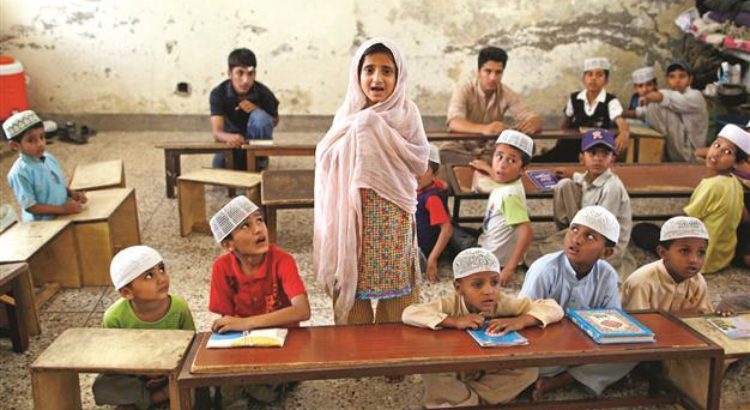
http://www.forumlibertas.com/pakistan-piden-erradicar-la-intolerancia-religiosa-traves-la-educacion/

Comparte este contenido:

RD y seis países latinoamericanos analizarán en Ecuador los retos de la educación

República Dominicana/21 de Abril de 2018/El Día

Rectores y directivos del áreas de educación de Argentina, Perú, República Dominicana, México, Colombia, Chile y Ecuador se reunirán la próxima semana en Quito para analizar los nuevos retos de la educación y contribuir a su transformación digital, informaron hoy a Efe los organizadores.

La cita anual de la RedTikal 2018, que tendrá lugar entre el 23 y 24 de abril y que se desarrollará en Escuela de Negocios de la Universidad Técnica Particular de Loja (UTPL), reúne a los expertos en el encuentro denominado ““Universidad y sociedad ante los nuevos retos- papel de la RedTikal” RedTikal es una iniciativa de la Escuela de Organización Industrial (EOI), la primera Escuela de Negocios de Europa, que junto a otras instituciones asociadas, universidades y escuelas de negocios del mundo, se reúnen para compartir buenas prácticas, explican los organizadores del encuentro en un comunicado.

La cita pretende afianzar relaciones con las universidades y escuelas de negocios que son miembros de la RedTikal y generar propuestas académicas y de investigación para mejorar las prácticas en América Latina referentes a áreas como- tecnología, innovación y conocimiento.

“Con el objetivo principal de potenciar la transformación de las industrias educativas en la nueva era digital, los asistentes serán parte de ponencias, paneles sobre emprendimiento y programas de máster en universidades de investigación, teniendo también la posibilidad de conocer distintas oportunidades de movilidad estudiantil”, añaden en el escrito.

Leonardo Izquierdo, coordinador del área administrativa de la UTPL, compartirá la experiencia de impartir programas de cuarto nivel en Latinoamérica, a fin de intercambiar opiniones con los representantes de las demás instituciones de educación superior que se den cita al evento.

Fuente: http://eldia.com.do/rd-y-seis-paises-latinoamericanos-analizaran-retos-de-la-educacion/

Comparte este contenido:

Italia: Innovare la didattica a Scuola, ecco le condizioni: il ruolo del docente

Italia/21 aprile 2018/Por: Rosa Bottino/Agenda Digitale

Metodologie e attività innovative possono entrare nella scuola e modificare i processi di apprendimento e insegnamento, Ma perché ciò avvenga occorre creare le giuste condizioni, partendo da una rilettura del ruolo e dei compiti dei docenti e tenendo conto delle nuove necessità educative in una società sempre più complessa.

La sfida dell’innovazione educativa non è una questione meramente legata alla tecnologica, né unicamente una questione disciplinare o metodologica. Si tratta, piuttosto, di tener conto di una dimensione più ampia, legata ai cambiamenti in atto nella società che, direttamente o indirettamente, influenzano il cambiamento culturale della scuola.

C’è, infatti, un crescente bisogno di dare a tutti gli studenti metodi, strumenti e abilità che li mettano in grado di rapportarsi efficacemente con una società sempre più accelerata e complessa a cui le tecnologie digitali ma anche la globalizzazione delle relazioni, lo sviluppo scientifico, il crescere dei flussi migratori, le trasformazioni delle strutture familiari e dei comportamenti sociali, per citare solo alcuni dei fattori principali, pongono nuove sfide e necessità.

Alla scuola si richiede, di conseguenza, di dare risposte di qualità senza perdere la sua vocazione di scuola per tutti. Occorre, quindi, far fronte a nuove necessità educative sviluppando competenze che permettano agli studenti di affrontare con strumenti adeguati una realtà profondamente cambiata, ma c’è anche la necessità di superare difficoltà che, seppur tradizionalmente presenti nei nostri sistemi educativi, hanno bisogno di essere affrontate con nuovi strumenti e strategie. Si pensi, ad esempio, alle difficoltà messe in luce da studi internazionali[1] in settori fondamentali per la preparazione di tutti gli individui quali la matematica, le scienze, la lingua.

Creare le condizioni per l’innovazione a scuola

È lecito domandarsi in che modo metodologie ed attività innovative possano entrare nella pratica scolastica e come possano modificare i processi di apprendimento ed insegnamento. Occorre, a questo proposito, fare alcune premesse.

L’innovazione didattica non è un fatto isolato. Può essere prodotta anche indipendentemente da singoli docenti o gruppi di docenti, ma avviene in maniera radicata e durevole solo se a scuola si creano le giuste condizioni.

La possibilità di poter avere un certo grado di flessibilità per quanto riguarda la gestione del tempo, l’articolazione disciplinare e il coordinamento degli ambienti di apprendimento è sicuramente una delle condizioni necessarie. Così come la collaborazione a livello di istituto e il superamento dell’isolamento dei singoli insegnanti, specie quelli più innovatori.

I docenti dovrebbero condividere una visione del sapere e dell’apprendimento che superi l’idea della trasmissione diretta della conoscenza e si dovrebbe arrivare ad una rilettura del ruolo e dei compiti del docente, di che cosa si debba intendere per “studente competente”, nonché delle pratiche didattiche più adeguate al raggiungimento dei diversi obiettivi.

Inoltre, è opportuno tener conto di alcuni aspetti:

  • L’innovazione delle metodologie didattiche non può che essere un processo che ha bisogno di tempo per essere metabolizzato ed efficacemente attuato.
  • Modalità didattiche innovative non devono necessariamente sostituire le altre modalità tradizionali ma dovrebbero essere progressivamente presenti nel percorso educativo, anche attraverso una introduzione per gradi.
  • Gli insegnanti devono appropriarsi di tali modalità e non vederle come forme “episodiche” di didattica.
  • L’innovazione didattica dovrebbe idealmente essere una scelta condivisa fra insegnanti di una stessa scuola o rete di scuole e non prerogativa del singolo insegnante.
  • La formazione degli insegnanti deve rivestire un ruolo chiave a tal proposito e dovrebbe essere attuata anch’essa mettendo in atto metodologie innovative, quindi, in generale, dovrebbe avere una forte valenza di auto-efficacia, di soddisfazione, di motivazione e di coinvolgimento.

Scuola, nuove competenze e nuovi modi di apprendere

Nuove caratteristiche del sapere: non possiamo più fare riferimento ad un corpo stabile di conoscenze ma tener conto che il sapere è in rapida evoluzione, dinamico, interdisciplinare, più difficilmente categorizzabile, sempre più legato ad un approccio computazionale.

Praticamente in tutti i settori bisogna considerare che è in atto un adattamento dell’attività umana alle caratteristiche e alle possibilità date dalle tecnologie digitali. Ad esempio, la modellizzazione computazionale e le simulazioni numeriche cambiano la natura del fare scienza e si estendono anche alle discipline umanistiche con nuove implicazioni a livello cognitivo, sociale, antropologico ed economico.

Nuove conoscenze e competenze: competenze legate alle basi fondanti delle discipline tradizionali ma anche competenze e attitudini trasversali, utili per adattarsi ai cambiamenti che caratterizzano un ambiente dinamico e in equilibrio precario; conoscenze legate ad un sapere che è sempre più dinamico, olistico e situato.

Dagli interventi educativi ci si aspetta, quindi, a tutti i livelli, lo sviluppo del pensiero critico, dell’iniziativa personale, di saper imparare ad imparare e a confrontarsi con culture diverse e con un sapere distribuito e complesso, piuttosto che lo sviluppo dell’attitudine a svolgere azioni specifiche e l’acquisizione di informazioni e procedure predeterminate.

Occorre che gli studenti siano in grado di sviluppare (e questo lo chiede il mondo del lavoro) competenze trasversali ad ogni settore e ambito occupazionale; che siano in grado, cioè, di risolvere problemi affrontando la ricerca di soluzioni con duttilità e flessibilità; che imparino ad acquisire autonomia di giudizio, pensiero creativo, consapevolezza delle proprie capacità; che sappiano rendere gradualmente concrete ed operative le proprie idee.

Le competenze digitaliil digitale è stato troppo spesso considerato come il regno della granularità e della frammentazione e spesso le competenze digitali sono state fatte coincidere sostanzialmente con la capacità di utilizzare operativamente applicazioni e tecnologie. Oggi non è più così: la produzione di contenuti digitali diventa sempre più articolata e complessa e richiede competenze adeguate che vanno al di là del semplice utilizzo di applicazioni. Occorrono, infatti, non solo competenze tecnologiche e operative, ma anche competenze logiche, computazionali, argomentative, semantiche e interpretative. Inostri studenti, come raccomandato anche dall’OCSE, devono trasformarsi da consumatori in “consumatori critici” e “produttori” di contenuti e architetture digitali. Una delle sfide formative forse più impegnative che abbiamo davanti è relativa allo sviluppo delle capacità necessarie per reperire, comprendere, descrivere, utilizzare, produrre informazione complessa e strutturata, tanto nell’ambito scientifico e tecnologico quanto in quello umanistico e sociale.

Le nuove generazioni e i nuovi modi di apprendere: se pensiamo che l’ambiente in cui viviamo sta progressivamente diventando un ambiente in cui il digitale ha un peso sempre più forte dobbiamo assumere come riferimento un paradigma di apprendimento che superi il tradizionale modello fondato sulla trasmissione di conoscenze e sulla compartimentazione disciplinare e fare riferimento ad un modello di apprendimento che sia sintonizzato anche sulle caratteristiche e sulle opportunità offerte dal digitale: cioè un apprendimento di tipo socio-costruttivo, auto-regolato, situato, collaborativo.

Fuente: https://www.agendadigitale.eu/scuola-digitale/innovare-didattica-e-scuola-si-puo-ecco-come-creare-le-condizioni/

Comparte este contenido:

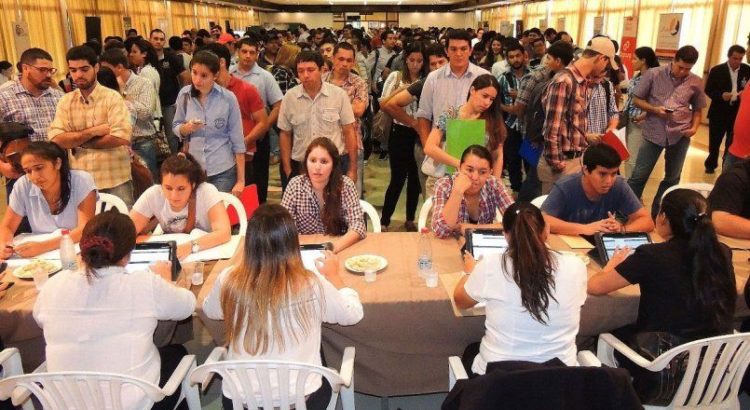
Paraguay: Qué hacen ante el desempleo juvenil

Paraguay/21 de Abril de 2018/ABC

La tasa de desempleo juvenil en Paraguay ronda el 12% y este porcentaje se ha mantenido la última década. Como respuesta a esto, el Gobierno asegura que ha implementado varias estrategias. Esto es lo que ofrecen a los jóvenes actualmente.

Según el ministro de Trabajo, Guillermo Sosa, desde el inicio de la administración actual, el empleo juvenil fue una de las prioridades, por lo que han trabajado en varias estrategias para paliar sobre todo el desempleo juvenil femenino.

Esto en alusión a los últimos datos de la última Encuesta Permanente de Hogares (EPH), que habla de un desempleo juvenil del 12%. Esto se agrava al hablar sólo de la población femenina y más si son mujeres del sector rural.

En este sentido, Sosa respondió que son varios los avances que se lograron para paliar esta problemática, entre ellos la entrada en vigencia de la Ley 49517/2013 de Inserción al Empleo Juvenil, a través de su reglamentación por decreto del Poder Ejecutivo y la asignación de los primeros presupuestos para su ejecución, como así también, “insistimos en la necesidad de que la población joven se capacite en tareas propias de mandos medios y oficios. La incorporación de la fuerza de trabajo a cursos ha sido realmente importante”, explicó a ABC Color.

En el año 2013, el Reporte Global sobre Competitividad del Talento Humano ubicaba al Paraguay en el lugar 60 entre 103 países, en lo que se refiere al número de integrantes dentro del total de la fuerza laboral que participaban de cursos técnicos de capacitación. Para el 2017, la ubicación de Paraguay había ascendido al lugar 46 entre 119 países. Respecto a esto, señaló que “este número refleja la creciente conciencia de que los trabajos en oficios y en actividades propias de mandos medios son una opción laboral válida para generar ingresos y lograr buena calidad de vida”.

Según datos que maneja el Ministerio del Trabajo, en lo que se refiere a la asistencia a cursos, en el año 2017 el Servicio Nacional de Promoción Profesional (SNPP) registró una presencia mayoritariamente femenina en sus cursos, incluso en áreas no tradicionalmente femeninas como, por ejemplo, la robótica y la mecatrónica. Además, el programa de aprendizaje joven ha incorporado la metodología del aprendizaje dual, con óptimos resultados en los cursos de auxiliares de gestión de supermercados. “Destacamos que hemos incorporado aulas móviles, con cursos que pueden llevarse hasta las localidades del país donde no hay locales del SNPP. Estas aulas pueden funcionar (y así ya lo hemos hecho) anexas a los locales educativos de nivel medio para ofrecer cursos vocacionales y técnicos complementarios a la educación formal”, indicó el secretario de Estado.

Dijo que al ubicar las políticas de empleo en el centro de las políticas sociales, “hemos podido constatar que la mayoría de los sujetos de programas sociales dirigidos a jóvenes participa de los cursos de formación del SNPP”.

PLATAFORMA PARAGUAY PUEDE MÁS, PARA BUSCAR EMPLEOS

Informó que si bien actualmente implementaron el uso de tecnología para la inserción laboral con la Plataforma Paraguay Puede Más (un sitio web que cuenta además con una aplicación donde los jóvenes pueden registrarse para conseguir empleo), que es más viable en las poblaciones más jóvenes, “debemos trabajar sobre el uso efectivo de estas tecnologías: tenemos una importante penetración de internet, pero no se utiliza –por ejemplo— para búsqueda de empleos. Debemos trabajar más en adopción de estas tecnologías”.

Para registrarte en la Plataforma Paraguay puede más, hacé click aquí.

Recordó además que, los servicios de empleo también cuentan con orientadores profesionales que ayudan a la gente joven a identificar su potencial para determinado tipo de empleos, y cómo desarrollar el potencial a través de la capacitación.

La alianza entre entidades públicas y privadas es considerada un complemento fundamental tanto para fomentar el empleo juvenil como mejorar sus condiciones laborales, según lo había dicho Anuar Gossen, de la Secretaría de la Juventud. En este sentido, Sosa explicó que se han firmado varios acuerdos con otras entidades públicas y privadas, como la Alianza NEO (New Employment Opportunities – Nuevas Oportunidades de Empleo) y el Programa Sape’a, ejecutado en conjunto con Plan Internacional, para promover la empleabilidad y el emprendedorismo en la población adolescente y joven de zonas rurales. “Las sinergias, a su vez, de estas iniciativas entre sí y con otras alianzas, ha favorecido el uso óptimo de recursos disponibles, de manera más eficiente, incrementando las oportunidades de inserción laboral juvenil formal”, puntualizó.

RECONOCE FALENCIAS

El ministro reconoció que existen numerosas falencias: desde el sistema educativo, que aparentemente no logra sintonizar con exigencias básicas de toda actividad (competencias requeridas para el trabajo en equipo, valores, comunicación, calidad y compromiso con la tarea, etc.); hasta la formación específica que precisa ampliarse para llegar a más jóvenes. “También hay que superar prejuicios respecto de los y las jóvenes por parte del empresariado: la juventud se caracteriza por su capacidad de aprender rápidamente, por lo que puede contribuir al crecimiento de la productividad”, puntualizó.

Se refirió además a falencias estructurales, como un deficiente sistema de transporte público, que impide que mucha gente joven, especialmente mujeres, decidan realizar cursos de formación profesional y capacitación laboral, ya que éstos suelen tener lugar en horario nocturno.

Por otro lado, informó que a nivel macro, recientemente se llevó a cabo una reunión con el Ministerio de Educación y el Ministerio de Agricultura para mejorar nuestro acercamiento a la juventud rural, especialmente a la mujer joven rural. “Estamos también mejorando la infraestructura de la Escuela Agrícola del SNPP en Choré; y hemos incorporado una oficina móvil de empleo que realizará tareas de intermediación laboral en el medio rural, con apoyo de la Aecid. Precisamente es en este nivel donde se encuentra la mayor problemática de empleo, y actualmente es donde se concentran nuestras prioridades”, finalizó el ministro.

Fuente: http://www.abc.com.py/especiales/fin-de-semana/que-se-hace-para-contrarrestar-el-desempleo-juvenil-1694768.html


Comparte este contenido:
Page 2645 of 6196
1 2.643 2.644 2.645 2.646 2.647 6.196