Page 2666 of 6196
1 2.664 2.665 2.666 2.667 2.668 6.196

Misiles contra la educación en Siria

Siria/14 de Abril de 2018/El Mundo

Pupitres vacíos en Madrid, contra la destrucción de las escuelas sirias

«Una generación completa de niños no pueden aprender a leer ni a escribir»

El presente y futuro de dos millones y medio de menores sirios se escribe sobre pupitres vacíos. La mitad de las escuelas han sido derruidas y los centros escolares que aún siguen en funcionamiento, sin electricidad ni gas, han tenido que trasladarse a los sótanos por seguridad y solo abren un par de horas al día, según denuncia Save the Children.

Durante los dos primeros meses de 2018, en zonas como Guta, más de 60 escuelas han sido destruidas y más de 57.000 niños se han visto obligados a dejar de asistir a clase. Esas mesas vacías de oportunidades después de siete años de guerra han sido colocadas por esta ONG hoy en las calles de diferentes ciudades españolas, entre ellas Madrid, en el marco de la campaña #NuncaSerán para que esos datos no caigan en el olvido.

«Desde mediados del año pasado, los niveles de violencia en Siria, lejos de reducirse, están aumentando de forma alarmante, especialmente en las llamadas ‘zonas de distensión’, establecidas como seguras para los civiles. Hospitales y escuelas siguen siendo objetivo de los bombardeos. En zonas como Guta, más de 60 escuelas han sido destruidas durante los dos primeros meses de 2018 y más de 57.000 niños han perdido la oportunidad de ir a clase», apunta esta organización en defensa de los derechos de la infancia.

«Mis hijos no están seguros en el colegio. Estamos perdiendo a una generación completa de niños que no pueden aprender a leer ni a escribir. No quiero enviarlos a la escuela si abre porque sé que irán un día pero luego estará cerrada otros 10 por los bombardeos», relata a Save the Children Qamar, una madre desplazada en Idlib.

Una reciente encuesta realizada por la ONG a cerca de 2.000 niños y niñas de entre cinco y 11 años en el noreste de Siria deja de manifiesto las secuelas irreparables que ha dejado siete años de guerra en la educación de los niños: más de un tercio de los alumnos de entre nueve y 11 años tienen un nivel de lectura de un niño de cinco años; casi la mitad de estos niños no pueden resolver un problema de matemáticas que normalmente se enseña a niños de cinco años e incluso algunos ni siquiera son capaces de reconocer las letras y los números.

«El acceso a la educación durante un conflicto ofrece a los alumnos un importante resguardo y sensación de estabilidad. La seguridad en las escuelas ayuda a mitigar los efectos psicológicos de la guerra y protege a los niños además de las redes de trata y de ser reclutados por grupos armados», subraya Andrés Conde, director general de Save the Children, que reclama a la Unión Europea un mayor compromiso respecto a la protección de la infancia, planes de acogida y que exija que «las escuelas dejen de ser objetivos militares» e «investigaciones independientes sobre todos los ataques a colegios y hospitales y el resto de violaciones del Derecho humanitario internacional».

Fuente: http://www.elmundo.es/madrid/2018/04/13/5ad097c0ca47418d058b459a.html

Comparte este contenido:

United States: Where will the struggle lead Kentucky teachers?

United States / April 14, 2018/Socialistworker

Resumen: Las protestas representan la continua urgencia del recrudecimiento que ha convertido a Kentucky en otro sitio de las rebeliones de los maestros que barrieron al oeste de Virginia Occidental a través de estados que anteriormente se consideraban conservadores como «el país Trump»

Pranav Jani talked to Kentucky teachers on a visit to the state about how their struggle has developed–and what this weekend’s plans for more protests will bring.

KENTUCKY TEACHERS, education workers and their supporters will gather once again on April 13 and 14 for rallies at the state Capitol in Frankfort.

The protests represent the continuing urgency of the upsurge that has made Kentucky another site of the teachers’ rebellions that swept west from West Virginia through states formerly considered to be conservative «Trump country.»

At the same time, the demonstrations today and tomorrow highlight some of the dynamics and debates that teachers need to consider for the movement to succeed.

At the start of April, an estimated 12,000 teachers and supporters descended on Frankfort, sparked into rebellion specifically by a disastrous attack on public employees’ pensions passed late on March 29 under the camouflage of legislation about sewer construction.

The next morning after this late-night legislative sleight of hand, teachers–led by the grassroots group #KY 120 United–shut down schools in 20 counties through coordinated sick-outs, and many traveled to the capital to send a message to lawmakers.

The tactic of the sick-out was used effectively again on April 2 as politicians considered anti-worker budget and tax legislation. Schools that weren’t closed because of spring break in most of Kentucky’s 120 counties were shut down again, and the turnout in Frankfort was the biggest yet.

Though some educators continued sick-outs or other protests in that first week of April, many looked ahead to April 13–when the legislators’ recess ended and lawmakers would convene again–as the next date for a mobilization.

Developments between April 2 and April 13 highlight the questions that need to be addressed if the movement that shook Kentucky at the start of the month is going to be able to break the stranglehold on public education that is choking teachers, education workers, students and parents.

Above all, the need for a united mobilization of teachers–which was the basis for putting pressure on the legislature last week–is clear.

IN MY trip to Kentucky on April 9 and in conversations over the last two weeks, I’ve had the opportunity to speak with teachers who are in the thick of the struggle, parents and activists who are building solidarity, and supporters who understand its historical impact.

These individuals’ dedication to local organizing and the long-term struggle bodes well for the movement. At the same time, people spoke of the challenges they face–from the actions of politicians and school officials, but also debates within the movement–as they try to continue a struggle that has been months and months in the making.

All this has made for a complicated picture in the period between April 2 and April 13–when work stoppages have been attempted, but not continued; when the politicians have been forced to shift, but have slithered into new positions; and when grassroots groups have been built, but have had to fight hard to stay unified.

As we know from history, no movement or struggle ever develops evenly, going from advance to advance.

The situation in Kentucky is complicated by dynamics that will be familiar from past struggles: debates over what to do next when pressure on lawmakers isn’t enough; discussions about whether or not to strike; the complications of people in different communities with different considerations needing to figure out how they can speak with one voice.

As in all struggles, there’s an ongoing debate about the politics and aims of the movement.

As James Miller, a teacher at duPont Manual High School in Louisville said, some people are fighting only to stop the attack on teachers’ pensions or head off measures to undermine public education–whereas others, including himself, want:

to seize this opportunity to demand significant improvements to public education instead of merely defending the status quo. We want to protect our students by demanding the elimination of legislation that would further criminalize Black and Brown youth and an end to zero-tolerance policies. We want to protect our students’ families by opposing regressive sales taxes and flat taxes.

More than 3,000 people have signed a petition created by Miller that ties the fight for schools to the larger struggle for social justice.

Teachers of all views are still in motion to put forward their grievances–and they know they have the support of many people around them.

Krystal Spencer, with Save Our Schools Kentucky and one of the organizers of the rallies on April 13 and 14, says she’s confident that the rallies will be big, «hopefully bigger than [April 2].»

Citing the many groups that are coming together–including Indivisible, Planned Parenthood, Kentuckians for the Commonwealth, and university groups–Spencer noted how many of these organizations don’t represent teachers, but are participating.

Meanwhile, I heard reports of radicalized teachers who are calling off work this Friday and sending delegations to Frankfort–while working patiently with local groups in their schools who aren’t ready for a strike and have never heard the word «wildcat,» but remain very curious about the strategy.

THE LEGISLATIVE details in Kentucky are complicated, but they are important for understanding the strategic obstacles that teachers have to face.

Even as protesters were leaving the statehouse after their biggest demonstration on April 2, the Republican-led legislature passed a budget bill and a tax «reform» bill that are anti-worker and anti-poor. Yet the GOP claims the balance between the two would benefit education.

The legislature put these bills on the desk of Gov. Matt Bevin, a Tea Party favorite, and then left for a short recess until April 13.

Several teachers’ groups aimed to continue the momentum generated by April 2, with calling sick-outs, grassroots food drives and marching through their towns. But the Kentucky Education Association (KEA) send out a memo to members saying that the union didn’t support work stoppages at this time, and everyone should look to April 13.

On April 6, for example, the union issued a statement that, unfortunately, echoes some of the rhetoric that education bosses use against all teachers’ strikes: «Our students need us to show up for them in classrooms and schools. We urge educators statewide not to allow our united efforts to be compromised by continued calls for action that deprive students, parents and communities of the educational services we provide.»

Meanwhile, between April 2 and April 13, crafty Republican politicians and their ruling-class masters were busy creating a lose-lose situation for those seeking a legislative solution to the attack on education and the social crises in Kentucky–while adding lots of confusion to the process.

On April 9, Bevin vetoed the budget and tax bills put forward by his own party, stating that he wants more «comprehensive tax reform» and a «balanced budget»–code words for deeper tax cuts for the wealthy and austerity for the 99 Percent. This set up a challenge to the legislature to try to override the vetoes on April 13 and 14. Bevin signed the pension bill that sparked the teachers’ uprising.

The Democratic minority in the legislature, which has religiously opposed Bevin, supportshis vetoes and will vote against overriding them, on the basis that they are opposed to the budget and tax bills that passed.

On the other hand, the KEA and its affiliates have called for Bevin’s vetoes to be overridden–a de facto defense of the Republican legislature’s bills.

The logic of the position was explained in a statement from the Jefferson County Teachers Association (JCTA), which contended that, while the union «does not agree with some of the regressive ways the revenue bill generates new revenue, but without a revenue bill, Kentucky will lose hundreds of millions of dollars in funding for public education.»

The unions are right that Bevin vetoed these bills from the right, not the left. But it seems problematic to accept the original legislation, which are clearly regressive and harmful in various ways, as a kind of lesser evil.

Indeed, as so many teachers and supporters expressed in face-to-face discussions, what galvanized them to take action is the general and ongoing attack on education in the midst of a deep social crisis in Kentucky–not a dispute between two versions of budget cuts, two versions of tax cuts for the rich, and two versions of tax hikes that hit poor and working people.

EVEN ACTIVISTS who have organized outside the KEA have debated what path to follow in this confusing situation.

Internal discussions within the #KY 120 United this week revealed disagreement about whether or not to call for work stoppages, and whether or not to settle for the legislature’s original budget and tax bills.

Most of the teachers and others I met remained sympathetic to both the KEA and KY 120 United, even if they disagreed with the positions they have taken regarding the legislation.

After Bevin’s open and disparaging attacks on KEA as «a problem,» there was no question about this–even when one teacher defending the KEA against Bevin said she wished they would be «more of a problem.»

Thus, people who are part of KEA, KY 120 United and school-specific groups, many at the same time, are seeking for teachers to figure things out together as part of a longer struggle against a tough set of opponents. Perhaps some of the momentum of April 2 has fallen off, and no one wants to be pushed into choosing between Republican Plan A and Republican Plan B.

Plus, if we look at what teachers and supporters did accomplish in the «in-between» period, it’s clear how powerful the movement is at the grassroots level. With many teachers not being sure about an ongoing strike, a preparation period may have been exactly what was needed.

In Jefferson County–the state’s most populous county that includes Louisville and the surrounding area, there was an attempt to close schools through sick-outs on April 9, though participation wasn’t strong enough to shut down the schools.

In Pike County in eastern Kentucky, along the border with West Virginia, teachers laid out a week of actions leading up to April 13, including pressuring the Chamber of Commerce for supporting the pension bill.

FOR TEACHERS and activists I met from Northern Kentucky and Lexington, the «in between» meant local meetings with activists, talking to parents about the importance of taking action, and working with others to discuss building solidarity.

«Teachers in my building are hungry for info and action in a way they haven’t been before,» said Molly Seifert, a teacher at Beechwood High School in Northern Kentucky. Seifert noted that the organizing meetings she was part of now drew about 10 times more people than KEA meetings months before.

«I’m advocating for ‘the Pike County plan’ for the rest of the week: local action and then Frankfort on Friday,» Seifert said. «I’m also advocating for a long-term group like this that meets regularly and builds on this momentum.»

Laura McMullen, a teacher at Holmes Middle School in Covington, said: «We were ready last week, and we’re still ready.»

McMullen described the impact of the social crisis, especially in poor schools like hers:

Our class sizes are already at cap. So with all of these resources being pulled, and teaching a group of 31-32 kids, how can I ensure that all their needs are getting met, that their IEPs (Independent Education Plans) are being followed…Our school has a very high rate of special needs kids, and our transience rate is very high, with so many kids homeless at any given time.

So when they cut funding for those kids, for after-school programs, for extracurriculars, what are they going to do? We feed kids breakfast, lunch and dinner–where are those kids going to get that? Busing is very expensive–we have no way to bus these students. If the goal isn’t to bankrupt public schools, then I’m not really sure I know what it is.

Rose Curtin, a parent in the Newport Independent Schools system and member of a local School-Based Decision-Making Council and a Family Resource Center board, explained how poorer, non-white schools would be particularly devastated by the legislation being considered:

I’ve served on hiring boards, and I already know how hard it is to hire teachers to come into a high-poverty, urban school where there are a lot of challenges, and I strongly believe that this is meant to target those places first.

Because Fort Thomas schools are not going to have a hard time, with a wealthy tax base and a lot of extra support. They’re not going to struggle to get new teachers the way that I suspect we in Covington and Newport are going to in order to get people to come in, especially if there’s no pensions and they have significant student debt burdens.

THE EFFORTS of Kentucky activists to build solidarity is inspirational–and exactly what will be required to combat a social crisis with no real legislative solution in sight.

In Seifert’s region, KY 120 United made «plans of reaching out to parents in meetings at local libraries,» she said. «For the first time in my 17 years of teaching, activists from Boone County, Kenton County, Dayton Independent, Beechwood and Covington Independent are working together on a project like this.»

Curtin, who is also a member of the Democratic Socialists of America’s Metro Cincinnati and Northern Kentucky branch, heads up the Kentucky Teachers Strike Fund, to organize concrete solidarity should educators decide to walk out.

From the experience of a family member who lost her job after participating in a strike, Rose is aware of «just the amount of work that a work stoppage is [and] the financial and emotional effects that it has.» The fund, organized jointly by four DSA chapters across Kentucky, was formed after consulting with DSA members in West Virginia who had set up a similar fund for a coalition of groups.

Drew Van’t Land, an organizer for the Kentucky Workers League in Lexington, talked about organizing solidarity through helping working-class parents who might have trouble with childcare, and helping to «combat the narrative that their interests are somehow not aligned with those of the teachers.»

Everyone I talked to, even if skeptical about the future given the difficulty of the task before Kentucky teachers, underlined the gains that the struggle had already made.

Geoff Sebesta of the Lexington DSA said that teachers’ self-organization and solidarity had contributed to «the legislature being clearly scared as hell.»

«The floodgates have been opened by what’s happened in West Virginia,» said Drew Gerbel, the sibling of a teacher and an activist in his own right. «The example has been set. Look what power exists in the working class. But I don’t think people realize it 100 percent yet.»

It does take time for people across a whole state and with so many different circumstances and ideas to realize that strength–and there are no guarantees that the teachers will be able to win what they are fighting for.

But with all that remains to be done, something fundamental has already been gained. As Miller said to me:

There are too many unknowns to predict the future….But one thing will not change: Kentucky teachers are angry, and they will not be easily placated.

Already dozens of Kentucky educators have registered to run for state and local offices in campaigns specifically targeting incumbents who voted in favor of the governor’s anti-public education agenda. Already hundreds of Kentucky teachers have repeatedly swarmed the state Capitol in rowdy protests. Already thousands of Kentucky teachers have participated in a wildcat sick-out strike.

The future is unpredictable, but it will belong to us.

Fuente: https://socialistworker.org/2018/04/13/where-will-the-struggle-lead-kentucky-teachers

Comparte este contenido:

Estados Unidos: Donald Trump ordena un ataque contra Siria

Estados Unidos/14 de Abril de 2018/El Nuevo Día

El presidente de Estados Unidos tomó la acción en conjunto con Francia y Reino Unido.

Estados Unidos lanzó «ataques de precisión” contra blancos asociados con el programa de armas químicas de Siria, confirmó esta noche el presidente Donald Trump.

En un discurso pronunciado desde la Casa Blanca, Trump dijo que una “operación combinada” con Francia y Reino Unido está en curso.

La acción bélica que tomó el primer ejecutivo se debe a que el sábado pasado el presidente sirio Bashar Assad llevó a cabo una “significativa escalada de un patrón de uso armas químicas por parte de ese terrible régimen”.

Trump aseguró que Estados Unidos no busca con este ataque «una presencia indefinida» en Siria y prometió que retirará sus tropas una vez que el Estado Islámico sea totalmente derrotado.

Pidió, además, una «oración por nuestros nobles guerreros» que participan de la operación contra el régimen sirio al concluir su mensaje.

Mientras daba su mensaje desde Washington, fuertes explosiones iluminaban el cielo de la capital siria mientras. Poco después, la agencia estatal siria, SANA, aseguraba que las fuerzas de defensa aérea del país «están haciendo frente al ataque estadounidense-franco-británico contra Siria».

En referencia a Rusia e Irán, Trump preguntó: “¿Qué tipo de nación quiere asociarse con el asesinato masivo de hombres, mujeres y niños inocentes?”.

“Esta noche, les pido a todos los estadounidenses que recen por nuestros nobles guerreros y nuestros aliados mientras llevan a cabo sus misiones. Oramos para que Dios traiga consuelo a los que sufren en Siria”, dijo el presidente.

Esta es la segunda ocasión en que Trump ordena ataques en Siria. En abril de 2017 autorizó el lanzamiento de misiles Tomahawk contra una base aérea siria en represalia por el uso de gas sarín contra civiles por parte de Assad.

https://youtu.be/8PDgOQtPRDI

De inmediato, Mac Thornberry (Texas), el presidente del Comité de Fuerzas Armadas de la Cámara de Representantes, apoyó la decisión de Trump.

«El uso que hace Asad de armas químicas contra civiles inocentes es inaceptable. Igualmente preocupante es que ese ataque es parte de una tendencia en el uso de armas químicas por todo el mundo, con el  apoyo de  Rusia. Estados Unidos y nuestros aliados no pueden tolerar estos ataques. Apoyo la decisión del Presidente de llevar a cabo esta huelga junto con nuestros aliados. Sigue habiendo preguntas difíciles sobre el futuro de nuestra política en Siria, pero esas preguntas no deberían restar justicia a las acciones de esta noche», dijo el republicano.

Por su parte, el vicepresidente estadounidense, Mike Pence, abandonó hoy prematuramente la ceremonia de inauguración de la VIII Cumbre de las Américas y regresó a su hotel en Lima, mientras la prensa especulaba sobre el posible anuncio de Washington relativo a Siria.

Pence, quien debía asistir a la ceremonia de inauguración y después a un banquete, se dirigió a su hotel poco después de llegar al Gran Teatro Nacional de Lima, mientras la Casa Blanca convocaba en Washington a los periodistas sin dar más explicaciones.

Trump se reunió hoy con su equipo de Seguridad Nacional para evaluar su respuesta al presunto ataque químico del pasado fin de semana en Siria, al que había prometido responder de forma «contundente» y probablemente por la vía militar.

Fuente: https://www.elnuevodia.com/noticias/eeuu/nota/donaldtrumpordenaunataquecontrasiria-2414562/

Comparte este contenido:

India: Las universidades públicas que no participen en el ranking del país podrían enfrentar sanciones

Asia/India/universityworldnews.

Prakash Javadekar, ministro de desarrollo de recursos humanos de la India responsable de la educación superior, ha dicho que las universidades públicas que no participen en el ranking del país podrían enfrentar sanciones, posiblemente recortes de fondos.

La advertencia fue emitida después de que varias universidades no pudieron proporcionar datos y documentación para los últimos rankings nacionales publicados la semana pasada.

Por ejemplo, algunos de los 90 colegios constitutivos de la Universidad de Delhi no proporcionaron datos y, como resultado, el ranking de la universidad en su conjunto -es el séptimo en la lista de universidades- puede no ser un fiel reflejo de su fortaleza.

La participación en los rankings, presentada por primera vez hace tres años, había sido opcional. Este año, 4.500 instituciones participaron en el ranking del Ministerio de Clasificación Institucional Nacional (NIRF) en comparación con 3.300 en 2017, pero una fuente del ministerio dijo que el ministerio esperaba que unas 10.000 universidades e institutos brinden información.

Javadekar dijo el martes pasado que todos los colegios y universidades públicas deben participar. «Las instituciones públicas que no tomarán parte en esto enfrentarán un recorte de fondos», dijo.

La clasificación nacional de este año agrupa a las instituciones en nueve listas clasificadas por separado que comprenden la categoría general, universidades, facultades e ingeniería, derecho, administración, medicina, Las

principales instituciones en los últimos rankings se encuentran principalmente en las ciudades más grandes de la India con el Instituto de Ciencias Indio (IISc) en Bangalore, la mejor institución en general. el país por tercera vez consecutiva, aunque los funcionarios dijeron que su puntaje había disminuido levemente. Los Institutos Indios de Tecnología (IIT) en Madrás, Bombay, Delhi y Kharagpur ocuparon los siguientes cuatro lugares con Jawaharlal Nehru University (JNU) en Nueva Delhi, sexto .

iisc encabezó la clasificación de universidades, seguido de JNU, Universidad hindú de Benarés, Universidad de Anna en Chennai, la Universidad de Hyderabad, Jadavpur Universi ty en Kolkata y la Universidad de Delhi.

Debajo de las universidades, que reciben una ponderación más baja para la investigación, cinco de las 10 mejores fueron universidades constituyentes de la Universidad de Delhi, con Miranda House y St Stephen’s, que participaron por primera vez, encabezando la lista.

Parámetros modificados

Los parámetros utilizados para el ranking de la India 2018 son muy similares a los utilizados en años anteriores «con algunos ajustes aquí y allá», basados ​​en los comentarios de las instituciones, Surendra Prasad, presidente de la Junta Nacional de Acreditación, que acredita a técnicos nacionales programas como gestión e ingeniería, dijo durante el lanzamiento de los resultados de clasificación en Nueva Delhi el 3 de abril.

Las instituciones se analizan y clasifican en función de cinco parámetros, incluidos la enseñanza, el aprendizaje y los recursos, con una ponderación del 30% o del 40%, según la categoría de la institución; investigación y práctica profesional: 30% (o 15% para las universidades); resultados de graduación: 20% (25% para universidades); alcance e inclusión – 10%; y percepción 10%.

Para las universidades, las ponderaciones para la investigación y el desarrollo se han reducido este año «para reconocer el hecho de que las universidades de grado general se dedican principalmente a la enseñanza de pregrado», dijo Prasad. En consecuencia, se han aumentado los pesos para la enseñanza, el aprendizaje y los resultados de graduación.

Para evaluar el impacto de la investigación en particular, se han mejorado los parámetros de calidad de las publicaciones para incluir el número de artículos altamente citados. Este año, la ponderación de los resultados de posgrado se ha incrementado, mientras que las ganancias de patentes se han dejado de lado por falta de datos.

Parte de la información está disponible en la Encuesta de Educación Superior de la India, una base de datos estadísticos del gobierno. Pero el ministerio confía en las propias instituciones para proporcionar detalles sobre patentes, publicaciones, proyectos de investigación y otra información no disponible en el portal.

Precisión y omisiones

«Tuvimos que dejar de lado lo que consideramos una medida importante del rendimiento, un subparámetro bajo investigación llamado ganancias de patentes y derechos de propiedad intelectual [derechos de propiedad intelectual]», dijo Prasad.Aunque el gobierno considera que es una medida importante, las instituciones de autoinforme claramente tenían una «falta de comprensión» de lo que significa.

La intención es traerlo de vuelta en años futuros, dijo Prasad.

Mientras aludía a cierta «inflación de datos creativos» y «algunos administradores muy groseros» durante la fase de recopilación de datos, Prasad dijo que, en general, «las instituciones se han vuelto más meticulosas al proporcionar datos precisos».

«Aunque hay algunas preocupaciones, unas pocas ovejas negras se cuelan en nuestra clasificación de alguna manera cada año, en términos generales, hay una mejora en la calidad de los datos que ahora tenemos que manejar, en los años anteriores».

Del análisis de la datos el ministerio también encontró una correlación entre el rango general de una institución en un campo determinado y el rango de investigación correspondiente de la misma institución, basado en citas externas de datos y publicaciones, señaló Prasad, una indicación de que el sistema basado en el mérito de los rankings indios fue comparable a los rankings internacionales.

Fuente: http://www.universityworldnews.com/article.php?story=20180405200123911

Comparte este contenido:

La película Indian Horse profundiza en la oscura historia de las escuelas residenciales de Canadá

La película sobre un sobreviviente de la escuela residencial Ojibway es producida por Clint Eastwood

América del Norte/Canada/www.cbc.ca

Indian Horse se basa en la aclamada novela del autor canadiense Richard Wagamese sobre un sobreviviente de la escuela residencial Ojibway que enfrenta el racismo y las barreras sistémicas a medida que se convierte en un formidable jugador de hockey. (Devonshire Productions)

Cuando el director canadiense Stephen S. Campanelli mostró su nueva película Indian Horse  a su mentor, Clint Eastwood, el cuatro veces ganador del Oscar no estaba seguro.

En los cines el viernes, el drama se basa en la aclamada novela del escritor canadiense Richard Wagamese, sobre un sobreviviente de una escuela residencial de Ojibway que enfrenta el racismo y las barreras sistémicas a medida que se convierte en un formidable jugador de hockey.

La historia ofrece una visión clara de la historia brutal del sistema de escuelas residenciales en Canadá, y Eastwood fue derribado.

«No lo creía», recordó Campanelli, que creció en Montreal y vive en California, en una entrevista en el Festival Internacional de Cine de Toronto, el pasado septiembre.

«Él estaba como, ‘¿Qué? ¿Los canadienses hicieron esto?’ Dije: «Sí, créelo o no». Él dijo: ‘¿Cómo es que nadie sabe sobre esto?’ Yo dije: ‘Bueno, lo harán pronto’ «.

Eastwood luego firmó como productor ejecutivo para ayudar a promocionar la película.

Una historia que abarca 30 años

«Él dice: ‘La gente necesita ver esta película'», recordó Campanelli, quien ha trabajado con Eastwood como operador de cámara durante más de 20 años.

Los canadienses Sladen Peltier y Ajuawak Kapashesit, junto con el actor estadounidense Forrest Goodluck, retratan al protagonista Saul Indian Horse en tres etapas diferentes de su vida.

La historia abarca 30 años, ya que sigue el viaje angustioso de la familia de Saul y sus experiencias a fines de la década de 1950 en una escuela residencial católica de Ontario, donde los estudiantes enfrentaron abusos y se vieron obligados a abandonar su propio idioma y cultura.

Clint Eastwood firmó como productor ejecutivo de Indian Horse luego de que el director Stephen S. Campanelli le mostrara la película. (Vince Bucci / Associated Press)

Saul se enseña a sí mismo a jugar al hockey y se mueve en las filas del deporte, pero después de una serie de ataques racistas contra él, se da por vencido y tiene que enfrentar su doloroso pasado.

«Creo que una película como esta realmente ayudará a mucha gente a entender, porque en realidad no saca muchos golpes, pero sigue siendo muy cinematográfica», dijo Kapashesit, que es de herencia Ojibway y Cree y nació en Moose. Fábrica, Ont.

«Creo que esta película va a abrir las compuertas de verdades en términos de la historia de este continente», agregó Goodluck, que es miembro de las tribus Dine, Mandan, Hidatsa y Tsimshian y tiene su sede en Albuquerque, Nuevo México.

Dennis Foon escribió el guión de la película, que se rodó en las frías temperaturas invernales y en terrenos abruptos en Sudbury, Ontario, y Peterborough, Ontario.

Los personajes hablan el idioma Ojibway, que se traduce en subtítulos.

Otros miembros del elenco incluyen a la recién llegada Edna Manitowabi, quien interpreta a la abuela de Saul y es una sobreviviente de la escuela residencial.

«No es común que obtenga papeles como este que sean muy veraces y no sean de ninguna manera explotadores», dijo Kapashesit, y señaló que su abuelo y otros miembros de su familia fueron a escuelas residenciales.

«Mantener la conversación en marcha»

Campanelli dijo que el objetivo era mantener las raíces del libro y sus orígenes indígenas y «no hollarizarlo».

Al mismo tiempo, quería darle «una apariencia de gran presupuesto y no hacer que se vea como una pequeña pequeña película canadiense».

«Nuestro mayor objetivo para esta película es mantener la conversación», dijo Campanelli, «para poder darles a las personas una opinión que diga: ‘Wow, no puedo creer que esto haya ocurrido. ¿Cómo puedo ayudar?’ Tengamos una llamada a la acción, hagamos algo al respecto, enloquezcamos, llamemos al gobierno o lo que podamos hacer para ayudar a que continúe así «.

«Porque va a tomar un tiempo. La reconciliación no es algo rápido. Va a tomar el esfuerzo de todos para que funcione».


Fuente: http://www.cbc.ca/news/entertainment/indian-horse-canada-dark-history-1.4614448
Comparte este contenido:

Turquía dice que planea colocar a la cuarta parte de los mejores estudiantes en las escuelas islámicas

Asia/Turquia/ESTAMBUL (Reuters) –

Se espera que casi un cuarto de los estudiantes con mejor desempeño ingresen a las escuelas superiores turcas en las escuelas religiosas Imam Hatip, dijo el jueves el ministro de educación, un nivel que los críticos seculares dicen prioriza injustamente a la educación islámica.

El 10 por ciento de los estudiantes que actualmente están en su último año de escuela intermedia ganará lugares en escuelas seleccionadas bajo un nuevo sistema de exámenes de ingreso en junio, parte de las reformas educativas redactadas según las órdenes del presidente Tayyip Erdogan.

Erdogan dijo que uno de sus objetivos es forjar una «generación piadosa» en la Turquía musulmana y el número de alumnos en las escuelas Imam Hatip, fundadas para entrenar a futuros imanes y predicadores, se multiplicó por cinco a 1,3 millones de estudiantes en los últimos seis años. .

De acuerdo con la guía del sistema de exámenes publicada en el sitio web del Ministerio de Educación, casi 300 de las 1.367 escuelas seleccionadas para recibir estudiantes que aprueban el examen son escuelas Imam Hatip.

El ministro de Educación, Ismet Yilmaz, dijo a la cadena de televisión CNN Turk en una entrevista que la asignación de escuelas religiosas era baja en comparación con la asignación del 62 por ciento para la ciencia y las escuelas secundarias regulares.

«¿Van todos a Imam Hatips? Eso es una exageración «, dijo.»Prevemos que el nivel de Imam Hatips será del 23 por ciento. El veintitrés por ciento no es más grande que 62». 

«No estamos forzando a nadie a hacer nada», dijo, agregando que los padres no tenían que enviar niños a escuelas particulares.

Mientras que los estudiantes de Imam Hatip constituyen el 11 por ciento de la población total de la escuela superior, se les asignó alrededor del 23 por ciento de los fondos en el presupuesto de este año, según un informe de Reuters en enero.

«El gobierno está tratando de dirigir a los alumnos exitosos hacia Imam Hatips al elevar su perfil, al no haber logrado el éxito deseado y aumentar la demanda de ellos», dijo a Reuters el principal diputado del partido CHP Utku Cakirozer.

Más de un millón de estudiantes completarán la escuela intermedia este año y el 90 por ciento que no se sometan a exámenes hará las preferencias para las escuelas cercanas a sus hogares.

Bajo el sistema anterior, todos los estudiantes tomaron el examen de ingreso a la escuela superior y Yilmaz dijo que el nuevo sistema fue diseñado para limitar el número de estudiantes que enfrentan el estrés de los exámenes.

El sindicato de docentes Egitim-Sen dijo en un comunicado que estaba lanzando un desafío judicial al nuevo sistema.

«El AKP sigue insistiendo en una política de hacer que la educación sea religiosa», dijo, refiriéndose al gobernante partido AK de Erdogan.

Fuente: https://www.reuters.com/article/us-turkey-education/turkey-says-plans-to-place-quarter-of-top-students-in-islamic-schools-idUSKBN1HJ2IW

Comparte este contenido:

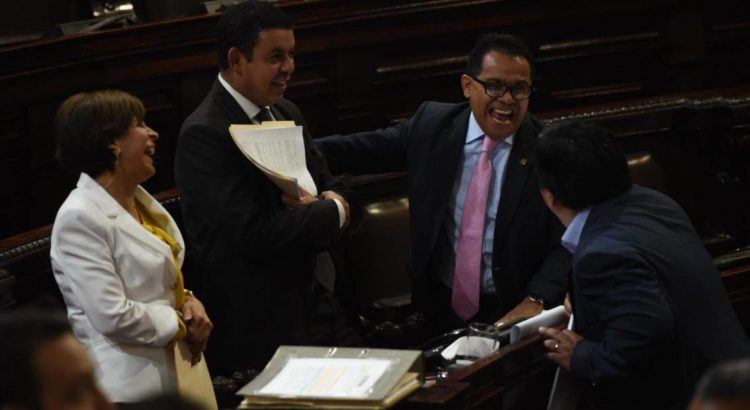
Guatemala: Avanza aprobación de financiamiento para mejorar la calidad educativa

Congreso aprueba en tercer debate préstamos de 150 millones de dólares para Educación

Centroamerica/Guatemala/ publinews.gt/Por Joel Maldonado

Con 95 votos a favor avanzó el proyecto de ley que pretende incrementar y mejorar la cobertura y calidad educativa.

El préstamo por 150 millones de dólares lo gestiona el Gobierno con el Banco Interamericano de Desarrollo (BID) y será ejecutado por el Ministerio de Educación.

El presupuesto global del préstamo contempla la habilitación y remozamiento de centros escolares por US$88 millones 810 mil 600; mejoras de calidad de la enseñanza por 54 millones 524 mil 35 dólares; y US$6 millones 665 mil 365 para gastos administrativos, de supervisión y evaluación.

«Esta legislatura está haciendo historia» indica el diputado Marcos Yax, quien señala que la educación podría evita la migración de los guatemaltecos hacia los Estados Unidos.  

La diputada Patricia Sandoval razonó su voto a favor del préstamo e instó al Congreso a seguir invirtiendo en Educación e hizo un llamado al Gobierno de Guatemala para que sepa administrar los debidos recursos. Ninguna sociedad se ha quedado pobre por invertir en educación». 

Por su parte la diputada Nineth Montenegro indicó que tanto ella como la bancada de Encuentro por Guatemala apoyaron el préstamo luego de todos los esfuerzos y cambios realizados por el Ministerio de Finanzas, quien estableció las dos direcciones que ejecutarán el presupuesto.

Fuente: https://www.publinews.gt/gt/noticias/2018/04/10/congreso-aprueba-en-tercer-debate-prestamos-de-150-millones-de-dolares-para-educacion.html

Comparte este contenido:
Page 2666 of 6196
1 2.664 2.665 2.666 2.667 2.668 6.196