Page 5449 of 6179
1 5.447 5.448 5.449 5.450 5.451 6.179

Rusia: Project 5-100 doubles foreign students

Europa/Rusia/Julio 2016/Autor: Editor / Fuente: thepienews.com

ResumenTres años después de su lanzamiento, la iniciativa de la educación superior internacionalización insignia de Rusia, Proyecto 5-100, está empezando a ver los resultados, con números de estudiantes internacionales en el que casi los dobla entre 2012 y 2015.

Three years on from its launch, Russia’s flagship higher education internationalisation initiative, Project 5-100, is beginning to see results, with international student numbers nearly doubling between 2012 and 2015.

International student numbers across the project’s 21 universities reached 4,700 in 2015 – nearly twice the number there were in 2012, when the initiative was announced.

Speaking with The PIE News, the state-funded project’s deputy executive director, Nadezhda Polikhina, said the increase in international student numbers, along with an increase in joint degree programmes, international staff and faculty and foreign language-taught programmes, demonstrates the project is meeting its goals.

“We see the effect on the people in the universities; they have changed their attitude so they also develop with the universities,” she said.

The project was implemented in 2012, ostensibly with the goal of propelling five institutions into the top 100 ranked universities in the world, but its broader aim is to enhance the competitiveness of Russian higher education by strengthening areas such as international student and faculty numbers, international collaboration and research publications.

“[Rankings are] not the ultimate goal; the goal is to enhance competitiveness of the Russian universities around the globe, to improve the Russian educational system and to develop universities in Russia,” Polikhina said.

Since 2013, the project has supported universities with funding and training, as well as providing PR support and a national brand that is present at global events.

By 2015, universities had developed some 680 programmes in collaboration with foreign universities and research organisations, including double degree programmes and professional training, as well as more than 280 new study programmes taught in foreign languages, with the majority in English.

Internationalisation efforts have been supported by an increase in foreign faculty members, which have quadrupled on average across the universities since the start of the project.

The impact of support for research – including funding, training on publishing in English and guidance on how to identify quality journals to publish in – can also be clearly seen, Polikhina said, citing a tripling in the number of highly-cited publications by Project 5-100 faculty in journals which are among the top 1% and 10% of the most highly-cited publications in the world between 2012 and 2015.

“Part of the reason [Russian universities don’t tend to rank highly in league tables] is it is a big challenge to have publications in English, because historically Russian universities have publications only in Russian,” she commented. “Nobody knew the good results of the research.”

Fuente de la noticia: http://thepienews.com/news/russia-project-5-100-doubles-foreign-students/

Fuente de la imagen: http://d1pe6f90ru47yo.cloudfront.net/wp-content/uploads/2016/07/01123639/Screen-Shot-2016-07-01-at-13.35.43-860×375.png

Comparte este contenido:

América Latina. Estado mexicano promete reparar daños a víctimas en Nochixtlán

Estado mexicano promete reparar daños a víctimas en Nochixtlán

América del norte/ México /02 julio 2016/ Noticias/Telesurtv.net

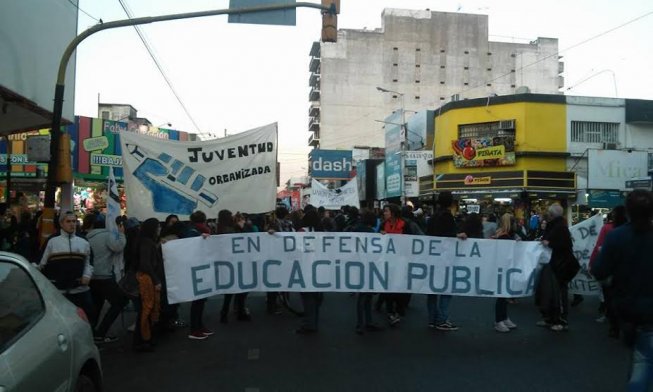
Aunque los maestros lograron que la Secretaría de la Gobernación reconociera los daños, estos seguirán la lucha contra la reforma educativa.

La Secretaría de Gobernación (SG) iniciará la reparación de los daños en Nochixtlán, Oaxaca, donde el pasado 19 de junio hubo un enfrentamiento (con represión de los policías federales) que dejó al menos ocho muertos y decenas de heridos.

Gracias al empeño de los docentes de negociar y dialogar, y tras la reunión de este jueves, se propuso el envío de funcionarios de la dependencia federal para garantizar «la reparación a la brevedad posible y conforme a estándares internacionales».

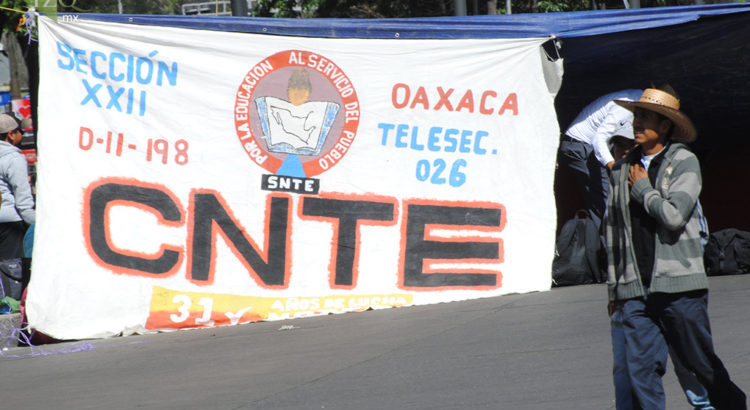
Esto fue informado por el subsecretario de Derechos Humanos de la SG, Roberto Campa Cifrián, al término de un encuentro de poco más de cinco horas entre el secretario Miguel Ángel Osorio Chong e integrantes de su equipo con pobladores de Nochixtlán, así como miembros de la Coordinadora Nacional de Trabajadores de la Educación (CNTE).

Maestros seguirán movilizados

El corresponsal de teleSUR en el país, Fernando Camacho, afirmó que la tensión entre los maestros y el Estado se mantiene desde los primeros acercamientos, pese a los avances que obtuvieron en la reunión de este jueves con Chong.

Tras el encuentro, los familiares aseguraron que no hay un real acuerdo con la Secretaría en ningún sentido y denunciaron que Osorio Chong les faltó el respeto al pararse de la mesa antes de que concluyera la reunión. 

«Los pobladores de Nochixtlán se sintieron ofendidos, porque después que el Secretario recibió el pliego petitorio con 13 puntos se paró de la mesa y se fue», comentó el enviado especial.

Los docentes reitearon además que no están dispuestos a negociar a sus muertos y heridos. Hicieron énfasis en que el acceso a la justicia y el castigo a los responsables es uno de los puntos primordiales. En este sentido, los maestros piden a organismos internacionales supervisar e investigar lo ocurrido, debido a que la fiscalía está rebasada.Camacho dijo que el Secretario de Gobernación insistió en que «el tiempo se agota», «estamos al límite» y en el caso de no llegar a acuerdo tendrá que cumplir con su «responsabilidad» y retirar los bloqueos, lo que complica aún más la posibilidad de llegar a una negociación.>> Violencia en OaxacaEl pasado 19 de junio, el brutal desalojo de maestros en el sureño estado mexicano de Oaxaca, por parte de la policía, dejó unos 10 fallecidos y decenas de desaparecidos y heridos.

La CNTE ratificó que continuará con su plan de lucha con movilizaciones y bloqueos carreteros. En Chiapas decidieron dejar pasar camiones de transporte con alimentos, ambulancias y combustible en señal de buena voluntad.

En contexto: 

El segundo diálogo entre la CNTE y el Gobierno federal duró cerca de siete horas y concluyó sin resultados.

Organizaciones sociales, académicos e intelectuales de México y otros 14 países instaron al Gobierno de Enrique Peña Nieto a no reprimir más las manifestaciones del sindicato magisterial y que, en lugar de ello, se siente con el grupo que exige «justas demandas» y busque soluciones apropiadas.

Peña Nieto aseguró el pasado martes que «no dará marcha atrás» a la reforma educativa, ni a ninguna otra ley.

Bajo la premisa de «elevar la calidad educativa del país», la reforma educativa impulsada por Peña Nieto plantea la evaluación obligatoria para que los maestros puedan ingresar y mantenerse dentro del sistema educativo, así como también para poder acceder a mejores sueldos y aspirar a nuevos cargos.

Los docentes quieren, entre otras cosas, derogar esta disposición que ha causados miles de despidos injustos.

Fuente: http://www.telesurtv.net/news/Se-complica-dialogo-entre-maestros-y-Gobierno-de-Mexico-20160701-0004.html

Fuente imagen: http://www.telesurtv.net/__export/1467375214981/sites/telesur/img/news/2016/07/01/cnte.jpg_1718483346.jpg


Comparte este contenido:

Taiwan: Students arrive from US to take course in Tainan

Asia/Taiwan/Julio 2016/Autor: Sean Lin / Fuente: taipeitimes.com

Resumen:   Estudiantes de universidad y posgrado de los Estados Unidos llegaron a Taiwan para recibir cursos de dos meses de lengua china y cultura taiwanesa con una beca establecida conjuntamente por Taiwan-United States Sister Relations Alliance (TUSA) y el Ministerio de Educación.

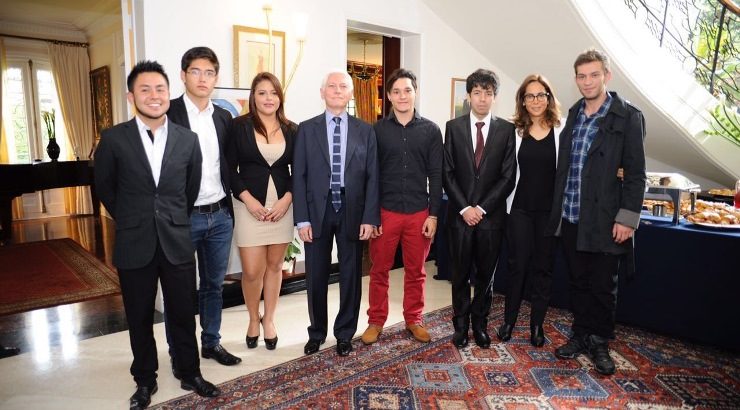
US college and postgraduate students arrived in Taiwan on Thursday for a two-month Chinese-language and Taiwanese culture course on a scholarship jointly established by the Taiwan-United States Sister Relations Alliance (TUSA) and the Ministry of Education.

The ministry said it hopes to make Taiwan the top choice for foreigners to learn Chinese.

Department of International and Cross-strait Education counselor Chiu Yu-chan (邱玉蟾) said the 55 students were selected from 46 universities across 32 US states that have joined TUSA or signed memorandums of understanding with the Foundation for International Cooperation in Higher Education of Taiwan.

Students are from Cornell University and Columbia University in New York and Stanford University in California, among others.

Chiu said they are to attend Chinese-language classes at National Cheng Kung University in Tainan over the coming two months.

In addition to 120 hours of Chinese-language studies, the students will also be taught about Taiwanese film and pop culture, food, art, politics and economics, as well as cross-strait relations based on the National Cheng Kung University curricula, she said.

The students are also to tour the nation, traveling from the streets of Taipei to the beaches of Kenting (墾丁), she said, adding that 46 families have offered the students board.

The ministry hopes to achieve “meaningful” diplomacy through the program by fostering “Taiwan-friendly” individuals, she said.

Ministry official Lai Yi-fan (賴羿帆) said more than 250 US students have participated in the scholarship program since its inception.

The program has come a long way since it was established in 2005, with the number of US students covered by the scholarship increasing from just four to 55, while TUSA received more than 200 applications this year.

The US is an important ally to Taiwan, Lai said, adding that he hopes the ministry can continue to work with TUSA to expand the scholarship so that more US students can visit Taiwan.

Lai said the ministry is exploring the possibility of offering the scholarship at other universities.

Fuente de la noticia: http://www.taipeitimes.com/News/taiwan/archives/2016/07/02/2003650173

Fuente de la imagen: https://www.google.com/search?q=universidad+tainan&client=ubuntu&hs=BV7&channel=fs&source=lnms&tbm=isch&sa=X&ved=0ahUKEwiImeOft9XNAhXDXyYKHWrMCRQQ_AUICSgC&biw=1301&bih=673

Comparte este contenido:

Canadá espera hasta 50 mil mexicanos más tras eliminación de visas

Canadá espera hasta 50 mil mexicanos más tras eliminación de visas

América del Norte/Canada/02de julio 2016/  Noticias/Informador .mix

El embajador de Canadá en México afirma que no podría haber planeado mejor fiesta

CIUDAD DE MÉXICO (01/JUL/2016). El embajador de Canadá en México, Pierre Alarie, informó que luego de la eliminación de la visa para mexicanos el 1 de diciembre próximo, se espera que durante el primer año viajen entre 25 mil y 30 mil mexicanos, y desde el tercero 50 mil.
«Realmente no pudiéramos haber planeado una fiesta en un mejor momento entre las relaciones de Canadá y México. Qué tiempo tan emocionante», detalló durante el festejo por el Día de Canadá.
Agregó que «canadienses y mexicanos tenemos mucho que celebrar. Ha sido un año entero de logros».
El diplomático precisó que ambas naciones están comprometidas y sobre todo son «muy buenos amigos. Ahora más que nunca somos socios estratégicos».
Hizo ver la importancia de proteger la dignidad y los derechos humanos de todos los ciudadanos, por lo que ambos países firmaron un acuerdo de cooperación en el que se iniciará por los temas más relevantes, la comunidad indígena, la diversidad y la inclusión.
«Son piedras angulares de una sociedad realista y Canadá seguirá defendiendo los derechos de todos», abundó.
Alarie destacó que tras la reciente reunión de los líderes de México y Canadá, «vamos eliminando los obstáculos en el comercio y la movilidad», además de la promoción del desarrollo sustentable equitativo.
«Hoy estamos construyendo puentes y derribando muros. Estamos hablando de economías más competitivas y aún más integradas. Estamos mirando hacia el futuro», finalizó.
Este 2016 ambas naciones cumplen 72 dos años de relación diplomática, 42 dentro del Programa de Trabajadores Agrícolas Temporales, y 22 como socios del Tratado de Libre Comercio de América del Norte.
El intercambio comercial bilateral alcanzó los 34 mil millones de dólares en 2015, y se mantienen como el tercer socio comercial uno del otro, mientras que el país del norte es el cuarto mayor inversionista en México con más de 22 mil 780 millones de dólares entre 2000 y 2014.
Según cifras de Canadá, México tiene una balanza comercial favorable con mil 620 millones de dólares en abril de este año, cifra 7.64 por ciento más que la registrada en enero pasado cuando fue de mil 505 millones de dólares.


Fuente:http://www.informador.com.mx/internacional/2016/669972/6/canada-espera-hasta-50-mil-mexicanos-mas-tras-eliminacion-de-visas.htm

fuente Imagen:http://img.informador.com.mx/biblioteca/imagen/370×277/1328/1327054.jpg

Comparte este contenido:

Japón: Scientists Find New Kind of Fukushima Fallout

Asia/Japón/Julio 2016/Autor: Sam Lemonick / Fuente: Forbes

Resumen:  Científicos han descubierto que parte del material radiactivo que escapó del reactor nuclear de Fukushima Daiichi en 2011 tomó una forma que nadie estaba buscando. Ahora tienen que averiguar lo que significa para Japón y para futuros desastres

Some of the radioactive material that escaped the Fukushima Daiichi nuclear reactor in 2011 took a form no one was looking for, scientists have discovered. Now they have to figure out what it means for Japan and for future disasters.

Radioactive cesium—specifically, cesium-137—is one of the waste products of nuclear power. It’s also one of the most dangerous substances in a nuclear disaster like Chernobyl or Fukushima.

One reason why is that the type of radiation it emits is particularly damaging to our bodies. Another is that cesium-137 dissolves in water. That means it can spread quickly through the environment and get into the plants, animal and water we consume.

Until now, scientists and disaster experts thought cesium-137 fallout from the Fukushima reactor meltdown was in this soluble form. That guided their cleanup efforts, like removing and washing topsoil, and helped them map where radiation might spread.

It turns out that wasn’t entirely true. Satoshi Utsunomiya, a geochemist at Kyushu University in Japan, announced over the weekend that he had found cesium-137 in a new form: trapped inside tiny glass particles that spewed from the damaged reactors. These particles are not water soluble, meaning we know very little about how they behave in the environment—or in our bodies. He found the particles in air filters placed around Tokyo at the time of the disaster.

According to Utsunomiya, high temperatures inside the malfunctioning reactors at the Fukushima plant melted and broke down the concrete and metal in the buildings. Silica, zinc, iron, oxygen and cesium-137 fused into millimeter-wide glass microparticles, each about the size of a pin’s head. Lifted into the atmosphere by the fires raging at the plant, they then blew about 240 kilometers southeast to Tokyo.

“As much as 89% of all of the cesium [in Tokyo] was in fact in these particles. It’s profound,” says Daniel Kaplan, a geochemist at Savannah River National Laboratory in South Carolina. He attended Utsunomiya’s lecture describing the findings at the ongoing Goldschmidt Conference in Yokohama, Japan.

Kaplan says similar particles were observed near the Chernobyl reactors after the explosion there in 1986. But they were only seen within about 30 kilometers; beyond that, cesium-137 was only observed in rain.

The discovery could change how we model fallout from nuclear disasters. Kaplan explains that it might add a new variable to the models we use to predict where radioactive particles will go and how long they’ll stay there. It might also change how we treat cesium-137 during cleanup and monitoring.

It is probably still too early to say what this means for people living in Tokyo or elsewhere in Japan. Kaplan thinks the amount of radiation they received probably hasn’t changed. Whether they got it from water-soluble cesium-137 or from these particles, the radiation dose was the same—and for Tokyo residents, that number was within the margin of safe exposure.

The bad thing about water-soluble cesium-137 is that it can easily get into our bodies from soil by way of plants and animals. This new discovery alleviates that concern. But it opens up a new possibility we know little about.

“If the particles are in the air—because that’s how they get to Tokyo—then when you are aspirating this air you should find them in some ways on your lungs,” says Bernd Grambow, who studies nuclear waste chemistry as head of the SUBATECH laboratory in France.

Water-soluble cesium-137 that makes it into our lungs passes into the bloodstream and is peed out within a few weeks. But Grambow says we really don’t know what happens to insoluble cesium-137-containing particles if they get in our lungs. Some of them are likely coughed out or removed by our lungs’ other normal processes. As for the rest, Grambow says we don’t know how long they might remain.

He cautions that any internal radiation from particles containing cesium-137 would be much less than the doses people got from external radiation, which would come from cesium-137 and other radioactive elements in the soil or the environment around them. “We don’t know very much, and my point is only that they should be studied,” Grambow says.

Utsunomiya’s next step is finding out how much of the cesium-137 that ended up in soils in Tokyo and elsewhere was in these glass particles. That way, researchers will be able to better understand how cesium made its way out of the reactor and into the environment.

Fuente de la noticia: http://readersupportednews.org/news-section2/318-66/37768-scientists-find-new-kind-of-fukushima-fallout

Fuente de la imagen: http://readersupportednews.org/images/stories/article_imgs21/021680-japan-070116.jpg

Comparte este contenido:

El Canal natural de Nicaragua… porque el mundo cambia

 El Canal natural de Nicaragua… porque el mundo cambia

Centro américa /Nicaragua/02 de julio 2016/Noticias/El 19


Uno de los acérrimos rivales de la vía acuática de Nicaragua desde que se anunció, a como correspondía el cargo de administrador del Canal de Panamá, es Alberto Alemán Zubieta. Ahora, en su calidad de ex funcionario, debió admitirlo cuando veía pasar el primer buque neopanamax, Cosco Chipping, que dio por inaugurado la ampliación:“El mundo cambia y va a seguir cambiando, no hay que tener miedo a cambiar; el mundo cambia y cambia a velocidad”. Zubieta lucía impresionado ante el espectáculo, poniéndole la leyenda con que debían apreciarse las imágenes trasmitidas por CNN.Pero el mundo no solo es Panamá, que en buena hora dio un salto. Precisamente por no tener miedo a las transformaciones es que el Gobierno de Reconciliación y Unidad Nacional decidió impulsar el Canal. Lógico: el mundo que Zubieta “autorizó” a “cambiar”, también lo compone un país llamado Nicaragua.

Además, dijo algo que trasciende el reducido ámbito al que se refirió con esta frase: “La empresa que no cambia, está condenada a morir porque el mundo cambia”.

Claro, él partía de 1914 y de las esclusas de manufactura estadounidense. Pero también se aprecia que el país debía estrenar la independencia con algo propio: ensanchar el recorrido con sello panameño para poder garantizar el futuro de la nación. De lo contrario, el primer mundo pasaría flotando en medio del subdesarrollo por algún tiempo más, ¿y luego?

Por supuesto, el que no cambia está destinado al ocaso: sea empresa, partido, político, profesional, técnico, científico, artista…o Estado. Si un país no cambia, el mundo lo hará, pero llevando de arrastre, allá en la cola de los fracasos, las frustraciones nacionales.
Es encomiable que por vez primera, Nicaragua planteara la necesidad de construir un Canal que incluso es de orden natural, en tanto se aprovecharán las condiciones propicias con que Dios bendijo a la patria.

La nave china que avanzó lentamente por el pasadizo redimensionado, está capacitado para cargar 9.400 contenedores a bordo. En el de Nicaragua podrán navegarlo barcos de 25 mil TEU. Un contenedor de 20 pies equivale a un TEU (Twenty-foot Equivalent Unit).

Hasta el domingo 26, Panamá absorbía el 5% del comercio marítimo mundial. Con las no suficientemente bien aumentadas esclusas de Agua Clara y Cocolí, ese país captará 3% más, para sumar el 8% del negocio global. Y, ciertamente, sin los mares, donde surca el 95% de todo lo que consume el planeta, no hay mercado que valga.

Venir a decir que el Canal de Nicaragua no tendrá demanda o es por ignorancia o simplemente porque hay intereses politiqueros disfrazados de banderas “ambientalistas”, “derechos humanos”, “periodismo independiente”… Pero Zubieta no oculta el rostro con antifaces de seudohéroes. Sus razones son empresariales: la competencia.

Mientras en la transmisión central de CNN sobre el Canal la periodista Patricia Janiot abordó historiadores, funcionarios de la Autoridad del Canal, ingenieros, administradores, ciudadanos expectantes, a la cadena no le interesó la opinión de los dirigentes opositores al actual gobierno panameño.

No obstante, al ser mencionada la posibilidad del Canal de Nicaragua, la representante de CNN en Managua, en su intervención, hizo todo lo contrario a lo que mandan las reglas mínimas del verdadero periodismo: degradó la cobertura internacional a telepanfleto, al darle rienda suelta a su afinidad política con el extremismo derechista.

En vez de entrevistar a especialistas y representantes de la Cámara de Construcción de Nicaragua, catedráticos de la Universidad de Ingeniería, Asociación Nacional de Geólogos y Profesiones Afines (Angpa) o historiadores como Aldo Díaz Lacayo o Rafael Casanova, y al mismo vocero del Canal Interoceánico, Telémaco Talavera, ocupó el espacio para la propaganda de políticos anticanal.

Por algo el pensador francés, Jean François Revel, escribió: “La primera de las grandes fuerzas que mueven el mundo es la mentira”.

Lo que la televisora “olvidó” para ofrecer una documentación exacta del Canal de Panamá es que contrario al de Nicaragua, es una obra que desde su nacimiento es eminentemente artificial. Los historiadores canaleros no contaron toda la verdad.

La premisa de Zubieta de que el Canal de Nicaragua “es inviable e innecesario para Centroamérica”, sintetiza amnesias históricas que es menester recordarlas.

Estados Unidos urgía un Canal debido a su carácter expansionista. La primera opción por orografía, geografía, hidrografía, etc, fue Nicaragua. Empero, se decidió por cortar el istmo de la provincia Panamá, a Colombia. Los historiadores citados por CNN reconocen el hecho, pero ocultan quién pagó con doble costo, esa cirugía geopolítica.

Estados Unidos compensó a Colombia la pérdida definitiva de Panamá, creada república por el interés exclusivo de ejecutar el Canal. En 1928, el presidente de Estados Unidos, Calvin Coolidge (1923-1929), que tenía intervenida Nicaragua, ordenó firmar el tratado Bárcenas –Esguerra, con lo cual nuestro país “cedía” los principales territorios insulares en el Caribe a Colombia.

El 5 de mayo de 1930, lejos de anular el lesivo instrumento, José María Moncada lo ratificó mediante el cual “La República de Nicaragua reconoce la soberanía y pleno dominio de la República de Colombia sobre las islas de San Andrés, Providencia, Santa Catalina y todas las demás islas, islotes y cayos que hacen parte de dicho archipiélago de San Andrés”. Todavía las tropas de ocupación del USMC se mantenían en Nicaragua, bajo las órdenes del presidente Herbert Hoover (1929-1933).

En otras palabras, a pesar de las recomendaciones técnicas de ilustres científicos como el naturalista alemán Alexander von Humboldt para que se hiciera la obra, nuestro país más bien sufragó el Canal de Panamá a costa de su soberanía en el Caribe nicaragüense.

Las bondades del territorio confirman el canal más natural de América. “Como geólogo –me dijo en 2014 William Martínez– cuando miramos Centroamérica, vemos que hay estructuras geológicas que le son favorables solo a Nicaragua y que no se refleja en los países de la región. Sabemos que eso es una bendición”.

Ningún otro país presenta la oferta geológica nicaragüense. El doctor en geología estructural subrayó que, en todo el trayecto del Canal, apenas hay entre cinco y siete kilómetros que “se oponen” al proyecto, por ser suelo residual, es decir, material no alterado, sólido: Caribe-Cocibolca, 5-6 km; istmo de Rivas, Las Lajas-Brito, entre 1 o 1 y medio kilómetro.

“¿Qué son 7 km, o menos, en comparación con los 278 km de longitud de la colosal infraestructura?”, preguntó el estudioso. El de Panamá tiene “solo” 88 km, elogian Zubieta y otros.

“Con el Canal se va sobre la naturaleza, acortando los tiempos. Un kilómetro de trabajo en terreno aluvial, equivale a 10 km en terreno residual. En proporción de tiempo y costo, solo nuestro país es viable”, afirmó el doctor Martínez.

El Canal no es únicamente una vía vital para aproximar a la humanidad: es la principal ruta del cambio en la mentalidad nacional. No es buena idea huir de nuestro destino: la grandeza dariana…


Fuente:http://www.el19digital.com/articulos/ver/titulo:43646-el-canal-natural-de-nicaragua-porque-el-mundo-cambia

Fuente imagen :http://www.el19digital.com/files/articulos/124916.jp

Comparte este contenido:

EEUU: Jack Daniels’ Secret History Shows the Recipe Was Actually Developed by a Black Slave

América del Norte/EEUU/Julio 2016/Autor: Shaun King/ Fuente: New York Daily News

ResumenNinguna historia es más verdadera y profundamente americana que la historia del whisky Jack Daniels y la familia Brown. George Garvin de Brown aprendió a hacer whisky de un hombre negro llamado Nearis Green. Nearis, un destilador altamente cualificados, un estadounidense esclavo que era propiedad de Dan Call.

Listed at #20 on the Forbes list of America’s wealthiest families is the Brown family. Their combined net worth is $12.3 billion. Their most known product?

Jack Daniels whiskey. It’s now sold in over 170 countries and is a complete cash cow — racking up billions of dollars a year for investors and for the Brown family itself. George Garvin Brown, their great-great-great-grandfather, founded the company exactly 150 years ago this year. Jack Daniels is now the best selling whiskey in the world. Its iconic black logo and angular bottles are instantly recognizable.

They’ve kept it in the family. George Garvin Brown IV is now the chairman of the company board. He’s filthy rich, received degrees all over the world, fancies ski vacations, and considers himself a «wine geek.»

No story is more truly and deeply American than the story of Jack Daniels whiskey and the Brown family. By truly and deeply I mean that the company, a century-and-a-half after its founding, is now publicly admitting that the down-home story they’ve always told about George Garvin Brown learning how to make the whiskey from an old white preacher named Dan Call is a lie.

George Garvin Brown learned to make whiskey from a black man named Nearis Green. Nearis Green, a highly skilled distiller, was also an enslaved American owned by Dan Call.

So, please allow me to reframe the story of Jack Daniels whiskey a bit.

A white Christian preacher in Lynchburg, Tenn., «owned» people. One of those people he «owned» was Nearis Green, a black man who was a skilled distiller of liquor. That black man, a slave, taught George Garvin Brown how to make whiskey. The recipe and methods were deeply African.

For 150 years the story of how this whiskey came to be, who taught George Garvin Brown how to make it, and why it succeeded, though, was as white and Eurocentric as a story could be.

Even as late as last year, Jack Daniels was distributing carefully crafted infographics on the founding of the company — that never mention a single word about Nearis Green. Hundreds of thousands of people per year have been touring the Jack Daniels museum without a single mention of Nearis Green — not because his contribution was only recently discovered, but because the reality and truth of the company is far more complex and messy than they’ve ever really wanted to admit.

That, ladies and gentlemen, is the United States of America in a nutshell. How this country was founded, how wealth was made, and how it all has been maintained for centuries is not beautiful, but ugly and often malicious.

Cultural appropriation is not just white women wearing cornrows or Bantu knots and pretending like they came up with it. It is also taking what an enslaved black man taught you, building a multi-billion dollar corporation off of it, then erasing his entire contribution from the history books as if he never existed.

Nearis Green was a highly skilled genius, but all of the benefits from such a fact have been reaped by generation after generation of another man’s family.

Now, think of the story of Nearis Green and read this quote from the recent speech Jesse Williams gave at the BET Awards:

«We’ve been floating this country on credit for centuries, yo. And we’re done watching and waiting while this invention called whiteness uses and abuses us, burying black people out of sight and out of mind while extracting our culture, our dollars, our entertainment like oil, black gold. Ghettoizing and demeaning our creations, then stealing them, gentrifying our genius, and then trying us on like costumes before discarding our bodies like rinds of strange fruit. The thing is though, that just because we’re magic doesn’t mean we’re not real.»

Cultural appropriation is not cultural appreciation. It’s theft. It’s plagiarism. It’s revisionist history.

Fuente de la noticia: http://readersupportednews.org/opinion2/277-75/37771-jack-daniels-secret-history-shows-the-recipe-was-actually-developed-by-a-black-slave

Fuente de la imagen: http://readersupportednews.org/images/stories/article_imgs21/021677-jd-070116.jpg

Comparte este contenido:
Page 5449 of 6179
1 5.447 5.448 5.449 5.450 5.451 6.179