Sur América/ Venezuela/Portuguesa/24.04.2016/Autor:Alirimar del Valle Parra Briceño. Fuente: Inedito sin publicar
Después de la Revolución Francesa, los idearios de los jóvenes que forjaron ese proceso histórico traspasaron las fronteras y el océano, llegando a nuestras tierras latinoamericanas las luchas de las clases por siglos marginadas. Ya la historia recordaba a nuestros indígenas bravíos que prefirieron morir antes que someterse al imperio español y hasta los esclavos negros traídos del África para servir, habían dado muestra de sublevación y sueños de libertad: Miguel, el príncipe de Yaracuy es un emblema de ello. Y, en 1783, aquel 24 de Julio es cuando los desposeídos al toque de tambores sobrenaturales bailaban alegres por el nacimiento de un hombre visionario, estadista y estratega; que desde niño soñó con la libertad de los negros y de todo aquel sometido, esa personalidad avasallante, inquieta hizo del pequeño Bolívar el hombre más grande e inmortal que ha parido nuestra República. Y es que inspirado en la revolución, Bolívar junto a su maestro de igual ideario “Simón Rodríguez” juró no dar descanso a su alma hasta libertar a su patria del yugo español. Bolívar era joven cuando hizo aquel juramento en el Monte sacro, lo movió el ímpetu de su juventud, y de las ideas revolucionarias de su maestro Rodríguez que a su vez se había inspirado en Thomas Hobbes, Charles Louis de Montesquieau, Jean Jacques Rousseau y Voltaire, ímpetu que duró hasta el final de sus días. Bolívar, el joven líder militar logró influir en el pensamiento de los jóvenes de su época, para empezar lo que se consideró la emancipación de nuestros pueblos. Antonio José de Sucre y José Félix Ribas son ejemplos plausibles de aquella gesta libertaria, así sería Sucre que Bolívar escribió su biografía, y que tal la participación de José Félix Ribas en la Batalla inmortal de la Victoria junto a unos arriesgados seminaristas. Tenían como arma el ímpetu de su juventud, contra aquel tirano temido por todos y al que la historia lo recuerda como José Tomas Boves, al que lograron vencer. Bolívar fue el forjador del ideal libertador de nuestro suelo tanto en su época como en la posteridad; muchos quisieron opacar su ideal, su visión y su misión, pero no lo han logrado porque ahora 200 años después el clarín de la Patria esta llamando a hombres, mujeres, JOVENES, niños y niñas, y el llanto de nuestras madres no existe porque ellas también participan de la gesta libertaria de los nuevos tiempos.
Juventud, nuestras armas no son de guerra y menos aun nucleares, nuestra arma es la Revolución del Amor y del Conocimiento, basado en los ideales del Socialismo del Siglo XXI, inspirados por la necesidad de refundar las naciones que por siglos han sido sometidas por aquellos que todavía se consideran amos del mundo. Nuestra Patria necesita de nuestro ímpetu joven para el verdadero proceso de transformación de nuestros pueblos latinoamericanos.
Los jóvenes venezolanos humanistas, somos ejemplo de transformación, gracias a la visión del Comandante Chavez y a sus relaciones internacionales logrando el desarrollo integral de nuestra nación, hoy decimos que no estamos solos y por eso debemos reflexionar para crear un mundo multipolar, donde cada nación sea respetada por el solo hecho de vivir hermanos y hermanas de diferentes nacionalidades, respetar sus culturas siempre que estas no atenten contra la dignidad de la especie humana que no solo somos los hombres y mujeres sino también la flora y la fauna que no pueden razonar como nosotros, aunque a veces me pregunto quienes son más irracionales, ellos que se moldean a su hábitat o nosotros que de una u otra forma depredamos irracionalmente el espacio donde vivimos. Tenemos que luchar por la reivindicación de nuestro pueblo latinoamericano porque América se vio sometida por imperialistas y las bondades que brindaba el sur de nuestro continente hicieron que portugueses, españoles, ingleses y hasta franceses invadieran nuestro suelo, tal como lo expresa Eduardo Galeano en su obra “LA VENAS ABIERTAS DE AMERICA LATINA”, en ella manifiesta el autor, que lo que hoy es el Potosí se convirtió en la pequeña Europa, allí morían, lo que queda de aquel Potosí son sus iglesias llenas de piedras preciosas y oro, fue lo único que no se llevaron los invasores no olvidando que las piedras eran las de menor valor, porque las otras se las llevaron a Europa, hoy el Potosí se convirtió en uno de los pueblos más pobres de la América.
Por ello, una vez realizada la emancipación de nuestros pueblos latinoamericanos del yugo español, y ver la bondades de nuestro espacio geográfico continental comienza una invasión: la del imperialismo Yankee, quienes se olvidaron de los ideales de libertad, simbolizados en la Estatua de la Libertad que sirve de emblema del pueblo norteamericano y uno de los primeros pininos fue dado por Jhon Davison Rockefeller que logró colocar bajo su poder el 90% de las refinerías de petroleo de Estados Unidos y poco después ejercía un monopolio de los canales de distribución y asimismo Rockefeller creó la Standard Oil Trust, que fue el primer trust del mundo, declarado monopolio ilegal y obligado a disolverse por el Tribunal Superior de Justicia de Ohio en 1892 pero que de hecho no se disolvió hasta 1899. Gracias a eso Rockefeller hizo importantes convenios con redes ferroviarias que fueron construidas con materia prima del Brasil, actividad ilegal que lo llevó a tener una fortuna por más de 1000 millones de dólares que tuvo que donar a cuatro asociaciones de ayuda caritativa tal vez para que la historia lo viera como un buen hombre y no como uno de los principales sanguinarios económicos del pueblo latinoamericano, cantidad solo igualada por Bill gates, el mismo del Valle del Silicón, a quien por cierto hay que escudriñarle realmente quien lo ayudó a poner en funcionamiento la plataforma comunicacional del Internet en América Latina y el mundo, pues parece que fue un joven venezolano el que ideó para su proyecto de grado en la Universidad Simón Bolívar tal plataforma y el mismo fue considerado loco por las elites burguesas de uno de los gobiernos de la democracia representativa, Revolución Bolivariana estamos a tiempo de valorar a nuestra gente, esto solo es posible tomando como punto clave de referencia el nacional plasmado en la Ley del Plan de la Patria, por supuesto revisando los planes de la Nación 2001 – 2007; 2007 – 2013, no podemos dejar una sola tarea sin cumplir para sedimentar la gran nación potencia que visionaba el Padre Libertador Simón Bolívar y por la que consagró su vida nuestro Comandante Chavez.
En la cuna del Libertador Simón Bolívar se esta gestando una revolución que rompe esquemas, hay una lucha frontal entre humanistas sociales y aquellos que bajo el estandarte psudo revolucionario quieren entronarse en el poder que le corresponde al pueblo. La participación de los jóvenes en este proceso que marcará huellas en la Historia Universal ha de ser como siempre la del ímpetu en sus acciones y escritos a beneficio de aquellos a los que nunca han escuchado. La primera vía es comprender que así como Cristo quiso a Juan como protector de María su madre, también nuestro socialismo nos necesita como gendarmes de los ideales de desarrollo sostenible y sustentable de los pueblos de nuestra América, para ello es necesario saber que ayudar a nuestros hermanos más golpeados por el consumismo capitalista significa encontrar la evolución de la humanidad y no la esclavitud de aquellos a los que ayudamos.
Nuestro socialismo es la transformación socio – cultural, porque al producirse transformaciones en estos ámbitos podemos alcanzar las transformaciones económicas, por ello el ALBA, MERCOSUR hoy presidida por nuestra nación ofrece una zona preferencial para los países del mismo espacio geográfico latinoamericano sobre todo en países como Bolivía, Ecuador, Paraguay, Cuba, y faltan más que necesitan de nuestra ayuda, porque han quedado tan pobres primero por la invasión de los mal llamados conquistadores y luego por la opresión de la política exterior de los Estados Unidos gracias al Fondo Monetario Internacional y el Banco Mundial. Necesitamos enfrentar esta opresión y exaltar la cultura de nuestros pueblos, mancillada tantas veces por la transculturización de los intereses hegemónicos tanto del norte como otros países que nos siguen viendo como parias.
Los jóvenes revolucionarios debemos comprometernos con volvernos más sensibles ante las necesidades de la gente y solo la cultura edifica al hombre haciéndolo más humano, pero una cultura basada en los principios morales, éticos, religiosos que nos lleven hacia la libertad que manifiesta nuestro Cóndor cuando abre sus alas bajo el cielo y sobre las cumbres andinas para agradecer al Creador la majestuosidad de su vuelo. Necesitamos con urgencia como jóvenes comprometernos a reforzar la cultura de nuestros ancestros y no dejar morir el pensamiento indígena que fluye por nuestras venas y que nos hace indómitos, la fuerza estratégica del cimarrón para bailar y reír cuando todo indica que debemos llorar, y la elocuencia del blanco para tener el porte siempre de respeto; realcemos desde Venezuela la cultura de paz, sin distingo de colores, pensamientos religiosos y doctrinas filosóficas, siempre que estén enmarcadas en el respeto a la vida a la diversidad de los otros.
Los jóvenes estamos despertando y no seguimos a la generación del 28 del siglo pasado que soñaban con los ideales socialistas pero que cuando estuvieron en el poder cercenaron la vida de los socialistas utópicos que Venezuela también parió, pocos fueron los de aquella generación que no se vendieron al yugo opresor de otra potencia y por eso fueron silenciados por quienes olvidaron sus ideales jurados en la Universidad Central de nuestra nación. Juventud en estos momentos, los jóvenes encabezamos la participación protagónica de un proceso de cambios que empezando en Venezuela dará la vuelta a nuestro congestionado mundo multipolar, el mundo que realmente queremos.
Ante la realidad de la corrupción en Venezuela, solo podemos decir que tenemos el compromiso de refundar la Patria bajo el estandarte ideario del Libertador Simón Bolívar, los jóvenes no necesariamente tenemos poca edad cronológica, porque hay hombres de poca edad que nunca han llegado a la juventud, hombres de poca edad que ya son ancianos, niños que tienen el ímpetu de la juventud y hombres de edad adulta que son más jóvenes que cualquier muchacho de 22 años.
A Venezuela la levantamos los venezolanos (apoyados en nuestra fe y la solidaridad de países hermanos), y el grito más grande de libertad la daremos lo jóvenes desde los lugares donde nos destaquemos: La cultura, la educación, las ciencias y artes militares y policiales, el deporte, la investigación científica, las ciencias sociales, la religión, la medicina, hagamos de nuestra posición un sitial de honor, de servicio, de dignidad para que Venezuela avance a los caminos de progreso, paz, amor que a través del socialismo del Siglo XXI podemos alcanzar.
Gloria al pueblo que lucha por sus ideales, gritaremos siempre vítores de alegría y victoria cuando las montañas permitan a los ríos regar las tierras para que los valles se cubran de verde y los campesinos labren sus huertos gracias a un gobierno que ha invertid eficientemente el capital en beneficio de sus pobladores, porque entonces se podrá decir que hay estado.
Fuente: Inedito sin publicar
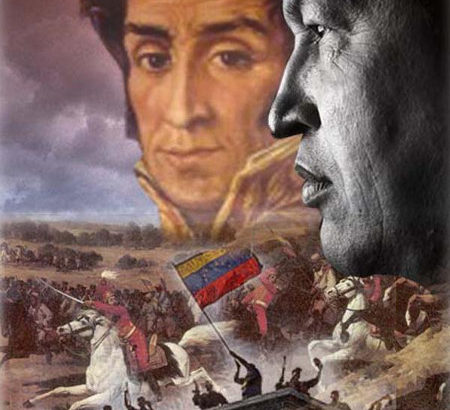
Imagen: http://www.sanborondon.info/images/stories/__noticias/internacional/fotos/venezuela_chavez_bolivar.jpg



 Users Today : 492
 Total Users : 35495741
 Views Today : 552
 Total views : 3615078