Page 726 of 6179
1 724 725 726 727 728 6.179

Video shows students still get paddled in US schools

Video shows students still get paddled in US schools

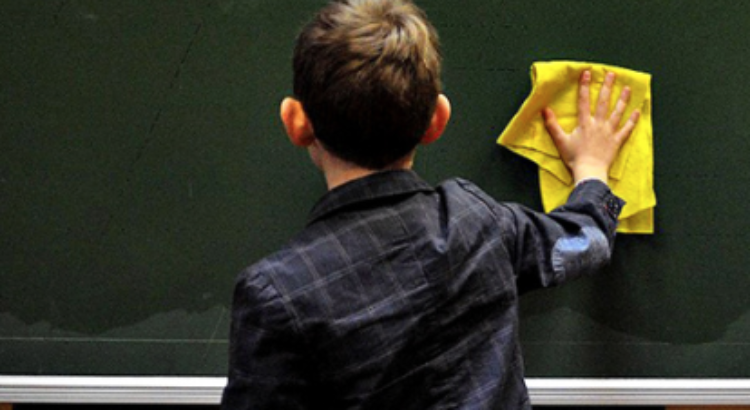
The image of a teacher paddling or spanking a student at school may seem to belong in a history book – as archaic a practice as the dunce cap. However, for thousands of students across America each year, the use of corporal punishment for violating school rules is still a routine part of their education.

Surprising to many, corporal punishment in schools remains legal in 19 states nationwide. In the 2015-2016 school year, more than 92,000 public school students were paddled or spanked at the hands of school personnel, with most of these incidents concentrated in fewer than 10 states, mostly in the South.

Corporal punishment has again captured national attention following the release of a video in May 2021 of a Florida principal paddling a young girl. The video, secretly captured by the student’s mother, shows the principal striking the student with a wooden paddle in response to her damaging a computer. While a violation of district policy, the principal’s actions were deemed legal by both the local sheriff’s office and the state attorney’s office.

Many who have viewed the video have questioned how this practice remains legal and in use in the United States. As an educational researcher who studies school discipline – and as a former teacher who has seen other teachers use this practice – I have found that the answer to this question is complex.

Deference to local decision-making

In 1977, the U.S. Supreme Court ruled in Ingraham v. Wright that corporal punishment in schools is constitutional, establishing a federal standard for its continued legal use.

While corporal punishment remains legal in 19 states, there have been efforts in some of those states to ban the practice. In May of 2021, Louisiana considered such a bill.

However, these efforts have not been able to get much traction. Louisiana’s bill failed to pass in the House, with critics pointing to a preference for local school districts to make the decision. In fact, the last state ban occurred in 2011, when New Mexico outlawed the practice.

Research that I have conducted with others shows this deference to local school districts is common. In our 2018 study on corporal punishment, we found that state bans generally come after local school district bans or reductions in use.

For example, Rhode Island enacted a state ban on corporal punishment in 2002, even though the practice had not been used in the state since 1977 because of local decisions. In North Carolina, the practice has been eliminated by all districts in the state since 2019, but a subsequent bill to formalize this ban at the state level failed to advance to law.

For many local leaders and educators, the continued use of corporal punishment reflects shared community norms and a belief that the practice is beneficial to maintaining order in schools. For many state policymakers, there is a general belief that such decisions should be made at the local level. Unfortunately, research suggests that this deference to local decisions to use corporal punishment is harmful for students.

[Understand new developments in science, health and technology, each week. Subscribe to The Conversation’s science newsletter.]

The harm of corporal punishment

Though studies of the impact of corporal punishment in schools are limited, those that exist suggest the practice harms students’ academic performance and future behavior. Such negative outcomes have also been linked with corporal punishment use in the home by parents.

The burden of these negative impacts is disproportionately experienced by students of color and boys. Black students are two to three times as likely as their white peers to experience corporal punishment, and boys make up about 80% of those subjected to the practice.

Based on such evidence, many national and international organizations recommend against the use of corporal punishment in schools. Former acting Secretary of Education John B. King called explicitly for U.S. schools to cease the practice. Despite this, the U.S. has not joined the over 100 countries worldwide that ban corporal punishment in schools.

Seeking alternatives

For many educators, the appeal of corporal punishment may be its efficiency. It can be quickly administered by a teacher or principal with limited commitment of time or institutional resources. Though unproductive in the long term, it may result in compliance in the short term.

It is important, then, for discussions about bans on corporal punishment to include alternatives. In fact, not doing so may result in schools trading corporal punishment for other negative disciplinary practices like suspension.

In my own research, my colleague and I found that when school districts serving large proportions of Black or Hispanic students decrease or stop using corporal punishment, suspension rates tend to increase. In contrast, suspension rates decreased in districts with more white students.

Given the negative effects of corporal punishment and the risk that bans alone could lead to increased suspensions in schools with more minority students, how should educators and policymakers approach the issue?

There are alternative approaches to corporal punishment and suspension that offer promise for eliminating the practice of paddling students while also ensuring that students remain in school to learn. Restorative practices and positive behavior interventions are such examples. These approaches focus on addressing student trauma, building relationships and rewarding positive behavior.

For example, rather than being paddled, students who damage school property might discuss their behavior with adults and other students involved and then contribute to repairing the property.

A focus on building a strong school climate – characterized by supportive relationships between teachers and students as well as engaging instructional practice – also holds promise for improved student behavior without corporal punishment.

Ultimately, gaining local support for corporal punishment bans may be easier if schools know more effective alternatives are available.

Fuente de la Información: https://theconversation.com/video-shows-students-still-get-paddled-in-us-schools-160592

Comparte este contenido:

Russia: Parliamentarians must reject new bills threatening rights to freedom of association and expression

Parliamentarians must reject new bills threatening rights to freedom of association and expression

Three bills adopted today in the first reading by the State Duma, the lower house of the Russian Parliament, drastically restrict rights and liberties in the country by imposing new muzzles on individuals who criticize the government and barring them from participating in public life, Amnesty International said today.

The bills are intended to target Russians who have supported civil society and religious organizations that were later declared “extremist” or “terrorist” and widen the scope of the law on “undesirable” organizations.

“Vladimir Putin’s regime aims to fully purge vocal critics from the civic space. The main target of this latest, particularly brazen attack is the movement led by Aleksei Navalny. Having unjustly imprisoned its archfoe, the Kremlin is now targeting all those who had the nerve to support him,” said Natalia Zviagina, Amnesty International’s Moscow Office Director.

Vladimir Putin’s regime aims to fully purge vocal critics from the civic space. The main target of this latest, particularly brazen attack is the movement led by Aleksei Navalny

Under the first bill, the authorities aim to punish the exercise of the right to association by barring from public life those who share a critical view of the government and are working together to bring change. According to the law, those who founded, led, worked for, or otherwise participated in the activities of an organization which is later designated as “extremist” or “terrorist” and subsequently banned, will be barred from running for the country’s lower house of Parliament for a period of between three and five years after the organization’s ban comes into force. Moreover, the bill provides for its retroactive application.

Aleksei Navalny’s Anti-Corruption Foundation, which has already been declared a “foreign agent”, is now fighting against the authorities’ attempt to designate it as an “extremist organization.” According to Leonid Volkov, who led Navalny’s regional network before its dissolution in April, up to 200,000 people who contributed to its crowdfunding efforts could fall afoul of the new law. While Navalny’s allies and supporters are certainly the main target, the bill will also affect many other civic and religious groups who have been or may be targeted under Russia’s vague “counter-extremism” and “counter-terrorism” legislation.

“This is nothing but a desperate move to annihilate any shred of visible dissent. The authorities are ready to punish a significant proportion of the population for exercising their right to freedom of expression and association by further reducing their avenues to effectively participate in public life,” said Natalia Zviagina.

The authorities are ready to punish a significant proportion of the population for exercising their right to freedom of expression and association by further reducing their avenues to effectively participate in public life

The two other bills broaden the scope of the law on “undesirable” organizations by introducing a prohibition on participation in their activities abroad, assigning the status of “undesirable” to the organizations who are believed to be intermediaries in financial transactions with those already banned, and toughening criminal sanctions. They propose that criminal liability should come after only one administrative prosecution, not two as at present, and, in some cases, immediately.

“This bill seems to have been drafted to target another opposition group, Otkrytaya Rossiya (Open Russia). It is another networked structure that has managed to get on its feet in the political vacuum created by Vladimir Putin’s regime. Its activists and supporters have already paid a dear price and now the stakes will be even higher,” said Natalia Zviagina.

“We urge Russian parliamentarians not to adopt these bills. They are a grave threat to human rights and should be of the most profound concern to Russian society and the international community.”

Background

Amnesty International is a global human rights movement, independent of any government, political ideology or economic interest. Raising concerns about human rights violations against individual candidates, members or supporters of a political party or advocates of a particular political position does not imply that Amnesty International supports that party or candidate’s platform.

Fuente de la Información: https://www.amnesty.org/en/latest/news/2021/05/russia-parliamentarians-must-reject-new-bills-threatening-rights-to-freedom-of-association-and-expression/

Comparte este contenido:

El Congo: Thousands flee Goma city in DR Congo after volcano erupts

Thousands flee Goma city in DR Congo after volcano erupts

This general view taken on May 22, 2021 in Goma in the East of the Democratic Republic of Congo shows flame spewing from the Nyiragongo volcano. Picture: Moses Sawasawa/AFP

Albert Kambale and Justin Katimwa

Goma, DR Congo – Thousands have fled a volcanic eruption in the Democratic Republic of Congo, but the flaming lava from Mount Nyiragongo appeared to have come to a halt on the outskirts of Goma city early Sunday.

According to an AFP correspondent at the scene, the molten rock, which the eruption had sent close to Goma airport on the shores of Lake Kivu, still appeared unstable, but had come to a standstill in the suburbs of the eastern city.

And around a dozen earth tremors were felt in the early hours.

«People are beginning to return to their homes. The situation seems to have calmed down for the moment,» one resident said.

«But people are still scared. The authorities still haven’t made any official announcement so far this morning,» he added.

Thousands had fled during the night and many families slept on pavements surrounded by their belongings under a night sky turned red by fire and fumes.

«There is a smell of sulphur. In the distance you can see giant flames coming out of the mountain,» one resident, Carine Mbala, told AFP.

Officials said the lava had reached Goma city airport although residents said it had stopped at the edge of the facility.

Goma appeared relatively calm as dawn broke, but people said they are still wary.

«People are wondering whether the volcano has stopped, or whether it will continue, whether the lava will reappear,» one resident said.

A few cars were on seen on the streets, but no police or military presence was visible.

«We’re not convinced that the eruption is over in just a day. We’re waiting,» said one man.

On Saturday, Communications Minister Patrick Muyaya had said that the government had activated an evacuation plan and was «discussing the urgent measures to take at present.»

Congolese President Felix Tshisekedi had said he would «interrupt his stay in Europe to return home this Sunday to supervise the coordination of aid».

By early Sunday, between 5,000 and 7,000 people had arrived in neighbouring Rwanda, according to the country’s national broadcaster.

The Rwanda Broadcast Agency tweeted photos of those arriving in Rubavu district, but said early Sunday that the evacuees had already begun heading home.

«At the moment, the Congolese who had evacuated into Rwanda because of the Nyiragongo volcanic eruption are returning to their homeland. It appears that the eruption has stopped,» it tweeted.

The first departures from Goma city came even before the official confirmation that Mount Nyiragongo had erupted at around 7:00 pm Saturday, spewing red fumes into the night sky.

Power was already cut in large parts of the city when hundreds of residents began leaving their homes.

Some headed out of the southern end of the city towards the nearby border post with Rwanda, while others headed west towards Sake, in the neighbouring Congolese region of Masisi.

Resident Richard Bahati said he was incredibly worried about the eruption: «I lived through this volcano problem in 2002.

«The volcano had devastated all our homes and all our possessions. That’s why I’m scared again this time.»

Electricity was cut off in a large part of the city, with thousands of people — encumbered with mattresses, food and parcels — heading towards the Rwandan border.

«There are a lot of people on the road, a lot of cars, it’s an escape,» one man with his family in his car told AFP.

«It is moving at a snail’s pace, on three or four lanes,» he said, adding: «There are children, women, old people who are on foot and the rain is coming. It’s complicated.»

Goma is home to a large contingent of peacekeepers and staff of MONUSCO, the UN mission in the country, as well as the base of many NGOs and international organisations.

Several planes, belonging to Monusco and private companies, took off in the evening, according to an airport source, with a local adding they had also seen the unusual nighttime activity.

In a May 10 report, the Goma Vulcanology Observatory warned that seismic activity around the volcano had increased and warranted careful monitoring.

The last time Nyiragongo erupted was January 17, 2002, killing more than a hundred people and covering almost all of the eastern part of Goma with lava, including half of the airport’s landing strip.

During that eruption, the victims were mostly sick or elderly abandoned to their fate in the northern districts of the city with some looting also taking place.


Fuente de la Información: https://www.iol.co.za/news/africa/thousands-flee-goma-city-in-dr-congo-after-volcano-erupts-692bcb76-6da0-4186-8f8b-38451ba45e35


Comparte este contenido:

Marruecos: Migrant Surge on Spain-Morocco Border Brings More Suffering

Migrant Surge on Spain-Morocco Border Brings More Suffering

FNIDEQ, MOROCCO – Desperate teenagers and jobless men from Morocco’s coastal towns, its mountainous east or even farther away converged on the border town of Fnideq this week, part of an extraordinary mass effort to swim or scale barbed-wire fences to get into Spain for a chance at a new life.

More than 8,000 migrants made it into the city of Ceuta, an enclave in North Africa that is separated from the rest of Spain by the Mediterranean — but for most of them, it was a short-lived success.

The extraordinary surge of migrants crossing from Morocco into Spain came amid the chaos of a diplomatic spat between the two countries.

Spanish troops forced over half of them back to Fnideq, putting additional strain on the Moroccan town whose limited resources are overwhelmed by the coronavirus pandemic.

«We will keep trying. We will find one way or another, even if the ocean turns into ice!» said  Badreddine, 27.

He and his fellow Moroccans — Salah, 22, and  Hosam, 24 — all have diplomas but no jobs. Like most seeking to get into Spain, they spoke on condition their last names not be published for fear of their security because they are risking illegal migration.

Being stuck in Morocco «is like being dead, so why not risk your life anyway? We’re currently living on streets, sleeping in the cold. Our parents know that we’re here, they pray for us. They told us, ‘Go, may Gold help you,’ » Salah said.

Sleeping outside, eating handouts

They and others sleep in Fnideq’s parks, on benches and outside mosques. Some hang out near hotels and restaurants, begging for food and whatever people can spare. Volunteers hand out bread and sandwiches.

Some have fled the impoverished countries of sub-Saharan Africa, but most are from Morocco, generally seen as one of the continent’s economic engines that has made strides in lowering poverty in recent years.

Still, inequality is rife, the pandemic has worsened unemployment and average incomes are a small fraction of those in Europe, which sits tantalizingly close — just across the Fnideq-Ceuta fence.

Minors who crossed into Spain take shelter inside an abandoned building in Ceuta, Friday, May 21, 2021. Spain says it has…

Amid tighter security by Spain in recent years, some would-be migrants have abandoned the effort, but others are determined to find a way around the security checkpoints or battle bad weather at sea.

«We want to leave [Morocco] because there is nothing left for us in the country, nothing to do, no future. We go to school but don’t want to stay here,» said Khalid, 15.

This week, many of them saw an opportunity as word spread quickly in Morocco about the tensions with Spain.

When the government in Madrid gave medical treatment to a Western Saharan independence fighter that Morocco considers a terrorist, the decision led to chaos in Ceuta. The port city has always drawn those seeking to cross into Europe, but thousands were seen streaming toward Fnideq on highways and through forests and hills.

On the march

«Spain, here we come!» a group of Moroccans cried as they marched, singing soccer chants and hurling expletives at their native country. In central Fnideq, thousands lined the corniche that looks toward Ceuta, and they ended up swimming or taking small boats around breakwaters separating the countries.

While Moroccan security forces normally are spread out on the beach and in nearby hills patrolling a wide perimeter, there seemed to be fewer guards earlier this week. As large groups of youths scaled the fence and wrapped clothes on their hands to get over the barbed wire, Associated Press reporters saw border police standing by idly.

While Morocco has said little about the relaxed border controls, it was widely seen as retaliation for Madrid’s allowing militant leader Brahim Ghali to receive medical treatment inside Spain. Two Moroccan officials made that link in comments Wednesday.

Mattress and belongings of migrants sit atop of a hill in the Spanish enclave of Ceuta, near the border of Morocco and Spain,…

Spain eventually sent in military forces and pushed most of the migrants back to Morocco. The Red Cross says one young man died and dozens were treated for hypothermia.

Khalid, 15, and Amin, 16, came to Fnideq on Sunday in a bus with about 40 others from Temara, a coastal town outside the capital, Rabat. They said they crossed into Spain three times, but were pushed back. The last time, they were forced to swim back along the shore back to Morocco.

Back on duty

By Thursday, Moroccan border guards seemed to be back in their positions, but hundreds of youths have remained, and the men and boys in Fnideq haven’t lost hope of crossing over.

«I am the eldest of my brothers. My mother sells vegetables in the market» and can’t afford to support them, said Ayoub, in his early 20s, who arrived Thursday from the inland city of Meknes. «I had to try and help my mother.»

While Morocco’s government has focused on the Western Sahara in its limited public statements this week, it hasn’t addressed the poverty and despair that is driving so many to want to leave the country.

Fnideq, meanwhile, is suffering under the sudden influx of would-be migrants.

The town relied heavily on trade with Ceuta before the pandemic, but Morocco’s strict border closure since March 2020 has deprived residents of livelihoods and access to Spain. Protests broke out earlier this year by residents demanding government aid or an open border.

Human rights groups and opposition lawmakers accused the Moroccan government of using migrants as pawns instead of solving their problems. The opposition Istiqlal party urged «an economic alternative that guarantees the population their constitutional right to the necessities of a decent living.»

Despite the scenes of tear gas and troops on the border this week, the dream of getting out of Morocco remains strong for many struggling youths, even in the relatively prosperous capital.

«If you ask anyone in Rabat … that person will tell you that he wants to go to Europe,» said street vendor Mohammed Ouhaddou. «…Politicians are not doing anything. They are asleep and no one listens to us.»

Fuente de la Información: https://www.voanews.com/europe/migrant-surge-spain-morocco-border-brings-more-suffering

Comparte este contenido:

Matrimonio infantil: desgarradoras imágenes muestran cómo se vive esta cruda realidad en el mundo

Cada día, cerca de 33 mil niñas se casan con hombres en bodas arregladas por sus padres o familiares, es decir, una cada dos segundos. Las alarmantes cifras sacuden hasta la médula y hacen reflexionar en torno a un problema que durante décadas ha afectado las vidas de cientos de miles de menores en más de 50 países que, hasta nuestros días, normalizan el matrimonio infantil en el mundo.

Estos datos desgarradores fueron otorgados por una experta en el tema, la fotógrafa Stephanie Sinclair, en base a informaciones proporcionadas por organismos como el Fondo de las Naciones Unidas para la Infancia (Unicef).

Desde hace trece años, Sinclair se ha convertido en una defensora de los derechos de las niñas y una férrea detractora del matrimonio infantil, documentando las desoladoras vidas que llevan adelante las menores que son sometidas a estos desiguales emparejamientos.

Gracias a su cruzada nació “Too Young To Wed” (“Muy Jóvenes para Casarse”), una asociación sin fines de lucro que fundó en 2012 y que aboga por el fin de esta práctica.

National Geographic | Stephanie Sinclair
“Cada vez que lo veía me escondía, odiaba verlo”, Tahani (de rosa en la foto) recuerda los primeros días de su matrimonio con Majed. Ella tenía 6 años, él 25. La joven esposa posa para este retrato con su antigua compañera de clase Ghada, también niña-esposa, a la puerta de su casa en la montaña en Hajjah en 2010. Casi la mitad de las mujeres en Yemen se casan siendo aún niñas.
– Stephanie Sinclair

La cruzada de Sinclar

En 2003, Sinclair, quien ha hecho carrera en medios como The New York Times, Revista Time y la National Geographic, se encontraba trabajando en Afganistán cuando se topó con una realidad que la golpeó.

“Mi primer encuentro con el matrimonio infantil fue en Afganistán en 2003. Me horrorizó la historia de unas niñas que se prendían fuego a sí mismas. Después de investigar un poco, descubrí que una de las razones por las cuales tomaban esta decisión tan drástica era que las habían obligado a casarse siendo niñas. Me contaron que se habían casado con 9, 10 y 11 años, y que preferían morir a seguir con las vidas que llevaban. Ingenuamente, no pensaba que estas cosas pudiesen seguir ocurriendo en el mundo. El proyecto ‘Too Young Too Wed’ realmente comienza cuando descubro este horror”, contó a National Geographic en una reciente entrevista.

Desde entonces, la profesional ha recorrido diversos países a nivel global con el objetivo de documentar los enlaces de niñas menores de edad y las horribles condiciones en las que se desarrollan. Además, por medio de su fundación lanza propuestas contra esta práctica y reúne fondos para revertir las cifras de enlaces forzados.

“Cada vez que me encuentro con una niña en cada país se me rompe el corazón, particularmente con las que casan con hombres mayores. Cuanto más persigo este fenómeno, más lo intento desentrañar. El trauma de estas niñas, que las acompaña hasta una edad adulta, aún está presente cuando hablas con ellas de sus experiencias. Estas mujeres valientes viven su vida como cualquier otra persona, pero si se encuentran lo suficientemente cómodas como para hablarte de su pasado, se ve claramente el precio que han tenido que pagar tras un trauma infantil tan fuerte”.

The New York Times | Stephanie Sinclair
Saidi, de 16 y nueve meses de embarazo, en casa de sus suegros. Se casó a los 15 años. “Mi esposo se fue a trabajar en mayo, hace cuatro meses. No he sabido nada de él desde entonces”.
– Stephanie Sinclair

El matrimonio infantil en el mundo

De acuerdo a lo señalado por Unicef el matrimonio infantil, aquel que se contrae antes de cumplir los 18 años, “constituye una violación de los derechos humanos (…) En todo el mundo, alrededor de un 21% de mujeres adolescentes se han casado antes de cumplir los 18 años”.

A ello, añade que un total de 650 millones de mujeres que viven en el mundo se casaron siendo niñas, y que 12 millones de menores de 18 años se casan cada año.

El organismo agrega que “pese a las leyes que lo prohíben, esta dañina práctica sigue estando muy extendida”, sobre todo en sectores como África subsahariana, donde el 37% de las niñas se han casado durante su infancia. En este contexto, destaca que estos enlaces prevalecen en latitudes como Afganistán, Nepal, Etiopía, India, Nigeria, Guatemala y Yemen, entre otras.

Ante esta situación, el organismo señala que “el matrimonio infantil despoja a las niñas de su infancia, y pone su vida y su salud en peligro. Las niñas que contraen matrimonio antes de cumplir los 18 años corren un mayor riesgo de sufrir violencia doméstica y tienen menos probabilidades de seguir asistiendo a la escuela. Sus expectativas económicas y de salud son peores que las de las niñas que no se casan, lo que a la larga se transmite a sus propios hijos y socava aún más la capacidad de un país para proporcionar servicios de salud y educativos de calidad”.

National Geographic | Stephanie Sinclair
Durga Bahadur Balami, 17, espolvorea de rojo la cabeza de Niruta Badahur Balami, de 14, embarazada de nueve meses, mientras se convierten oficialmente en marido y mujer en el pueblo de Kagati, en el valle de Kathmandú, Nepal, el 23 de enero de 2007. Niruta se mudó con la familia de Durga cuando estaban comprometidos y se quedó embarazada. Entre los Newar, en los círculos sociales más abiertos, esto está permitido.
– Stephanie Sinclair

Además, afirma que “con frecuencia, las niñas casadas se quedan embarazadas durante la adolescencia, lo cual incrementa el riesgo de sufrir complicaciones durante el embarazo y el parto, tanto para ellas como para sus hijos. Esta práctica también puede aislar a las niñas de su familia y sus amistades, así como restringir su participación en su comunidad, de modo que su bienestar físico y psíquico se ve gravemente afectado”.

“Dado que el matrimonio infantil repercute negativamente en la salud, el futuro y la familia de una niña, impone asimismo unos costos económicos sustanciales a escala nacional, con importantes consecuencias para el desarrollo y la prosperidad”, suma Unicef.

En paralelo, la organización destaca que la actual pandemia de covid-19 que estamos enfrentando aumenta el riesgo de que se contraigan más matrimonios de este tipo.

En el informe “Covid-19: Una amenaza para el progreso contra el matrimonio infantil”, publicado este año durante el Día Internacional de la Mujer, Unicef advierte que “el cierre de escuelas, las limitaciones económicas, la interrupción de servicios, las muertes durante el embarazo y las muertes de los progenitores debido a la pandemia aumentan el riesgo de matrimonio para las niñas más vulnerables“.

The New York Times | Stephanie Sinclair
La boda de Anita, de 16 años, en la aldea de Kagati en Nepal. El país experimentó un terremoto masivo que, como otros desastres naturales, tienden a aumentar la tasa de matrimonio infantil.
– Stephanie Sinclair

Futuro auspicioso contra el matrimonio infantil

Más allá de lo que ha visto y vivido, Sinclair ve con buenos ojos lo que se ha avanzado en la materia desde que empezó a interiorizarse en 2003.

“De una forma emocionante, hemos comenzado a ver un cambio real del tema dentro de un contexto político global. Por ejemplo, este verano la ONU ha aprobado una resolución sobre el matrimonio infantil. Hemos sido testigos de primera mano, de la evidencia de la influencia que ha tenido en el cambio, el impacto visual en temas de derechos humanos. Estos temas, que de otra forma pueden ser demasiado abstractos o lejanos para involucrar a la gente, se pueden convertir en tangibles e ineludibles”.

Stephanie Sinclair | National Geographic

De hecho, existen otras poderosas organizaciones que trabajan en pos de frenar esta práctica. Una de ellas es “Girls Not Brides” (“Niñas, No Novias”; GNB), una red global conformada por más de 1.500 organizaciones de la sociedad civil provenientes de más de 100 países que están comprometidas con abordar los matrimonios y las uniones infantiles, tempranas y forzadas y garantizar que las niñas y adolescentes puedan alcanzar su pleno potencial.

En GNB afirman que este tipo de matrimonios ocurren como “resultado de la desigualdad de género y de la creencia de que las niñas, adolescentes, jóvenes y mujeres son inferiores a sus pares masculinos. La pobreza, la falta de educación, las normas y prácticas sociales nocivas y la inseguridad agravan la situación. Sus causas varían de una comunidad a otra y se manifiestan de manera diferente en todo el mundo”.

Pese a todo, es innegable que queda mucho terreno por abordar.

National Geographic | Stephanie Sinclair
Nujooud Ali, dos años después del divorcio de su marido, con solo ocho años. Él era más de veinte años mayor que ella. La historia de Nujoud conmocionó al país de Yemen, y consiguió que el parlamento desarrollase un proyecto de ley sobre la edad mínima para contraer matrimonio.
– Stephanie Sinclair

Unicef y sus medidas contra el matrimonio infantil

En 2016, la Unicef puso en marcha un programa mundial junto con el Fondo de Población de las Naciones Unidas (Unfpa) destinado a hacer frente al matrimonio infantil en 12 países donde la práctica es más común o presenta una carga más elevada: Bangladesh, Burkina Faso, Etiopía, Ghana, India, Mozambique, Nepal, Níger, Sierra Leona, Uganda, Yemen y Zambia.

El programa “promueve el derecho de las niñas adolescentes a evitar el matrimonio y el embarazo, y les permite alcanzar sus aspiraciones mediante la educación y vías alternativas. El programa ayuda a las familias a manifestar actitudes positivas, empodera a las niñas a fin de que dirijan su propio futuro y refuerza los servicios que les permiten hacerlo. También aborda las condiciones subyacentes que sustentan el matrimonio infantil y aboga en favor de leyes y políticas que protejan los derechos de las niñas, al tiempo que subraya la importancia de que dichas políticas se basen en datos sólidos”.

Dentro de las acciones realizadas entre 2016 y 2019, destacan que en Yemen más de 10 mil niñas adolescentes, incluidas niñas ya casadas, accedieron a servicios de salud y protección, como apoyo médico, legal y psicosocial y acceso a refugios.

En tanto, en Etiopía cerca de 490 mil menores pertenecen a clubes de adolescentes, donde mentores les brindan capacitación e información sobre salud sexual y reproductiva, servicios legales y mecanismos de denuncia de matrimonios infantiles. Como resultado, 24.785 matrimonios infantiles fueron cancelados o anulados.

Con todo, no queda duda que la cruzada contra el matrimonio infantil permanece vigente, sin embargo, las medidas de organizaciones como las impulsadas por Sinclair, Unicef, la ONU y Girls Not Brides brindan una luz de esperanza para acabar con esta desgarradora práctica.

Fuente: https://www.biobiochile.cl/noticias/sociedad/debate/2021/05/22/matrimonio-infantil-desgarradoras-imagenes-muestran-como-se-vive-esta-cruda-realidad-en-el-mundo.shtml


Comparte este contenido:

La baja natalidad hará perder a España en 2050 hasta 800.000 estudiantes de entre 3 y 15 años

El Ejecutivo no ve esto como un «drama» sino como una «oportunidad» que permitirá duplicar el presupuesto por alumno.

El Gobierno calcula que de aquí a 2050, España tendrá 800.000 estudiantes menos de entre 3 y 15 años debido a los cambios demográficos que se producirán en el futuro cercano, en los que se prevé un estancamiento en la natalidad, o casi un millón menos de estudiantes hasta los 24 años, según recoge el plan ‘España 2050’, que se ha presentado este jueves.

Sin embargo, el Ejecutivo no ve esto como un «drama» sino como una «oportunidad», según ha asegurado este jueves el presidente del Gobierno, Pedro Sánchez. Así, gracias a ello, España «podrá duplicar el presupuesto por alumno hasta equipararlo con el que ya tiene Dinamarca sin incurrir en un incremento significativo del gasto público», según recoge el plan.

Además, este hecho, unido a la generalización de las tecnologías digitales en los centros y hogares, permitirá, según el actual Gobierno, dar una educación más personalizada a los alumnos, combatir con mayor eficacia fenómenos como el abandono o la segregación escolar, y cosechar las ganancias de cobertura y aprendizaje que necesita España para situar al país en la vanguardia educativa.

«El desafío educativo es, probablemente, el más importante de todos», ha manifestado Sánchez, que afirma que para converger con los países europeos líderes en educación, España deberá hacer dos cosas. La primera de ellas, será mejorar sus niveles de aprendizaje, con un aumento de 20 puntos en el informe PISA y aumentar la proporción de población que obtiene la ESO en 3 puntos porcentuales.

En dicho plan, el Gobierno ensalza la evolución experimentada en el ámbito de la Educación en España en los últimos 40 años (de hecho, llega a decir que «España ha protagonizado la revolución educativa más espectacular de Europa»).

No obstante, el Gobierno también reconoce que el sistema educativo aún presenta «carencias importantes» que están impidiendo sacar el máximo potencial de cada estudiante y están teniendo efectos negativos sobre el empleo, el crecimiento económico y el progreso social de todo el país. «Las más preocupantes son las elevadas tasas de repetición y abandono escolar; los bajos resultados de aprendizaje; la desigualdad educativa; y los altos niveles de segregación escolar», considera.

En este punto, el Ejecutivo sostiene que si no se afrontan con decisión, estas carencias seguirán lastrando el desarrollo del país y su ciudadanía. Así, sin «reformas de calado», de aquí a 2050, unos 3,4 millones de estudiantes podrían repetir curso; 2,2 millones podrían abandonar prematuramente la escuela; y España podría verse superada en aprendizaje y calidad educativa por países como Portugal, Hungría o Letonia. «Evitar este escenario debe ser nuestra máxima prioridad. Si España quiere seguir siendo un país próspero en el futuro, tendrá que alcanzar la vanguardia educativa antes de mediados de siglo», indica.

Cinco bloques susceptibles de mejoras

En el documento destaca cinco bloques en los que han de abordarse reformas de aquí a 2050. El primero de ellos guarda relación con el currículo, que actualmente es «excesivamente rígido y enciclopédico«, al estar más orientado a la reproducción de contenidos (datos, fórmulas, hechos históricos) que al desarrollo de competencias más relevantes para la vida y el aprendizaje profundo.

Por ello, el Gobierno propone «desarrollar un currículum centrado en la adquisición y evaluación competencial» y que desarrolle las disciplinas STEM, las capacidades necesarias para desarrollar el pensamiento crítico, la creatividad y el pensamiento a futuro o competencias técnicas.

Además, apuesta por que este currículum esté descentralizado, es decir, que en su creación participe el Estado (parte básica), las comunidades autónomas y los propios centros educativos, y que se hagan revisiones periódicas del currículum cada 8 ó 10 años.

La segunda reforma iría orientada a la carrera docente, pues el sistema de selección, formación y evaluación del desempeño docente presenta «varias carencias», según el Gobierno, que están limitando la capacidad para tener a los mejores profesionales posibles en cada aula.

Para mejorar esto, se recomienda que se eleven los requisitos de acceso a la profesión docente y se adapten los procesos de oposición para que se valore la motivación, habilidades comunicativas y socioemocionales, gestión de la diversidad o el liderazgo, y no solo la capacidad de memorizar temarios; la realización de prácticas continuadas y remuneradas durante dos cursos escolares en un centro educativo; la mejora de las condiciones laborales del profesorado de educación de 0 a 3 años; y pagar mejores sueldos a profesores de centros educativos en contextos socioeconómicos menos favorecidos.

Con respecto a la gobernanza educativa, el Gobierno considera que en España, la toma de decisiones educativas recae en «un sistema institucional demasiado burocratizado«, que la autonomía de los centros educativos es «baja», que existe «poca profesionalización» en los equipos directivos y que existe «baja cooperación» por parte de los agentes sociales (sindicatos, organizaciones empresariales, asociaciones de madres y padres, asociaciones de estudiantes).

Por ello, plantea la mejora de la profesionalización e internacionalización de los cargos políticos y los cuadros técnicos intermedios, ampliar la autonomía y la capacidad organizativa de los centros, establecer reglas y mecanismos de control de la admisión que aseguren una escolarización equilibrada o modernizar la inspección educativa.

En cuarto lugar, el documento propone la reforma del sistema de evaluación, ya que España «aún carece de un mecanismo eficaz para evaluar lo que ocurre dentro y fuera del aula». Así, el Gobierno propone sustituir el actual sistema de titulación al finalizar la ESO por un modelo de certificación competencial del aprendizaje, así como el rediseño de los objetivos de la Evaluación del Bachillerato para el Acceso a la Universidad (EBAU) para avanzar hacia la evaluación por competencias.

Por último, el Gobierno pone el foco en la financiación, que «sigue siendo insuficiente», por lo que aboga por «incrementar progresivamente los recursos económicos que se dedican a la educación hasta alcanzar la media actual de la UE-8», tanto en gasto sobre PIB como en gasto por estudiante, con el objetivo de poder financiar las políticas propuestas.

Fuente: https://www.heraldo.es/noticias/nacional/2021/05/20/la-baja-natalidad-hara-perder-a-espana-en-2050-hasta-800-000-estudiantes-de-entre-3-y-15-anos-1493591.html

Comparte este contenido:

Argentina supera 3,51 millones de contagios de COVID-19

En la última jornada se informó que la pandemia causó 297 nuevos fallecimientos de personas y un total de 32.171 nuevos contagios en el país sureño.

El Ministerio de Salud de Argentina informó hoy sábado que la cifra de contagiados por la enfermedad del nuevo coronavirus (COVID-19) en el país aumentó a 3.514.683 y que son 73.688 las personas que han muerto como consecuencia de la afección.

En la última jornada se informó que la pandemia causó 297 nuevos fallecimientos de personas y un total de 32.171 nuevos contagios en el país.

Los casos activos en Argentina suman 357.697, según la información oficial, mientras que el total de personas que superaron la enfermedad es de 3.083.298.

En unidades de terapia intensiva continuaban hospitalizados 6.138 pacientes, con un porcentaje de ocupación de camas del 74,1 por ciento a nivel nacional, número que se eleva al 77,1 por ciento en el Area Metropolitana de Buenos Aires.

Argentina registró su primer caso de COVID-19 el 3 de marzo de 2020 y enfrenta actualmente una segunda ola de contagios.

Por esa razón, el Poder Ejecutivo a cargo del presidente Alberto Fernández estableció una nueva etapa de confinamiento estricto que comenzó este sábado y se extenderá hasta el 30 de mayo, lapso durante el cual están suspendidas todas las actividades sociales, económicas, educativas, religiosas y deportivas en forma presencial, y sólo están habilitados los comercios esenciales.

La medida establece que los residentes sólo podrán circular en las cercanías de sus domicilios de las 06:00 a las 18:00 hora local, para actividades como la compra de alimentos o medicinas, y deberán permanecer en sus hogares de las 18:00 a las 06:00 horas del día siguiente.

Argentina inició su campaña de vacunación contra la COVID-19 el 29 de diciembre pasado y lleva aplicadas 11.034.323 dosis.

Fuente: http://www.elsoldemargarita.com.ve/posts/post/id:238477/Argentina-supera-3,51-millones-de-contagios-de-COVID-19

Comparte este contenido:
Page 726 of 6179
1 724 725 726 727 728 6.179