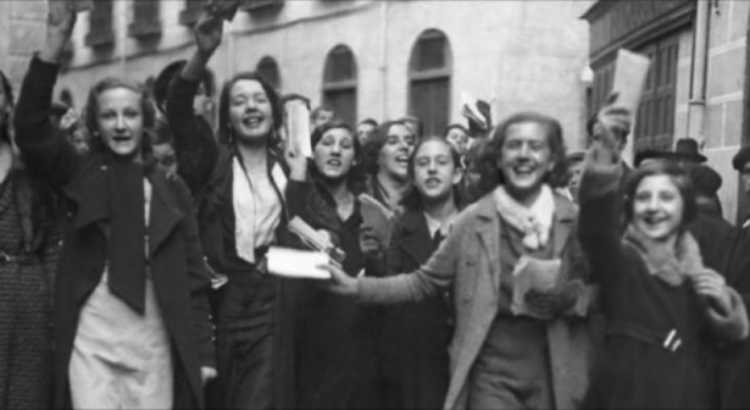
La autora del libro «(Mal) Educadas» explica por qué la formación del género femenino aún se basa en la preservación de los roles tradicionales.
Encontrar todo lo que nos educa a nivel social, por fuera del rol tradicional que tienen de por sí los sistemas educativos, es fundamental. Pero en el caso de la educación formal, también hay una historia que debe ser develada, para darnos cuenta hasta qué punto las instituciones educativas han conformado su diseño curricular sin nosotras. Comprender que el acceso a la educación femenina fue una decisión que no tomamos, sino que fue discutida por los hombres, nos hace entender un poco por qué al día de hoy estos espacios siguen reproduciendo los estereotipos de género.
Antes de la Revolución Francesa, e influenciando notablemente en estos ideales que nos traerían consigo el Estado Moderno, el filósofo Jean-Jaques Rousseau escribió en 1872 una de sus obras más conocidas, “Emilio, o de la educación” para definir el concepto de buen ciudadano. De esta manera ubica dentro de esta categoría a los hombres, definiéndolos como jefes de familia, padres y esposos. Su desarrollo de lo “público” y de la organización política ideal de los ciudadanos hombres, suponía la existencia de un mundo femenino privado que se ocupaba de los valores domésticos. Por lo tanto, las mujeres no van a ser definidas por la importancia de su rol como ciudadanas, sino como esposas, y hará hincapié en la educación que deben recibir para esto.
Para Rousseau efectivamente había una división necesariamente dual que permitía el equilibrio cívico. La participación de las mujeres en la vida pública implicaba un peligro para el orden social, y acercarnos a una educación que nos igualara entre hombres y mujeres podía ser la perdición. Para Rousseu, nuestra educación se articulaba sobre tres ejes: “El primero de ellos es la castidad y la modestia; el segundo, la domesticidad; y el tercero, la sujeción a la opinión. Una mujer casta y modesta, pronta a tener en cuenta las opiniones de los demás y dedicada por completo a su familia y a su casa es el prototipo ideal de la mujer natural (…) Una mujer ingeniosa (es decir, capaz de expresar sus opiniones) es un flagelo para su esposo, sus hijos, sus amigos, sus sirvientes y para todo el mundo. Exaltada por la sublimidad de su genio, desprecia rebajarse a las obligaciones de una mujer y está segura de iniciar a un hombre”.
Rousseau seguirá ejemplificando de manera taxativa sobre el rol en el que nos tienen que educar: “dar placer [a los hombres], serles útiles, hacerse amar y honrar por ellos, criarlos de jóvenes, cuidarlos de mayores, aconsejarlos, consolarlos, hacerles agradable y dulce la vida, esos son los deberes de las mujeres en todos los tiempos, y lo que se les ha de enseñar desde la infancia”. Recordemos que esta obra fue la base filosófica sobre la que se asentaron muchos de los cambios sociales que tuvieron lugar a posterior, y sobre todo que se trasladaron en la doctrina de un cuerpo legal que administrara las relaciones sociales. No es de extrañar que nuestra llegada a las aulas haya sido tan lenta, con las limitaciones que ya hemos ahondado en otros capítulos que nos impuso la Iglesia, y como vemos ahora, también los hombres de gobierno, para educarnos en otras actividades que no fueran las que ellos consideraban como: “propias del sexo”.
Llegar a las aulas. Los colegios más similares a los modernos comenzaron a entrar en vigor a partir del 1700. En América, en la época de las colonias, por ejemplo, se habían designado “espacios de señoritas” para la formación de las hijas de los conquistadores, pero también de las —mal llamadas— indias. A finales del siglo XVIII, las escuelas para niñas indígenas, llamadas “amigas” o “migas”, en México, por ejemplo, comenzaron a proliferar. Una de las razones principales era que las niñas a su vez funcionarían de educadoras dentro del hogar de los más pequeños. Educar a las mujeres fue una de las formas que los usurpadores de las tierras americanas encontraron para romper la cultura indígena y evangelizar a través del cristianismo.
En España, para el año 1849, solo el 22% de las niñas estaban escolarizadas, mientras que en el caso de los niños el porcentaje subía hasta el 77%. La ley fijaba también qué asignaturas podían cursar las niñas y cuáles no. Eran exclusivas para ellas “las labores propias del sexo, el dibujo aplicado a las mismas labores, y ligeras nociones de Higiene Doméstica”. No podían, a diferencia de los niños, estudiar Geometría, Física o Historia Natural. En Chile, por ejemplo, el acceso de las mujeres a la educación superior se abrió en 1877 con la promulgación del llamado “Decreto Amunátegui”, que hizo válidos los exámenes de los colegios particulares de niñas. Cuatro años más tarde, el Estado asumió la obligación de facilitar la instrucción y la capacidad femenina a través de la fundación de liceos secundarios para mujeres.
La institucionalización de la educación fue llegando para nosotras progresivamente, rompiendo con el sistema tradicional de tutores y educación individual, aunque seguía persistiendo la división sexual del conocimiento. Las mujeres seguían siendo educadas para la vida religiosa o para la vida marital.
En este sentido, Argentina fue bastante pionera a nivel mundial. En 1823, Bernardino Rivadavia, quien en ese momento gobernaba la provincia de Buenos Aires y tiempo después fue presidente, dispuso la creación de la Sociedad de Beneficencia. La misma tenía como objetivo educar a niñas de clases humildes. Se crearon además institutos donde las mujeres podían capacitarse para ser maestras, y así poder enseñar en los colegios de estas jóvenes. Si bien la costura era una de las materias que diferenciaba la educación de niñas de la de niños, lo cierto es que también se introdujeron contenidos que en otras partes del mundo estaban vedados como geografía filosofía, historia o idiomas.
Las políticas educativas que se retoman después de la dictadura de Juan Manuel de Rosas, a partir de mediados del siglo XIX, serán lideradas por una gran mujer, feminista y pionera en técnicas pedagógicas: Juana Manso (1819-1975). Por años, a las argentinas nos han hablado de Domingo Faustino Sarmiento, el “padre de la educación”, pero jamás nos la mencionaron. Juana se tuvo que exiliar de adolescente a Uruguay, debido a que su padre era perseguido políticamente. Allí, desafiante, formó en su propia habitación el “Ateneo de Señoritas”, donde educaba a mujeres de la élite de la ciudad de Montevideo. Comenzó una carrera de escritora, y se dedicó a explicar cuáles debían ser los pasos emancipatorios de la mujer. Leerla es imperdible y fundamental para cualquier mujer en el mundo.
La cita que transcribiré a continuación debería ser enseñada a todas las niñas en los libros de historia argentina, pero al día de hoy no se encuentra, no nos hablan de ella como lo que fue: la madre de la educación en nuestro país. En 1854 Manso escribió en el primer número de “Álbum de Señoritas. Periódico de Literatura, Modas, Bellas Artes y Teatros”, su primer periódico: “Todos mis esfuerzos serán consagrados a la ilustración de mis compatriotas, y tenderán a un único propósito: emanciparlas de las preocupaciones torpes y añejas que les prohibían hasta hoy hacer uso de su inteligencia, enajenando su libertad y hasta su conciencia a autoridades arbitrarias en oposición a la naturaleza misma de las cosas. Quiero, y he de probar que la inteligencia de la mujer, lejos de ser un absurdo, o un defecto, un crimen, o un desatino, es su mejor adorno, es la verdadera fuente de su virtud y de la felicidad doméstica porque Dios no es contradictorio en sus obras, y cuando formó el alma humana, no le dio sexo: la hizo igual en su esencia, y la adornó de facultades idénticas. Si la aplicación de unas y de otras facultades difiere, eso no abona para que la mujer sea condenada al embrutecimiento, en cuanto que el hombre es dueño de ilustrar y engrandecer su inteligencia; desproporción fatal que solo contribuye a la infelicidad de ambos y a alejar más y más nuestro porvenir”.
La mayoría de las docentes de niveles iniciales y primarios en el mundo son mujeres, debido a la relación indirecta que se hace entre crianza, cuidado de menores y el rol de madres que se nos inculca de nacimiento. Sin embargo, jamás supimos de las mujeres importantes, como Juana Manso, que educaron a otras mujeres, y las hicieron poderosas. Con las diferencias de la época, con todo lo que todavía teníamos que aprender. Pero ellas, las fundamentales, las educadoras de otras mujeres, siguen sin estar en los libros de historia.
Muchas veces se piensa que la revolución de las mujeres tuvo un comienzo relacionado al sufragismo, pero me atrevo a decir que la primera revolución que decidimos llevar adelante, fue para tener el derecho a acceder a la educación, a poder ejercer trabajos relacionados a niveles de instrucción altos, a poder tener presencia en las universidades. Porque así como en los colegios de señoritas no podían enseñar hombres, en la vida política y laboral de los hombres, no podían enseñar mujeres. Esta concepción de que las mujeres no teníamos nada para enseñar a los varones sobre todo en niveles altos de instrucción, formaba parte de una idea acerca de nuestra inferioridad como sujetos.
Más educadas, mejor calidad de vida. Por suerte, a partir del siglo XIX con mayores o menores limitaciones, en todo el mundo nos fuimos acercando a las aulas. Según datos de las Naciones Unidas para la mujer, en todo el mundo el 80% de las mujeres adultas sabe leer, algo que para las dificultades que aún atravesamos representa un porcentaje altísimo. Sin embargo, aún estamos por debajo del 89% de los varones que en estos niveles más básicos de instrucción nos superan. En los países menos desarrollados, solo el 51% de las mujeres tiene un nivel básico de alfabetización, la pobreza sigue siendo un factor de mayor desigualdad para nosotras.
En la web oficial de la página de la UNESCO encontramos datos con proyecciones que nos explican sobre la importancia de la educación en las mujeres para las transformaciones sociales. Acceder a mejores niveles de instrucción no solo parte de un deseo vocacional y profesional, sino que dada nuestra condición en todo el mundo significan efectivamente una mejor calidad de vida. En varios países de África y algunas regiones de Asia, como por ejemplo India, los matrimonios infantiles producen una caída abrupta de las mujeres en los niveles de instrucción. Varios estudios reflejan como en regiones del África subsahariana, si todas las mujeres completaran la enseñanza primaria, la mortalidad materna podría reducirse en un 70%, dado que contarían con más herramientas y sobre todo vínculos en las comunidades para la atención primaria en la salud.
Las niñas que reciben más educación tienen menos probabilidades de llegar a ser madres precoces. El número de menores de 17 años de edad que quedan embarazadas en el África subsahariana y Asia occidental se reduciría en un 10%, si todas las muchachas completaran la enseñanza primaria, y en un 60%, si todas las muchachas completaran la enseñanza secundaria. Es decir que a mayores niveles de instrucción, las mujeres podemos además acceder a una mejor calidad desde los aspectos de la salud y la economía.
Licenciadas para seguir siendo buenas mujeres. Al día de hoy, en América Latina, y en la mayoría de los países desarrollados, las mujeres superamos en porcentaje a los varones en la formación terciaria y universitaria. Según un informe del Banco de Desarrollo para América Latina, en la mayoría de los países latinoamericanos, en el rango etario que suele considerarse central para el mercado de trabajo (25 a 54 años de edad), las mujeres tenemos, en promedio, cerca de un trimestre más de educación formal que los hombres. Pero el avance educativo no se ha extendido a todas las mujeres por igual, y ha sido menor en las zonas rurales. De hecho, el índice de analfabetismo de las mujeres supera al de los hombres, particularmente en las áreas rurales donde más del 8% de las mujeres de entre 25 y 34 años declara no saber leer ni escribir.
Según estadísticas de la UNESCO, actualmente solo el 10% de las mujeres que se matriculan en estudios terciarios en América Latina lo hace en áreas de ingeniería o de tecnología de la comunicación e información, cifra que en el caso de los hombres asciende al 33%. En el mismo orden los puestos mejor pagos en el mercado del trabajo, como ya vimos, son los basados en las matemáticas: ingeniería, física, finanzas. En Argentina, según los datos de la Secretaría de Políticas Universitarias, la presencia de las mujeres en la carrera de Ingeniería en 2009 era del 22%, diez años después, la cifra solo sumó un 2% más.
De alguna manera nuestras áreas de formación, también terminan formando parte del aparato primario que nos educa sobre los roles de las mujeres. Terminamos especializándonos, siendo universitarias en lo que la educación cultural nos formó, es decir realizando elecciones asentadas con más fuerza en estudios y trabajos refractarios a nuestros roles como cuidadoras, contenedoras, pedagogas, etc.
Somos enfermeras, psicólogas, médicas, docentes, y tenemos una especial predilección por las ciencias sociales, porque trasladamos la educación que recibimos desde la infancia y la profesionalizamos en áreas del desarrollo que nos terminan sirviendo para insertarnos en el mercado laboral, claro, pero también para seguir reproduciendo de manera más eficiente ese estereotipo de la buena mujer, o de lo que se espera de nosotras. China es el ejemplo perfecto para ilustrar cómo la profesionalización de los roles tradicionales puede terminar dentro del claustro universitario. La política tradicional del hijo único varón que por años tuvo este país para poder sostener el crecimiento demográfico, más los avances en materia legislativa sobre los derechos de las mujeres, conformó una nueva generación de mujeres jóvenes que posponen el matrimonio y la maternidad.
A raíz de esto, en marzo del 2018 la facultad Zhenjiang, ubicada al sur del gigante asiático, junto a la Federación Nacional de Mujeres de China abrieron un curso de «virtud femenina» en el que preparan a las estudiantes que están ocupadas formándose en otras carreras a vestirse, servir el té y sentarse a la perfección. Esta cátedra se creó por pedido expreso del presidente Xi Jinping, quién instó a volver a brindar a las mujeres una educación básica y transversal sobre cultura tradicional china.
En una entrevista dada al diario The Washington Post una de las profesoras que intervienen en el programa declaró: “Según la cultura tradicional, las mujeres deberían ser modestas y tiernas, y el rol de los hombres es trabajar fuera de casa y mantener a la familia”. El presidente en varias declaraciones discursivas instó a volver a los valores expresados por el filósofo Confucio (551-479 ac) donde la familia convive en armonía si se respeta la división sexual y tradicional del trabajo. Podemos ver de forma contundente cómo el control sobre los cuerpos y el comportamiento de las mujeres, no refiere solo a lo reproductivo, a las barreras en el mercado laboral, a las exigencias de los mandatos, sino también a los contenidos en los que cuales se elige aún hoy educarnos para no salir del papel que se nos es ha asignado.
Las escuelas y las universidades arrastran programas viejos, y sobre todo conservadores. La innumerable viralización de escuelas de base cristianas en todo el mundo, son además una barrera para poder acceder a un conocimiento laico que no refuerce la moral tradicional de la iglesia, en donde las mujeres debemos ser esas buenas señoritas bíblicas a imagen y semejanza de la Virgen María.
La historia de la transformación de la educación la estamos viviendo en pleno siglo XXI, porque aún los contenidos, libros de estudio, e incluso la pedagogía de los docentes, está orientada a seguir reforzando —inconscientemente o no— las desigualdades. Al día de hoy, la educación en muchas partes del mundo sigue segmentada. En Argentina, yo misma fui a un colegio de monjas, solo para niñas, hasta el año 1998. Luego pasé a un colegio que había comenzado a ser mixto apenas unos tres años atrás, pero que sin embargo conservaba el ala técnica exclusivamente para varones. Recién en el año 2002, este colegio, de una congregación de sacerdotes, aceptó la incorporación de mujeres a las filas de la formación especializada en oficios mecánicos, construcción y motores.
En su libro “El origen del patriarcado”, la historiadora Gerda Lerner explica que la hegemonía masculina en todo el sistema de símbolos, más allá de los países o las distintas culturas, se debió a dos grandes factores. Primero, este monopolio masculino de las definiciones, es decir: el mundo explicado por hombres. Y segundo, la privación de educación de las mujeres. “Durante toda la historia han existido siempre vías de escape para las mujeres de las clases elitistas, cuyo acceso a la educación fue uno de los principales aspectos de sus privilegios de clase”, escribe. “Pero el dominio masculino de las definiciones ha sido deliberado y generalizado, y la existencia de unas mujeres muy instruidas y creativas apenas ha dejado huella después de cuatro mil años”.
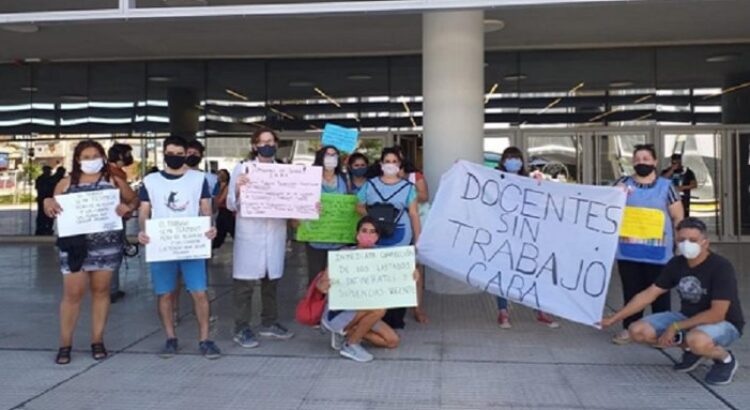
Epílogo. (…) Como hija de una docente quiero señalar el rol social que el ámbito educativo formal tiene hoy, y destacar la cantidad de formadoras y formadores que todos los días revisan los contenidos que brindan, piensan en incorporar mujeres en sus bibliografías, reaprenden todo, absolutamente todo lo que le enseñaron para poder contar la Historia desde un lugar más justo. En mi país la docencia es una actividad bastante vapuleada económicamente, pero allí están las y los educadores, dando una batalla cultural admirable, por una vocación real: brindar educación de calidad.
En este mismo sentido, la psicología se ha vuelto una disciplina capaz de darnos a las mujeres y a los hombres herramientas clave, para que nuestras historias personales puedan ser vistas desde una dimensión que nos habían negado.
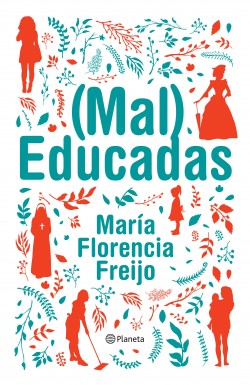
Este texto es un fragmento de «(Mal) Educadas» (Planeta)
Fuente: https://diariofemenino.com.ar/la-mala-educacion-de-las-mujeres/

 En el resto de territorios, hasta ahora, la aproximación de la programación a las aulas de primaria se ha producido de manera aislada y mediante actuaciones asociadas a proyectos tanto promovidos por instituciones públicas como especialmente privadas.
 Jesús Moreno León, embajador de la Semana Europea de la Programación. Fotografía de Javier Márquez



 Users Today : 203
 Total Users : 35500492
 Views Today : 283
 Total views : 3621157